- .
- info@earthtrip.in
-
INR
-
USD
INR
USD
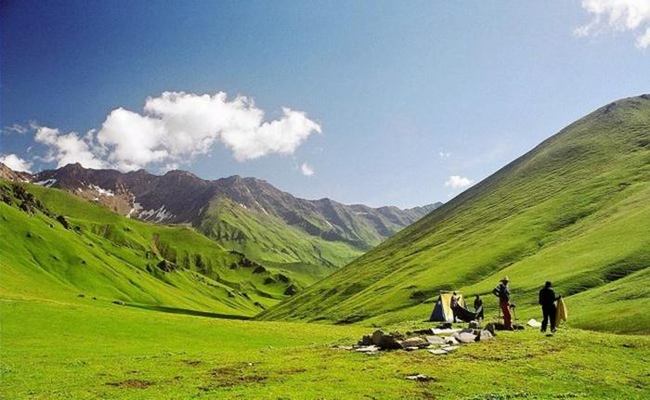
Dayara Bugyal is often placed at the top position only to be hotly contested and pushed to the next best. But there is no debate amongst trekkers that Dayara Bugyal would fall within the two most beautiful high altitude meadows in India. It is not difficult to see why. For hundred of years shepherds from far have been taking their flock to graze at Dayara.
They have come back with stories of the abundance of grass and splendor of the mighty Himalayan mountain peaks cradling the meadows. They described the place with such intensity that soon word about Dayara Bugyal reached explorers. When the explorers got back from their treks to Dayara Bugyal, they came back profoundly affected. The meadows were exactly as the shepherds had described them – but only more beautiful. The mountains they talked about were the Bhagirathi peaks, Bandarpoonch, Black peak and scores of other peaks they could not name. They discovered clear water bodies strewn across the green meadows – in whose reflection the peaks looked even more beautiful. Flowers sprung up around streams and brooks that ran across the meadows.
Day 1- Haridwar to Barsu (7545 ft) 220kms, 6-7 hrs drive
Day 2- Barsu to Dayara via Barnala (8530 ft) 8-9 Km, 6-7 hrs trek
Day 3- Dayara Bugyal to Bakaria Top (12000 ft)3 Km 2½-3 hrs, back to dayara Bugyal
Day 4- Dayara Bugyal to Pichkiya (7873 ft) 8 Km, 6-7 hrs trek
Day 5- Pichikya (7873 ft) to Barsu (7545 ft) 4½ Km, 3-4 hrs trek
Day 6- Barsu (7545 ft) to Haridwar whole day drive
Day 1- Haridwar to Barsu (7545 ft) 220kms, 6-7 hrs drive
We leave at dawn break and drive to Barsu which is a day long journey. We pass through the towns of Rishikesh, Chamba and Uttarkashi. Barsu is a small village about 32 kms from Uttarkashi and is on the way to Gangothri. The drive to Barsu from Uttarkashi is along with Bhagirathi river. Barsu is the base camp for Dayara Bugyal trek, Overnight stay at Barsu in a guest house
Day 2- Barsu to Dayara via Barnala (8530 ft) 8-9 Km, 6-7 hrs trek
The trek to Dayara is 9 Kms and is a normal step ascend till Barnala. We pass through the beautiful landscape of laced of Rhododendrons, forest cover of Silver Oaks, Deodar. Barnala is a place from where the famed meadow of Dayara starts. The miles of green undulating meadows stretching as far as your eye can see is a beautiful sight. The trail to the high alpine meadow Dayara Bugyal, is through the Barnala meadows. The landscape is picturesque and the dense forests lend a sneak peak of the greater Himalayas. As you end the ascend at Dayara, the vast meadow unfolds in front of you. The meadow is like a table top as you set foot on the meadow the sight of the mighty Himalayas surrounds you. Srikanth, Rudregaira, Gangotri I, II & III , Jaonli, Draupadi ka Danda I & II, Black peak, Bandarpunch and many other unnamed peaks are visible from Dayara Bugyal meadow. Overnight stay in camps.
Day 3- Dayara Bugyal to Bakaria Top (12000 ft)3 Km 2½-3 hrs, back to dayara Bugyal
Bakaria Top is the highest point of Dayara Bugyal, itÂ’s a steep ascent to Bakaria top. Dayara Bugyal is divided into many small bugyals and Bakaria top is one of them. We start trek along the meadows and gain altitude gradually till we reach Bakaria Top. The views from the top take your breath away. Snow capped mountains, Valley deep below, towns as far as Uttarkashi can be seen from the top. It offers a 360 degree panoramic view of the entire greater Himalayas. We descend back to Dayara to camp for the night.
Day 4- Dayara Bugyal to Pichkiya (7873 ft) 8 Km, 6-7 hrs trek
We begin our descent to Pickkiya. The trail takes around 6 to 7 hrs with a few ascends in between. We walk through the vast stretches of the alpine meadows and the sub alpine forests and small spiralling rivulets. Pichkiya campsite is a small grassland situated in between the alpine forests. The inner dry valleys, dwarf rhododendrons grow along with patches of grasslands near the campsite.
Day 5- Pichikya (7873 ft) to Barsu (7545 ft) 4½ Km, 3-4 hrs trek
We descend down to Barsu along a well marked trail through the thick forests. The village of Barsu and the adjoining settlements can be sighted half way down the trail. We reach Barsu by afternoon and camp for the night.
Day 6- Barsu (7545 ft) to Haridwar whole day drive
We drive back to Haridwar to board the night train out to New Delhi.
1. Accommodation. (Guest house, Home stay, Camping)
2. Meals while on trek (Veg.)
3. Trek equipments and gear.
4. Forest Permits
5. First aid medical kits and oxygen cylinder.
6. Qualified & experienced trek Leader, Guide and Support staff
7. Transport from Haridwar to Barsu and return
8. Mules to carry group equipment.
1. Any kind of personal expenses.
2. Food during the transit.
3. Insurance.
4. Anything not specifically mentioned under the head
Normally TTH expect to carry your personal luggage on your own, if you don't want to carry your backpack so you can give it to porter, but you have to inform us in advance and have to pay Rs. 300/- extra per day per bag.
To book a Trek/ adventure program please use our online booking form or, alternatively, you can call us on the given for confirmation of tour you have to wire a deposit and initial deposit.
By Air:
The nearest domestic and commercial airport is Dehradun Jolly Grant Airport (Airport Code: DED), situated just 38 km north of Haridwar (approximately 50 minutes drive via the smooth 4-lane NH-7 highway). Daily direct flights connect Jolly Grant Airport to New Delhi (IGI), Mumbai, Bengaluru, Ahmedabad, Hyderabad, and Lucknow. Pre-paid airport taxi counters and car rentals operate 24/7 outside the terminal.
By Train:
Haridwar Junction (Station Code: HW) is an A1-grade major railway junction directly connected to all major metropolises across India. Prominent train connections include:
By Road:
Haridwar features seamless, multi-lane national expressway connectivity from Delhi NCR and neighboring states:
Haridwar features an extraordinary ensemble of ancient Shakti Peeth shrines, historic ghats, sacred riverside ashrams, and nature sanctuaries:
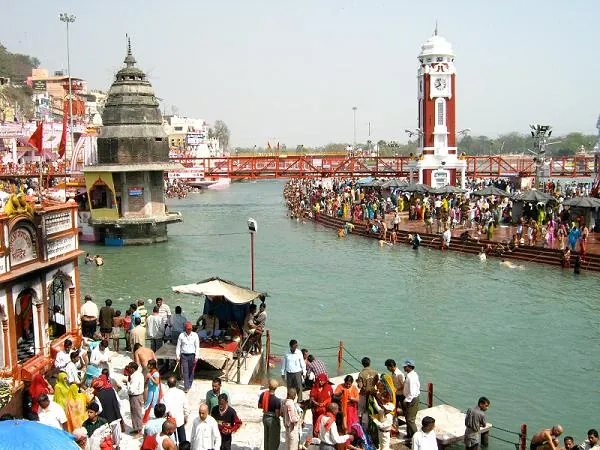
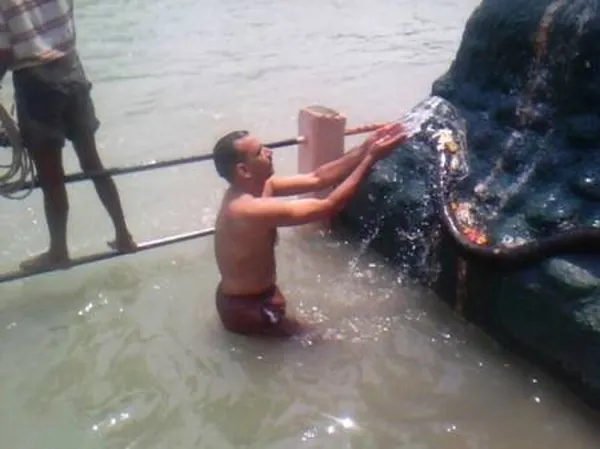
The beating heart of Haridwar, Har Ki Pauri (literally 'Steps of the Lord') was originally commissioned by King Vikramaditya in the 1st century BCE in honor of his brother Bhartrihari. Within this bustling ghat lies the sanctified Brahma Kund, where the footprint (Charan) of Lord Vishnu is imprinted on a stone wall. Millions of devotees gather here daily to take a purifying dip in the rapid, crystal-clear Himalayan waters of the Ganges.
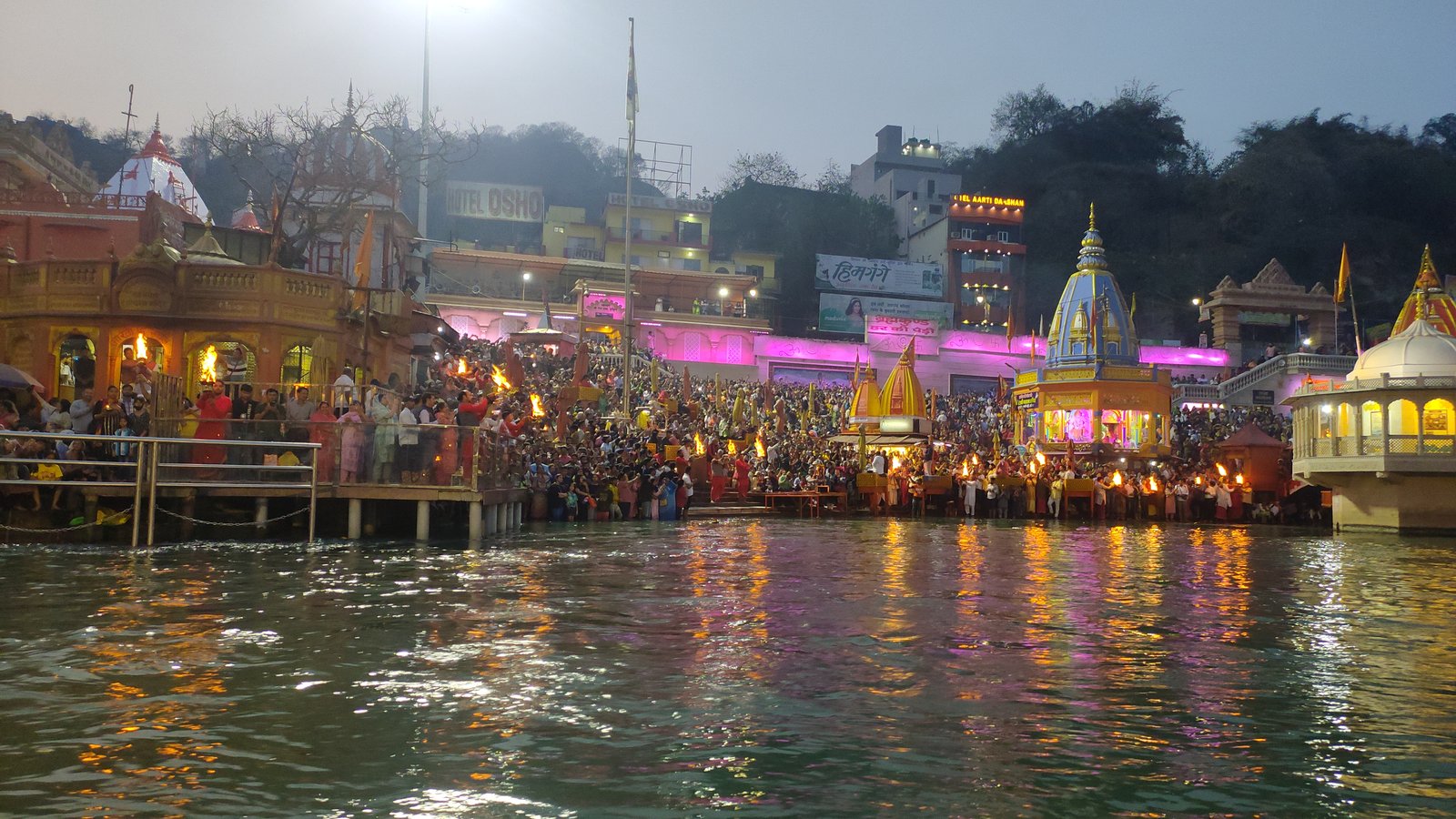 The Sacred Brahma Kund and Har Ki Pauri Riverside Promenade, Haridwar
Every evening at dusk, Har Ki Pauri transforms into an awe-inspiring sensory spectacle during the world-famous Maha Ganga Aarti. Chants of Sanskrit mantras, rhythmic clanging of temple bells, and blowing of conch shells reverberate across the river as priests hoist towering multi-tiered brass oil lamps. Thousands of floating leaf diyas (diyas filled with marigold petals and camphor) illuminate the emerald river, creating a magical floating constellation on the water.
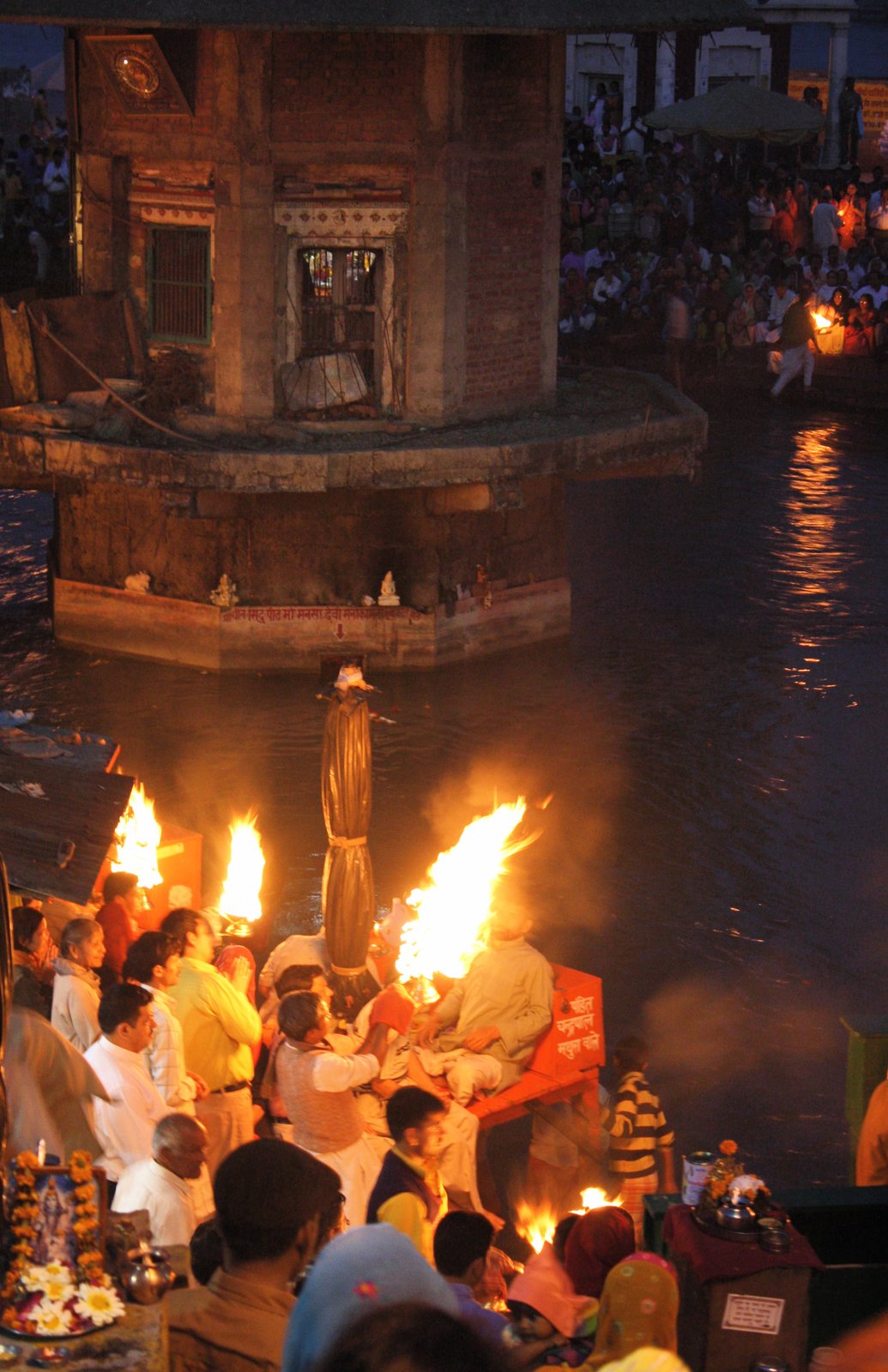 Grand Evening Maha Ganga Aarti with Multi-Tiered Brass Lamps at Har Ki Pauri
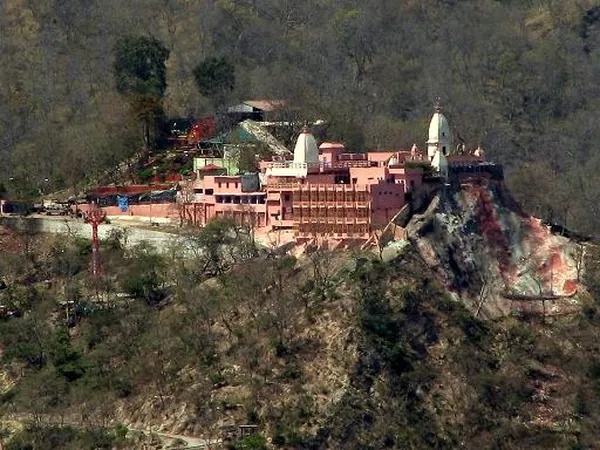
Perched atop the Bilwa Parvat hill on the Shivalik range, the Maa Mansa Devi Temple is a revered Siddhapeeth dedicated to Goddess Mansa, the sister of serpent Vasuki and wish-fulfilling deity born from Sage Kashyap's mind. Pilgrims tie a sacred holy thread to the branches of the temple's ancient wish tree and untie it once their prayer is answered. Accessible via a scenic 3 km hilltop trek or the popular Udan Khatola cable car ropeway offering sweeping views of the Ganges plain.
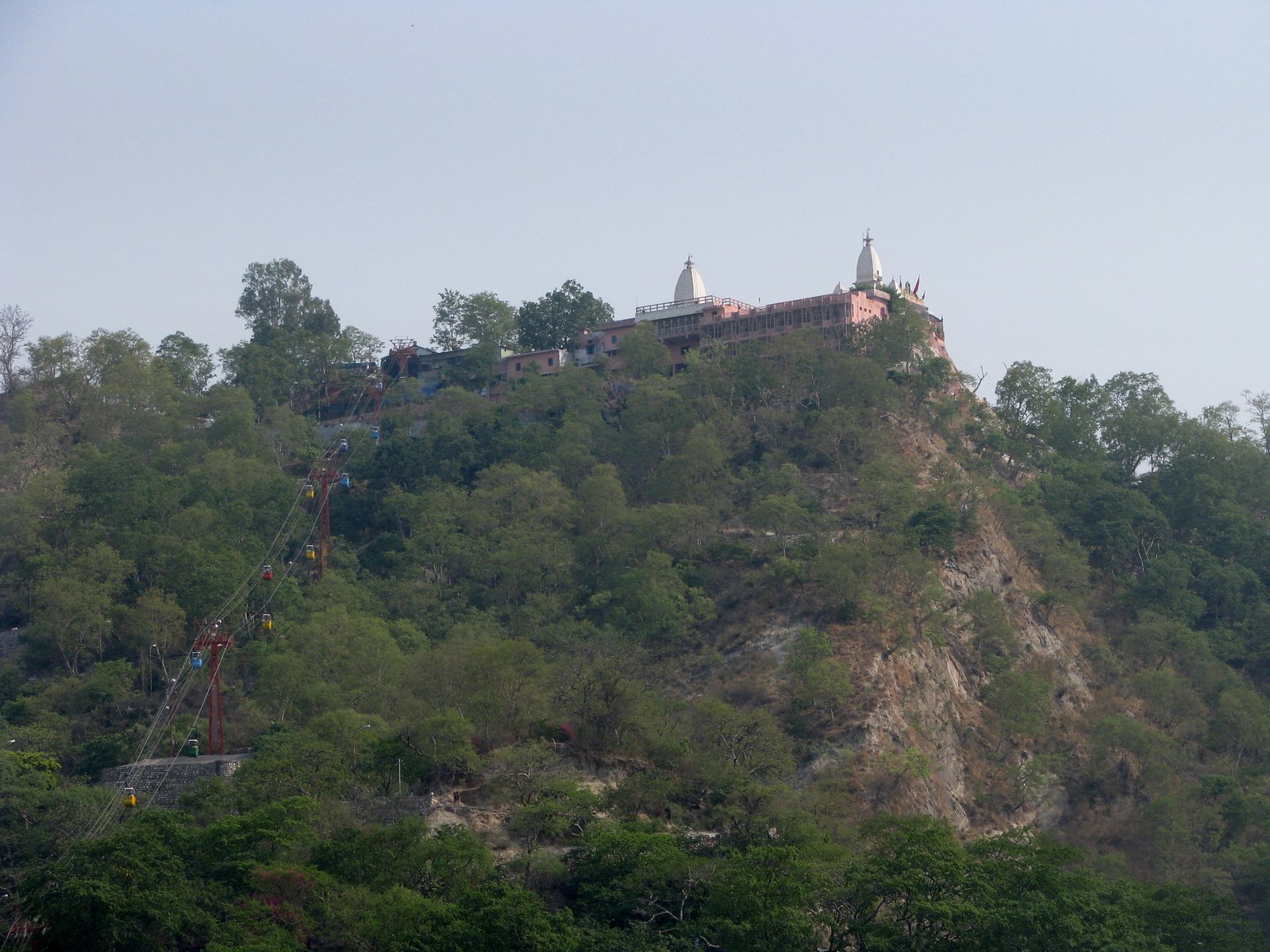 Maa Mansa Devi Temple Complex Crowning the Bilwa Parvat Ridge, Haridwar
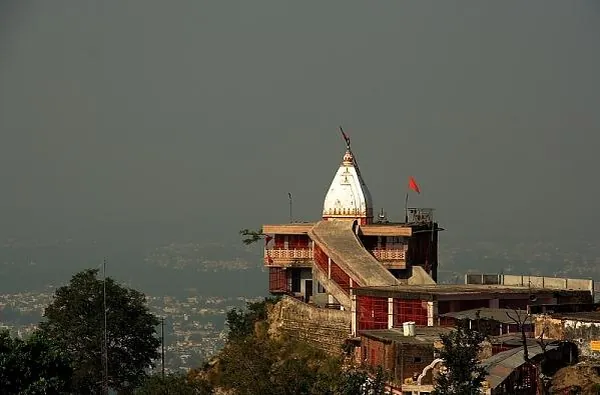
Standing on the opposite bank atop Neel Parvat, Chandi Devi Temple was established in the 8th century by Adi Shankaracharya and constructed in 1929 by the King of Kashmir, Suchat Singh. Legend holds that Goddess Chandi rested here after slaying the demon generals Chanda and Munda. Devotees combine visits to Mansa Devi and Chandi Devi using the integrated combined ropeway pass.
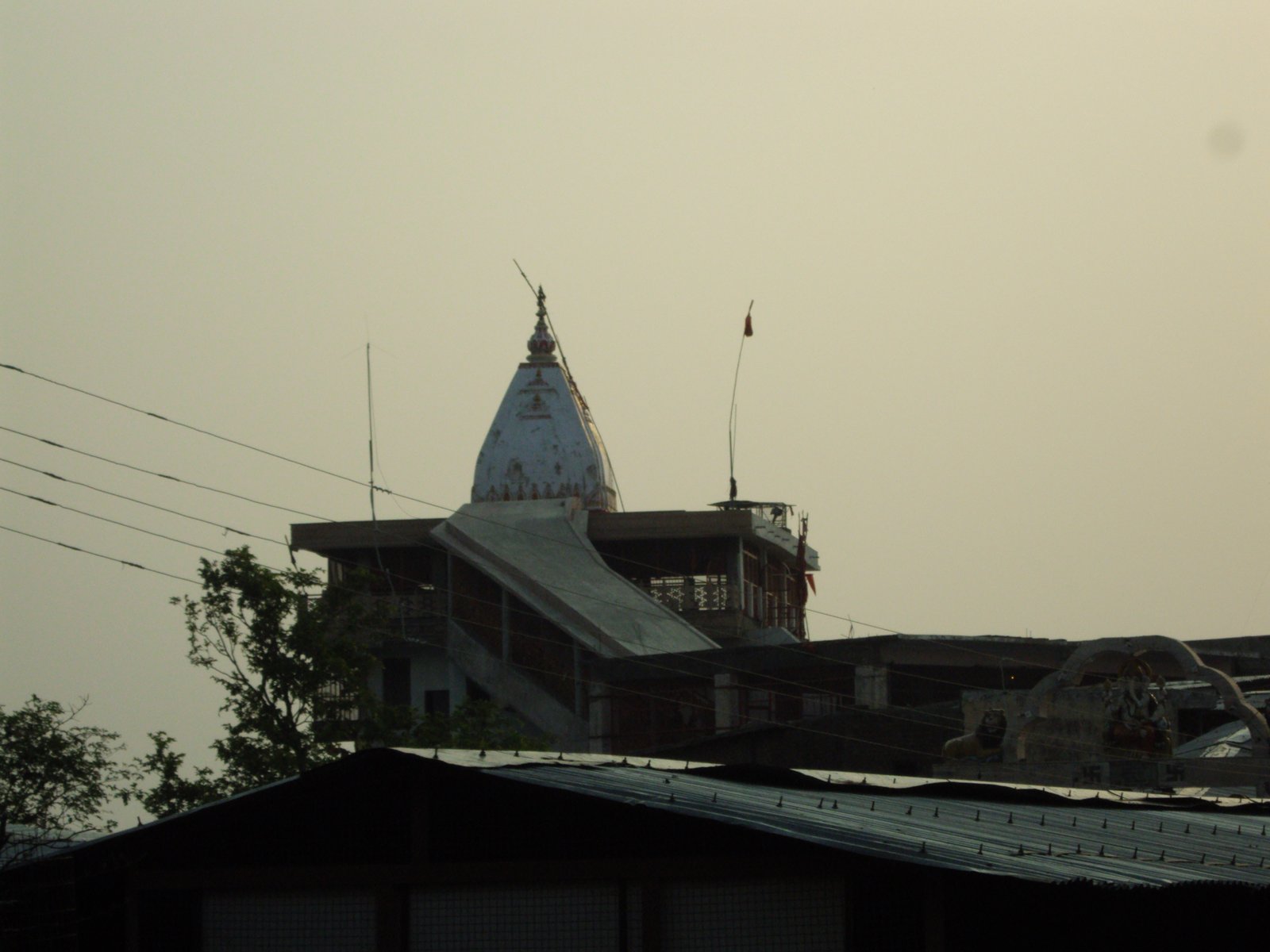 Maa Chandi Devi Ancient Hilltop Shrine on Neel Parvat, Haridwar
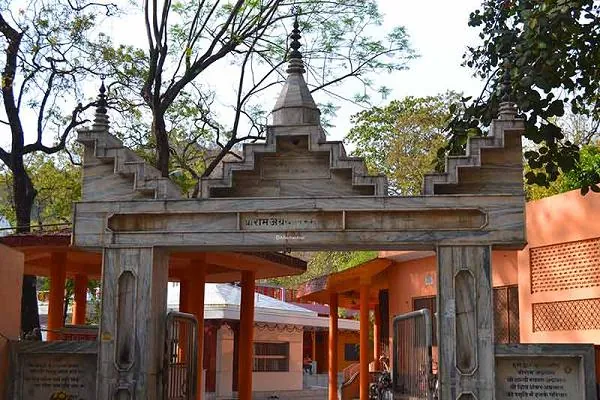
Dating back to the 11th century, the Maa Maya Devi Temple is one of the most sacred 51 Shakti Peethas, where the heart and navel of Goddess Sati are believed to have fallen. Revered as the Adhisthatri (patron deity) of Haridwar, this ancient stone temple forms the sacred Siddhapeeth Triangle along with Mansa Devi and Chandi Devi.
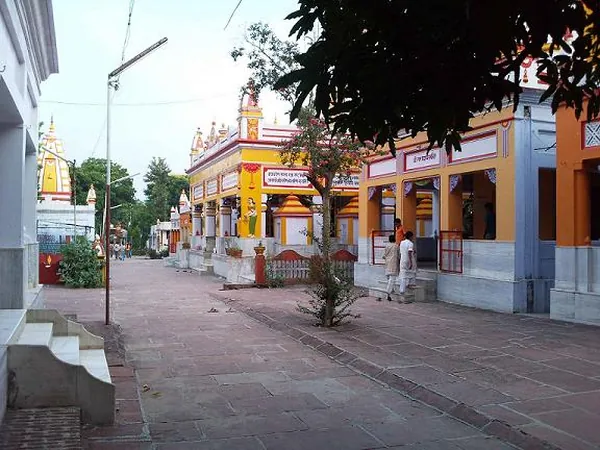
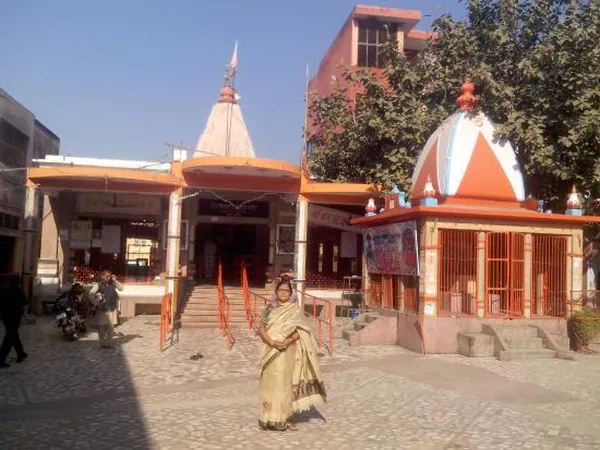
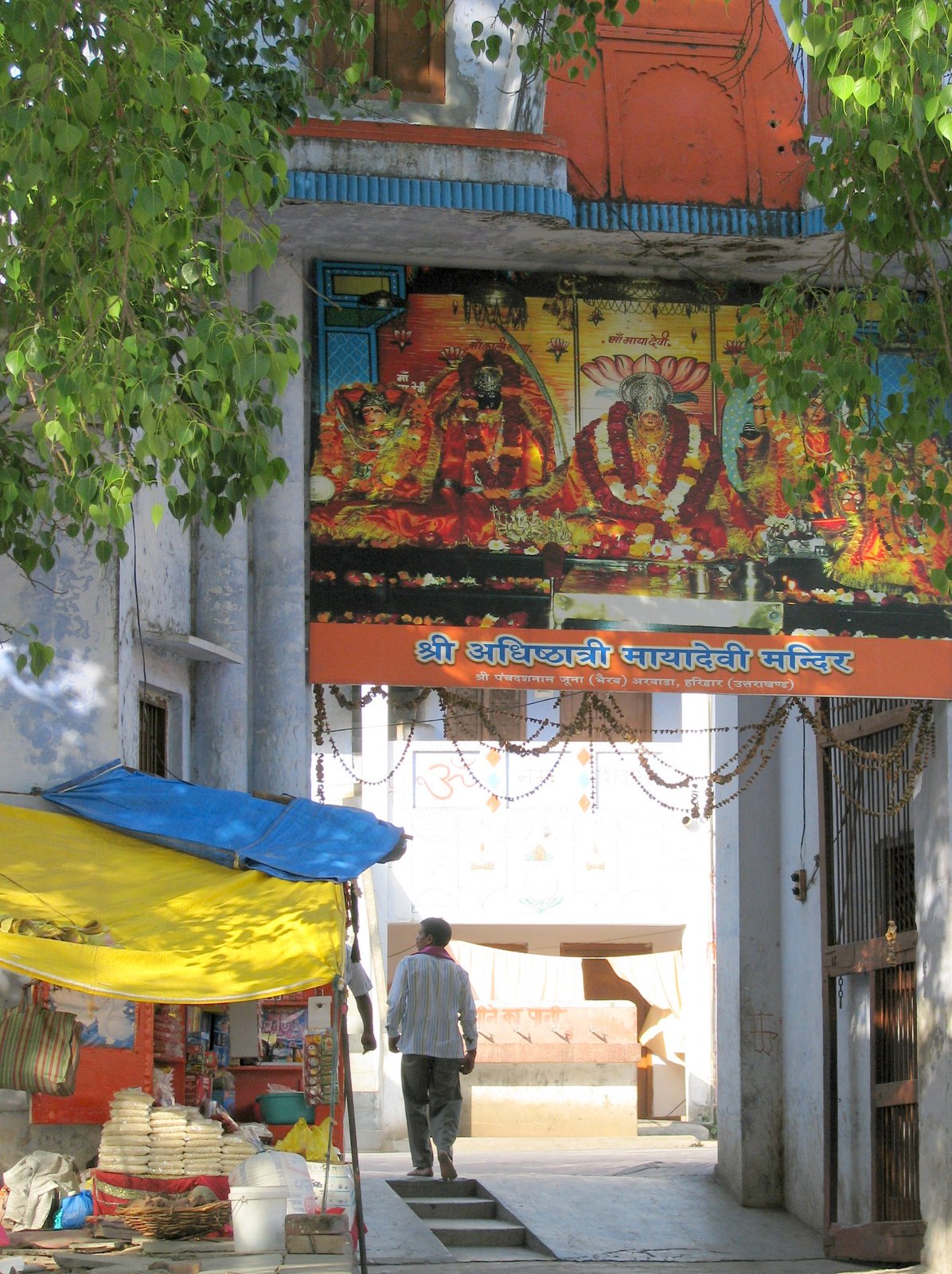 Maa Maya Devi Temple Entrance — Historic 11th Century Shakti Peeth Shrine
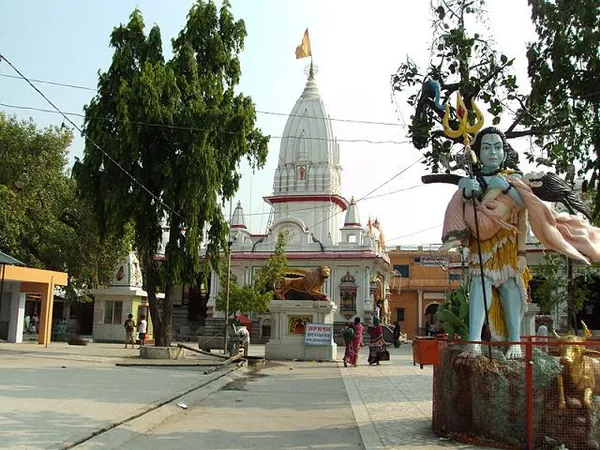
Located 4 km south in the historic town of Kankhal, Daksha Mahadev Temple is dedicated to Lord Shiva and marks the mythological site of King Daksha Prajapati's grand Yagna, where Goddess Sati sacrificed herself in the sacred sacrificial fire pit (Yagna Kund). The nearby Sati Kund remains a poignant pilgrimage stop surrounded by centuries-old banyan trees.
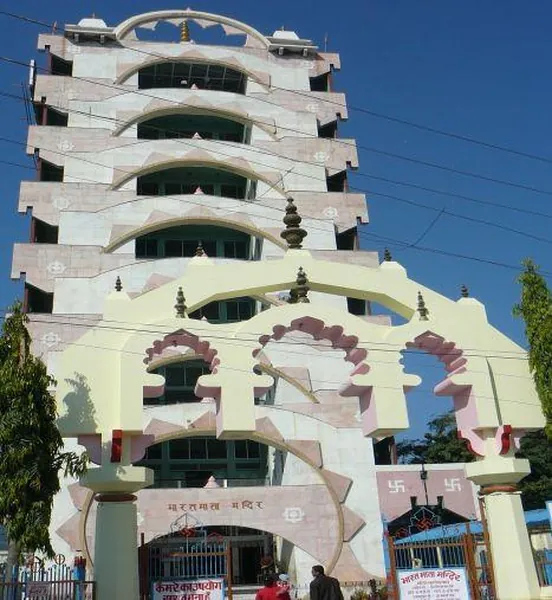
Inaugurated by Prime Minister Indira Gandhi in 1983, the unique 8-story Bharat Mata Mandir rises 180 feet, dedicated to the spirit of Mother India and showcasing freedom fighters, saints, divine women, and Indian cultural unity. Just down the road lies Shanti Kunj, the international headquarters of All World Gayatri Pariwar, renowned for its Gayatri Yagnas, spiritual research, herbal nurseries, and free Vedic education.
Known for its dazzling mirror work and glass mosaic art, Pawan Dham is a modern temple complex where walls, pillars, and ceilings are intricately encrusted with thousands of imported glass prisms reflecting colorful deities. Nearby, the Vaishno Devi Temple replica replicates the famous holy cave shrine of Jammu with artificial tunnels, rocky paths, and natural waterfalls.
Sprawling across 820 sq km at the junction of the Shivalik hills and Gangetic plains, Rajaji National Park (Chilla entry gate just 12 km from Haridwar) offers thrilling open-top 4x4 jeep safaris. Home to over 500 Asian Wild Elephants, Royal Bengal Tigers, Indian Leopards, Sambar deer, and 315 bird species, it is a premier ecotourism wilderness getaway.
Duration: 6 NIghts
 Best Flights
 Best Prices
 Unique Holidays