- .
- info@earthtrip.in
-
INR
-
USD
INR
USD
Hadimba Devi Temple (also known as the Dhungri Temple), rising gracefully amidst towering, centuries old deodar cedar woods in the Dhungri forest 2 km from...
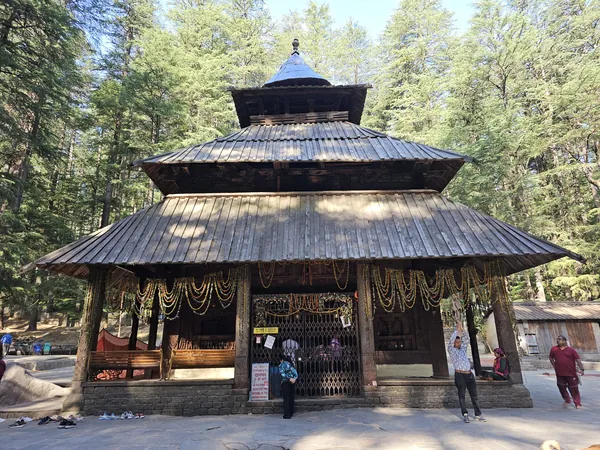
Hadimba Devi Temple (also known as the Dhungri Temple), rising gracefully amidst towering, centuries old deodar cedar woods in the Dhungri forest 2 km from the Mall Road in Manali in Himachal Pradesh, stands as Himachal Pradesh's most iconic, architecturally unique, and culturally revered wooden pagoda sanctuary.
Constructed in 1553 AD by Maharaja Bahadur Singh of Kullu around an ancient natural rock cave, this four tiered timber and-slate shrine honors Goddess Hidimba, the wife of Pandava warrior Bhima and mother of the heroic warrior Ghatotkacha from the Indian epic Mahabharata.
It's the home of an extraordinary 24 meter-tall four tiered pagoda roof crowned with a brass finial kalash, masterfully hand carved deodar wooden lintels depicting Hindu deities and mythical animals, sacred ibex horn offerings lining the temple exterior, the nearby open air tree shrine of Ghatotkacha, and peaceful forest walking trails through Dhungri Van Vihar.
It represents a rich Himalayan sanctuary where ancient epic Mahabharata lore, indigenous Kath Kuni timber craftsmanship, mystical forest energy, and deep regional folk spirituality unite in the Kullu Valley.
Located in the Dhungri forest zone just 2 km from central Manali, it sits 50 km from Kullu Manali Airport (Bhuntar, KUU) and 305 km from Chandigarh, easily accessible by auto rickshaw, local taxi, or a pleasant 20 minute shaded uphill stroll through the pine woods.
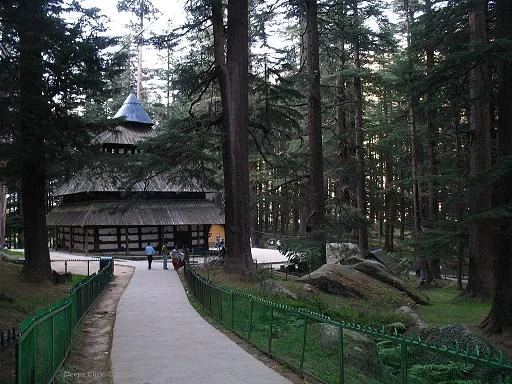
According to the Mahabharata, the Pandavas took refuge in the forests of Manali during their exile, where Bhima defeated the demon ruler Hidimb and married his noble sister Hidimba.
When Bhima and his brothers left the valley, Hidimba remained behind to perform rigorous spiritual meditation in this cedar forest, eventually achieving divine status as the protector goddess of the Kullu people.
Truth is, in 1553 AD, Kullu ruler Maharaja Bahadur Singh built the pagoda structure over her sacred meditation cave to formalize state worship, commemorated on a historic wooden inscription panel by the entrance.
The Pagoda Architecture: The temple rises 24 meters high in four distinct tiers, the lower three covered with local timber planks and the conical uppermost canopy covered in polished brass sheets.
The Sacred Cave Sanctum: Inside the dimly lit sanctum, there is no conventional metal idol; worship is directed to a large natural rock boulder housing a sacred 3 inch footprint imprint of Goddess Hidimba.

Ghatotkacha Tree Shrine: A short 70 meter walk through the deodar grove leads to an unroofed wooden shrine dedicated to Ghatotkacha, where wooden weapons and ritual tridents are offered by local devotees.
Dhungri Mela & Dussehra Role: Every May, the temple grounds host the lively three day Dhungri Mela celebrating the goddess's birthday with traditional Nati folk dancing and music. During the grand Kullu Dussehra, Goddess Hadimba's wooden palanquin leads the ceremonial procession of over 200 valley deities.
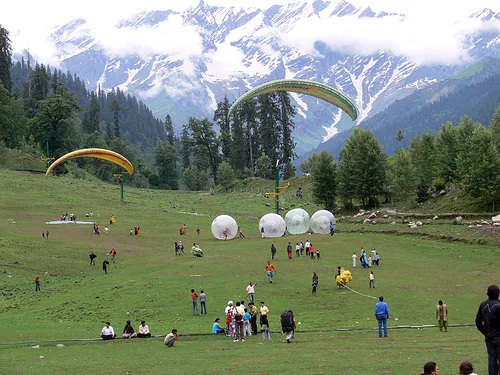
After offering prayers at Hadimba Devi Temple, explore the cafes and craft shops of Old Manali, visit the natural hot springs of Vashisht, or drive through the snow meadows of Solang Valley.
Reaching Hadimba Devi Temple in Manali is simple on foot or by road across Manali in Himachal Pradesh.
Best Time to Visit:
Explore more famous Himalayan wooden temples and sacred heritage shrines across Himachal Pradesh.
 Honeymoon
 Family
 Honeymoon
 ★★ Hotel
Hotel Prini Inn Manali with simply spectacular views of the soaring himalayas and expansiv…
View Hotel Details ★★★ Hotel
It is located at upper Rangri adjacent to Apple Bud Cottage in the middle of apple Orchard…
View Hotel DetailsGautam Hotel N Cottage is class Hotel homely accommodation is the name of Luxury and Comfo…
View Hotel Details ★★★ Hotel
Rhythm Retreat Manali is the best way to rejuvenate yourself away from the crowded city li…
View Hotel Details ★★★ Hotel
Hotel Natraj is situated an ideal spot along the National Highway 21, and sits snugly on t…
View Hotel DetailsRangari Homestead is nestled in Manali, with its soft backdrop background of the Himalayas…
View Hotel Details Attraction
Rising to an elevation of 13,058 feet (3,978 meters) on the Pir Panjal mountain range, Roh…
Explore Rohtang Pass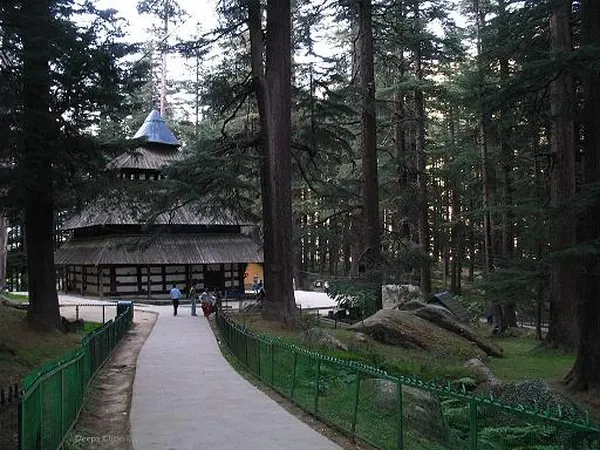 Attraction
Built in 1553 by Maharaja Bahadur Singh within the towering deodar forests of Dhungri, Had…
Explore Hadimba Temple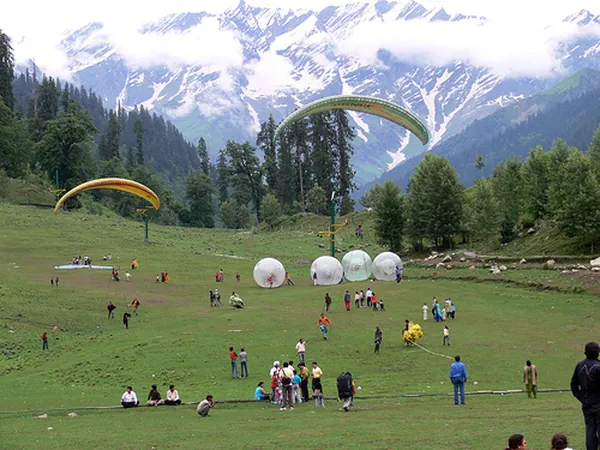 Attraction
Located roughly 14 kilometers northwest of main town Manali on the route toward Rohtang Pa…
Explore Solang Valley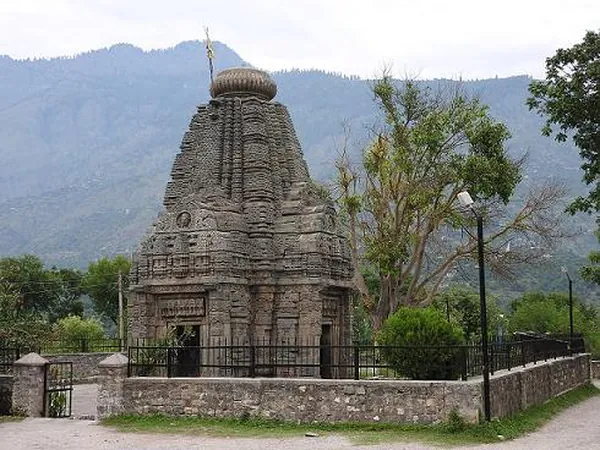 Attraction
Sitting on the banks of the Beas River at Bajaura, about 15 kilometers south of Kullu town…
Explore Basheshwar Mahadev Temple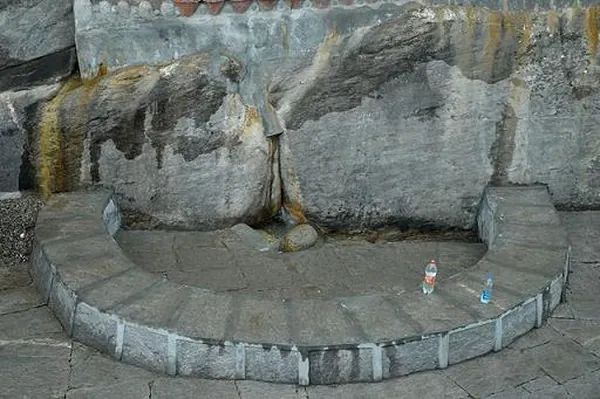 Attraction
Nehru Kund is a pristine natural freshwater spring located 5 km north of Manali along the …
Explore Nehru Kund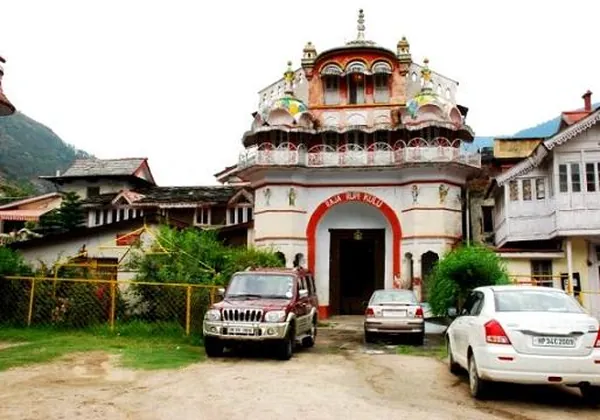 Attraction
Sultanpur Palace, historically known as Rupi Palace, is the royal ancestral residence of t…
Explore Sultanpur Palace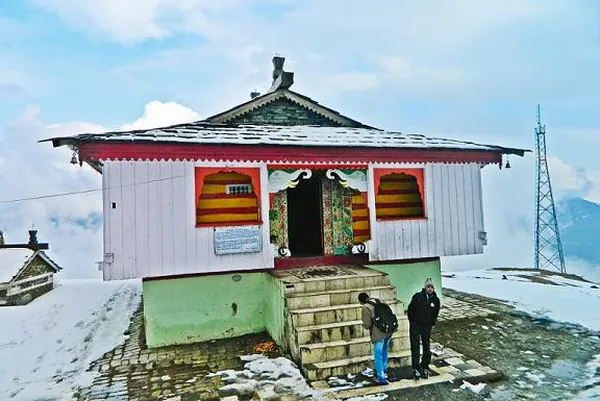 Attraction
Bijli Mahadev Temple is a mystical ancient Shiva temple situated at 8,060 feet (2,460 metr…
Explore Bijli Mahadev Temple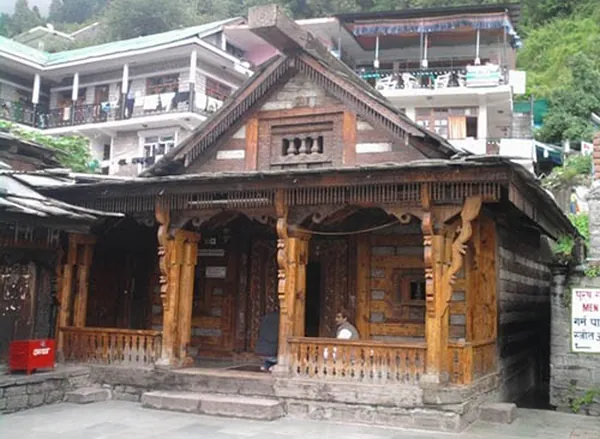 Attraction
Maa Sharvari Temple is a sacred centuries old Hindu shrine dedicated to Goddess Sharvari, …
Explore Maa Sharvari Temple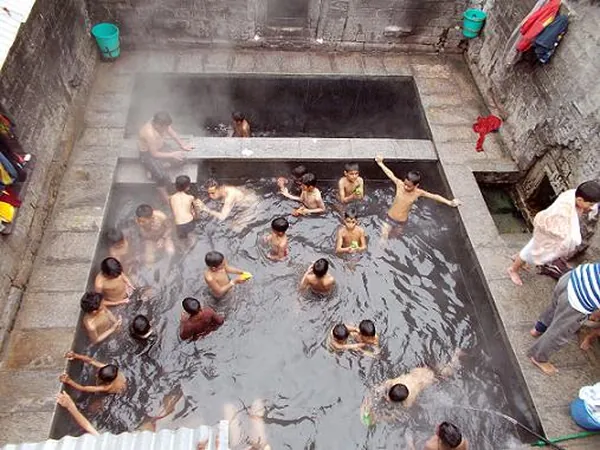 Attraction
Vashisht Hot Water Springs is a 4,000 year old natural geothermal sulphur spring emerging …
Explore Vashisht Hot Water SpringsExplore high-resolution photographs of iconic landmarks, temples, and scenic spots in Manali.
Essential visitor information regarding timings, entry tickets, location, nearby attractions, and travel guide in Manali.
Built in 1553 AD by Maharaja Bahadur Singh, Hadimba Temple is famous for its 24-meter-tall 4-tiered wooden pagoda architecture, sacred rock cave, and ancient deodar forest.
Built in 1553 AD by Maharaja Bahadur Singh, Hadimba Temple is famous for its 24-meter-tall 4-tiered wooden pagoda architecture, sacred rock cave, and ancient deodar forest.
Goddess Hadimba was the wife of Pandava warrior Bhima and mother of Ghatotkacha. She meditated in the Dhungri forest and became the patron deity of the Kullu Valley.
Goddess Hadimba was the wife of Pandava warrior Bhima and mother of Ghatotkacha. She meditated in the Dhungri forest and became the patron deity of the Kullu Valley.
The temple features a 4-tier pagoda roof with three wooden tiers and a brass conical top, intricate deodar wood carvings of deities, and an inner rock cave sanctum.
The temple features a 4-tier pagoda roof with three wooden tiers and a brass conical top, intricate deodar wood carvings of deities, and an inner rock cave sanctum.
Dhungri Mela is a colorful 3-day annual festival held every May at the temple grounds to celebrate Goddess Hadimba's birthday with traditional Himachali Nati folk dances.
Dhungri Mela is a colorful 3-day annual festival held every May at the temple grounds to celebrate Goddess Hadimba's birthday with traditional Himachali Nati folk dances.
Hadimba Devi Temple is open daily from 6:00 AM to 8:00 PM with completely free entry for all visitors.
Hadimba Devi Temple is open daily from 6:00 AM to 8:00 PM with completely free entry for all visitors.
Get a customized itinerary and the best deals on packages and hotels.
Enquire Now