- .
- info@earthtrip.in
-
INR
-
USD
INR
USD
Tomb of Muhammad Ghaus in Gwalior (celebrated across Islamic architectural chronicles as one of India's finest early Mughal sandstone mausoleums and an ext...
Tomb of Muhammad Ghaus in Gwalior (celebrated across Islamic architectural chronicles as one of India's finest early Mughal sandstone mausoleums and an extraordinary benchmark of 16th century pierced stone jali craftsmanship, situated in the historic Hazira quarter of Gwalior, world famous for its grand square planned sandstone monument crowned by a grand central dome with blue ceramic tile fragments, hexagonal corner towers, perimeter verandas enveloped by intricate pierced stone lattice screens / jalis filtering soft sunlight, resting place of the revered 16th century Shattari Sufi saint Shaikh Muhammad Ghaus who served as spiritual mentor to Mughal Emperors Babur and Akbar, and adjacent open pavilion samadhi of court musician Mian Tansen), located in Hazira in Gwalior in Madhya Pradesh, stands as the city's foremost early Mughal architectural landmark and Sufi pilgrimage shrine.
Constructed during the reign of Emperor Akbar in the late 16th century, this sandstone masterpiece represents a key transition point where indigenous Rajput stone latticework and Persian Islamic domes fused into early classical Mughal architecture.
It's the home of the world famous carved sandstone jali screens featuring over 40 distinct geometric, floral, and star shaped fretwork patterns that cast dancing shadows across the saint's central cenotaph, the broad stepped plinth and verandas that keep the inner sanctum naturally cool during intense summer afternoons, the adjacent tamarind tree beside Tansen's tomb whose leaves vocalists chewed for centuries in hopes of sweetening their singing voices, the annual December gathering of world renowned classical musicians during the Tansen Music Festival, and an intensely peaceful, meditative spiritual atmosphere where Sufi devotion meets four centuries of classical music heritage.
It represents a rich Mughal architectural heritage, Shattari Sufi mysticism, and Hindustani classical music history where pierced sandstone jalis, central domes, Tansen's samadhi, and Gwalior heritage tourism unite in the Tomb of Muhammad Ghaus.
Located in the Hazira neighborhood of northeastern Gwalior, it sits just 2.5 km north of Gwalior Railway Station (GWL), 3 km east of Gwalior Fort's Alamgiri Gate, and 10 km from Gwalior Airport (GWL), easily accessible by auto rickshaw, taxi, or city bus.
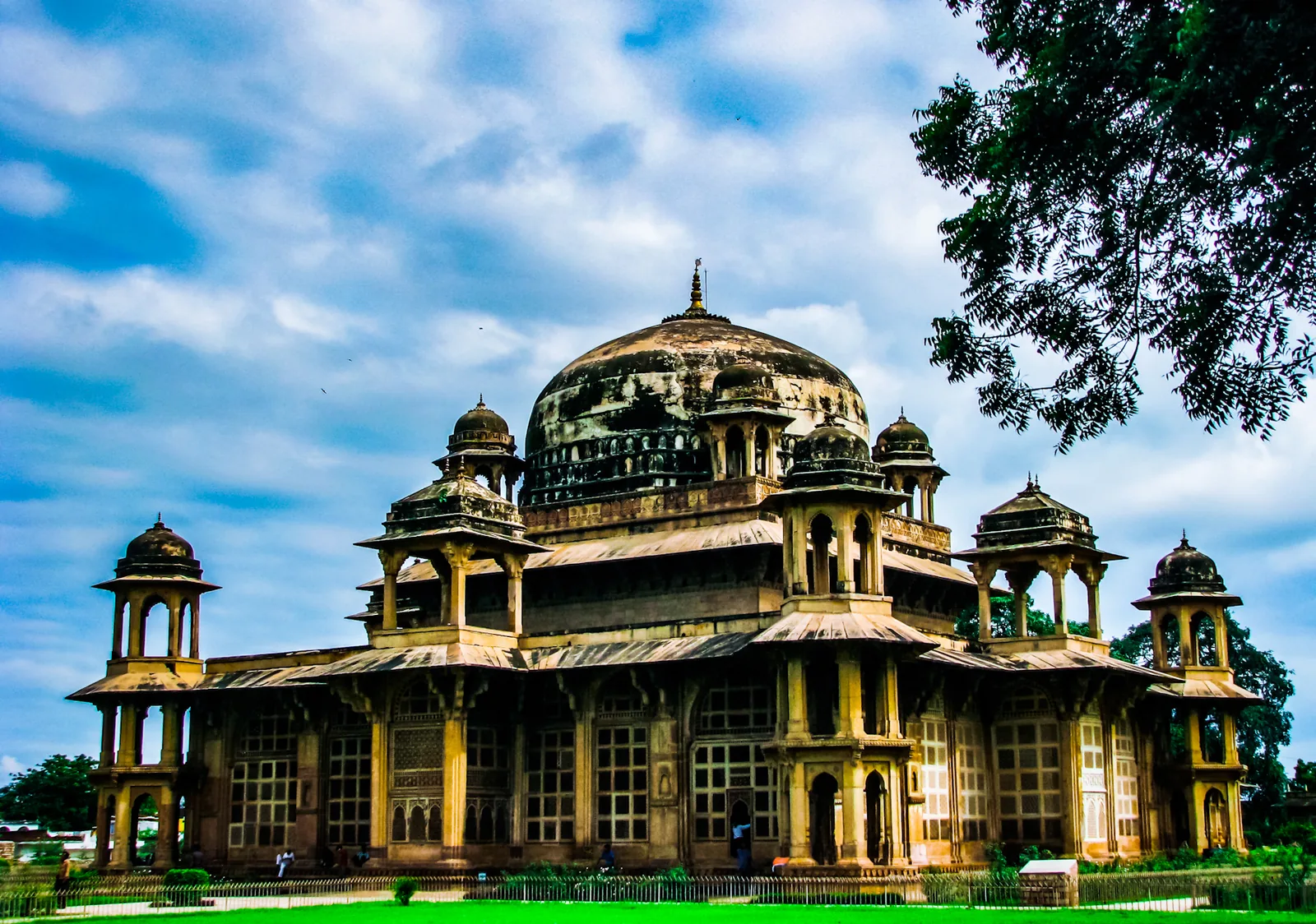
The outer verandas of Muhammad Ghaus's tomb are enclosed by floor to-ceiling pierced sandstone screens that are among the most intricate ever carved in central India.
Each panel displays mathematical precision with interlocking hexagons, 8 point stars, and floral creepers that filter external glare into a soft golden luminescence.
Truth is, watching the morning sunlight filter through these 400 year-old pierced stone screens onto the marble smooth floor is unforgettable.
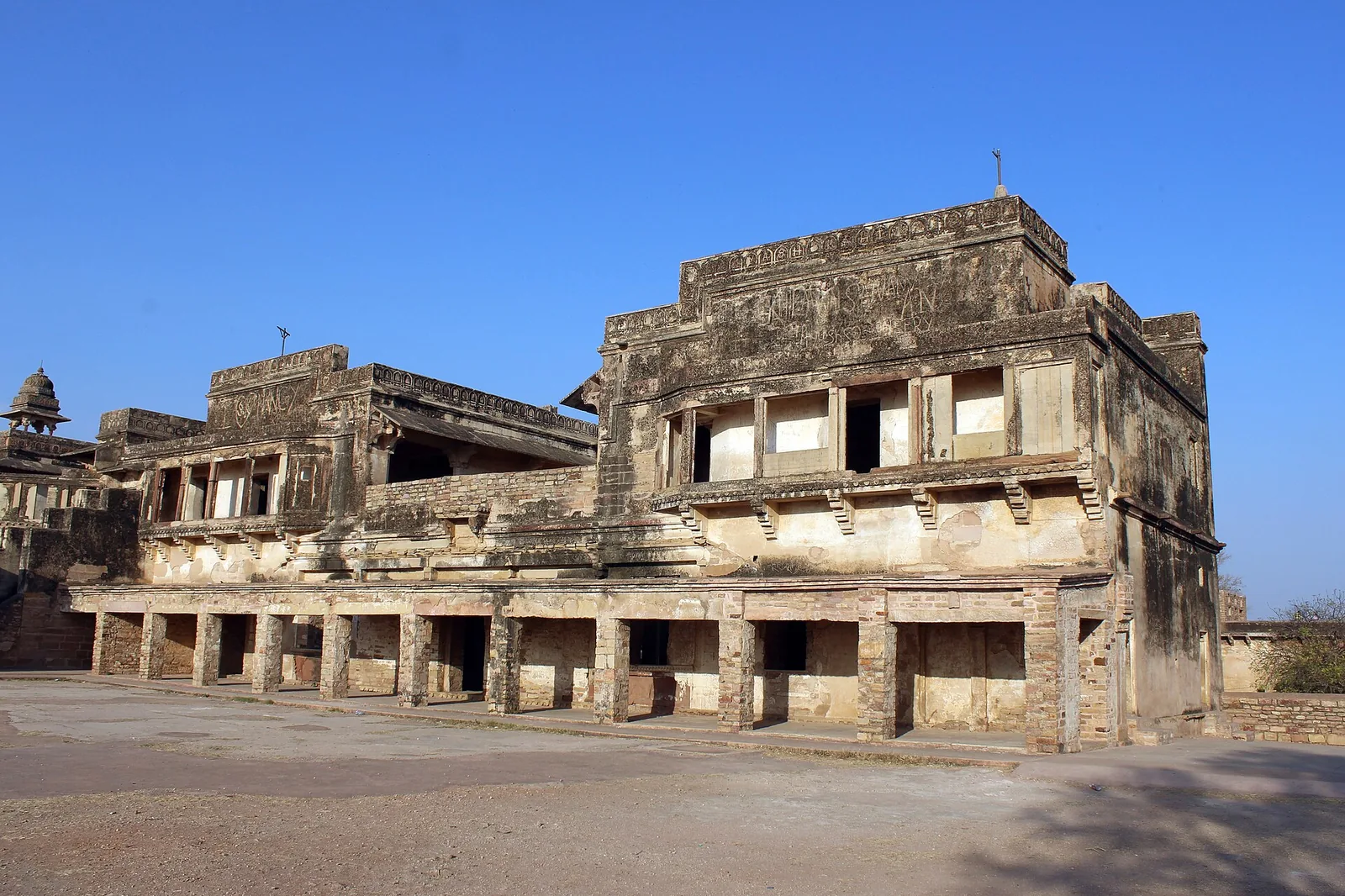
Sufi Mystic & Guru: Shaikh Muhammad Ghaus was a renowned Sufi saint and scholar who authored esoteric treaties like 'Jawahir i-Khamsa' and introduced Persian musical concepts to royal Mughal courts.
Tansen's Tomb: Directly facing the grand mausoleum sits the simple, elegant open pillared samadhi of Mian Tansen, who considered Muhammad Ghaus his true spiritual master and chose to be buried at his feet.
Annual Tansen Samaroh: Every December, the peaceful gardens surrounding the tomb transform into an open air classical music stage hosting the prestigious multi day Tansen Samaroh festival.
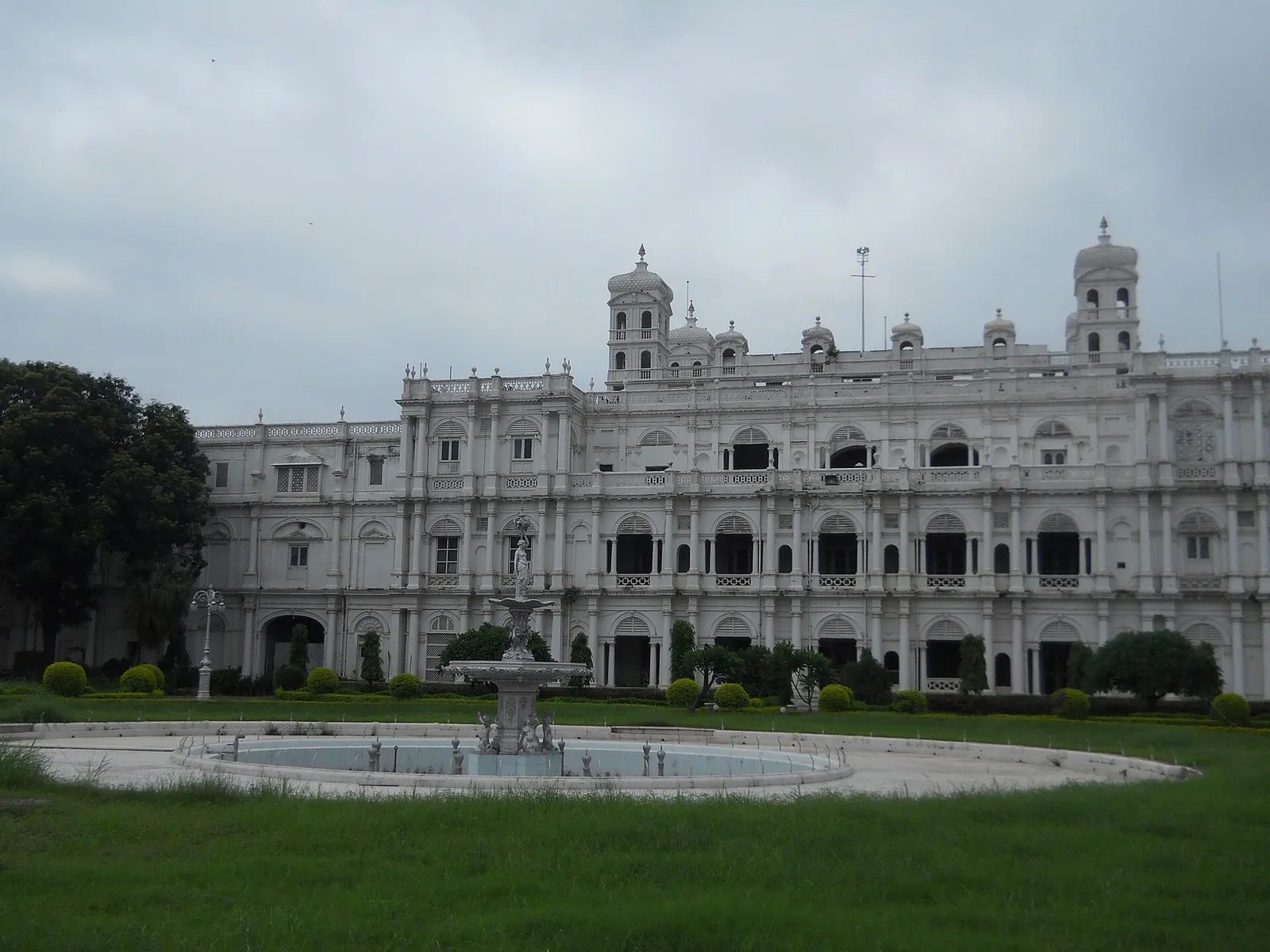
Proximity to Gwalior Landmarks: Sits just 10 minutes from the historic Urwahi Gate of Gwalior Fort and 15 minutes from Jai Vilas Palace Museum.
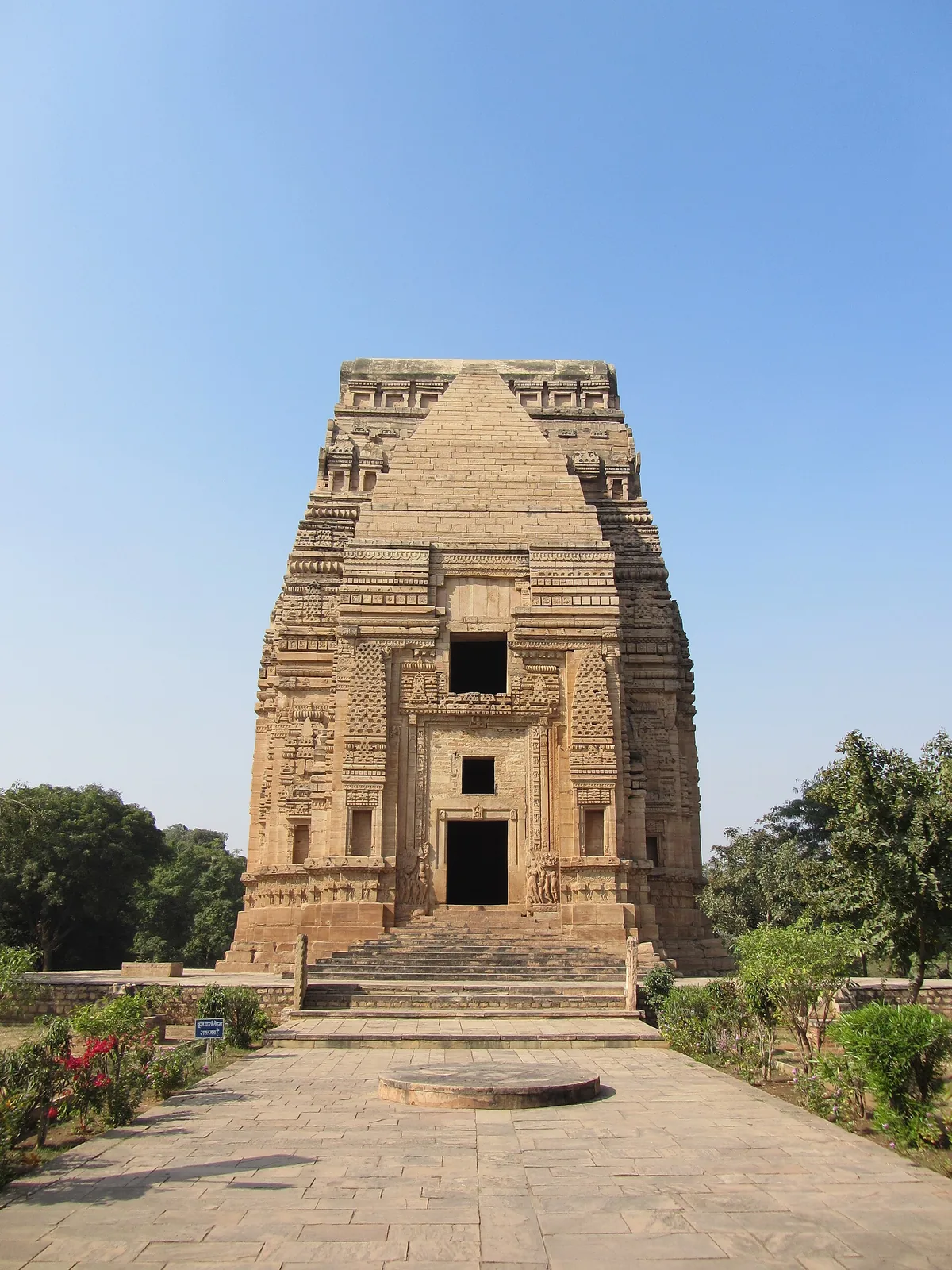
After paying respects at the Tomb of Muhammad Ghaus, explore Gwalior Fort, visit Kala Vithika, or tour Gwalior.
Reaching the Tomb of Muhammad Ghaus is very simple across Gwalior in Madhya Pradesh.
Best Time to Visit:
Explore more famous early Mughal mausoleums, pierced stone jali monuments, and Sufi shrines across Madhya Pradesh.
 Golden Triangle
 ★★★★ Hotel
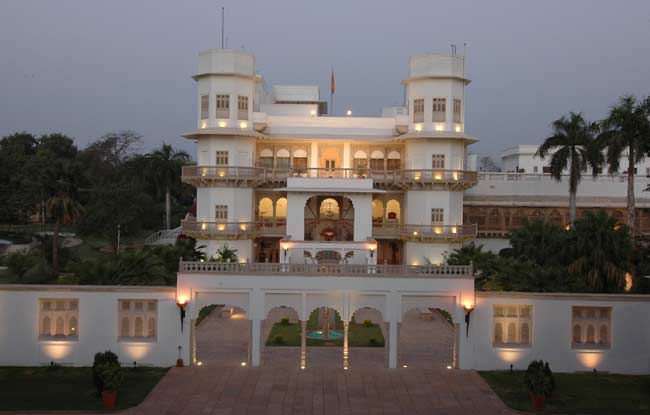
When visiting Gwalior, you'll feel right at home at Usha Kiran Palace, which offers qualit…
View Hotel Details ★★ Hotel
Located in the heart of Gwalior,The Hotel Royal Inn, hosts most beautiful banquet halls of…
View Hotel Details ★★★ Hotel
The Prabha International hotel in Gwalior is distinguished by its extraordinary interiors.…
View Hotel Details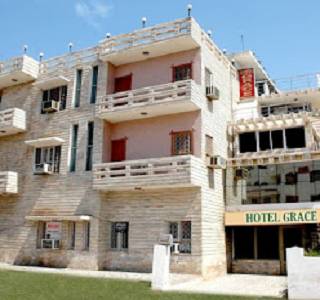 ★★ Hotel
Hotel Grace, Gwalior, offers a convenient resting place with modern comforts and a cosy am…
View Hotel Details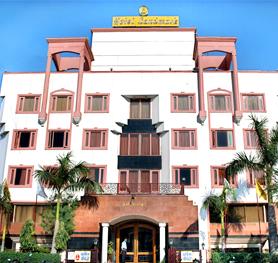 ★★★ Hotel
Hotel Landmark has been serving in the hospitality industry...To all travelers at domestic…
View Hotel Details ★★★ Hotel
Hotel Adityaz, Gwalior, with its innate charm and warmth offers a memorable for the guests…
View Hotel Details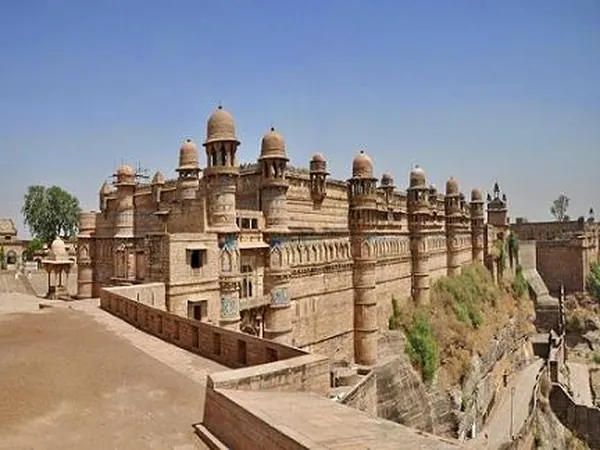 Attraction
Gwalior Fort (the impregnable 8th century sandstone hilltop fortress acclaimed by Mughal E…
Explore Gwalior Fort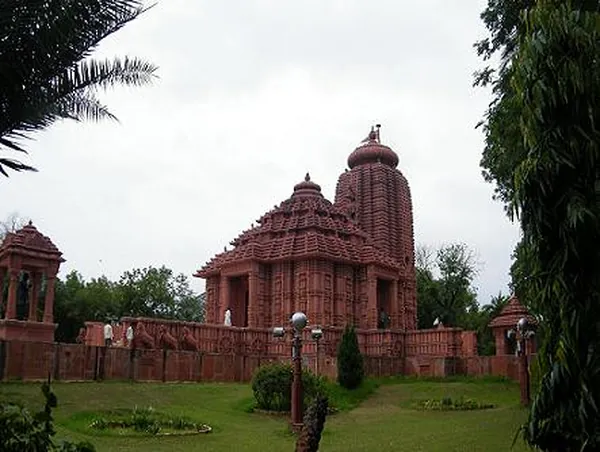 Attraction
Sun Temple Gwalior or Surya Mandir (the grand 1988 CE red sandstone chariot temple built b…
Explore Sun Temple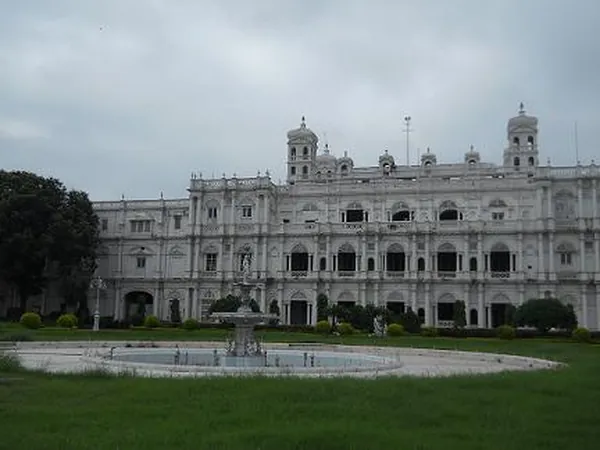 Attraction
Jai Vilas Palace Museum (the opulent 1874 CE European neoclassical palace built by Maharaj…
Explore Jai Vilas Palace Museum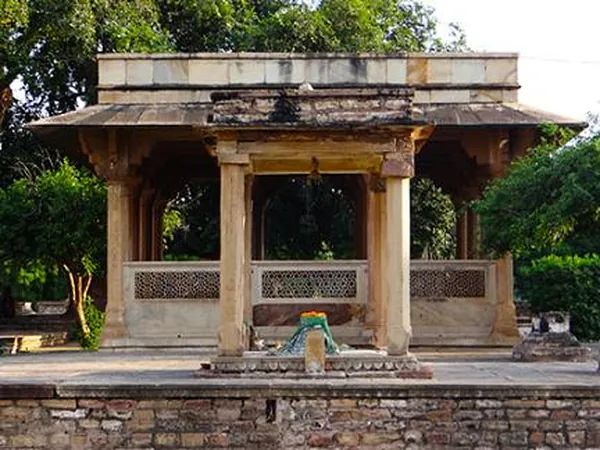 Attraction
Memorial of Tansen or Tansen's Tomb (the sacred 16th century open pavilion memorial honori…
Explore Memorial Of Tansen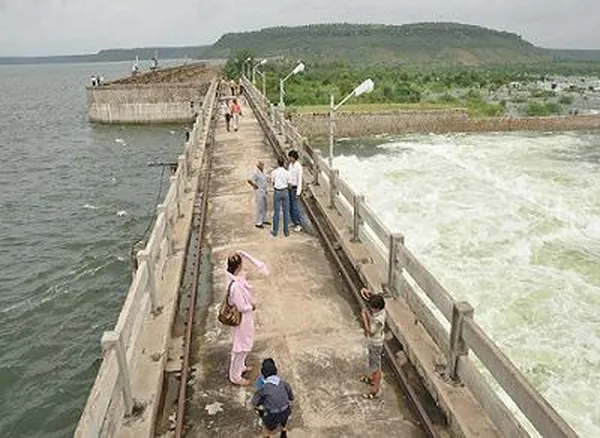 Attraction
Tigra Dam (the massive 1916 CE masonry gravity dam on the Sank River commissioned by Mahar…
Explore Tigra Dam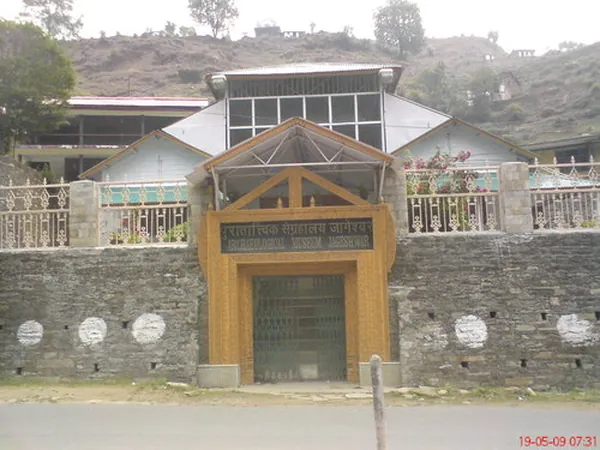 Attraction
Gujari Mahal Archaeological Museum in Gwalior (celebrated globally as one of India's riche…
Explore Gujari Mahal Museum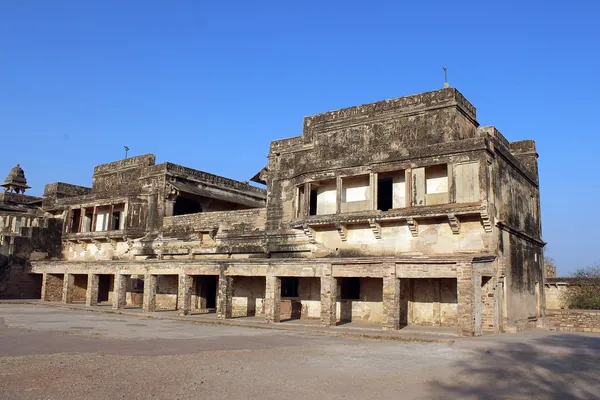 Attraction
Man Mandir Palace in Gwalior (celebrated across global architecture as one of the finest 1…
Explore Man Mandir Palace
Attraction
Suraj Kund in Gwalior (celebrated across Indian historical chronicles as the legendary bir…
Explore Suraj Kund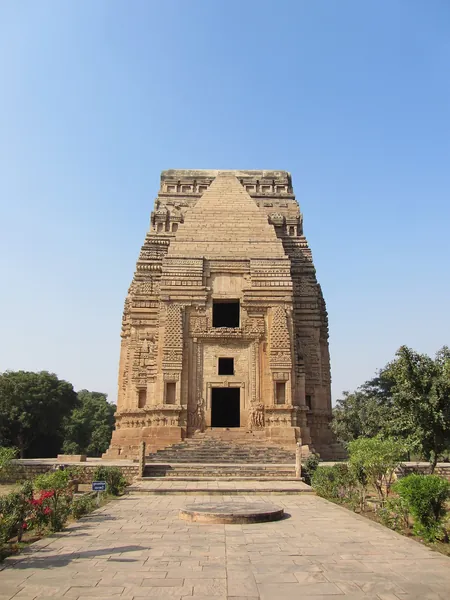 Attraction
Teli Ka Mandir in Gwalior (celebrated across world architectural history as the oldest sur…
Explore Teli Ka MandirExplore high-resolution photographs of iconic landmarks, temples, and scenic spots in Gwalior.
Essential visitor information regarding timings, entry tickets, location, nearby attractions, and travel guide in Gwalior.
It is famous for its 16th-century early Mughal architecture, pierced sandstone jali screens, blue-tiled dome, and the adjacent tomb of court musician Mian Tansen.
Shaikh Muhammad Ghaus was a revered 16th-century Shattari Sufi saint, author, and spiritual mentor to Mughal Emperor Akbar and musical maestro Tansen.
Yes, Tansen's simple open pillared samadhi sits directly in the garden complex beside his spiritual guru Shaikh Muhammad Ghaus.
Every December, the prestigious national Tansen Samaroh is held at the tomb gardens, where India's leading classical vocalists and instrumentalists perform.
The monument is open daily from 6:00 AM to 6:30 PM with completely free entry for all visitors.
Get a customized itinerary and the best deals on packages and hotels.
Enquire Now