- .
- info@earthtrip.in
-
INR
-
USD
INR
USD
Golden Triangle is the most popular and visited circuit of India that includes cities of Agra, Delhi and Jaipur located roughly at 250 kms from each other and forming a triangle on Indian map with respect to its locations. Most of the foreign tourists likes to land into Delhi, spend couple of days here, explore the city and then travel southwards towards the land of Taj and then west to the Pink city of India - Jaipur. Depending upon the number of days you can spare out from your hectic worklife, you can extend the tour to add Agra, or connect Ranthambore if you are a wildlife enthusiast or may be visit the popular camel fair at Pushkar held in November
Many of the tourists also connect the serene Golden Temple with this trip. Off late this circuit have become pretty popular with the domestic tourists from South India also. This circuit reflects the grandeur, glory & history of the nation in true sense. So plan your trip to Golden Triangle and ask for all the customizations that you can imagine!
Day 01: Delhi Arrival
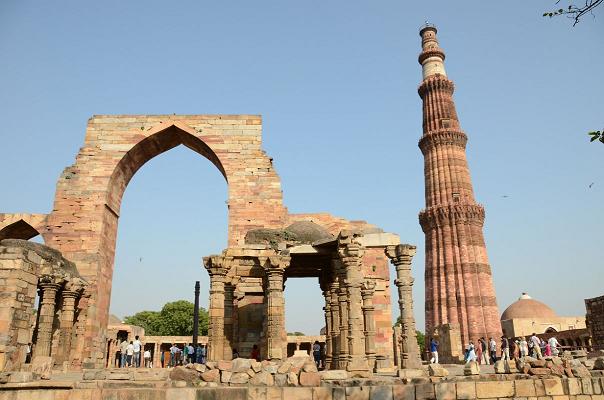
On arrival at Airport / Railway station, meet our representative and proceed to Hotel for Check in. Delhi is a city built and re-built seven times over several centuries. The capital city today marries the quaint and unique elements of different historical eras with the pace of the bustling, growing economy. At every turn of the road, the past and the present coexist. Later proceed for city Tour of NEW DELHI - drive past the stately government buildings of the British Era designed by Lutyen’s, including the Indian Gate & the Presidential Palace. Continue onto the beautiful Humayun’s tomb of the Mughal era & thereafter visit the towering minaret of Qutab Minar. Overnight at Hotel.
Day 02: Delhi City Tour
After breakfast visit the Jama Masjid, Red Fort and local Bazaar. After breakfast visit Jama Masjid- Jama Masjid, was commissioned to be constructed by the Mughal Emperor Shah Jahan. It holds the distinction of being one of the biggest and the most well known mosque of Old Delhi. Red Fort- The Red Fort is popularly known as the Lal Quila and is representative of the true splendor of the Mughal court. This imposing fort will engulf you with its size and grandeur. Later afternoon visit local market and temples. Overnight at Hotel
Day 03: Delhi – Jaipur (250 Kms / 05 hrs)
After Breakfast drive to Jaipur. Jaipur: Beautiful palaces, forts and colourful bazaars speak of the pink city’s glorious regal past. Modernity walks hand-in-hand with history in Jaipur. This largest city of Rajasthan, founded by Maharaja Sawai Jai Singh, is famous for its magnanimous hospitality. Later tour of the Pink city visiting the imposing hawa Mahal, Jantar Manter & City Palace now a museum, the ancient Observatory, The exotic Palace of the Winds & the picturesque bazaars of the walled city. Overnight at Hotel
Day 04: Jaipur City Tour
After Breakfast, Visit Amber - the ancient capital of the Rajput Empire reaching the fort on elephant back. It is a deserted palace surrounded by majestic ramparts & the magnificent public & private room's evidence the splendor of the rulers of 16th & 17th century Rajasthan. Jaigarh Fort- Situated on the majestic Chilh-ka-Tola or the hill of eagles, the lofty walls of the Jaigarh Fort spread over a vast expansion of three kilometers. This impregnable fort of the Rajput was built purely for the defense activities. Nahargarh fort- Nahargarh Fort is located on the sheer rugged ridge of Aravali Hills and it forms an impressive northern backdrop of Jaipur. It looks most classy when floodlit at night. The fort overlooks the city and presents a glittering view of the city lights. It was built in 1734 and extended in 1868. Nahargarh meaning abode of the tigers was built by Jai Singh to bolster the defence of Amber. Evening explore the local bazzar. Overnight at Hotel
Day 05: Jaipur – Agra (240 Kms / 05 hrs)
After breakfast drive to Agra En-route Fatehpur Sikri - the extraordinary city built by Akbar the Great, deserted 14 years later, but which, during its brief span, exceeded London in both grandeur and population. After visit continue drive to Agra. Arrive and check in at Hotel. Akbarabad, as Agra was known during the Mughal era, is home to some of the most magnificent Mughal architectures. Situated on the banks of river Yamuna, the monumental beauty of Agra has inspired countless people around the world. This third largest city of the state of Uttar Pradesh is home to three UNESCO world heritage sites. Later Proceed to Visit to the world - famous Taj Mahal - or literally "Crown of Palaces" was built by Shah Jehan to immortalize the memory of his beloved wife Mumtaz Mahal who died tragically in 1631. After that visit, the Red Fort built by three generations of Mughal Emperors between 1565 and 1573. It housed both the presidential Palaces of the Royal family, and the military quarters. Overnight at Hotel
Day 06: Agra – Gwalior (120 Kms / 02 hrs)
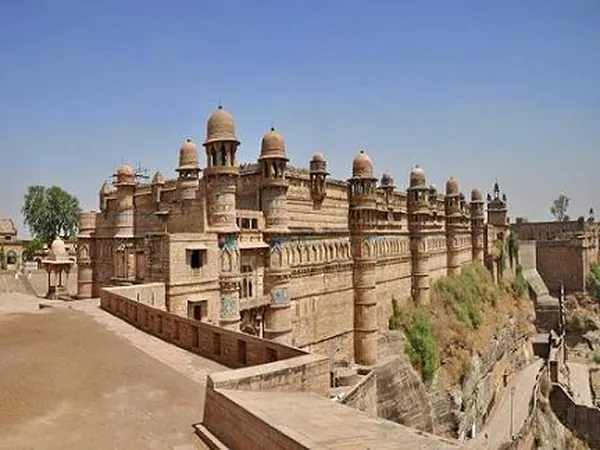
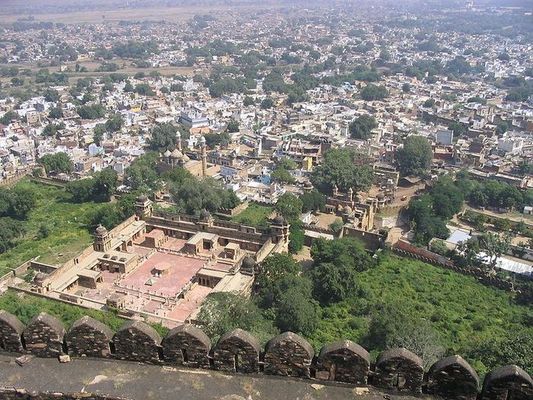
After breakfast drive to Gwalior on arrival transfer to hotel & check In. later visit Gwalior fort- Gwalior Fort is one of the main attractions of the Gwalior city Located on the hill right in the middle of the city. Inside the majestic fort walls there are many monuments but maintaining those are restricted to only a few of them simply magical at sunset. It is breathtaking majesty and poetry.
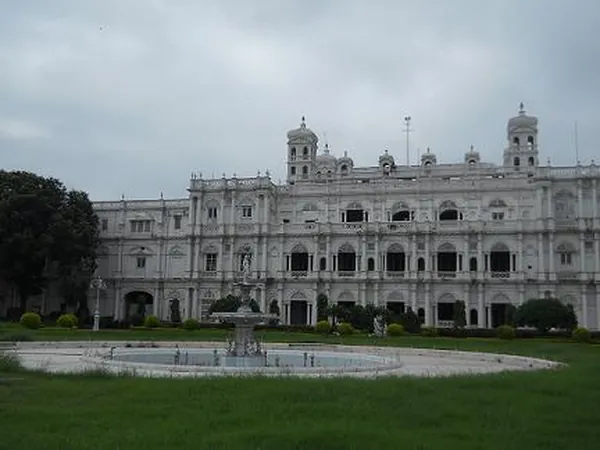
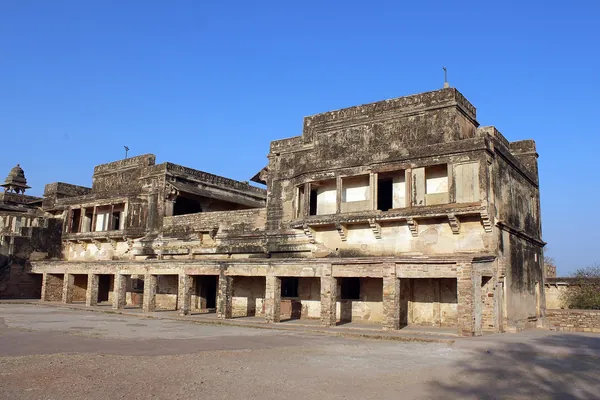
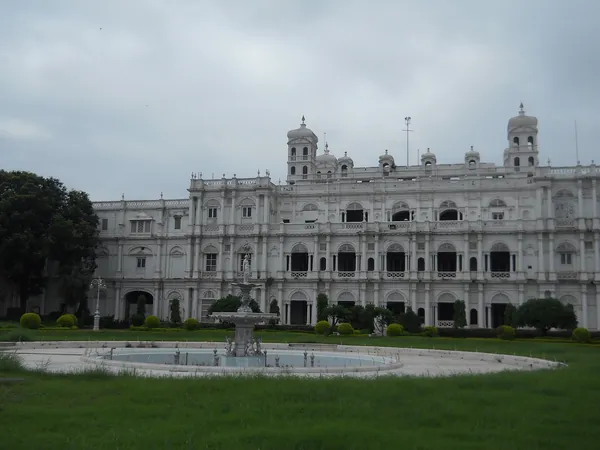
Scindia Museum- Located in the city, the palace-cum-museum sees visitors who are eager to get a glimpse into the lifestyles of royalty. Built in 1874, it reflects the architectural style of the Palace of Versailles, France. The stunning Durbar hall is resplendent with its painted gold leaves and enormous mirrors.
Sas-Bahu ka Mandir- Is another structure dedicated to Lord Vishnu also known as Shashtra Bahu. These twin temples are situated adjacent to each other and the larger one is covered with intricate carvings and sculptures. The twin temples were built by Raja Mahipal and were completed in 1093 A.D.
Overnight at hotel
Day 07: Gwalior Departure
After Breakfast, departure from Gwalior for your onward destination.
Payments policy
Tour Cancilation policy
By Train:
Gwalior Junction (Station Code: GWL - City Center): Major railway junction on the Delhi Chennai and Delhi Mumbai mainlines. Vande Bharat Express (connecting Delhi in 3 hours and Bhopal in 3.5 hours), Bhopal Shatabdi Express, Rajdhani Express, and over 150 superfast trains daily connect Gwalior directly to Delhi, Agra, Bhopal, Mumbai, Indore, Jaipur, Varanasi, and Bengaluru.
By Air:
Rajmata Vijaya Raje Scindia Airport (Airport Code: GWL - Maharajpur 10 km northeast): Upgraded modern terminal operating direct daily flights to Delhi, Mumbai, Bengaluru, Hyderabad, and Ahmedabad.
By Road & Expressway:
Local Transport:
MP Tourism hop on hop off Gwalior Darshan buses, auto rickshaws, battery operated e rickshaws, app based cabs, and city buses provide seamless transit across the fortress city.
Gwalior features monumental hill forts, European palaces, rock cut Jain statues, and ancient temples:
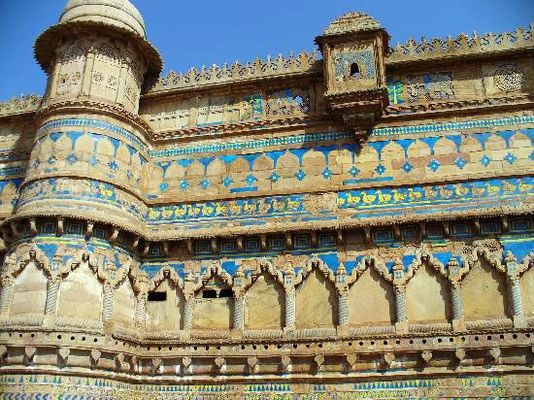
Rising 300 feet atop a sheer sandstone precipice, this massive 8th century fort was praised as the "pearl in the necklace of the forts of Hind". Built by Raja Man Singh Tomar in 1486 AD, Man Mandir Palace features vivid turquoise blue and yellow glazed ceramic tile inlays depicting ducks, elephants, and peacocks.
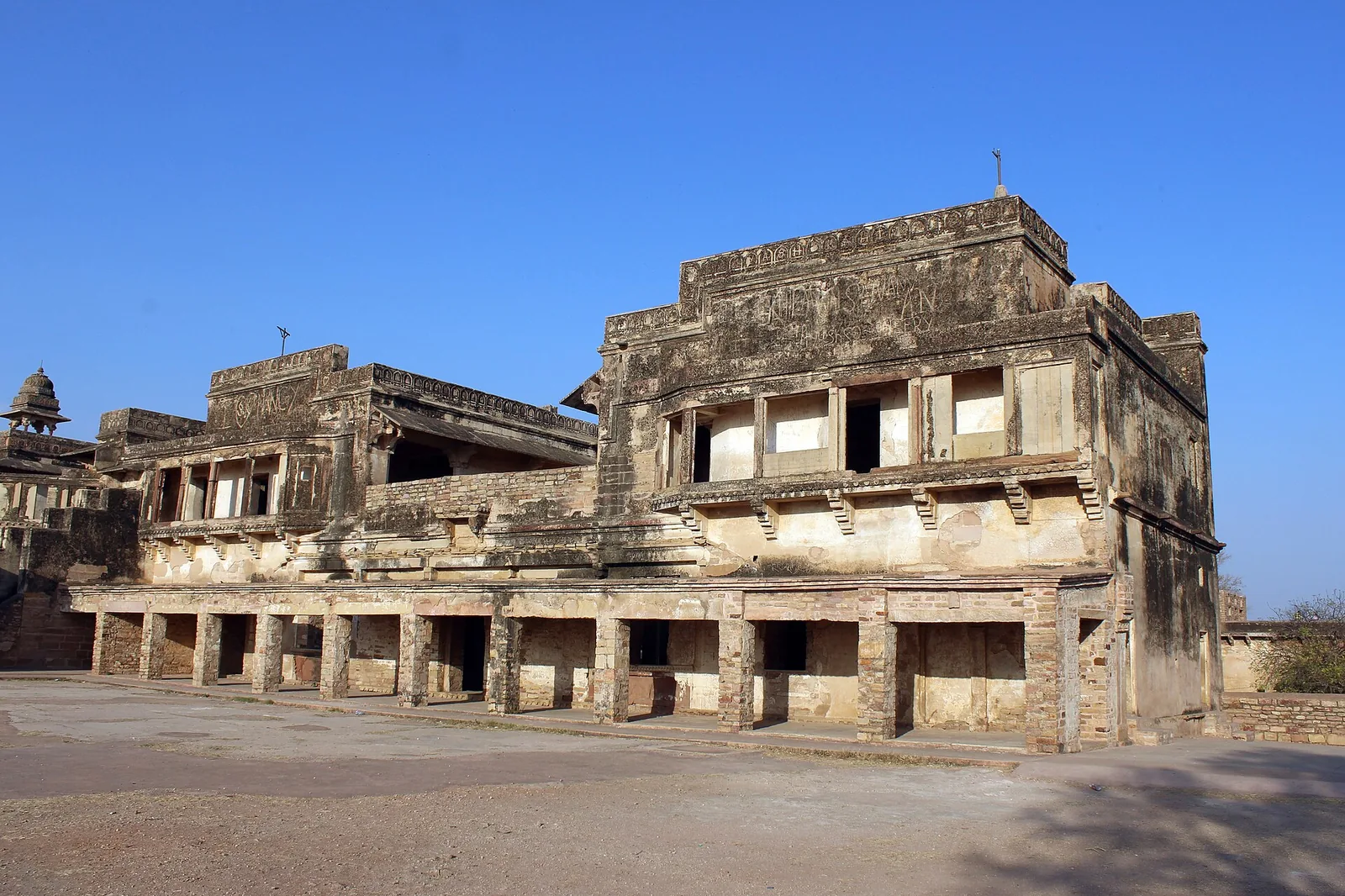 Gwalior Fort — 8th-Century Impregnable Cliff Fortress and Man Singh Palace
The opulent 1874 residence of the royal Scindia dynasty designed by Sir Michael Filose. The Durbar Hall is gilded with 56 kg of pure gold leaf and holds two of the world's largest 3.5 tonne Belgian crystal chandeliers. The royal banquet hall features a working solid silver model train serving drinks along crystal table rails.
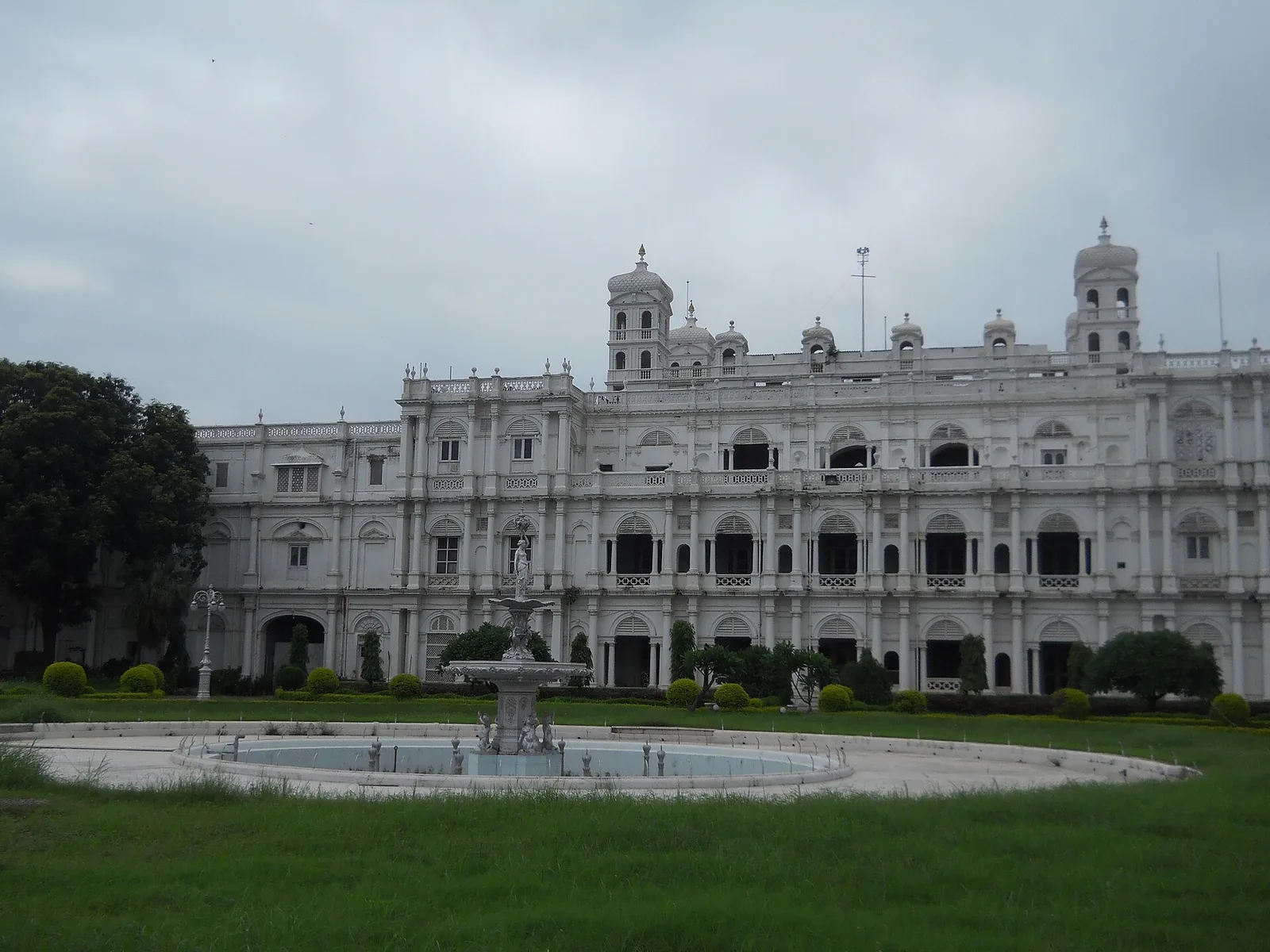 Jai Vilas Palace — 1874 Opulent Scindia Royal Residence and Grand Durbar Hall
Constructed in 1093 AD by King Mahipala of the Kachchhapaghata dynasty. Originally named *Sahastrabahu* (the thousand armed Vishnu), this twin temple complex boasts three tiered carved sandstone porticos and exquisite geometric ceiling mandapas.
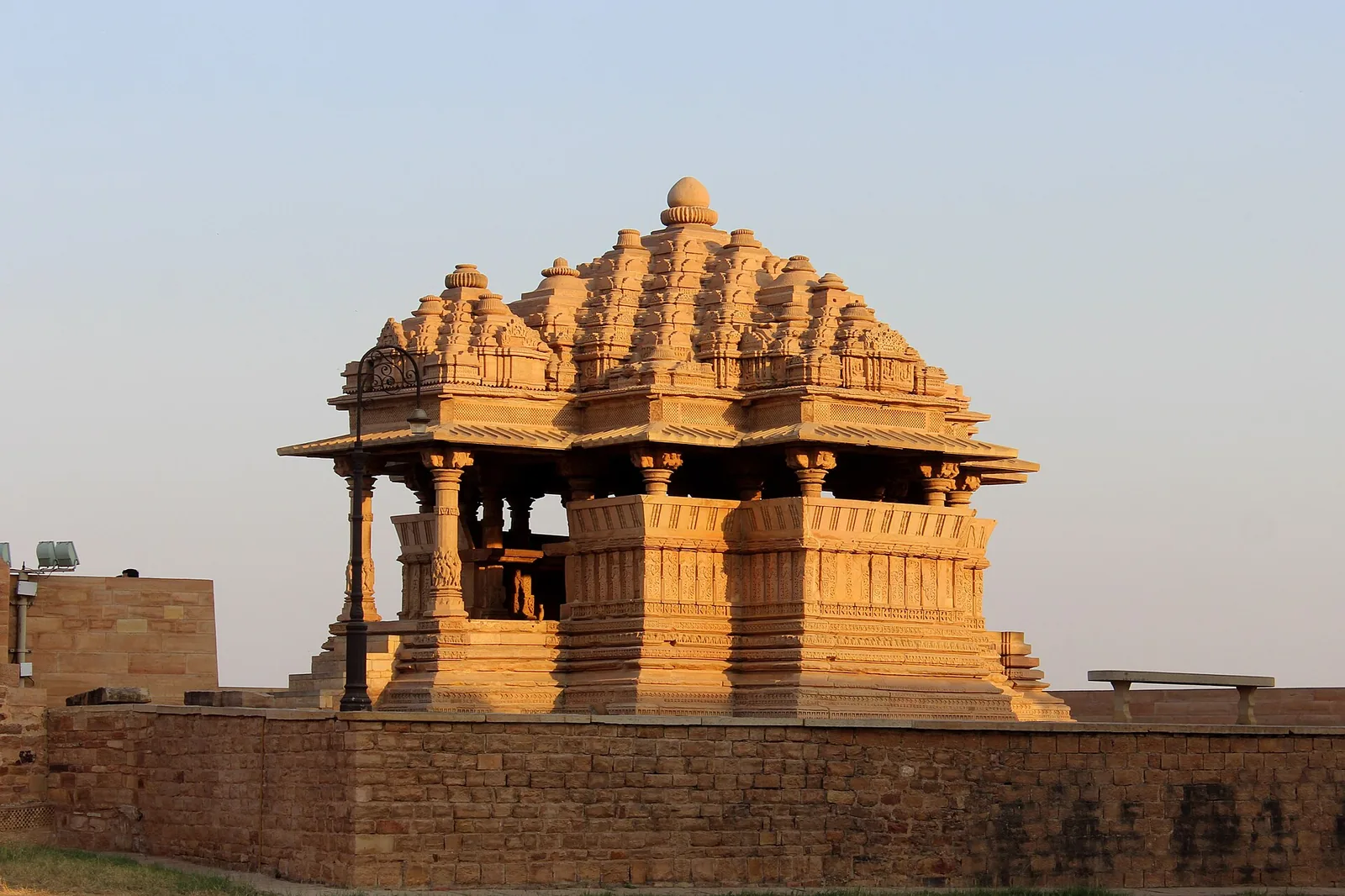 Saas Bahu Temples — 1093 AD Masterpiece of Kachchhapaghata Stone Architecture
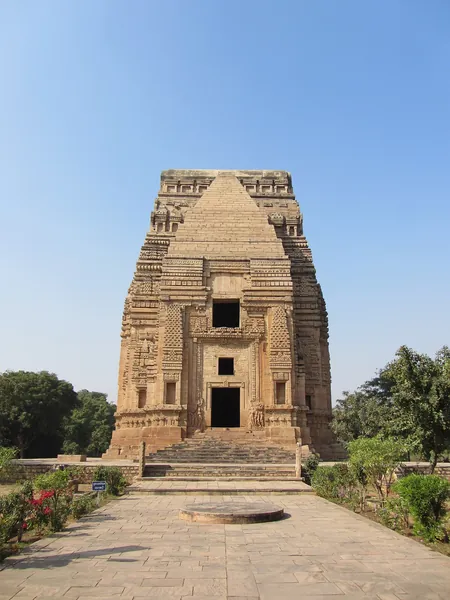
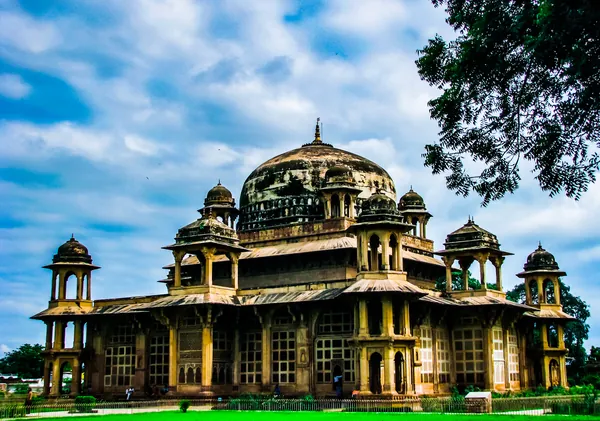
The tallest and oldest surviving structural temple within Gwalior Fort, soaring 100 feet high. Dating back to the 8th century Pratihara era, it features a unique synthesis of a South Indian Dravidian barrel vaulted *Gopuram* roof with North Indian Nagara doorway carvings of Ganga and Yamuna.
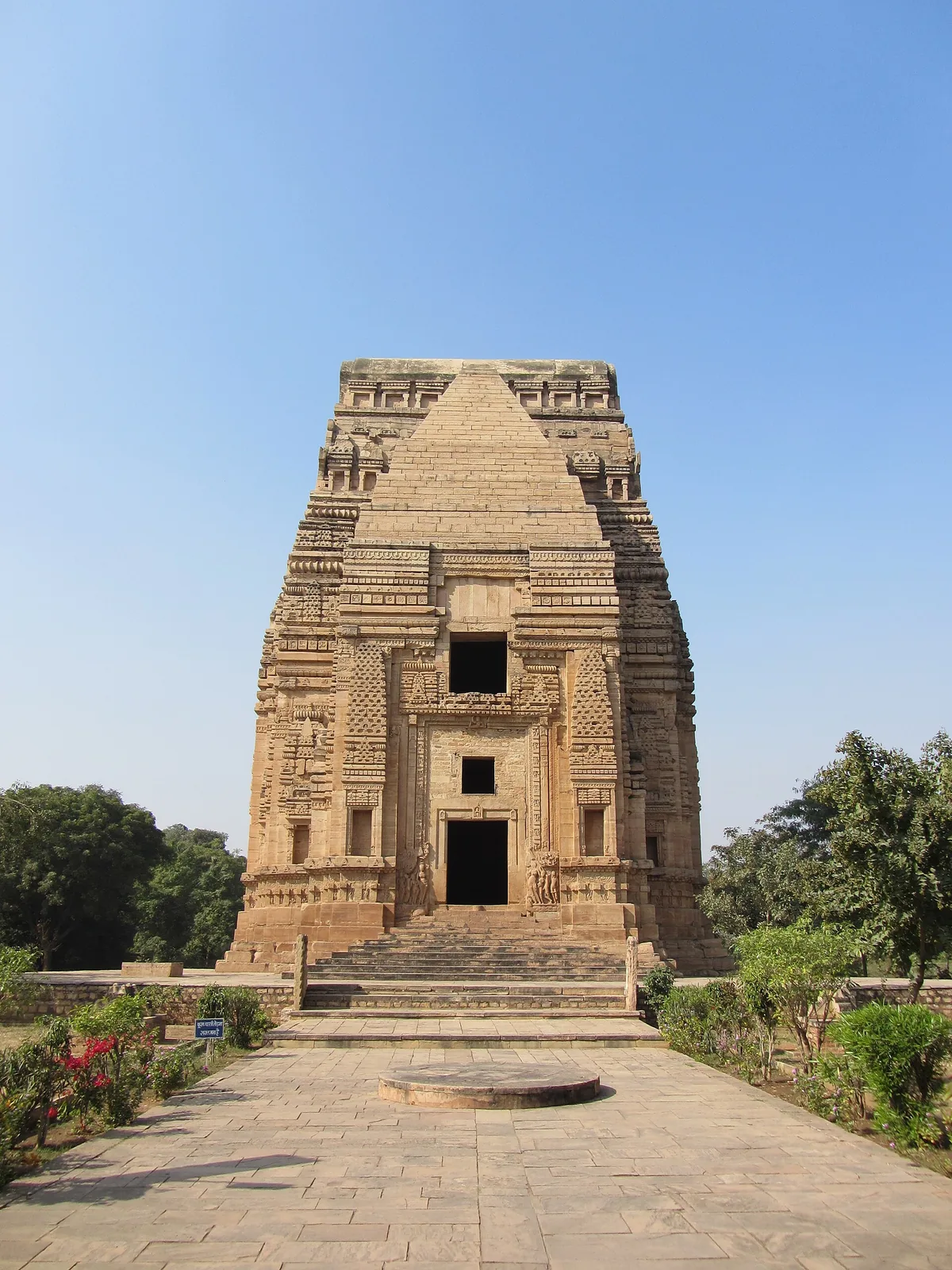 Teli Ka Mandir — 8th-Century 100-Foot Dravidian-Nagara Architectural Marvel
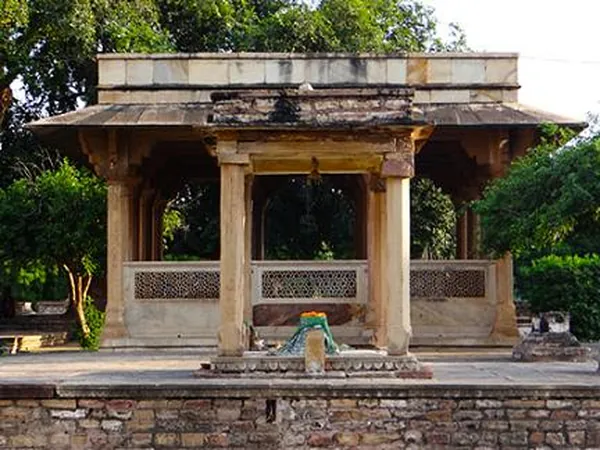
A serene sandstone tomb honoring Mian Tansen (one of the nine gems / *Navratnas* of Mughal Emperor Akbar's court and father of Hindustani classical music). Adjacent stands the majestic 16th century Mughal tomb of Sufi mystic Mohammad Ghaus adorned with stone lattice jaalis.
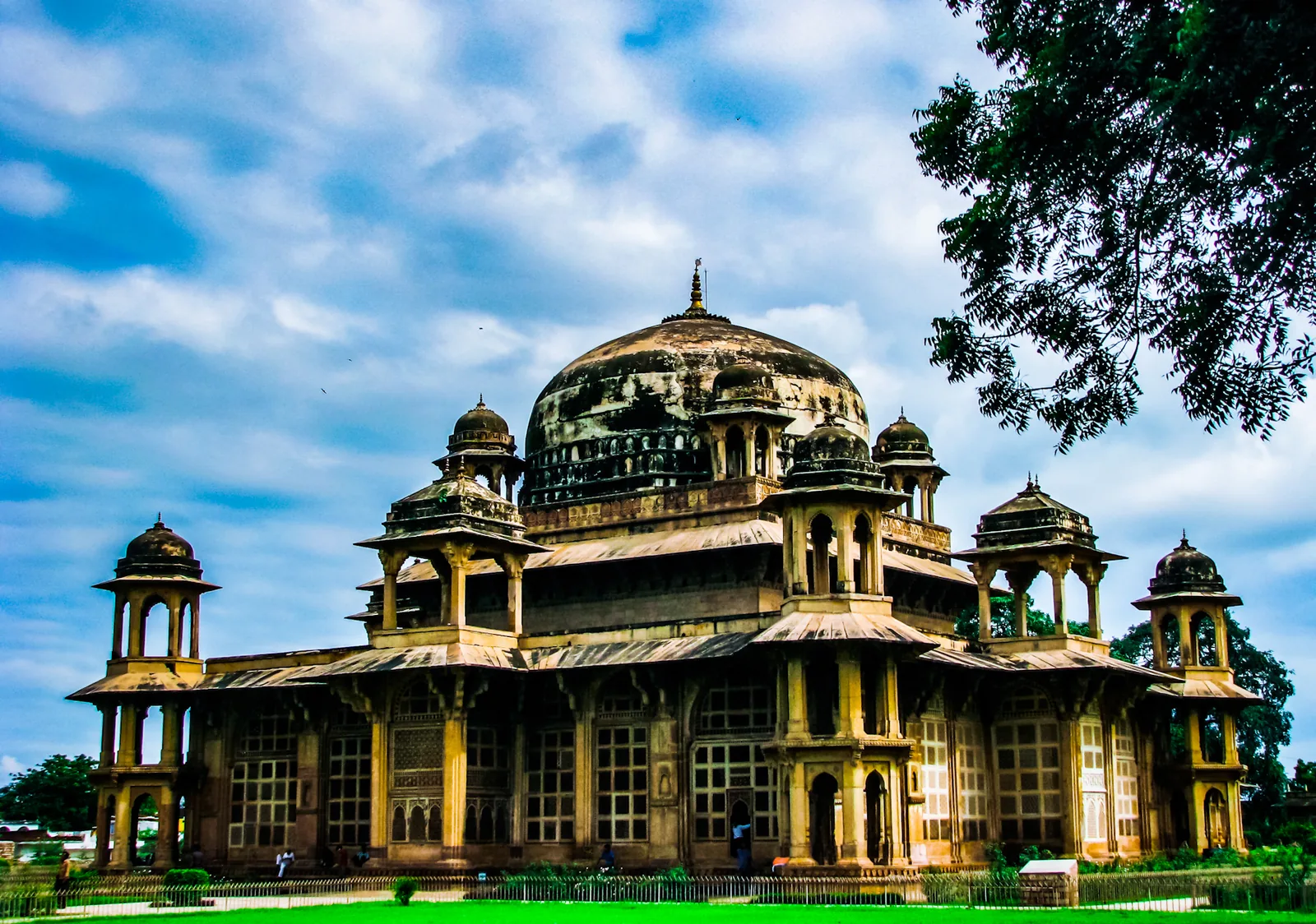 Tomb of Tansen — 16th-Century Heritage Shrine and Venue of Tansen Music Samaroh
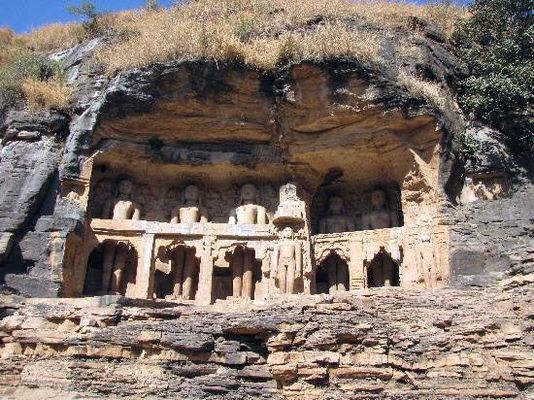
A staggering series of monolithic rock cut Jain Tirthankara statues carved between the 7th and 15th centuries directly into the vertical cliff faces of Gwalior Fort, including a colossal 57 foot seated idol of Bhagwan Parshvanatha.
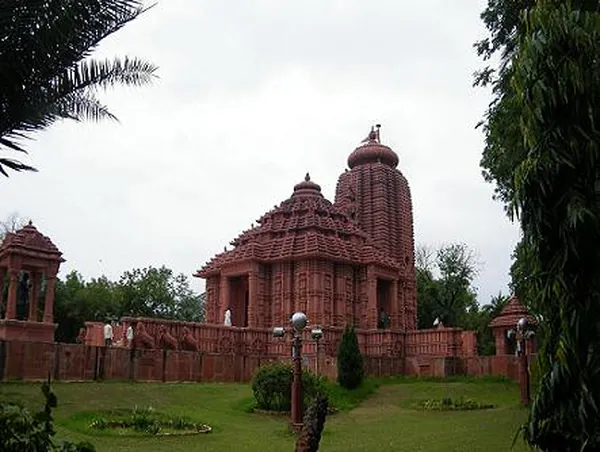
A modern architectural temple constructed by the industrialist Birla family in 1988, modeled faithfully on the Sun Temple of Konark in Odisha with red sandstone exteriors and white marble interiors.
The solemn memorial and statue marking the exact spot where the legendary Queen of Jhansi, Rani Laxmi Bai, fought bravely and attained martyrdom against British colonial forces in June 1858.
The city's iconic central public square surrounded by seven heritage buildings, each constructed in a different architectural style: Roman, Greek, Mughal, Rajasthani, British Colonial, Maratha, and Italian.
Duration: 6 Nights / 7 Days
 Best Flights
 Best Prices
 Unique Holidays