- .
- info@earthtrip.in
-
INR
-
USD
INR
USD
Suraj Kund in Gwalior (celebrated across Indian historical chronicles as the legendary birthplace of Gwalior city and the oldest sacred water reservoir ato...
Suraj Kund in Gwalior (celebrated across Indian historical chronicles as the legendary birthplace of Gwalior city and the oldest sacred water reservoir atop the historic Gwalior Fort sandstone plateau, carved into the rocky ridge in the 8th century AD by King Suraj Sen, world famous for its ancient stepped red sandstone ghats, natural spring feeding the sacred rock tank, solar energy symbolism dedicated to Surya Dev / Sun God, and historical connection to the hermit saint Sage Gwalipa who cured the Kachchhapaghata king's incurable leprosy using this spring's medicinal waters, naming the hill fort 'Gwalior' in his eternal honor), located atop the fort plateau in Gwalior in Madhya Pradesh, stands as the fort's premier historical water monument and founding landmark.
Measuring approximately 350 by 180 feet with stone steps descending on all four sides, Suraj Kund was engineered as an ingenious rainwater harvesting and underground spring conservation pool that sustained royal garrisons and fort inhabitants during long medieval sieges.
It's the home of the ancient weathered stone pavilions where hermits and royalty performed morning solar ablutions facing the rising sun, the sacred water springs filtered naturally through mineral rich sandstone fissures, the tranquil open platform offering wide perspectives of the surrounding battlements and deep moat ravines, the centuries old memorial shrines dedicated to Sage Gwalipa and Lord Shiva along the northern bank, and an intensely peaceful, meditative historical atmosphere where the whispers of Gwalior's foundational legend still linger over the water.
It represents a rich medieval hydraulic engineering heritage, solar spirituality, and ancient medical folklore where sandstone ghats, mountain springs, Sage Gwalipa's blessings, and Gwalior Fort heritage tourism unite in Suraj Kund.
Located in the central eastern sector of the Gwalior Fort plateau, it sits just 400 meters north of Saas Bahu Temples, 600 meters from Man Singh Palace, and 6 km from Gwalior Railway Station (GWL), easily reached by car via Urwahi Gate or on foot from the eastern fortress gates.
According to 8th century court records, the local chieftain Suraj Sen was suffering from severe leprosy when he wandered onto the Gopachal hill and met the hermit Sage Gwalipa.
The sage offered him water from this sacred spring; upon drinking and bathing in the water, the king was miraculously cured, subsequently building the reservoir and founding the fortress named Gwalior.
Truth is, sitting on the stone steps of Suraj Kund while listening to the wind sweep across the high fort plateau brings the city's ancient founding tale vividly to life.
Rock Cut Tank Engineering: Suraj Kund is carved directly into the hard sandstone bedrock, using natural slope gradients to catch monsoon runoff and feed subterranean aquifers.
Garrison Water Security: Along with Johar Kund and Sas Bahu stepwells, Suraj Kund formed the core water security network that allowed Gwalior Fort to withstand year long military sieges.
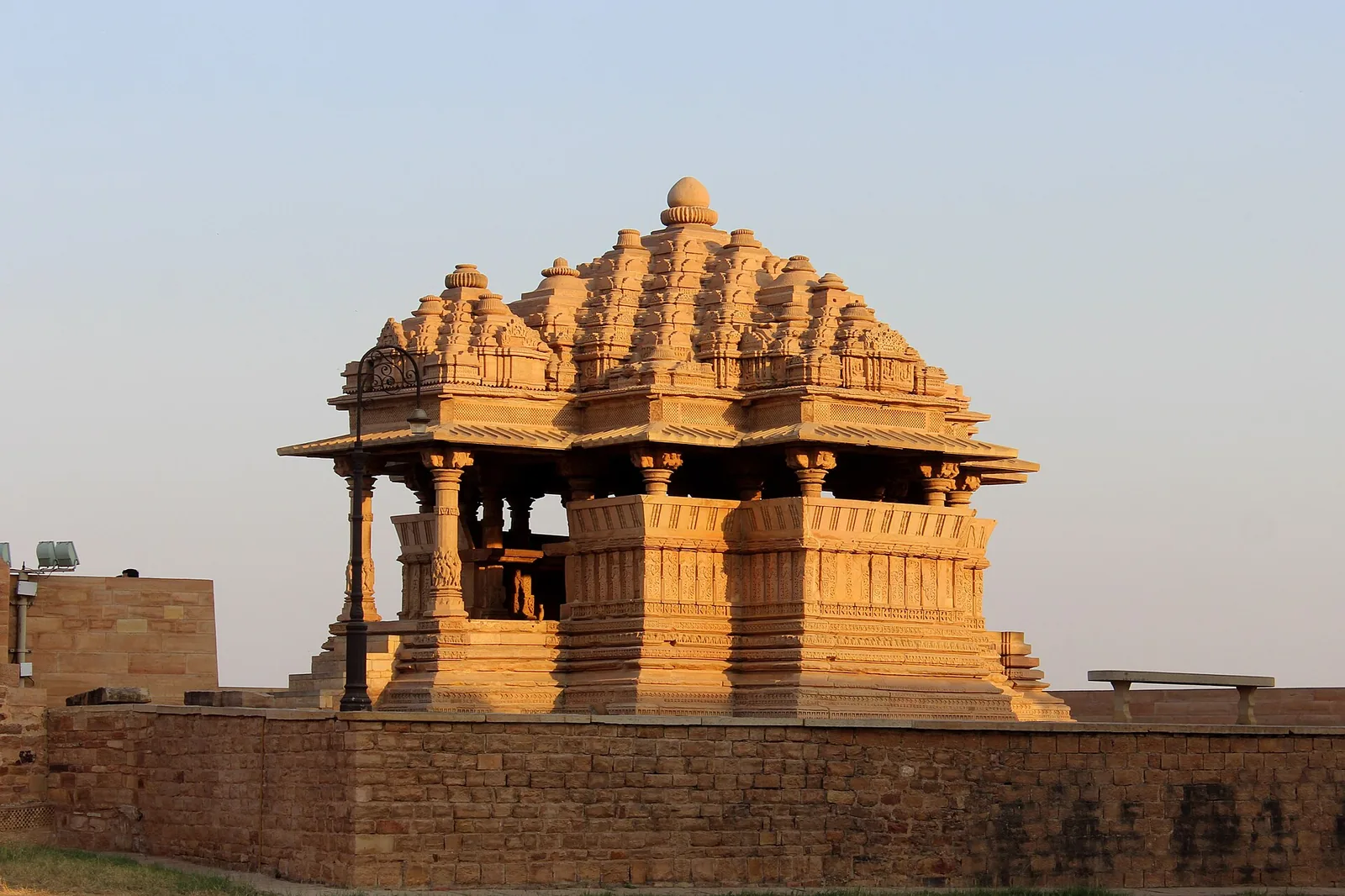
The Complete Fort Walking Route: Start at Man Mandir Palace (9:00 AM) -> visit Gujari Mahal Museum -> explore Suraj Kund (11:00 AM) -> Saas Bahu Temples (12:00 PM) -> Teli Ka Mandir (1:30 PM).
Sunrise & Photography Spot: Facing east, the tank steps offer stunning sunrise perspectives across the lower town and eastern rampart bastions.
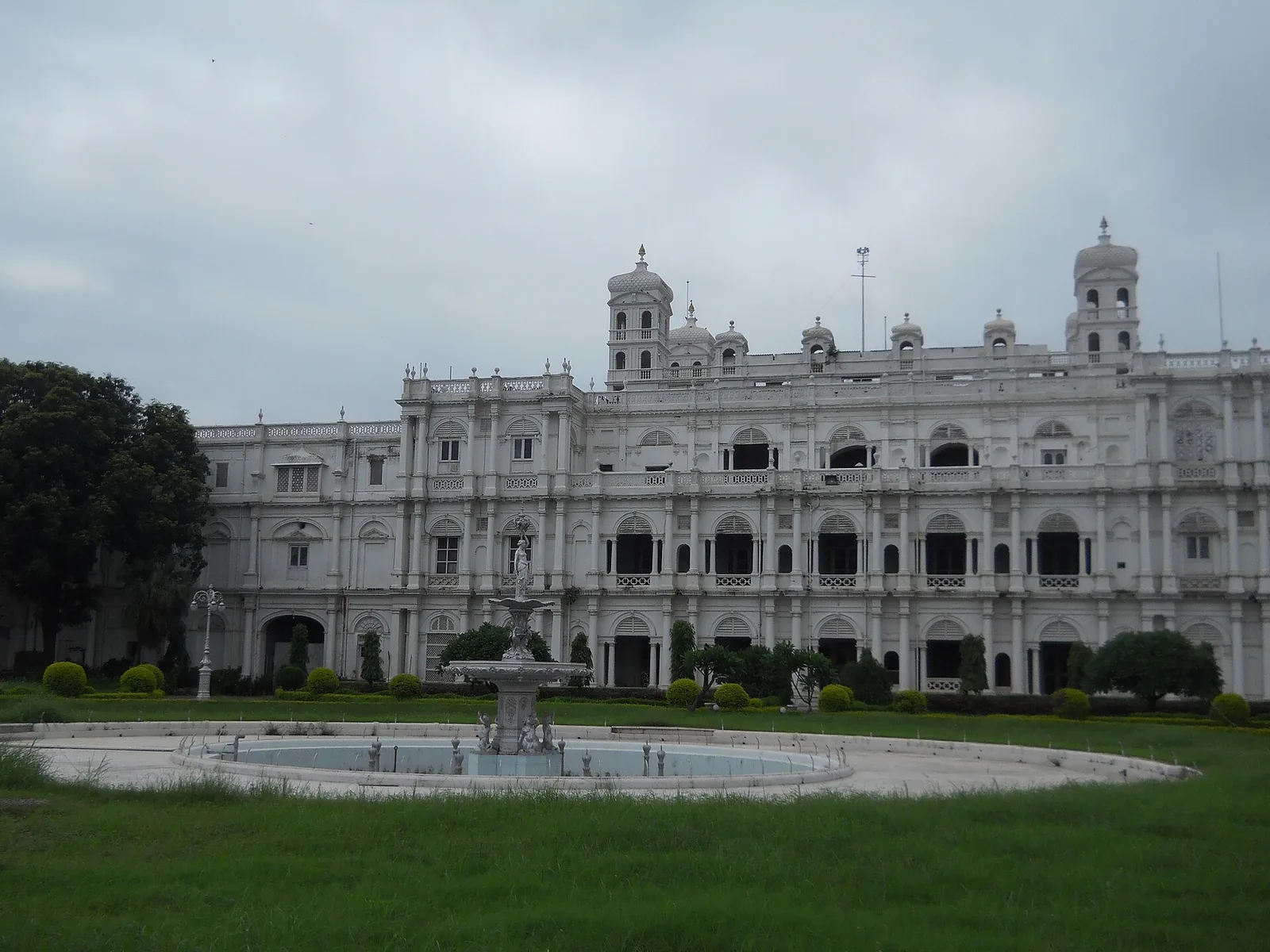
After exploring the ancient waters of Suraj Kund, visit Saas Bahu Temples, tour Teli Ka Mandir, or explore Gwalior.
Reaching Suraj Kund is very simple across Gwalior in Madhya Pradesh.
Best Time to Visit:
Explore more famous ancient water tanks, stepwells, and hill fort heritage across Madhya Pradesh.
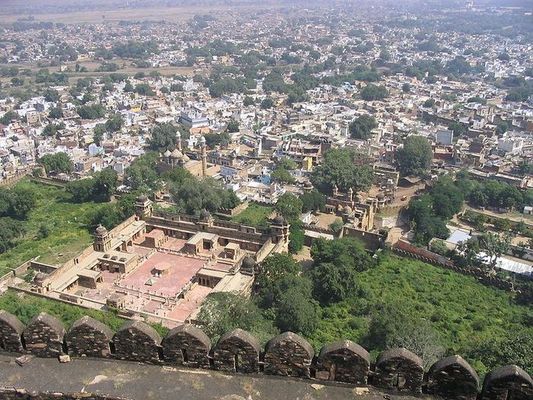 Golden Triangle
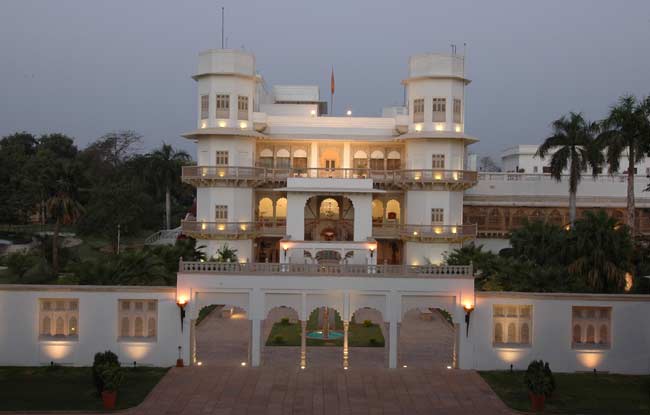 ★★★★ Hotel
When visiting Gwalior, you'll feel right at home at Usha Kiran Palace, which offers qualit…
View Hotel Details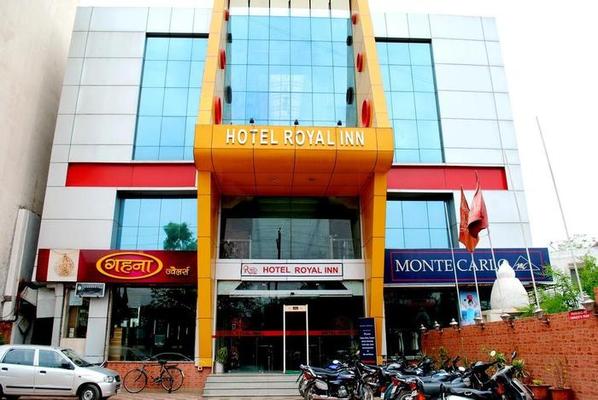 ★★ Hotel
Located in the heart of Gwalior,The Hotel Royal Inn, hosts most beautiful banquet halls of…
View Hotel Details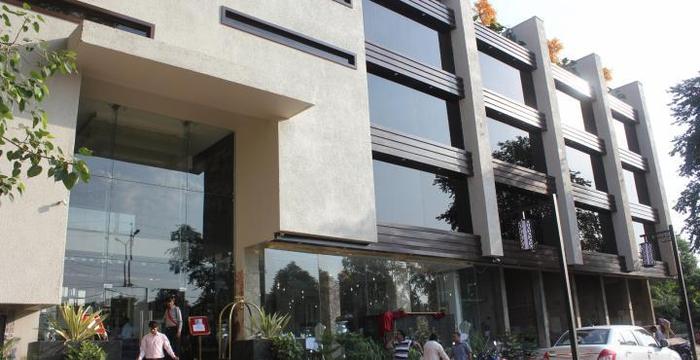 ★★★ Hotel
The Prabha International hotel in Gwalior is distinguished by its extraordinary interiors.…
View Hotel Details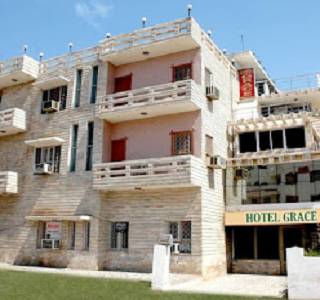 ★★ Hotel
Hotel Grace, Gwalior, offers a convenient resting place with modern comforts and a cosy am…
View Hotel Details ★★★ Hotel
Hotel Landmark has been serving in the hospitality industry...To all travelers at domestic…
View Hotel Details ★★★ Hotel
Hotel Adityaz, Gwalior, with its innate charm and warmth offers a memorable for the guests…
View Hotel Details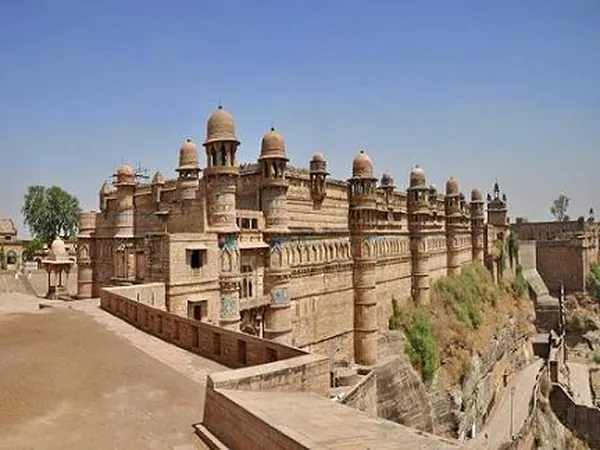 Attraction
Gwalior Fort (the impregnable 8th century sandstone hilltop fortress acclaimed by Mughal E…
Explore Gwalior Fort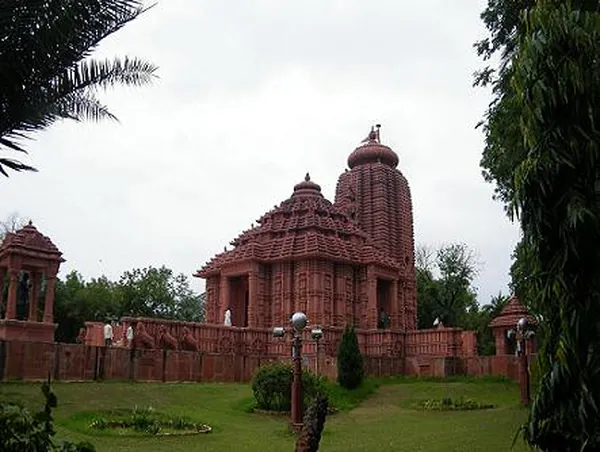 Attraction
Sun Temple Gwalior or Surya Mandir (the grand 1988 CE red sandstone chariot temple built b…
Explore Sun Temple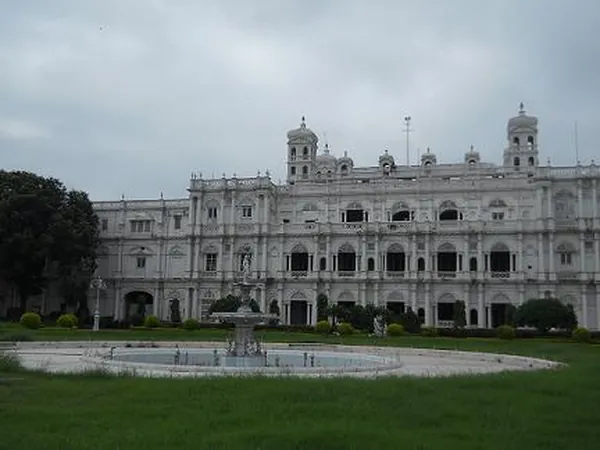 Attraction
Jai Vilas Palace Museum (the opulent 1874 CE European neoclassical palace built by Maharaj…
Explore Jai Vilas Palace Museum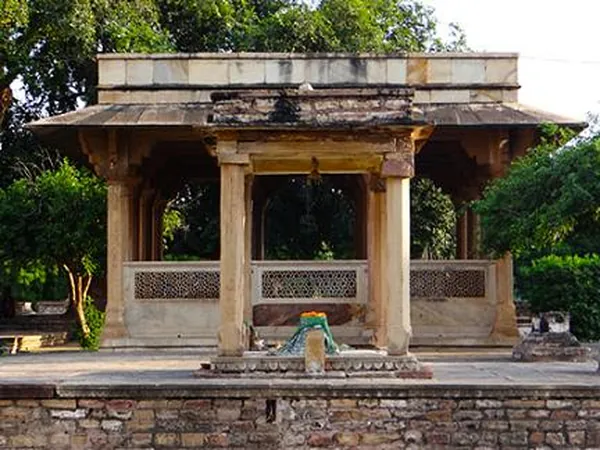 Attraction
Memorial of Tansen or Tansen's Tomb (the sacred 16th century open pavilion memorial honori…
Explore Memorial Of Tansen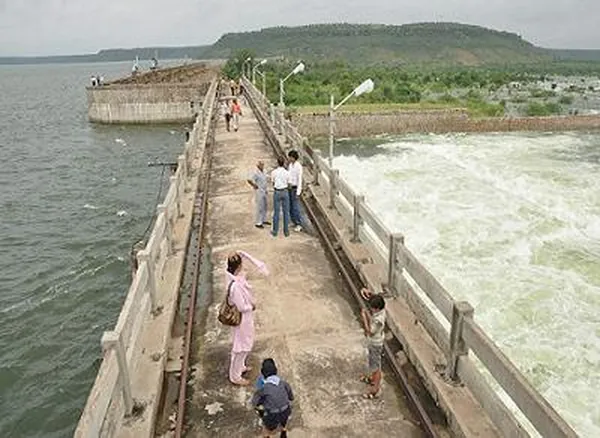 Attraction
Tigra Dam (the massive 1916 CE masonry gravity dam on the Sank River commissioned by Mahar…
Explore Tigra Dam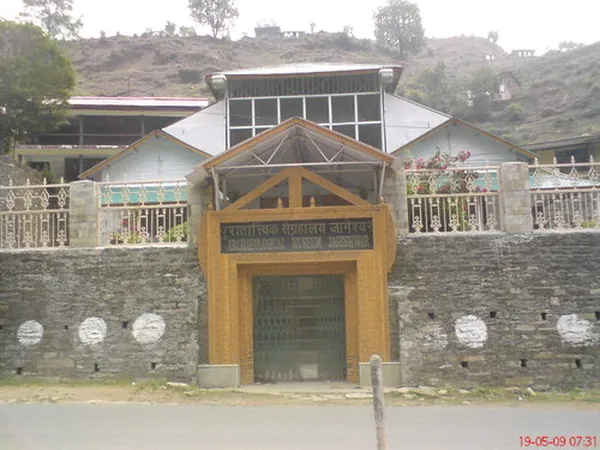 Attraction
Gujari Mahal Archaeological Museum in Gwalior (celebrated globally as one of India's riche…
Explore Gujari Mahal Museum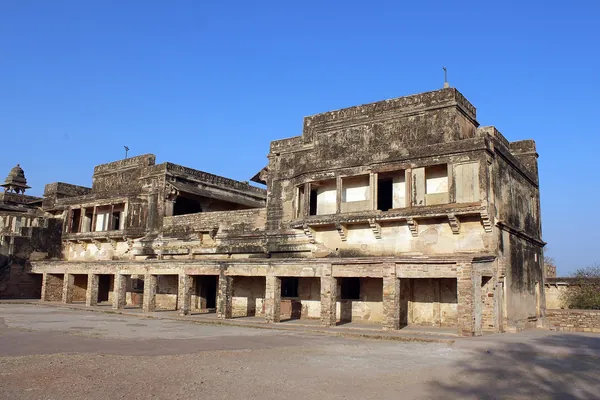 Attraction
Man Mandir Palace in Gwalior (celebrated across global architecture as one of the finest 1…
Explore Man Mandir Palace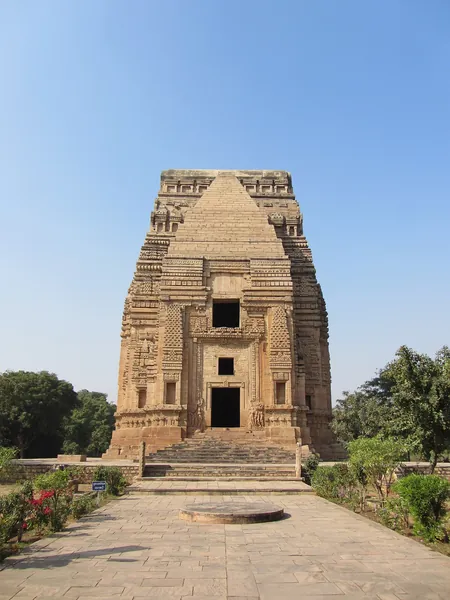 Attraction
Teli Ka Mandir in Gwalior (celebrated across world architectural history as the oldest sur…
Explore Teli Ka Mandir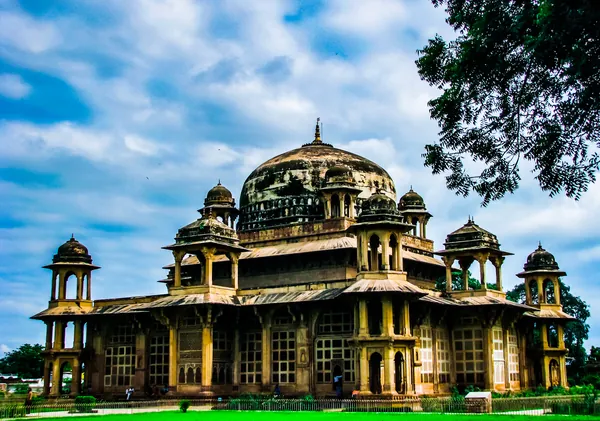 Attraction
Tomb of Muhammad Ghaus in Gwalior (celebrated across Islamic architectural chronicles as o…
Explore Tomb of Muhammad GhausExplore high-resolution photographs of iconic landmarks, temples, and scenic spots in Gwalior.
Essential visitor information regarding timings, entry tickets, location, nearby attractions, and travel guide in Gwalior.
Suraj Kund is famous as the 8th-century sun water reservoir and the foundational birthplace of Gwalior, where Sage Gwalipa cured King Suraj Sen of leprosy.
Suraj Kund was built in the 8th century AD by King Suraj Sen in honor of the Sun God and Sage Gwalipa.
The 350 by 180 foot stepped tank is carved directly into sandstone bedrock, catching rainwater and natural spring water to sustain fort garrisons.
Open daily from 6:00 AM to 6:00 PM. Entry is included in the composite ASI Gwalior Fort ticket (Rs 25 for Indians, Rs 300 for foreigners).
It is located on the central-eastern fort plateau, about 400 meters north of Saas Bahu Temples and 600 meters from Man Singh Palace.
Get a customized itinerary and the best deals on packages and hotels.
Enquire Now