- .
- info@earthtrip.in
-
INR
-
USD
INR
USD
Teli Ka Mandir in Gwalior (celebrated across world architectural history as the oldest surviving religious monument atop the historic Gwalior Fort rock and...
Teli Ka Mandir in Gwalior (celebrated across world architectural history as the oldest surviving religious monument atop the historic Gwalior Fort rock and one of India's most extraordinary early medieval architectural hybrids, constructed during the 8th century AD by the Pratihara dynasty, world famous for its soaring 100 foot-tall barrel vaulted Dravidian style Valabhi shikhara crowning a classic North Indian Nagara sandstone base, 35 foot-tall grand entrance doorway carved with river goddesses Ganga and Yamuna, intricate coiled serpent / Nagini reliefs, Garudarpan iconography, and panoramic cliffside position overlooking the Malwa plains), located inside the Gwalior Fort complex in Gwalior in Madhya Pradesh, stands as the fort's premier archaeological treasure and sacred ancient sanctuary.
Rising dramatically from the high plateau of Gopachal Parvat, this 1,200 year-old stone temple represents a rare North meets-South Indian temple architecture where the southern wagon vaulted gopuram design gracefully crowns a northern rectilinear sanctum.
It's the home of the colossal 100 foot sandstone shikhara whose arched barrel silhouette dominates the skyline of Gwalior Fort for kilometers, the monumental outer doorway decorated with multi tiered friezes of celestial musicians (Gandharvas), flying couples (Mithunas), and protective serpentine deities, the atmospheric sanctum whose Shaivite and Vaishnavite sculptures reflect centuries of evolving devotional worship, the deep water harvesting stepwells carved directly into the fort's sandstone bedrock nearby, and an intensely inspiring, ancient atmosphere where the sheer scale of early medieval engineering leaves every visitor in awe.
It represents a rich Gurjara Pratihara temple legacy, ancient Hindu iconography, and stone sculpture where Dravidian shikharas, Nagara plinths, river goddess carvings, and Gwalior Fort heritage tourism unite in Teli Ka Mandir.
Located within the southern sector of Gwalior Fort plateau, it sits just 500 meters from Saas Bahu Temples, 1.5 km south of Man Singh Palace, and 6 km from Gwalior Railway Station (GWL), easily reached by vehicle via the Urwahi Gate road or on foot through the historic Gwalior Gate climb.
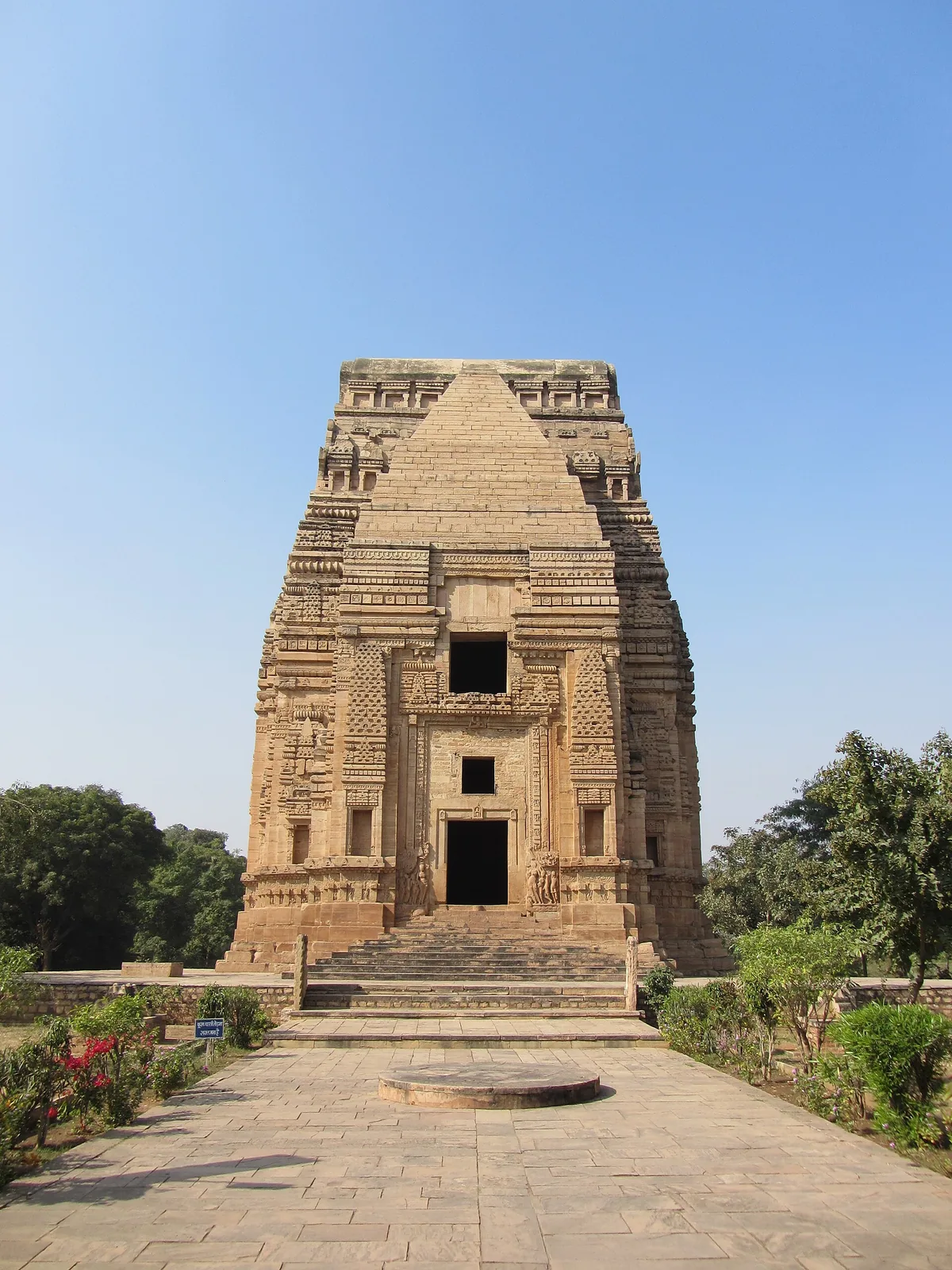
The temple's distinctive wagon vaulted roof (Valabhi shikhara) is an architectural rarity in North India, echoing the rock cut cave rathas of Mahabalipuram and the Buddhist chaitya arches of the Deccan.
Built entirely of interlocking red sandstone without mortar, the structure has withstood twelve centuries of weather and warfare atop the windswept fort ridge.
Truth is, standing at the base of the 35 foot entrance gateway while craning your neck toward the towering vault reveals the monumental ambition of 8th century Indian builders.
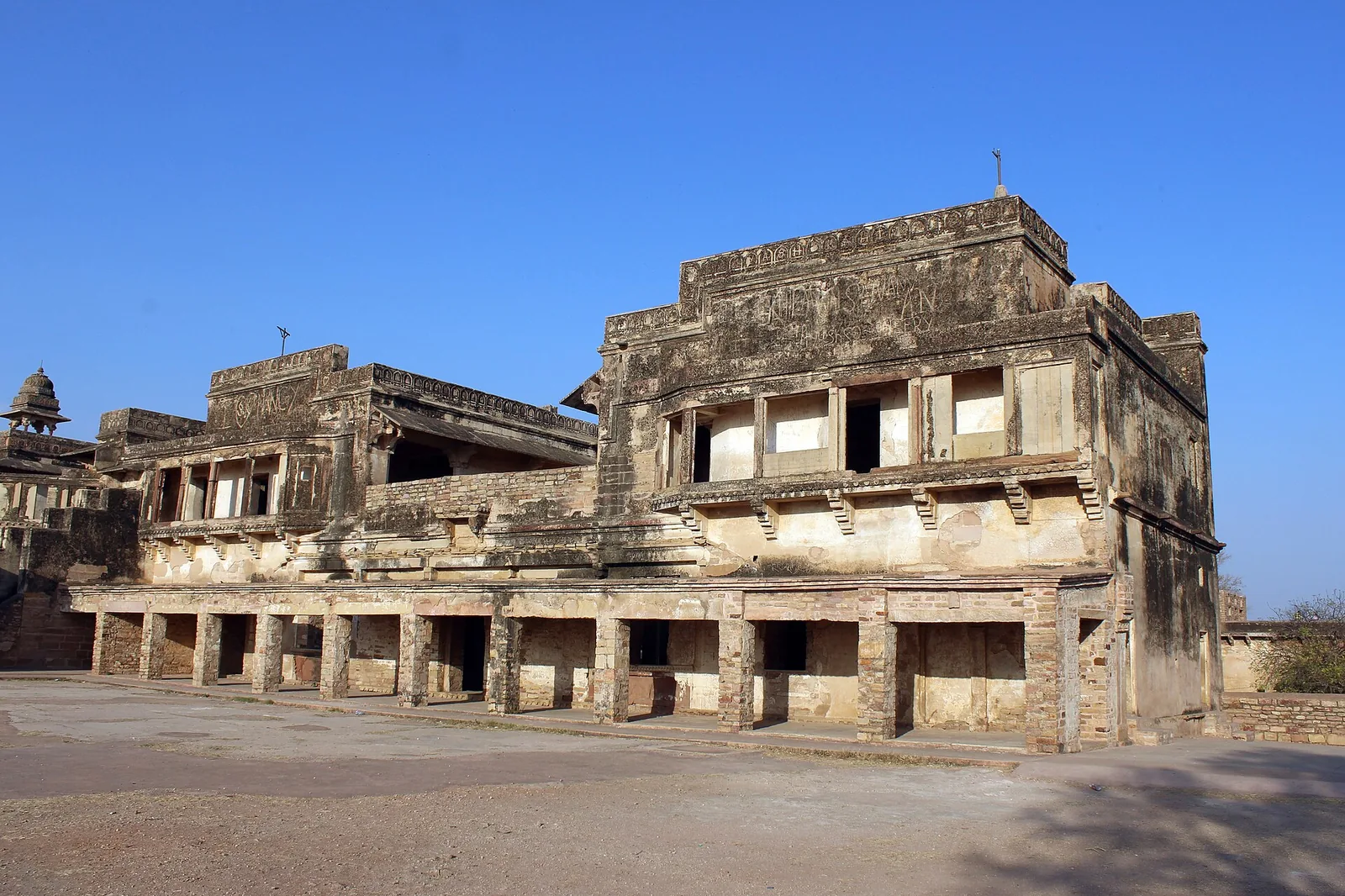
Origin of the Name: Historical traditions suggest 'Teli' refers to the prosperous oil merchants guild (Teli community) who funded the temple's construction during Emperor Mihira Bhoja's reign, or alternatively to Telangana architects who designed the southern shikhara.
Carved River Goddesses: The monumental doorway features graceful life sized carvings of Ganga on her crocodile (makara) and Yamuna on her tortoise (kurma) blessing entering devotees.
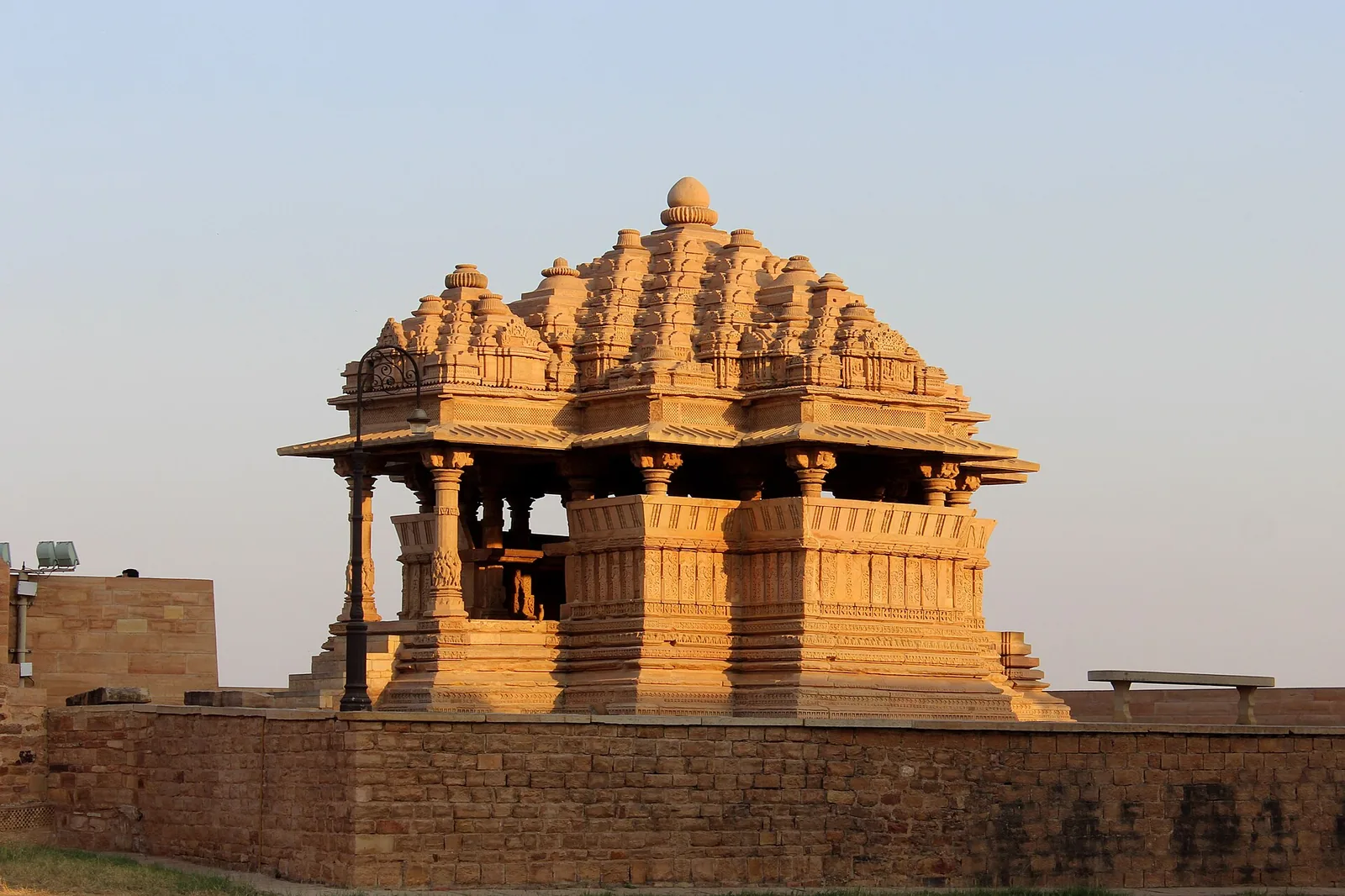
The Fort Heritage Circuit: Explore Man Mandir Palace (9:00 AM to 11:30 AM) -> Saas Bahu Temples (11:30 AM to 12:45 PM) -> Teli Ka Mandir (1:00 PM to 2:15 PM) -> Urwahi Gate Jain rock sculptures (2:30 PM to 3:30 PM).
Photography Perspectives: Afternoon sunlight (2:00 PM to 4:30 PM) illuminates the western doorway and eastern barrel vault curve for dramatic high contrast photographs.
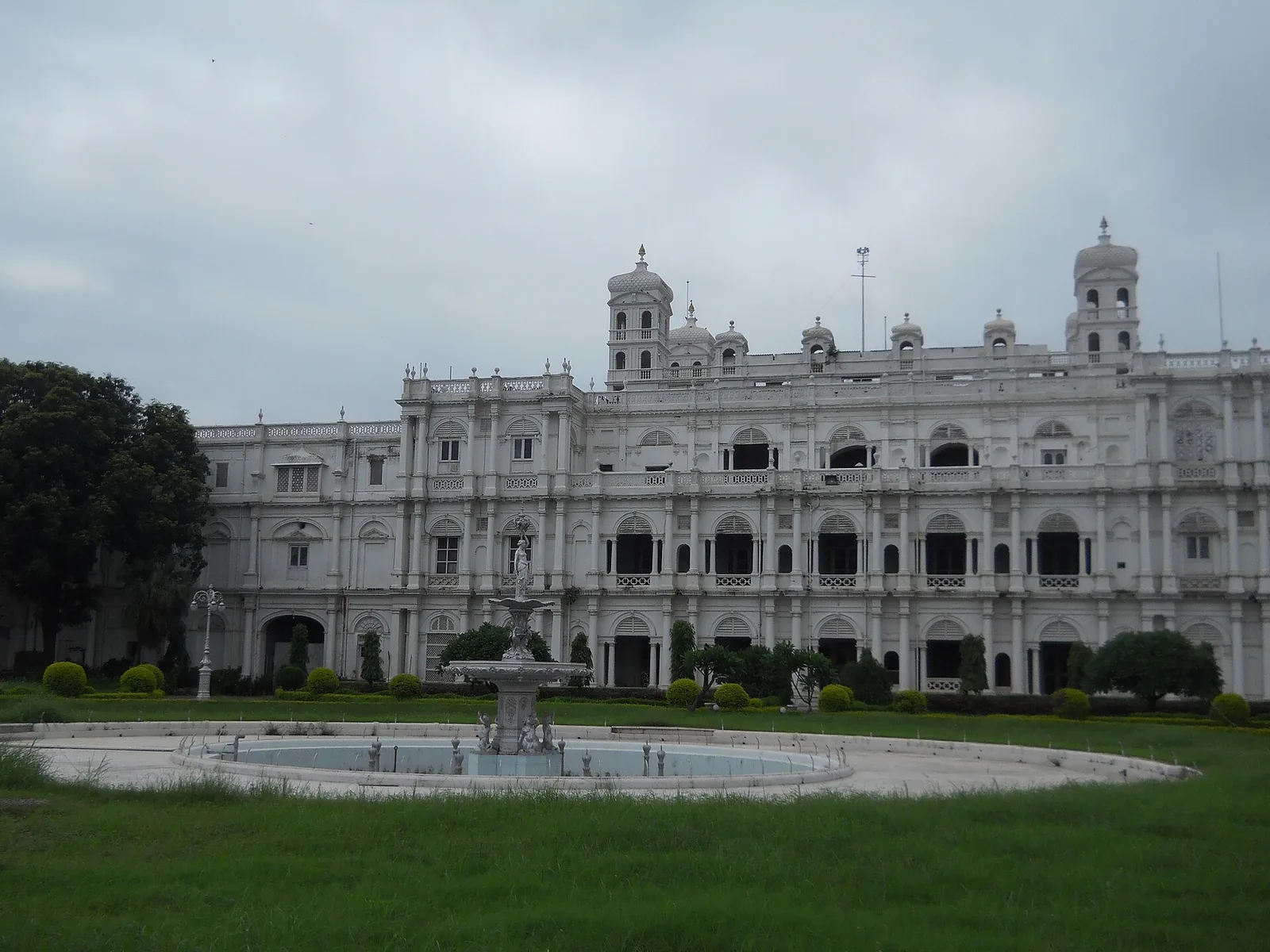
After marveling at Teli Ka Mandir, tour Saas Bahu Temples, explore Man Mandir Palace, or visit Gwalior.
Reaching Teli Ka Mandir is very simple across Gwalior in Madhya Pradesh.
Best Time to Visit:
Explore more famous ancient Hindu temples, 8th century stone monuments, and hill fort heritage across Madhya Pradesh.
 Golden Triangle
 ★★★★ Hotel
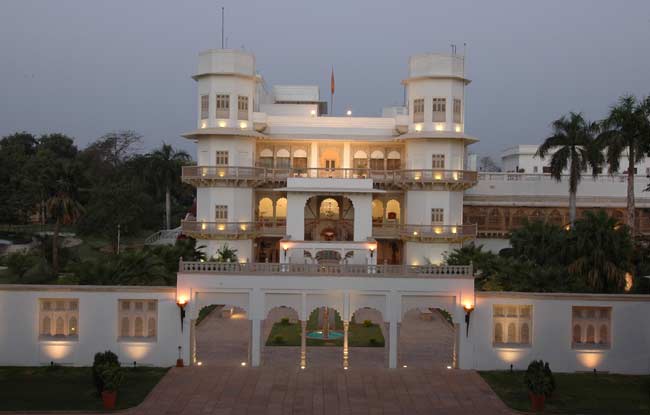
When visiting Gwalior, you'll feel right at home at Usha Kiran Palace, which offers qualit…
View Hotel Details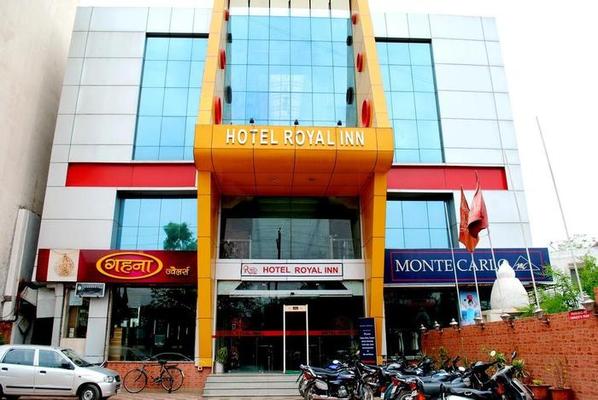 ★★ Hotel
Located in the heart of Gwalior,The Hotel Royal Inn, hosts most beautiful banquet halls of…
View Hotel Details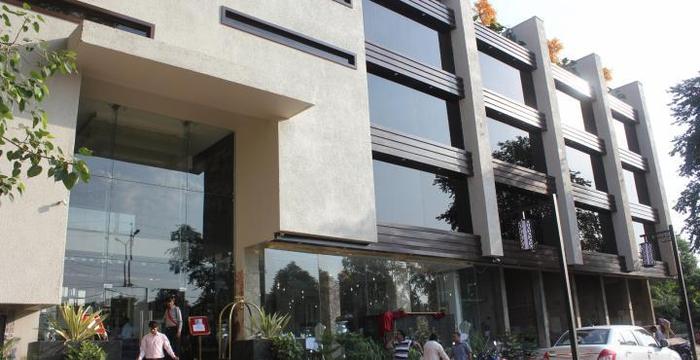 ★★★ Hotel
The Prabha International hotel in Gwalior is distinguished by its extraordinary interiors.…
View Hotel Details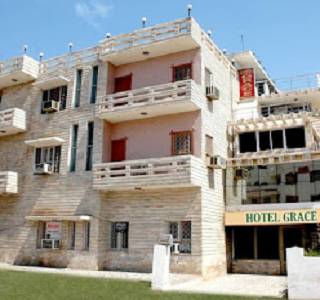 ★★ Hotel
Hotel Grace, Gwalior, offers a convenient resting place with modern comforts and a cosy am…
View Hotel Details ★★★ Hotel
Hotel Landmark has been serving in the hospitality industry...To all travelers at domestic…
View Hotel Details ★★★ Hotel
Hotel Adityaz, Gwalior, with its innate charm and warmth offers a memorable for the guests…
View Hotel Details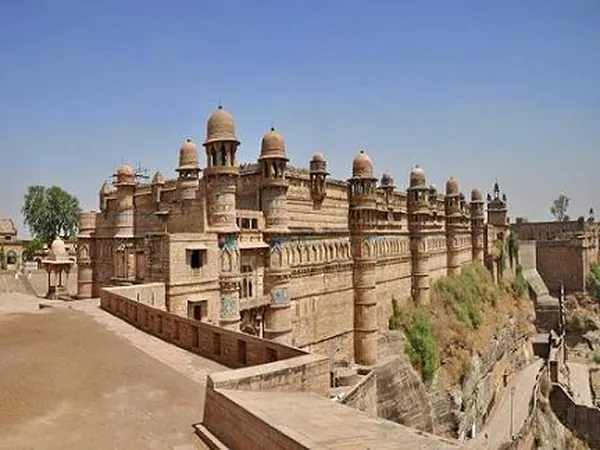 Attraction
Gwalior Fort (the impregnable 8th century sandstone hilltop fortress acclaimed by Mughal E…
Explore Gwalior Fort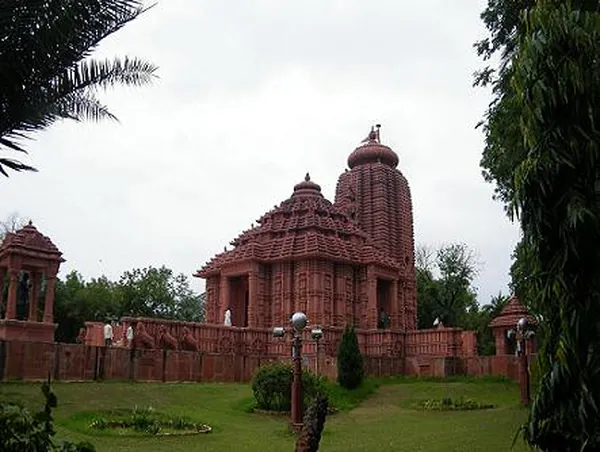 Attraction
Sun Temple Gwalior or Surya Mandir (the grand 1988 CE red sandstone chariot temple built b…
Explore Sun Temple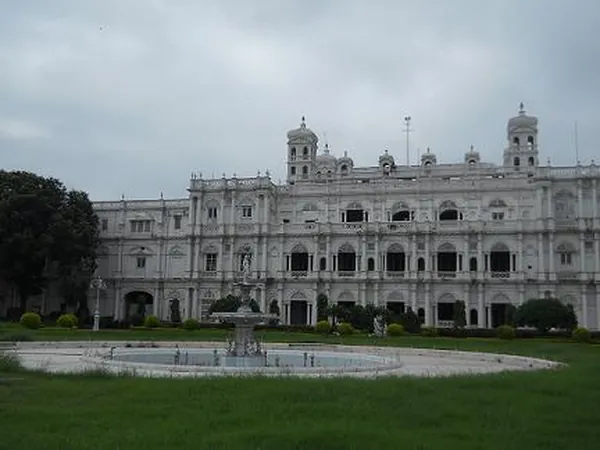 Attraction
Jai Vilas Palace Museum (the opulent 1874 CE European neoclassical palace built by Maharaj…
Explore Jai Vilas Palace Museum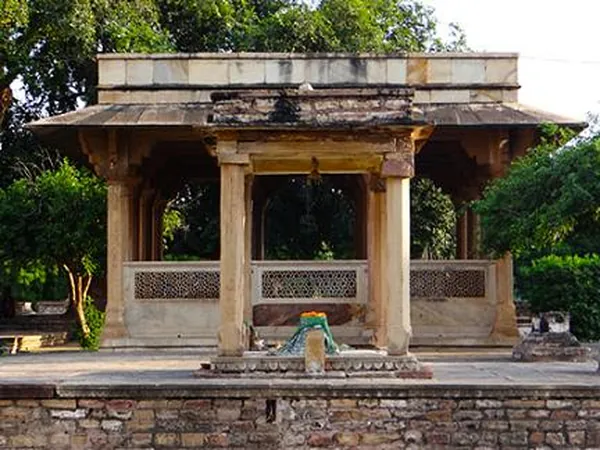 Attraction
Memorial of Tansen or Tansen's Tomb (the sacred 16th century open pavilion memorial honori…
Explore Memorial Of Tansen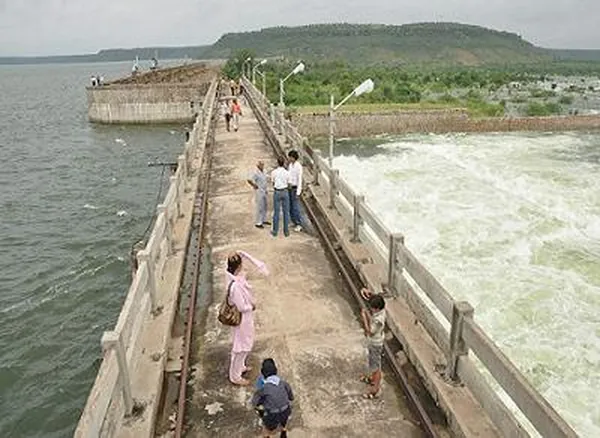 Attraction
Tigra Dam (the massive 1916 CE masonry gravity dam on the Sank River commissioned by Mahar…
Explore Tigra Dam Attraction
Gujari Mahal Archaeological Museum in Gwalior (celebrated globally as one of India's riche…
Explore Gujari Mahal Museum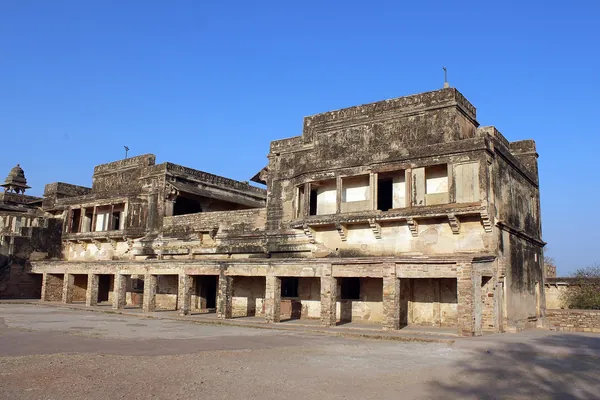 Attraction
Man Mandir Palace in Gwalior (celebrated across global architecture as one of the finest 1…
Explore Man Mandir Palace
Attraction
Suraj Kund in Gwalior (celebrated across Indian historical chronicles as the legendary bir…
Explore Suraj Kund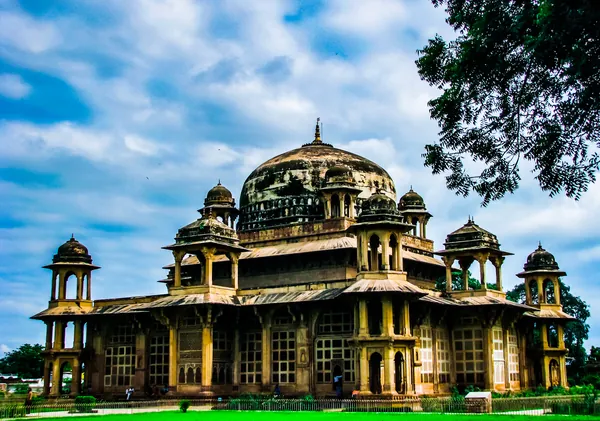 Attraction
Tomb of Muhammad Ghaus in Gwalior (celebrated across Islamic architectural chronicles as o…
Explore Tomb of Muhammad GhausExplore high-resolution photographs of iconic landmarks, temples, and scenic spots in Gwalior.
Essential visitor information regarding timings, entry tickets, location, nearby attractions, and travel guide in Gwalior.
It is famous as the oldest monument on Gwalior Fort (8th century) featuring a rare 100-foot Dravidian wagon-vaulted Valabhi shikhara atop a Nagara base.
It is traditionally believed to have been funded by the prosperous oil-merchants guild (Teli community) or designed by architects from the Telangana region.
The temple was built during the 8th century AD under the Gurjara-Pratihara dynasty, likely during the reign of Emperor Mihira Bhoja.
Open daily from 6:00 AM to 6:00 PM. Access is covered by the standard ASI Gwalior Fort ticket (Rs 25 for Indians, Rs 300 for foreigners).
It sits in the southern area of Gwalior Fort plateau, approximately 500 meters from the Saas Bahu Temples and 1.5 km south of Man Singh Palace.
Get a customized itinerary and the best deals on packages and hotels.
Enquire Now