- .
- info@earthtrip.in
-
INR
-
USD
INR
USD
Man Mandir Palace in Gwalior (celebrated across global architecture as one of the finest 15th century Tomar Rajput palaces in northern India and described ...
Man Mandir Palace in Gwalior (celebrated across global architecture as one of the finest 15th century Tomar Rajput palaces in northern India and described by Mughal Emperor Babur as 'the pearl among the fortresses of Hind', positioned dramatically along the northeastern cliff rim of Gwalior Fort rock, world famous for its exterior facade decorated with gleaming turquoise, yellow, and green glazed ceramic tile friezes depicting dancing peacocks, caparisoned elephants, wild ducks, and plantain trees, intricately carved sandstone jharokha balconies overlooking the cliff precipice, double story subterranean prison chambers / dungeons used by Mughal Emperor Aurangzeb to execute his brother Murad Bakhsh, and acoustic singing halls / Jhulana Mahal), located on the northeast precipice of Gwalior Fort in Gwalior in Madhya Pradesh, stands as the fort's crowning royal palace and architectural jewel.
Built between 1486 and 1516 AD by the illustrious Tomar Rajput ruler Raja Man Singh Tomar, this four story palace, two stories above ground and two multi tiered subterranean levels carved deep into the sandstone rock, showcases the zenith of pre Mughal Rajput palace architecture with its blend of decorative tilework and defensive engineering.
It's the home of the 300 foot-long cliffside eastern facade punctuated by circular towers crowned with cupolas and wrapped in gleaming turquoise ceramic bands, the sunlit royal courtyards lined with carved brackets and dancing girl friezes, the haunting subterranean vaults with natural air vents where Mughal prisoners were locked in darkness, the circular water pavilion where royal bathers relaxed, and an intensely historical atmosphere that transports visitors straight into medieval Rajput royal courts.
It represents a rich Tomar Rajput royal legacy, glazed tile craftsmanship, and medieval military architecture where turquoise tile friezes, stone jharokhas, underground vaults, and Gwalior Fort heritage tourism unite in Man Mandir Palace.
Located at the northeastern summit of Gwalior Fort rock, it sits just above the historic Hathi Pol (Elephant Gate), 1 km from Gujari Mahal Museum, 3 km from Gwalior Railway Station (GWL), and 10 km from Gwalior Airport (GWL), easily reached via the eastern fort pathway or by car via Urwahi Gate.
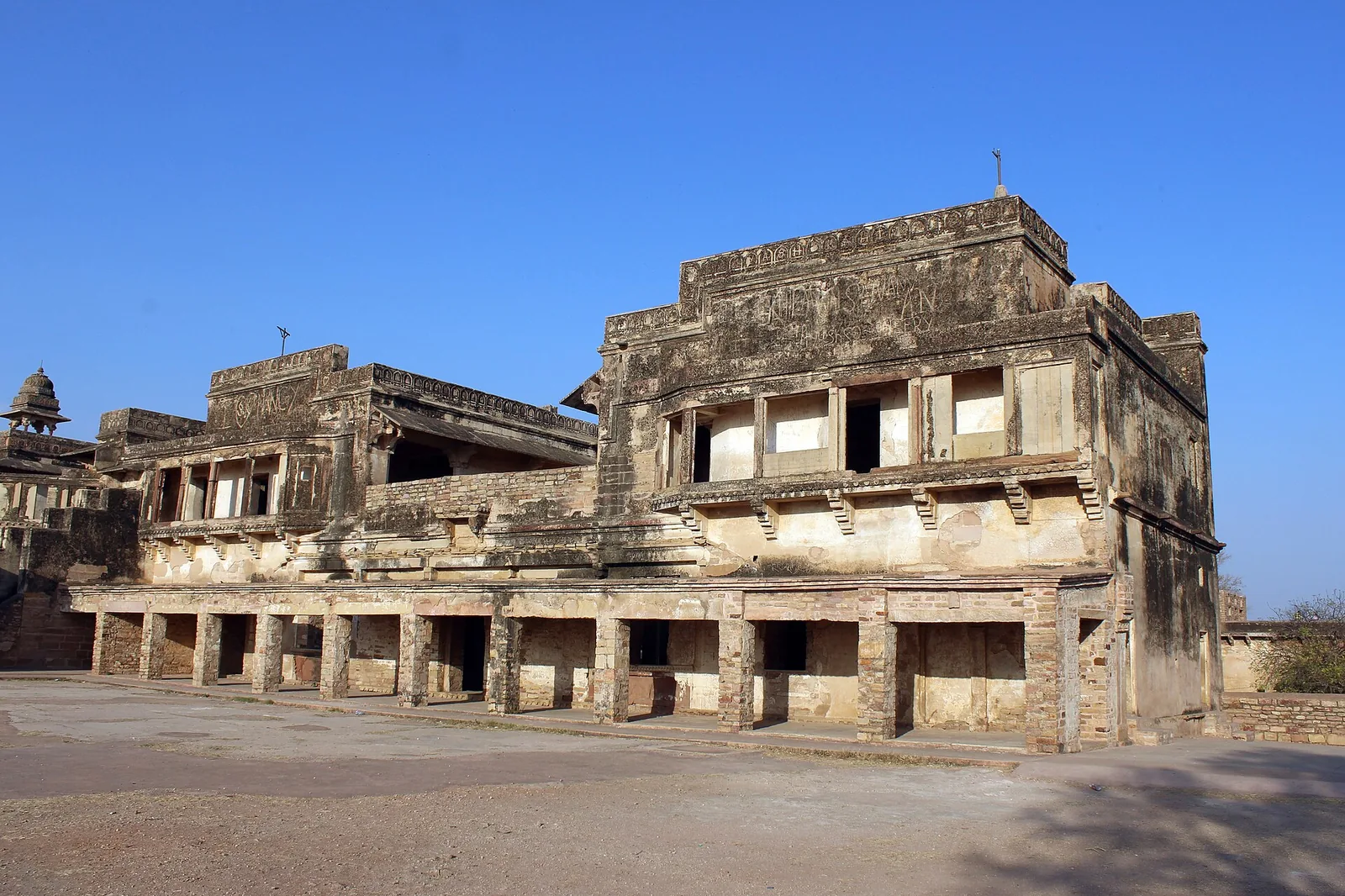
The outer wall of Man Mandir Palace is unique in North Indian palace architecture for its use of colorful enameled tile mosaics that have retained their brilliant turquoise, yellow, and cobalt sheen for over 500 years.
Intricate friezes of walking elephants, feeding tigers, pairs of peacocks holding snakes in their beaks, and lotus rosettes run across the entire length of the eastern cliff rampart.
Truth is, gazing up at the colorful glazed peacock tiles while standing beside the cliff edge reveals why Emperor Babur praised this palace so lavishly.
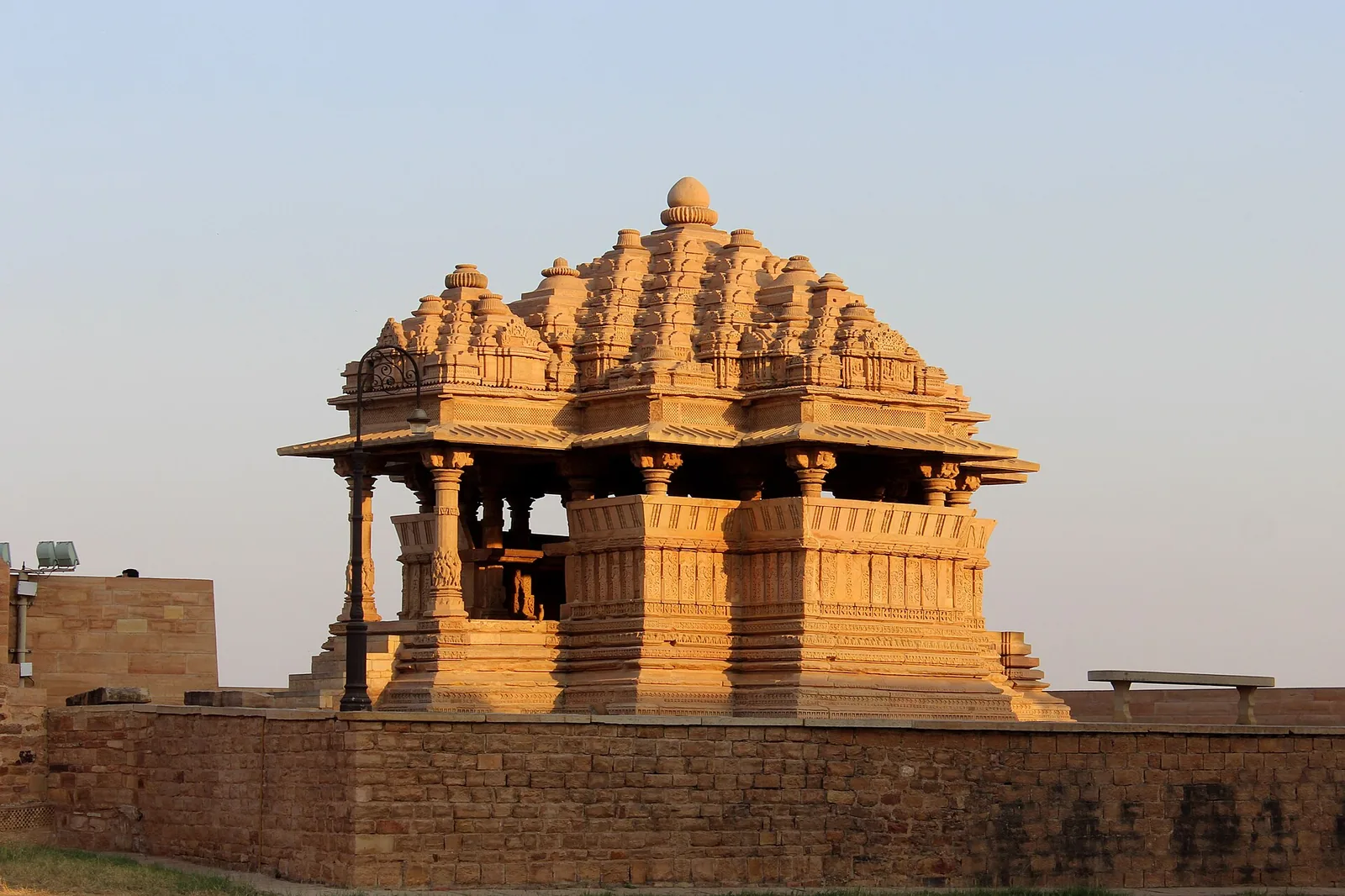
The Subterranean Vaults: Beneath the open courtyards lie two levels of rock cut chambers used initially as cool royal summer retreats and later converted by the Mughals into high security dungeons.
Murad Bakhsh's Prison: In 1661 AD, Mughal Prince Murad Bakhsh was imprisoned in these underground vaults by his brother Aurangzeb and subsequently executed on the site.
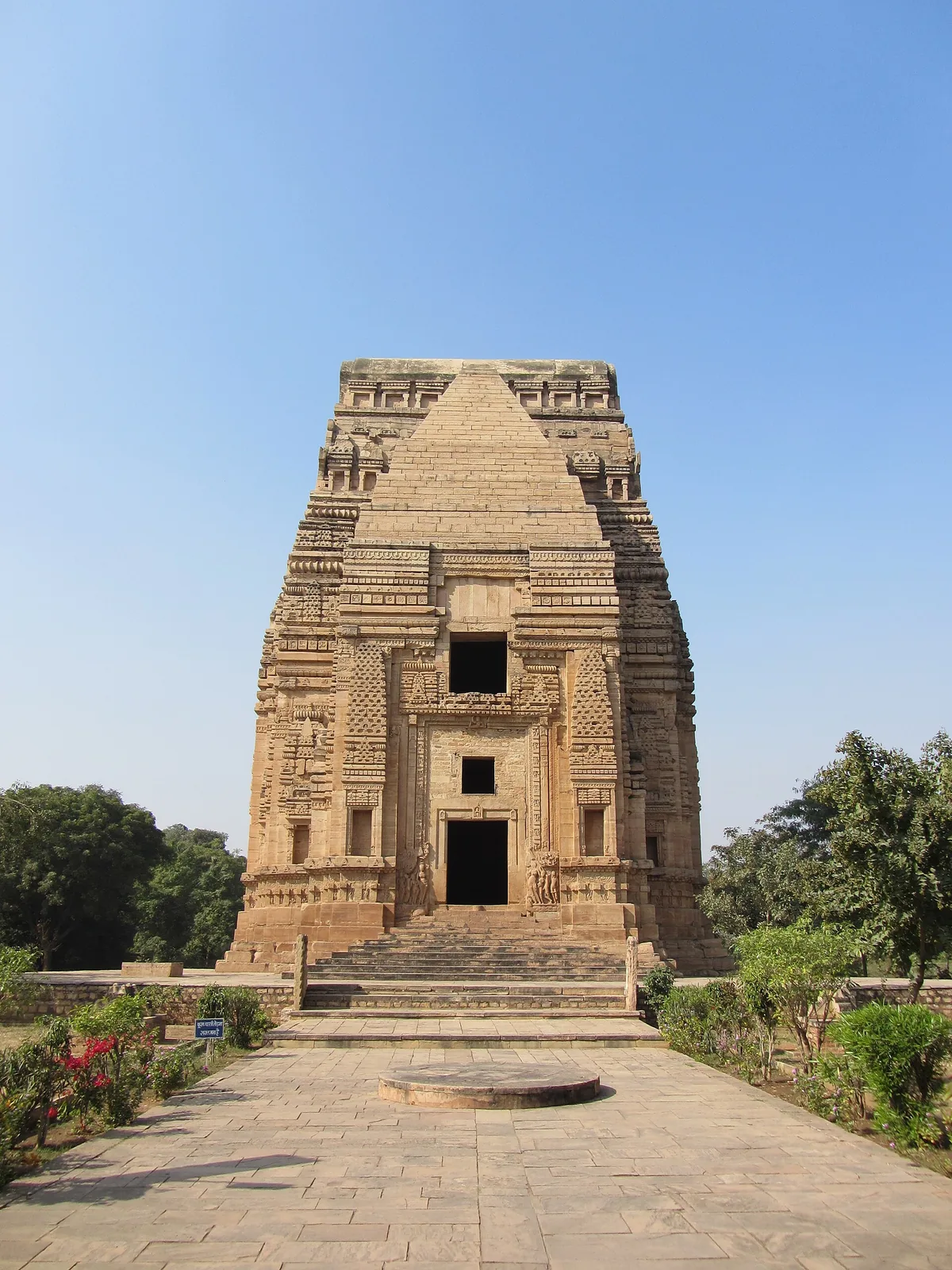
The Royal Fort Itinerary: Tour Man Mandir Palace and underground chambers (9:00 AM to 11:30 AM) -> explore Vikram Mahal and Karan Mahal -> visit Gujari Mahal Archaeological Museum -> evening Light & Sound Show at Man Mandir courtyard.
Evening Light & Sound Spectacle: Amitabh Bachchan's famous baritone narration echoes across the palace ramparts every evening, dramatizing Gwalior Fort's thousand year history.
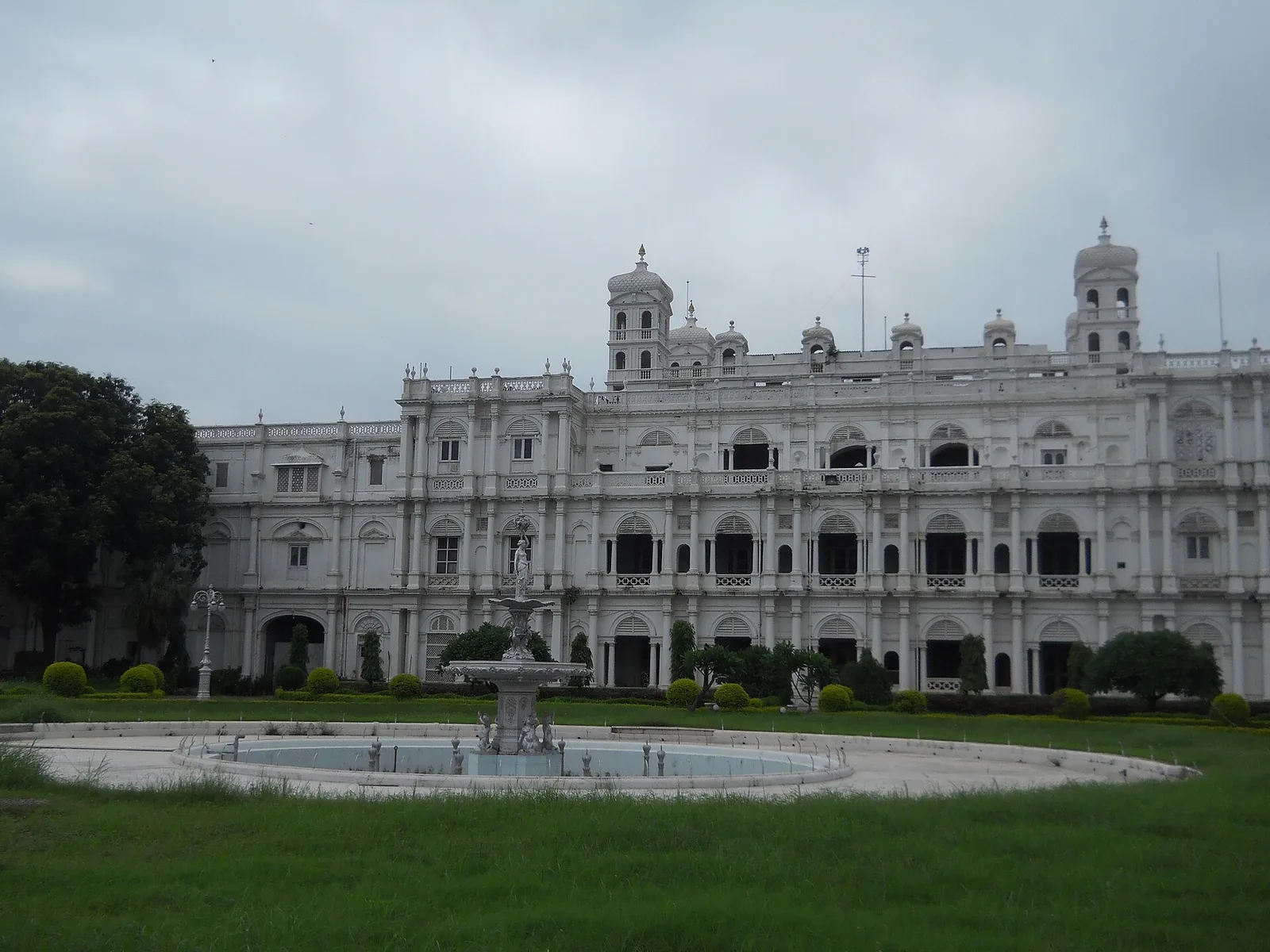
After exploring the painted halls of Man Mandir Palace, visit Teli Ka Mandir, tour Saas Bahu Temples, or explore Gwalior.
Reaching Man Mandir Palace is very simple across Gwalior in Madhya Pradesh.
Best Time to Visit:
Explore more famous Rajput palaces, painted tile architecture, and hill fortress heritage across Madhya Pradesh.
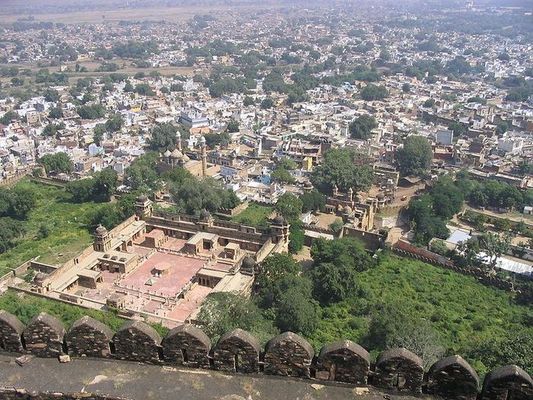 Golden Triangle
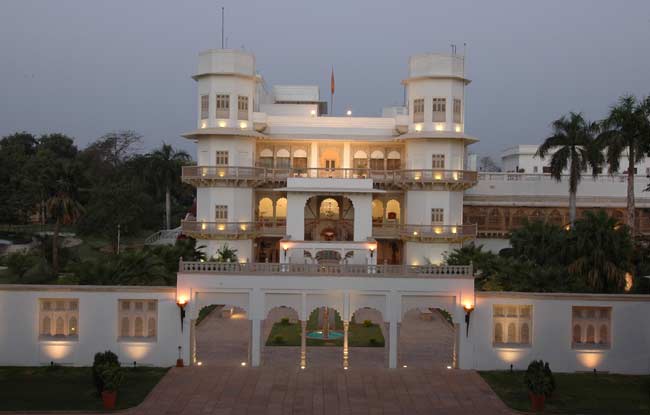 ★★★★ Hotel
When visiting Gwalior, you'll feel right at home at Usha Kiran Palace, which offers qualit…
View Hotel Details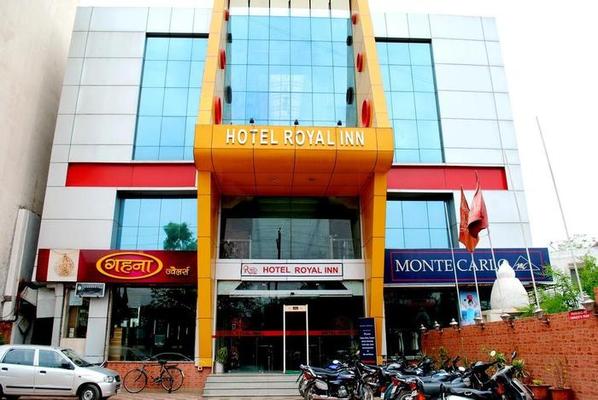 ★★ Hotel
Located in the heart of Gwalior,The Hotel Royal Inn, hosts most beautiful banquet halls of…
View Hotel Details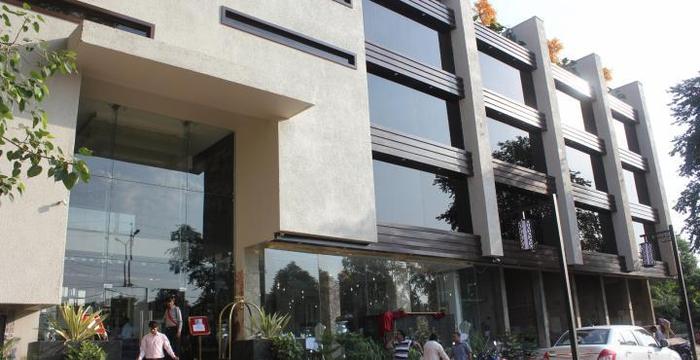 ★★★ Hotel
The Prabha International hotel in Gwalior is distinguished by its extraordinary interiors.…
View Hotel Details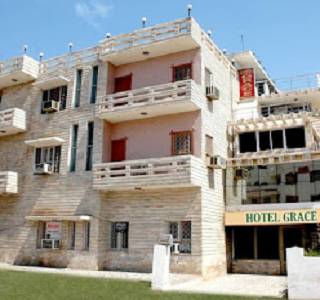 ★★ Hotel
Hotel Grace, Gwalior, offers a convenient resting place with modern comforts and a cosy am…
View Hotel Details ★★★ Hotel
Hotel Landmark has been serving in the hospitality industry...To all travelers at domestic…
View Hotel Details ★★★ Hotel
Hotel Adityaz, Gwalior, with its innate charm and warmth offers a memorable for the guests…
View Hotel Details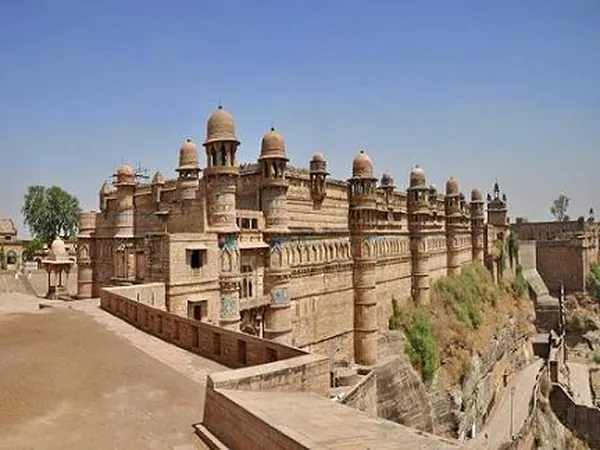 Attraction
Gwalior Fort (the impregnable 8th century sandstone hilltop fortress acclaimed by Mughal E…
Explore Gwalior Fort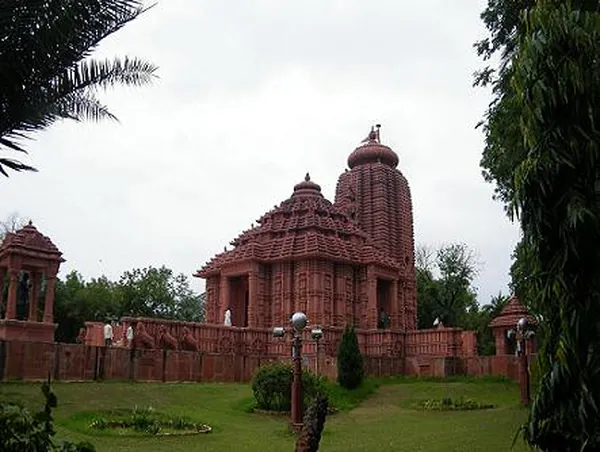 Attraction
Sun Temple Gwalior or Surya Mandir (the grand 1988 CE red sandstone chariot temple built b…
Explore Sun Temple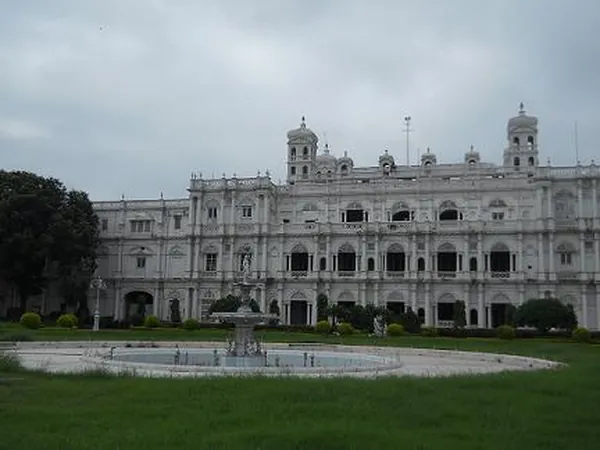 Attraction
Jai Vilas Palace Museum (the opulent 1874 CE European neoclassical palace built by Maharaj…
Explore Jai Vilas Palace Museum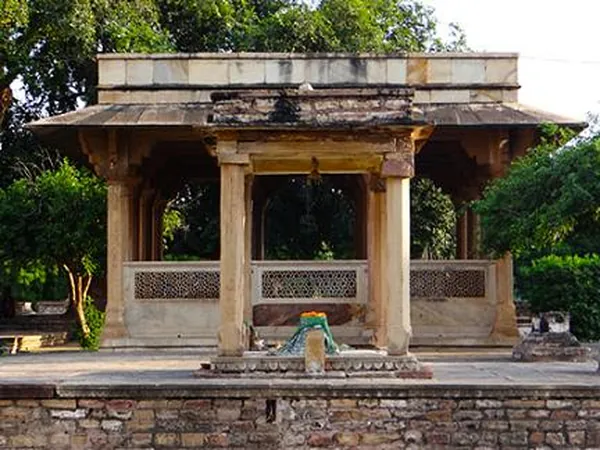 Attraction
Memorial of Tansen or Tansen's Tomb (the sacred 16th century open pavilion memorial honori…
Explore Memorial Of Tansen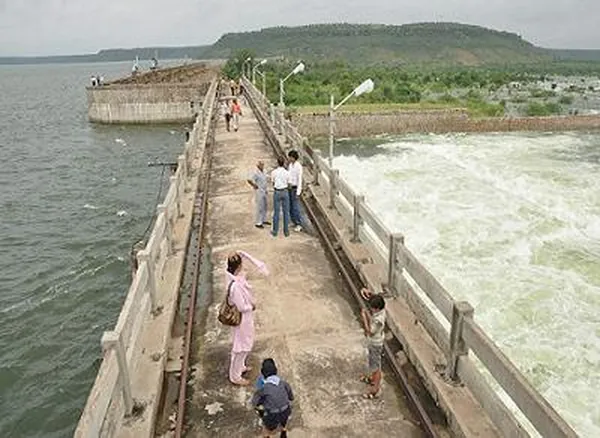 Attraction
Tigra Dam (the massive 1916 CE masonry gravity dam on the Sank River commissioned by Mahar…
Explore Tigra Dam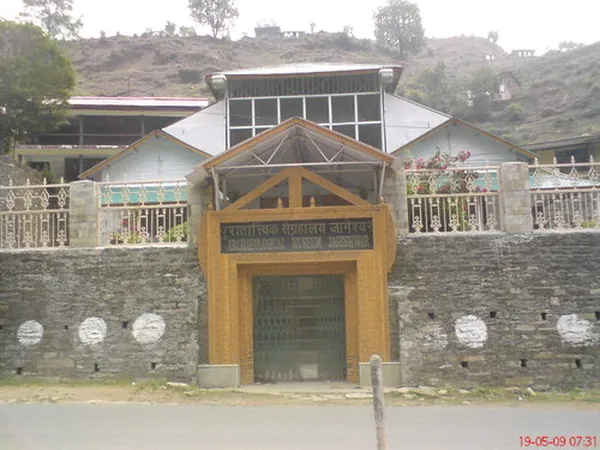 Attraction
Gujari Mahal Archaeological Museum in Gwalior (celebrated globally as one of India's riche…
Explore Gujari Mahal Museum
Attraction
Suraj Kund in Gwalior (celebrated across Indian historical chronicles as the legendary bir…
Explore Suraj Kund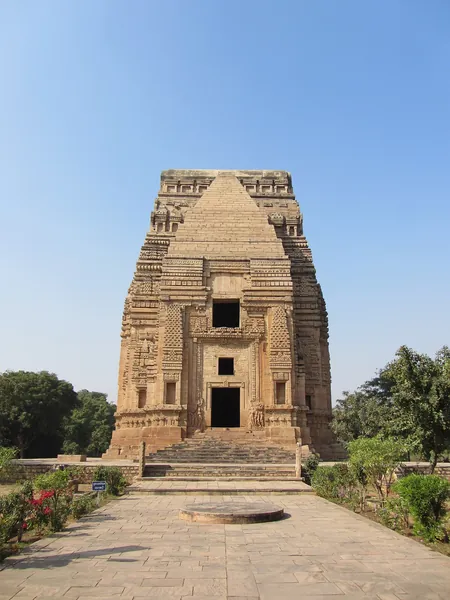 Attraction
Teli Ka Mandir in Gwalior (celebrated across world architectural history as the oldest sur…
Explore Teli Ka Mandir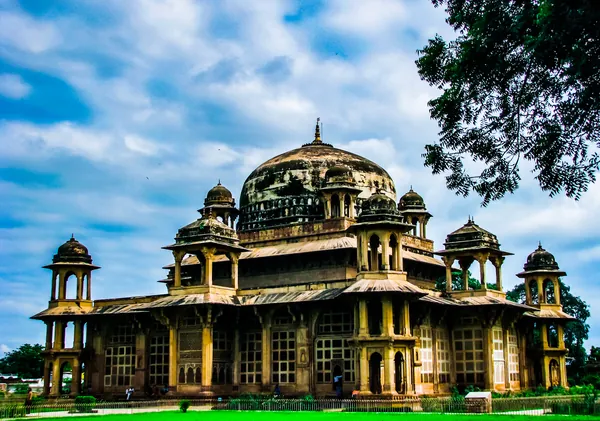 Attraction
Tomb of Muhammad Ghaus in Gwalior (celebrated across Islamic architectural chronicles as o…
Explore Tomb of Muhammad GhausExplore high-resolution photographs of iconic landmarks, temples, and scenic spots in Gwalior.
Essential visitor information regarding timings, entry tickets, location, nearby attractions, and travel guide in Gwalior.
Man Mandir Palace is famous for its 15th-century Tomar Rajput architecture, colorful turquoise glazed tile mosaics, stone jharokhas, and underground Mughal dungeons.
It was built between 1486 and 1516 AD by the celebrated Tomar ruler Raja Man Singh Tomar.
These are two levels of rock-cut underground chambers originally built as summer retreats and later used by Mughal Emperor Aurangzeb as high-security prisons.
Open daily from 9:00 AM to 5:30 PM. Access is included in the ASI Gwalior Fort composite ticket (Rs 25 for Indians, Rs 300 for foreigners).
Yes, an evening Light and Sound show narrated by Amitabh Bachchan is held daily in the palace courtyard, recounting the history of Gwalior Fort.
Get a customized itinerary and the best deals on packages and hotels.
Enquire Now