- .
- info@earthtrip.in
-
INR
-
USD
INR
USD
Gujari Mahal Archaeological Museum in Gwalior (celebrated globally as one of India's richest archaeological museums and the romantic 15th century palace bu...
Gujari Mahal Archaeological Museum in Gwalior (celebrated globally as one of India's richest archaeological museums and the romantic 15th century palace built by Raja Man Singh Tomar for his beloved Gurjar queen Rani Mrignayani, situated at the eastern foot of Gwalior Fort beside the historic Hindola Gate, world famous for housing the peerless 10th century 'Salabhanjika' sandstone sculpture hailed as the 'Indian Mona Lisa' or 'Gyraspur Lady', priceless collections of 2nd century BC Sunga and Kushana sculptures, copies of 5th century Bagh Cave Buddhist frescoes, inscribed copper plates, ancient terracotta figurines, and weapon galleries), located at the eastern foot of Gwalior Fort in Gwalior in Madhya Pradesh, stands as the fort's premier archaeological treasure house and royal monument of legendary love.
Built in 1490 AD with robust outer stone fortifications, open arcaded courtyards, and a dedicated terracotta pipeline system that brought fresh water from the distant Rai River to satisfy Queen Mrignayani's vow, the palace was converted into an Archaeological Museum in 1922 by the Department of Archaeology of the Gwalior Princely State.
It's the home of the world famous Salabhanjika / Shalbhanjika from Gyraspur, an absolute masterpiece of medieval Indian sculpture whose subtle enigmatic smile, bejeweled posture, and delicate tribhanga stance draw international art historians, the colossal 1st century Yaksha and Yakshi statues from Pawaya, the 28 display galleries exhibiting Gupta era gold coins and stone inscriptions, the tranquil stone pillared courtyards where antique stone Nandi bulls and Varaha avatars rest in open air galleries, and an intensely enriching, scholarly ambiance where 2,000 years of central Indian art history unfold within royal stone arches.
It represents a rich Tomar Rajput royal heritage, ancient Indian iconography, and master stone sculpture where Gyraspur Salabhanjika, Bagh Cave frescoes, Sunga terracotta, and Gwalior cultural tourism unite in Gujari Mahal Archaeological Museum.
Located at the base of Gwalior Fort's eastern rampart near the historic Hindola Gate, it sits just 2.5 km west of Gwalior Railway Station (GWL), 1 km below Man Mandir Palace, and 9 km from Gwalior Airport (GWL), easily reached by auto rickshaw, city cab, or on foot from old Gwalior bazaar.
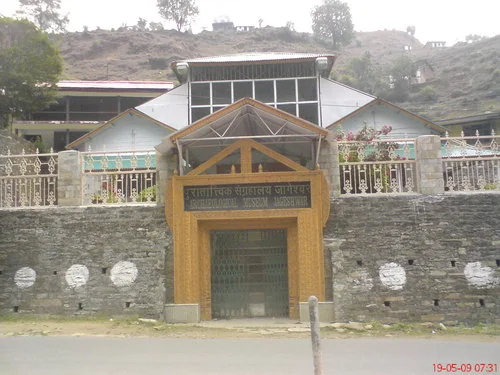
The museum's crown jewel is the 10th century Salabhanjika, a celestial tree nymph carved from pale sandstone found in Gyraspur, Vidisha, whose flawless anatomical symmetry and mysterious smile rival Da Vinci's Mona Lisa.
Preserved in a dedicated high security chamber, the sculpture is viewed under the supervision of museum docents and remains an internationally acclaimed icon of classical Indian aesthetics.
Truth is, standing before the Gyraspur Lady and seeing the delicate curve of her smile carved from solid sandstone over a thousand years ago is impressive.
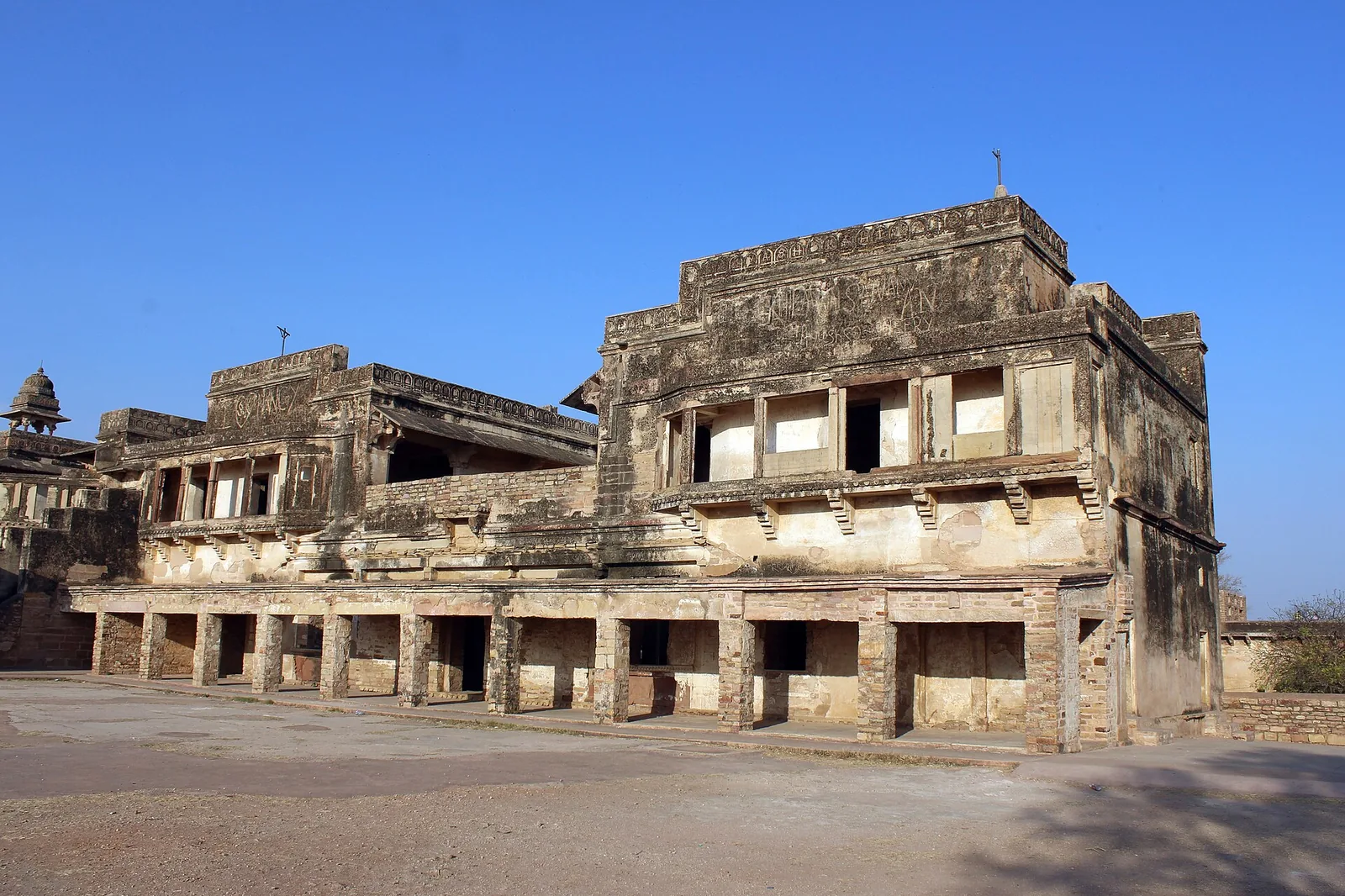
The Royal Romance: Raja Man Singh fell in love with Mrignayani, a brave Gurjar village girl renowned for wrestling wild buffaloes, agreeing to her condition to build a dedicated palace supplied with water from her native Rai River.
Bagh Cave Fresco Replicas: The upper gallery preserves exact historical tempera copies of the 5th century Buddhist frescoes from the Bagh Caves in Dhar, whose originals have since deteriorated.
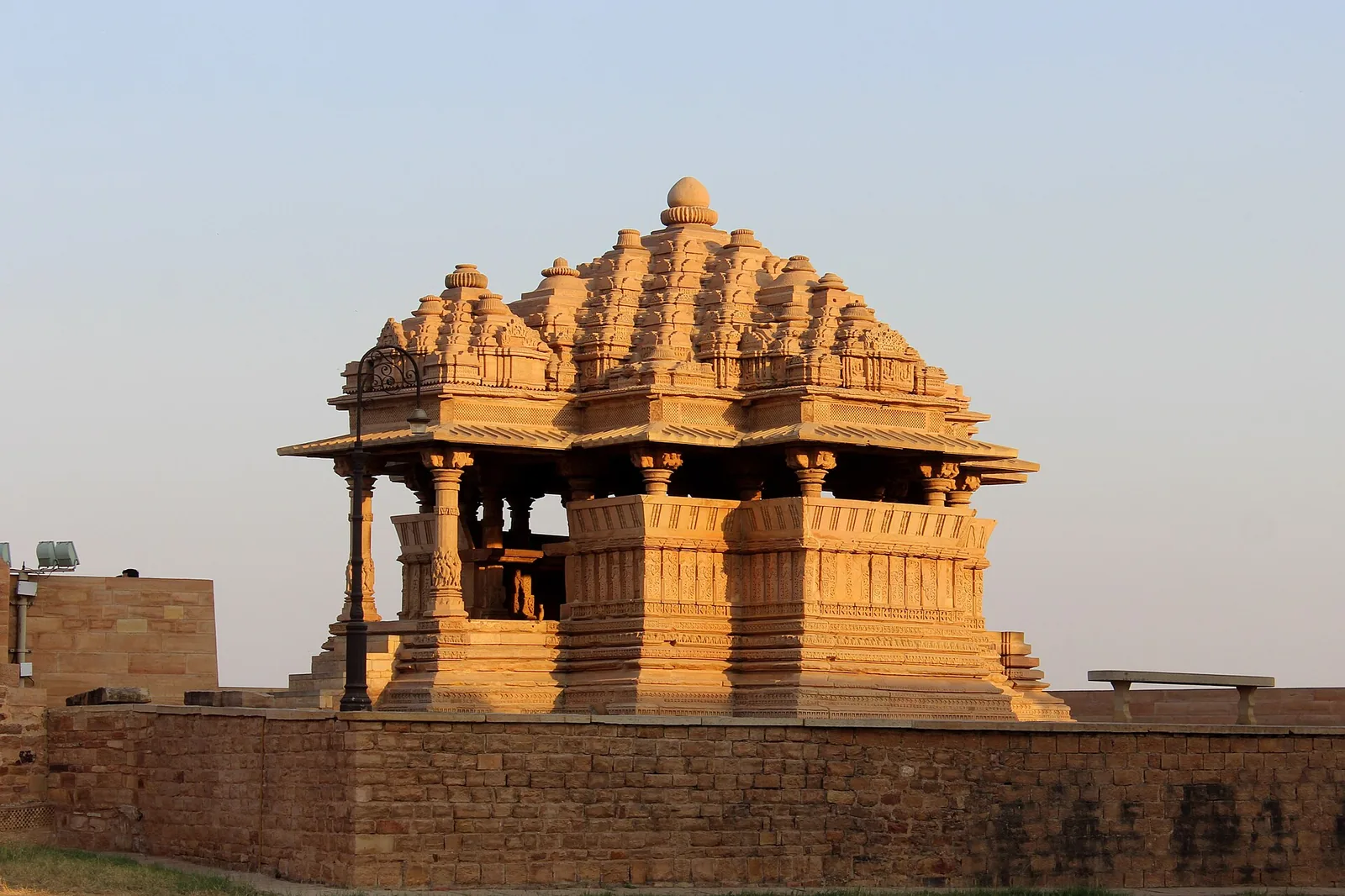
Essential Archaeological Itinerary: Gujari Mahal Museum (9:30 AM to 12:00 PM) -> climb through Hindola Gate and Hathi Pol -> explore Man Mandir Palace (12:30 PM to 2:30 PM) -> visit Saas Bahu Temples (3:00 PM to 4:30 PM).
Courtyard Statues: The spacious inner courtyard houses giant monolithic 6th century stone lintels, dancing Ganesha idols, and medieval hero stones (Viragals).
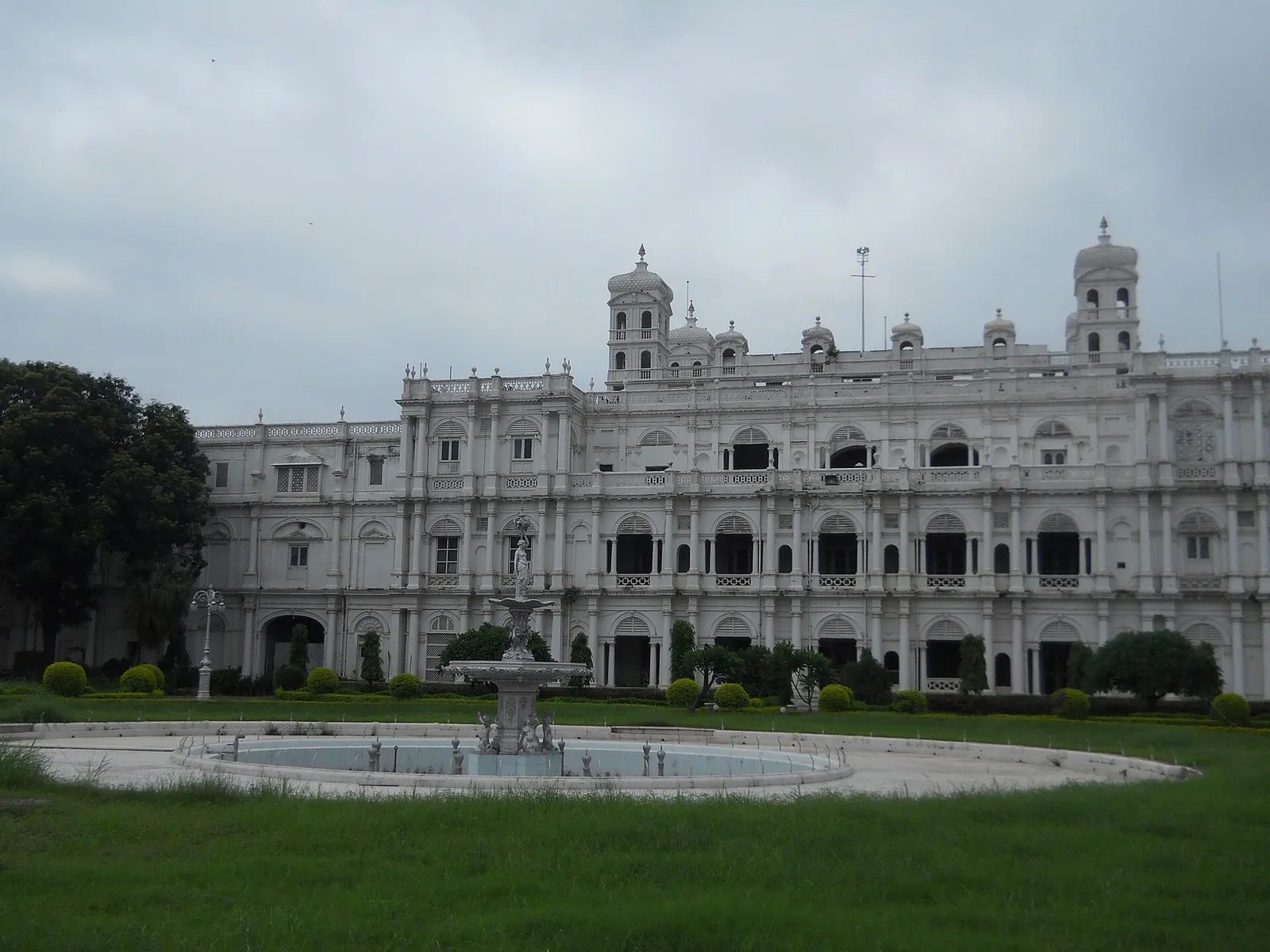
After exploring the ancient treasures at Gujari Mahal Museum, climb to Man Mandir Palace, visit Teli Ka Mandir, or tour Gwalior.
Reaching Gujari Mahal Archaeological Museum is very simple across Gwalior in Madhya Pradesh.
Best Time to Visit:
Explore more famous archaeological museums, master stone sculptures, and medieval palace heritage across Madhya Pradesh.
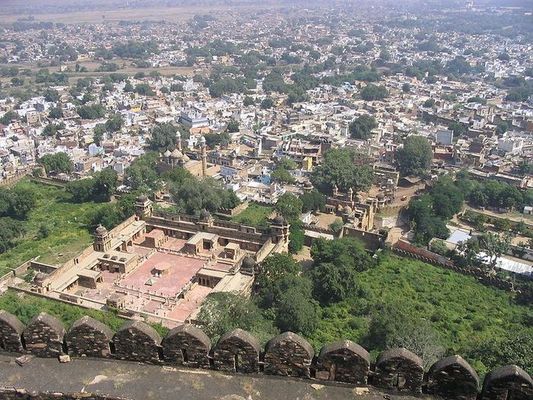 Golden Triangle
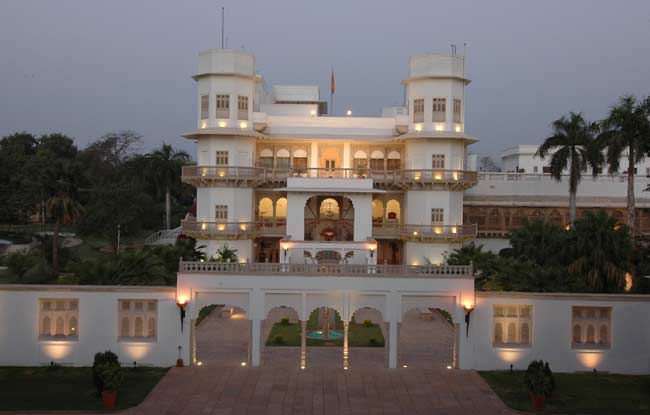 ★★★★ Hotel
When visiting Gwalior, you'll feel right at home at Usha Kiran Palace, which offers qualit…
View Hotel Details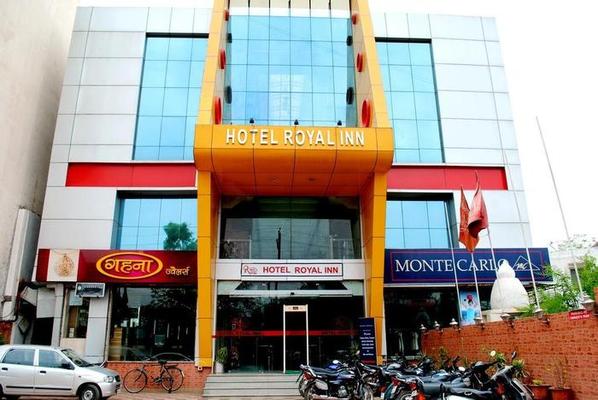 ★★ Hotel
Located in the heart of Gwalior,The Hotel Royal Inn, hosts most beautiful banquet halls of…
View Hotel Details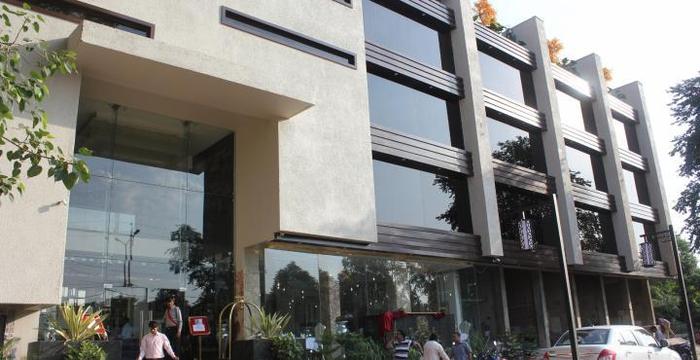 ★★★ Hotel
The Prabha International hotel in Gwalior is distinguished by its extraordinary interiors.…
View Hotel Details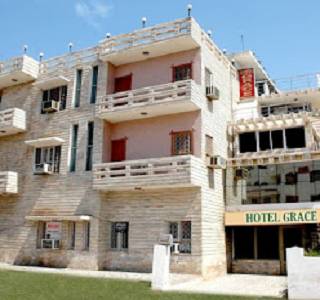 ★★ Hotel
Hotel Grace, Gwalior, offers a convenient resting place with modern comforts and a cosy am…
View Hotel Details ★★★ Hotel
Hotel Landmark has been serving in the hospitality industry...To all travelers at domestic…
View Hotel Details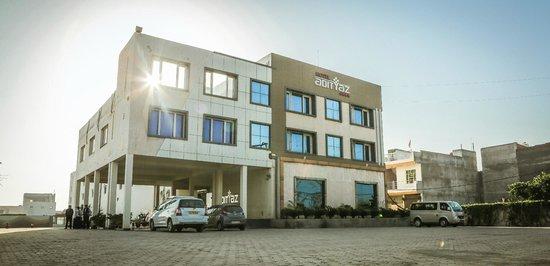 ★★★ Hotel
Hotel Adityaz, Gwalior, with its innate charm and warmth offers a memorable for the guests…
View Hotel Details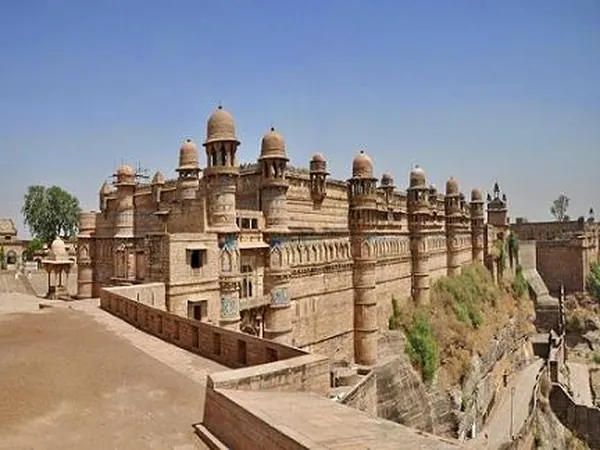 Attraction
Gwalior Fort (the impregnable 8th century sandstone hilltop fortress acclaimed by Mughal E…
Explore Gwalior Fort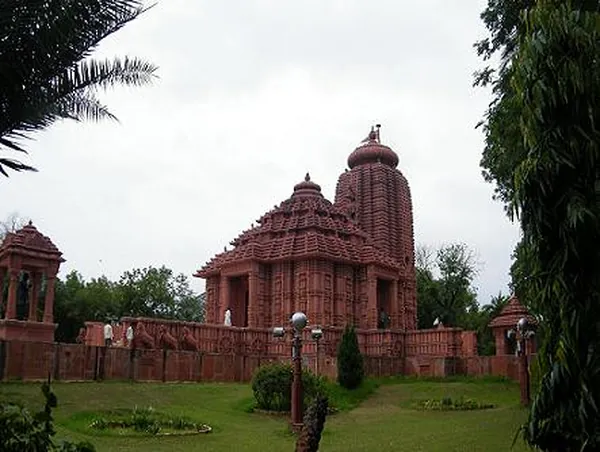 Attraction
Sun Temple Gwalior or Surya Mandir (the grand 1988 CE red sandstone chariot temple built b…
Explore Sun Temple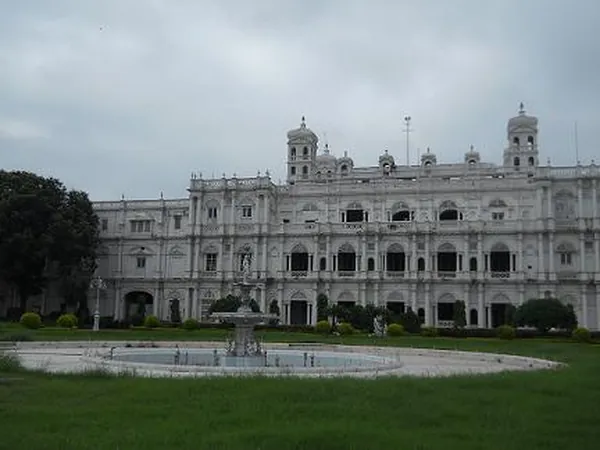 Attraction
Jai Vilas Palace Museum (the opulent 1874 CE European neoclassical palace built by Maharaj…
Explore Jai Vilas Palace Museum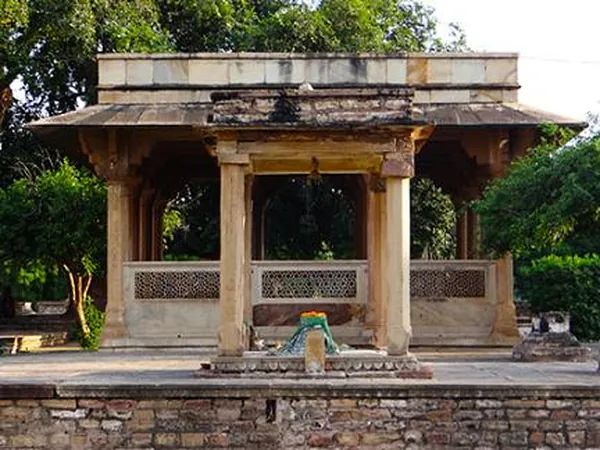 Attraction
Memorial of Tansen or Tansen's Tomb (the sacred 16th century open pavilion memorial honori…
Explore Memorial Of Tansen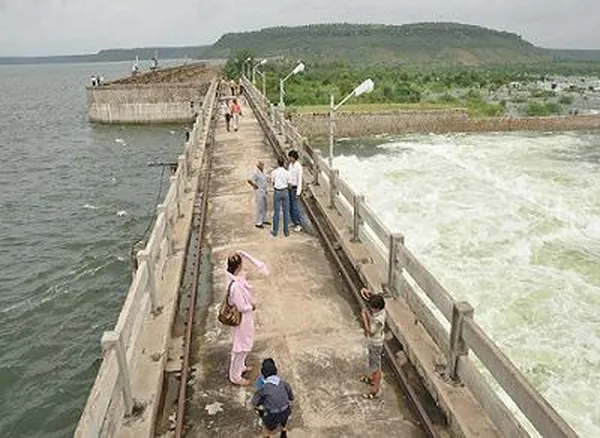 Attraction
Tigra Dam (the massive 1916 CE masonry gravity dam on the Sank River commissioned by Mahar…
Explore Tigra Dam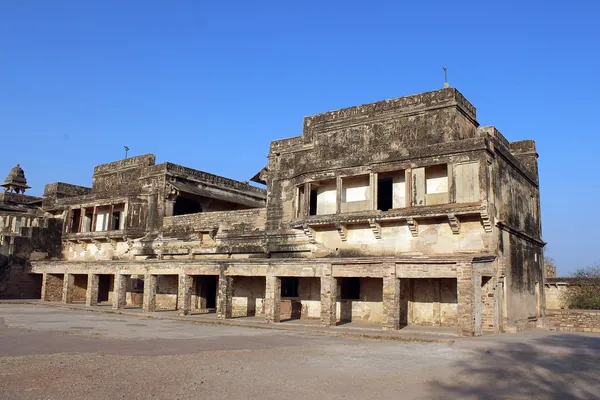 Attraction
Man Mandir Palace in Gwalior (celebrated across global architecture as one of the finest 1…
Explore Man Mandir Palace
Attraction
Suraj Kund in Gwalior (celebrated across Indian historical chronicles as the legendary bir…
Explore Suraj Kund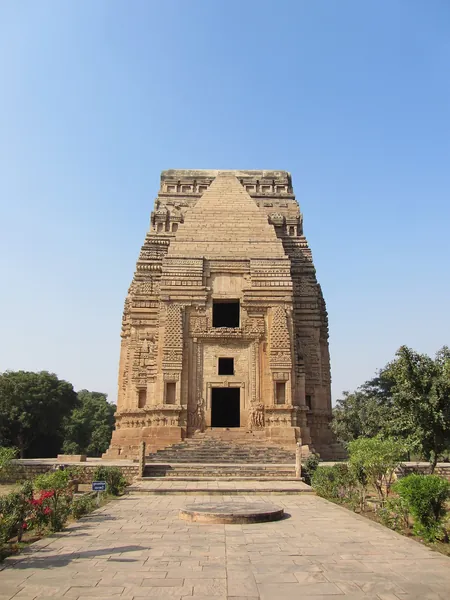 Attraction
Teli Ka Mandir in Gwalior (celebrated across world architectural history as the oldest sur…
Explore Teli Ka Mandir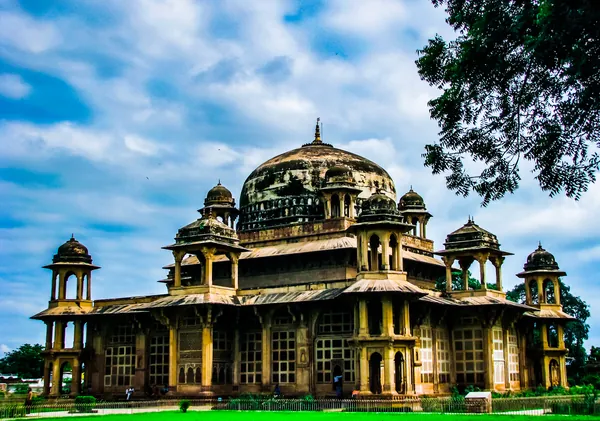 Attraction
Tomb of Muhammad Ghaus in Gwalior (celebrated across Islamic architectural chronicles as o…
Explore Tomb of Muhammad GhausExplore high-resolution photographs of iconic landmarks, temples, and scenic spots in Gwalior.
Essential visitor information regarding timings, entry tickets, location, nearby attractions, and travel guide in Gwalior.
It is famous as Rani Mrignayani's 15th-century palace and home to the world-renowned 10th-century Salabhanjika sculpture ('Indian Mona Lisa').
Rani Mrignayani was the beloved Gurjar queen of Raja Man Singh Tomar; he built Gujari Mahal for her in 1490 AD with water supplied from the Rai River.
The Salabhanjika is a 10th-century stone carving of a celestial tree nymph from Gyraspur, internationally celebrated for its intricate beauty and mysterious smile.
Open Tuesday to Sunday from 10:00 AM to 5:00 PM (closed on Mondays). Entry is Rs 20 for Indians and Rs 200 for foreigners.
It is situated at the eastern base of Gwalior Fort rock near Hindola Gate, just 2.5 km from Gwalior Railway Station.
Get a customized itinerary and the best deals on packages and hotels.
Enquire Now