- .
- info@earthtrip.in
-
INR
-
USD
INR
USD
Jai Vilas Palace Museum (the opulent 1874 CE European neoclassical palace built by Maharaja Jayaji Rao Scindia, celebrated for housing the world's heaviest...
Jai Vilas Palace Museum (the opulent 1874 CE European neoclassical palace built by Maharaja Jayaji Rao Scindia, celebrated for housing the world's heaviest 3.5 ton crystal chandeliers in the gold leaf Durbar Hall and the legendary motorized solid silver banquet train) in Gwalior in Madhya Pradesh, stands as central India's supreme royal palace museum and 19th century aristocratic residence landmark.
Rising across a 75 acre landscaped estate in the Lashkar quarter, this 400 room palace combines Tuscan, Italian Doric, and Corinthian architectural styles designed by British architect Sir Michael Filose.
It's the home of the glittering Durbar Hall coated in 560 kilograms of pure gold leaf, the famous silver electric toy train serving fine brandies across formal banquet tables, priceless Belgian cut glass furniture, antique Maratha swords and jewel studded shields, and an intensely grand, deeply historic palace ambiance filled with echoing court legends, shimmering crystal reflections, and quiet royal elegance.
It represents a rich Madhya Pradesh Scindia dynastic heritage apex, European neoclassical grandeur, and imperial palace tourism where royal ballrooms, Gwalior Fort ramparts, Sun Temple courtyards, and Memorial of Tansen unite in Jai Vilas Palace Museum.
Located on Jai Vilas Palace Road in Lashkar, it sits 3 km from Gwalior Junction Railway Station (GWL), 4 km from Gwalior Bus Stand, 5 km from Gwalior Fort, and 12 km from Rajmata Vijaya Raje Scindia Airport (GWL), easily reached by city auto, app cab, or private vehicle.
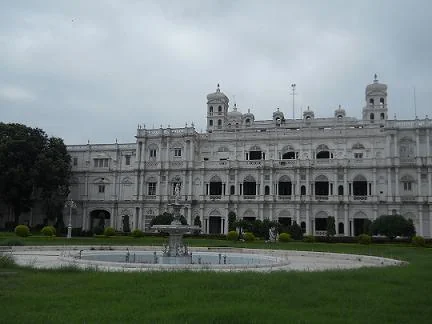
Before suspending the twin 3.5 tonne crystal chandeliers, eight royal elephants were hoisted onto the palace roof for seven days to ensure the arched ceiling could bear the immense load.
In the formal royal dining hall, the solid silver miniature train chugged along sterling silver tracks laid down the center of the banquet table, carrying cigars and wine decanters to international dignitaries.
Truth is, staring up at the dazzling gold leaf ceilings and gigantic cut glass chandeliers of the Durbar Hall is an impressive glimpse into royal Scindia opulence.
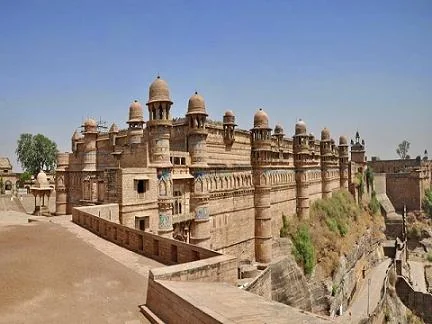
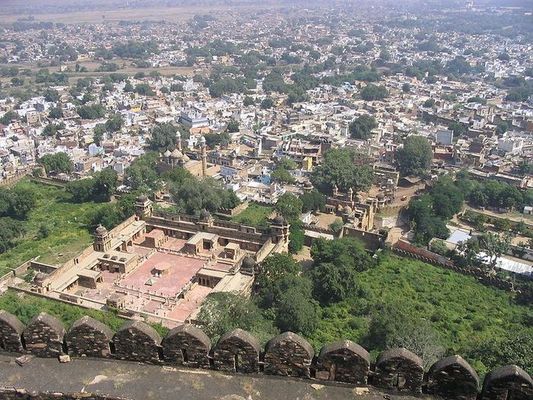
Gwalior Fort: Explore the towering 8th century hilltop fortress famed as the pearl of Indian forts, featuring Man Mandir Palace and Sasbahu temples.
Sun Temple & Tansen Tomb: Visit the carved red sandstone Sun Temple and pay respects at the sacred memorial of music legend Mian Tansen.
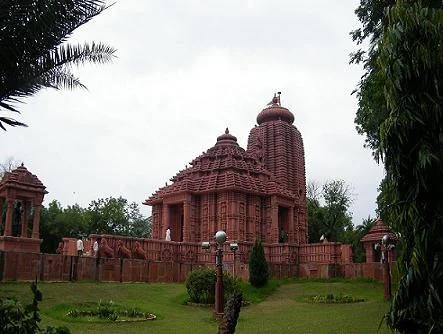
The Royal Scindia & Hilltop Fort Circuit: Morning start with bedmi puris and jalebis in central Gwalior (8:30 AM) -> visit Jai Vilas Palace Museum (9:15 AM to 12:00 PM: tour the 35 museum rooms, admire the silver banquet train, inspect vintage Scindia carriages & marvel at the gold Durbar Hall and crystal chandeliers) -> authentic Malwa lunch in Lashkar (12:15 PM to 1:30 PM) -> drive to Gwalior Fort (1:45 PM to 4:45 PM: explore Man Mandir Palace, Teli Ka Mandir, Gujari Mahal & Sasbahu Temples) -> visit the Sun Temple during golden hour (5:15 PM to 6:15 PM) -> evening food tour in Patankar Bazar tasting morena gajak and namkeens (6:45 PM to 8:30 PM) -> return to hotel.
Visiting Code & Conduct: Photography tickets must be purchased separately at the counter for cameras and smartphones; touching antique exhibits, furniture, or chandeliers is strictly prohibited; audio guides in multiple languages are available at the entrance; closed on Wednesdays.
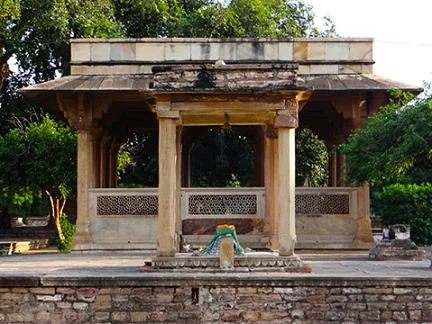
After exploring the imperial rooms of Jai Vilas Palace Museum, tour Gwalior Fort, visit the Sun Temple, or explore the Memorial of Tansen.
Reaching Jai Vilas Palace Museum is very simple across Gwalior in Madhya Pradesh.
Best Time to Visit:
Explore more famous royal palaces, Scindia heritage landmarks, and imperial museums across Madhya Pradesh.
 Golden Triangle
 ★★★★ Hotel
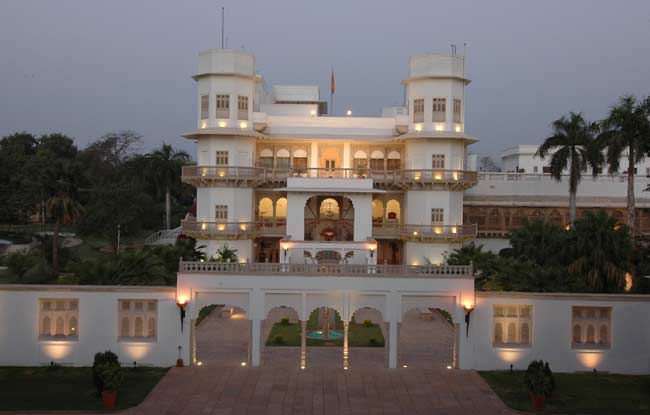
When visiting Gwalior, you'll feel right at home at Usha Kiran Palace, which offers qualit…
View Hotel Details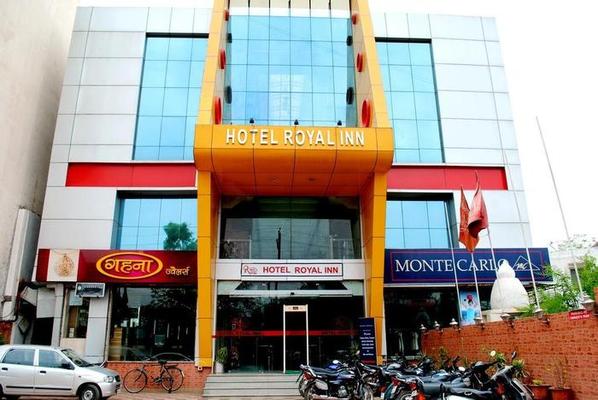 ★★ Hotel
Located in the heart of Gwalior,The Hotel Royal Inn, hosts most beautiful banquet halls of…
View Hotel Details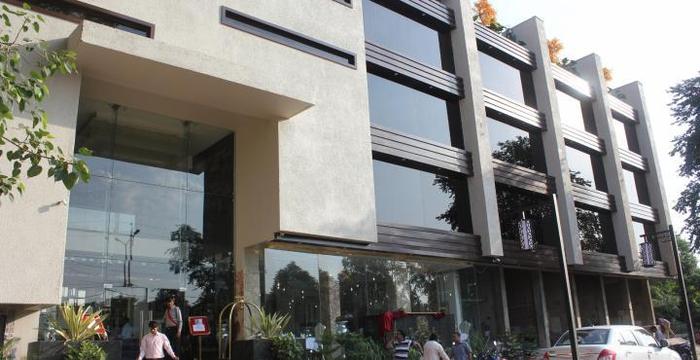 ★★★ Hotel
The Prabha International hotel in Gwalior is distinguished by its extraordinary interiors.…
View Hotel Details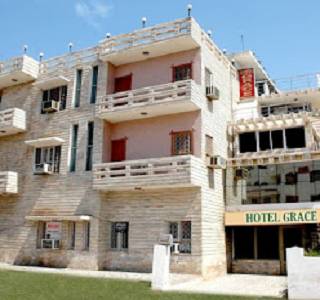 ★★ Hotel
Hotel Grace, Gwalior, offers a convenient resting place with modern comforts and a cosy am…
View Hotel Details ★★★ Hotel
Hotel Landmark has been serving in the hospitality industry...To all travelers at domestic…
View Hotel Details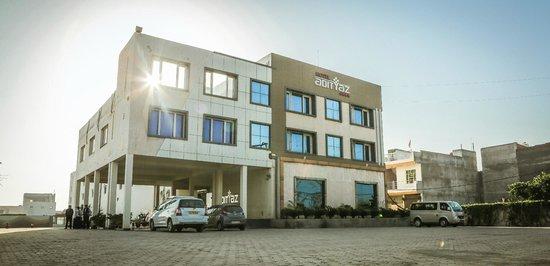 ★★★ Hotel
Hotel Adityaz, Gwalior, with its innate charm and warmth offers a memorable for the guests…
View Hotel Details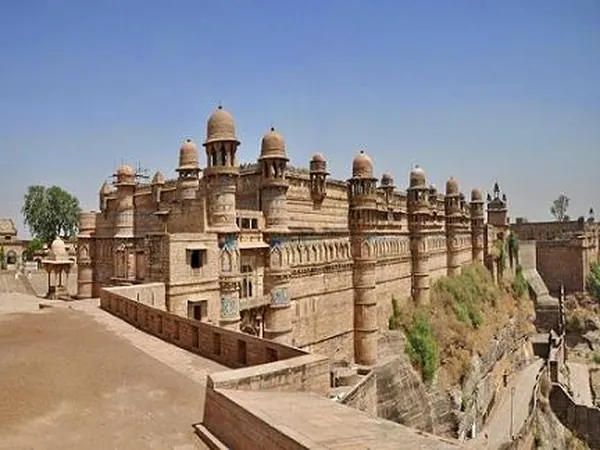 Attraction
Gwalior Fort (the impregnable 8th century sandstone hilltop fortress acclaimed by Mughal E…
Explore Gwalior Fort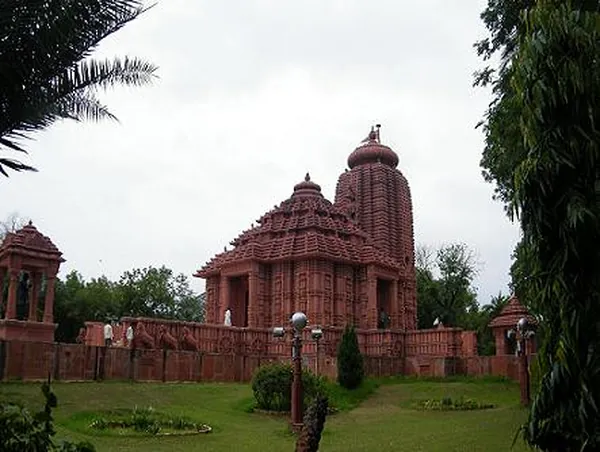 Attraction
Sun Temple Gwalior or Surya Mandir (the grand 1988 CE red sandstone chariot temple built b…
Explore Sun Temple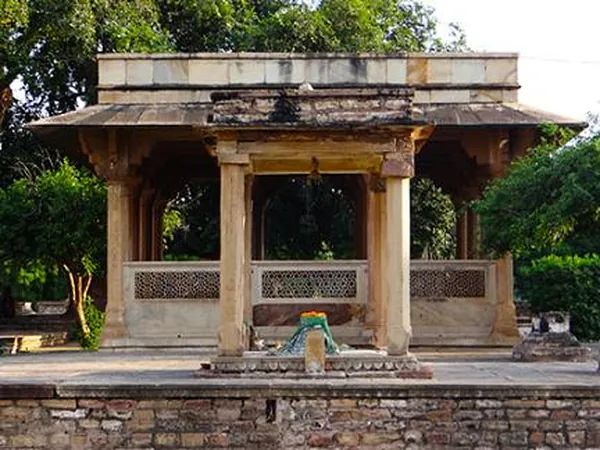 Attraction
Memorial of Tansen or Tansen's Tomb (the sacred 16th century open pavilion memorial honori…
Explore Memorial Of Tansen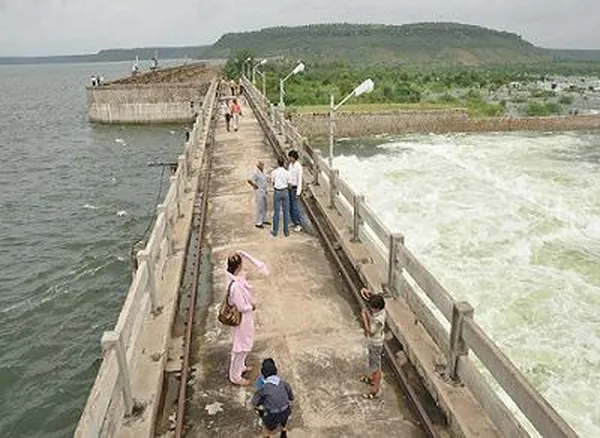 Attraction
Tigra Dam (the massive 1916 CE masonry gravity dam on the Sank River commissioned by Mahar…
Explore Tigra Dam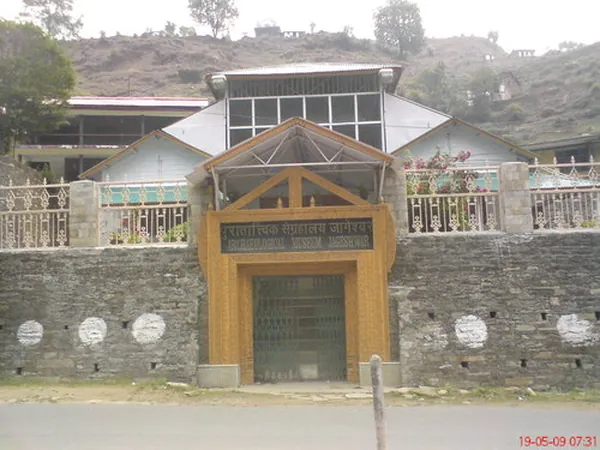 Attraction
Gujari Mahal Archaeological Museum in Gwalior (celebrated globally as one of India's riche…
Explore Gujari Mahal Museum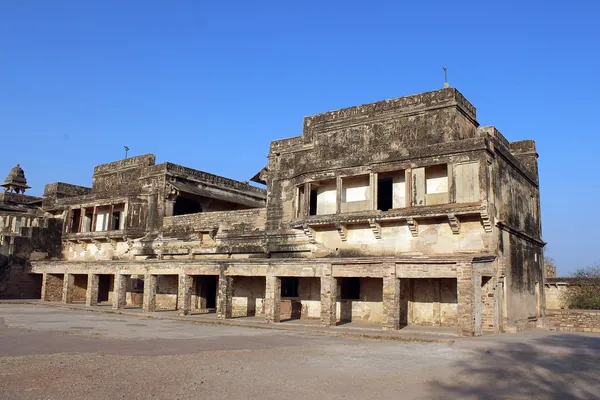 Attraction
Man Mandir Palace in Gwalior (celebrated across global architecture as one of the finest 1…
Explore Man Mandir Palace
Attraction
Suraj Kund in Gwalior (celebrated across Indian historical chronicles as the legendary bir…
Explore Suraj Kund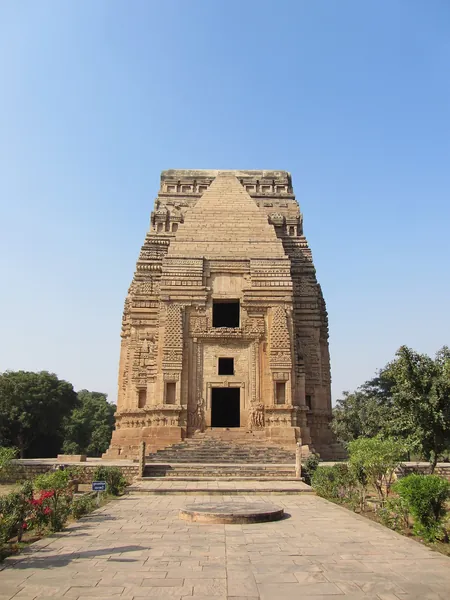 Attraction
Teli Ka Mandir in Gwalior (celebrated across world architectural history as the oldest sur…
Explore Teli Ka Mandir Attraction
Tomb of Muhammad Ghaus in Gwalior (celebrated across Islamic architectural chronicles as o…
Explore Tomb of Muhammad GhausExplore high-resolution photographs of iconic landmarks, temples, and scenic spots in Gwalior.
Essential visitor information regarding timings, entry tickets, location, nearby attractions, and travel guide in Gwalior.
Built in 1874 CE by Maharaja Jayaji Rao Scindia, designed by British architect Sir Michael Filose to welcome the Prince of Wales.
They are the world's largest and heaviest pair of crystal chandeliers, each weighing 3.5 tonnes and illuminated by 250 bulbs.
A motorized sterling silver model train that ran along the royal banquet table serving brandies, cigars, and dry fruits to dinner guests.
Located in the Lashkar area of Gwalior, 3 km from the railway station; closed to visitors every Wednesday.
Open Thursday to Tuesday from 10:00 AM to 5:00 PM; entry ticket is Rs 300 for Indians and Rs 1,200 for foreign tourists.
Get a customized itinerary and the best deals on packages and hotels.
Enquire Now