- .
- info@earthtrip.in
-
INR
-
USD
INR
USD
Gwalior Fort (the impregnable 8th century sandstone hilltop fortress acclaimed by Mughal Emperor Babur as the pearl in the necklace of the forts of Hind, r...
Gwalior Fort (the impregnable 8th century sandstone hilltop fortress acclaimed by Mughal Emperor Babur as the pearl in the necklace of the forts of Hind, renowned for Man Mandir Palace's turquoise glazed tile friezes, 100 foot Teli Ka Mandir, and 57 foot rock cut Jain colossi) in Gwalior in Madhya Pradesh, stands as central India's supreme imperial fortress and medieval architectural citadel.
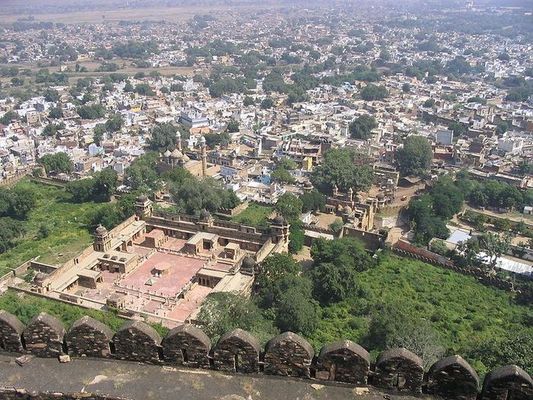
Rising atop a 350 foot-high precipitous sandstone plateau overlooking the historic city, this three square-kilometer citadel preserves twelve centuries of Tomar, Mughal, Maratha, and British military history.
It's the home of turquoise, gold, and green ceramic peacocks adorning the facade of Man Mandir Palace, the 11th century carved pillars of the twin Sasbahu Temples, the Dravidian barrel shikhara of Teli Ka Mandir, monumental cliffside rock cut Jain Tirthankaras along Gopachal Parvat, the famous evening sound and light show, and an intensely grand, deeply historic fortress ambiance filled with wind howling through stone battlements, panoramic vistas across the plains, and timeless legends of royal defiance.
It represents a rich Madhya Pradesh Rajput military engineering heritage apex, Tomar dynastic culture, and heritage tourism where fortified citadels, Jai Vilas Palace halls, Sun Temple courtyards, and Memorial of Tansen unite in Gwalior Fort.
Located on Fort Road atop Gopachal hill, it sits 3 km from Gwalior Junction Railway Station (GWL), 4 km from Gwalior Bus Stand, 5 km from Jai Vilas Palace, and 11 km from Rajmata Vijaya Raje Scindia Airport (GWL), easily reached by auto, taxi, or walking the historic Urwahi gate climb.
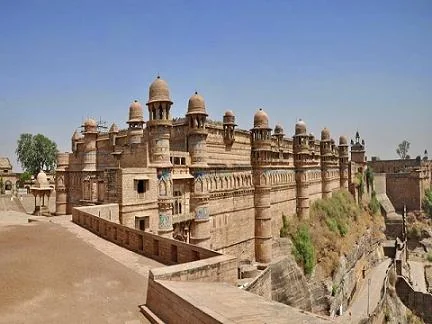
Constructed between 1486 and 1516 CE by Raja Man Singh Tomar, Man Mandir Palace features outer sandstone walls decorated with colored enamel tiles displaying rows of ducks, elephants, and tigers.
The 100 foot-high Teli Ka Mandir combines northern and southern temple architecture, while the cliff paths along Urwahi and Gopachal showcase colossal 15th century rock cut Jain statues carved directly into the bedrock.
Truth is, standing along the breezy eastern battlements of the fort at sunrise overlooking the sprawling city below is an impressive travel experience.
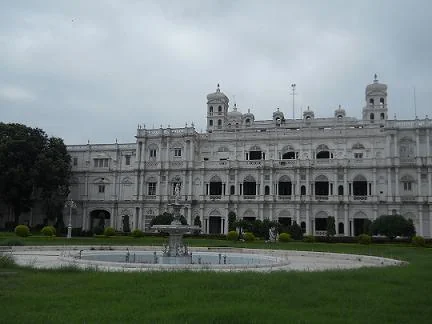
Jai Vilas Palace: Tour the opulent 1874 Scindia royal residence featuring the world's heaviest 3.5 ton crystal chandeliers and silver train.
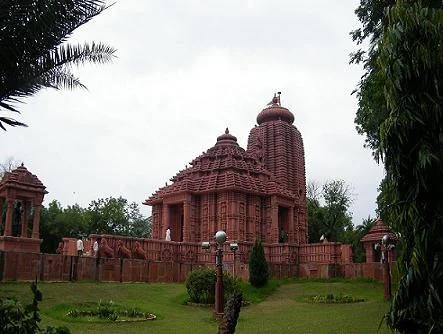
Sun Temple & Tansen Tomb: Explore the red sandstone Konark inspired Sun Temple and pay homage at the memorial of music maestro Tansen.
The Imperial Citadel & Scindia Palace Circuit: Morning start with bedmi puris and crispy jalebis in old Gwalior (8:00 AM) -> drive up to Gwalior Fort via the Urwahi Gate (8:45 AM to 12:45 PM: tour the painted tile facades of Man Mandir Palace, explore the underground royal vaults, admire the 100 foot Teli Ka Mandir & examine the intricate carvings of Sasbahu Temples) -> descend to Gujari Mahal Museum to view ancient sculptures (1:00 PM to 2:00 PM) -> authentic thali lunch in town featuring dal bafla (2:15 PM to 3:30 PM) -> afternoon tour of Jai Vilas Palace Museum (3:45 PM to 5:30 PM) -> return to Gwalior Fort for the evening Sound and Light Show (7:00 PM to 8:00 PM) -> dinner in Gwalior (8:30 PM to 10:00 PM).
Visiting Code & Conduct: Wear comfortable walking shoes with firm grip as exploring the fort involves walking along stone battlements, ramps, and uneven steps; carry drinking water and sun protection; vehicles can drive up to the top via the Urwahi Gate road; the daily evening Sound & Light Show in Hindi and English is held near Man Mandir Palace.
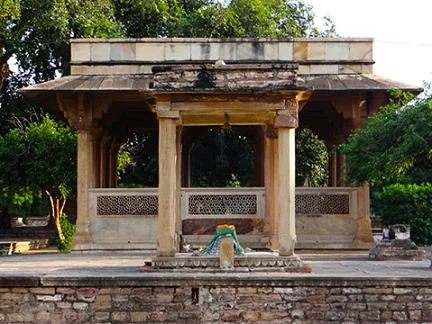
After exploring the battlements of Gwalior Fort, tour Jai Vilas Palace, visit the Sun Temple, or explore the Memorial of Tansen.
Reaching Gwalior Fort is very simple across Gwalior in Madhya Pradesh.
Best Time to Visit:
Explore more famous hill forts, Rajput palaces, and historical citadels across Madhya Pradesh.
 Golden Triangle
 ★★★★ Hotel
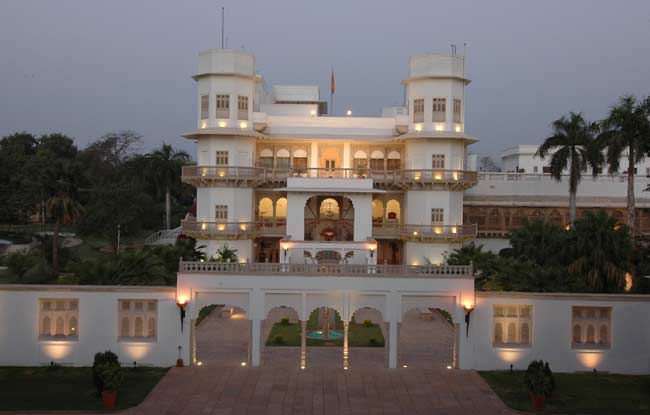
When visiting Gwalior, you'll feel right at home at Usha Kiran Palace, which offers qualit…
View Hotel Details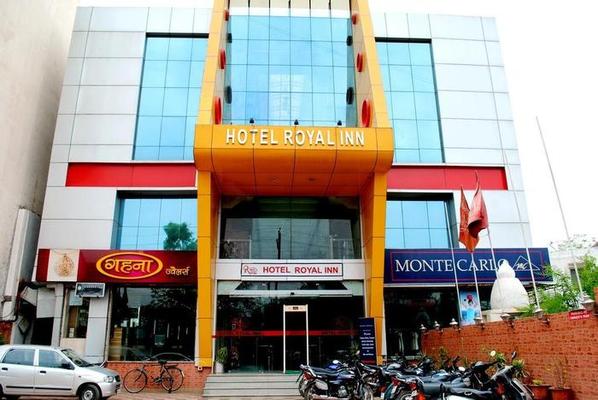 ★★ Hotel
Located in the heart of Gwalior,The Hotel Royal Inn, hosts most beautiful banquet halls of…
View Hotel Details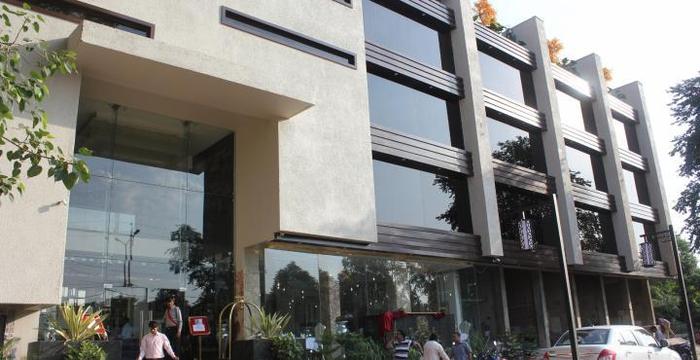 ★★★ Hotel
The Prabha International hotel in Gwalior is distinguished by its extraordinary interiors.…
View Hotel Details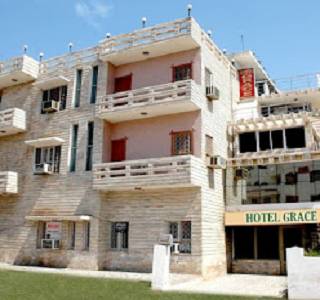 ★★ Hotel
Hotel Grace, Gwalior, offers a convenient resting place with modern comforts and a cosy am…
View Hotel Details ★★★ Hotel
Hotel Landmark has been serving in the hospitality industry...To all travelers at domestic…
View Hotel Details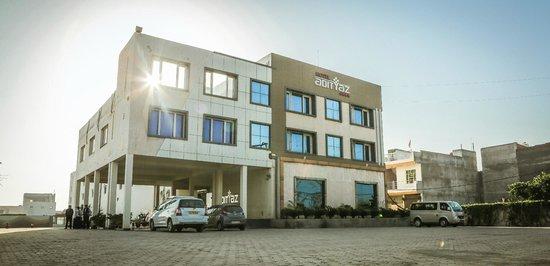 ★★★ Hotel
Hotel Adityaz, Gwalior, with its innate charm and warmth offers a memorable for the guests…
View Hotel Details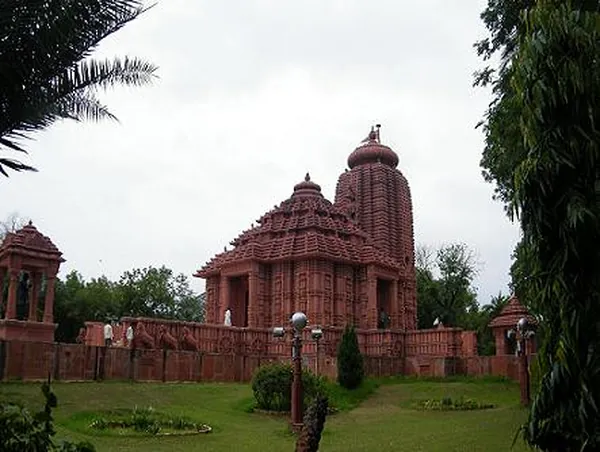 Attraction
Sun Temple Gwalior or Surya Mandir (the grand 1988 CE red sandstone chariot temple built b…
Explore Sun Temple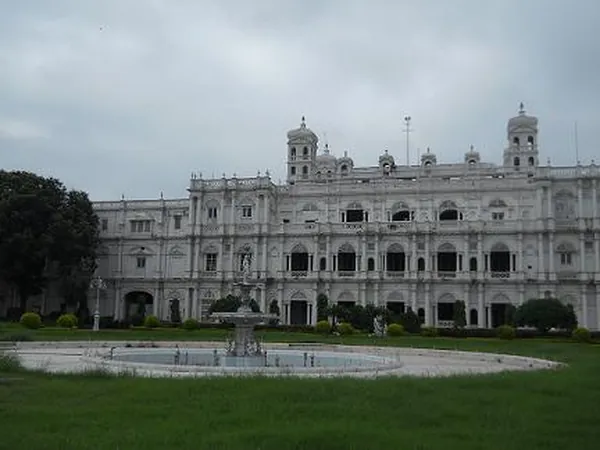 Attraction
Jai Vilas Palace Museum (the opulent 1874 CE European neoclassical palace built by Maharaj…
Explore Jai Vilas Palace Museum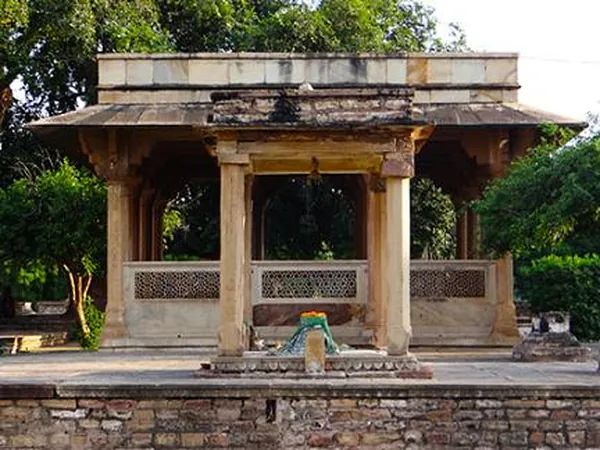 Attraction
Memorial of Tansen or Tansen's Tomb (the sacred 16th century open pavilion memorial honori…
Explore Memorial Of Tansen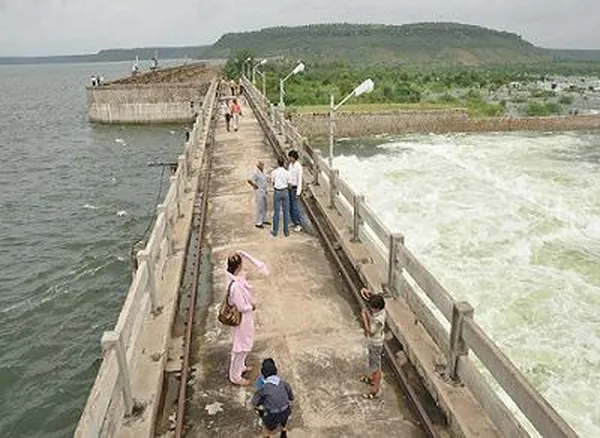 Attraction
Tigra Dam (the massive 1916 CE masonry gravity dam on the Sank River commissioned by Mahar…
Explore Tigra Dam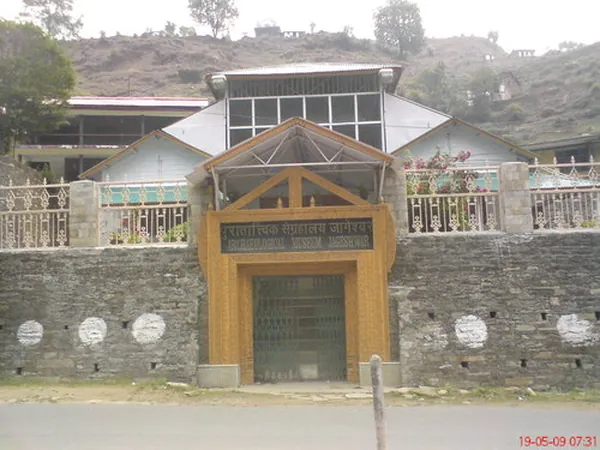 Attraction
Gujari Mahal Archaeological Museum in Gwalior (celebrated globally as one of India's riche…
Explore Gujari Mahal Museum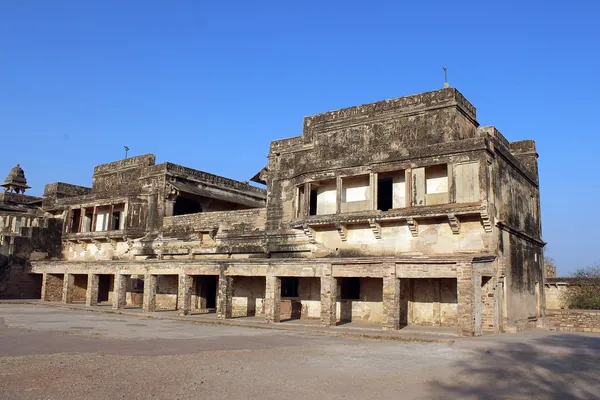 Attraction
Man Mandir Palace in Gwalior (celebrated across global architecture as one of the finest 1…
Explore Man Mandir Palace
Attraction
Suraj Kund in Gwalior (celebrated across Indian historical chronicles as the legendary bir…
Explore Suraj Kund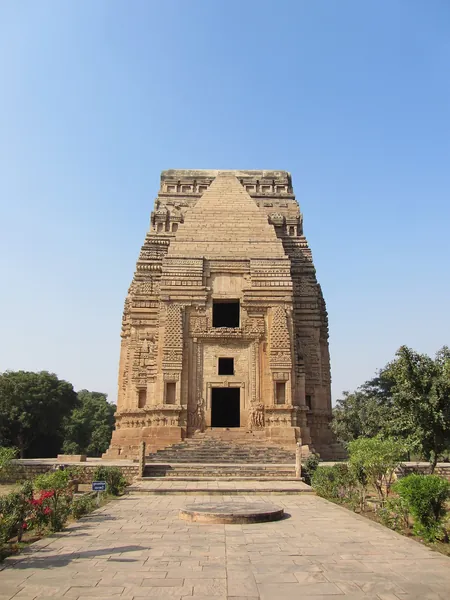 Attraction
Teli Ka Mandir in Gwalior (celebrated across world architectural history as the oldest sur…
Explore Teli Ka Mandir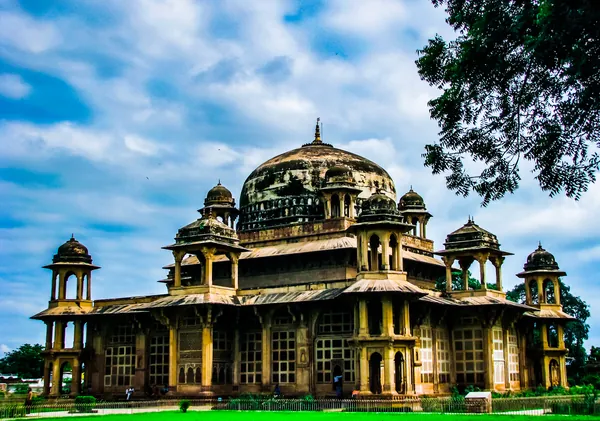 Attraction
Tomb of Muhammad Ghaus in Gwalior (celebrated across Islamic architectural chronicles as o…
Explore Tomb of Muhammad GhausExplore high-resolution photographs of iconic landmarks, temples, and scenic spots in Gwalior.
Essential visitor information regarding timings, entry tickets, location, nearby attractions, and travel guide in Gwalior.
Mughal Emperor Babur famously described it as the pearl in the necklace of the forts of Hind due to its commanding beauty and impregnability.
Built between 1486 and 1516 CE by Tomar ruler Raja Man Singh, famed for outer walls decorated with painted turquoise ceramic tile friezes.
Standing 100 feet tall, it is the oldest monument in the fort, uniquely blending Dravidian barrel-vaulted roof architecture with northern carvings.
Held every evening near Man Mandir Palace; the Hindi show runs at 7:00 PM and the English show at 8:00 PM.
Sitting on Gopachal hill in Gwalior; private cars, taxis, and autos can drive directly to the summit via the Urwahi Gate road.
Get a customized itinerary and the best deals on packages and hotels.
Enquire Now