- .
- info@earthtrip.in
-
INR
-
USD
INR
USD
Niti Village is the quintessential last inhabited Indian village situated near the Indo Tibetan border in Chamoli district of Uttarakhand. Resting at a dra...
Niti Village is the quintessential last inhabited Indian village situated near the Indo Tibetan border in Chamoli district of Uttarakhand. Resting at a dramatic elevation of 3,600 meters (11,811 feet) in the rugged Niti Valley along the Dhauliganga River, this remote high altitude border settlement is framed by jagged snow covered cliffs, barren mountain ridges, and glacial streams.
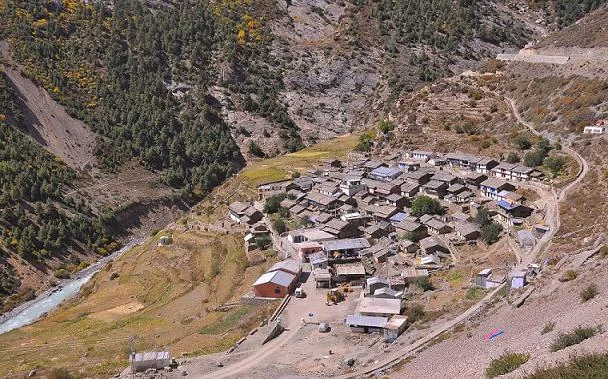
Historically a crucial trading post on the ancient Indo Tibetan trans Himalayan silk trade route via Niti Pass (5,800 m), the village is inhabited by the indigenous Bhotiya community. Traditional carved wooden houses with heavy stone roofs showcase ancient mountain architectural wisdom. Travelers journeying to Niti visit the nearby sacred cave shrine of Timbang Sain Mahadev (known for natural winter ice stalagmites similar to Amarnath), marvel at stunning barren cold desert landscapes, and experience authentic Bhotiya hospitality and handwoven sheep wool crafts.
Niti Village is situated at the terminal end of the Joshimath Malari Niti border road in Chamoli district.
The best months to visit Niti Village are from May to October as heavy winter snow closes the road from November to April.
 Pilgrimage
 Family
 Honeymoon
 Trekking
 Honeymoon
 Honeymoon
Explore high-resolution photographs of iconic landmarks, temples, and scenic spots in Niti.
Essential visitor information regarding timings, entry tickets, location, nearby attractions, and travel guide in Niti.
Niti is the last inhabited Indian village in the Niti Valley near the Indo Tibetan border, situated at an altitude of 3,600 meters.
Indian tourists generally require an Inner Line Permit (ILP) or local entry registration at Joshimath/Malari ITBP checkposts.
It is a holy cave shrine near Niti where a natural ice lingam forms during winter months, earning it the title of 'Chota Amarnath'.
Niti Village is located approximately 88 km northeast of Joshimath along a dramatic high altitude canyon road.
Bhotiya villagers reside in Niti from May to October for farming and migrate down to lower valleys like Gopeshwar and Joshimath during harsh winter months.
Get a customized itinerary and the best deals on packages and hotels.
Enquire Now