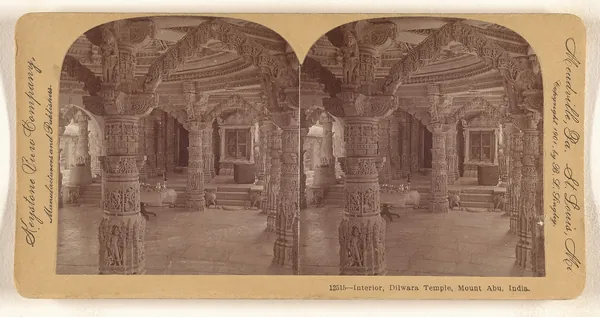
Sikar — Travel Guide
Sikar is the historical and cultural capital of the Shekhawati region in northeastern Rajasthan, celebrated across the globe as the "Open Air Art Gallery of India". Situated amidst the rugged Aravalli ranges and semi arid plains, this 17th century princely estate was founded by Rao Daulat Singh.
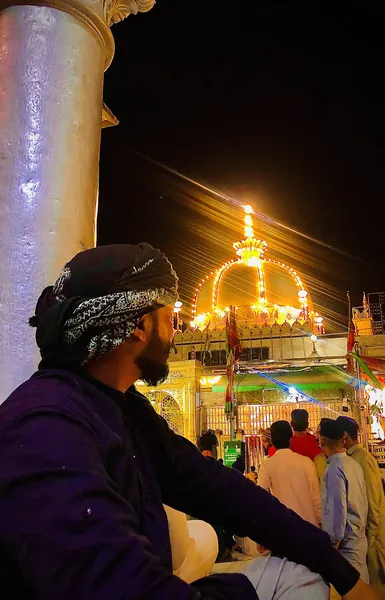
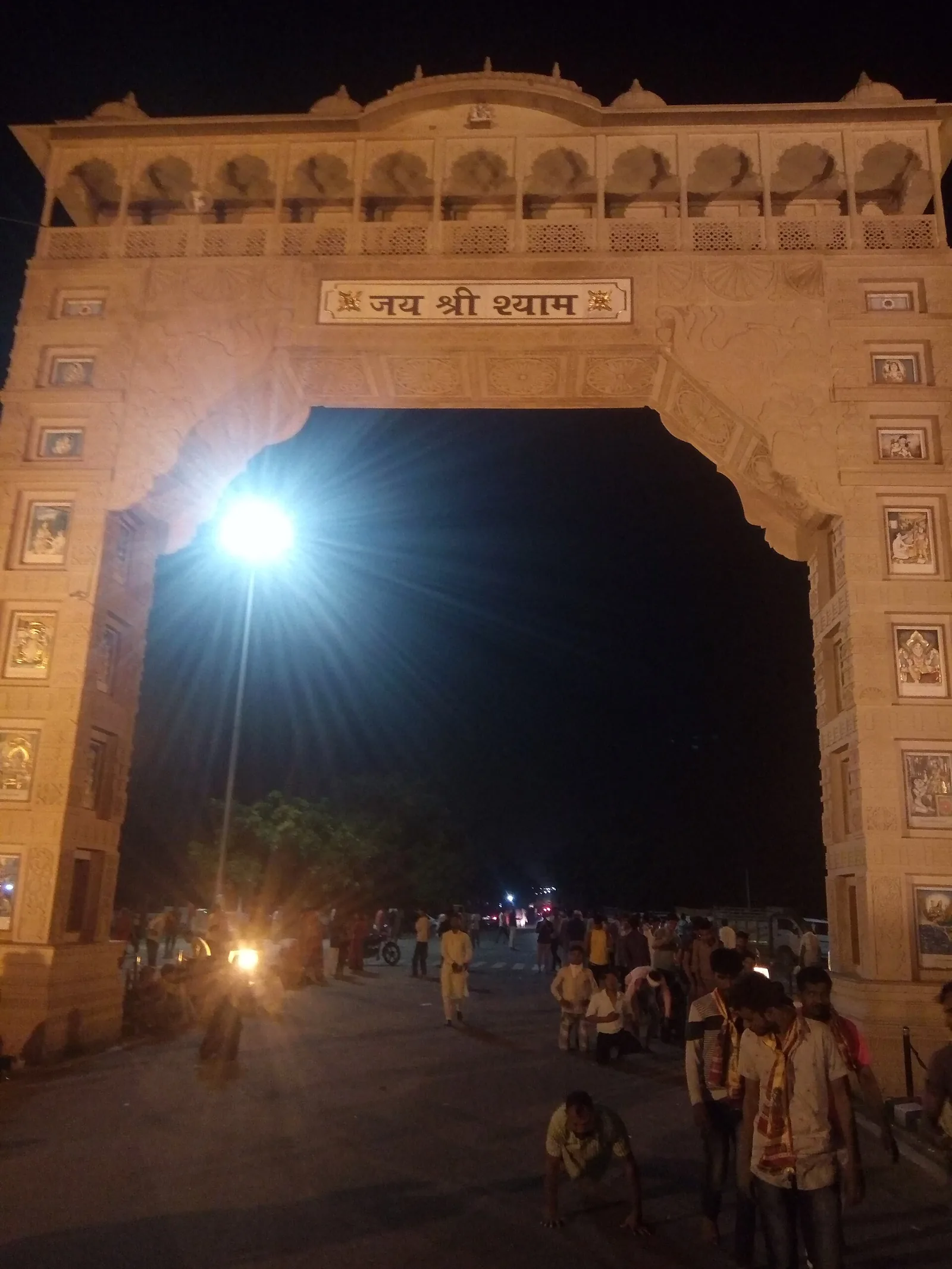 Shri Khatu Shyam Ji Mandir — Sacred Pilgrimage Shrine of Barbarika and the Lord of the Lost (Haare Ka Sahara)
The city serves as the spiritual home to two of Rajasthan's most sacred pilgrimage shrines: the internationally famous Shri Khatu Shyam Ji Temple and the ancient Jeen Mata Shakti Peeth. Perched atop the 3,000-foot Harsh Mountain stands the 10th century Harshnath Shiva Temple ruins, overlooking breathtaking panoramic valleys.
Travelers wander through opulent merchant havelis adorned with vibrant 19th century frescoes, explore the imposing Laxmangarh Fort, and marvel at the massive clock towers and stone gateways. Sikar is also a major educational hub and a bustling center for tie and dye (Bandhani) textiles, brassware, and traditional lac jewelry.
Positioned along the 4-lane National Highway 52 corridor, Sikar connects effortlessly to state capital Jaipur (115 km southeast), national capital Delhi (280 km northeast), desert citadel Bikaner (220 km northwest), and sacred lake city Ajmer (175 km south).
Best Time to Visit Sikar:
- October to March (Winter / Peak Season): Crisp, sunny weather (10°C to 26°C), ideal for exploring frescoed havelis, climbing Harsh Mountain, and attending the grand Khatu Shyam Phalgun Mela in February March.
- April to June (Summer): Hot, dry semi arid climate with daytime highs between 38°C and 44°C.
- July to September (Monsoon): Moderate seasonal rainfall that turns the Aravalli hill peaks green and fills local reservoirs.
Famous Culinary Specialties of Sikar & Shekhawati:
- Pyaaz ki Kachori: Crispy, flaky deep fried pastries stuffed with spicy, caramelized onion and garlicky potato filling — Sikar's favorite breakfast snack.
- Ghevar & Mawa Peda: Honeycomb patterned disc sweet soaked in saffron sugar syrup and topped with rich rabdi and almond slivers.
- Shekhawati Dal Baati Churma: Clay oven baked wheat dough balls dipped in pure desi ghee, served with spicy five lentil dal and cardamom scented sweet churma.
- Ker Sangri & Bajra Roti: Wild desert beans and caper berries tossed in mustard oil, served with hot pearl millet rotis topped with white butter.
- Gatte ki Sabzi: Spiced gram flour dumplings simmered in rich, aromatic yogurt gravy seasoned with roasted cumin and fenugreek.
By Road (Direct Highway Corridors on NH-52 & SH-8):
- From Jaipur (~115 km / 2 hours): Direct 4-lane expressway drive northwestward along NH-52 via Ringas and Chomu.
- From Delhi (~280 km / 5 hours): Drive via Kotputli and Neem Ka Thana on NH-48 and State Highways.
- From Bikaner (~220 km / 4 hours): Direct highway connection via Fatehpur on NH-52.
- From Ajmer (~175 km / 3.5 hours): Via Kuchaman and Danta Ramgarh.
- RSRTC and private luxury AC sleeper buses run continuous services connecting Sikar Central Bus Terminal with Jaipur (Sindhi Camp), Delhi (ISBT), Jodhpur, Bikaner, and Kota.
By Train (Sikar Railway Junction Station Code: SIKR):
- Sikar Junction (SIKR): An important railway junction on the North Western Railway, served by direct express trains connecting to Jaipur, Delhi (Sarai Rohilla), Prayagraj, Hisar, Rewari, and Kota.
By Air:
- Jaipur International Airport (JAI / 125 km southeast): Nearest major commercial airport with non stop flights to Delhi, Mumbai, Bengaluru, Dubai, and Bangkok.
- Kishangarh Airport (KQH / 160 km south): Regional domestic airport operating direct flights to Delhi, Hyderabad, and Ahmedabad.
Shopping in Sikar features world famous Shekhawati textiles, handicrafts, and sweets:
- Bada Bazaar & Subhash Chowk: Renowned for authentic Bandhani, Leheriya, and Chunari Sarees, Hand Block Printed Bedspreads, and Lac Bangles.
- Antique & Woodcraft Workshops: Handcrafted Carved Teak Jharokhas, Miniature Shekhawati Fresco Paintings, and Brass Hardware directly from local artisan studios.
- Traditional Confectioneries: Famous sweet shops around Clock Tower for takeaway packs of Sikar Pyaaz Kachori, Mawa Peda, and Saffron Ghevar.
Must-Visit Places in Sikar
Discover the top pilgrimage temples, frescoed havelis, and hilltop forts across Sikar:
1. Shri Khatu Shyam Ji Mandir (The Lord of the Lost - 45 km)
One of India's most venerated Krishna temples, dedicated to Barbarika (grandson of Bhima), who sacrificed his head before the Kurukshetra war and received Lord Krishna's boon to be worshipped by his name in the Kali Yuga. Built with white Makrana marble and gold plated shikhara finials, the temple draws millions of devotees during the grand Phalgun Mela.
- Highlights: Sacred Shyam Kund holy bathing pond, gold adorned idol of Shyam Baba, and the annual Phalgun Lakhi Mela.
- Timings: 4:30 AM to 12:30 PM, 4:00 PM to 10:00 PM daily.
- Location: Khatu village, Sikar.
Shri Khatu Shyam Ji — Sacred Golden Sanctum and Shyam Kund Grounds
2. Harshnath Temple & Harsh Mountain Peak (14 km south)
A spectacular 10th century Shiva temple complex constructed by Chahamana king Vigraharaja II atop the 3,100-foot Harsh mountain in the Aravalli range. The ruined sandstone mandapa features masterfully carved pillars, dancing celestial apsaras, and panoramic views of wind farms and valleys below.
- Highlights: 10th century Chahamana stone carvings, ancient black stone Shivalinga, wind turbine farms, and sunset viewpoints.
- Timings: 6:00 AM to 6:30 PM daily.
- Drive: Scenic winding ghat road climbing to the mountain summit.
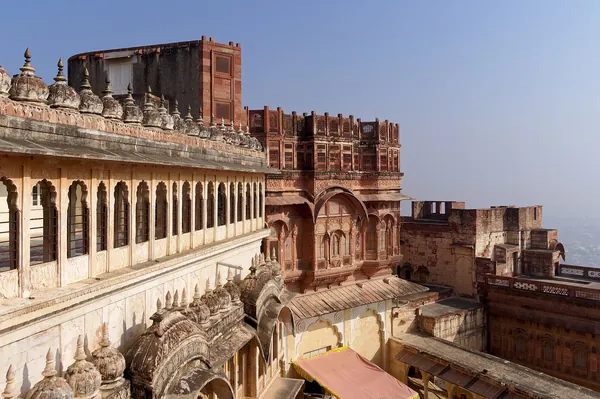
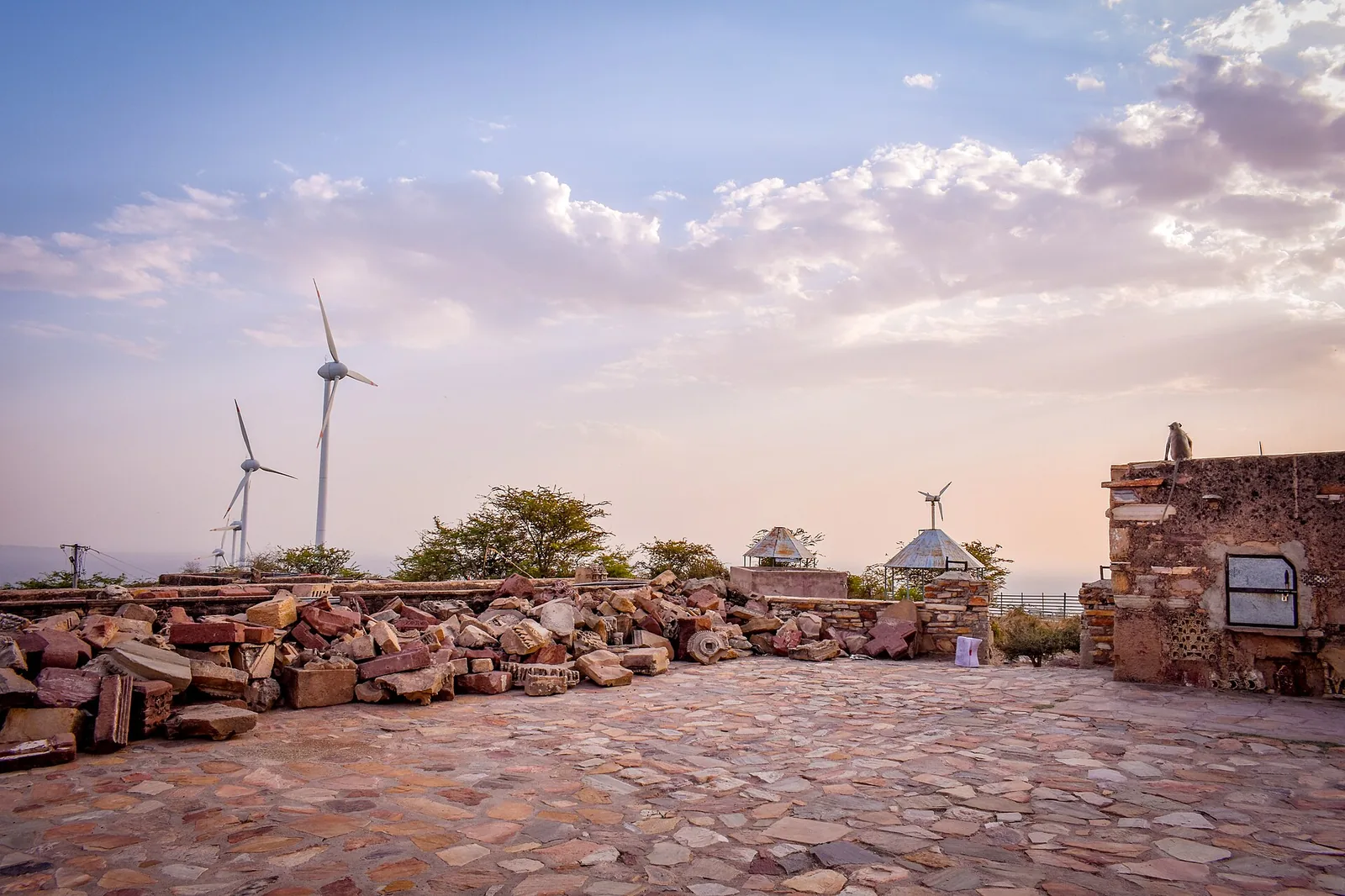 Harshnath Temple Ruins — 10th Century Chahamana Stone Architecture atop Aravalli Peak
3. Jeen Mata Temple & Sacred Forest Valley (29 km)
An ancient Shakti shrine dedicated to Goddess Durga (Jeen Mata), nestled in a secluded mountain valley. Believed to date back over a thousand years, the temple features intricate marble pillared halls, ancient sacrificial inscriptions, and draws huge crowds during the bi annual Chaitra and Ashvin Navratri melas.
- Highlights: Ancient marble sanctum, sacred flame (Akhand Jyoti), and the hilltop shrine of her brother Harsh Bhairav.
- Timings: 5:00 AM to 9:00 PM daily.
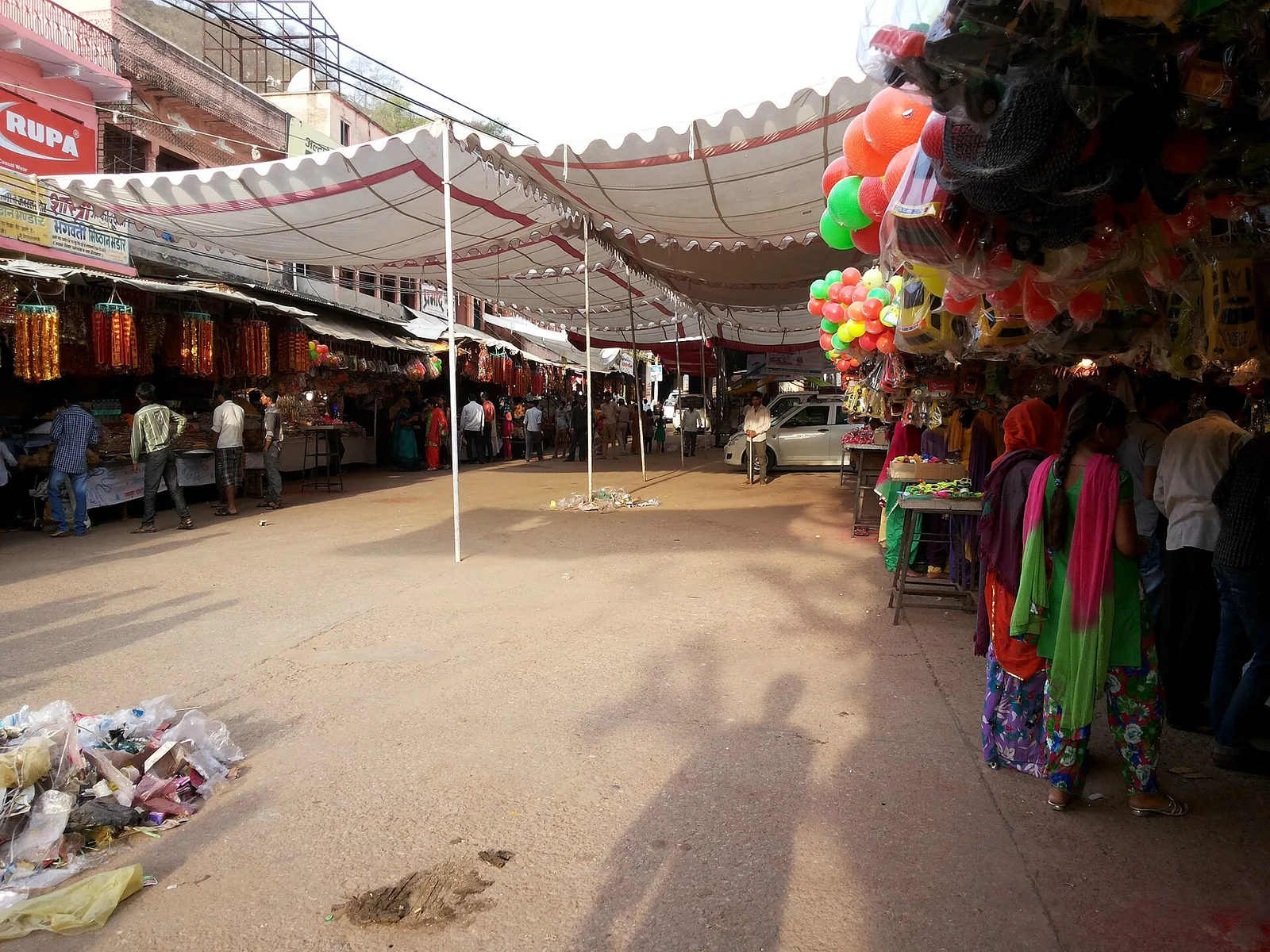 Jeen Mata Temple — Ancient Shakti Peeth Sanctuary in the Aravalli Foothills
4. Shekhawati Painted Havelis of Sikar & Laxmangarh
Sikar is renowned for grand 19th century merchant mansions (havelis) decorated with vibrant outdoor and indoor fresco murals. Masterpieces like the Biyani Haveli, Somani Haveli, Char Chowk Haveli, and Bansidhar Rathi Haveli depict scenes from Indian epics, royal pageantry, and early British technological inventions.
- Highlights: Intricate multi courtyard architecture, carved wooden doors, Belgian glass mirrors, and vibrant fresco paintings.
- Location: Old town Sikar and Laxmangarh heritage quarters.
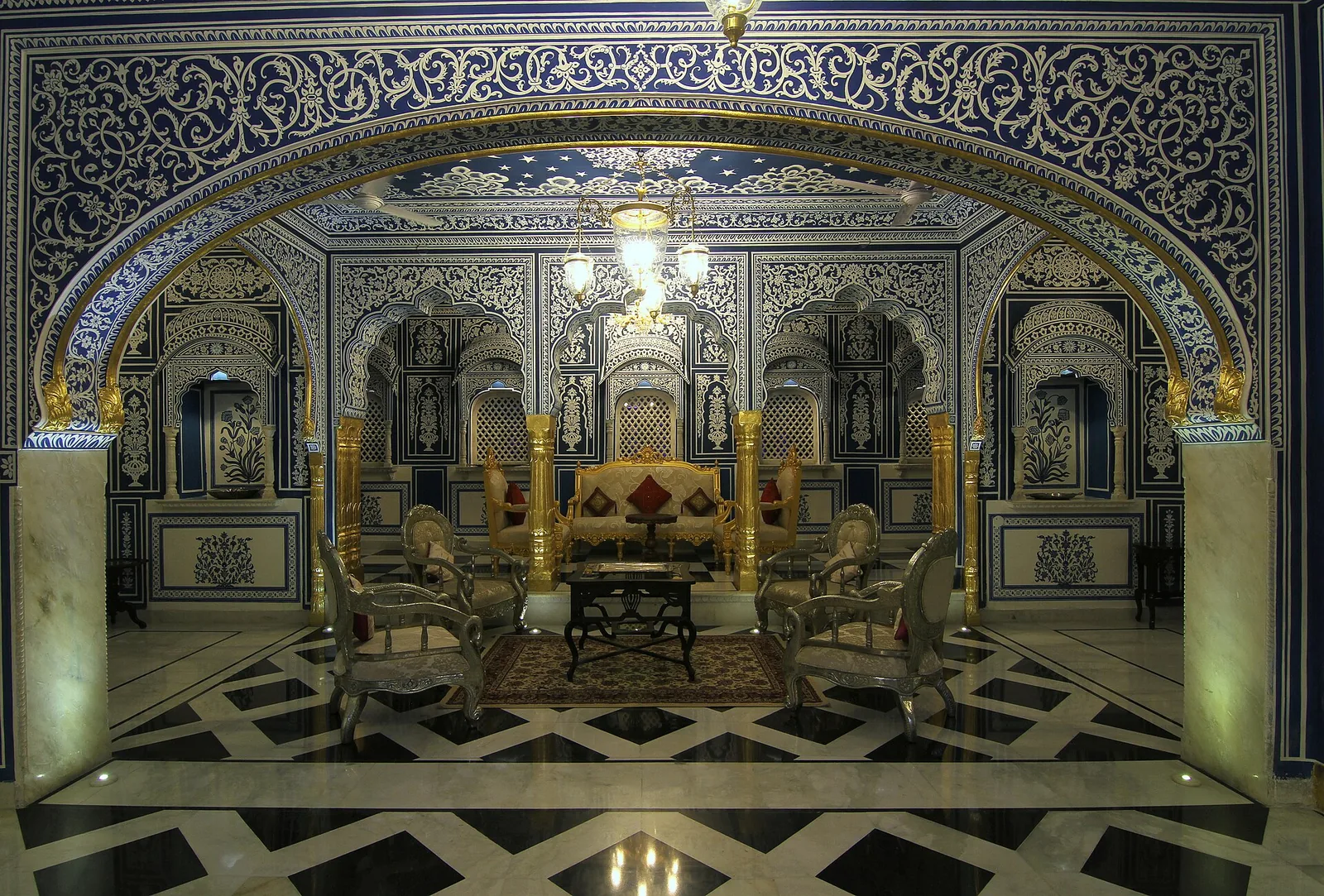 Shekhawati Painted Havelis — Intricate 19th Century Fresco Murals and Wooden Jharokhas
5. Laxmangarh Fort & Town (30 km northwest)
An imposing 19th century hill fortress built by Raja Laxman Singh of Sikar atop a single massive granite rock formation. The town below is uniquely planned on the grid pattern of Jaipur, featuring monumental clock towers, grand stepwells, and frescoed bazaar pavilions.
- Highlights: Rock top fortress bastions, Clock Tower square, and scenic aerial vistas across the Shekhawati countryside.
- Location: Laxmangarh town on NH-52.
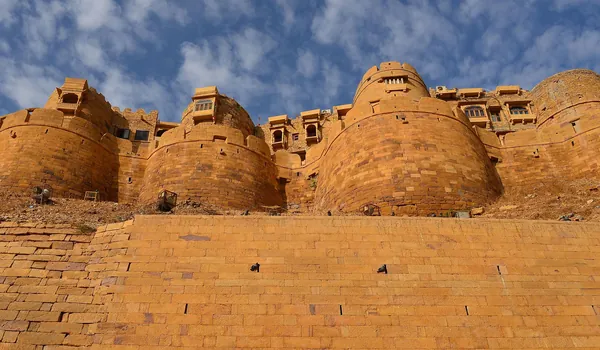
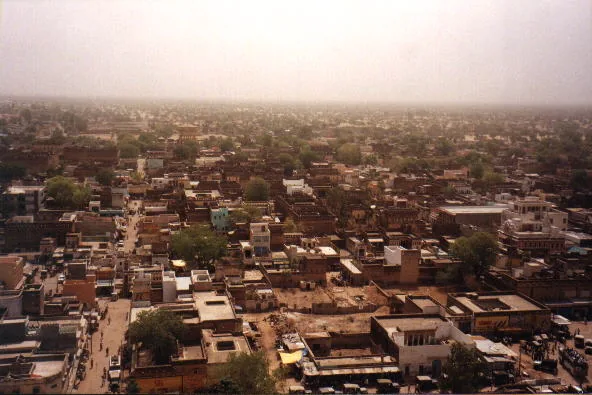 Laxmangarh Fort — Imposing Hilltop Citadel Guarding the Heritage Town
6. Sikar Gadh (Rao Raja's Palace City Center)
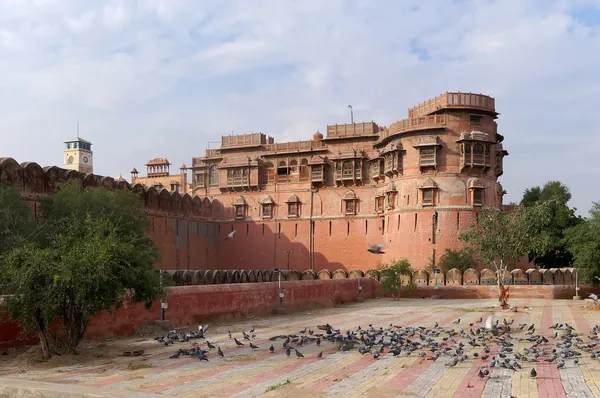
The original fortified palace of the Rao Rajas of Sikar, featuring grand stone bastions, ornate Diwan i Khas pavilions, vintage armory collections, and antique mirror work murals.
7. Gopinathji & Raghunathji Temples (Heritage Shrines)
Magnificent 18th century temple complexes featuring exquisitely carved pink sandstone pillars, gilded ceiling frescoes, and traditional Shekhawati festival processions.
Popular Hotels in Sikar
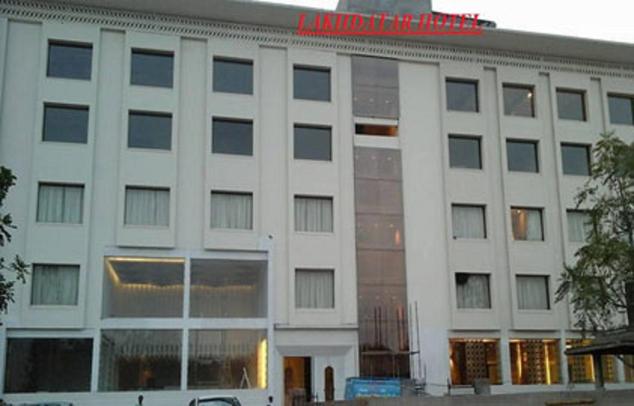 Hotel
Hotel
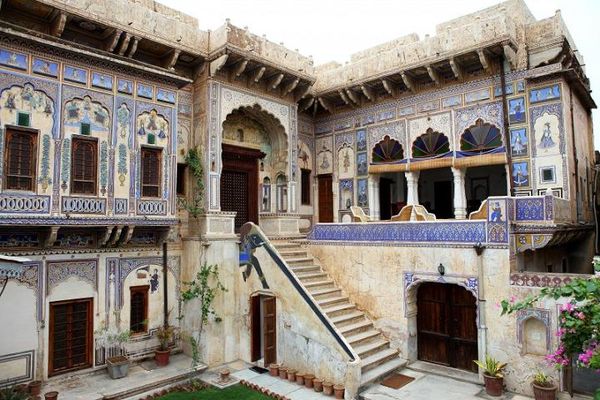 Hotel
Hotel
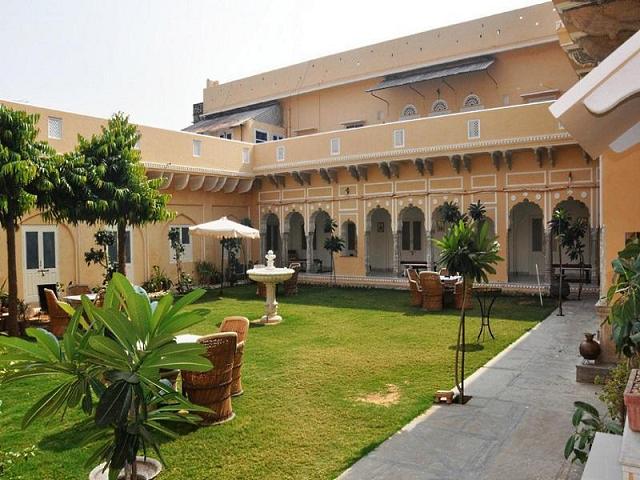 Hotel
Hotel
Top Places to Visit in Sikar


Sikar Photo Gallery & Attractions
Explore high-resolution photographs of iconic temples, historical monuments, and scenic landmarks in Sikar.
Plan Your Sikar Trip Now
Get the best verified hotel deals and customized tour packages. Book directly on EarthTrip and save up to 45%!