Ajmer — Travel Guide
Ajmer (founded in the late 7th century CE as Ajayameru by Chauhan ruler Raja Ajaypal Chauhan), is celebrated across India as a sanctuary of spiritual peace and royal Rajput heritage in the heart of Rajasthan. Surrounded by the rugged crags of the ancient Aravalli Range and crowned by the historic Taragarh Fort, Ajmer reflects centuries of rich cultural fusion.
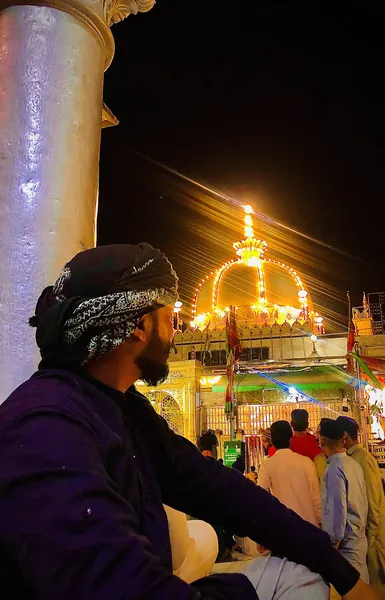
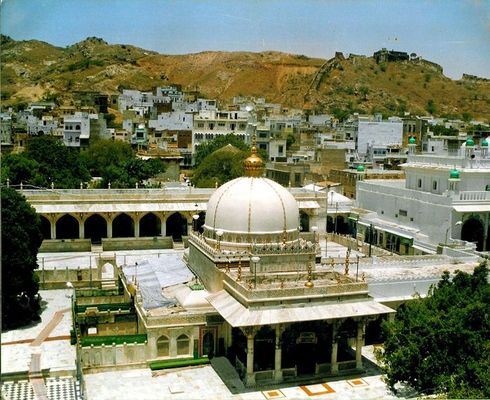
 The Illuminated Courtyard and Sanctum of the World-Renowned Ajmer Sharif Dargah
The soul of the city is the world famous Ajmer Sharif Dargah, the sacred resting place of 13th century Sufi saint Hazrat Khwaja Moinuddin Chishti. People of every faith arrive here daily to tie sacred wish threads (*mannat*) and offer floral chaddars at the sanctum. Truth is, the evening qawwalis in the marble courtyards create an unforgettable atmosphere.
Nearby lies the tranquil 12th century artificial Ana Sagar Lake, built by King Anaji Chauhan and graced with elegant white marble pavilions (*Baradaris*) built in 1637 by Mughal Emperor Shah Jahan. Ajmer is also home to the 12th century Indo Islamic arched monument Adhai Din Ka Jhonpra (1192 CE), the golden miniature city inside Soniji Ki Nasiyan (Red Temple), and the pink marble Nareli Jain Temple.
Located just 14 km from the sacred lake town of Pushkar and 135 km from Jaipur, Ajmer connects smoothly with Udaipur and Jodhpur, making it an essential destination in Rajasthan's heritage circuit.
Best Time to Visit Ajmer:
Ajmer is best experienced during the cooler autumn and winter months:
- October to March (Winter / Peak Pilgrimage & Sightseeing Season): Daytime temperatures range comfortably between 10°C and 25°C with clear blue skies and pleasant lake breezes. Ideal for visiting the Dargah Sharif, climbing Taragarh Fort, enjoying boat rides on Ana Sagar Lake, and attending the grand annual Urs Festival of Khwaja Gharib Nawaz in winter alongside the Pushkar Camel Fair in November.
- July to September (Monsoon / Lush Aravalli Greenery): Seasonal rains (approx. 550 mm) cool the dry landscape, filling Ana Sagar Lake and turning the rocky hills green and misty.
- April to June (Summer / Warm Days): Temperatures range from 28°C to 40°C. Best suited for early morning temple and lake visits or evening spiritual gatherings.
Famous Ajmer Delicacies:
- Ajmeri Sohan Halwa: A dense, rich traditional confection made with pure desi ghee, sprouted wheat (*samnak*), pistachios, almonds, and saffron by heritage sweet shops in Dargah Bazaar.
- Kadhi Kachori: Hot, crisp dal kachoris crushed and topped with tangy, spicy yogurt kadhi and sweet tamarind chutney.
- Traditional Mughlai Cuisine: Fragrant mutton biryani, chicken korma, and sheermal served in eateries around Dargah Sharif.
By Air:
The closest operational airport is Kishangarh Airport (Airport Code: KQH), located 28 km northeast of Ajmer (about 35 minutes drive via NH-48). Kishangarh provides regular direct flights connecting New Delhi, Ahmedabad, Hyderabad, and Surat. For comprehensive national and international flight networks, Jaipur International Airport (Airport Code: JAI - 135 km / 2 hours drive via the 6-lane NH-48 highway) serves as the primary gateway with flights to all major Indian state capitals and the Middle East.
By Train:
Ajmer Junction Railway Station (Station Code: AII) is a major railway division headquarters in Rajasthan, connected by frequent premier superfast express trains:
- Vande Bharat Express (Train 20977/20978): Semi high speed express connecting Delhi Cantonment to Ajmer via Jaipur in just 5 hours 15 minutes.
- Ajmer Shatabdi Express (Train 12015/12016): Daily superfast Shatabdi connecting New Delhi and Ajmer in 6 hours 45 minutes.
- Long Distance Superfast Express: Direct daily trains connect Ajmer to Mumbai Central, Kolkata Howrah, Ahmedabad, Indore, and Bengaluru.
- Prepaid auto rickshaws, shared taxis, and cycle rickshaws operate round the clock outside the railway station.
By Road:
Ajmer is situated directly on the 6-lane National Highway 48 (NH-48 / Golden Quadrilateral) and National Highway 58 (NH-58):
- From Jaipur (~135 km / 2 hours): Smooth high speed drive via the 6-lane Jaipur-Ajmer Expressway on NH-48.
- From Pushkar (~14 km / 30 minutes): Scenic short mountain drive through the Nag Pahar ghat pass.
- From Jodhpur (~205 km / 4 hours): Drive via Beawar and Barr on NH-25.
- From Udaipur (~265 km / 4.5 hours): Direct highway drive via Bhilwara and Chittorgarh on NH-48.
- From New Delhi (~390 km / 6 hours): Highway drive via Gurgaon, Kotputli, and Jaipur on NH-48.
- State Buses: RSRTC operates daily Super Luxury Volvo AC, Scania, and sleeper buses to Ajmer Central Bus Stand from Jaipur, Delhi ISBT Kashmere Gate, Ahmedabad, and Agra.
Shopping in Ajmer centers around traditional Sufi perfumes (*ittar*), embroidered textiles, silver jewellery, and holy souvenirs:
- Pure Non Alcoholic Ittar (Attar): Distilled natural fragrances of Damask rose (*Gulab*), sandalwood (*Chandan*), jasmine (*Mogra*), and *Khus* sold in crystal bottles along Dargah Bazaar.
- Zari Embroidered Velvet Chaddars: Elaborately stitched silk and velvet ceremonial shawls adorned with gold and silver threadwork.
- Rajasthani Silver Ornaments: Traditional tribal silver earrings, oxidized anklets, and pendants from Madar Gate and Naya Bazaar.
- Pushkar Rose Water & Gulkand: 100% natural organic rose water, rose syrups, and sweet medicinal *Gulkand* made from local rose fields.
- Lac Bangles & Embroidered Mojaris: Colorful hand crafted lac bangles and hand stitched camel leather footwear from Purani Mandi.
Must-Visit Places in Ajmer
Ajmer features a remarkable collection of sacred Sufi shrines, 12th century mountain fortresses, marble lake promenades, and ornate Jain temples:
1. Ajmer Sharif Dargah & Nizam Gate Sanctum (13th-Century Sufi Shrine)
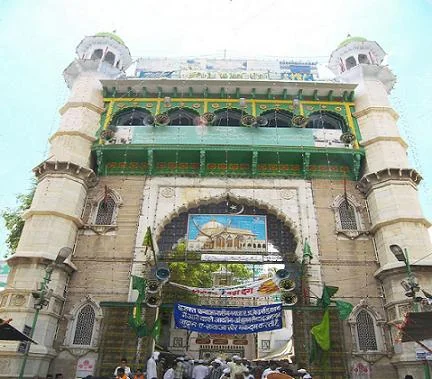
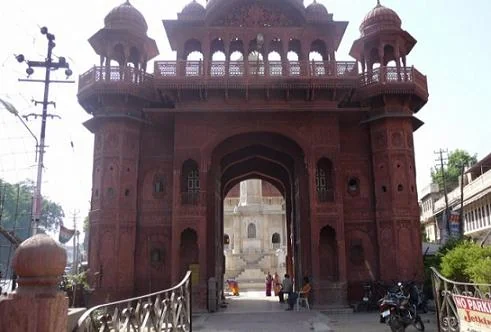
The sacred burial site of the revered Sufi saint Hazrat Khwaja Moinuddin Chishti (*Gharib Nawaz*), Ajmer Sharif Dargah is one of the most visited pilgrimage destinations in South Asia. The complex features towering gateways built by Nizam of Hyderabad and Mughal Emperor Shah Jahan, two massive historic bronze cooking cauldrons (*Badi Deg* and *Chhoti Deg*), and a domed silver sanctum surrounded by serene prayer halls.
Ajmer Sharif Dargah — Revered 13th-Century Sufi Shrine of Khwaja Moinuddin Chishti in Ajmer
2. Ana Sagar Lake & Shah Jahan's Marble Baradaris (1135 CE)
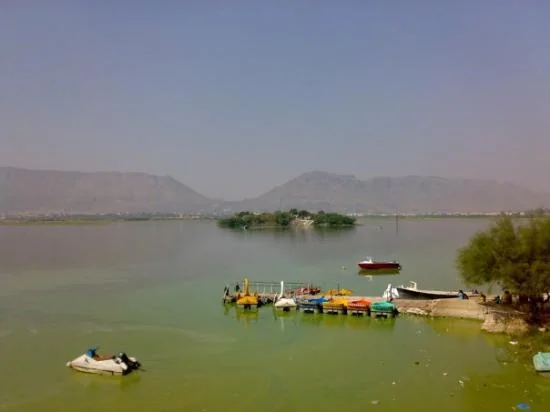
Created between 1135 and 1150 CE by Arnoraja (Anaji) Chauhan by damming the Luni river, Ana Sagar Lake is a scenic 13 km wide artificial lake. In 1637, Mughal Emperor Shah Jahan erected five polished white marble pavilions (*Baradaris*) along the embankment, while Emperor Jahangir laid out the adjacent royal Mughal pleasure garden *Daulat Bagh*.
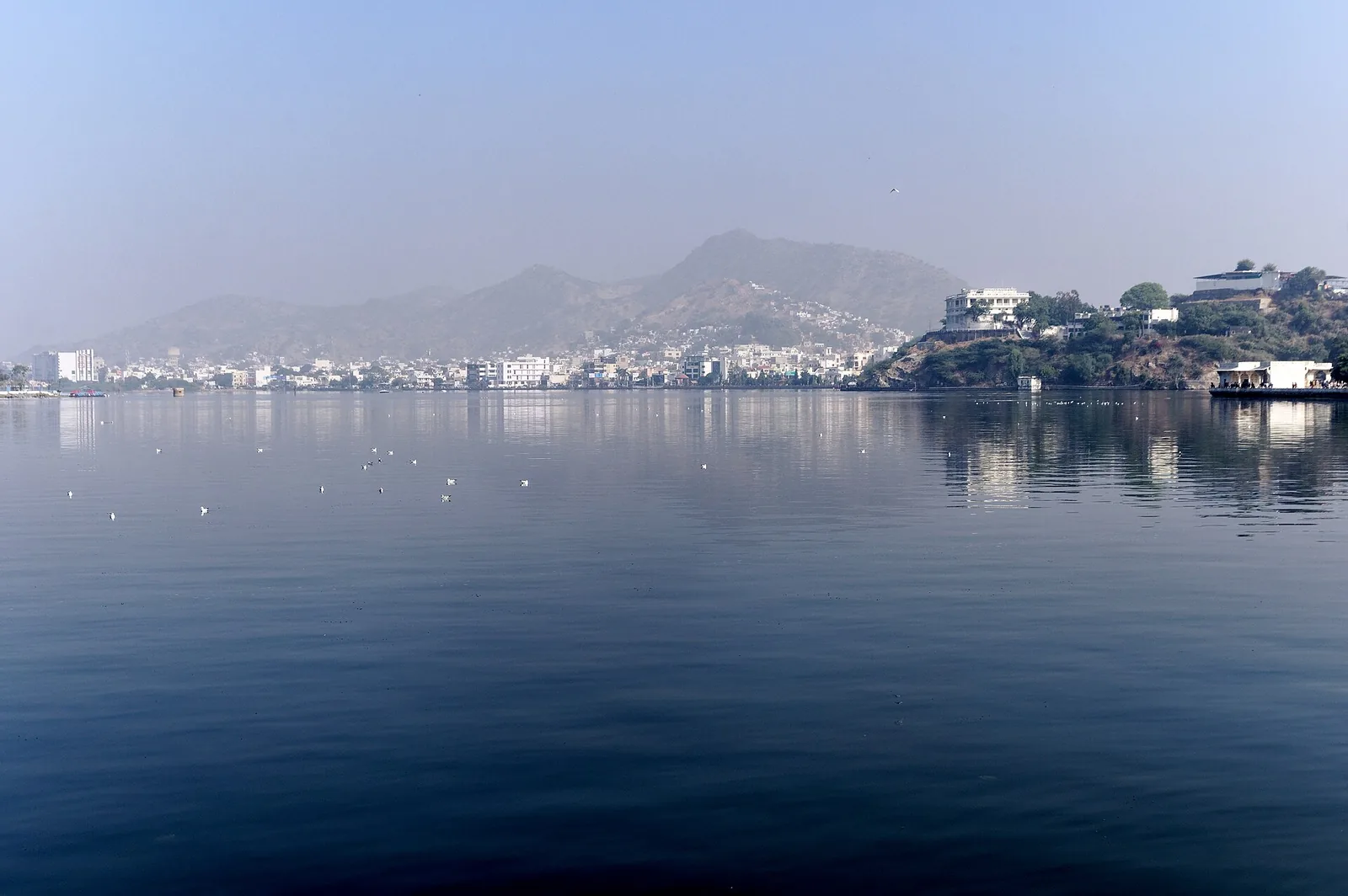 Ana Sagar Lake — 12th-Century Artificial Lake Lined with Shah Jahan's Polished Marble Pavilions
3. Adhai Din Ka Jhonpra & 12th-Century Indo-Islamic Arched Mosque (1192)
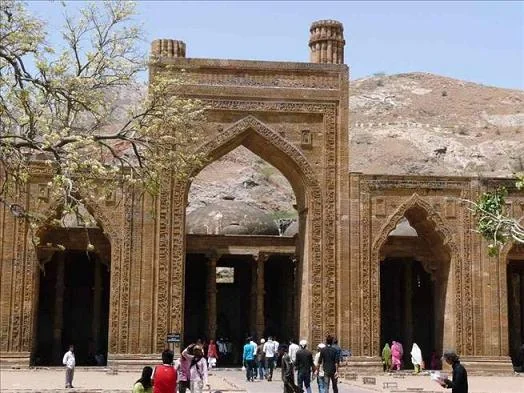
Commissioned in 1192 CE by Qutb-ud-din Aibak and completed in 1199 by Sultan Iltutmish on the lower slopes of Taragarh hill, Adhai Din Ka Jhonpra is one of the oldest surviving mosques in India. The structure features a grand seven arched screen carved with Kufic inscriptions and a forest of 124 ornately carved stone pillars showcasing exquisite craftsmanship.
 Adhai Din Ka Jhonpra — 12th-Century Indo-Islamic Arched Stone Mosque in Ajmer
4. Taragarh Fort & Nagpahari Hill Ramparts (Star Fort)
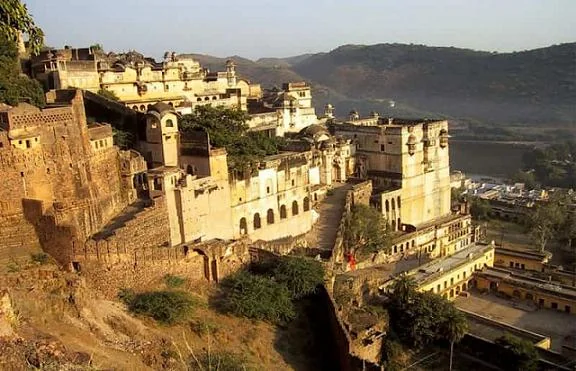
Built in the 8th century by Ajaypal Chauhan atop a steep 800-foot Aravalli cliff, Taragarh Fort (Star Fort) is one of the oldest hill forts in Asia. The fort retains massive carved stone gateways, medieval water reservoirs, the shrine of Miran Saheb, and provides sweeping 360-degree views over Ajmer city and the surrounding valley.
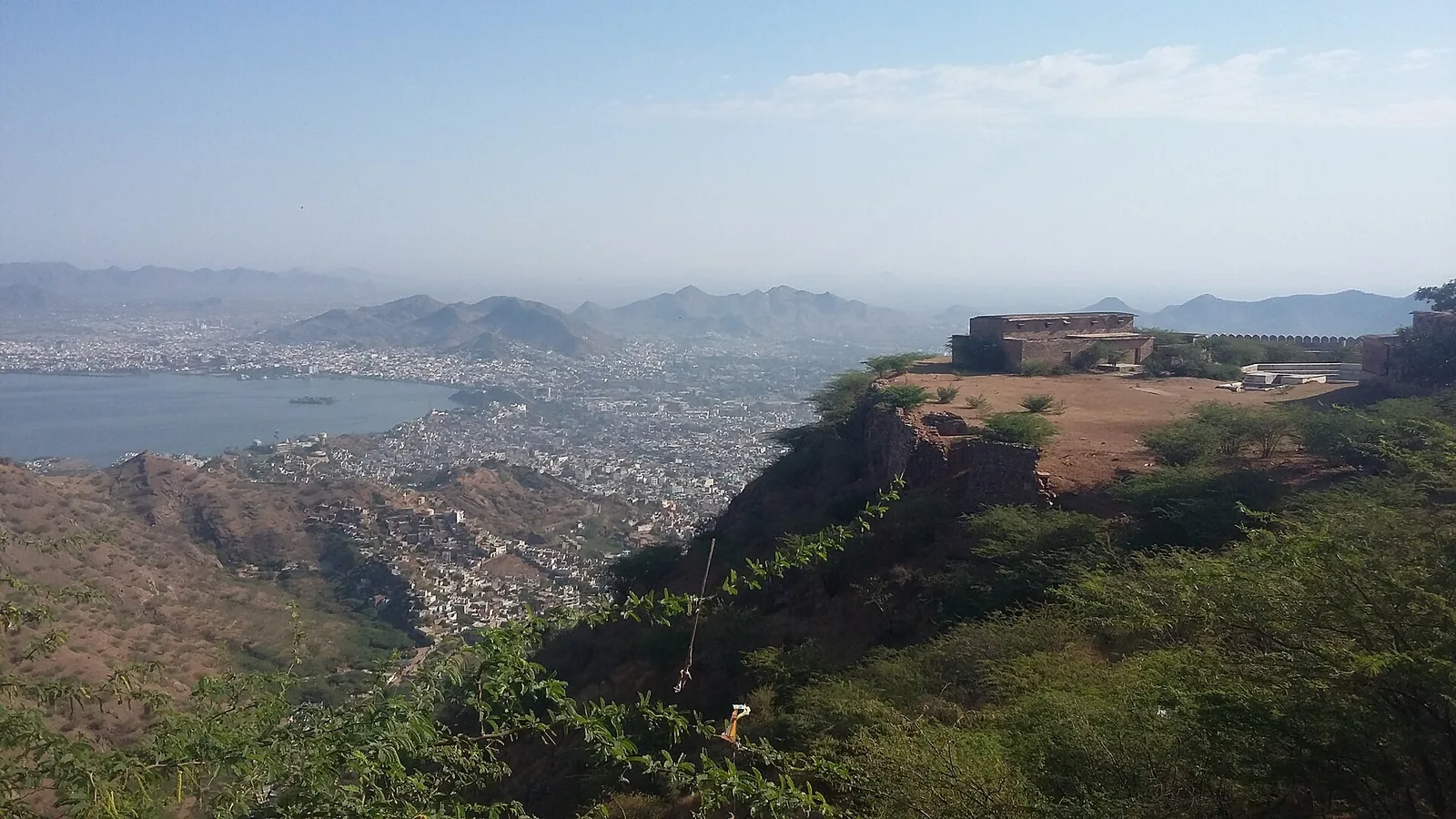 Taragarh Fort — Ancient 8th-Century Hilltop Citadel Overlooking Ajmer and Aravalli Peaks
5. Nareli Jain Temple (Sri Gyanodaya Tirth Pink Marble Shrines)
Situated 10 km outside the city on the Jaipur highway, Nareli Jain Temple is a modern architectural masterpiece constructed in pink sandstone and white marble. The complex features a main temple surrounded by 24 miniature pavilions (*Manasthambhas*) honoring the Jain Tirthankaras set amidst manicured gardens.
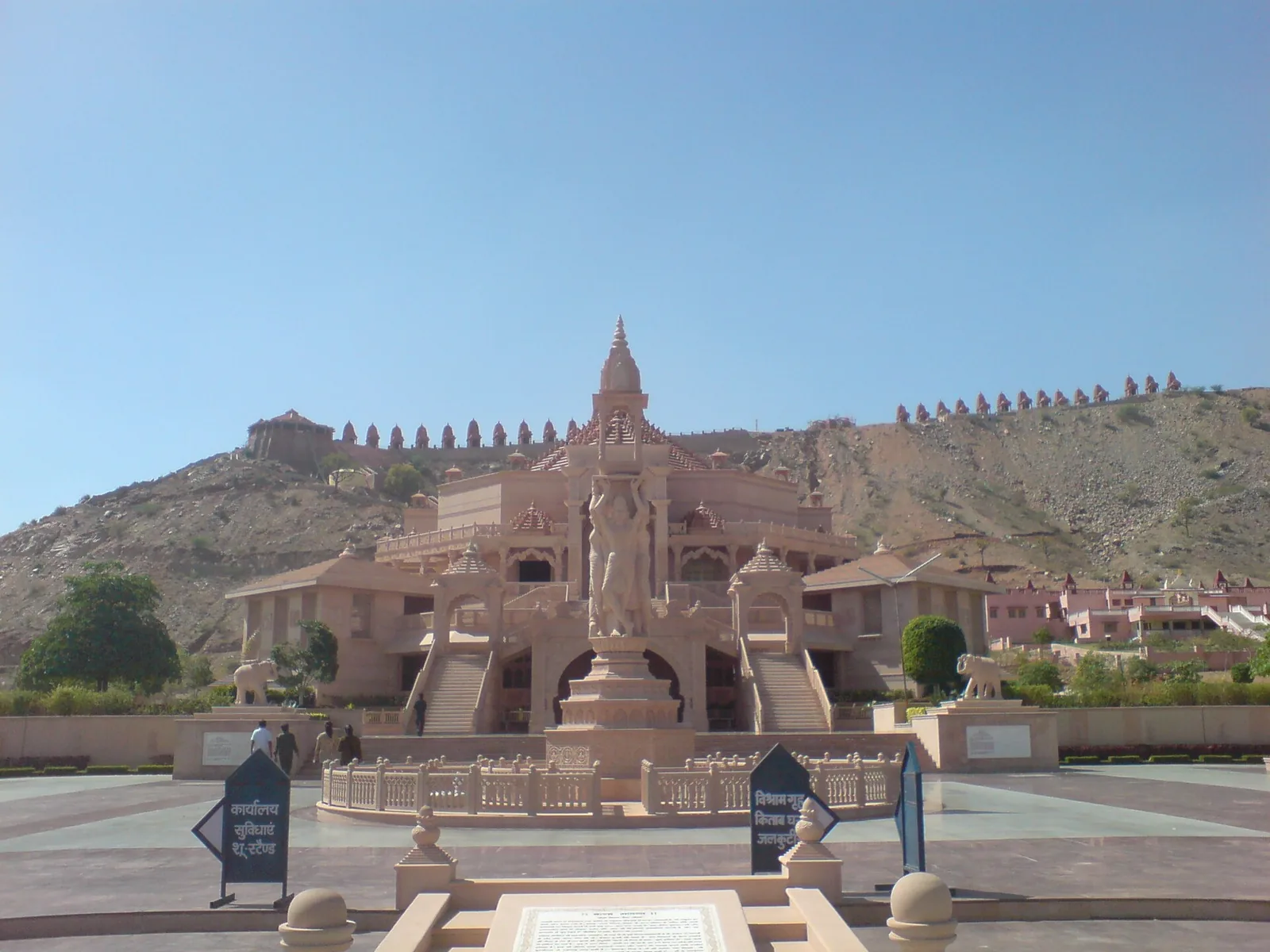 Nareli Jain Temple — Modern Pink Marble Jain Pilgrimage Temple Complex in Ajmer
6. Soniji Ki Nasiyan (Golden Swarna Nagari Jain Red Temple)
Built in the late 19th century and crafted in red sandstone, this Digambara Jain temple is famous for its double story museum hall containing *Swarna Nagari* (City of Gold) — a magnificent gold plated wooden replica of the mythological city of Ayodhya adorned with pure gold leaf, precious gems, and flying silver vimanas.
7. Akbar's Palace & Government Archaeological Museum (1570)
Constructed in 1570 by Mughal Emperor Akbar to serve as his royal residence during visits to the Dargah, this fortified stone palace was the historic site where Mughal Emperor Jahangir met Sir Thomas Roe (the ambassador of King James I of England) in 1616. Today it houses rare Rajput sculptures and medieval weaponry.
8. Lake Foy Sagar & 1892 British Famine Relief Reservoir
Created in 1892 by British engineer Mr. Foy to provide famine relief for the local population, this scenic artificial lake offers tranquil mountain vistas and peaceful picnic grounds surrounded by the Aravalli hills.
9. Pushkar Sacred Lake & Jagatpita Brahma Temple Excursion (14 km)
Just a 30 minute drive across the scenic Nag Pahar mountain pass brings travelers to the sacred holy town of Pushkar, famous for its 52 sacred bathing ghats, the rare 14th century Brahma Temple, and the world famous annual Pushkar Camel Fair in November.
Popular Hotels in Ajmer
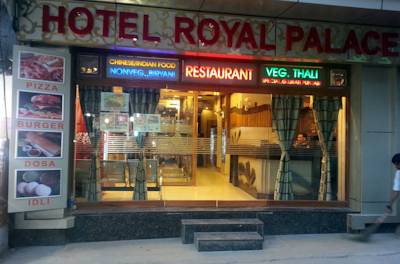 Hotel
Hotel
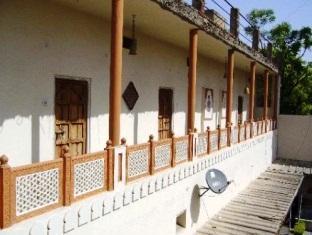 Hotel
Hotel
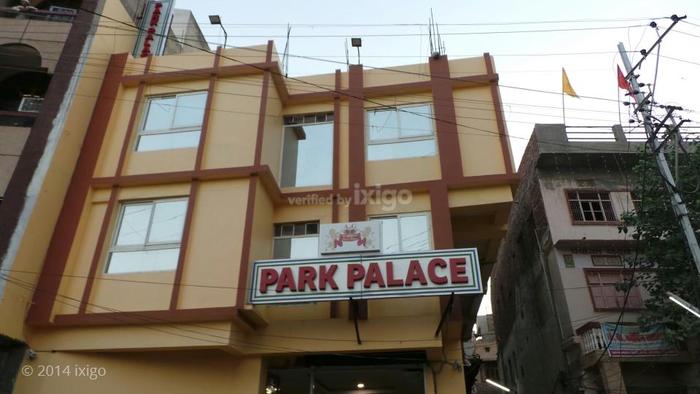 Hotel
Hotel
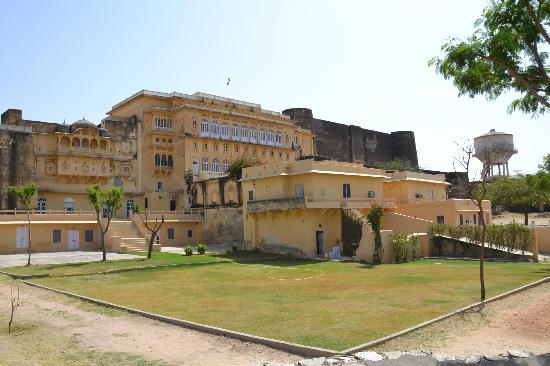 Hotel
Hotel
 Hotel
Hotel
 Hotel
Hotel
 Hotel
Hotel
 Hotel
Hotel
 Hotel
Hotel
Tour Packages from Ajmer
 Package
 Package
Top Places to Visit in Ajmer
Ajmer Photo Gallery & Attractions
Explore high-resolution photographs of iconic temples, historical monuments, and scenic landmarks in Ajmer.
Plan Your Ajmer Trip Now
Get the best verified hotel deals and customized tour packages. Book directly on EarthTrip and save up to 45%!