- .
- info@earthtrip.in
-
INR
-
USD
INR
USD
Pitalkhora Caves (the 2nd century BCE rock cut Buddhist sanctuary comprising 14 basalt caverns and celebrated as the oldest rock cut cave complex in India)...
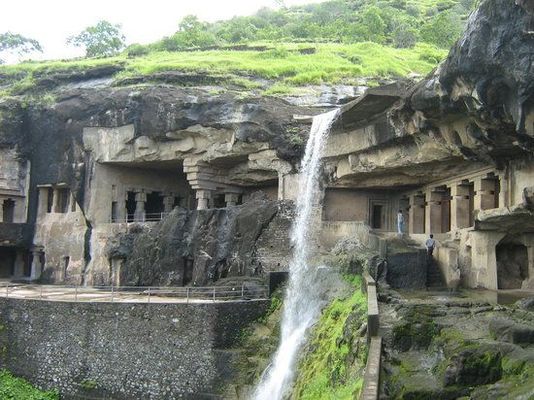
Pitalkhora Caves (the 2nd century BCE rock cut Buddhist sanctuary comprising 14 basalt caverns and celebrated as the oldest rock cut cave complex in India) in the Satmala hills near Aurangabad in Maharashtra, stands as Maharashtra's supreme ancient Buddhist archaeological landmark.
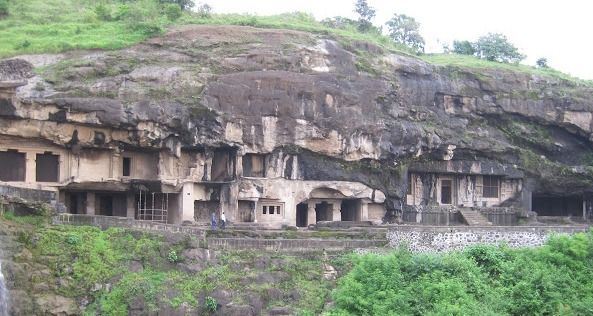
Carved out of towering basalt cliffs overlooking a wild ravine and seasonal waterfall near Kannad, this 2,200 year-old Hinayana monastery predates major excavations at Ajanta and Ellora, serving as a vital spiritual hermitage along the ancient trade highway linking Paithan to Ujjain.
It's the home of the monumental Cave 3 Chaitya hall containing 37 octagonal pillars and an original stone stupa, the world famous smiling Yaksha and winged Dwarapala guardian sculptures, a dramatic facade flanked by nine life size carved stone elephants, ancient Brahmi inscriptions detailing donations from Paithan royal goldsmiths, and an intensely dramatic wilderness ambiance filled with mountain winds, cascading monsoon torrents, and echoes across the gorge.
It represents a rich Maharashtra Satavahana dynasty rock cut architecture heritage apex, early Hinayana Buddhist philosophy, and trekking tourism where ancient cliff monasteries, Ellora cave temples, Ajanta frescoes, and Aurangabad heritage circuits unite in Pitalkhora Caves.
Located in the Chandora hills near Kannad, it sits 78 km northwest of Aurangabad Central Railway Station, 82 km from Aurangabad Airport (IXU), 40 km from Ellora Caves, and 330 km from Pune, easily reached by private taxi or state transport bus along NH 52 and the Kannad ghat road.
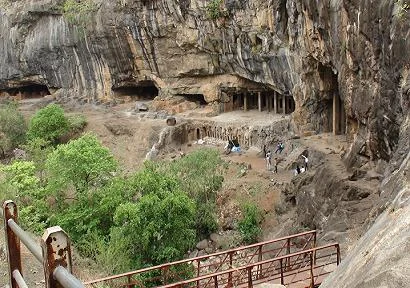
Dating back to the 2nd century BCE during the reign of the Satavahanas, Pitalkhora comprises 14 rock cut caves divided into two groups on either side of the mountain ravine: Caves 1 to 9 on the eastern cliff and Caves 10 to 14 on the western cliff.
Cave 3 represents the architectural crown jewel, featuring an apsidal prayer hall measuring 86 feet long with 37 pillars decorated with ancient painted murals of meditating monks and a hemispherical monolithic stone stupa at the rear.
Truth is, descending the stone steps down into the secluded green ravine while looking up at the colossal rock cut elephant plinth and silent caves will make you feel like an explorer rediscovering a lost civilization.
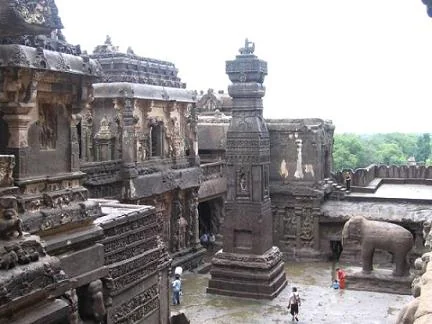
Winged Guardians & Monolithic Elephants: The entrance to Cave 3 is guarded by two winged Dwarapala figures wearing foreign armor and an imposing row of nine carved elephants with outstretched trunks.
Ellora Caves & Devgiri Fort: Located along the return route, travelers can explore the Kailash Temple at Ellora Caves and the hill fortress of Devgiri.
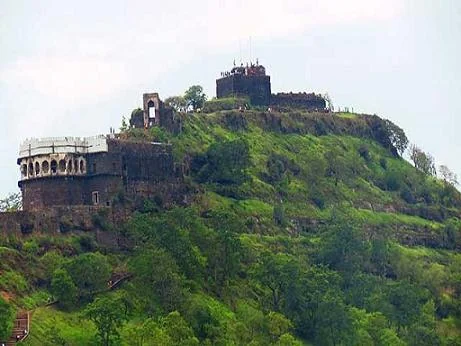
The Ancient Cave & Medieval Fort Trail: Early morning departure from Aurangabad via NH 52 towards Kannad (6:30 AM to 8:00 AM) -> trek down the scenic forest stairway into the Pitalkhora gorge (8:15 AM to 11:30 AM: explore Cave 3 Chaitya, photograph the 9 elephant plinth, inspect ancient Brahmi inscriptions & view the waterfall) -> climb back to the ridge for packed breakfast and fresh sugarcane juice (11:45 AM to 12:30 PM) -> drive towards Ellora to visit the 12th Jyotirlinga at Grishneshwar Temple (1:15 PM to 2:15 PM) -> Maharashtrian lunch in Khuldabad -> explore the rock cut wonders of Ellora Caves including the Kailash monolithic temple (3:30 PM to 5:30 PM) -> stop at Devgiri Fort to view the sunset against the moat bastions -> return to Aurangabad for traditional naan khaliya dinner.
Visiting Code & Conduct: Access to the caves requires descending approximately 300 stone steps into the gorge; carry drinking water and wear sturdy trekking shoes; avoid visiting after dusk as the surrounding forest is part of the Gautala Autramghat Wildlife Sanctuary.
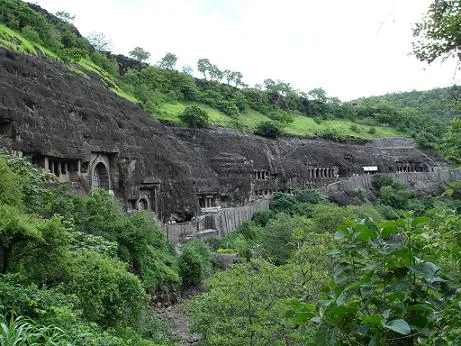
After trekking through the ancient caverns of Pitalkhora Caves, visit Ellora Caves, tour Devgiri Fort, or explore Ajanta Caves.
Reaching Pitalkhora Caves is very simple across Aurangabad in Maharashtra.
Best Time to Visit:
Explore more famous rock cut caves, Buddhist monasteries, and ancient archaeological monuments across Maharashtra.
 Family
 Family
 ★★ Hotel
We welcome our guests who wish to see Aurangabad and want a hotel with complete lodging an…
View Hotel Details ★★★ Hotel
Grand Kailash is a full service upscale hospitality. Designed for the modern nomad, Grand …
View Hotel Details ★★★ Hotel
A Boutique Hotel with its elegant style & warm service is a perfect hotel for guests seeki…
View Hotel Details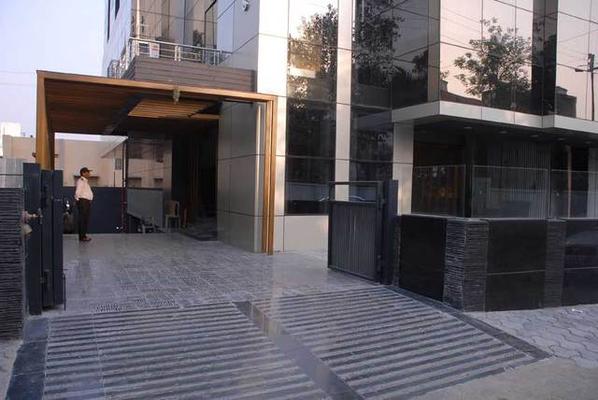 ★★ Hotel
Admiral suites is located in the heart of Aurangabad city at Osmanpura. The hotel is loca…
View Hotel Details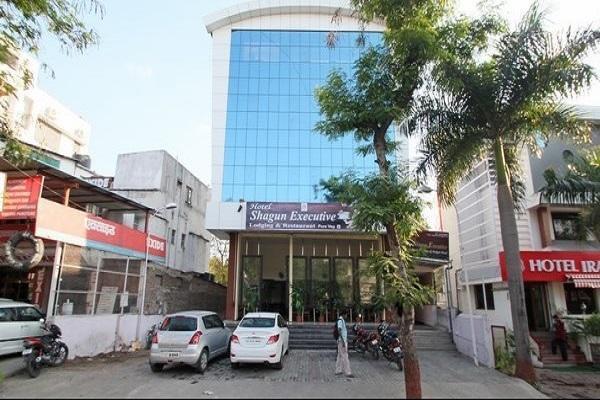 ★★★ Hotel
The Hotel Shagun Executive is one of the most affordable classic Family, Business and Budg…
View Hotel Details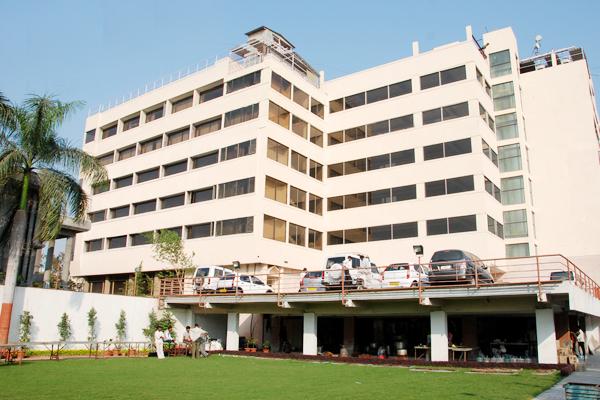 ★★★★ Hotel
Hotel Windsor Castle features a selection of beautifully appointed guestrooms and suites. …
View Hotel Details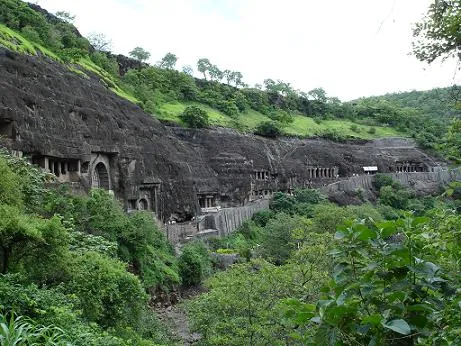 Attraction
Ajanta Caves (the UNESCO World Heritage Buddhist sanctuary spanning 30 rock cut caverns al…
Explore Ajanta Caves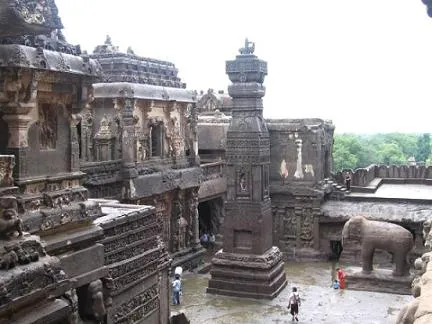 Attraction
Ellora Caves (the UNESCO World Heritage rock cut sanctuary spanning 34 monumental caverns …
Explore Ellora Caves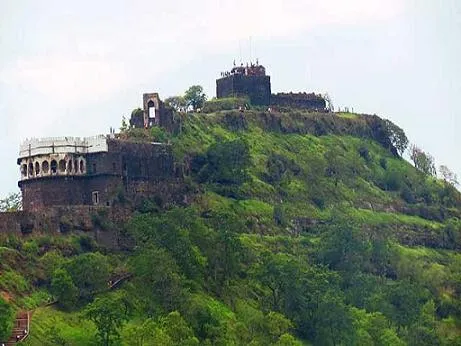 Attraction
Devgiri Fort (the 12th century conical basalt pyramid fortress celebrated worldwide as Dau…
Explore Devgiri Fort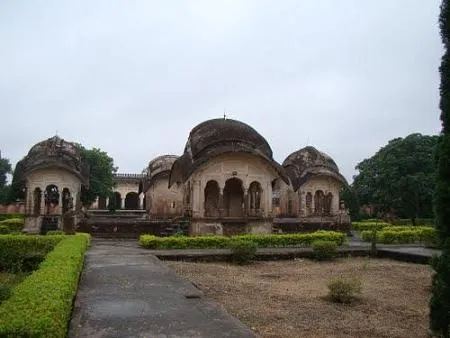 Attraction
Bani Begum Bagh (the 17th century Mughal Charbagh pleasure garden and elegant domed mausol…
Explore Bani Begum Bagh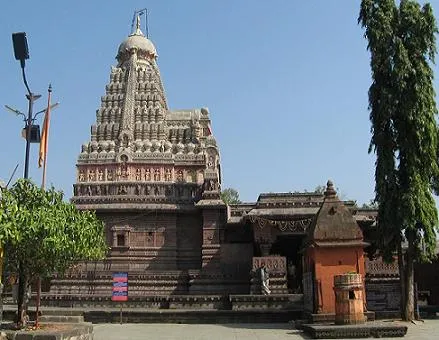 Attraction
Grishneshwar Temple (the 18th century red basalt stone temple celebrated across India as t…
Explore Grishneshwar Temple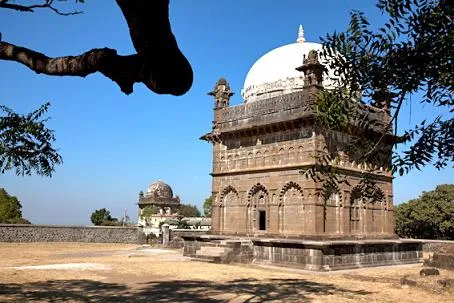 Attraction
Khuldabad (the historic 14th century hill town revered as the Valley of Saints and Rauza, …
Explore KhuldabadExplore high-resolution photographs of iconic landmarks, temples, and scenic spots in Aurangabad.
Essential visitor information regarding timings, entry tickets, location, nearby attractions, and travel guide in Aurangabad.
Dating back to the 2nd century BCE, Pitalkhora is the oldest rock-cut Buddhist cave complex in India, predating major excavations at Ajanta and Ellora.
There are 14 rock-cut caves; highlights include Cave 3 Chaitya with 37 pillars, winged Dwarapala sculptures, and a row of 9 carved elephants.
Located near Kannad in the Satmala hills, 78 km northwest of Aurangabad, reached in 1.5 to 2 hours by private car, taxi, or bus along NH 52.
Monsoon (July to September) for scenic waterfalls and lush hills, and winter (October to February) for cool trekking conditions.
Open daily from 8:00 AM to 5:00 PM with free public admission; visitors descend approximately 300 steps into the gorge.
Get a customized itinerary and the best deals on packages and hotels.
Enquire Now