- .
- info@earthtrip.in
-
INR
-
USD
INR
USD
Aurangabad is the tourism capital of Maharashtra. As it is guarded by 54 gates around the city boundaries, Aurangabad is known as the ' City of Gates' . The city is a blend of rich cultural heritage and the rapid modernisation. Major attractions in Aurangabad include the UNESCO world heritage sites of Ajanta and Ellora caves. The paintings and carvings at Ajanta depict the serenity and calmness of Lord Buddha. One can also visit Bibi ka Maqbara, which is a replica of the Taj Mahal and Panchakki, a 17th-century water mill, which is an engineering masterpiece. Grishneshwar Temple is an architectural marvel and also one of the 12 ' Jyotirlings' of the Hindu deity, Lord Shiva. The invincible Devagiri-Daulatabad fort , located at 16 kilometres from the city, is a famous monument that attracts travellers here. Other places of sightseeing in Aurangabad include a few caves, Khultabad, Bani Begum Garden with Mughal architectural grandeurs and the Jama Masjid. Other than tourism, the industrial sector boasts of some of the huge names in automobile and manufacturing, having their plants set here and providing economic growth.
Be spellbound by the sheer magnificence of the gigantic stone carvings at Ellora. Witness the attention-to-detail given to the minutest of carvings at this ancient structure. Visit the tomb of the Mughal Emperor, Aurangazeb, after whom the city was named. Spend a day exploring the unrivalled skill of the ancient monks who painstakingly painted the walls of the caves at Ajanta. Go for darshan at the Jyotirlinga at Grishneshwar and stroll along the Daulatabad Fort before winding up your short vacation.
Day 1 - Arrival Aurangabad
You will be picked up from the airport/railway station and transferred to the hotel. Depending on the time of your arrival, Later proceed for local sightseeing. Stay overnight at Aurangabad.
Day 2 - In Aurangabad
After a delicious breakfast, proceed for a darshan of Lord Shiva Jyotirlinga at Grishneshwar. Afterwards, visit the marvellous Ellora Caves. head to Bhadra Hanuman Temple. Also visit the tomb of Aurangazeb and Daulatabad Fort. Stay overnight at Aurangabad.
Day 3 - Ajanta Caves Dep.
Early in the morning, check out from the hotel and head out of Auragabad. Stop midway for breakfast and proceed to the famous Ajanta Caves. Reach the caves by 10 AM and witness the grandeur of ancient paintings on the walls of caves. head back to Aurangabad. You will be dropped at the airport/railway station for your return journey.
Payments policy
Tour Cancilation policy
By Air:
By Train:
By Road:
Aurangabad features UNESCO World Heritage rock-cut caves, monolithic temples, Mughal mausoleums, and hill citadels:
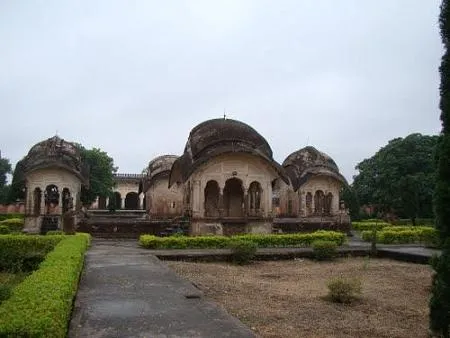
A 17th century white marble mausoleum built between 1651 and 1661 by Prince Azam Shah in memory of his mother, Empress Dilras Banu Begum (Rabia ud Daurani). Designed by architect Ataullah to resemble the Taj Mahal of Agra, it features four soaring 140 foot minarets, marble lattice screens (*Jalis*), brass inlay doors, and formal Mughal Charbagh fountains.
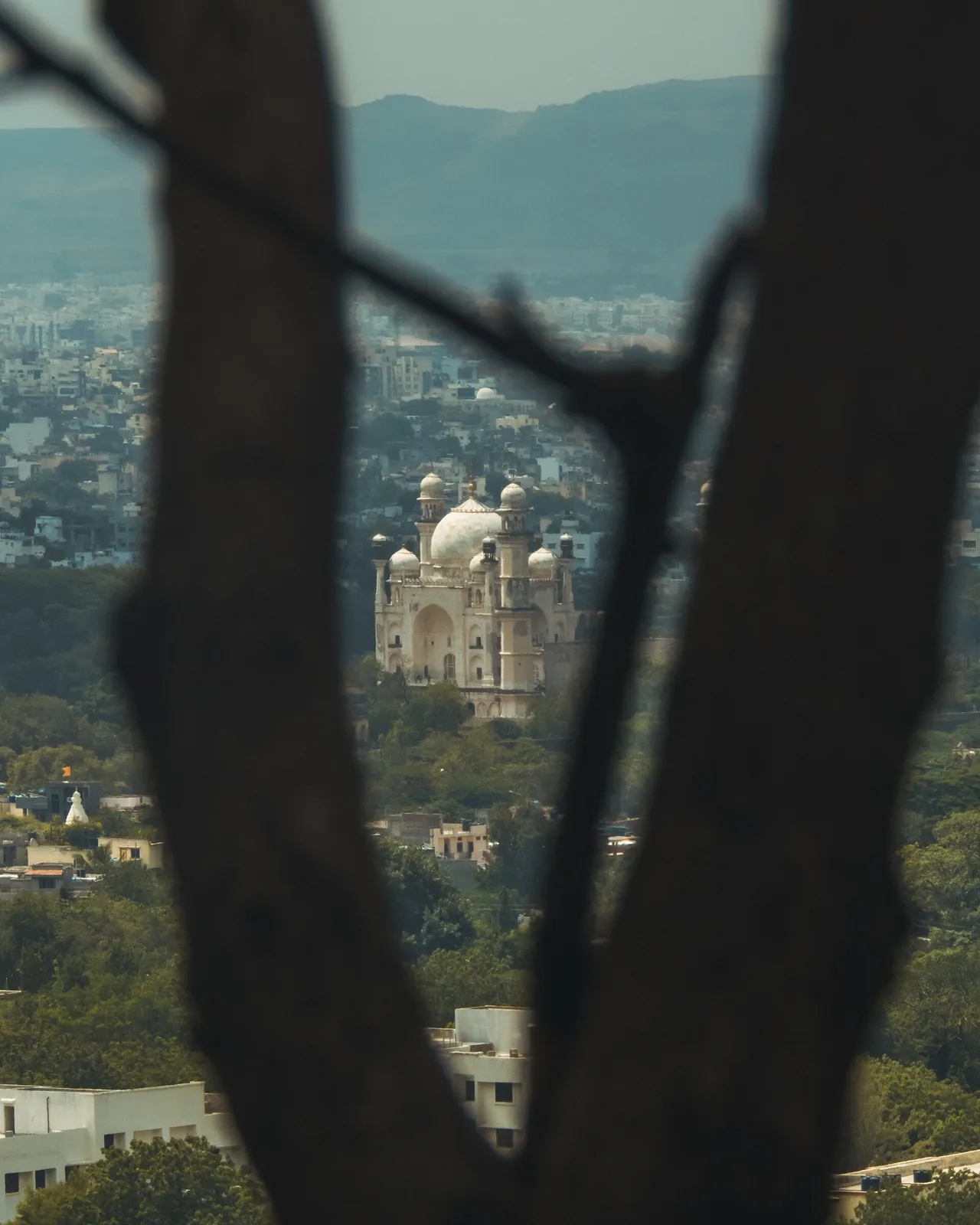 Bibi Ka Maqbara — 17th-Century Taj of the Deccan Mausoleum in Aurangabad
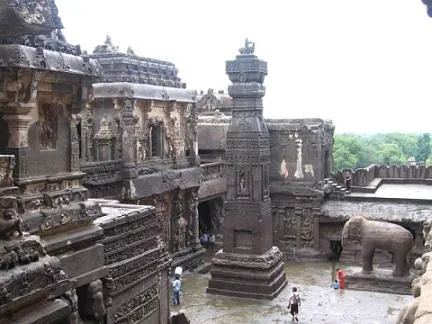
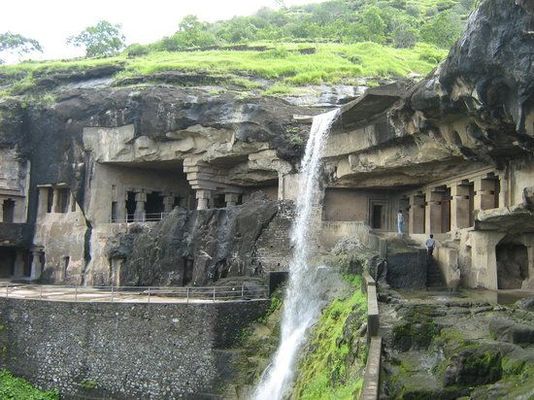
A UNESCO World Heritage site consisting of 34 rock cut temples carved out of the Charanandri hills between the 6th and 10th centuries, spanning Buddhist, Hindu, and Jain faiths. The crowning glory is Cave 16 (Kailasa Temple), the largest monolithic rock excavation in the world, carved vertically top down from a single basalt cliff without joints or mortar.
 Kailasa Temple (Cave 16) — World's Largest Monolithic Rock Excavation at Ellora Caves
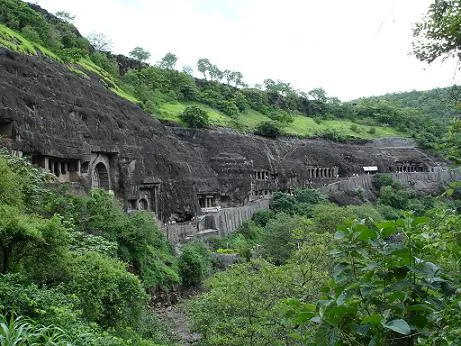
A UNESCO World Heritage complex of 30 rock cut Buddhist cave monuments carved into a dramatic horseshoe shaped cliff along the Waghur River gorge between the 2nd century BC and 6th century AD. World famous for their ancient tempera murals depicting Jataka tales, Bodhisattva Padmapani and Vajrapani, and the 29 foot reclining Nirvana Buddha.
 Ajanta Caves — 30 UNESCO World Heritage Buddhist Rock-Cut Cave Sanctuaries
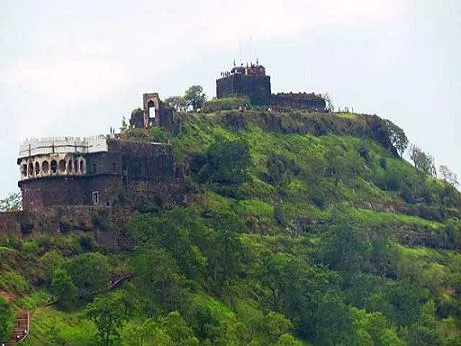
A 12th century medieval hill fortress founded by the Yadava kings (originally named Devagiri) perched on a sheer 200 meter high conical rock hill. Renowned as one of the most impregnable fortresses in military history, featuring a 50 foot water moat filled with crocodiles, the 210 foot pink Chand Minar victory tower, and the pitch dark subterranean labyrinth (*Andhari*).
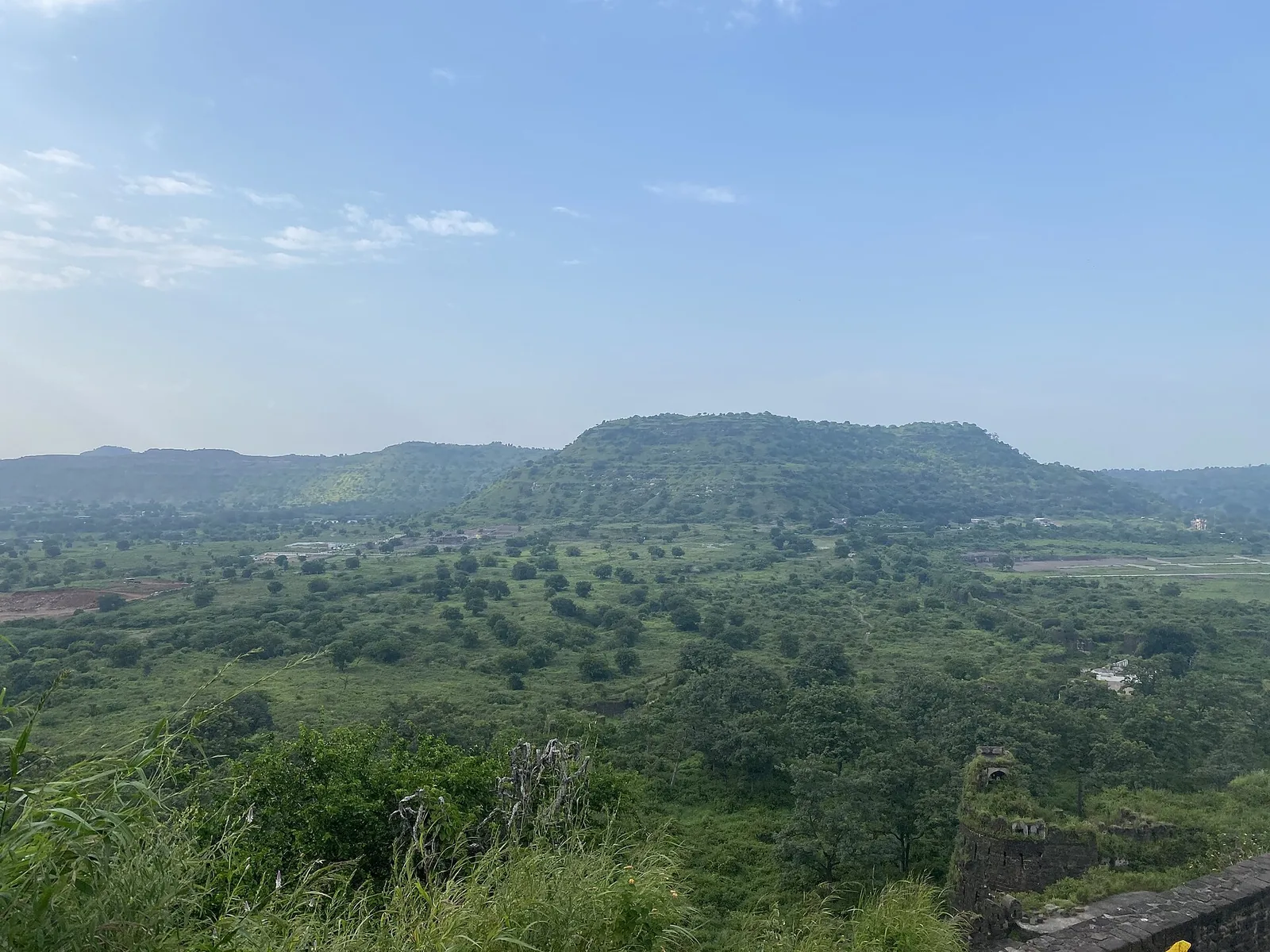 Daulatabad Fort — 12th-Century Impenetrable Hill Citadel and Chand Minar
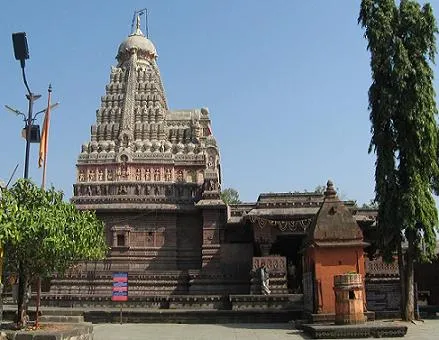
The 12th and southernmost of the sacred Jyotirlinga shrines of Lord Shiva, located in Verul village adjacent to Ellora Caves. Constructed of red stone by Maharani Ahilyabai Holkar in the 18th century, it features exquisite mythological carvings, paired with Panchakki — a 17th century hydro mill in Aurangabad driven by subterranean water channels.
 Grishneshwar Jyotirlinga Temple — 12th Sacred Jyotirlinga of Lord Shiva near Ellora
A cluster of 12 rock cut Buddhist shrines carved into the Sihaychal hills overlooking the city, dating from the 6th to 8th century AD, featuring exquisite Tantric Buddhist sculptures of Tara and celestial musicians.
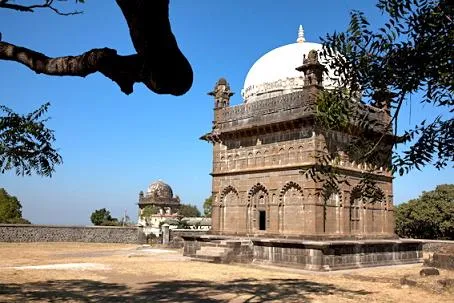
A sacred walled town known as the Abode of Eternity, housing the holy shrines of 1,400 Sufi saints (including Hazrat Zar Zari Zar Baksh) and the humble, austere open air grave of Mughal Emperor Aurangzeb.
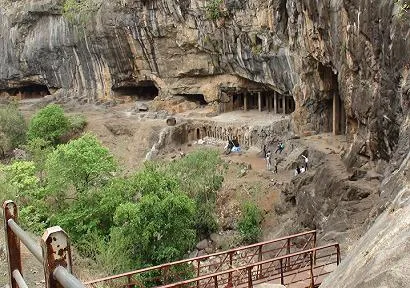
An ancient Buddhist rock cut monastery situated deep in the rugged ravine of Chandora hill, recognized as the earliest rock cut sanctuary in Western India, dating back to the 3rd century BC.
One of the largest earthen dams in Asia constructed on the Godavari River, forming the expansive Nathsagar bird wetland home to flamingos, paired with Sant Eknath Maharaj's birthplace in Paithan.
Duration: 02 Nights 03 Days
 Best Flights
 Best Prices
 Unique Holidays