- .
- info@earthtrip.in
-
INR
-
USD
INR
USD
Khuldabad (the historic 14th century hill town revered as the Valley of Saints and Rauza, housing over 1,400 Sufi shrines alongside the simple open air tom...
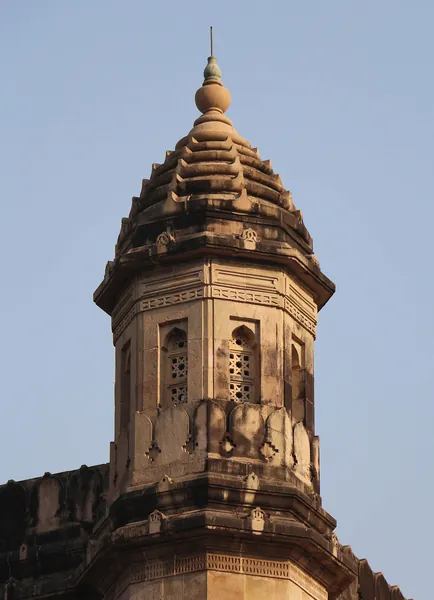
Khuldabad (the historic 14th century hill town revered as the Valley of Saints and Rauza, housing over 1,400 Sufi shrines alongside the simple open air tomb of Mughal Emperor Aurangzeb) in the scenic highlands near Aurangabad in Maharashtra, stands as Maharashtra's supreme Islamic heritage and spiritual sanctuary.
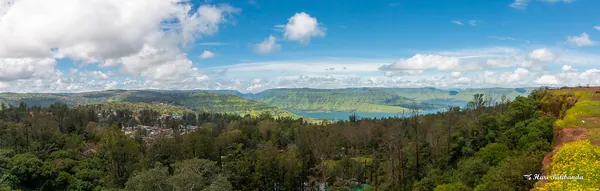
Perched at an elevation of 2,730 feet overlooking the Deccan plateau just 3 km from the UNESCO World Heritage rock cut caverns of Ellora, this holy settlement became the spiritual capital of Deccan Sufism following Muhammad bin Tughluq's 14th century capital transfer to Daulatabad.
It's the home of the remarkably modest earthen grave of Mughal Emperor Aurangzeb Alamgir financed entirely by his personal cap stitching earnings, the sacred dargahs of Hazrat Zar Zari Zar Baksh and Khwaja Burhanuddin Gharib, the royal sepulchres of the first Nizam of Hyderabad Asaf Jah I and Golconda's last king Tana Shah, and an intensely tranquil, deeply contemplative highland ambiance filled with the fragrance of burning loban, soft qawwali recitations, and cool hilltop breezes rustling through ancient neem trees.
It represents a rich Maharashtra Chishti Sufi order heritage apex, Deccan sultanate history, and religious tourism where white domed dargahs, Grishneshwar Jyotirlinga temples, Ellora rock cut monuments, and Devgiri fort citadels unite in Khuldabad.
Located in the Khuldabad plateau, it sits 22 km northwest of Aurangabad Central Railway Station, 27 km from Aurangabad Airport (IXU), 3 km from Ellora Caves, and 320 km from Pune via NH 52, easily reached by state transport bus, private taxi, or auto rickshaw along the smooth four lane highway.
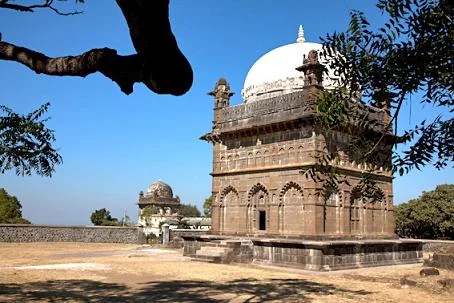
In profound contrast to the opulent marble mausoleums of his Mughal predecessors like the Taj Mahal, Emperor Aurangzeb chose to be buried in an unadorned open air grave inside the courtyard of his spiritual mentor Sheikh Zainuddin Shirazi.
Built strictly with the 14 rupees and 12 annas he earned sewing cloth caps and transcribing copies of the Quran, the modest earthen tomb was later surrounded by a delicate perforated white marble screen ordered by Lord Curzon.
Truth is, standing beside the simple open grave under the open sky while cool mountain breezes blow across the courtyard offers a striking lesson on the transient nature of imperial power.
The Valley of 1,400 Saints: Pilgrims pay respects at the revered dargahs of Hazrat Zar Zari Zar Baksh and Khwaja Burhanuddin Gharib, which house holy relics and sacred manuscripts.
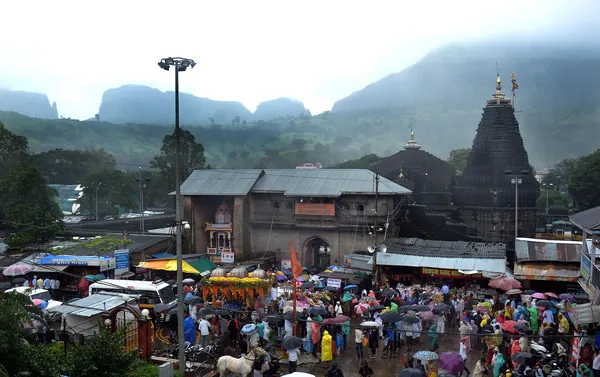
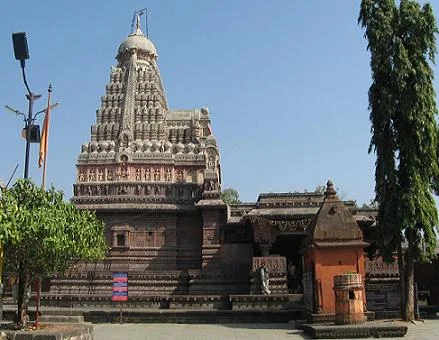
Grishneshwar Jyotirlinga & Devgiri: Located just 3 km down the hill stands the red stone Grishneshwar Jyotirlinga Temple, while the medieval hill citadel of Devgiri Fort sits 10 km south.
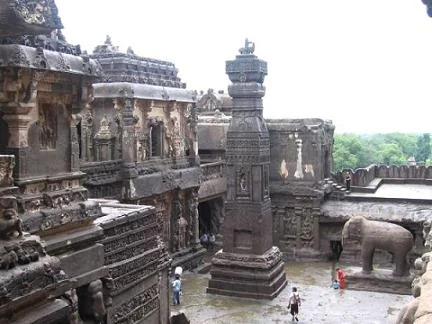
The Sufi, Jyotirlinga & Rock Cut Trail: Morning drive from Aurangabad up the scenic ghat road to Khuldabad (7:30 AM to 8:15 AM) -> visit the tomb of Mughal Emperor Aurangzeb and offer respects at the Dargah of Hazrat Zar Zari Zar Baksh (8:30 AM to 10:15 AM) -> breakfast of hot chai and bun maska at a local tea stall (10:30 AM to 11:00 AM) -> drive 3 km to Grishneshwar Temple for holy darshan of the 12th Jyotirlinga (11:15 AM to 12:30 PM) -> traditional thali lunch in Ellora village (12:45 PM to 1:45 PM) -> explore the UNESCO World Heritage Ellora Caves including the monolithic Kailash Temple (2:00 PM to 5:00 PM) -> stop at Devgiri Fort to view the sunset against the stone bastions (5:30 PM to 6:45 PM) -> return to Aurangabad city for dinner.
Visiting Code & Conduct: Modest clothing covering shoulders and knees is mandatory; visitors must cover their heads with a scarf or cap when entering dargah premises; footwear must be removed at the outer courtyard gates.
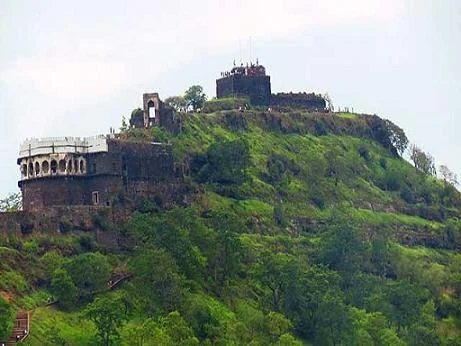
After exploring the sacred shrines of Khuldabad, visit Grishneshwar Temple, marvel at Ellora Caves, or tour Devgiri Fort.
Reaching Khuldabad is very simple across Aurangabad in Maharashtra.
Best Time to Visit:
Explore more famous Sufi shrines, medieval tombs, and historical pilgrimage sites across Maharashtra.
 Family
 Family
 ★★ Hotel
We welcome our guests who wish to see Aurangabad and want a hotel with complete lodging an…
View Hotel Details ★★★ Hotel
Grand Kailash is a full service upscale hospitality. Designed for the modern nomad, Grand …
View Hotel Details ★★★ Hotel
A Boutique Hotel with its elegant style & warm service is a perfect hotel for guests seeki…
View Hotel Details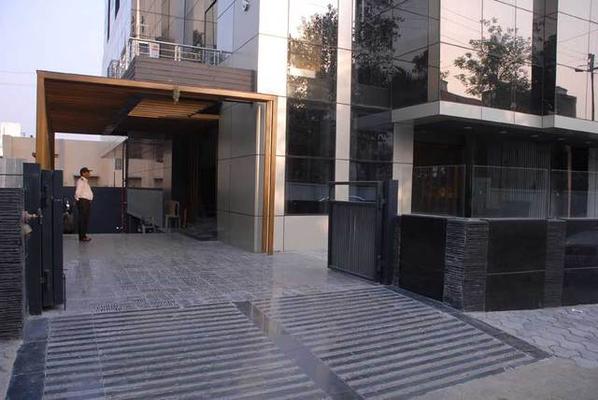 ★★ Hotel
Admiral suites is located in the heart of Aurangabad city at Osmanpura. The hotel is loca…
View Hotel Details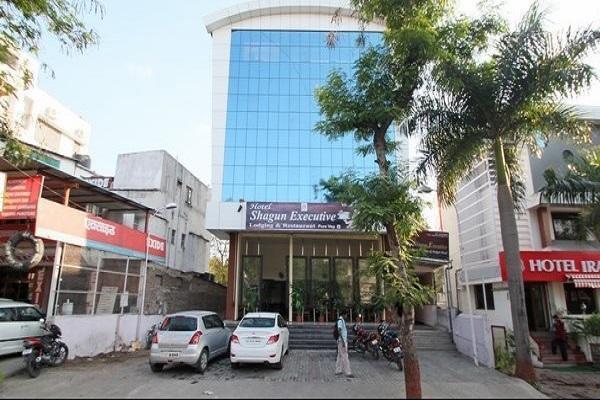 ★★★ Hotel
The Hotel Shagun Executive is one of the most affordable classic Family, Business and Budg…
View Hotel Details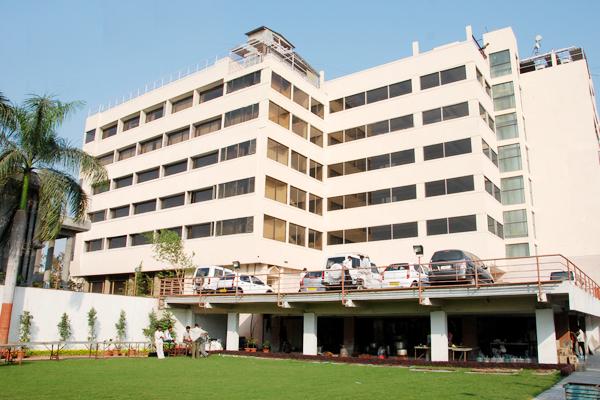 ★★★★ Hotel
Hotel Windsor Castle features a selection of beautifully appointed guestrooms and suites. …
View Hotel Details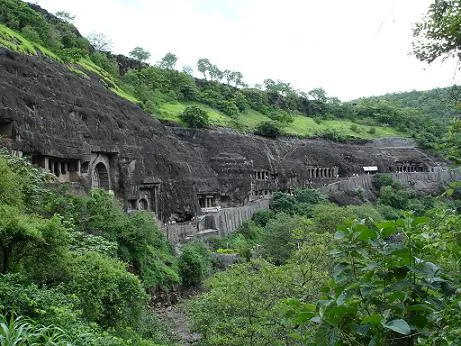 Attraction
Ajanta Caves (the UNESCO World Heritage Buddhist sanctuary spanning 30 rock cut caverns al…
Explore Ajanta Caves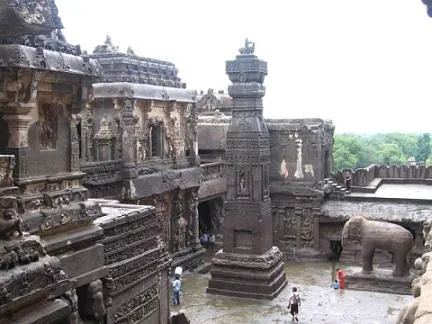 Attraction
Ellora Caves (the UNESCO World Heritage rock cut sanctuary spanning 34 monumental caverns …
Explore Ellora Caves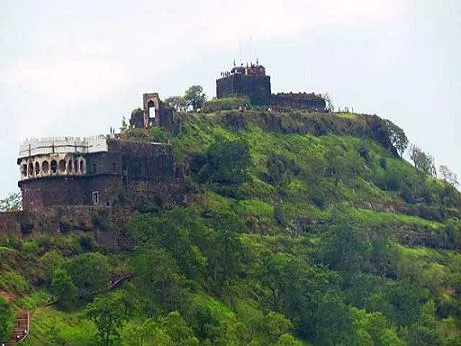 Attraction
Devgiri Fort (the 12th century conical basalt pyramid fortress celebrated worldwide as Dau…
Explore Devgiri Fort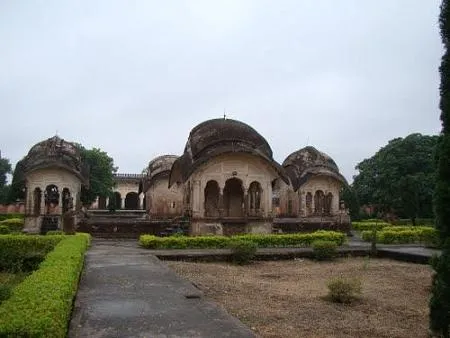 Attraction
Bani Begum Bagh (the 17th century Mughal Charbagh pleasure garden and elegant domed mausol…
Explore Bani Begum Bagh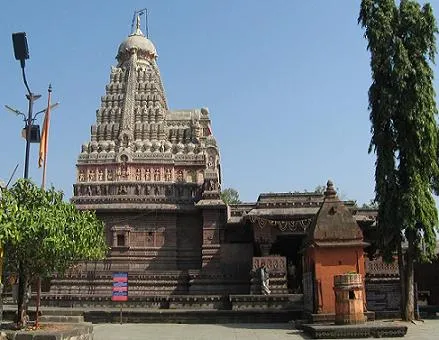 Attraction
Grishneshwar Temple (the 18th century red basalt stone temple celebrated across India as t…
Explore Grishneshwar Temple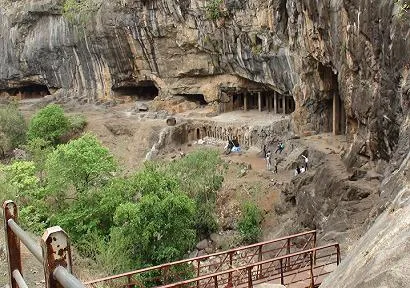 Attraction
Pitalkhora Caves (the 2nd century BCE rock cut Buddhist sanctuary comprising 14 basalt cav…
Explore Pitalkhora CavesExplore high-resolution photographs of iconic landmarks, temples, and scenic spots in Aurangabad.
Essential visitor information regarding timings, entry tickets, location, nearby attractions, and travel guide in Aurangabad.
In the 14th century, over 1,400 Sufi saints of the Chishti order migrated and settled here following the capital shift to Daulatabad.
Unlike the grand marble Taj Mahal, Aurangzeb's tomb is a simple open-air earthen grave funded only by his earnings from sewing cloth caps.
Prominent saints include Hazrat Zar Zari Zar Baksh, Khwaja Burhanuddin Gharib, and Sheikh Zainuddin Shirazi.
Khuldabad is located just 3 km north of Ellora Caves and 3.5 km from the Grishneshwar Jyotirlinga Temple (a 5-minute drive).
Open daily from 6:00 AM to 9:00 PM with free public admission across all shrines and tombs.
Get a customized itinerary and the best deals on packages and hotels.
Enquire Now