Nagpur — Travel Guide
Nagpur (universally celebrated as the Orange City of India, winter capital of Maharashtra, and the undisputed *"Tiger Capital of the World"*, strategically positioned at the exact geographical center of India along the Nag River at an elevation of 310 meters (1,017 ft) above sea level in the Deccan Plateau), is an extraordinary commercial and cultural destination.
 Deekshabhoomi — Asia's Largest Hollow Buddhist Stupa and Sacred Memorial in Nagpur
smoothly uniting profound spiritual landmarks (Deekshabhoomi, where Dr. B.R. Ambedkar embraced Buddhism alongside 600,000 followers in 1956 beneath Asia's largest hollow stupa) with colonial geographical history at the 1907 Zero Mile Stone, the historic Maratha battleground at Sitabuldi Fort (site of the 1817 Battle of Sitabuldi), the serene waterfronts and musical fountains of 200 year old Futala Lake and Ambazari Lake, the ancient hill shrines at Ramtek Gad Mandir (where epic poet Kalidasa penned the Meghdootam), the Japanese style Lotus Temple at Dragon Palace in Kamptee, the gateway to Central India's premier tiger reserves including Pench National Park (80 km), Tadoba Andhari Tiger Reserve (140 km), and Kanha National Park (260 km), and seamless transit connectivity to Jabalpur (275 km), Raipur (285 km), Pune (700 km), and Mumbai (820 km), Nagpur provides an extraordinary journey.
The city is famous globally for its juicy Nagpur mandarin oranges, fiery Saoji spicy cuisine, historic Bhonsle dynasties, and wildlife sanctuaries: the sacred pilgrimage monument Deekshabhoomi (Ramdaspeth) (a 120 foot tall architectural masterpiece built of Dholpur sandstone, featuring the world's largest hollow Buddhist dome inspired by the Great Sanchi Stupa), the historic survey monument Zero Mile Stone (Civil Lines) (erected in 1907 by the British Great Trigonometrical Survey of India to measure all all India distances, marked by four sandstone horses), the vibrant waterfront at Futala Lake (60 acre Bhonsle lake) (famous for its sunset promenade, street snacks, and colorful musical fountains), the historical twin hill fortress Sitabuldi Fort (1817 Battleground) (overlooking central Nagpur, housing the memorial to soldiers of the Third Anglo Maratha War), the ancient hilltop temple complex Ramtek Fort Temple / Gad Mandir (50 km) (sacred Rama temple built during the Vakataka dynasty atop Ramagiri hill beside Khindsi Lake), the serene Japanese peace temple Dragon Palace Buddhist Temple (Kamptee — 15 km), the vast recreation waters at Ambazari Lake & Garden, the interactive Raman Science Centre & Planetarium, and Nagpur's seamless connections along the Mumbai Nagpur Samruddhi Expressway and NH-44 to Pench (80 km), Jabalpur (275 km), Pune (700 km), and Mumbai (820 km).
Located smoothly at the crossroads of National Highways NH-44 and NH-53, just 80 km south of Pench National Park, 275 km south of Jabalpur, and 285 km west of Raipur, Nagpur is the gateway to Central India.
Best Time to Visit Nagpur:
- October to March (Autumn & Winter / Best Season): Delightful, sunny, and cool weather (12°C to 28°C), ideal for exploring Deekshabhoomi, Sitabuldi Fort, lakeside evening walks, and tiger safaris at nearby Pench and Tadoba.
- April to June (Summer): Very hot and dry (35°C to 47°C).
- July to September (Monsoon): Pleasant monsoon rains averaging 1,150 mm transforming the surrounding forests into lush green.
Famous Nagpur & Vidarbha Culinary Specialties:
- Nagpur Tarri Poha: Fluffy flattened rice poha drenched in a spicy, fiery chickpea and tomato gravy (tarri) topped with crunchy sev, fresh onions, and lemon.
- Saoji Chicken / Mutton Curry: Infamously fiery, rich heritage non vegetarian curry created by the Halba Koshti weaver community using 32 ground roasted spices.
- Patodi Rassa: Spiced gram flour cakes cooked in a scorching, deeply flavored peppery onion garlic curry.
- Nagpur Orange Barfi: Delicious sweet fudge confectionery prepared from fresh juicy Nagpur mandarin oranges and condensed milk.
- Samosa with Kadhi: Crispy potato stuffed samosas served immersed in warm sweet and tangy yogurt kadhi.
- Santra Peda & Soan Papdi: Iconic orange flavored pedas and flaky soan papdi sweets manufactured by Haldiram's in its founding city.
By Air:
- Dr. Babasaheb Ambedkar International Airport (Airport Code: NAG - 8 km south): Major modern international airport with frequent direct flights connecting Nagpur with Mumbai, Delhi, Bengaluru, Hyderabad, Kolkata, Chennai, Pune, and international destinations (Doha, Sharjah).
By Train:
- Nagpur Junction Railway Station (Station Code: NGP): One of India's most critical central railway junctions situated on the Delhi Chennai and Mumbai Howrah main trunk lines, served by hundreds of express and Rajdhani/Vande Bharat trains daily.
- Ajni Railway Station (Station Code: AJNI): Satellite junction handling southern and western trains.
By Road:
- From Mumbai (~820 km / 8 to 9 hours): Via the world class Hindu Hrudaysamrat Balasaheb Thackeray Maharashtra Samruddhi Mahamarg (Expressway).
- From Pune (~700 km / 9 to 10 hours): Via Samruddhi Expressway and Ahmednagar.
- From Jabalpur (~275 km / 5 hours): Via NH-44 through Pench National Park.
- From Raipur (~285 km / 5.5 hours): Via NH-53.
- Regular MSRTC Shivshahi AC buses, Sleeper coaches, and private Volvo operators connect Nagpur across Maharashtra, MP, and Chhattisgarh.
Shopping in Nagpur features famous mandarin oranges, Haldiram sweets, and cotton handlooms:
- Cotton Market, Itwari Bazaar, Sitabuldi Main Road & Haldiram's Flagship Stores: Authentic **GI Tagged Nagpur Mandarin Oranges (Fresh Seasonal Crates & Orange Pulp Sweets)**, famous **Nagpur Orange Barfi, Soan Papdi & Dry Fruit Sweets**, handwoven **Nagpur & Umred Pure Cotton Sarees & Khadi Fabrics**, traditional **Brass & Copper Utensils from Bhandara**, and **Authentic Roasted Saoji Masala Powder Blends**.
Must-Visit Places in Nagpur
Nagpur features Asia's largest hollow stupa, the Zero Mile marker, Maratha forts, and lakeside gardens:
1. Deekshabhoomi & Buddhist World Peace Stupa (Asia's Largest Hollow Dome Stupa Ramdaspeth)
A sacred national monument and world pilgrimage center where Dr. Babasaheb Ambedkar embraced Buddhism with over 600,000 followers on Ashok Vijaya Dashami in 1956. The stunning 120 foot high stupa is the largest hollow stupa in Asia, accommodating 5,000 people inside its central hall adorned with bronze Gautama Buddha statues and Dholpur sandstone carvings.
Deekshabhoomi — Asia's Largest Hollow Stupa and Historic Memorial in Nagpur
2. Zero Mile Stone & Geographic Center of India (1907 Great Trigonometrical Survey Monument)
Erected in 1907 by the British during the Great Trigonometrical Survey of India, this historical sandstone pillar marks the precise geographical center point of undivided India. Accompanied by four carved stone horses and hexagonal marker stones showing exact road distances to major Indian metropolises.
 Zero Mile Stone — 1907 Historical Survey Landmark Marking the Center of India
3. Futala Lake & Musical Water Fountain Promenade (200-Year Old Historic Bhonsle Lake - 5 km)
A picturesque 60 acre historic lake built over 200 years ago by the Bhonsle kings of Nagpur. Famous across Central India for its lively evening promenade lined with food kiosks serving hot Tarri Poha and roasted corn, colorful LED musical fountains, and sunset views.
 Futala Lake — 200-Year Old Bhonsle Dynasty Lake and Waterfront Promenade in Nagpur
4. Sitabuldi Fort & Memorial Grounds (1817 Anglo Maratha War Battlefield City Centre)
A hilltop fortress perched on twin hillocks in the heart of Nagpur, built by the British and Bhonsle kings. Renowned as the fierce battleground of the historic 1817 Battle of Sitabuldi between Appasaheb Bhonsle and British East India Company forces (open to public on national holidays).
 Sitabuldi Fort — Historic 1817 Anglo Maratha Battlefield Fortress in Central Nagpur
5. Dragon Palace Buddhist Temple / Lotus Temple of Nagpur (Kamptee Indo Japanese Sanctuary - 15 km)
A magnificent modern Buddhist temple located in Kamptee, established in 1999 as a symbol of Indo Japanese friendship by the Ogawa Society. Styled like a white lotus flower, the temple enshrines a rare sandalwood carved idol of Lord Buddha amidst Japanese style zen gardens.
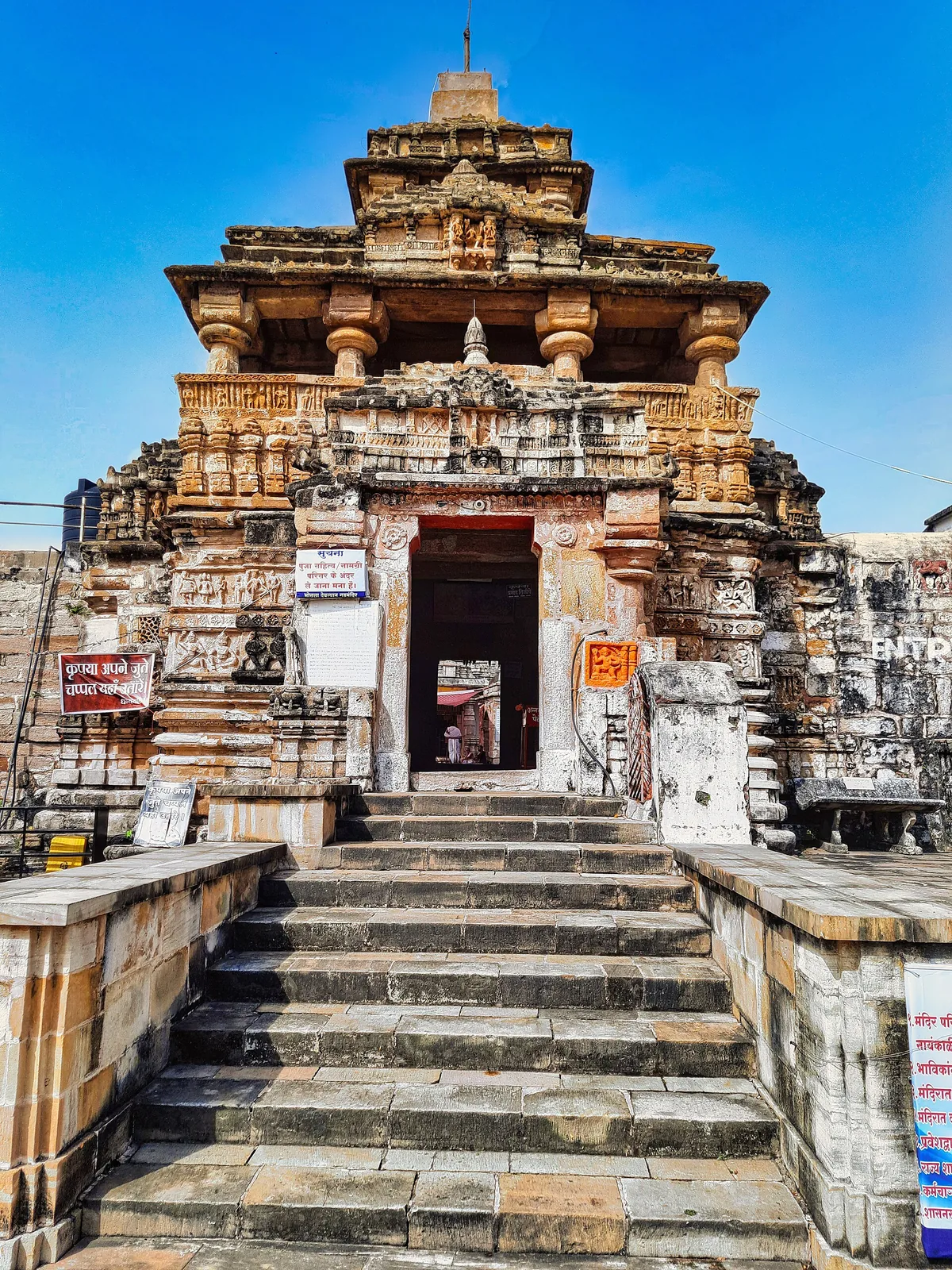 Dragon Palace Temple — Indo Japanese Lotus Buddhist Sanctuary in Kamptee near Nagpur
6. Ramtek Fort Temple & Khindsi Water Sports Lake (Historic Vakataka Hilltop Shrine - 50 km)
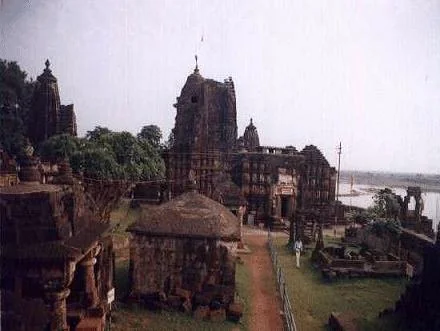
An ancient hilltop temple complex dedicated to Lord Rama, situated atop Ramagiri hill where Lord Rama is believed to have rested during his exile. Sanskrit poet Kalidasa composed the epic Meghdootam here, overlooking the nearby Khindsi boating reservoir.
7. Ambazari Lake & Garden (Nagpur's Largest Historic Lake & Nag River Source - 6 km)
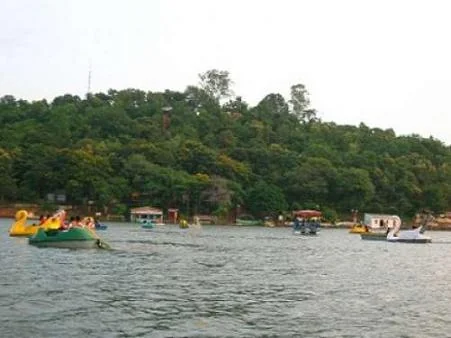
The largest of Nagpur's 11 lakes, spread over 15 square kilometers and surrounded by historic mango groves (*Amba*). Serves as the origin of the Nag River and features botanical walking paths, musical fountains, and rowboating facilities.
8. Raman Science Centre & Planetarium (Interactive Science Exhibits & Prehistoric Animal Park)
An interactive science center and planetarium named after Nobel laureate Sir C.V. Raman, featuring experiential physics galleries, 3D science shows, and a lush outdoor prehistoric dinosaur park.
9. Gorewada International Zoo & Wildlife Safari (Night Safari & Bio Diversity Park - 10 km)
One of India's largest international zoological safari parks spread over 1,900 hectares of forest around Gorewada Lake, offering open leopard, tiger, sloth bear, and herbivore jungle safaris alongside night safari trails.
Popular Hotels in Nagpur
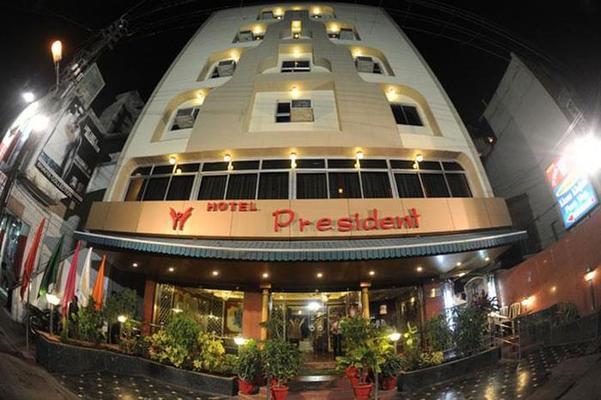 Hotel
Hotel
 Hotel
Hotel
 Hotel
Hotel
 Hotel
Hotel
 Hotel
Hotel
 Hotel
Hotel
 Hotel
Hotel
 Hotel
Hotel
 Hotel
Hotel
 Hotel
Hotel
Top Places to Visit in Nagpur
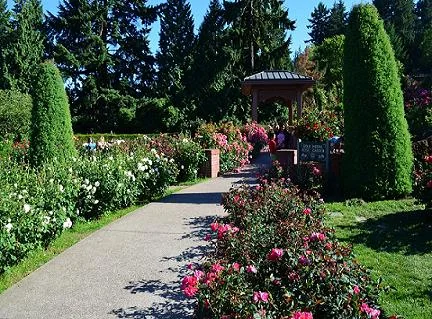
Nagpur Photo Gallery & Attractions
Explore high-resolution photographs of iconic temples, historical monuments, and scenic landmarks in Nagpur.
Plan Your Nagpur Trip Now
Get the best verified hotel deals and customized tour packages. Book directly on EarthTrip and save up to 45%!