Mumbai — Travel Guide
Mumbai (formerly named Bombay, the capital of Maharashtra, internationally acclaimed as the Financial Capital of India and celebrated across the globe as the City of Dreams), sits along the Arabian Sea on Salsette Island. Built on seven historic islands unified through centuries of reclamation, Mumbai is the beating heart of Indian commerce, the headquarters of premier financial institutions, and the home of the world's largest Hindi film industry (Bollywood).
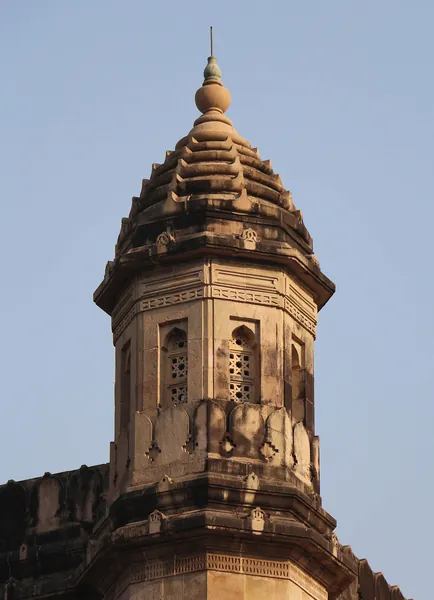
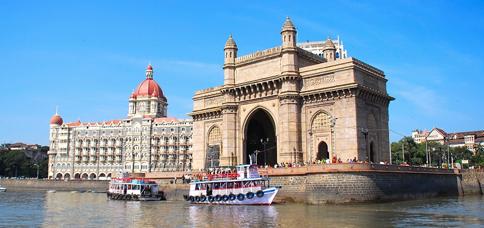
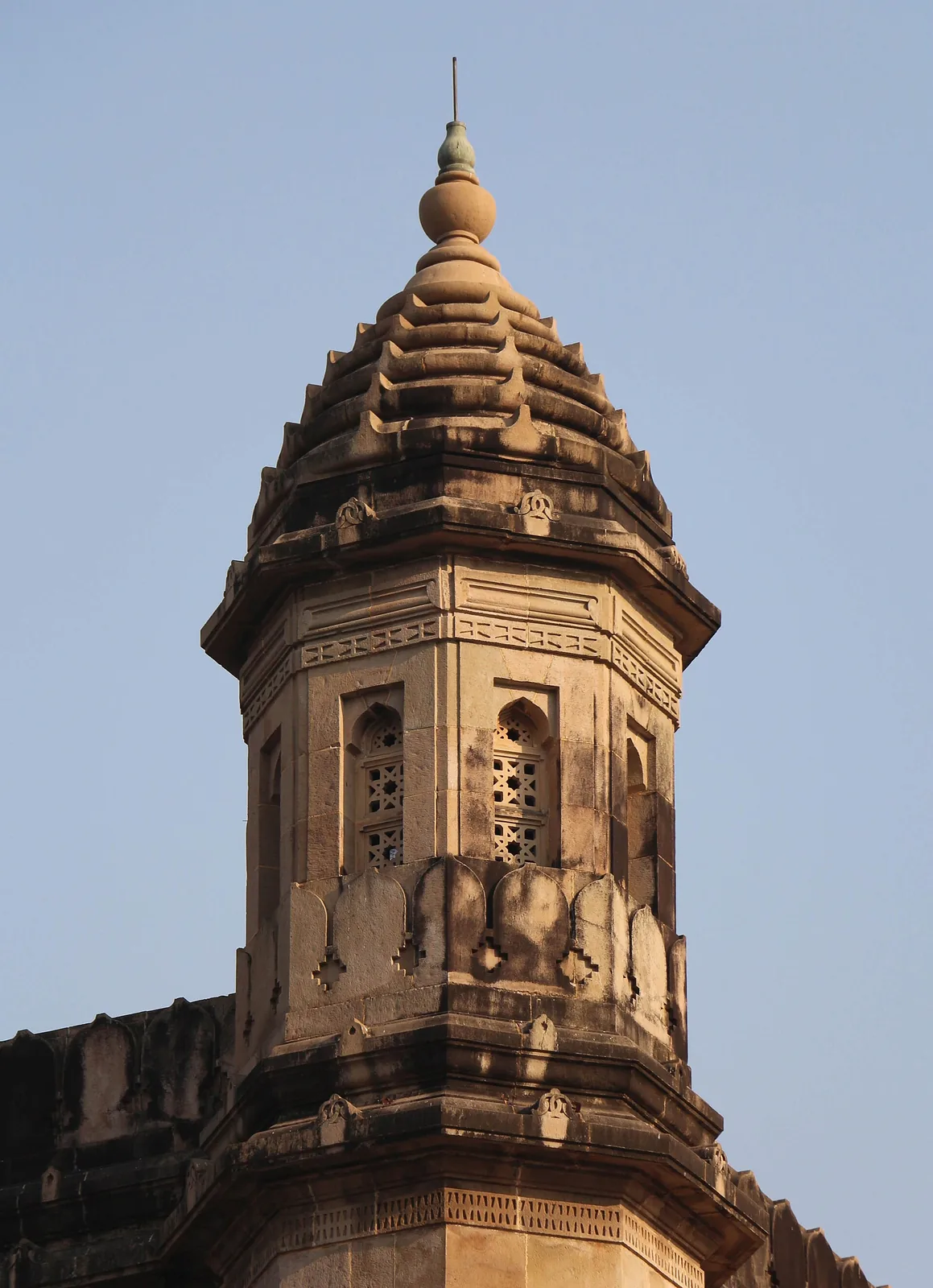 The Basalt Arch of the Gateway of India Overlooking Mumbai Harbour and Arabian Sea
The city's historic skyline is anchored by the 26-meter basalt arch of the Gateway of India in Colaba and the UNESCO World Heritage Victorian Gothic facade of Chhatrapati Shivaji Maharaj Terminus (CSMT). A short ferry ride across the harbor leads to the 6th-century rock cut cave temples of Elephanta Caves, famous for the magnificent three headed Trimurti Shiva sculpture.
Along the coastline stretches Marine Drive, the 3.6 km seafront promenade known as *The Queen's Necklace*, curving around Back Bay beneath Art Deco residential buildings. Other landmarks include the cable stayed Bandra-Worli Sea Link, the offshore shrine of Haji Ali Dargah, and the revered Siddhivinayak Temple in Prabhadevi.
Connected via Chhatrapati Shivaji Maharaj International Airport and high speed expressways just 85 km from Lonavala and 150 km from Pune, Mumbai offers travelers vibrant street life, iconic vada pav, vintage Irani cafes, and unforgettable Arabian Sea sunsets.
Best Time to Visit Mumbai:
- October to March (Winter & Autumn / Peak Travel Season): Daytime temperatures range from 20°C to 30°C with clear sunny skies and cool evening sea breezes. This is the ideal window for walking along Marine Drive, ferry rides to Elephanta Caves, and exploring Fort's colonial architecture.
- April to May (Summer): Daytime temperatures range from 32°C to 36°C with high coastal humidity. Early morning heritage walks and air conditioned museum visits are recommended.
- June to September (Monsoon): Heavy seasonal monsoon downpours bring dramatic Arabian Sea waves along the Marine Drive promenade and lush greenery to the surrounding Western Ghats.
Famous Mumbai Street Food & Coastal Cuisine:
- Authentic Mumbai Vada Pav: Golden deep fried spiced potato ball stuffed in a soft pav bun with dry garlic chutney, green mint chutney, and salted fried green chillies.
- Sardar Pav Bhaji: Thick mashed spiced vegetable gravy simmered on a giant tawa with slabs of pure Amul butter, served piping hot with butter toasted pavs.
- Chowpatty Bhelpuri & Sevpuri: Crispy puffed rice tossed with diced boiled potatoes, onions, raw mango, sweet tamarind chutney, and spicy green chillies.
- Bun Maska & Irani Chai: Warm crusty bun sliced open and layered with fresh salted butter, dipped into sweet cardamom spiced milky tea at Kyani & Co. or Britannia.
- Crispy Bombil Fry & Malvani Crab Curry: Fresh Bombay duck fish coated in spiced semolina and fried crisp, paired with coastal coconut curry.
By Air:
Chhatrapati Shivaji Maharaj International Airport (Airport Code: BOM - Terminal 1 Domestic in Santacruz, Terminal 2 International in Sahar) is India's second busiest aviation gateway. Operating direct flights to every commercial airport in India and non stop global flights to London, New York, San Francisco, Dubai, Singapore, Frankfurt, Paris, and Tokyo. The newly expanded underground Mumbai Metro Line 3 (Aqua Line) and AC airport taxis connect the terminal to South Mumbai in 30 minutes.
By Train:
Mumbai is the headquarters of Western and Central Railways, operating five major express rail terminals:
- CSMT (Chhatrapati Shivaji Maharaj Terminus): Central hub for Vande Bharat, Rajdhani, and express trains to South, East, and Central India.
- Mumbai Central (MMCT): Main junction for Western Railway superfast Rajdhani trains to New Delhi, Ahmedabad, and Jaipur.
- Bandra Terminus (BDTS): Northern terminal for Western express trains.
- Lokmanya Tilak Terminus (LTT Kurla): Terminal for trains to North and Eastern India.
- Dadar Junction (DR): Major interchange between Central and Western railway networks.
By Road:
- Mumbai-Pune Expressway (~150 km / 2 hours): India's first access controlled 6-lane expressway.
- Delhi-Mumbai Expressway & NH-48: 8-lane expressway connecting Gujarat and North India.
- To Goa (~580 km / 10 hours): Via 4-lane NH-66 and coastal highway.
- To Nashik & Shirdi (~170 km / 3 hours): Via Mumbai-Nagpur Samruddhi Expressway.
- Interstate Buses: Luxury AC Volvo and sleeper buses operate 24/7 from Borivali, Dadar, Vashi, and Mumbai Central to all major Indian cities.
Local Transport:
The Mumbai Suburban Railway (local trains carrying 7.5 million passengers daily across Western, Central, and Harbour lines), Mumbai Metro, yellow-top cabs, and auto rickshaws provide fast transit across the metropolis.
Shopping in Mumbai spans historic Victorian markets, trendy suburban fashion avenues, and luxury designer malls:
- Colaba Causeway: Bohemian street shopping market famous for antique brassware, silver junk jewelry, leather footwear, and cotton clothes.
- Linking Road & Hill Road (Bandra): Famous street shopping avenues for trendy fashion apparel, denim, handbags, and footwear.
- Crawford Market (Fort): 150-year-old historic Victorian market known for imported chocolates, dry fruits, cosmetics, spices, and pet accessories.
- Zaveri Bazaar (Kalbadevi): India's largest gold, silver, and diamond jewelry wholesale bazaar.
- High Street Phoenix & Palladium (Lower Parel): Ultra luxury mall housing flagship global designer boutiques (Gucci, Prada, Dior, Chanel) and rooftop fine dining.
Must-Visit Places in Mumbai
Mumbai features a world famous collection of colonial arch monuments, Victorian Gothic railway terminals, UNESCO rock cut caves, and coastal promenades:
1. Gateway of India & Indo-Saracenic Basalt Harbor Arch (Colaba)
Erected in 1924 to commemorate the 1911 royal visit of King George V and Queen Mary, the Gateway of India is a 26-meter-high triumphal arch constructed from yellow basalt and reinforced concrete. Overlooking Mumbai Harbour on the Arabian Sea, the arch combines 16th-century Gujarati architecture with traditional Muslim arches. It serves as the main embarkation point for ferries to Elephanta Island, Alibaug, and coastal harbor cruises.
Gateway of India — 26-Meter Indo-Saracenic Basalt Arch Overlooking Mumbai Harbour
2. Marine Drive & The Queen's Necklace Crescent Promenade (South Mumbai)
Constructed in the 1920s on reclaimed land, Marine Drive is a 3.6-kilometer-long, six lane boulevard curving along the coastline of Back Bay from Nariman Point to Babulnath. Lined with palm trees and the world's second largest collection of 1930s Art Deco residential buildings, the promenade is known as *The Queen's Necklace* because the streetlights resemble a string of pearls when viewed from Malabar Hill at night.
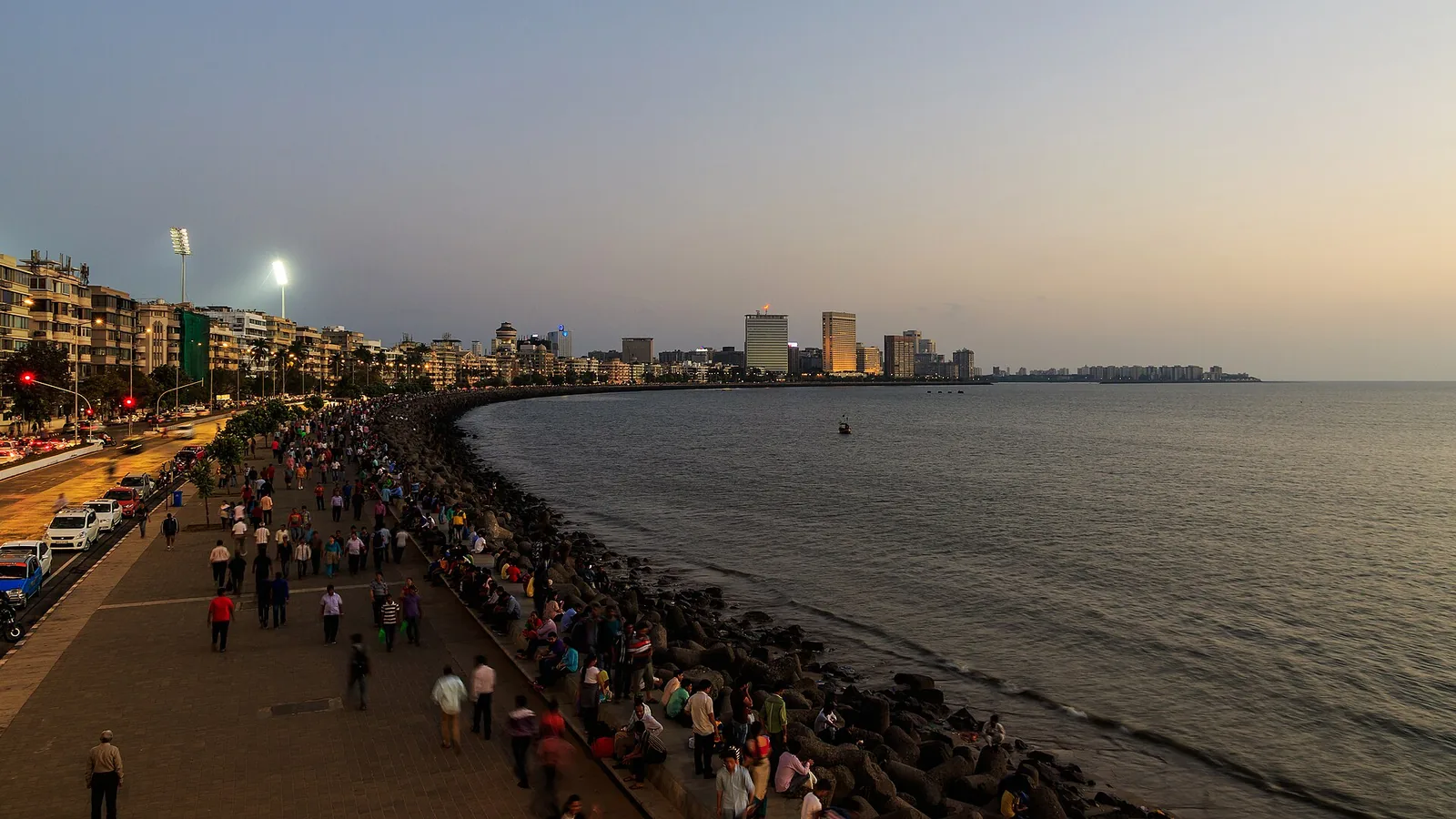 Marine Drive — The Queen's Necklace Seafront Promenade Along the Arabian Sea in Mumbai
3. Chhatrapati Shivaji Maharaj Terminus (CSMT - UNESCO Heritage Victorian Gothic)
Designed by British architect F.W. Stevens and completed in 1887 to celebrate Queen Victoria's Golden Jubilee, CSMT (formerly *Victoria Terminus*) is a UNESCO World Heritage site and a masterwork of Victorian High Gothic Revival architecture fused with traditional Indian palace motifs. The central dome is topped by a 4-meter statue of *Progress*, flanked by stone gargoyles, stained glass rose windows, and vaulted wood ceilings.
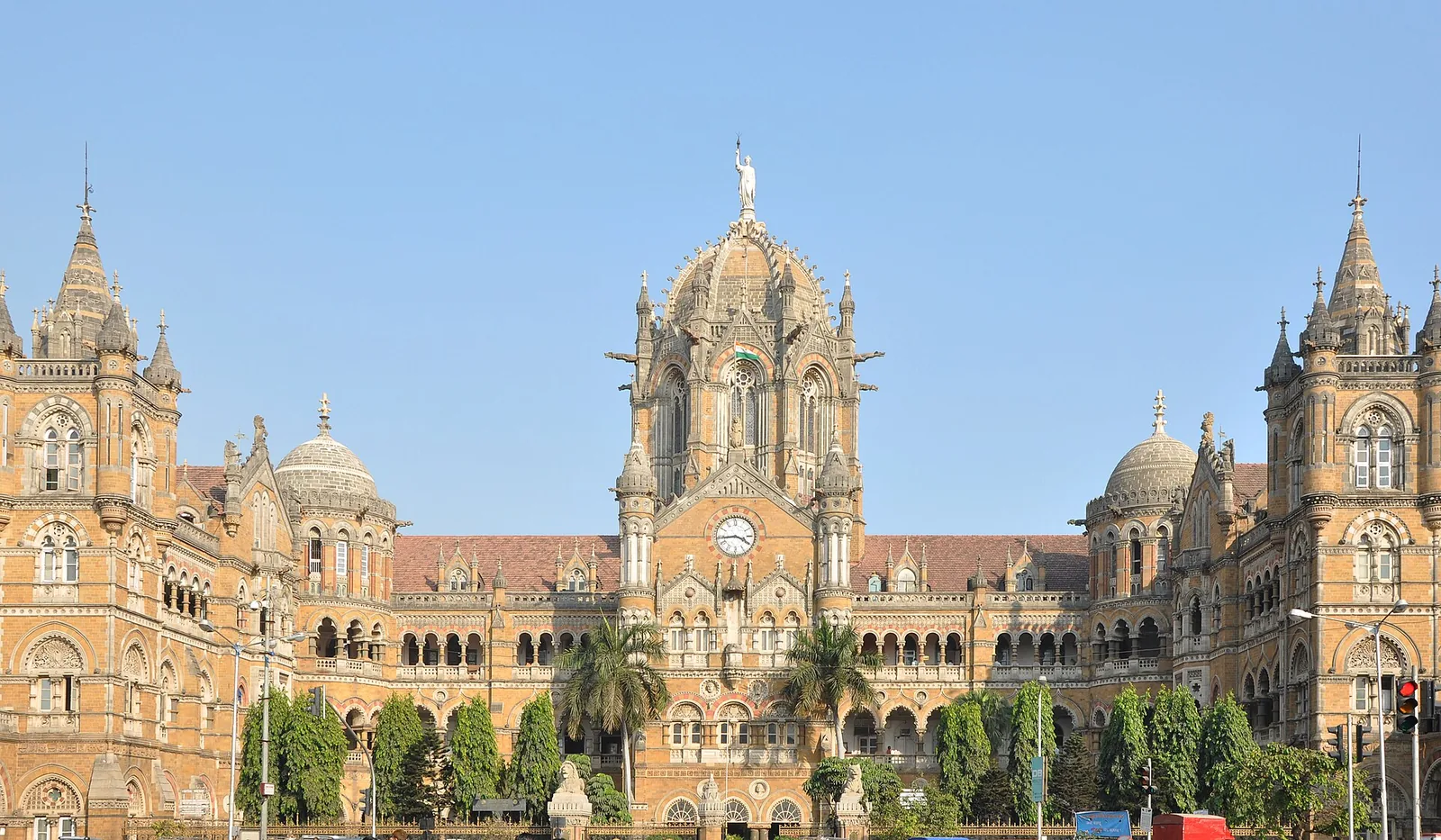 Chhatrapati Shivaji Maharaj Terminus — UNESCO World Heritage Victorian Gothic Railway Terminal
4. Elephanta Caves & 6th-Century Rock-Cut Trimurti Sculptures (UNESCO Island)
Located on Gharapuri Island in Mumbai Harbour (a 1-hour scenic ferry ride from Gateway of India), this UNESCO World Heritage complex consists of seven rock cut basalt caves dating from the 5th to 7th centuries CE. Cave 1 houses the colossal 6-meter-high *Sadashiva / Trimurti* relief sculpture representing Lord Shiva as Creator, Preserver, and Destroyer, alongside panels depicting Gangadhara and Ardhanarishvara.
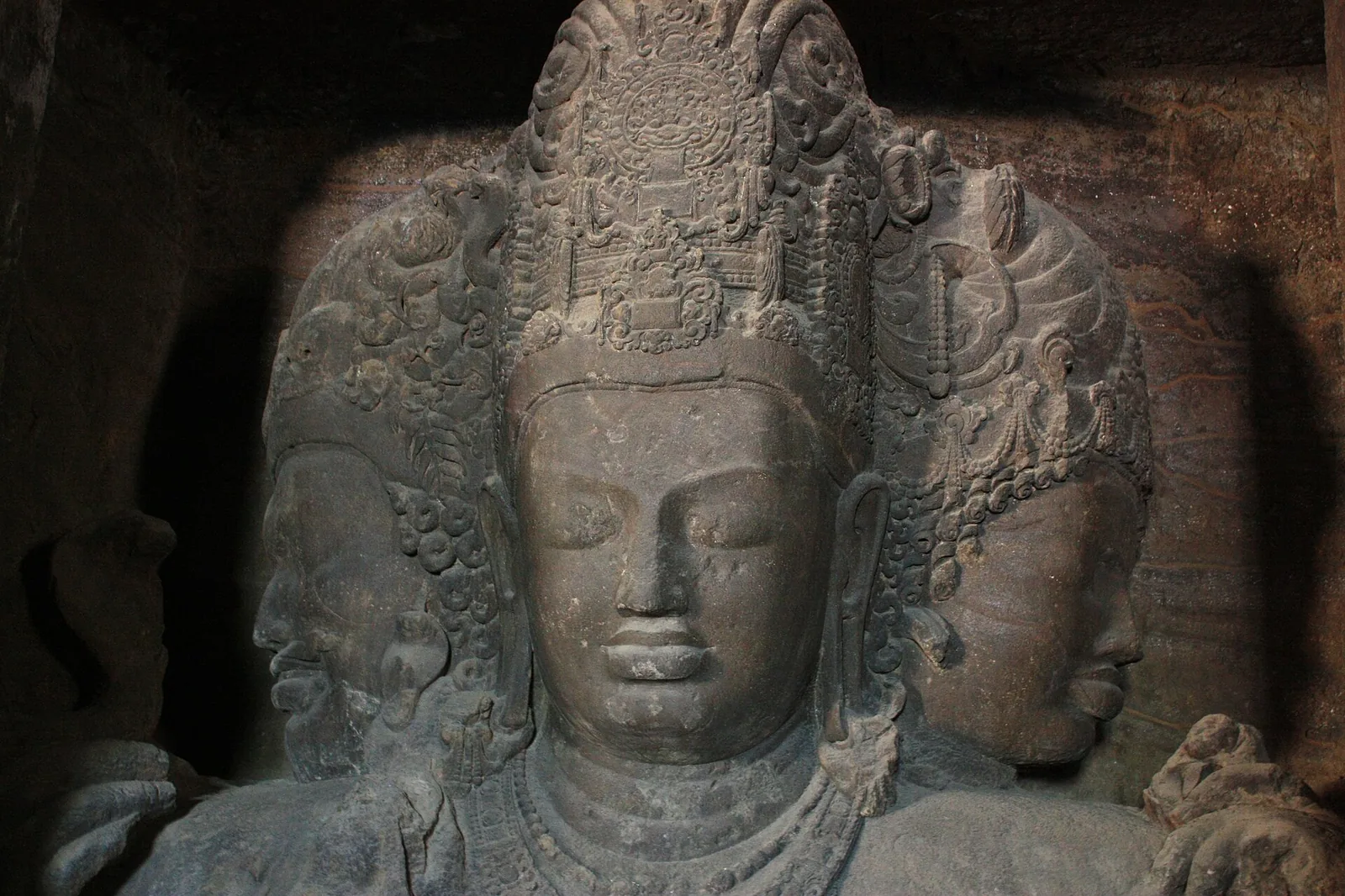 Elephanta Caves — UNESCO World Heritage 6th-Century Rock-Cut Cave Temple Complex
5. Bandra-Worli Sea Link (Rajiv Gandhi Sea Link - 8-Lane Cable-Stayed Bridge)
Spanning 5.6 km across the open waters of Mahim Bay, the Bandra-Worli Sea Link is an engineering marvel that connects the western suburbs of Bandra with Worli in South Mumbai. Supported by two 128-meter-tall diamond shaped concrete pylons with high strength steel stay cables, the bridge reduces travel time across the bay from 60 minutes to just 8 minutes.
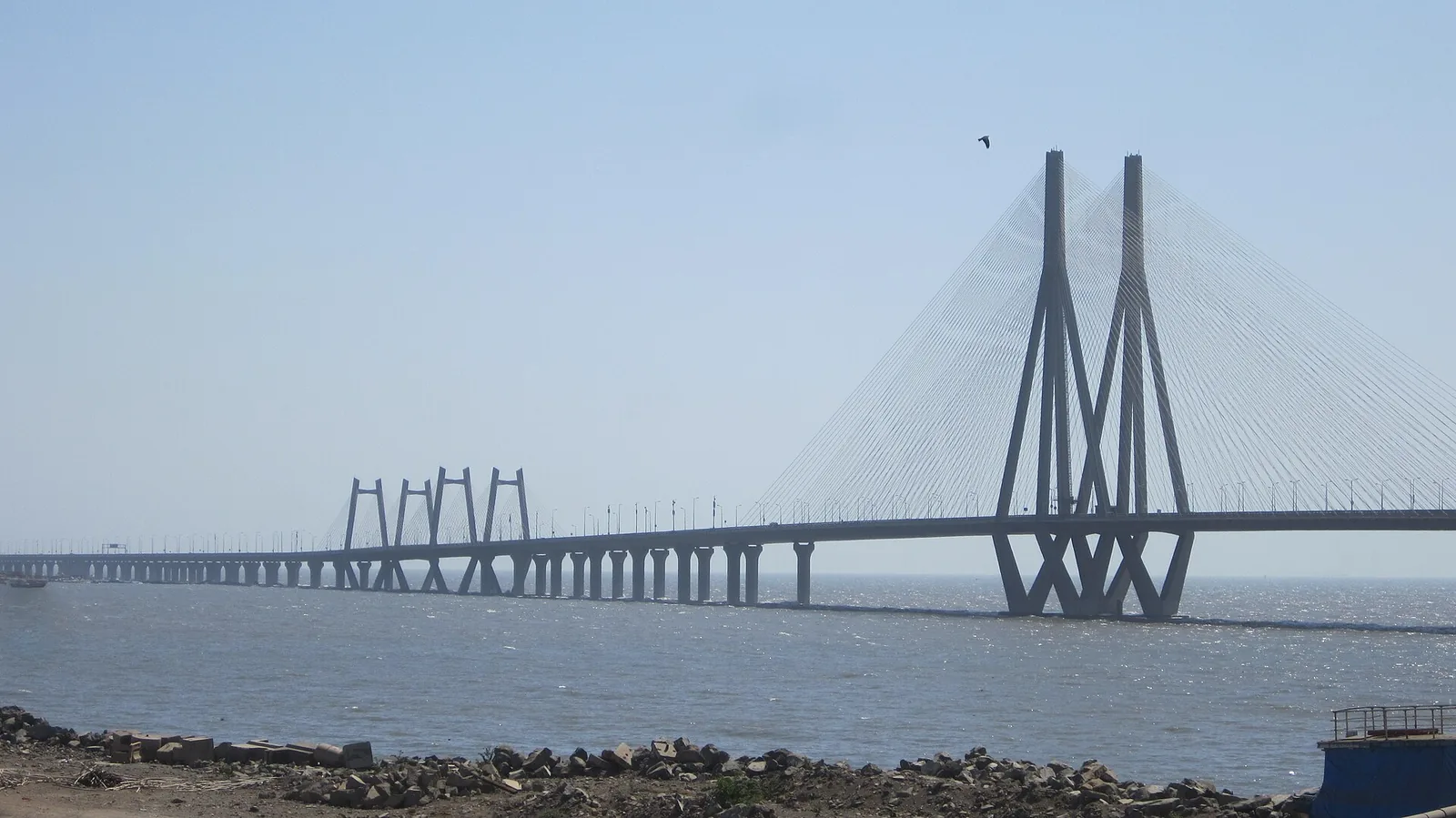 Bandra-Worli Sea Link — 5.6-Km Cable-Stayed Engineering Marvel Across Mahim Bay
6. Shree Siddhivinayak Ganapati Mandir & Gold-Plated Sanctum (Prabhadevi)
Founded in 1801, this two century old Hindu shrine in Prabhadevi is one of India's richest and most visited temples. Dedicated to Lord Ganesha, the idol features a right facing trunk (*Navasacha Ganapati* — the wish fulfilling deity). The six story sanctum is crowned by a gold plated dome (*kalash*) and visited weekly by thousands of devotees, business leaders, and film stars.
7. Haji Ali Dargah & Islet Mosque Causeway (Worli Coastline)
Built in 1431 in memory of the wealthy merchant turned Sufi saint Sayyed Peer Haji Ali Shah Bukhari, this white marble mosque and tomb rests on a tiny islet 500 meters into the Arabian Sea off Worli coast. The shrine is accessible only during low tide via a narrow 1 km paved pedestrian causeway surrounded by ocean waves.
8. Chhatrapati Shivaji Maharaj Vastu Sangrahalaya (CSMVS Museum - Fort)
Formerly the Prince of Wales Museum, this grand Indo-Saracenic museum built in 1922 in the Fort heritage precinct houses over 50,000 rare exhibits across Art, Archaeology, and Natural History, including Indus Valley seals, Mughal miniature paintings, and European oil masterpieces.
9. Colaba Causeway, Leopold Cafe & Juhu Beach Street Food Promenade
The cultural pulse of Mumbai's street life. Colaba Causeway offers antique curios, books, and vintage dining at *Leopold Cafe* (1871) and *Cafe Mondegar*, while Juhu Beach and Girgaon Chowpatty are famous for sunset strolls, spicy pav bhaji, and bhelpuri.
Popular Hotels in Mumbai
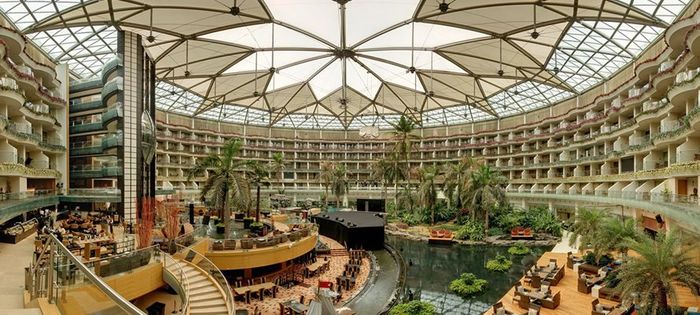 Hotel
Hotel
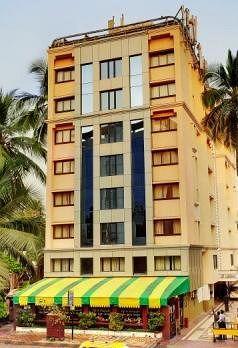 Hotel
Hotel
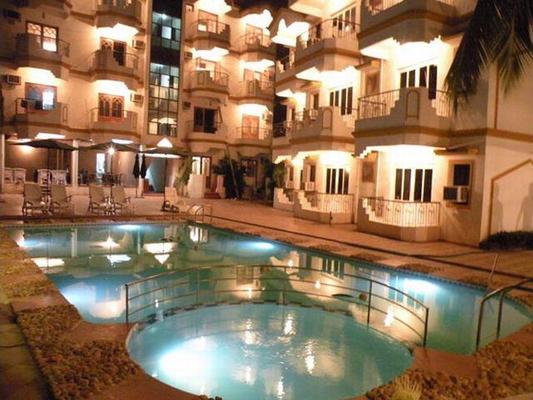 Hotel
Hotel
 Hotel
Hotel
 Hotel
Hotel
 Hotel
Hotel
 Hotel
Hotel
 Hotel
Hotel
 Hotel
Hotel
 Hotel
Hotel
Top Places to Visit in Mumbai
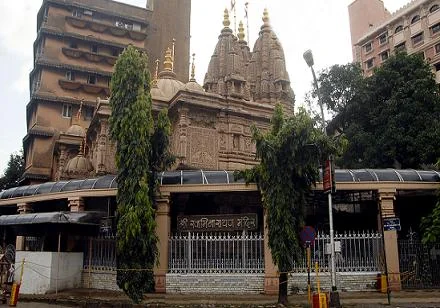
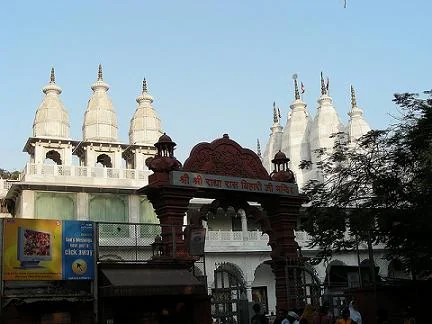
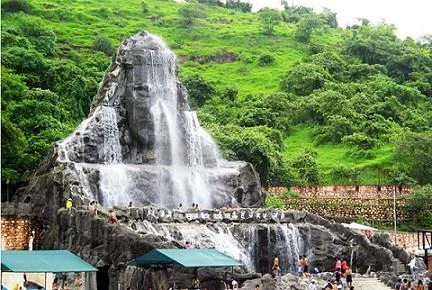
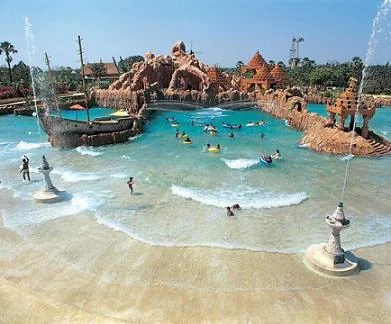
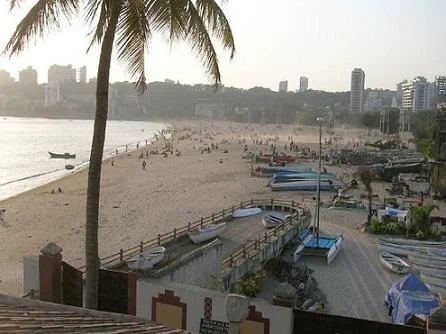
Mumbai Photo Gallery & Attractions
Explore high-resolution photographs of iconic temples, historical monuments, and scenic landmarks in Mumbai.
Plan Your Mumbai Trip Now
Get the best verified hotel deals and customized tour packages. Book directly on EarthTrip and save up to 45%!