- .
- info@earthtrip.in
-
INR
-
USD
INR
USD
Devgiri Fort (the 12th century conical basalt pyramid fortress celebrated worldwide as Daulatabad, renowned as the most impregnable medieval hill stronghol...
Devgiri Fort (the 12th century conical basalt pyramid fortress celebrated worldwide as Daulatabad, renowned as the most impregnable medieval hill stronghold in India) in the ancient town of Daulatabad near Aurangabad in Maharashtra, stands as Maharashtra's supreme military architecture and medieval fortress landmark.
Rising 600 feet abruptly from the Deccan plains 15 km northwest of Aurangabad, this fortress was founded in 1187 by Yadava King Bhillama V and later transformed into the imperial capital of India by Sultan Muhammad bin Tughluq in 1327.
It's the home of the soaring 210 foot Persian Chand Minar minaret, the terrifying pitch black Andhari subterranean maze carved into solid basalt bedrock with deceptive military traps, a 50 foot deep crocodile moat, the blue tiled Chini Mahal palace prison, the hilltop Mendha Cannon, and an intensely dramatic, deeply historic fortress ambiance filled with howling hilltop winds, echoes through cavernous stone bastions, and panoramic 360 degree vistas stretching across the dry Deccan plateau toward Ellora.
It represents a rich Maharashtra Yadava Tughluq-Mughal military engineering heritage apex, medieval siege warfare history, and adventure trekking where multi tiered stone walls, Ellora rock cut temples, Grishneshwar Jyotirlinga shrines, and Khuldabad Sufi hills unite in Devgiri Fort.
Located in Daulatabad along the Ellora highway, it sits 15 km northwest of Aurangabad Central Railway Station, 20 km from Aurangabad Airport (IXU), 14 km from Ellora Caves, and 315 km from Pune via NH 52, easily reached by state transport bus, private taxi, or auto rickshaw.
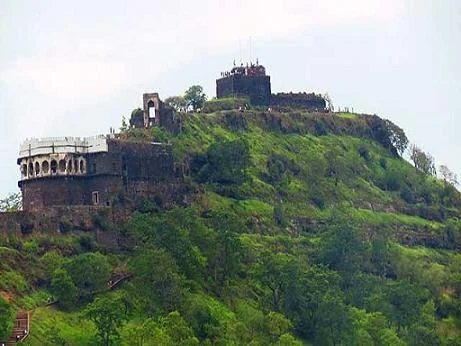
The fort is protected by three concentric stone defense walls (Kala Kot, Mahakot, and Amberkot) and an insurmountable 50 foot deep vertical moat carved directly into sheer basalt stone.
To reach the summit citadel, attackers had to handle the Andhari, a dark zigzag subterranean tunnel engineered with false steps dropping into the abyss, hidden sliding boulders, and smoke vents designed to suffocate enemy soldiers.
Truth is, crossing the narrow drawbridge over the moat and walking through the dark rock tunnels with a torch will make your pulse race with excitement.
Chand Minar & Chini Mahal: Built in 1445, the 210 foot tall Chand Minar minaret towers over the courtyard, while the Chini Mahal was where the last Sultan of Golconda was imprisoned for twelve years.
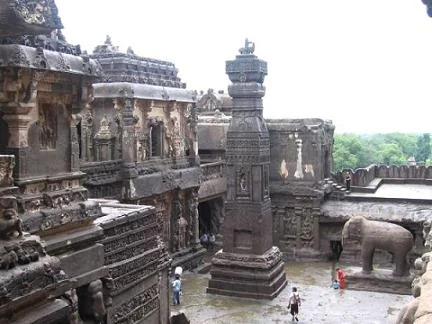
Ellora Caves & Grishneshwar: Located just 14 km north along the highway stand the monolithic Kailash Temple at Ellora and the 12th Jyotirlinga at Grishneshwar.
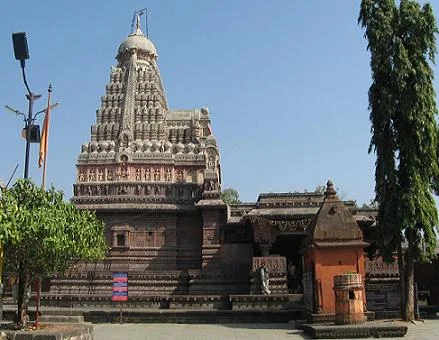
The Impregnable Citadel & Rock Cut Trail: Morning drive from Aurangabad along NH 52 to Daulatabad (7:30 AM to 8:15 AM) -> enter through the elephant spiked gateways of Devgiri Fort (8:30 AM to 11:45 AM: admire Chand Minar, cross the moat drawbridge, handle the pitch black Andhari maze & climb 750 stone steps to the summit Baradari and Mendha Cannon for panoramic Deccan views) -> descend and enjoy fresh coconut water and hot batata wada outside the fort gate (12:00 PM to 12:45 PM) -> drive 14 km to Ellora village for a traditional Maharashtrian lunch (1:00 PM to 2:00 PM) -> visit the 12th Jyotirlinga at Grishneshwar Temple (2:15 PM to 3:15 PM) -> explore the UNESCO World Heritage Ellora Caves (3:30 PM to 6:00 PM) -> return to Aurangabad for dinner.
Visiting Code & Conduct: Climbing to the summit requires ascending approximately 750 rock cut stone steps; carry a small torch or keep your phone light ready for the dark Andhari tunnel; wear sturdy walking shoes and carry at least 1 liter of drinking water per person as afternoon temperatures on the open rock can get warm.
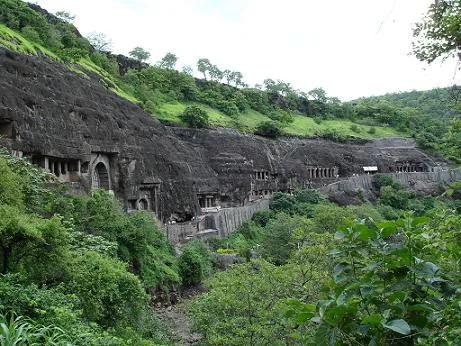
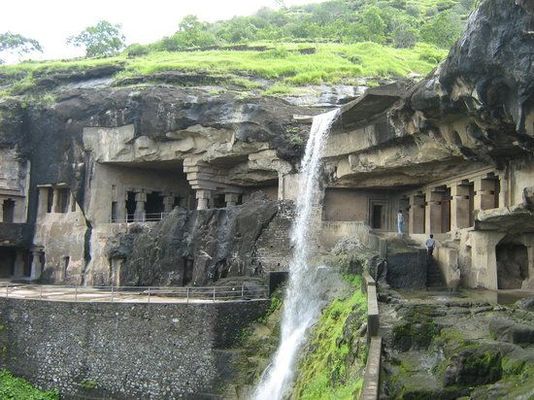
After scaling the summit bastions of Devgiri Fort, explore Ellora Caves, visit Grishneshwar Temple, or tour Ajanta Caves.
Reaching Devgiri Fort (Daulatabad) is very simple across Aurangabad in Maharashtra.
Best Time to Visit:
Explore more famous medieval hill forts, UNESCO heritage citadels, and historic defense fortifications across Maharashtra.
 Family
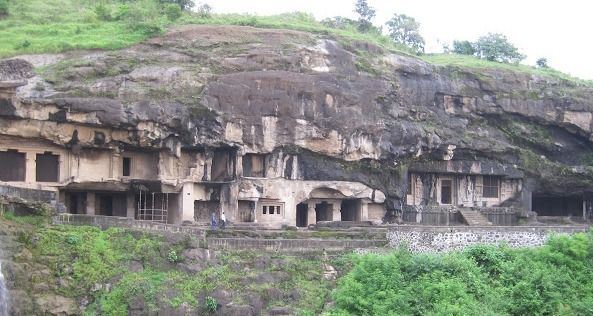 Family
 ★★ Hotel
We welcome our guests who wish to see Aurangabad and want a hotel with complete lodging an…
View Hotel Details ★★★ Hotel
Grand Kailash is a full service upscale hospitality. Designed for the modern nomad, Grand …
View Hotel Details ★★★ Hotel
A Boutique Hotel with its elegant style & warm service is a perfect hotel for guests seeki…
View Hotel Details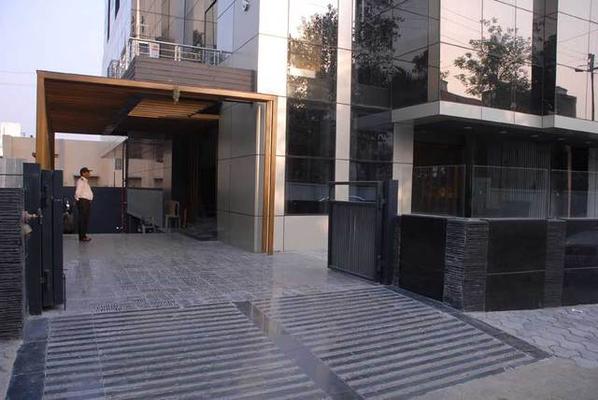 ★★ Hotel
Admiral suites is located in the heart of Aurangabad city at Osmanpura. The hotel is loca…
View Hotel Details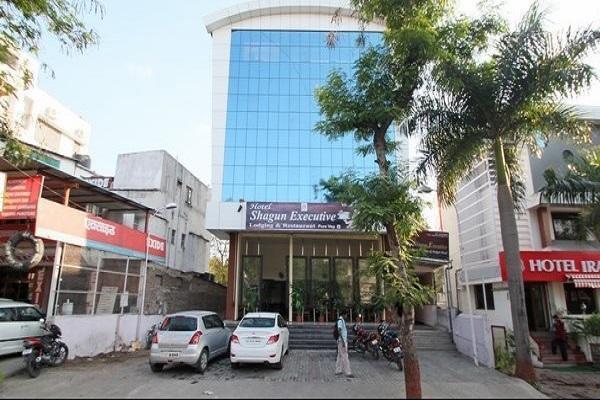 ★★★ Hotel
The Hotel Shagun Executive is one of the most affordable classic Family, Business and Budg…
View Hotel Details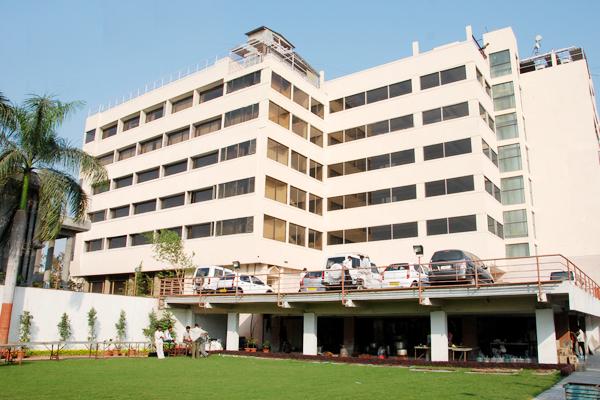 ★★★★ Hotel
Hotel Windsor Castle features a selection of beautifully appointed guestrooms and suites. …
View Hotel Details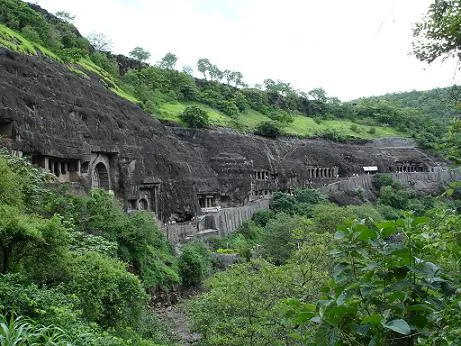 Attraction
Ajanta Caves (the UNESCO World Heritage Buddhist sanctuary spanning 30 rock cut caverns al…
Explore Ajanta Caves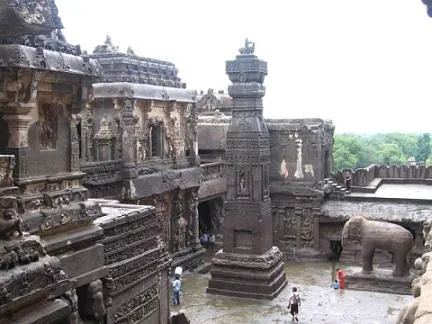 Attraction
Ellora Caves (the UNESCO World Heritage rock cut sanctuary spanning 34 monumental caverns …
Explore Ellora Caves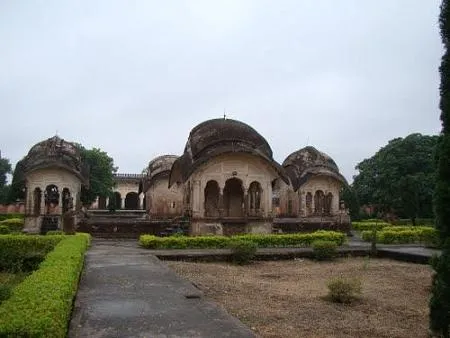 Attraction
Bani Begum Bagh (the 17th century Mughal Charbagh pleasure garden and elegant domed mausol…
Explore Bani Begum Bagh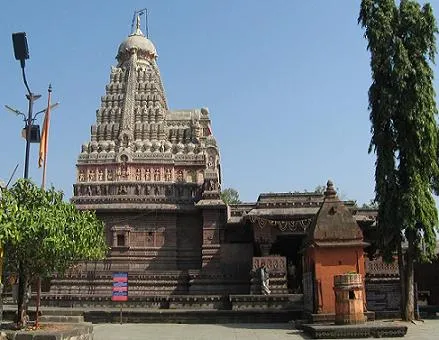 Attraction
Grishneshwar Temple (the 18th century red basalt stone temple celebrated across India as t…
Explore Grishneshwar Temple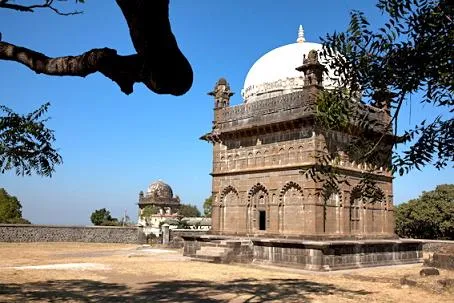 Attraction
Khuldabad (the historic 14th century hill town revered as the Valley of Saints and Rauza, …
Explore Khuldabad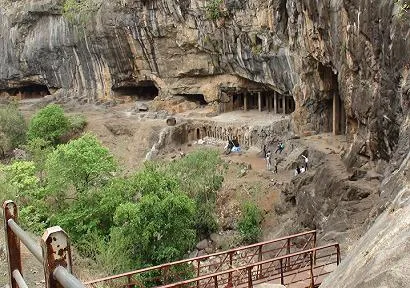 Attraction
Pitalkhora Caves (the 2nd century BCE rock cut Buddhist sanctuary comprising 14 basalt cav…
Explore Pitalkhora CavesExplore high-resolution photographs of iconic landmarks, temples, and scenic spots in Aurangabad.
Essential visitor information regarding timings, entry tickets, location, nearby attractions, and travel guide in Aurangabad.
Built in 1187 by Yadava King Bhillama V, it was renamed Daulatabad by Sultan Muhammad bin Tughluq in 1327 when he briefly made it India's capital.
It featured 3 concentric stone walls, a 50-foot deep crocodile moat, sheer vertical basalt cliffs, and a pitch-black underground maze (Andhari) with traps.
Chand Minar is a 210-foot tall 4-storeyed Persian minaret built in 1445 by Ala-ud-din Bahmani to commemorate his conquest of the fortress.
Visitors climb approximately 750 stone steps through courtyards, dark tunnels, and steep rock stairs to reach the summit Baradari and Mendha Cannon.
Open daily from 8:00 AM to 6:00 PM; entry fee is Rs 25 for Indian citizens and Rs 300 for foreign tourists.
Get a customized itinerary and the best deals on packages and hotels.
Enquire Now