- .
- info@earthtrip.in
-
INR
-
USD
INR
USD
Sprawling across 141 square kilometers in the Zabarwan range just 22 km east of central Srinagar, Dachigam Wildlife Sanctuary (Dachigam National Park) is...
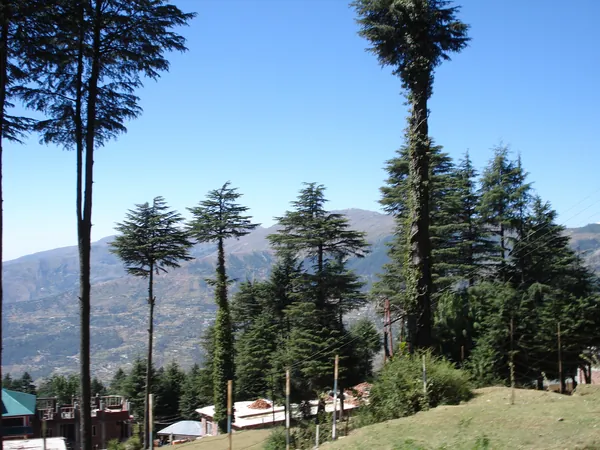
Sprawling across 141 square kilometers in the Zabarwan range just 22 km east of central Srinagar, Dachigam Wildlife Sanctuary (Dachigam National Park) is the premier wildlife conservation haven in Jammu And Kashmir. Renowned globally as the last remaining natural stronghold of the critically endangered Kashmir Stag (Hangul, Cervus hanglu hanglu), this protected temperate ecosystem safeguards vital catchments that supply drinking water to Srinagar and feed into Dal Lake.
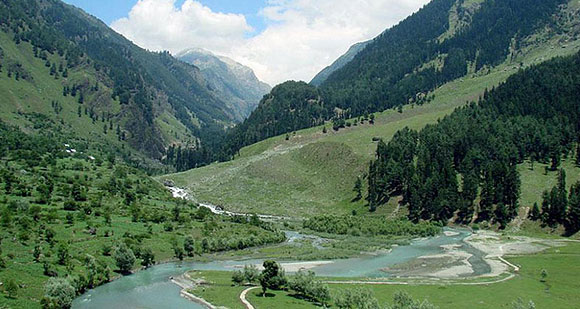
Truth is, the name Dachigam translates to Ten Villages in Kashmiri, commemorating the ten ancestral hamlets that were peacefully relocated in 1910 by the Maharaja of Jammu and Kashmir to establish an exclusive royal game reserve and protected watershed. Elevated to a National Park in 1981, the sanctuary encompasses rich coniferous forests, alpine pastures, and rocky ridges ranging from 5,500 feet to 14,000 feet.
The park is ecologically divided into two distinct zones: Lower Dachigam (accessible by electric vehicles and guided walking safaris) and Upper Dachigam (a rugged high altitude wilderness accessible only via multi day mountain treks toward Marsar Lake). Exploring Dachigam pairs perfectly with visits to Pari Mahal and Nishat Bagh.
The star attraction of Dachigam is the royal Hangul stag, characterized by its impressive multi pointed antlers and rich brown coat. With a wild population hovering around 250 to 300 individuals, intensive captive breeding programs and anti poaching patrols inside Lower Dachigam have played a key role in protecting this species from extinction.
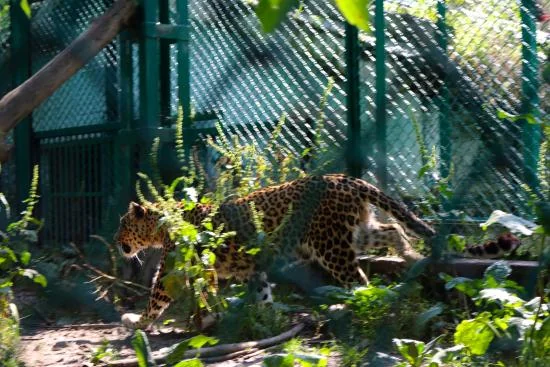
Beyond the Hangul, the national park is home to Himalayan Black Bears, Himalayan Brown Bears, Musk Deer, Leopards, Snow Leopards, Yellow throated Martens, and Leopard Cats. Over 150 bird species thrive in the forest canopy, including the Monal Pheasant, Koklass Pheasant, Himalayan Rubythroat, and Golden Eagle before traveling to Hazratbal Mosque.
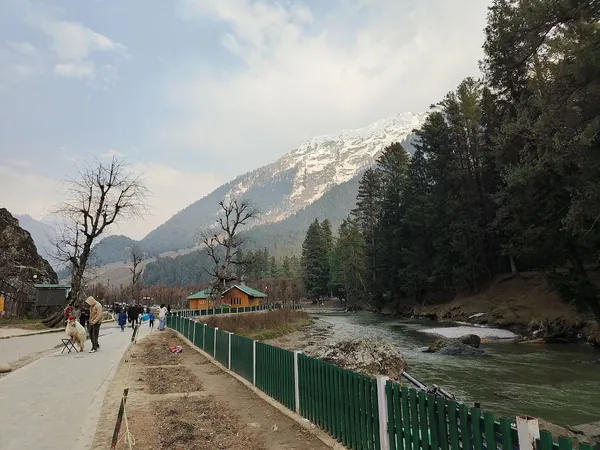
Flowing through the center of Lower Dachigam is the crystal clear Dagwan River, fed by melting glaciers from the high altitude Marsar Lake. The sanctuary houses historic trout breeding ponds established during the British era, producing rainbow and brown trout fingerlings that stock rivers across Kashmir.
The forest is dominated by towering Himalayan cedar (deodar), blue pine (kail), silver fir, wild apricot trees, walnut groves, and vibrant alpine birch. During autumn, the forest undergrowth turns blazing shades of rust red, amber, and gold, offering favorite spot for nature photographers before heading toward Tulip Garden.
Dachigam National Park is open to visitors daily from 8:30 AM to 5:30 PM. To protect wildlife habitats, the Department of Wildlife Protection regulates entry with mandatory daily permits, available online or through the wildlife booking counter at the park entrance gate at Harwan.
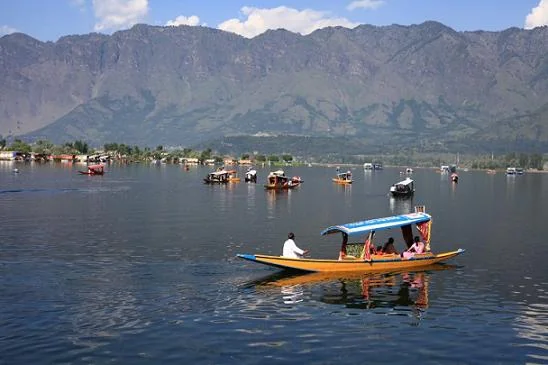
Visitors can explore Lower Dachigam on guided walking nature trails accompanied by certified wildlife naturalists or hire eco friendly battery operated safari carts. Maintain silence, dress in earthy camouflage tones, and avoid littering. Pair your morning wildlife safari with an afternoon Shikara ride on Dal Lake.
Reaching Dachigam Wildlife Sanctuary in Srinagar is straightforward via road transport in Jammu And Kashmir:
Planning your wildlife safari to Dachigam Sanctuary in Srinagar depends on wildlife movement across Jammu And Kashmir:
 Family
 Family
 Family
 Family
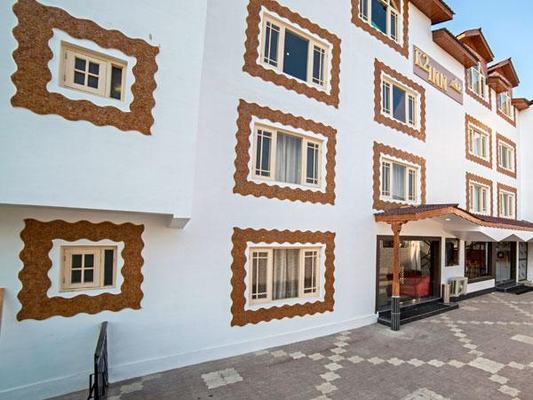 ★★★★ Hotel
Hotel K2 Inn is ideal for both the business visitor and for families visiting Kashmir. We …
View Hotel Details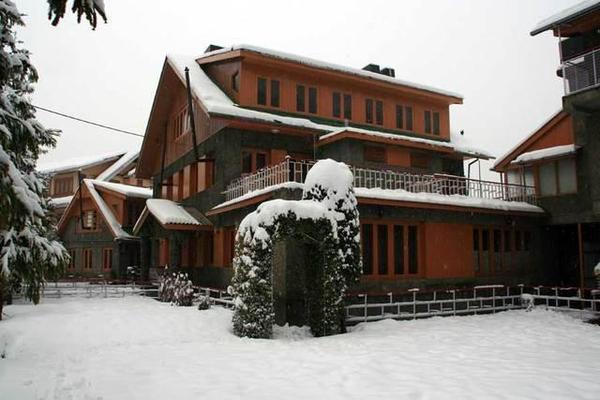 ★★ Hotel
Hotel Madhuban is a place where one does not miss Home because it has got family atmospher…
View Hotel Details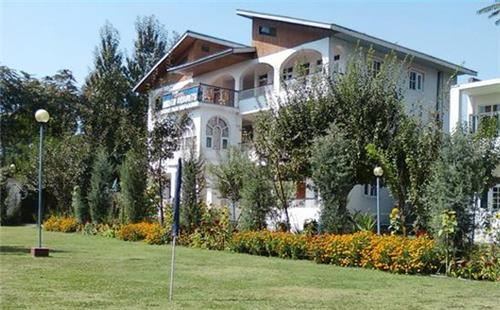 ★★ Hotel
Hotel Nigeen Resorts is ideally located in the heart of Kashmir. We are about 200 metres f…
View Hotel Details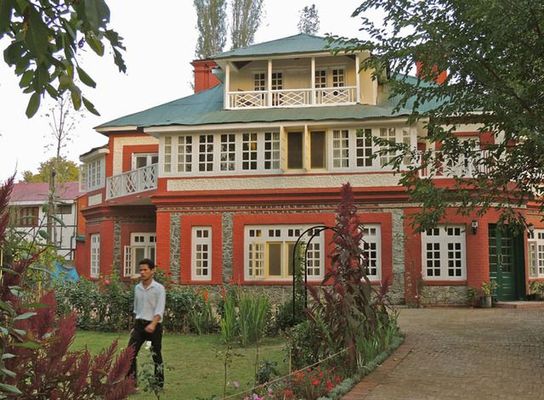 ★★★ Hotel
Colonel’s Retreat is now Kashmir’s best-kept secret. A great favourite with business t…
View Hotel Details ★★ Hotel
Royal Pearl Hotel situated close to the famous and picturesque Dal Lake which is just a st…
View Hotel Details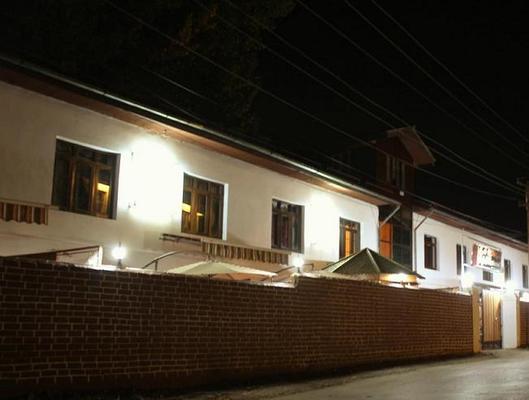 ★★ Hotel
Walisons Resorts will guarantee you a unique and a tranquil experience. Our hotel is situa…
View Hotel Details Attraction
Dal Lake is the crowning geographic center of Srinagar, spanning an expansive water surfac…
Explore Dal Lake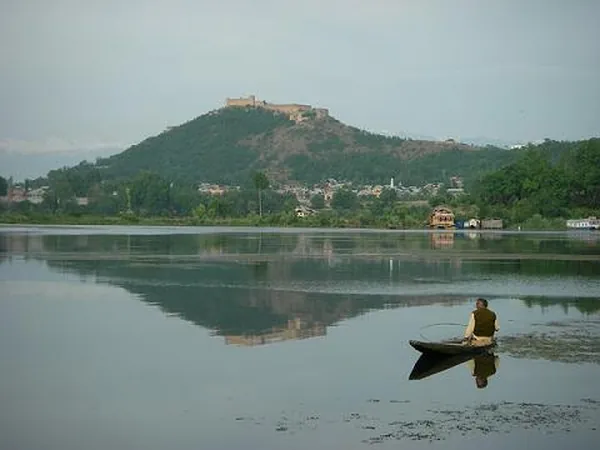 Attraction
Nagin Lake lies tucked along the eastern base of Hari Parbat hill in Srinagar, connected t…
Explore Nagin Lake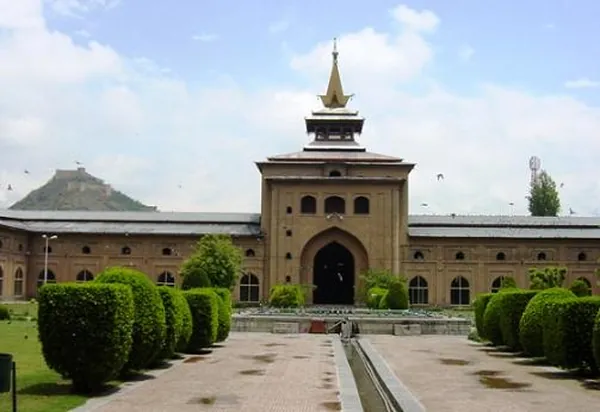 Attraction
Jama Masjid stands right in the middle of Nowhatta, the historic heart of downtown Srinaga…
Explore Jama Masjid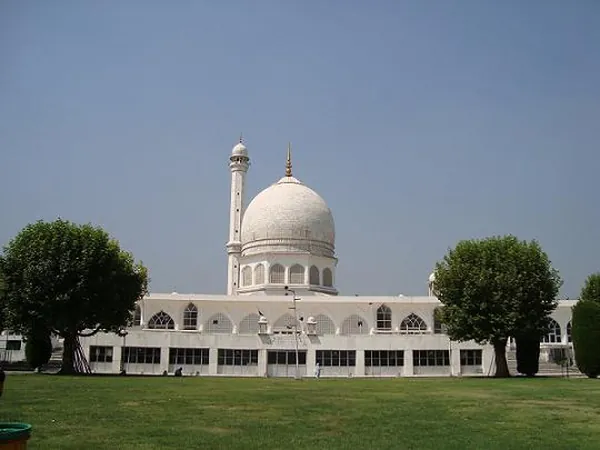 Attraction
Rising in gleaming white Makrana marble on the northern shore of Dal Lake in Srinagar, t…
Explore Hazratbal Mosque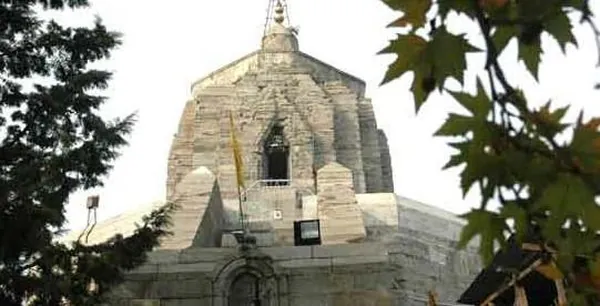 Attraction
Perched high atop the solitary volcanic summit of Gopadari Hill (Takht e Suleiman) at an…
Explore Shankaracharya Temple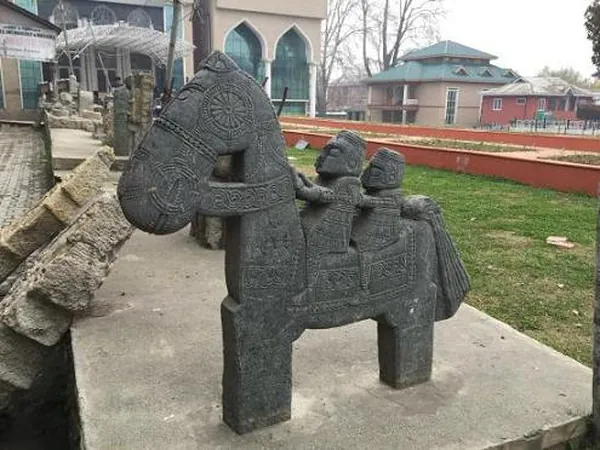 Attraction
Situated gracefully along the leafy banks of the Jhelum River in the historic Lal Mandi …
Explore Sri Pratap Singh Museum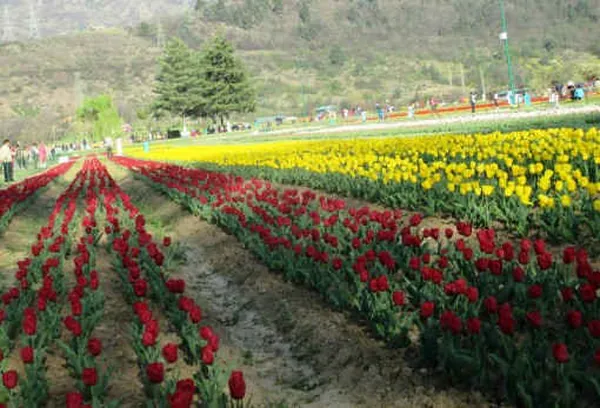 Attraction
Sprawling across thirty hectares along the gentle foothills of the Zabarwan range overlo…
Explore Indira Gandhi Tulip Garden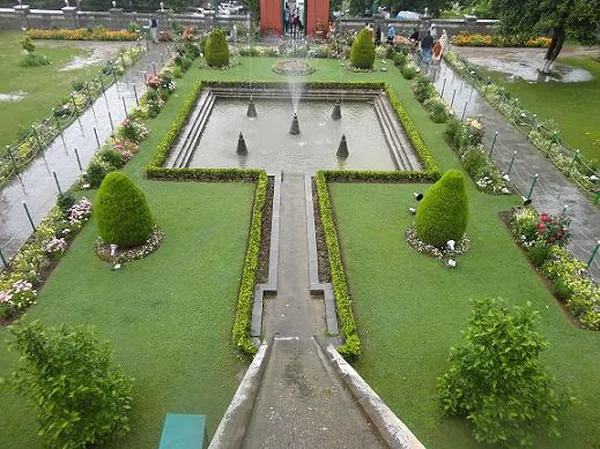 Attraction
Stretching gracefully up the lower slopes of the Zabarwan range directly from the easter…
Explore Nishat Bagh Attraction
Perched high along the spur of the Zabarwan mountain range overlooking the glistening wa…
Explore Pari MahalExplore high-resolution photographs of iconic landmarks, temples, and scenic spots in Srinagar.
Essential visitor information regarding timings, entry tickets, location, nearby attractions, and travel guide in Srinagar.
Dachigam National Park is world famous as the last viable natural habitat of the critically endangered Kashmir Stag (Hangul), as well as Himalayan black bears, musk deer, and snow leopards.
It is located near Harwan in the Zabarwan mountain range, approximately 22 km northeast of Srinagar city center in Jammu and Kashmir.
The park is open daily from 8:30 AM to 5:30 PM. Visitors must obtain an entry permit from the J&K Department of Wildlife Protection at the Harwan gate or online.
Lower Dachigam can be explored via guided walking nature trails with licensed wildlife guides or by hiring eco friendly battery operated safari golf carts.
The best time to spot Hangul is during the autumn rutting season from September to November or during winter months when snow forces them down to lower pastures.
Get a customized itinerary and the best deals on packages and hotels.
Enquire Now