- .
- info@earthtrip.in
-
INR
-
USD
INR
USD
Nippon Bhavana (celebrated internationally as the premier Indo Japanese Cultural Centre and research institute of Visva Bharati Central University, continu...
Nippon Bhavana (celebrated internationally as the premier Indo Japanese Cultural Centre and research institute of Visva Bharati Central University, continuing Rabindranath Tagore's visionary artistic and spiritual bond with Japan initiated during his historic visits from 1916 onwards), situated on the university campus in Shantiniketan in West Bengal, is one of modern India's most significant, architecturally tranquil, and intellectually enriching cultural institutions.
Inaugurated in 1994 with generous support from the Japan Foundation and Indo Japanese cultural trusts, this institution works as a dynamic bridge between Indian and Japanese civilizations, housing academic departments for Japanese language studies (Nippon Vibhaga), translation bureaus, art exchange galleries, and research archives preserving Tagore's interactions with master artists Tenshin Okakura and Taikan Yokoyama.
It's the home of an authentic minimalist Japanese Zen rock and pebble garden designed according to traditional Karesansui landscape principles, an extensive specialized library housing over 15,000 Japanese books, rare manuscripts, and audio visual archives, a Japanese Tea Ceremony room (Chashitsu) where traditional Chanoyu rituals and Ikebana flower arrangements are demonstrated, an open air amphitheater hosting classical Noh, Kabuki, and Rabindrasangeet cultural festivals, visiting Japanese scholar guest suites, art exhibition galleries showcasing traditional Ukiyo e woodblock prints and Washio paper craft, and a profoundly contemplative sanctuary atmosphere where shaded bamboo clusters and stone lantern pagodas frame tranquil courtyards.
It represents a rich Indo Asian cultural diplomacy, Buddhist Shinto philosophy, and Visva Bharati academic heritage sanctuary where Tagore's pan Asian vision, Japanese linguistics, Zen aesthetics, and international cultural exchange unite in Shantiniketan.
Located on the Visva Bharati University campus near Cheena Bhavana and Bhasha Bhavana, it sits just 3 km from Bolpur Shantiniketan Railway Station (BHP), 160 km from Netaji Subhash Chandra Bose International Airport (CCU) in Kolkata, and 65 km from Durgapur, easily accessible on foot, by toto battery rickshaws, and cycle rentals.
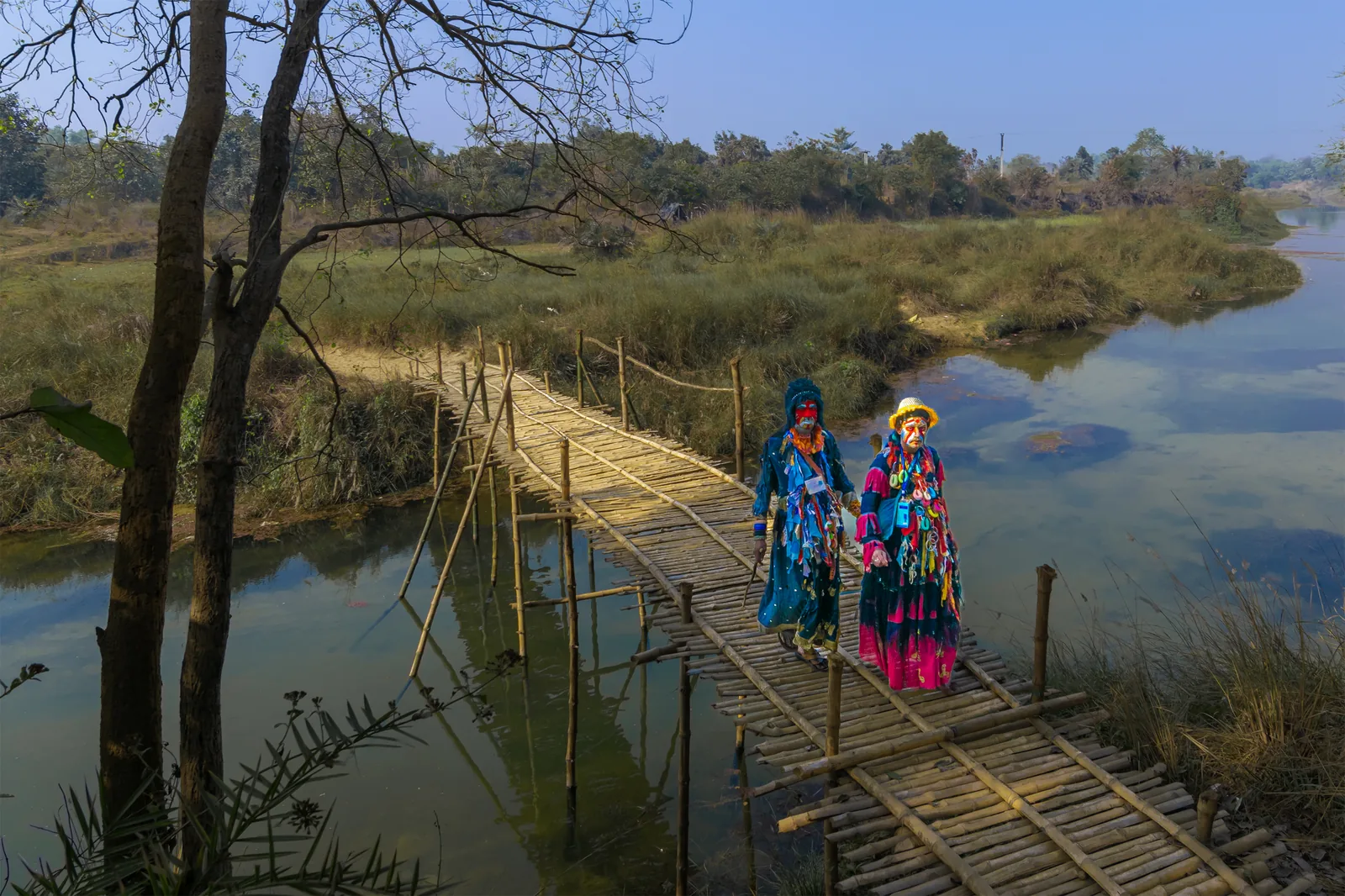
Tagore visited Japan five times between 1916 and 1929, deeply admiring Japanese simplicity, artistic discipline, and reverence for nature.
He invited Japanese scholars and martial arts masters to Shantiniketan to introduce judo, woodcarving, and floral aesthetics to Visva Bharati students.
Truth is, walking through the peaceful Japanese corridors while studying Tagore's personal correspondence with Japanese philosophers is immensely inspiring.
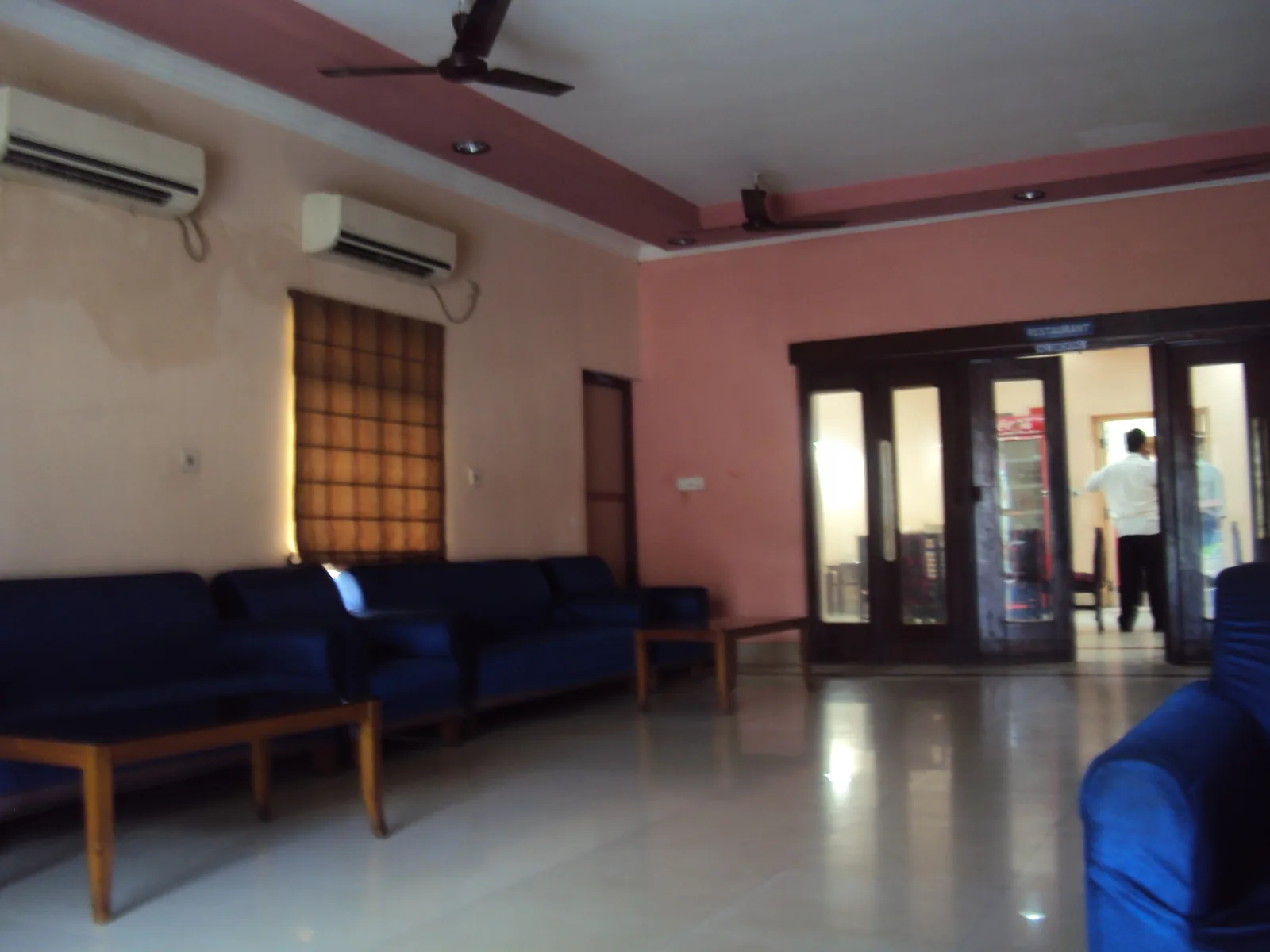
Karesansui Zen Garden: Raked white gravel patterns, moss covered boulders, and bamboo water spouts recreate classical Kyoto Zen temple gardens.
Tea Ceremony: The Chashitsu room features authentic tatami reed mats where the ceremonial art of preparing and serving matcha green tea is practiced.
15,000+ Volume Library: Scholars and students access specialized Japanese literature, historical treaties, and Buddhist philosophical manuscripts.
Art Exhibitions: Regular exhibits display Japanese calligraphy (Shodo), origami paper sculptures, and traditional kimono textiles.
After exploring Nippon Bhavana, tour Cheena Bhavana (Institute of Chinese Studies), visit the Rabindra Bhavana museum at Uttarayan, or browse handicrafts at Amar Kutir in Shantiniketan.
Reaching Nippon Bhavana in Shantiniketan is very simple across Shantiniketan in West Bengal.
Best Time to Visit:
Explore more famous cultural centers, Visva Bharati institutes, and international academic hubs across West Bengal.
 Family
 Family
 Family
 Family
 Family
 Honeymoon
 ★★★ Hotel
Mark Hotels & Resorts Pvt. Ltd. Spread amidst 5 acres of landscaped grounds, are well appo…
View Hotel Details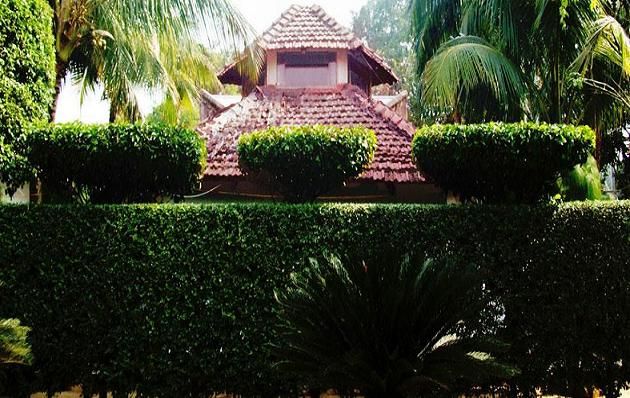 ★★ Hotel
This is the name Rabindranath Tagore endearingly gave to this wife Mrinalini Devi. Unfortu…
View Hotel Details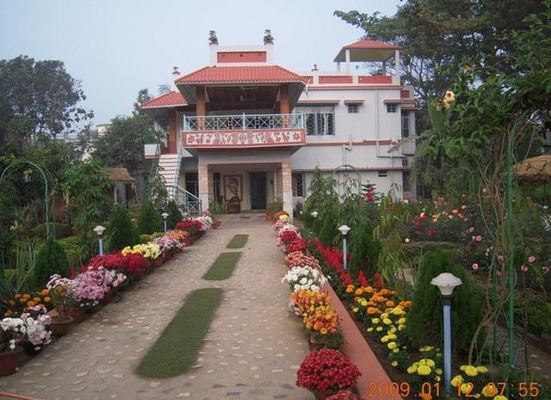 ★★ Hotel
Rater Tara Diner Rabi is a double-storied garden guesthouse situated within 1km from Uttar…
View Hotel Details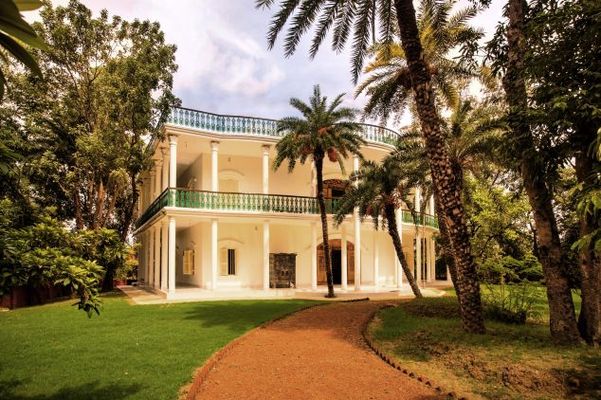 ★★ Hotel
The Garden Bungalow is a classic property located in the city of Shantiniketan. It ensures…
View Hotel Details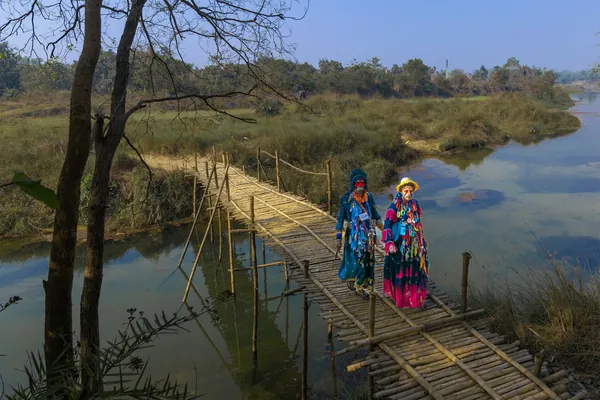 Family
Tagore's Ashram in Shantiniketan (inscribed globally as the core historic precinct of the …
Explore Tagores ashrama Attraction
Amar Kutir Society for Rural Development (celebrated across India as the historic freedom …
Explore Amar Kutir
Attraction
Chhatimtala in Shantiniketan (universally revered as the sacred spiritual birthplace, foun…
Explore Chattimtala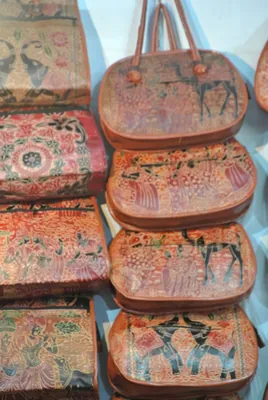 Attraction
Rabindra Bhavana Memorial Museum in Shantiniketan (celebrated worldwide as the premier Tag…
Explore Rabindra Bhavan Museum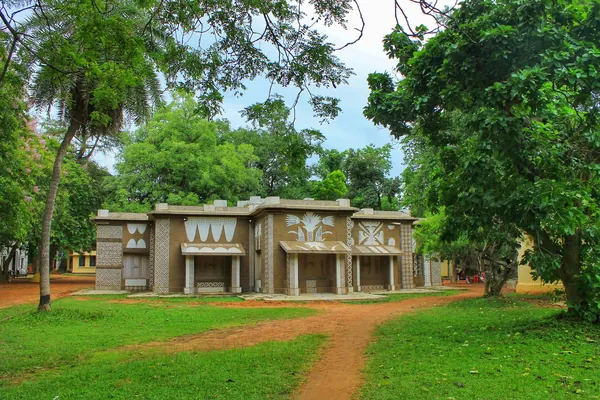 Attraction
Kala Bhavana in Shantiniketan (celebrated worldwide as the legendary Faculty of Fine Arts …
Explore Kala Bhavan Attraction
Ballavpur Wildlife Sanctuary and Deer Park (celebrated across Bengal as the premier ecolog…
Explore Deer Park
Attraction
Cheena Bhavana in Shantiniketan (celebrated internationally as the Department of Chinese L…
Explore China Bhavan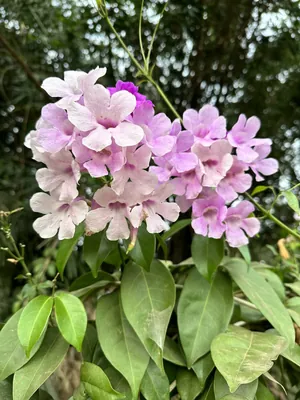 Attraction
Sangit Bhavana in Shantiniketan (celebrated globally as the Institute of Music, Dance, and…
Explore Sangeet bhavan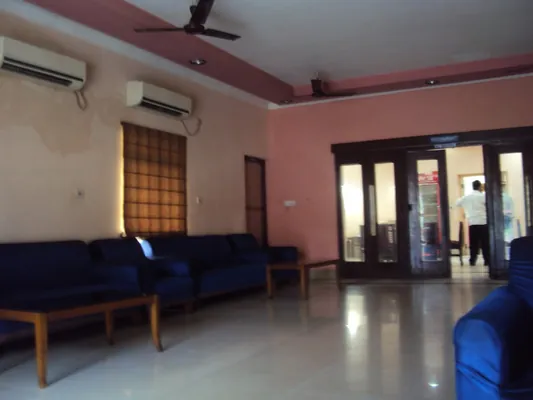 Attraction
Upasana Griha (universally revered across India as the 'Kanch Mandir' or Glass Temple and …
Explore Prayer Hall-Upasna GharExplore high-resolution photographs of iconic landmarks, temples, and scenic spots in Shantiniketan.
Essential visitor information regarding timings, entry tickets, location, nearby attractions, and travel guide in Shantiniketan.
Nippon Bhavana is the Indo-Japanese Cultural Centre and research department of Visva-Bharati University, founded to advance cultural, language, and artistic ties between India and Japan.
Nippon Bhavana is the Indo-Japanese Cultural Centre and research department of Visva-Bharati University, founded to advance cultural, language, and artistic ties between India and Japan.
Tagore visited Japan five times between 1916 and 1929, building deep friendships with Japanese artists and philosophers and introducing Japanese arts to Shantiniketan.
Tagore visited Japan five times between 1916 and 1929, building deep friendships with Japanese artists and philosophers and introducing Japanese arts to Shantiniketan.
Visitors can see an authentic Kyoto-style Zen rock garden, a traditional Chashitsu tea ceremony room, a 15,000-volume Japanese library, and art exhibition galleries.
Visitors can see an authentic Kyoto-style Zen rock garden, a traditional Chashitsu tea ceremony room, a 15,000-volume Japanese library, and art exhibition galleries.
Nippon Bhavana is open Monday to Friday from 9:30 AM to 5:00 PM (Closed on weekends and university holidays). Admission is free.
Nippon Bhavana is open Monday to Friday from 9:30 AM to 5:00 PM (Closed on weekends and university holidays). Admission is free.
It is located centrally on the Visva-Bharati University campus, just 3 km from Bolpur Shantiniketan railway station.
It is located centrally on the Visva-Bharati University campus, just 3 km from Bolpur Shantiniketan railway station.
Get a customized itinerary and the best deals on packages and hotels.
Enquire Now
Family