- .
- info@earthtrip.in
-
INR
-
USD
INR
USD
Upasana Griha (universally revered across India as the 'Kanch Mandir' or Glass Temple and the spiritual heartbeat of Shantiniketan, founded in 1891 by Maha...
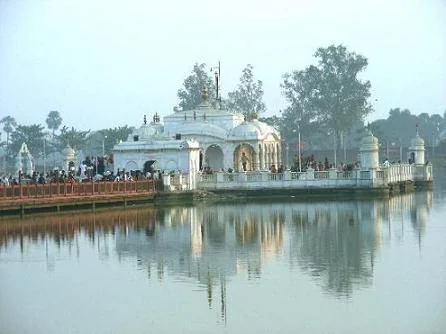
Upasana Griha (universally revered across India as the 'Kanch Mandir' or Glass Temple and the spiritual heartbeat of Shantiniketan, founded in 1891 by Maharshi Debendranath Tagore as a non denominational, idol free prayer sanctuary rooted in the monotheistic principles of the Brahmo Samaj), situated in the historic core of Shantiniketan in West Bengal, is one of the country's most architecturally unique, spiritually luminous, and historically sacred heritage monuments.
Constructed in 1891 out of cast iron frameworks and hand blown Belgian stained glass panels by Debendranath's elder son Dwijendranath Tagore and local craftsmen, this radiant prayer hall features intricate multi colored stained glass windows, polished marble floors, and tiered wooden seating that creates a transcendent prism of golden, ruby, and cobalt light at sunrise and dusk.
It's the home of weekly Wednesday morning Brahmo prayer services (Upasana) where students, faculty, and travelers gather in white attire to sit in meditative silence accompanied by Vedic mantras, Shehnai melodies, and Rabindrasangeet hymns, grand evening candlelight illuminations during festive occasions like the founding day of the Ashram (7th Poush) and Bengali New Year (Poila Baisakh), historic white marble tablets inscribed with Sanskrit Upanishadic verses, a classic belfry clock tower ringing across the campus, shaded banyan and chhatim tree groves framing the marble entrance plaza, and an aura of profound tranquility where spiritual universalism transcends all religious divides.
It represents a rich Brahmo Samaj heritage, 19th century Belgian glass architecture, and Visva Bharati spiritual philosophy sanctuary where non sectarian prayer, Upanishadic chanting, Rabindrasangeet devotion, and golden light harmony unite in the core Ashram.
Located in the central Ashram area near Chhatimtala and the old Shantiniketan Bari, it sits just 2.5 km from Bolpur Shantiniketan Railway Station (BHP), 160 km from Netaji Subhash Chandra Bose International Airport (CCU) in Kolkata, and 65 km from Durgapur, easily accessible on foot, by battery toto rickshaws, and cycle rentals.
Built by Maharshi Debendranath Tagore in 1891, the prayer hall is enclosed entirely with colorful Belgian stained glass panels set in ornate wrought iron frames.
There are no idols, statues, or religious icons inside, embodying the pure formless divine philosophy of the Brahmo faith.
Truth is, watching the morning sunlight filter through the colored stained glass while listening to Tagore's prayer songs is deeply soul stirring.
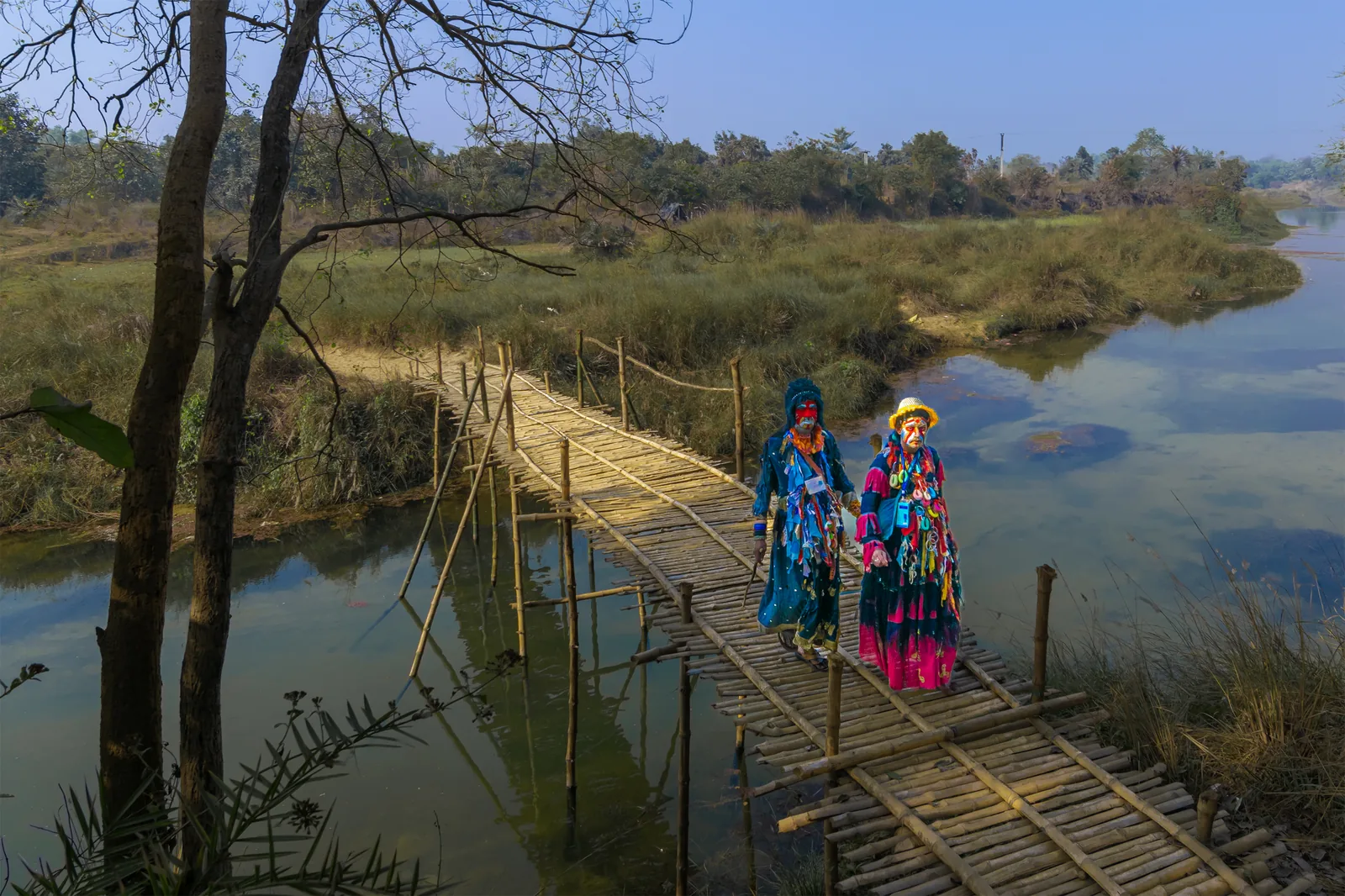
Wednesday Prayers: Every Wednesday morning (the weekly Sabbath of Shantiniketan), students and teachers assemble in white traditional clothes for universal prayer and music.
Evening Candles: During Poush Utsav and special anniversaries, hundreds of clay lamps and wax candles illuminate the glass temple, making it glow like a jewel in the night.
Chhatimtala: Just a few paces away stands the sacred spot beneath seven leaved chhatim trees where Maharshi Debendranath found spiritual peace in 1863.
Old Ashram Bari: The adjoining heritage bungalow built in 1863 was the first permanent building in Shantiniketan.
After experiencing the tranquil radiance of Upasana Griha, walk to the sacred meditation platform of Chhatimtala, visit Uttarayan Complex, or explore the murals of Kala Bhavana in Shantiniketan.
Reaching Upasana Griha (Kanch Mandir) in Shantiniketan is very simple across Shantiniketan in West Bengal.
Best Time to Visit:
Explore more famous heritage prayer halls, Brahmo temples, and spiritual monuments across West Bengal.
 Family
 Family
 Family
 Family
 Family
 Honeymoon
 ★★★ Hotel
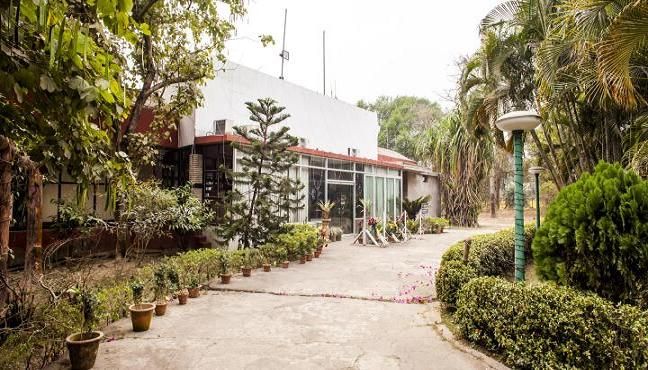
Mark Hotels & Resorts Pvt. Ltd. Spread amidst 5 acres of landscaped grounds, are well appo…
View Hotel Details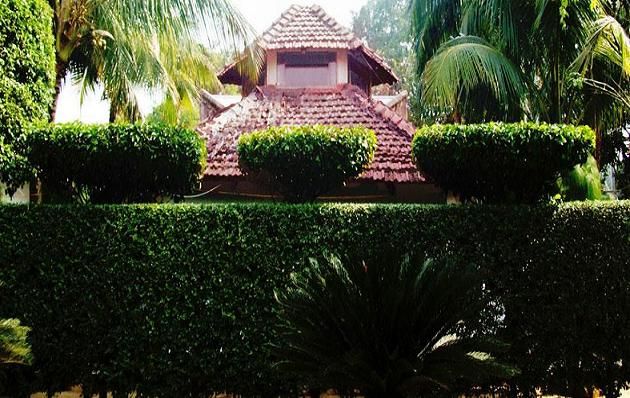 ★★ Hotel
This is the name Rabindranath Tagore endearingly gave to this wife Mrinalini Devi. Unfortu…
View Hotel Details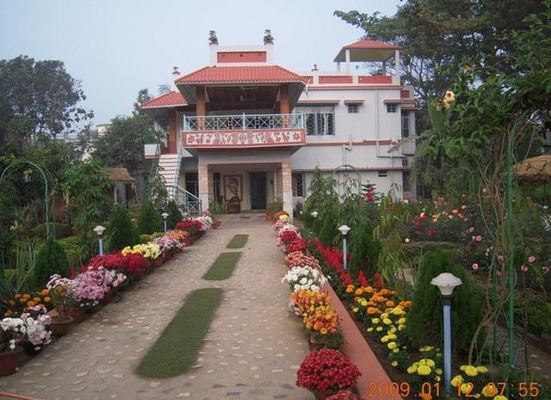 ★★ Hotel
Rater Tara Diner Rabi is a double-storied garden guesthouse situated within 1km from Uttar…
View Hotel Details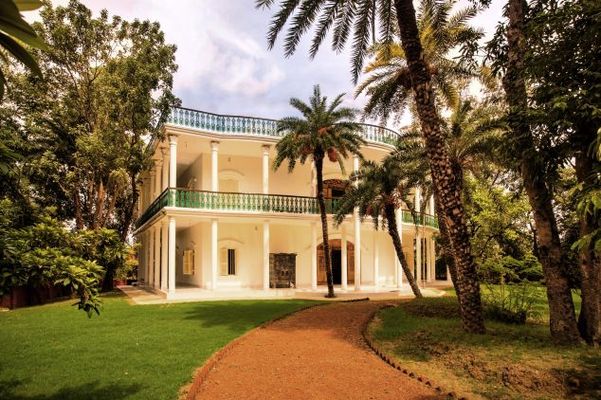 ★★ Hotel
The Garden Bungalow is a classic property located in the city of Shantiniketan. It ensures…
View Hotel Details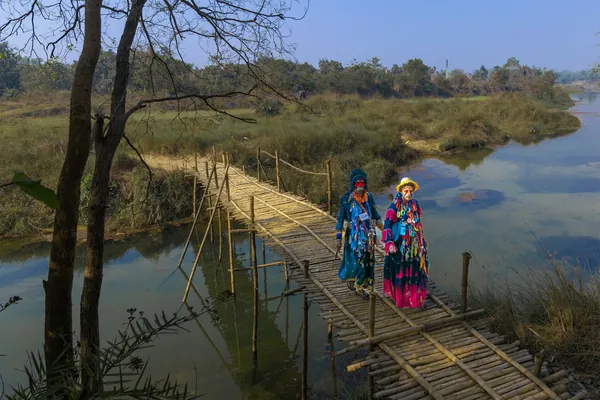 Family
Tagore's Ashram in Shantiniketan (inscribed globally as the core historic precinct of the …
Explore Tagores ashrama Attraction
Amar Kutir Society for Rural Development (celebrated across India as the historic freedom …
Explore Amar Kutir
Attraction
Chhatimtala in Shantiniketan (universally revered as the sacred spiritual birthplace, foun…
Explore Chattimtala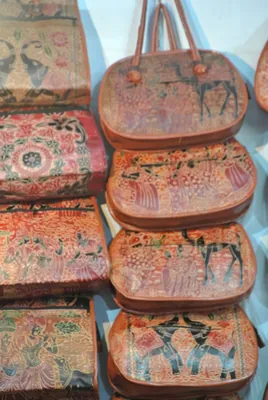 Attraction
Rabindra Bhavana Memorial Museum in Shantiniketan (celebrated worldwide as the premier Tag…
Explore Rabindra Bhavan Museum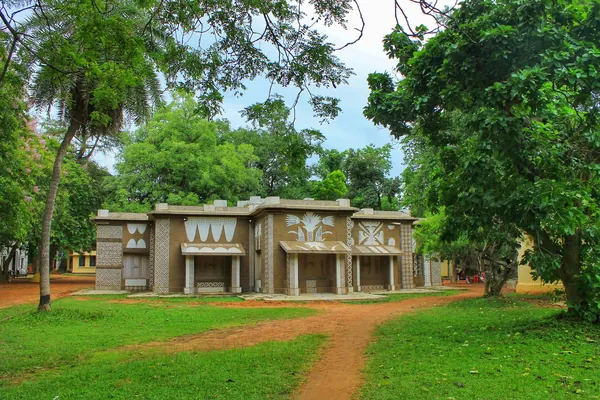 Attraction
Kala Bhavana in Shantiniketan (celebrated worldwide as the legendary Faculty of Fine Arts …
Explore Kala Bhavan Attraction
Ballavpur Wildlife Sanctuary and Deer Park (celebrated across Bengal as the premier ecolog…
Explore Deer Park
Attraction
Cheena Bhavana in Shantiniketan (celebrated internationally as the Department of Chinese L…
Explore China Bhavan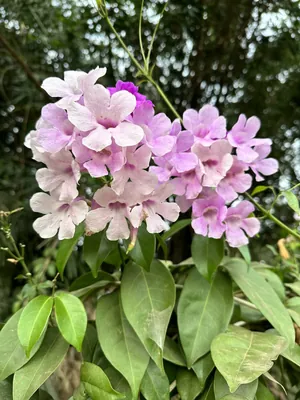 Attraction
Sangit Bhavana in Shantiniketan (celebrated globally as the Institute of Music, Dance, and…
Explore Sangeet bhavan
Attraction
Uttarayan Complex in Shantiniketan (celebrated across India as the UNESCO World Heritage r…
Explore Uttrayan ComplexExplore high-resolution photographs of iconic landmarks, temples, and scenic spots in Shantiniketan.
Essential visitor information regarding timings, entry tickets, location, nearby attractions, and travel guide in Shantiniketan.
Upasana Griha is an iconic 1891 non-denominational prayer hall built of cast iron and Belgian stained glass by Maharshi Debendranath Tagore for idol-free Brahmo prayer.
Upasana Griha is an iconic 1891 non-denominational prayer hall built of cast iron and Belgian stained glass by Maharshi Debendranath Tagore for idol-free Brahmo prayer.
It is called Kanch Mandir (Glass Temple) because its entire exterior walls are made of multi-colored hand-blown Belgian stained glass panels.
It is called Kanch Mandir (Glass Temple) because its entire exterior walls are made of multi-colored hand-blown Belgian stained glass panels.
The weekly non-denominational Brahmo Upasana service is held every Wednesday morning around 7:00 AM, attended by students, faculty, and visitors in white attire.
The weekly non-denominational Brahmo Upasana service is held every Wednesday morning around 7:00 AM, attended by students, faculty, and visitors in white attire.
No, true to the monotheistic principles of Brahmo Samaj, the hall has no idols or religious icons, celebrating the formless universal divine through meditation and songs.
No, true to the monotheistic principles of Brahmo Samaj, the hall has no idols or religious icons, celebrating the formless universal divine through meditation and songs.
It is located in the central Ashram area near Chhatimtala and the old Shantiniketan Bari, just 2.5 km from Bolpur railway station.
It is located in the central Ashram area near Chhatimtala and the old Shantiniketan Bari, just 2.5 km from Bolpur railway station.
Get a customized itinerary and the best deals on packages and hotels.
Enquire Now
Family