- .
- info@earthtrip.in
-
INR
-
USD
INR
USD
Cheena Bhavana in Shantiniketan (celebrated internationally as the Department of Chinese Language and Culture at Visva Bharati Central University, establis...
Cheena Bhavana in Shantiniketan (celebrated internationally as the Department of Chinese Language and Culture at Visva Bharati Central University, established in April 1937 by Rabindranath Tagore and eminent Chinese scholar Professor Tan Yun Shan to revive ancient civilizational, intellectual, and Buddhist bonds between India and China), situated on the university campus in Shantiniketan in West Bengal, is one of Asia's most historically significant, intellectually prestigious, and architecturally distinctive Sinological research institutions.
Inaugurated in 1937 amidst widespread international acclaim with blessings from Mahatma Gandhi and Chinese leaders, this historic institute was founded on Tagore's principle that 'India and China are two sisters, having the same thoughts and spirit,' creating the very first dedicated centre for Chinese language learning, Sino Indian philosophical research, and Sanskrit Chinese Buddhist translation in modern South Asia.
It's the home of an irreplaceable research library housing over 40,000 rare Chinese volumes (including the complete original woodblock printed Chinese Buddhist Canon 'Tripitaka' or Dazangjing, gifted by the Sino Indian Cultural Society in the 1930s), iconic interior wall murals and calligraphic couplets painted in 1939 by master artist Nandalal Bose depicting the journeys of Chinese Buddhist pilgrims Xuanzang and Faxian to ancient Nalanda, active departments teaching Mandarin Chinese language, literature, and Buddhist logic, research chambers where ancient Sanskrit manuscripts lost in India are reconstructed from classical Chinese translations, and an atmosphere of profound scholarship framed by shaded campus mahogany groves and stone pagodas.
It represents a rich Sino Indian civilizational dialogue, Buddhist Sinology heritage, and Visva Bharati academic sanctuary where Tagore's pan Asian ideals, Tan Yun Shan's scholarship, Nandalal Bose's art, and ancient Nalanda brotherhood unite in Shantiniketan.
Located on the central Visva Bharati campus adjacent to Hindi Bhavana and Nippon Bhavana, it sits just 2.5 km from Bolpur Shantiniketan Railway Station (BHP), 160 km from Netaji Subhash Chandra Bose International Airport (CCU) in Kolkata, and 65 km from Durgapur, easily accessible on foot, by toto battery rickshaws, and cycle rentals.
Tagore met Professor Tan Yun Shan in Malaya in 1927, inspiring him to come to Shantiniketan to establish a bridge of cultural brotherhood.
Prof. Tan served as the founding director for over thirty years, building one of the greatest collections of Chinese literature outside China.
Truth is, viewing the original 1930s woodblock printed Chinese Buddhist scriptures preserved in the high wooden book stacks is impressive.
Nandalal Murals: In 1939, master artist Nandalal Bose painted large frescoes inside Cheena Bhavana depicting Buddhist pilgrims crossing mountain snows to reach India.
Calligraphy Panels: Traditional black ink Chinese calligraphy scrolls gifted by Chinese philosophers decorate the main seminar hall.
Chinese Tripitaka: The rare Chinese Buddhist Canon containing thousands of sacred sutras was presented directly to Tagore during the institute's founding.
Sanskrit Restoration: Scholars translate ancient Buddhist texts preserved only in Chinese back into their original Sanskrit and Pali forms.
After touring Cheena Bhavana, explore Nippon Bhavana nearby, admire the sculptures at Kala Bhavana, or visit the historic Tagore residences at Uttarayan Complex in Shantiniketan.
Reaching Cheena Bhavana in Shantiniketan is very simple across Shantiniketan in West Bengal.
Best Time to Visit:
Explore more famous research institutes, Visva Bharati departments, and cultural heritage landmarks across West Bengal.
 Family
 Family
 Family
 Family
 Family
 Honeymoon
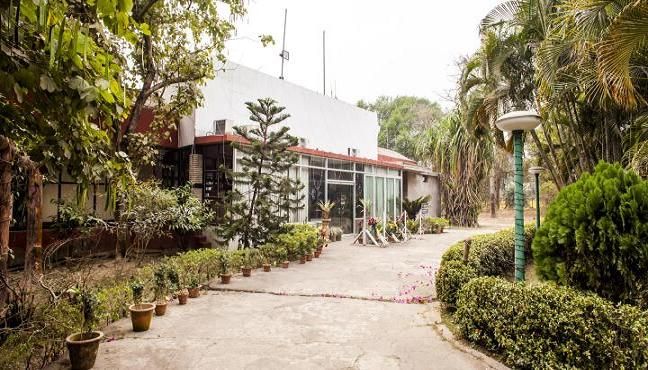 ★★★ Hotel
Mark Hotels & Resorts Pvt. Ltd. Spread amidst 5 acres of landscaped grounds, are well appo…
View Hotel Details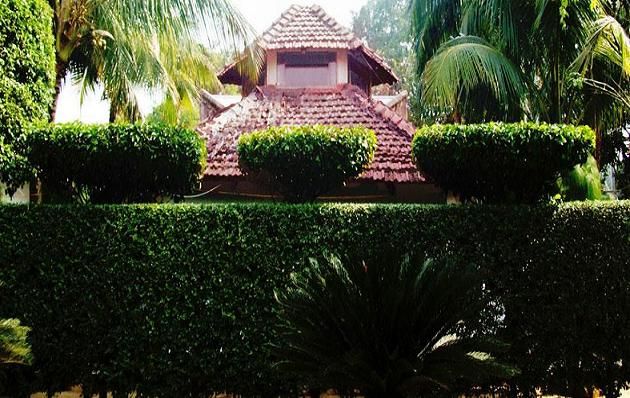 ★★ Hotel
This is the name Rabindranath Tagore endearingly gave to this wife Mrinalini Devi. Unfortu…
View Hotel Details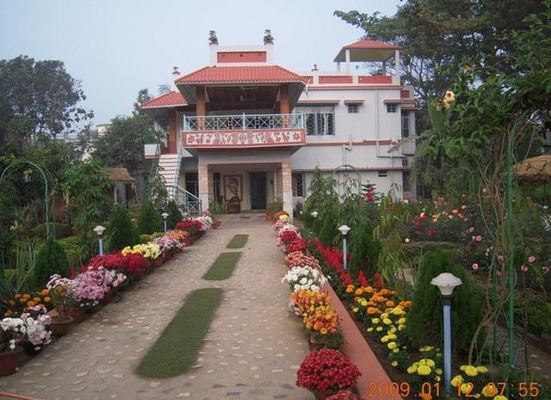 ★★ Hotel
Rater Tara Diner Rabi is a double-storied garden guesthouse situated within 1km from Uttar…
View Hotel Details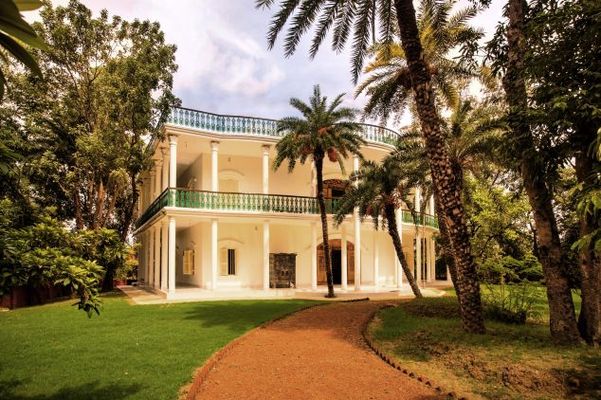 ★★ Hotel
The Garden Bungalow is a classic property located in the city of Shantiniketan. It ensures…
View Hotel Details Family
Tagore's Ashram in Shantiniketan (inscribed globally as the core historic precinct of the …
Explore Tagores ashrama Attraction
Amar Kutir Society for Rural Development (celebrated across India as the historic freedom …
Explore Amar Kutir
Attraction
Chhatimtala in Shantiniketan (universally revered as the sacred spiritual birthplace, foun…
Explore Chattimtala Attraction
Rabindra Bhavana Memorial Museum in Shantiniketan (celebrated worldwide as the premier Tag…
Explore Rabindra Bhavan Museum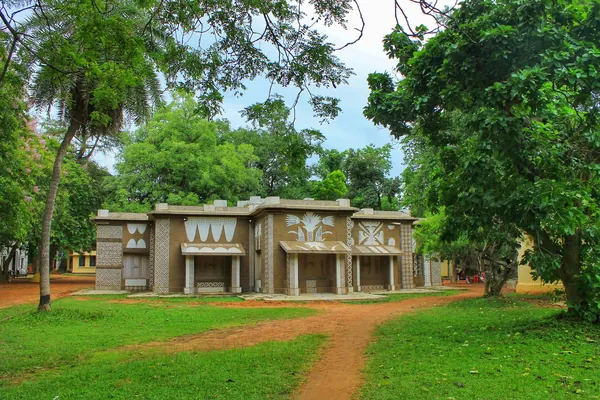 Attraction
Kala Bhavana in Shantiniketan (celebrated worldwide as the legendary Faculty of Fine Arts …
Explore Kala Bhavan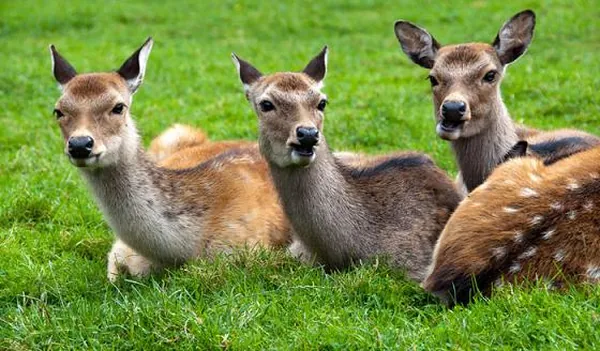 Attraction
Ballavpur Wildlife Sanctuary and Deer Park (celebrated across Bengal as the premier ecolog…
Explore Deer Park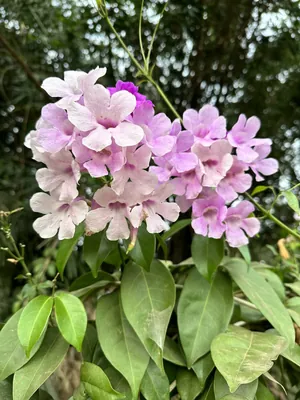 Attraction
Sangit Bhavana in Shantiniketan (celebrated globally as the Institute of Music, Dance, and…
Explore Sangeet bhavan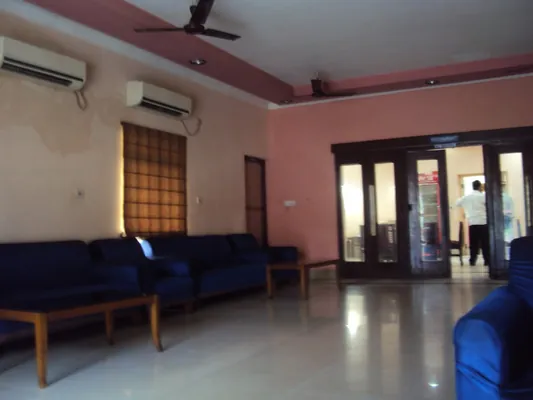 Attraction
Upasana Griha (universally revered across India as the 'Kanch Mandir' or Glass Temple and …
Explore Prayer Hall-Upasna Ghar
Attraction
Uttarayan Complex in Shantiniketan (celebrated across India as the UNESCO World Heritage r…
Explore Uttrayan ComplexExplore high-resolution photographs of iconic landmarks, temples, and scenic spots in Shantiniketan.
Essential visitor information regarding timings, entry tickets, location, nearby attractions, and travel guide in Shantiniketan.
Cheena Bhavana is the Department of Chinese Language and Culture at Visva-Bharati University, founded in 1937 by Rabindranath Tagore and Prof. Tan Yun-Shan to foster Sino-Indian friendship.
Cheena Bhavana is the Department of Chinese Language and Culture at Visva-Bharati University, founded in 1937 by Rabindranath Tagore and Prof. Tan Yun-Shan to foster Sino-Indian friendship.
Prof. Tan Yun-Shan was an eminent Chinese scholar and close friend of Tagore who established Cheena Bhavana and served as its director for over 30 years.
Prof. Tan Yun-Shan was an eminent Chinese scholar and close friend of Tagore who established Cheena Bhavana and served as its director for over 30 years.
The institute houses famous 1939 wall murals painted by Nandalal Bose depicting the journeys of Chinese Buddhist pilgrims Xuanzang and Faxian to ancient India.
The institute houses famous 1939 wall murals painted by Nandalal Bose depicting the journeys of Chinese Buddhist pilgrims Xuanzang and Faxian to ancient India.
The library holds over 40,000 rare Chinese volumes, including the historic woodblock-printed Chinese Buddhist Canon (Tripitaka) gifted in the 1930s.
The library holds over 40,000 rare Chinese volumes, including the historic woodblock-printed Chinese Buddhist Canon (Tripitaka) gifted in the 1930s.
Cheena Bhavana is open Monday to Friday from 9:30 AM to 5:00 PM (Closed on weekends and university holidays). Admission is free.
Cheena Bhavana is open Monday to Friday from 9:30 AM to 5:00 PM (Closed on weekends and university holidays). Admission is free.
Get a customized itinerary and the best deals on packages and hotels.
Enquire Now
Family