- .
- info@earthtrip.in
-
INR
-
USD
INR
USD
Tagore's Ashram in Shantiniketan (inscribed globally as the core historic precinct of the UNESCO World Heritage site of Santiniketan, founded in 1863 by Ma...
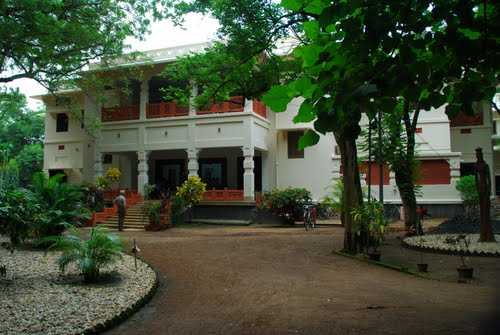
Tagore's Ashram in Shantiniketan (inscribed globally as the core historic precinct of the UNESCO World Heritage site of Santiniketan, founded in 1863 by Maharshi Debendranath Tagore as a spiritual sanctuary and expanded in 1901 by Nobel laureate Rabindranath Tagore into the Brahmacharya Ashram and Brahmavidyalaya school that revolutionized modern education through nature immersed open air learning), situated in the central heart of Shantiniketan in West Bengal, is one of humanity's most historically monumental, pedagogically pioneering, and culturally sacred heritage landmarks.
Spanning the shaded historic core of Visva Bharati University, this tranquil green campus is celebrated for its historic heritage buildings, including the two storey 1863 Shantiniketan Bari (the oldest structure in town), the 1891 cast iron stained glass Upasana Griha (Kanch Mandir), the sacred Chhatimtala meditation plinth, Dehali (where Rabindranath lived with his wife Mrinalini Devi), Nutan Bari, and the open air circular concrete seating platforms of Patha Bhavana where school classes have been conducted under mango and banyan trees for over a century.
It's the home of living open air classroom traditions where school students sit in semicircles beneath whispering sal and gulmohar trees listening to teachers without confining brick walls, historic red tile and mud heritage residences preserved in their original 19th century aesthetics, daily morning Vedic prayer chants and Tagore choral songs sung during sunrise assembly, the historic bell tower whose gong has regulated ashram life since 1901, the joyful annual foundation day celebrations of 7th Poush, and a profoundly tranquil pastoral atmosphere where human education harmonizes completely with the rhythms of nature.
It represents a rich Tapovana school philosophy, UNESCO World Heritage legacy, and Tagorean institutional sanctuary where Brahmacharya ideals, child centric open air learning, Rabindrasangeet traditions, and universal brotherhood unite in the historic core of Shantiniketan.
Located in central Shantiniketan near Visva Bharati administrative offices, it sits just 2.5 km from Bolpur Shantiniketan Railway Station (BHP), 160 km from Netaji Subhash Chandra Bose International Airport (CCU) in Kolkata, and 65 km from Durgapur, easily accessible on foot, by battery toto rickshaws, and cycle rentals.
Rabindranath Tagore founded his experimental school here on December 22, 1901, with just five students, rejecting the mechanical colonial rote learning system.
He modeled the institution after the ancient Indian Tapovana hermitage schools, holding classes under mango trees to cultivate freedom, creativity, and empathy.
Truth is, observing school children sing Rabindrasangeet beneath the banyan trees during morning assembly is deeply heartwarming.
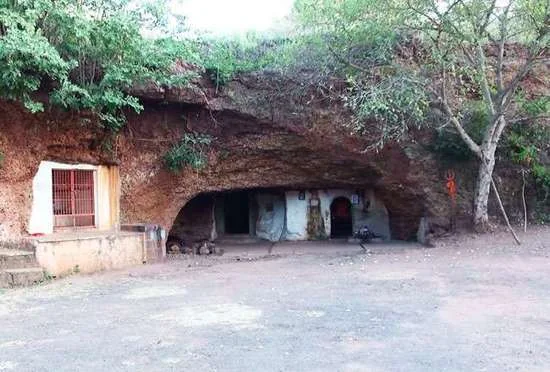
Shantiniketan Bari: Built in 1863 with stained glass panels and terracotta roof tiles, this was the foundational home of the Tagore family in Birbhum.
Dehali & Nutan Bari: The humble two storey cottage where Tagore lived from 1902 and wrote some of his most famous poems and children's literature.
Patha Bhavana: The school continues its outdoor education tradition, where students learn languages, science, and arts in circular open air mud platforms.
Chhatimtala & Kanch Mandir: The spiritual meditation platform and the 1891 stained glass prayer hall complete the holy triad of the ashram.
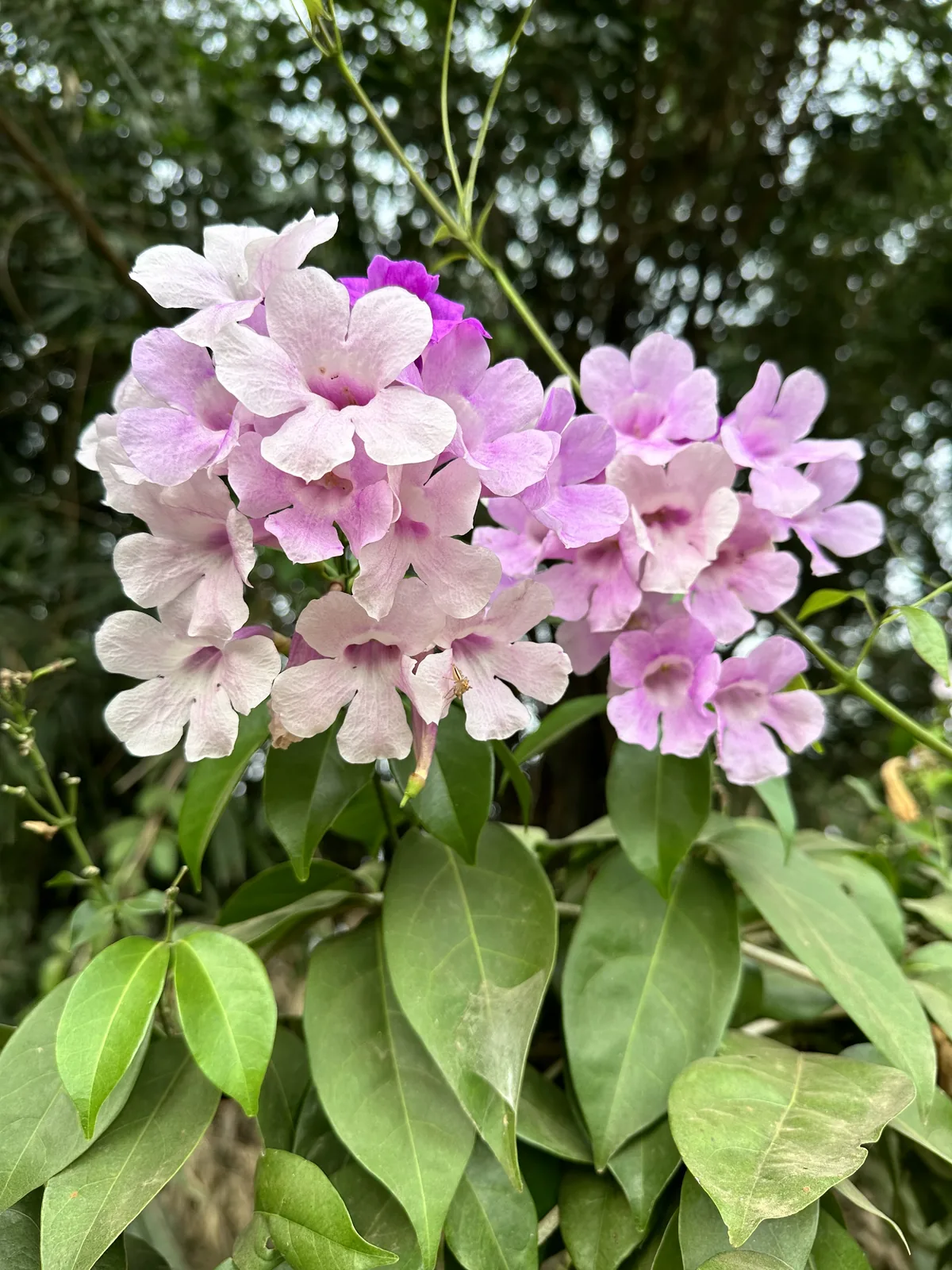
After touring Tagore's Ashram, visit Uttarayan Complex to see Tagore's five houses, admire Kala Bhavana sculptures, or explore the handicraft stalls at Amar Kutir in Shantiniketan.
Reaching Tagore's Ashram in Shantiniketan is very simple across Shantiniketan in West Bengal.
Best Time to Visit:
Explore more famous UNESCO heritage sites, Tagore memorials, and educational landmarks across West Bengal.
 Family
 Family
 Family
 Family
 Family
 Honeymoon
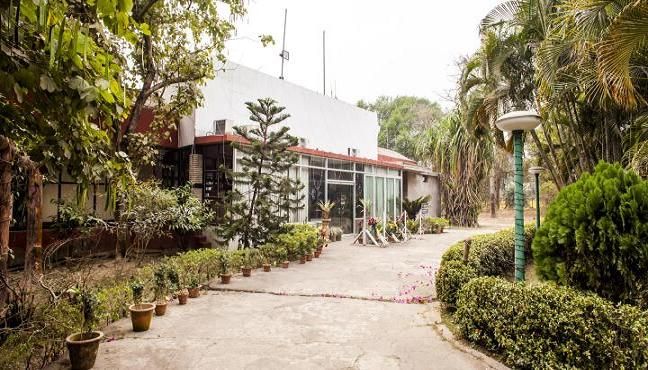 ★★★ Hotel
Mark Hotels & Resorts Pvt. Ltd. Spread amidst 5 acres of landscaped grounds, are well appo…
View Hotel Details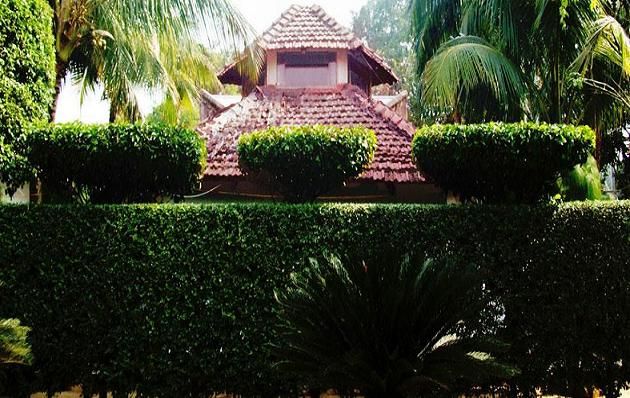 ★★ Hotel
This is the name Rabindranath Tagore endearingly gave to this wife Mrinalini Devi. Unfortu…
View Hotel Details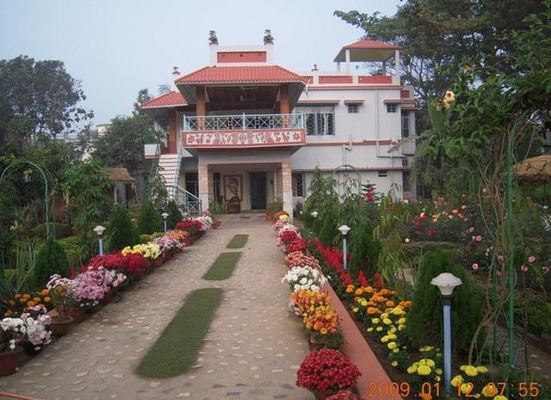 ★★ Hotel
Rater Tara Diner Rabi is a double-storied garden guesthouse situated within 1km from Uttar…
View Hotel Details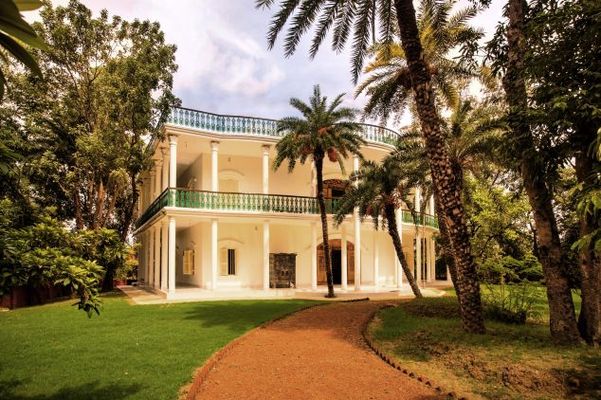 ★★ Hotel
The Garden Bungalow is a classic property located in the city of Shantiniketan. It ensures…
View Hotel Details Attraction
Amar Kutir Society for Rural Development (celebrated across India as the historic freedom …
Explore Amar Kutir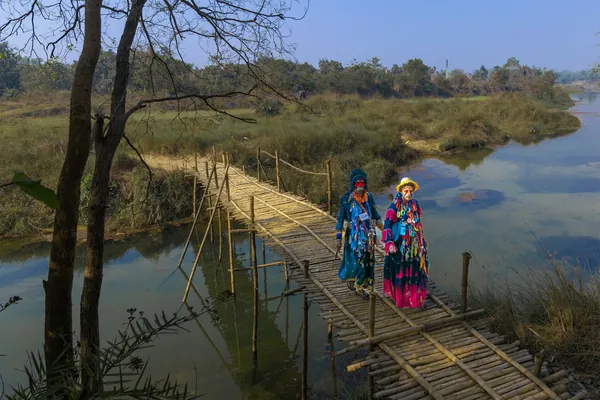 Attraction
Chhatimtala in Shantiniketan (universally revered as the sacred spiritual birthplace, foun…
Explore Chattimtala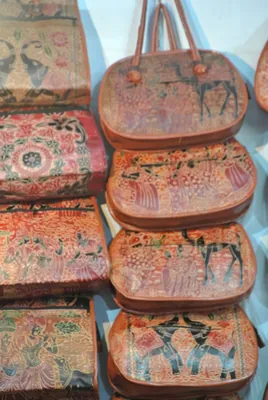 Attraction
Rabindra Bhavana Memorial Museum in Shantiniketan (celebrated worldwide as the premier Tag…
Explore Rabindra Bhavan Museum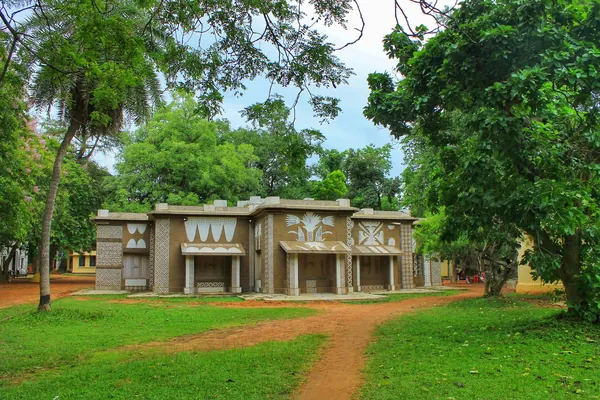 Attraction
Kala Bhavana in Shantiniketan (celebrated worldwide as the legendary Faculty of Fine Arts …
Explore Kala Bhavan Attraction
Ballavpur Wildlife Sanctuary and Deer Park (celebrated across Bengal as the premier ecolog…
Explore Deer Park
Attraction
Cheena Bhavana in Shantiniketan (celebrated internationally as the Department of Chinese L…
Explore China Bhavan Attraction
Sangit Bhavana in Shantiniketan (celebrated globally as the Institute of Music, Dance, and…
Explore Sangeet bhavan Attraction
Upasana Griha (universally revered across India as the 'Kanch Mandir' or Glass Temple and …
Explore Prayer Hall-Upasna Ghar
Attraction
Uttarayan Complex in Shantiniketan (celebrated across India as the UNESCO World Heritage r…
Explore Uttrayan ComplexExplore high-resolution photographs of iconic landmarks, temples, and scenic spots in Shantiniketan.
Essential visitor information regarding timings, entry tickets, location, nearby attractions, and travel guide in Shantiniketan.
Tagore's Ashram is the UNESCO World Heritage core of Shantiniketan, founded in 1863 by Maharshi Debendranath and expanded in 1901 by Rabindranath Tagore into a pioneering open-air school.
Tagore's Ashram is the UNESCO World Heritage core of Shantiniketan, founded in 1863 by Maharshi Debendranath and expanded in 1901 by Rabindranath Tagore into a pioneering open-air school.
Key heritage buildings include the 1863 Shantiniketan Bari bungalow, the 1891 Upasana Griha (Kanch Mandir), Chhatimtala, Dehali, Nutan Bari, and Patha Bhavana classrooms.
Key heritage buildings include the 1863 Shantiniketan Bari bungalow, the 1891 Upasana Griha (Kanch Mandir), Chhatimtala, Dehali, Nutan Bari, and Patha Bhavana classrooms.
Yes, Patha Bhavana continues Tagore's century-old tradition of conducting school classes under the shade of mango, banyan, and sal trees.
Yes, Patha Bhavana continues Tagore's century-old tradition of conducting school classes under the shade of mango, banyan, and sal trees.
The ashram walking paths are open daily from 6:30 AM to 5:30 PM. Admission is free, and visitors are requested not to disturb ongoing school classes.
The ashram walking paths are open daily from 6:30 AM to 5:30 PM. Admission is free, and visitors are requested not to disturb ongoing school classes.
Santiniketan was formally inscribed as a UNESCO World Heritage Site in September 2023 in recognition of its universal cultural and educational legacy.
Santiniketan was formally inscribed as a UNESCO World Heritage Site in September 2023 in recognition of its universal cultural and educational legacy.
Get a customized itinerary and the best deals on packages and hotels.
Enquire Now