Kolkata — Travel Guide
Kolkata (formerly known as Calcutta, the grand capital of West Bengal, affectionately titled the City of Joy and celebrated across the globe as the Cultural Capital of India), rests along the eastern banks of the sacred Hooghly River. Serving as the imperial capital of British India until 1911 and the birthplace of the 19th-century Bengal Renaissance, Kolkata combines literary traditions, grand colonial architecture, and deep spiritual heritage.
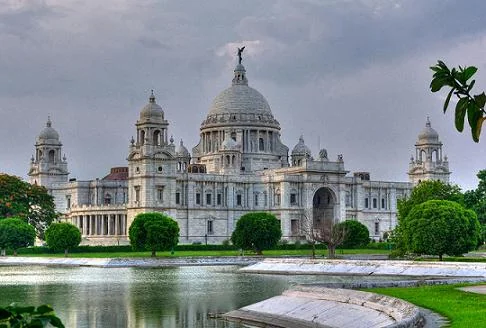
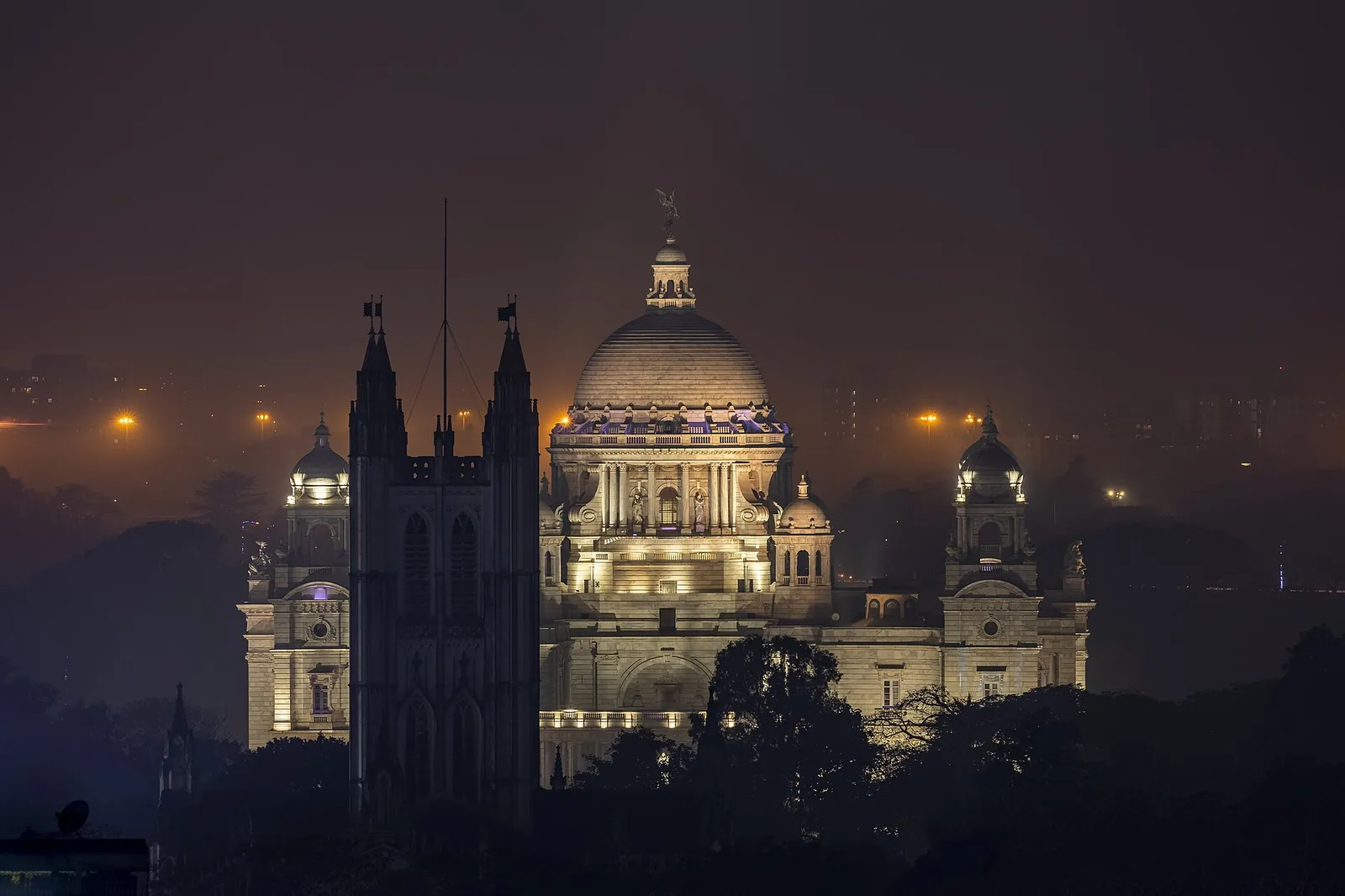 The White Makrana Marble Dome and Sprawling Gardens of the Victoria Memorial in Kolkata
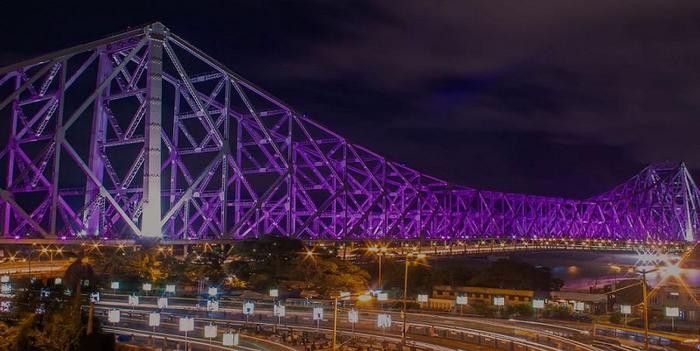
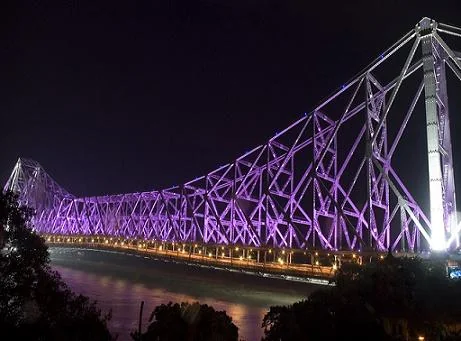
The city's skyline is crowned by the white Makrana marble monument of the Victoria Memorial, set within 64 acres of landscaped grounds on the Maidan, and the 705-meter cantilever steel span of the Howrah Bridge (Rabindra Setu) across the Hooghly River. Spiritual landmarks include the 19th-century Dakshineswar Kali Temple associated with Sri Ramakrishna and the universal architectural design of Belur Math, the global headquarters of the Ramakrishna Mission founded by Swami Vivekananda.
Kolkata is also renowned for intellectual coffee house discussions along College Street (the world's largest second hand book market), the Gothic architecture of St. Paul's Cathedral, historic exhibits at the Indian Museum, and the colonial dining boulevard of Park Street.
Connected via Netaji Subhash Chandra Bose International Airport, Howrah Junction, and national highways leading to Darjeeling (615 km) and Digha (185 km), Kolkata offers travelers grand colonial monuments, sweet roshogollas, and unmatched cultural warmth.
Best Time to Visit Kolkata:
- October to March (Winter & Autumn / Peak Tourist Season): Daytime temperatures range from 15°C to 26°C with clear sunny skies and cool pleasant evenings. This is the best time for heritage walks, sightseeing at Victoria Memorial, and attending the grand Durga Puja festival and Kolkata Book Fair.
- April to June (Summer): Daytime temperatures range from 32°C to 41°C with high humidity. Early morning visits to Belur Math and indoor museum visits are recommended.
- July to September (Monsoon): Seasonal monsoon showers bring fresh green beauty to the Maidan and city lakes, with temperatures around 27°C to 33°C.
Famous Culinary Delicacies:
- Authentic Kolkata Mutton Biryani: Fragrant long grain basmati rice cooked with tender mutton, whole spices, saffron milk, and signature slow cooked spiced potatoes and boiled egg (Arsalan, Shiraz, Aminia).
- Kolkata Kathi Rolls: Flaky layered parathas wrapped with marinated skewered chicken, raw onions, and lime juice (invented at Nizam's New Market).
- Macher Jhol & Shorshe Ilish: Fresh Hilsa fish steamed in pungent yellow mustard paste, green chillies, and mustard oil, served with steaming Gobindobhog rice.
- Spongy Spiced Roshogolla & Mishti Doi: Soft cottage cheese dumplings soaked in sugar syrup (Nobin Chandra Das) and thick caramelized sweet yogurt served in earthen pots.
- Nolen Gur Sandesh: Artisanal winter sweets made from fresh date palm jaggery (*khejur gur*) and fresh chhena.
By Air:
Netaji Subhash Chandra Bose International Airport (Airport Code: CCU - 17 km northeast of city center at Dum Dum) operates domestic flights to every commercial airport in India, alongside international flights to Dubai, Singapore, Bangkok, Doha, Abu Dhabi, and Dhaka. 24/7 pre-paid yellow taxis, app based cabs (Uber, Ola), and AC Volvo airport buses connect the terminal across Kolkata.
By Train:
Kolkata is the headquarters of Eastern and South Eastern Railways, operating four primary rail terminals:
- Howrah Junction (Station Code: HWH): India's largest and oldest rail terminal with 23 platforms, connecting Vande Bharat, Rajdhani, and express trains across India.
- Sealdah Railway Station (Station Code: SDAH): Major junction connecting suburban lines and direct express trains to North Bengal, Assam, and Darjeeling.
- Kolkata Railway Station (KOAA / Chitpur): Terminal for international trains to Bangladesh (Maitree Express) and eastern routes.
- Shalimar Railway Station (SHM): Superfast terminal for South Eastern Railway routes.
By Road:
- To Digha & Mandarmani (~185 km / 4 hours): Via NH-116 and NH-16.
- To Siliguri & Darjeeling (~580 km / 12 hours): Via 4-lane NH-12.
- To Puri & Bhubaneswar (~500 km / 9 hours): 6-lane NH-16.
- Interstate Buses: Regular Volvo AC and luxury coaches depart from Esplanade Bus Terminus (Dharmatala) and Babughat to all neighboring states.
Local Transport:
The Kolkata Metro (India's first metro system, featuring the newly opened underwater Hooghly River tunnel between Howrah and Kolkata), heritage tramways, yellow ambassador taxis, and river ferries provide accessible transport.
Shopping in Kolkata is famous for traditional handloom sarees, leather accessories, terracotta crafts, and rare books:
- New Market (Sir Stuart Hogg Market): 150-year-old heritage shopping quarter with over 2,000 shops selling leather goods, silver jewelry, Bengal cottons, and plum cakes from *Nahoum's Bakery*.
- Gariahat & Hatibagan: Premier street markets for authentic Bengal handloom sarees (Tant, Jamdani, Baluchari, Tussar silk, and Dhaniakhali).
- College Street (Boi Para): Nearly a mile of thousands of bookstalls selling academic texts, rare first edition classics, and vintage literature.
- Dakshinapan Shopping Complex: State emporiums offering certified regional handicrafts, Bankura terracotta horses, Dokra metal art, and Madhubani paintings.
- Quest Mall & South City Mall: Modern luxury shopping malls with international designer labels and multiplexes.
Must-Visit Places in Kolkata
Kolkata features a historic collection of marble memorial palaces, sacred riverside temples, cantilever bridges, and cultural institutions:
1. Victoria Memorial & White Makrana Marble Museum Palace (Maidan)
Commissioned by Lord Curzon and constructed between 1906 and 1921 from white Makrana marble (the same quarry that provided marble for the Taj Mahal), the Victoria Memorial is an Indo-Saracenic architectural masterpiece. Surrounded by 64 acres of manicured gardens, reflecting pools, and royal statues on the Maidan, the palace houses 25 galleries exhibiting 28,000 artifacts, including royal portraits, miniature paintings, and weapons.
Victoria Memorial — Grand White Makrana Marble Palace and Historic Museum on the Maidan
2. Howrah Bridge (Rabindra Setu) & Hooghly River Balanced Cantilever (Howrah)
Commissioned in 1943 without nuts and bolts using 26,500 tonnes of high tensile alloy steel, Howrah Bridge (officially named *Rabindra Setu*) is the world's sixth longest cantilever bridge. Spanning 705 meters across the Hooghly River between Kolkata and Howrah Junction, it carries over 100,000 vehicles and 150,000 pedestrians daily, presenting an unforgettable sight at sunset.
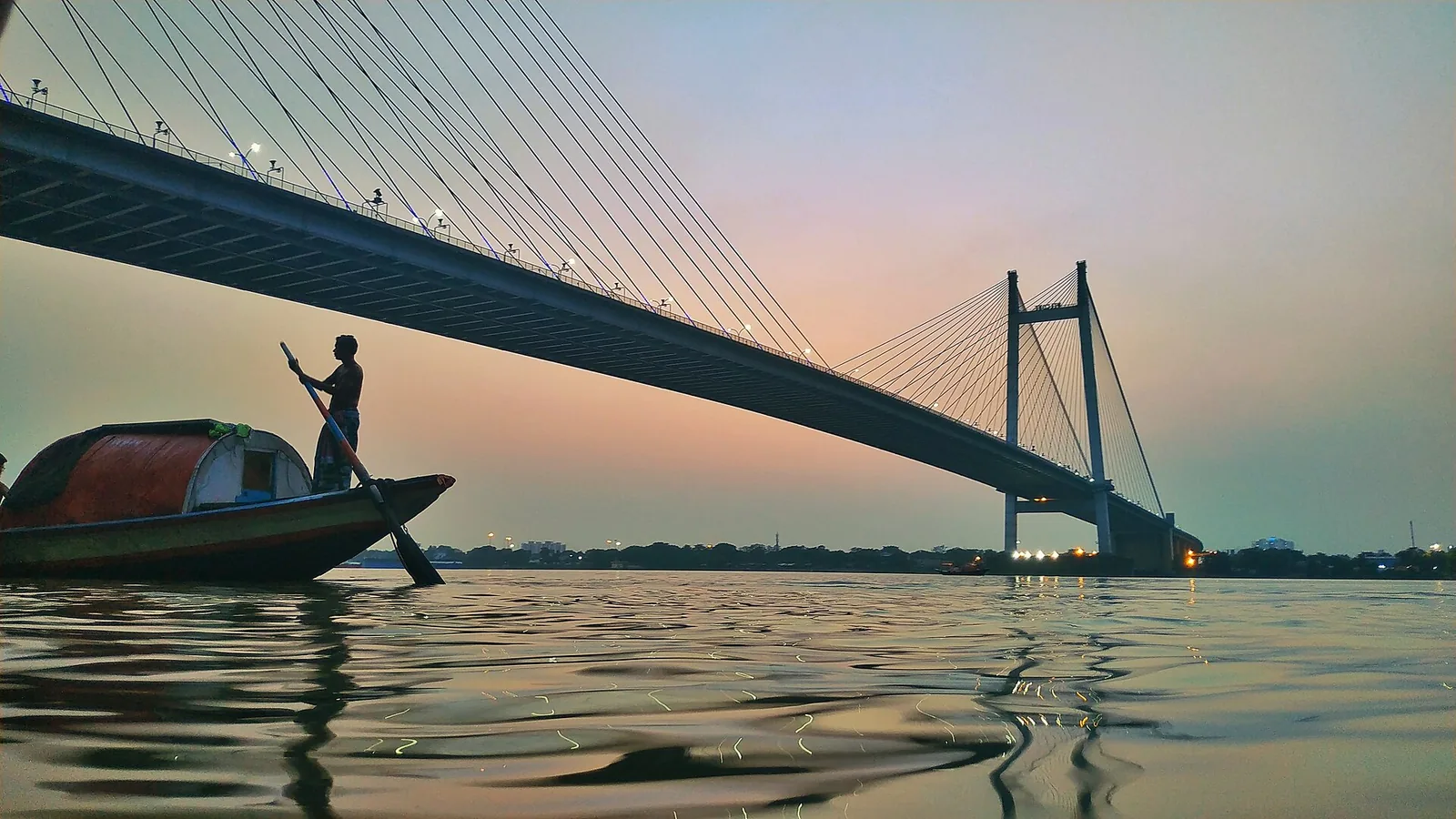 Howrah Bridge — World-Famous 705-Meter Balanced Cantilever Steel Bridge on Hooghly River
3. Dakshineswar Kali Temple & 12 Shiva Shrines on Hooghly Ghats (19th Century)
Built in 1855 by the philanthropic queen Rani Rashmoni, this *Navaratna* (nine spires) temple on the eastern bank of the Hooghly River is dedicated to Bhavatarini (an aspect of Goddess Kali). The temple complex includes 12 identical Shiva shrines lining the riverside bathing ghats, a Radha Krishna temple, and the historic chamber where 19th-century saint Sri Ramakrishna Paramahamsa spent decades in spiritual contemplation.
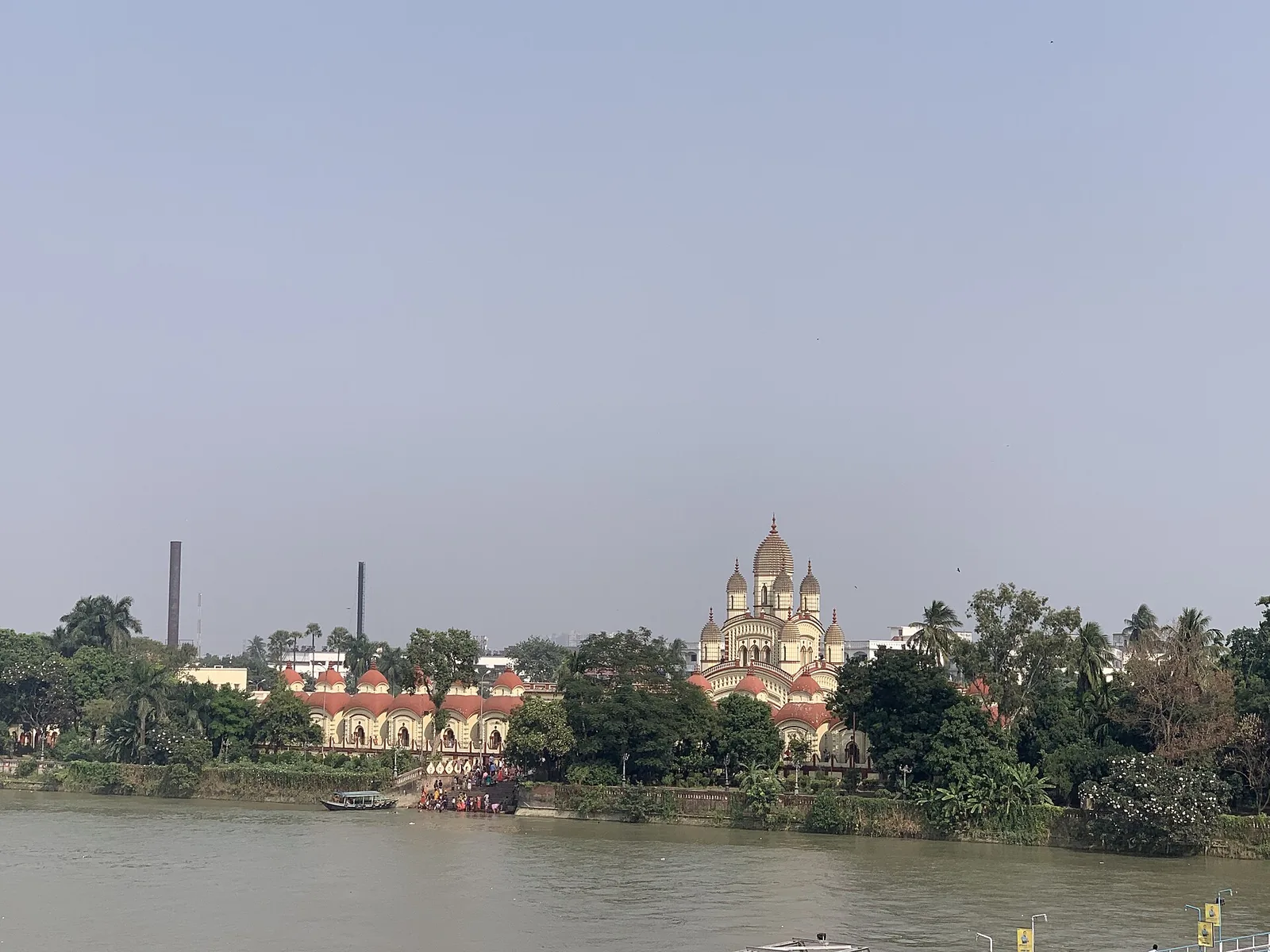 Dakshineswar Kali Temple — 19th-Century Navaratna Shrine on the Sacred Banks of Hooghly River
4. Belur Math & Ramakrishna Mission Universal Temple (Hooghly Riverbank)
Located on the west bank of the Hooghly River opposite Dakshineswar, Belur Math is the headquarters of the Ramakrishna Math and Mission founded by Swami Vivekananda in 1897. The central temple incorporates Hindu temple shikharas, Christian cathedral cross plans, Buddhist stupa domes, and Mughal arches, symbolizing universal harmony and peace.
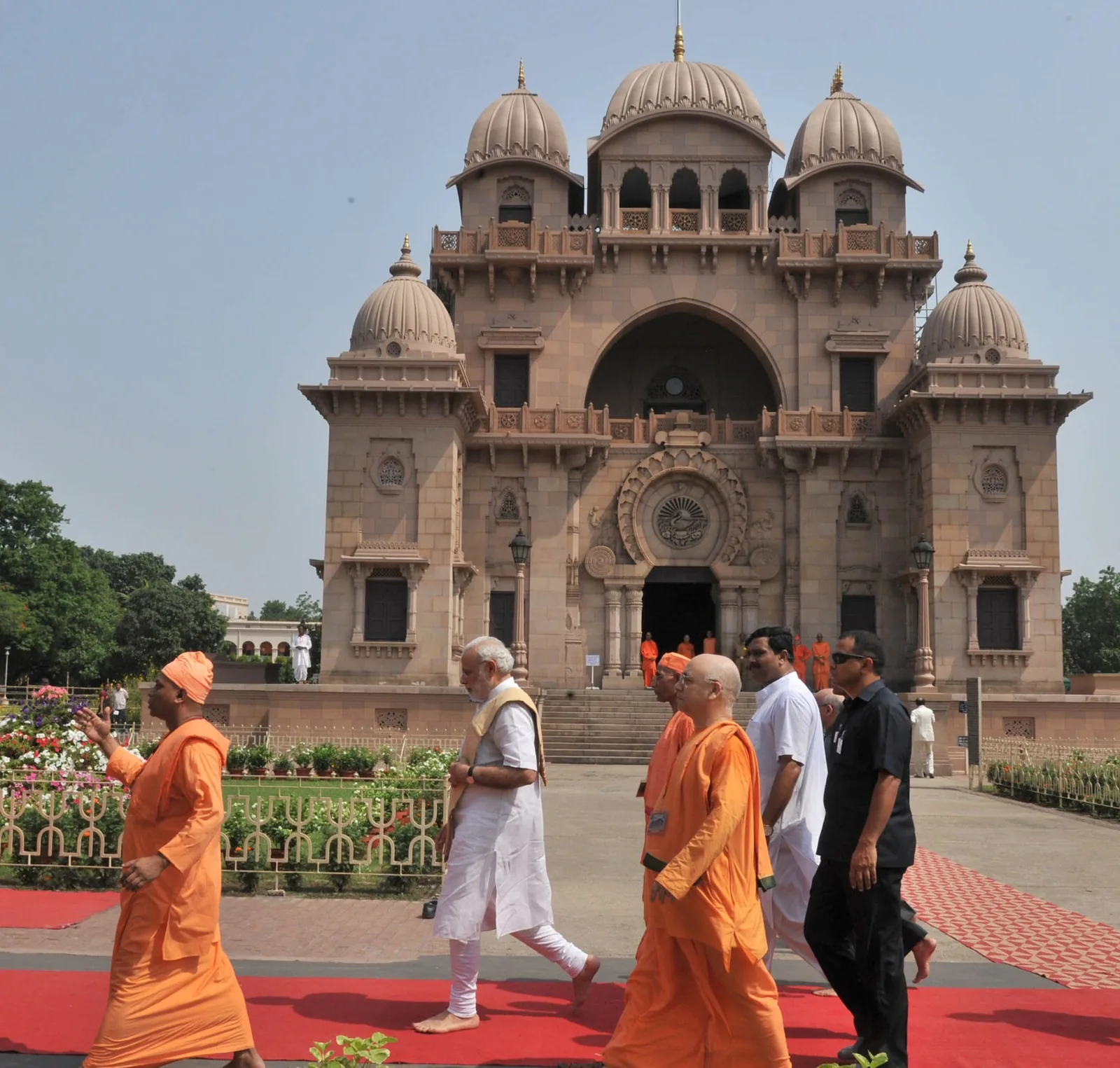 Belur Math — Headquarters of Ramakrishna Mission Celebrating Universal Architecture
5. St. Paul's Cathedral & Indo-Gothic Anglican Spire (Cathedral Road)
Consecrated in 1847, this Anglican cathedral was the first Episcopal church built in Asia and is noted for its Gothic Revival architecture. The cathedral features a 61-meter central spire modeled after Norwich Cathedral, stained glass windows designed by Sir Edward Burne Jones, Florentine frescoes, and wood carvings.
 St. Paul's Cathedral — 19th-Century Gothic Revival Anglican Cathedral in Central Kolkata
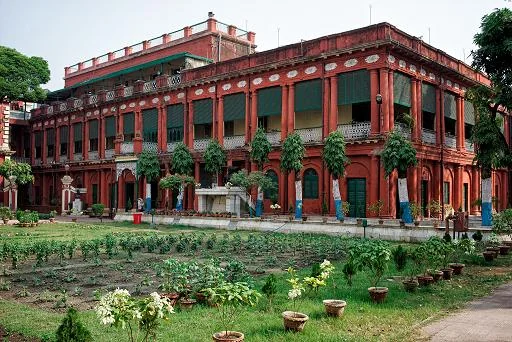
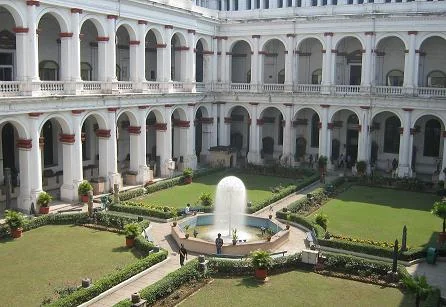
6. Indian Museum (Jadu Ghar) & Asian Antique Galleries (Jawaharlal Nehru Road)
Established in 1814 by the Asiatic Society of Bengal, this is the oldest and largest multidisciplinary museum in the Asia Pacific region. Spanning 35 galleries across six sections (Art, Archaeology, Anthropology, Geology, Zoology, and Botany), it houses 4,000-year-old Egyptian mummies, Gandhara Buddhist sculptures, and dinosaur fossils.
7. Prinsep Ghat, Vidyasagar Setu & Heritage River Cruises (Strand Road)
A Greek Gothic monument built in 1841 along the banks of the Hooghly River beneath the modern cable stayed Vidyasagar Setu bridge. Visitors enjoy evening walks, boat rides on traditional wooden country boats, and snacks like *puchkas* and *ghugni*.
8. Park Street & Flurys Colonial Tea Lounge (Dining & Nightlife Corridor)
The culinary and entertainment avenue of Kolkata, home to legendary colonial restaurants like Peter Cat (famed for Chelo Kebabs), Mocambo, Moulin Rouge, and *Flurys* tearoom, serving European pastries and English breakfasts since 1927.
9. College Street (Boi Para) & Indian Coffee House Intellectual Hub
The 1.5 km book market lined with thousands of makeshift wooden stalls selling rare books, academic literature, and journals, anchored by the iconic 1876 *Indian Coffee House* where scholars and artists gather for lively discussions over black coffee.
Popular Hotels in Kolkata
 Hotel
Hotel
 Hotel
Hotel
 Hotel
Hotel
 Hotel
Hotel
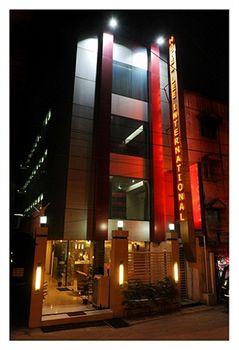 Hotel
Hotel
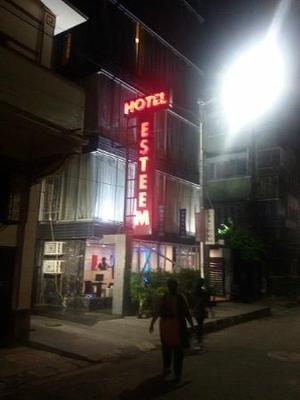 Hotel
Hotel
 Hotel
Hotel
 Hotel
Hotel
 Hotel
Hotel
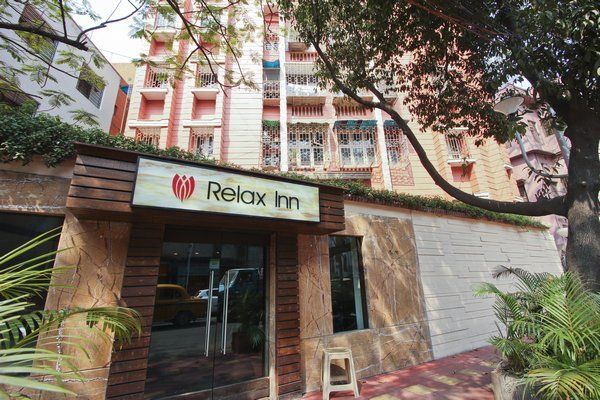 Hotel
Hotel
Top Places to Visit in Kolkata
Kolkata Photo Gallery & Attractions
Explore high-resolution photographs of iconic temples, historical monuments, and scenic landmarks in Kolkata.
Plan Your Kolkata Trip Now
Get the best verified hotel deals and customized tour packages. Book directly on EarthTrip and save up to 45%!