- .
- info@earthtrip.in
-
INR
-
USD
INR
USD
Kankalitala Temple (celebrated across India as one of the sacred 51 Maha Shakti Peethas where Goddess Sati's waist or skeleton 'Kankal' fell as Lord Shiva ...
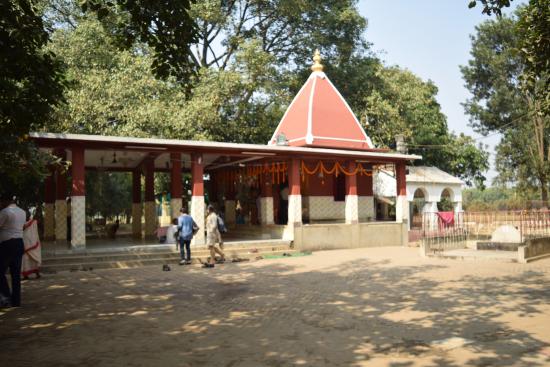
Kankalitala Temple (celebrated across India as one of the sacred 51 Maha Shakti Peethas where Goddess Sati's waist or skeleton 'Kankal' fell as Lord Shiva performed the celestial dance of destruction Rudra Tandava), situated along the tranquil banks of the Kopai River just 9 km northeast of Shantiniketan and Bolpur in West Bengal, is one of Bengal's most spiritually venerated, mythologically profound, and culturally rich pilgrimage shrines.
Set amidst the rural red soil (Rarh) landscape of Birbhum district, this ancient Tantric pilgrimage shrine is dedicated to Goddess Parvati worshipped here as Maa Kankaleshwari (or Goddess Garbhadharini), with Lord Shiva enshrined as Bhairava Ruru in the adjacent sanctum, surrounded by shaded banyan groves, traditional Baul singer gatherings, and gentle river waters celebrated in Rabindranath Tagore's poetic literature.
It's the home of the sacred stepped temple pond (Kund) where the divine relics of the Goddess are believed to be submerged beneath calm waters, an iconic terracotta roofed main sanctum housing a framed portrait of Goddess Kali instead of a stone idol, a centuries old wish fulfilling sacred Banyan tree where thousands of red and yellow holy threads (Dhaga) are tied by devotees seeking blessings for health and fertility, daily spiritual performances by itinerant Baul folk minstrels singing soul stirring songs with Ektara and Dotara under shaded courtyard trees, traditional rural fairs during Shivratri and Bengali New Year (Poila Baisakh), and a deeply tranquil pastoral atmosphere where temple bells harmonize with the murmuring flow of the Kopai River.
It represents a rich Shakta pilgrimage heritage, Tantric Shaivite mythology, and rural Bengal folk culture sanctuary where 51 Shakti Peetha sanctity, Kopai riverbank hydrology, Baul musical traditions, and Birbhum terracotta lore unite in Bolpur Shantiniketan circuit.
Located on the Bolpur Labhpur Road in Kankalitala village, it sits just 9 km from Bolpur Shantiniketan Railway Station (BHP), 8 km from Visva Bharati University campus, 160 km from Netaji Subhash Chandra Bose International Airport (CCU) in Kolkata, and 65 km from Durgapur, easily accessible by auto rickshaws, toto battery cabs, and local buses.

According to the Kalika Purana and Shakta scriptures, Goddess Sati's waist (Kankal) fell here, making this one of the four prominent Shakti Peethas located in Birbhum district.
Unlike conventional temples, the sanctum contains no stone idol; instead, a revered framed painting of Goddess Kali is worshipped with deep devotion.
Truth is, sitting on the stone steps of the sacred Kund while listening to the distant strumming of a Baul's ektara is deeply moving.

Sacred Pond: Devotees revere the rectangular Kund adjoining the temple, believing the divine waist of the Goddess remains preserved beneath its spring fed waters.
Wish Banyan: Pilgrims tie sacred red threads, stone pebbles, and clay toys to the branches of the ancient Banyan tree, returning to untie them when prayers are answered.

Baul Songs: Wandering folk singers dressed in saffron robes perform mystic songs celebrating divine love under the shade of neem trees.
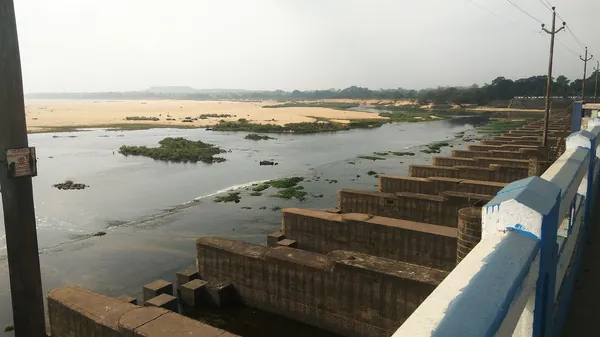
Tagore's Kopai: The temple stands right by the Kopai River, the legendary shallow stream immortalized by Nobel laureate Rabindranath Tagore in his poem 'Amader Chhoto Nodi'.

After offering prayers at Kankalitala Temple, visit the Visva Bharati campus in Shantiniketan, explore Amar Kutir handicrafts, or attend the Saturday Khoai Sonajhurir Haat market.
Reaching Kankalitala Temple near Shantiniketan is very simple across Shantiniketan in West Bengal.
Best Time to Visit:
Explore more famous Shakti Peethas, terracotta temples, and spiritual heritage circuits across West Bengal.
 Family
 Family
 Family
 Family
 Family
 Honeymoon
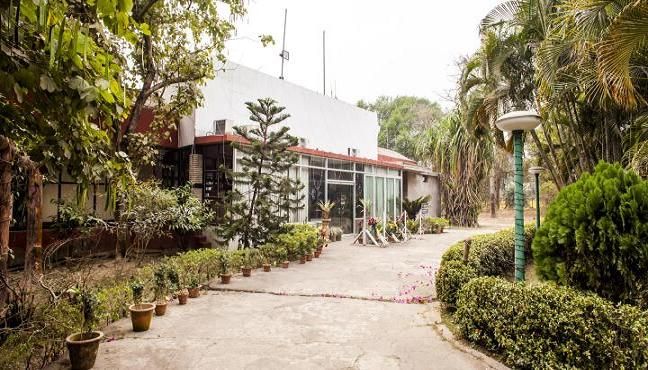 ★★★ Hotel
Mark Hotels & Resorts Pvt. Ltd. Spread amidst 5 acres of landscaped grounds, are well appo…
View Hotel Details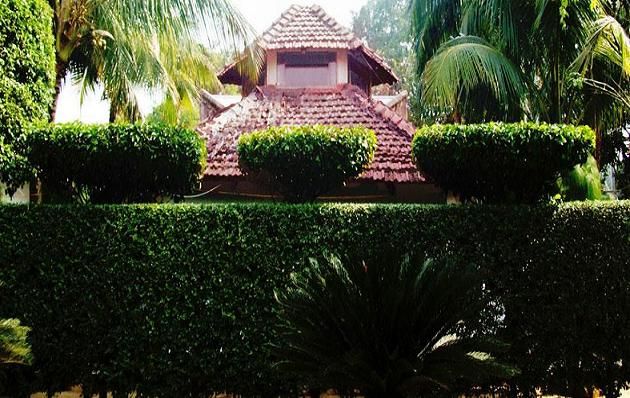 ★★ Hotel
This is the name Rabindranath Tagore endearingly gave to this wife Mrinalini Devi. Unfortu…
View Hotel Details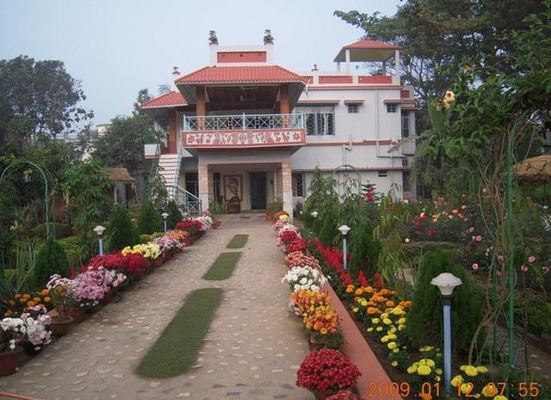 ★★ Hotel
Rater Tara Diner Rabi is a double-storied garden guesthouse situated within 1km from Uttar…
View Hotel Details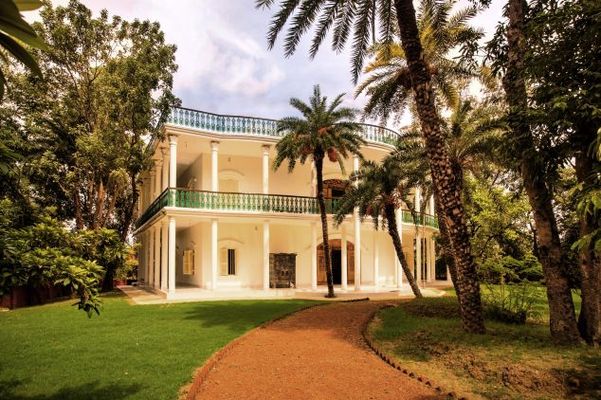 ★★ Hotel
The Garden Bungalow is a classic property located in the city of Shantiniketan. It ensures…
View Hotel Details Family
Tagore's Ashram in Shantiniketan (inscribed globally as the core historic precinct of the …
Explore Tagores ashrama Attraction
Amar Kutir Society for Rural Development (celebrated across India as the historic freedom …
Explore Amar Kutir
Attraction
Chhatimtala in Shantiniketan (universally revered as the sacred spiritual birthplace, foun…
Explore Chattimtala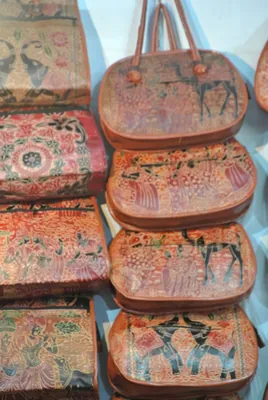 Attraction
Rabindra Bhavana Memorial Museum in Shantiniketan (celebrated worldwide as the premier Tag…
Explore Rabindra Bhavan Museum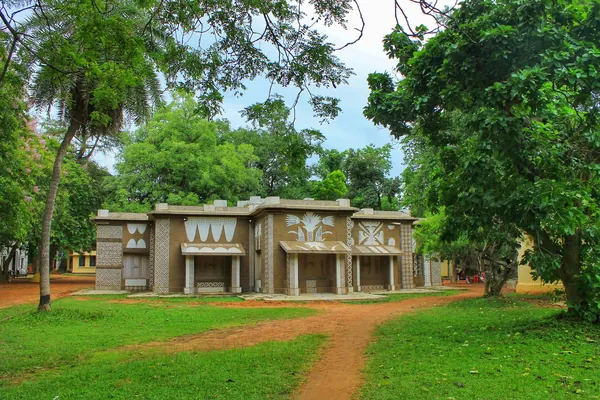 Attraction
Kala Bhavana in Shantiniketan (celebrated worldwide as the legendary Faculty of Fine Arts …
Explore Kala Bhavan Attraction
Ballavpur Wildlife Sanctuary and Deer Park (celebrated across Bengal as the premier ecolog…
Explore Deer Park
Attraction
Cheena Bhavana in Shantiniketan (celebrated internationally as the Department of Chinese L…
Explore China Bhavan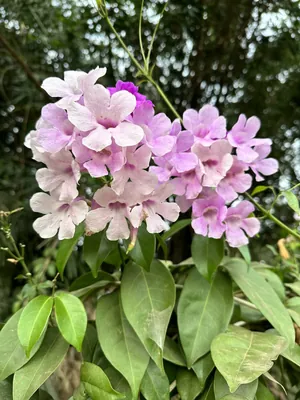 Attraction
Sangit Bhavana in Shantiniketan (celebrated globally as the Institute of Music, Dance, and…
Explore Sangeet bhavan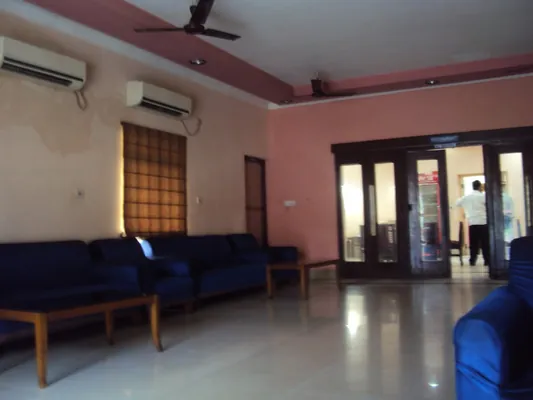 Attraction
Upasana Griha (universally revered across India as the 'Kanch Mandir' or Glass Temple and …
Explore Prayer Hall-Upasna GharExplore high-resolution photographs of iconic landmarks, temples, and scenic spots in Shantiniketan.
Essential visitor information regarding timings, entry tickets, location, nearby attractions, and travel guide in Shantiniketan.
Kankalitala is revered as one of the 51 Shakti Peethas where Goddess Sati's waist (Kankal) fell during Lord Shiva's celestial dance.
Kankalitala is revered as one of the 51 Shakti Peethas where Goddess Sati's waist (Kankal) fell during Lord Shiva's celestial dance.
It is located in Kankalitala village along the Kopai River, approximately 9 km northeast of Bolpur and Shantiniketan in West Bengal.
It is located in Kankalitala village along the Kopai River, approximately 9 km northeast of Bolpur and Shantiniketan in West Bengal.
Unlike traditional temples, there is no stone idol inside the sanctum; instead, a sacred framed painting of Goddess Kali is worshipped with deep reverence.
Unlike traditional temples, there is no stone idol inside the sanctum; instead, a sacred framed painting of Goddess Kali is worshipped with deep reverence.
The temple is open daily from 6:00 AM to 8:00 PM, with morning prayers at sunrise, Bhog at 12:30 PM, and Sandhya Aarti around 7:00 PM.
The temple is open daily from 6:00 AM to 8:00 PM, with morning prayers at sunrise, Bhog at 12:30 PM, and Sandhya Aarti around 7:00 PM.
Devotees believe the divine waist relic of Goddess Sati is submerged within the holy spring-fed Kund adjoining the main temple.
Devotees believe the divine waist relic of Goddess Sati is submerged within the holy spring-fed Kund adjoining the main temple.
Get a customized itinerary and the best deals on packages and hotels.
Enquire Now
Family