- .
- info@earthtrip.in
-
INR
-
USD
INR
USD
Borra means hole in Telugu, and the name fits. These limestone caves punch 80 metres down into the Ananthagiri hills at about 705 metres elevation in Araku...
Borra means hole in Telugu, and the name fits. These limestone caves punch 80 metres down into the Ananthagiri hills at about 705 metres elevation in Araku Valley. Geologists date the karst formations to over a million years, and Palaeolithic tools dug up here prove humans knew the place long before electricity did.
British geologist William King George explored the system officially in 1807. What he found reads like sculpture: stalactites, stalagmites, columns shaped like a cow's udder, human brains, even a Shiva Parvati pair.
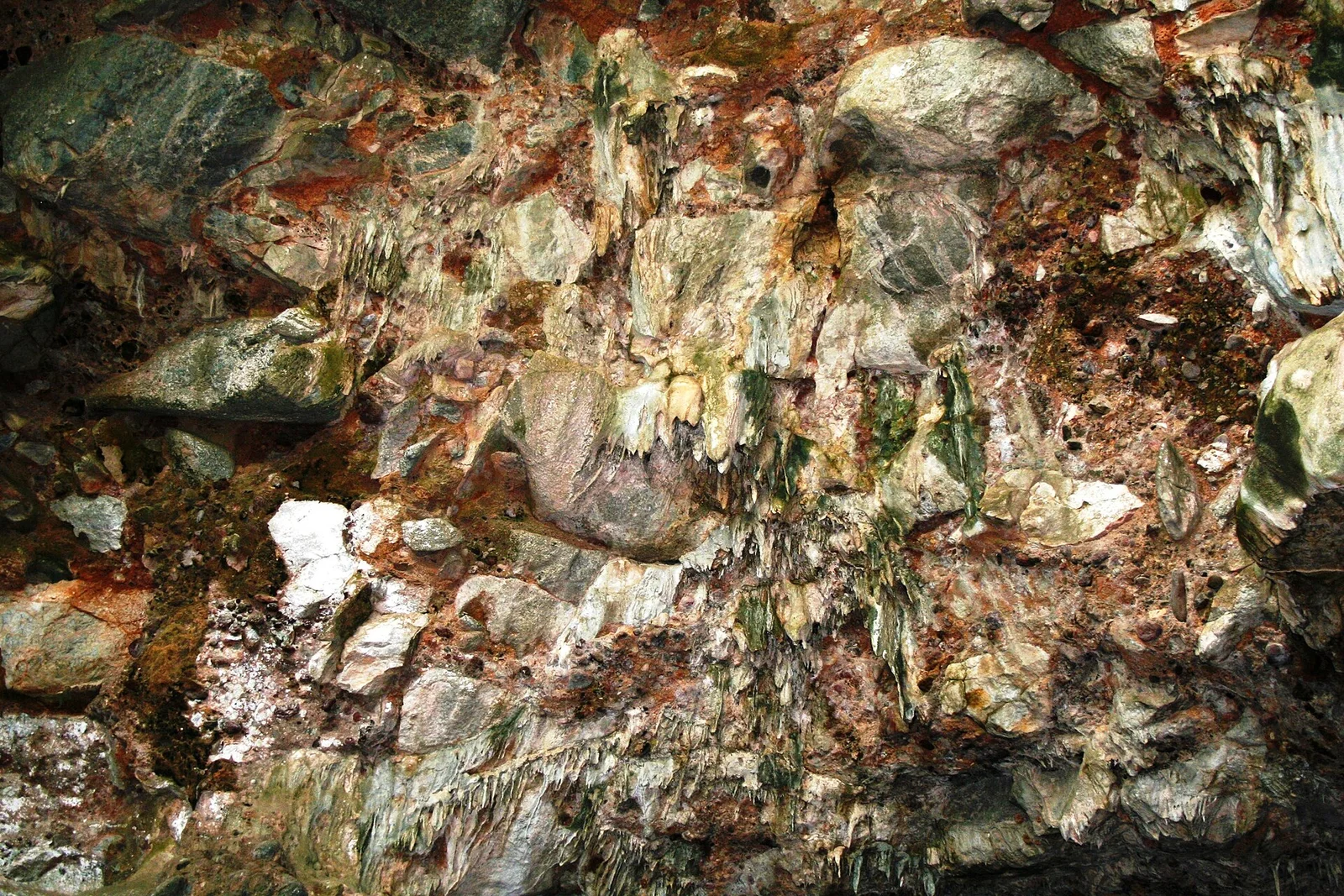
Look, locals tell it better. A cow grazing on top fell straight through a 60 foot opening. The cowherd climbed down to rescue her and found her alive beside a stalagmite shaped like a Shiva lingam. Villagers took that as a miracle, and worship continues at that lingam today. A small shrine of Rama too sits near the entrance stairs.
AP Tourism fixed up the approach in the 2000s with stone steps and coloured halogen lamps. Fair warning though: the chambers stay cool but slippery, so wear proper shoes. Combine the caves with Araku's coffee estates, since they fall right on the same valley circuit.
The caves sit right on the Araku route, so access is simple.
Caves stay cool inside year round, but the journey changes with seasons.
 Family
 Family
 Family
 Honeymoon
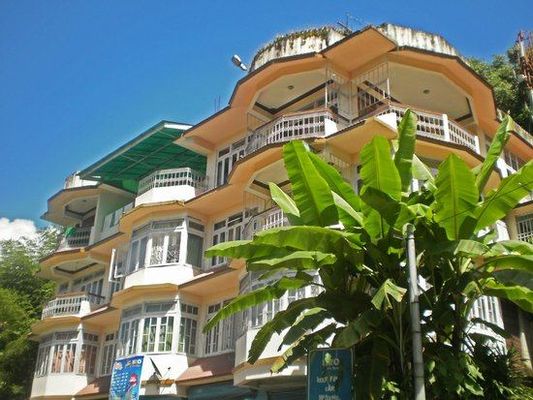 ★★ Hotel
Green Retreat is located in the lush green hilly surroundings, one the most picturesque sp…
View Hotel Details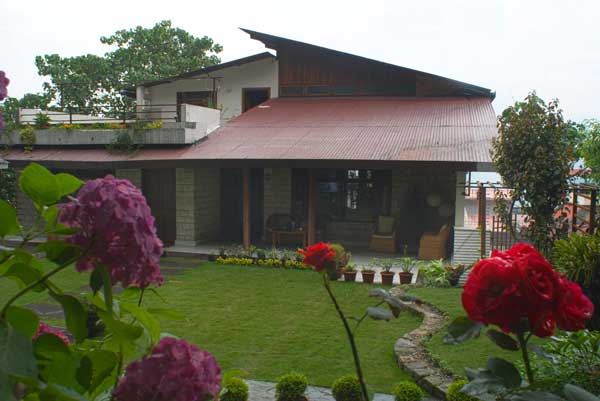 ★★★ Hotel
If you are visiting Gangtok for a holiday, vacation, short trip or for an extended stay an…
View Hotel Details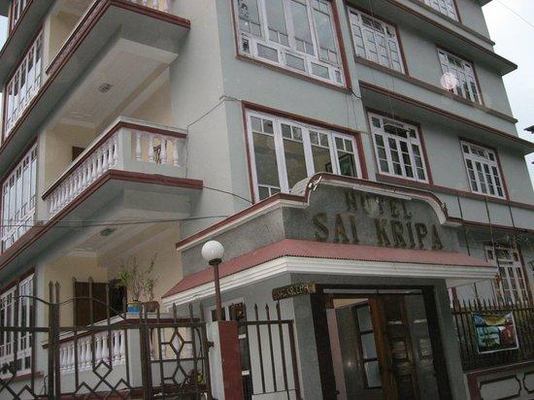 ★★ Hotel
Welcome to our hotel in Gangtok. Hotel Saikripa is situated in the Development Area in Ga…
View Hotel Details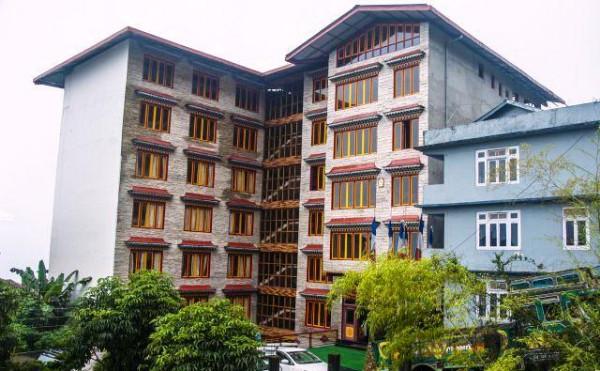 ★★★ Hotel
Sikkim the land of pristine and mystic beauty.... Hill stations is unique and has a differ…
View Hotel Details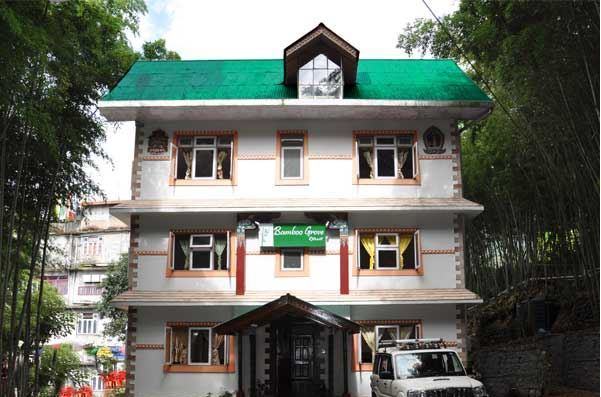 ★★ Hotel
The Hotel Originally named Gyatseling, which in Bhutia language means “House of Bamboo 
View Hotel Details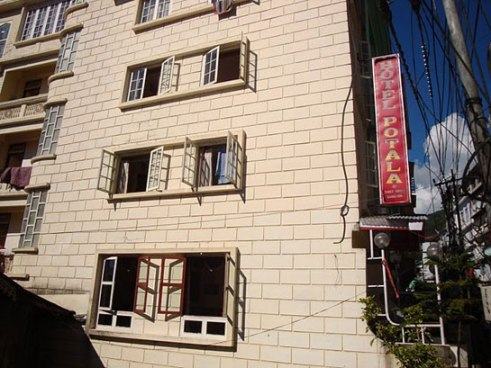 ★★ Hotel
Hotel Potala is located on the historic silk route , Tibet Road where Gangtok was connecte…
View Hotel Details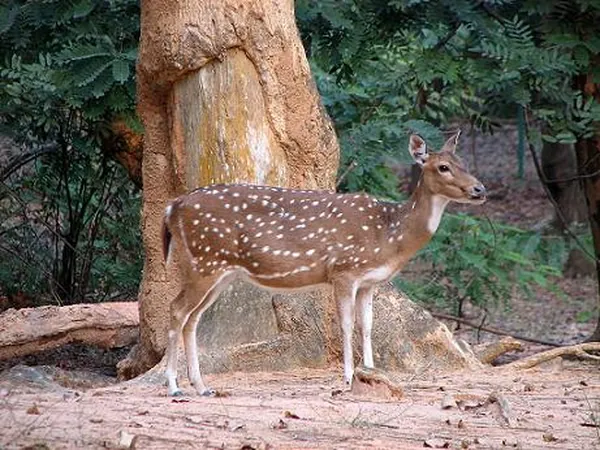 Attraction
Khangchendzonga Biosphere Reserve in Sikkim (celebrated globally across international cons…
Explore Khangchendzonga Biosphere Reserve Attraction
Tsomgo Lake in East Sikkim (celebrated globally across sacred geography, high altitude alp…
Explore Tsomgo Lake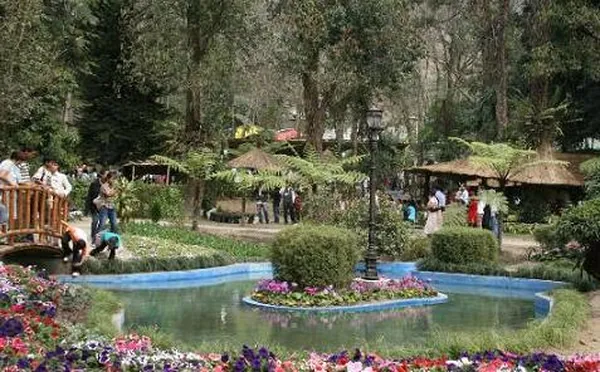 Attraction
Saramsa Garden near Gangtok (celebrated across Eastern Himalayan botany and leisure hortic…
Explore Saramsa Garden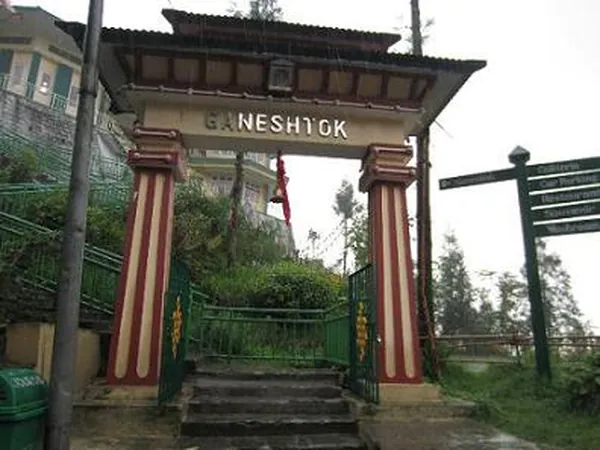 Attraction
Ganesh Tok View Point in Gangtok (celebrated across Eastern Himalayan spiritual viewpoints…
Explore Ganesh Tok View Point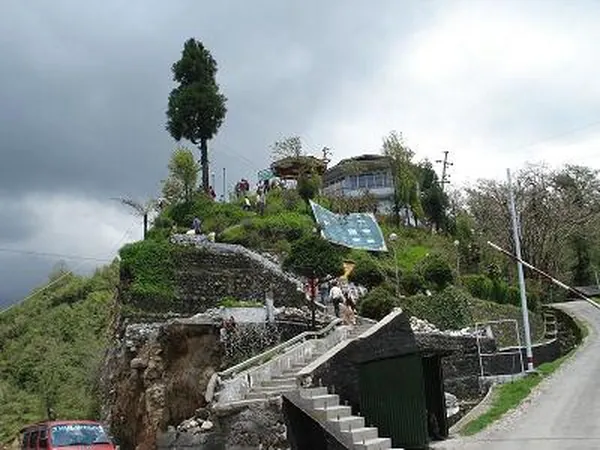 Attraction
Tashi View Point in Gangtok (celebrated across Himalayan landscape photography and Sikkim …
Explore Tashi View Point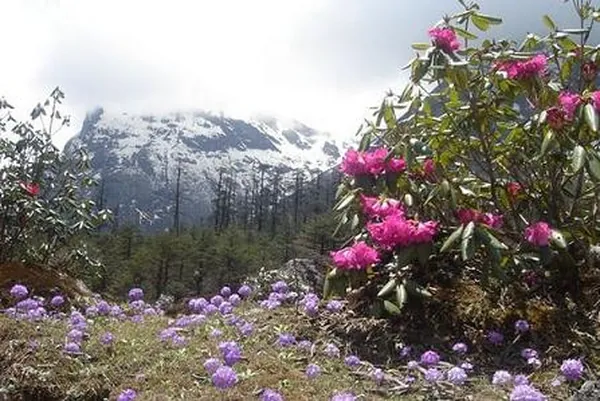 Attraction
Shingba Rhododendron Sanctuary in North Sikkim (celebrated globally as the heart of the wo…
Explore Shingba Rhododendron Sanctuary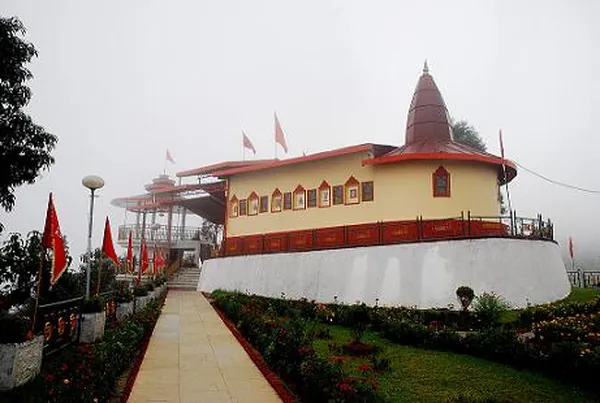 Attraction
Hanuman Tok in Gangtok (celebrated across Eastern Himalayan spiritual lore and mountain vi…
Explore Hanuman Tok
Attraction
Kyongnosla Alpine Sanctuary in East Sikkim (celebrated across Himalayan botanists and alpi…
Explore Kyongnosla Alpine Sanctuary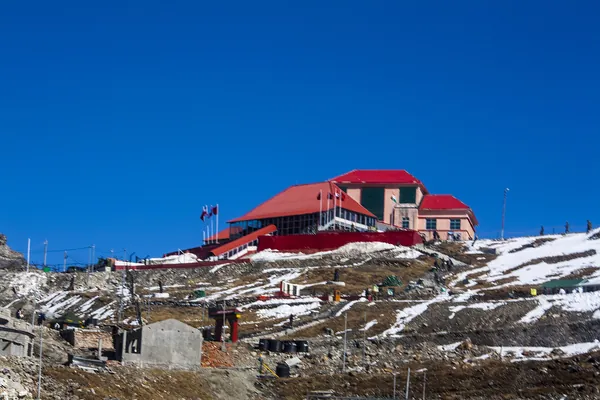 Attraction
Nathula Pass in East Sikkim (celebrated across military history, Himalayan exploration, an…
Explore Nathula PassExplore high-resolution photographs of iconic landmarks, temples, and scenic spots in Gangtok.
Essential visitor information regarding timings, entry tickets, location, nearby attractions, and travel guide in Gangtok.
Borra Caves stands as an iconic landmark in Araku Valley, celebrated for its rich regional heritage, classical architectural craftsmanship, and lasting spiritual importance across Andhra Pradesh.
Borra Caves remains open to travelers and pilgrims daily from 6:00 AM in the morning until 8:30 PM in the evening, with morning and evening aarti sessions being the most lively times to visit.
General entry to Borra Caves is free for the public. Nominal fees may be applicable for designated parking facilities, special fast track darshan lines, or commercial photography permits.
Most travelers spend approximately 1.5 to 2 hours exploring the compound, viewing the intricate artwork, strolling across the open courtyards, and soaking in the tranquil surroundings.
Photography is generally allowed throughout the outer gardens, courtyards, and perimeter corridors. However, taking photos inside the innermost sanctum may be restricted to honour local customs.
Visitors can readily take local auto rickshaws, pre paid cabs, or municipal transport buses directly from Araku Valley railway station and central bus terminus to the entry gate.
First time visitors should wear comfortable walking footwear, keep shoulders and knees covered respectfully, carry drinking water, and visit during morning or late afternoon for the best experience.
Yes, numerous clean local eateries, traditional refreshment stalls, tea shops, and family restaurants are situated along the approach roads offering authentic regional snacks, fresh coconut water, and hot meals.
Yes, Borra Caves features flat stone courtyards, shaded sitting benches, accessible resting areas, and gentle entry ramps making it highly comfortable for senior citizens and families traveling with children.
The nearby local market stalls sell traditional brass puja items, regional handicraft souvenirs, handcrafted textiles, organic local sweets, and devotional literature specific to Araku Valley.
Modest traditional or casual clothing covering shoulders and knees is recommended. Visitors must remove their shoes at designated storage counters before stepping onto sanctified floors.
Get a customized itinerary and the best deals on packages and hotels.
Enquire Now