- .
- info@earthtrip.in
-
INR
-
USD
INR
USD
Do Drul Chorten in Gangtok (celebrated across Tibetan Buddhism and Himalayan pilgrimage as 'Dro dul Chorten' translating to 'Stupa that Subdues Evil Spirit...
Do Drul Chorten in Gangtok (celebrated across Tibetan Buddhism and Himalayan pilgrimage as 'Dro dul Chorten' translating to 'Stupa that Subdues Evil Spirits', built in 1945 AD by the venerable Tibetan Nyingmapa master Trulshik Rinpoche on a scenic hilltop ridge in Deorali, world famous for its soaring 110 foot white stupa crowned by a shimmering golden spire / pinnacle (Zhabdrung), complete circuit of 108 sacred Mani Lhakhang prayer wheels embossed with the sacred mantra 'Om Mani Padme Hum', complete collection of holy Nyingma scriptures (Kangyur and Tengyur) enshrined within its relic chamber, adjoining Chorten Lakhang monastic institute, and sacred Guru Padmasambhava reliquary), located on Deorali ridge in Gangtok in Sikkim, stands as Sikkim's foremost Buddhist stupa and spiritual heritage sanctuary.
Historical records recount that prior to 1945, this forested Deorali ridge was believed to be haunted by malevolent spirits that caused illness among local residents, prompting Trulshik Rinpoche, supreme head of the Nyingma order, to erect this stupa to permanently pacify the area and radiate spiritual harmony throughout the Eastern Himalayas.
It's the home of the outer circumambulation pathway where orange robed monks and devoted pilgrims spin 108 brass prayer wheels in a continuous clockwise circle, the nearby Namgyal Institute of Tibetology preserving centuries of Tibetan manuscripts and antique bronze icons, the tranquil monastic quarters where young lamas study sacred Sanskrit and Tibetan scriptures, the Chorten Lakhang housing two monumental statues of Guru Rinpoche, and an intensely peaceful, deeply meditative spiritual atmosphere filled with burning juniper incense, flickering butter lamps, and gentle prayer chants.
It represents a rich Sikkim Buddhist heritage, Vajrayana stupa architecture, and Himalayan cultural tourism where 1945 AD golden spires, 108 Mani prayer wheels, sacred Dorjee Phurba relics, and Gangtok heritage travel unite in Do Drul Chorten.
Located in Deorali hillock in South Gangtok, it sits 2 km from MG Marg city center, 200 meters from the Namgyal Institute of Tibetology and Gangtok Ropeway Deorali station, 22 km from Rumtek Monastery, and 120 km from Siliguri / NJP, easily reached in 10 minutes by private taxi, shared auto, or ropeway.
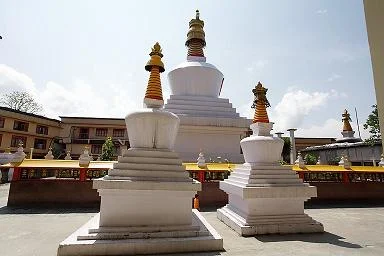
Encircling the base of the white stupa are 108 heavy brass prayer wheels inscribed with sacred Tibetan mantras.
Pilgrims walk clockwise around the stupa, turning each wheel by hand while chanting mantras, believed to multiply positive spiritual karma equal to reciting thousands of Buddhist prayers.
Truth is, spinning the cool brass wheels under fluttering multicolored prayer flags while morning bells chime creates an unforgettable sense of inner peace.
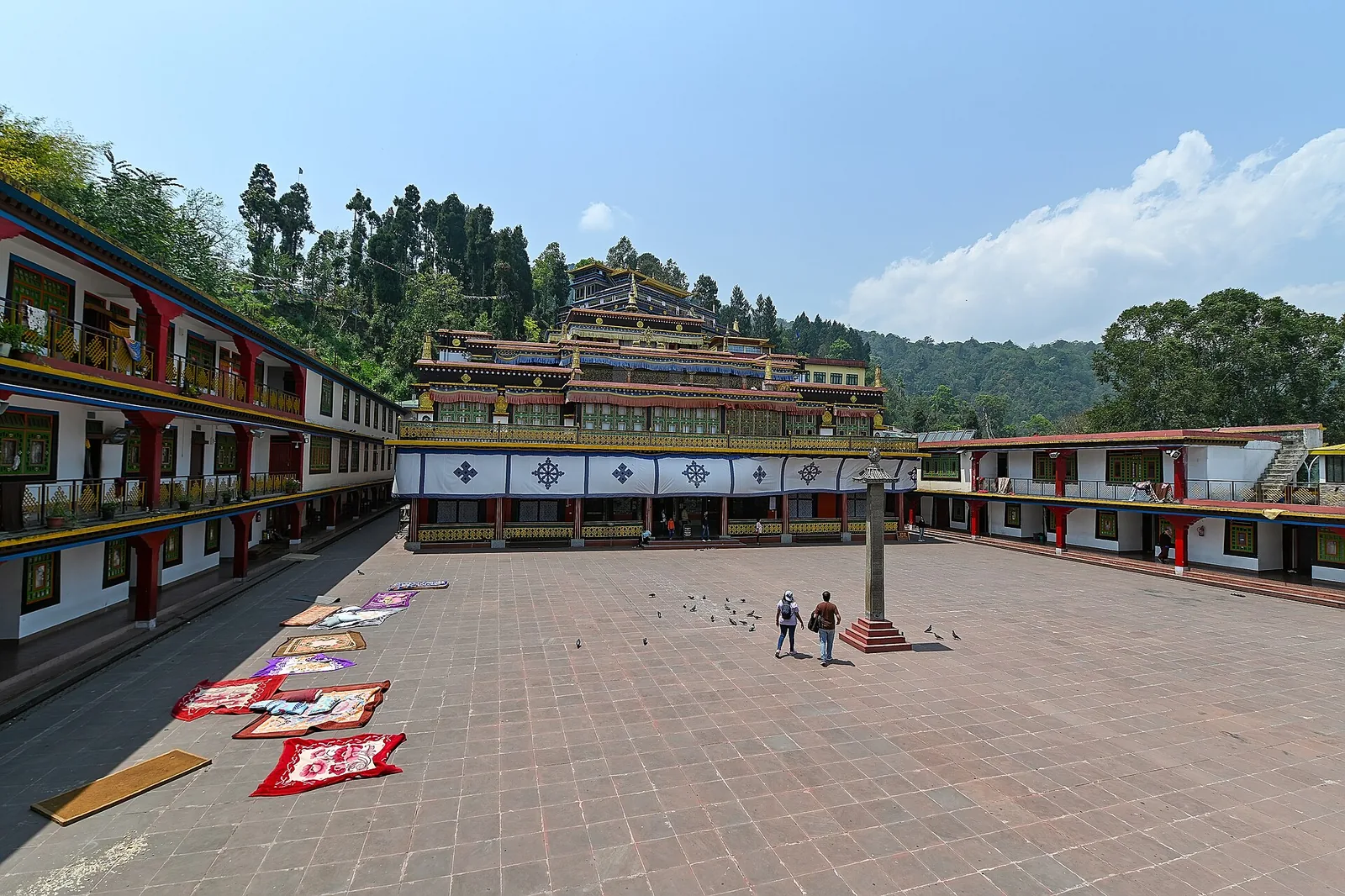
Namgyal Institute of Tibetology (NIT): Situated just 200 meters away, this premier research institute houses one of the world's richest collections of Tibetan thangkas, coins, and 14th century Mahayana manuscripts.
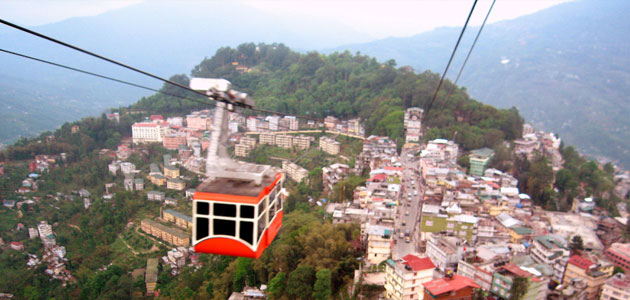
Gangtok Ropeway Station: The lower terminal of the Gangtok passenger ropeway cable car is located within 3 minutes walk, connecting Deorali directly to Tashiling Secretariat viewpoint.
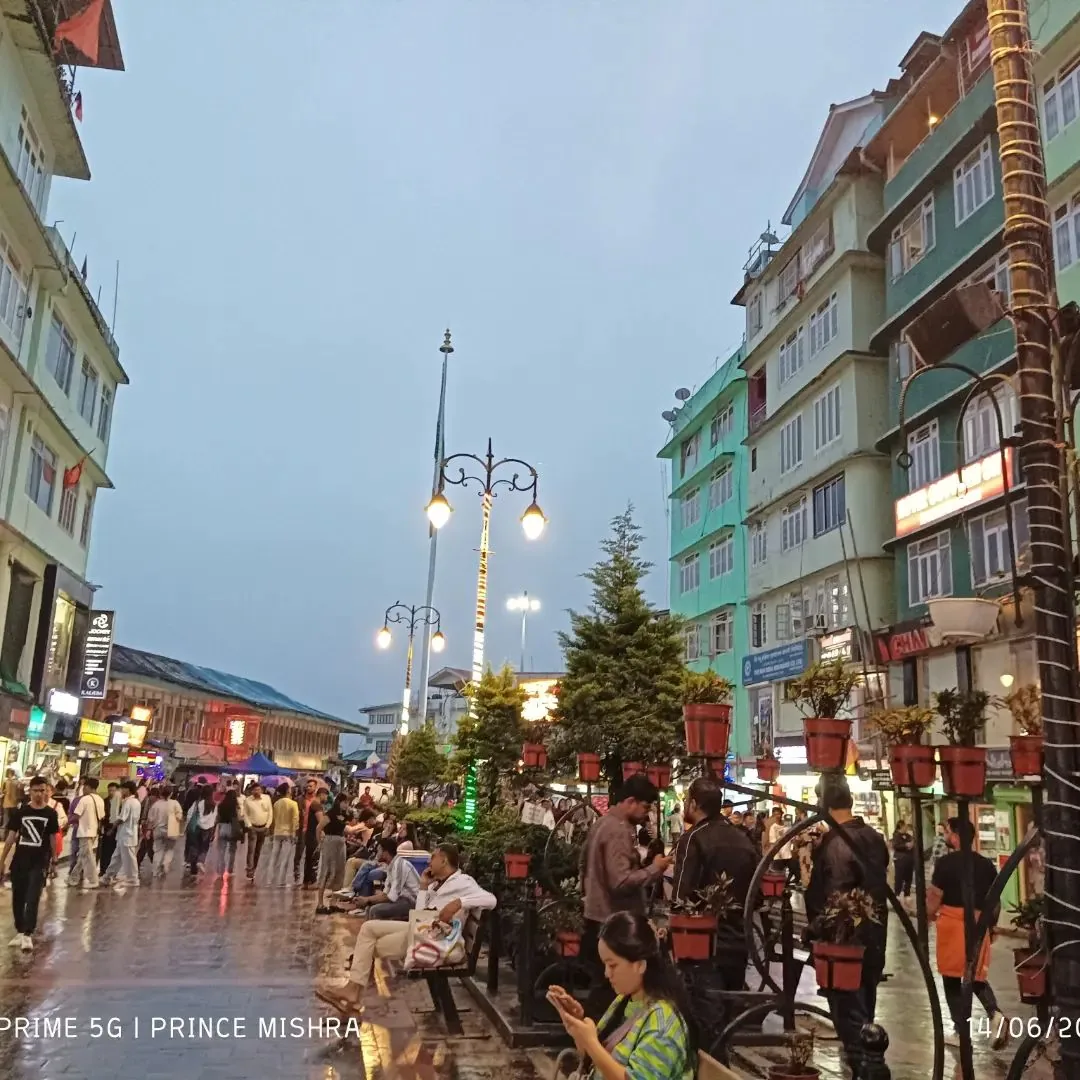
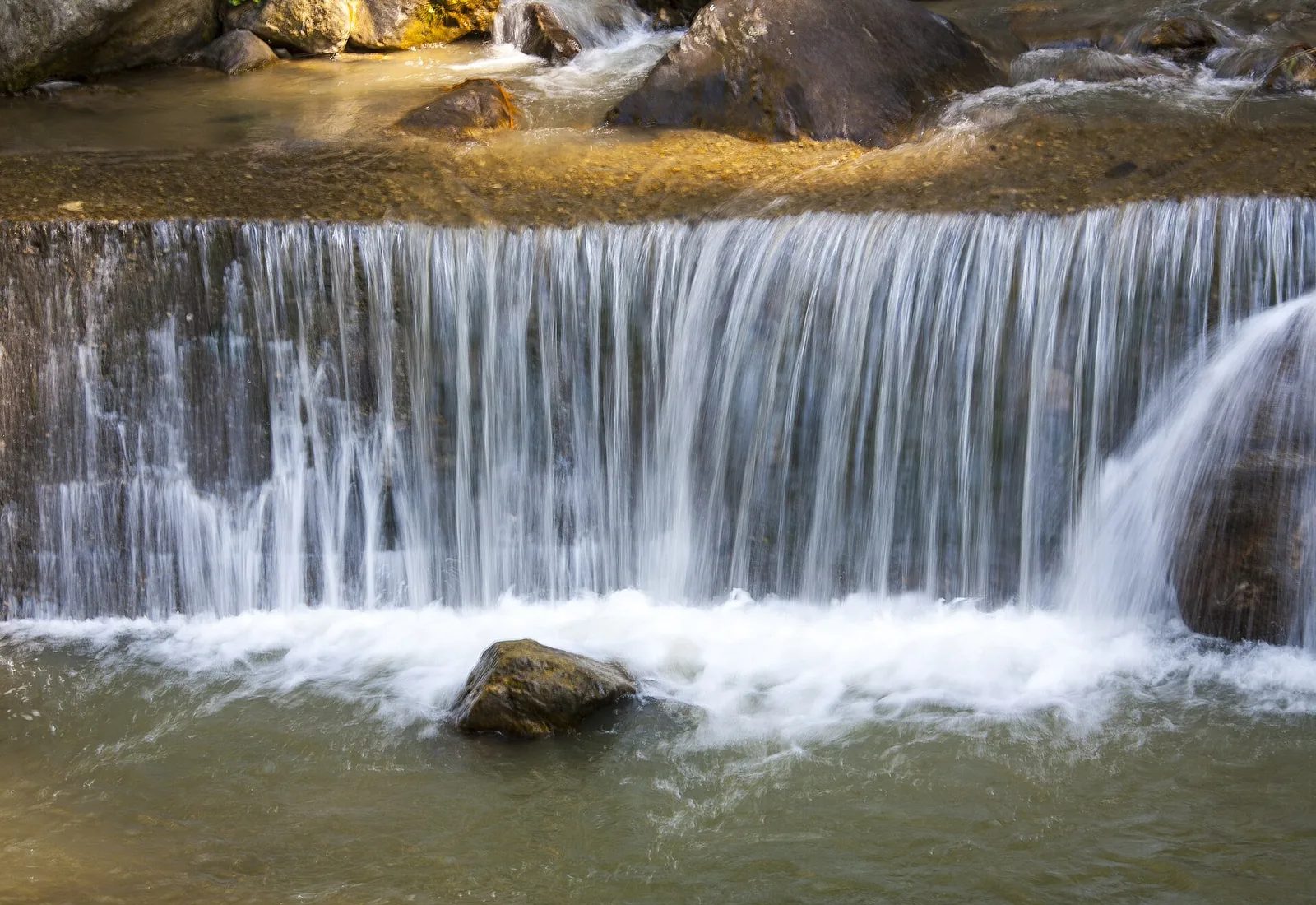
The South Gangtok Cultural Circuit: Do Drul Chorten (9:00 AM to 10:30 AM) -> Namgyal Institute of Tibetology (10:30 AM to 12:00 PM) -> Gangtok Ropeway ride -> lunch on MG Marg -> afternoon tour of Ban Jhakri Waterfalls or Rumtek Monastery.
Monastery Complex: Beside the stupa stands the Guru Lakhang temple housing two towering statues of Guru Padmasambhava and a school training young Buddhist novice monks.
After circumambulating Do Drul Chorten, visit Namgyal Institute of Tibetology, explore Rumtek Monastery, or tour Gangtok.
Reaching Do Drul Chorten is very simple across Gangtok in Sikkim.
Best Time to Visit:
Explore more famous Buddhist stupas, golden chortens, and monastic heritage sites across Sikkim.
 Family
 Family
 Family
 Honeymoon
 ★★ Hotel
Green Retreat is located in the lush green hilly surroundings, one the most picturesque sp…
View Hotel Details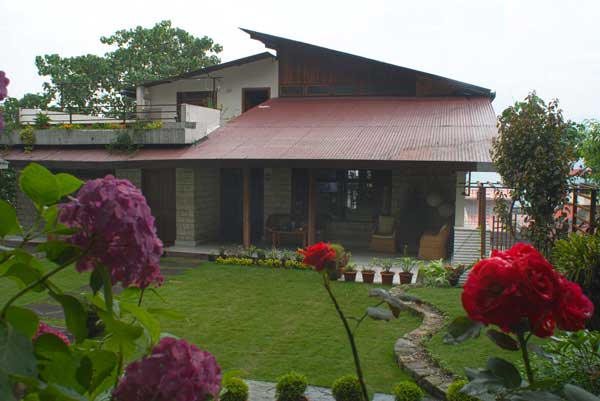 ★★★ Hotel
If you are visiting Gangtok for a holiday, vacation, short trip or for an extended stay an…
View Hotel Details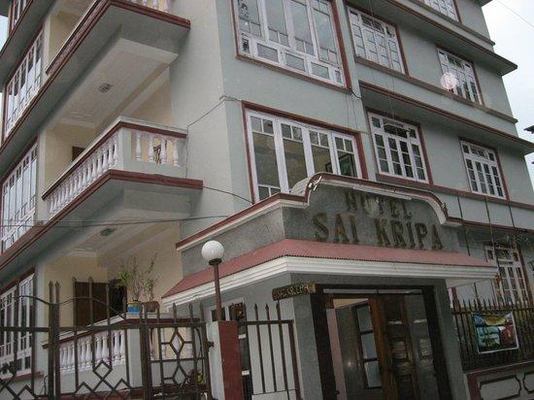 ★★ Hotel
Welcome to our hotel in Gangtok. Hotel Saikripa is situated in the Development Area in Ga…
View Hotel Details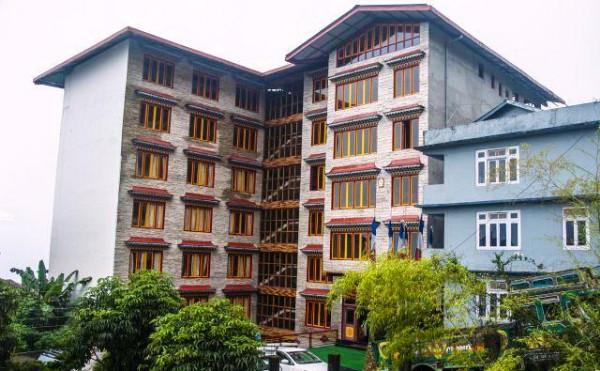 ★★★ Hotel
Sikkim the land of pristine and mystic beauty.... Hill stations is unique and has a differ…
View Hotel Details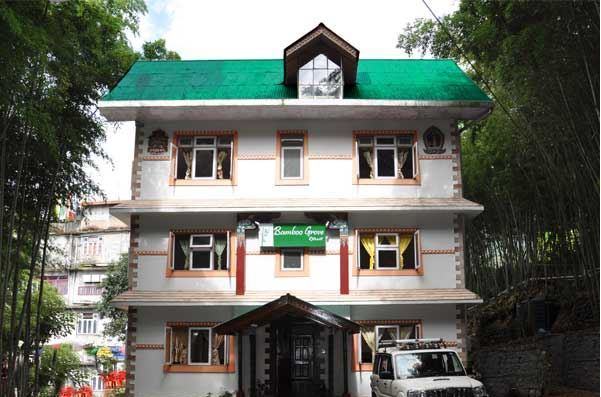 ★★ Hotel
The Hotel Originally named Gyatseling, which in Bhutia language means “House of Bamboo 
View Hotel Details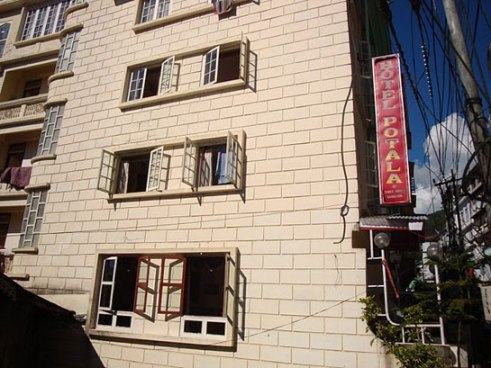 ★★ Hotel
Hotel Potala is located on the historic silk route , Tibet Road where Gangtok was connecte…
View Hotel Details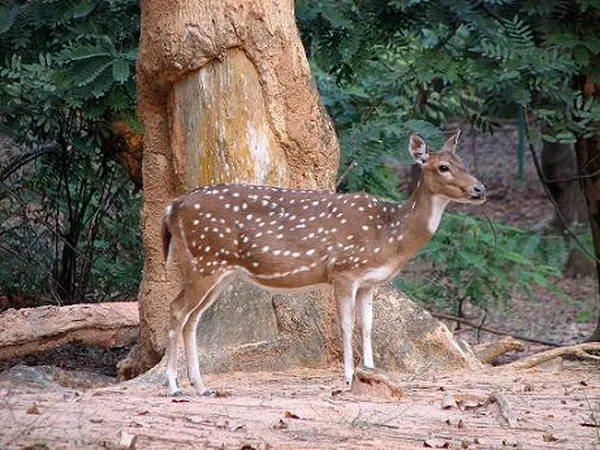 Attraction
Khangchendzonga Biosphere Reserve in Sikkim (celebrated globally across international cons…
Explore Khangchendzonga Biosphere Reserve Attraction
Tsomgo Lake in East Sikkim (celebrated globally across sacred geography, high altitude alp…
Explore Tsomgo Lake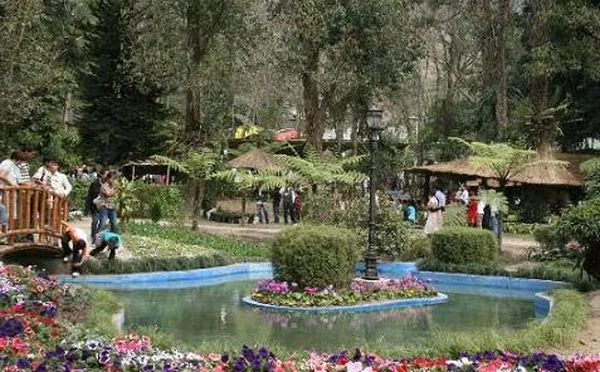 Attraction
Saramsa Garden near Gangtok (celebrated across Eastern Himalayan botany and leisure hortic…
Explore Saramsa Garden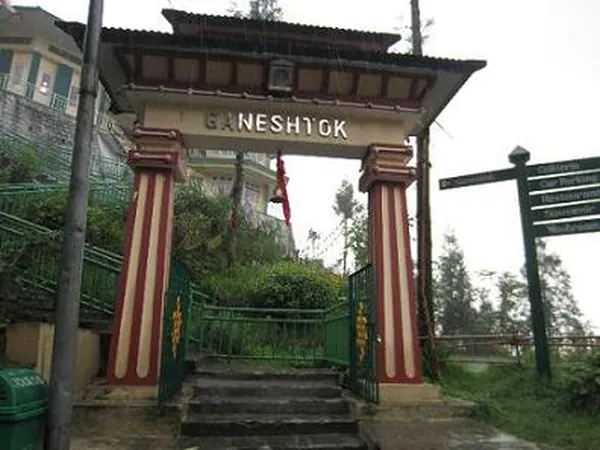 Attraction
Ganesh Tok View Point in Gangtok (celebrated across Eastern Himalayan spiritual viewpoints…
Explore Ganesh Tok View Point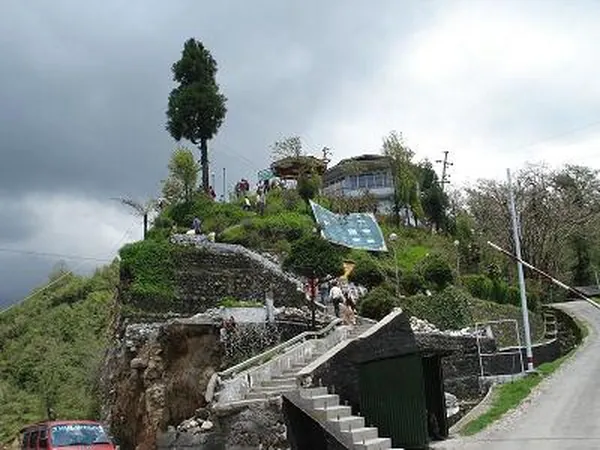 Attraction
Tashi View Point in Gangtok (celebrated across Himalayan landscape photography and Sikkim …
Explore Tashi View Point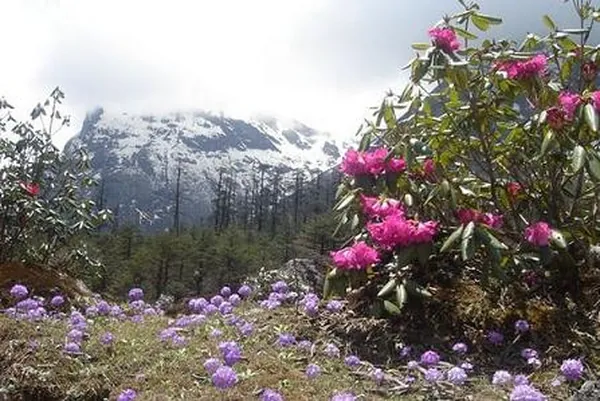 Attraction
Shingba Rhododendron Sanctuary in North Sikkim (celebrated globally as the heart of the wo…
Explore Shingba Rhododendron Sanctuary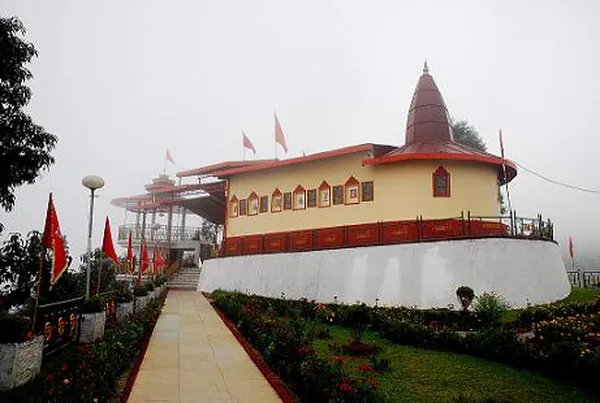 Attraction
Hanuman Tok in Gangtok (celebrated across Eastern Himalayan spiritual lore and mountain vi…
Explore Hanuman Tok
Attraction
Kyongnosla Alpine Sanctuary in East Sikkim (celebrated across Himalayan botanists and alpi…
Explore Kyongnosla Alpine Sanctuary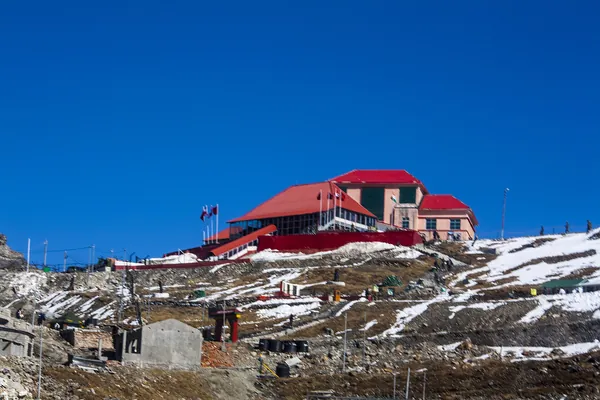 Attraction
Nathula Pass in East Sikkim (celebrated across military history, Himalayan exploration, an…
Explore Nathula PassExplore high-resolution photographs of iconic landmarks, temples, and scenic spots in Gangtok.
Essential visitor information regarding timings, entry tickets, location, nearby attractions, and travel guide in Gangtok.
Do Drul Chorten is famous as Sikkim's largest Buddhist stupa, built in 1945 by Trulshik Rinpoche, featuring 108 Mani prayer wheels and sacred Nyingma relics.
It is located in the Deorali area of South Gangtok, just 2 km from MG Marg and 200 meters from the Namgyal Institute of Tibetology.
The stupa is open daily from 8:00 AM to 6:00 PM with completely free entry for all visitors.
108 is a sacred number in Buddhism; spinning the 108 Mani prayer wheels clockwise while chanting mantras multiplies spiritual merit.
Visitors easily combine it with the Namgyal Institute of Tibetology, the Gangtok Ropeway cable car, MG Marg, and Rumtek Monastery.
Get a customized itinerary and the best deals on packages and hotels.
Enquire Now