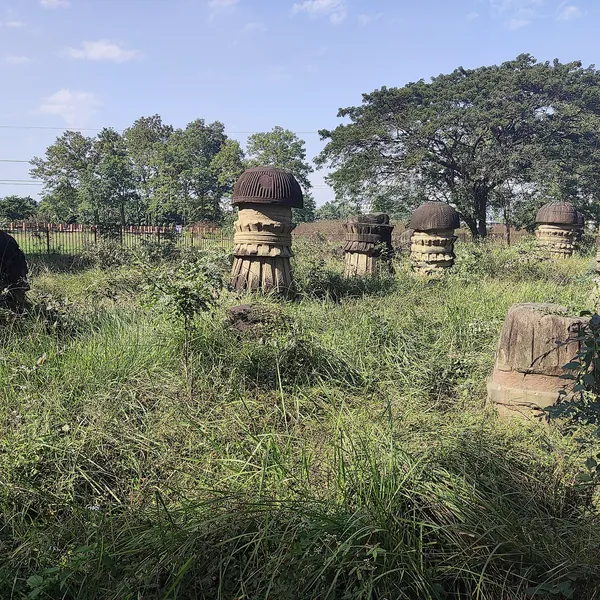
- .
- info@earthtrip.in
-
INR
-
USD
INR
USD
Kohima Museum at Upper Bayavu Hill (celebrated globally across tribal anthropology as 'Nagaland State Museum' and the ethnographic treasure house of the 16...
Kohima Museum at Upper Bayavu Hill (celebrated globally across tribal anthropology as 'Nagaland State Museum' and the ethnographic treasure house of the 16 recognized Naga tribes, established in 1970 by the Directorate of Art and Culture, world famous for authentic tribal artifacts, full scale models of traditional clan dormitories (Morungs) with wood carved hornbill motifs, war shields lined with bear fur, carnelian necklaces, brass skull trophies, hand loomed shawls (Tsungkotepsu, Rongsu), log drums carved from giant tree trunks, and dioramas depicting pre colonial village life), located in Upper Bayavu Hill in Kohima in Nagaland, stands as Nagaland's cultural epicenter.
Arranged across two spacious gallery floors, the museum provides a comprehensive cultural encyclopedia of the Angami, Ao, Konyak, Sumi, Lotha, Chakhesang, Rengma, and other Naga tribes whose distinct customs shaped the Eastern Himalayas.
It's the home of the ceremonial brass and horn warrior necklaces worn exclusively by celebrated headhunters, the life size thatched Naga house replicas showcasing ancestral granaries and wood fired hearths, the display of ancient archaeological pottery unearthed from Chungliyimti cave sites, the gallery of stone monoliths commemorating feasts of merit, and an intensely peaceful, deeply educational museum atmosphere filled with the quiet dignity of ancient tribal heritage and cool mountain air.
It represents a rich Nagaland tribal ethnography zenith, indigenous craftsmanship preservation, and educational tourism where 16 Naga tribe exhibits, carved Morung models, warrior shawls, and Kohima heritage circuits unite in Kohima Museum.
Located in Upper Bayavu Hill along Secretariate Road, it sits 2 km north of Kohima Peace Market, 72 km from Dimapur Railway Station (DMV) and Airport (DMU), 14 km from Kisama Heritage Village, and 22 km from Khonoma, easily reached in 5 to 10 minutes by local taxi.
The museum meticulously showcases the distinctive textiles and symbols of each Naga tribe, such as the Ao warrior shawl (Tsungkotepsu) depicting tigers, mithuns, and spears, which could only be worn by men who achieved victory in battle or hosted great feasts of merit.
The jewellery section features priceless heirlooms including multi strand carnelian bead necklaces, conch shell neck collars, cast brass human trophy pendants, and hornbill feather crowns.
Truth is, standing before the intricately carved wooden Morung pillars while learning about ancient clan customs will give you a profound appreciation for Naga heritage.
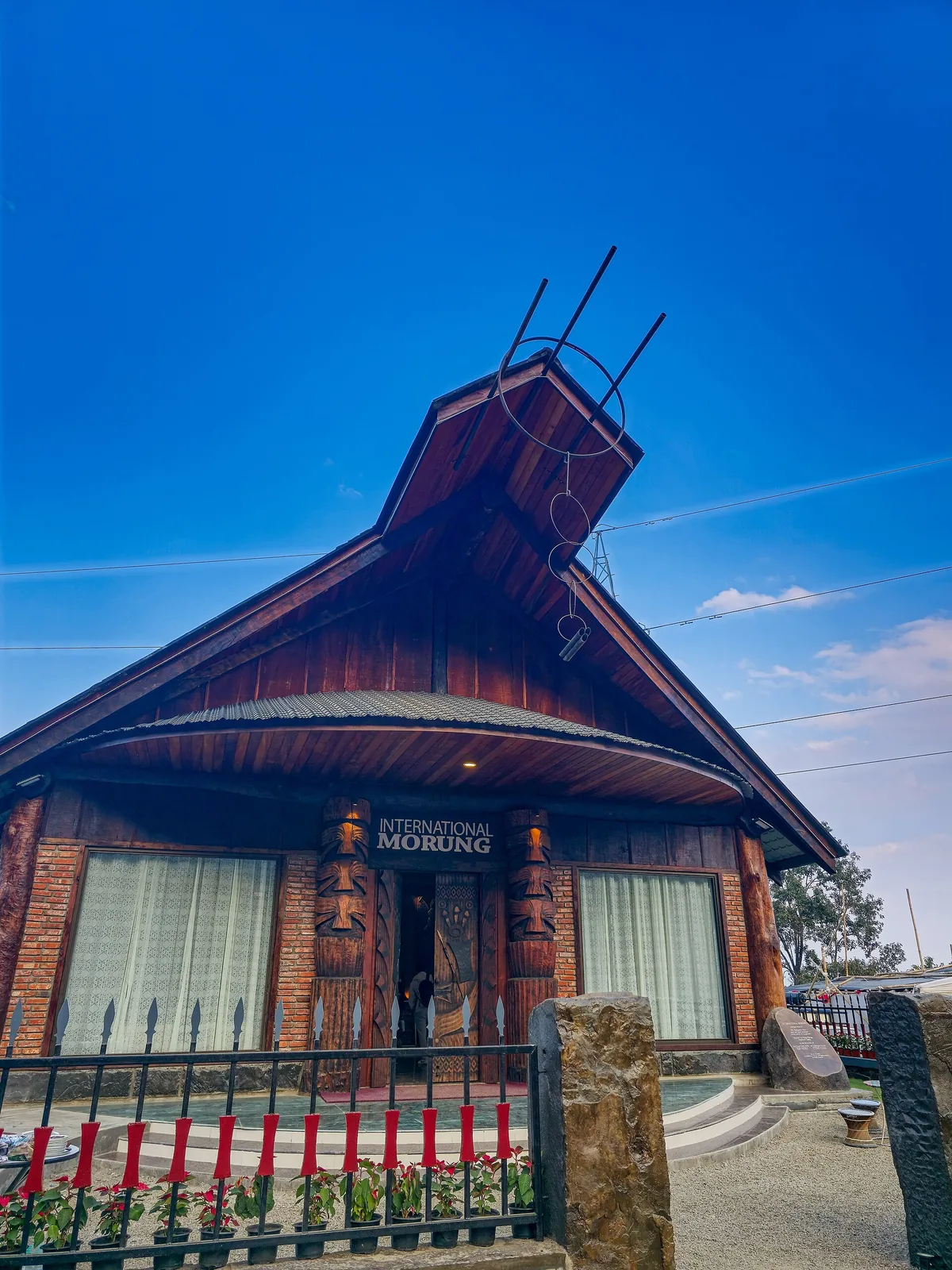
Outdoor Architectural Gallery: The museum courtyard features life sized authentic replicas of traditional Morungs from different Naga tribes, illustrating unique architectural styles, bamboo matting, and carved ridge poles.
Hollowed Log Drums: Visitors can inspect colossal log drums (Kham) carved from single hollowed tree trunks, which were beaten in rhythmic pulses to warn villages of attacks, announce celebrations, or sound alarms across valleys.
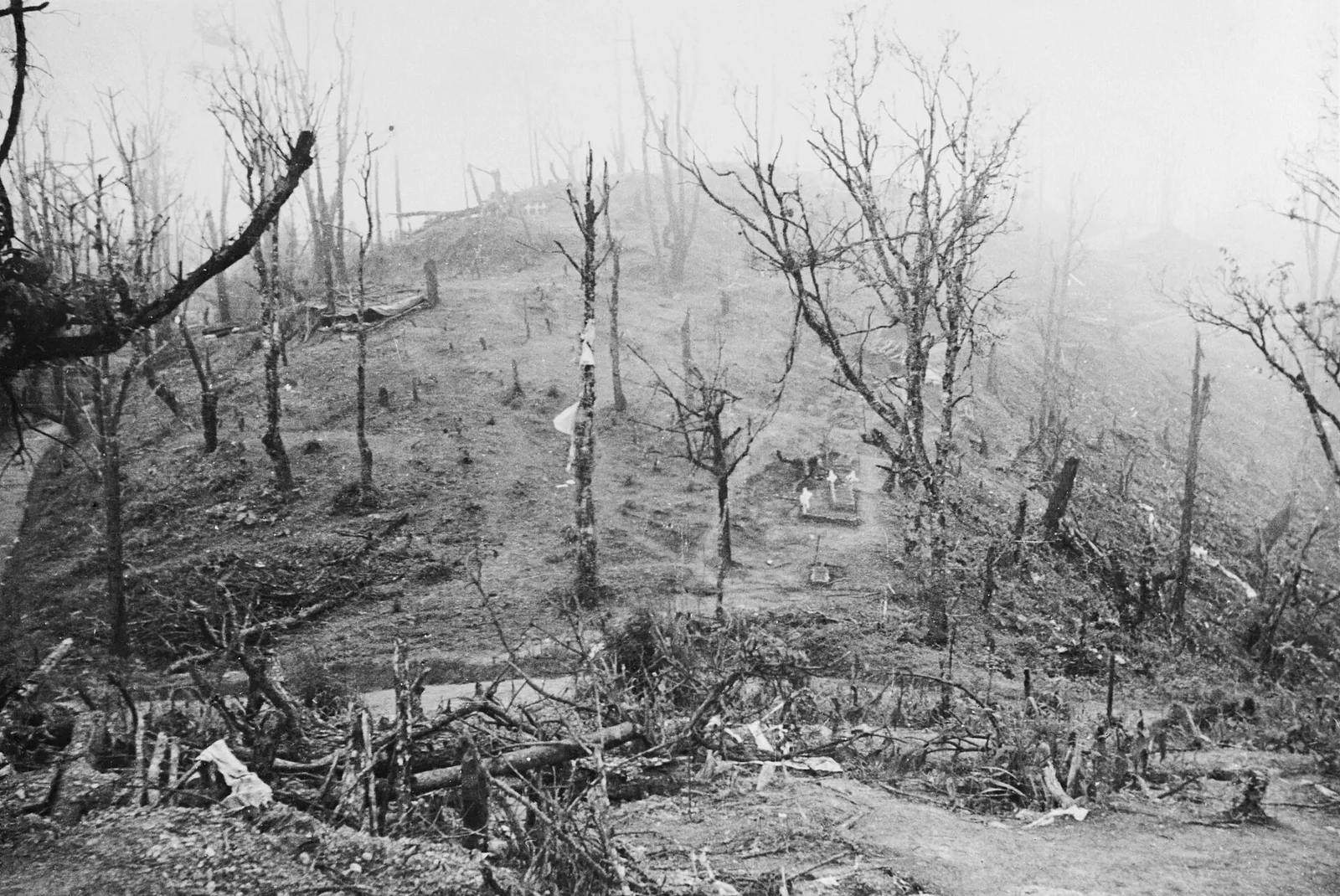
The Complete Kohima Day Tour: Morning visit to Kohima War Cemetery (8:30 AM to 10:00 AM) -> drive to Upper Bayavu Hill for Kohima Museum / Nagaland State Museum (10:30 AM to 12:30 PM) -> traditional Naga thali lunch in town -> Kohima Cathedral on Aradura Hill (2:00 PM to 3:30 PM) -> Kisama Heritage Village (4:00 PM to 6:00 PM).
Photography & Guidelines: Photography of exhibits requires a nominal camera token; touching glass cases and fragile centuries old handwoven textiles is strictly restricted.
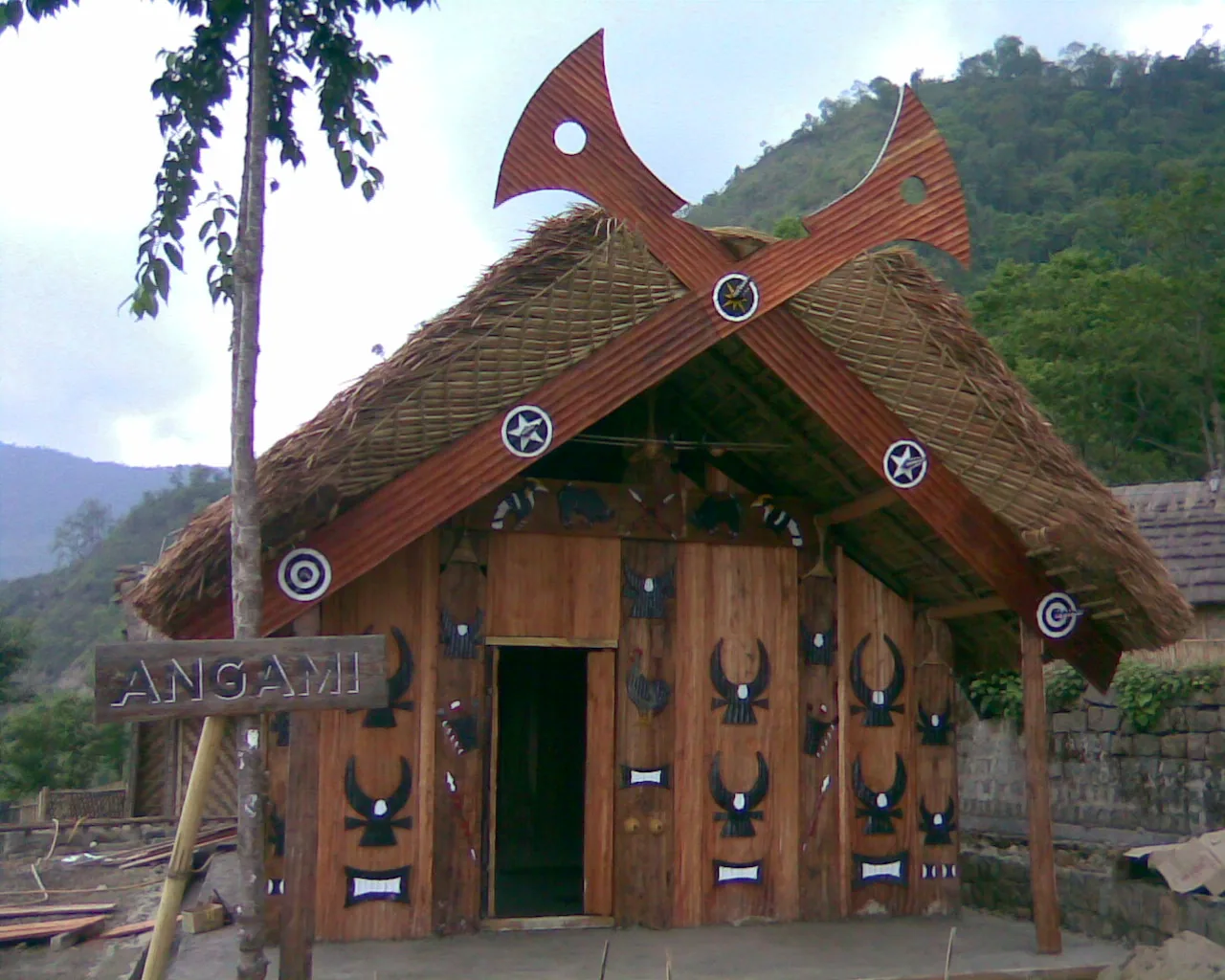
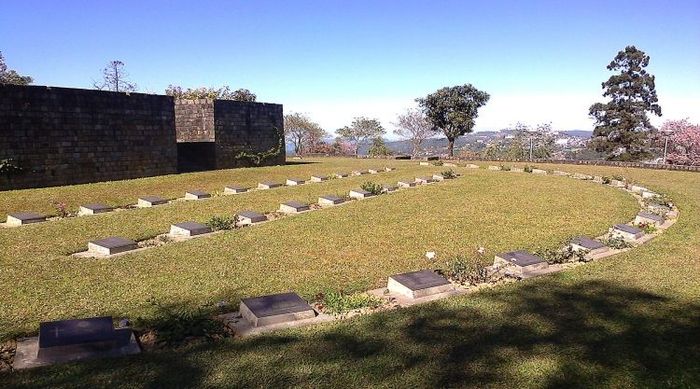
After touring the cultural halls of Kohima Museum, visit Kohima War Cemetery, tour Kisama Heritage Village, or explore Khonoma Green Village.
Reaching Kohima Museum is very simple across Kohima in Nagaland.
Best Time to Visit:
Explore more famous state museums, tribal art galleries, and cultural heritage repositories across Nagaland.
 Family
 ★★ Hotel
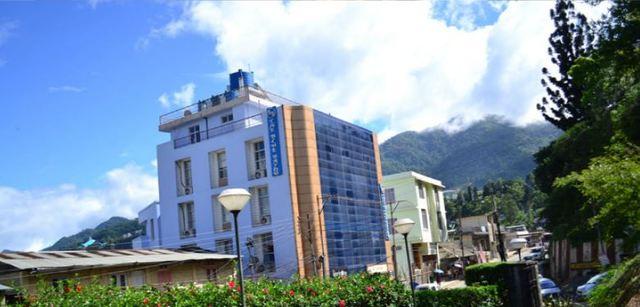
The Blue Bayou has a total of eight (8) AC rooms categorized into Superior/Twin bedrooms, …
View Hotel Details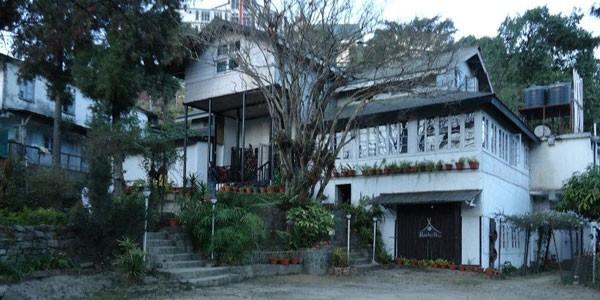 ★★ Hotel
Razhu Pru was a family house built out of wood in the conventional Naga style. In Kohima, …
View Hotel Details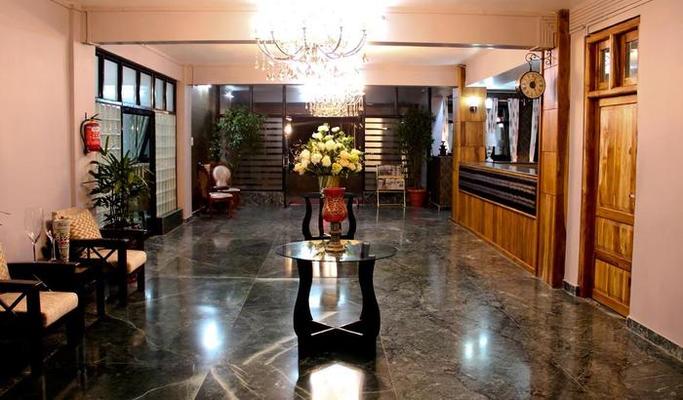 ★★ Hotel
We at de Oriental Grand make it our purpose that the goodwill of our customers, guests and…
View Hotel Details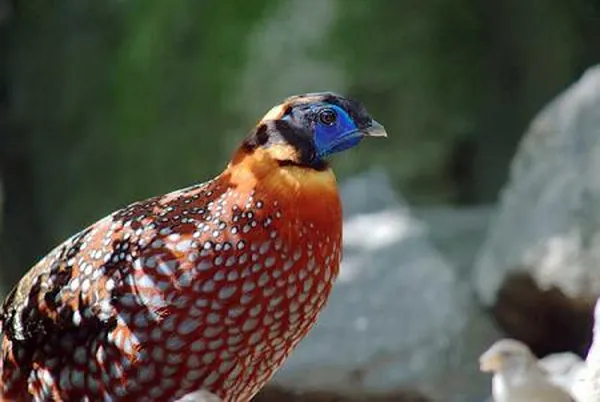 Attraction
Kohima Zoo near Kohima (celebrated globally across Himalayan wildlife zoology as Nagaland'…
Explore Kohima Zoo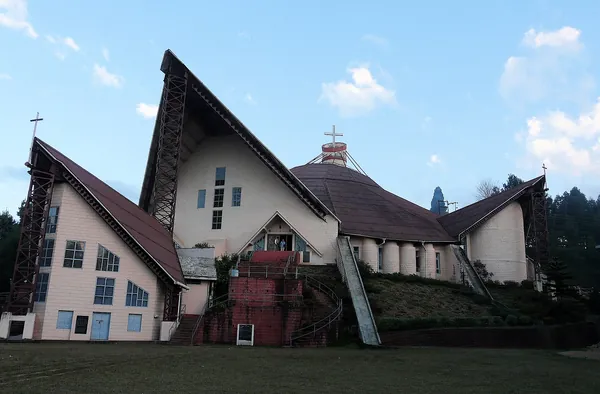 Attraction
Kohima Cathedral on Aradura Hill (celebrated globally across contemporary church architect…
Explore Kohima Cathedral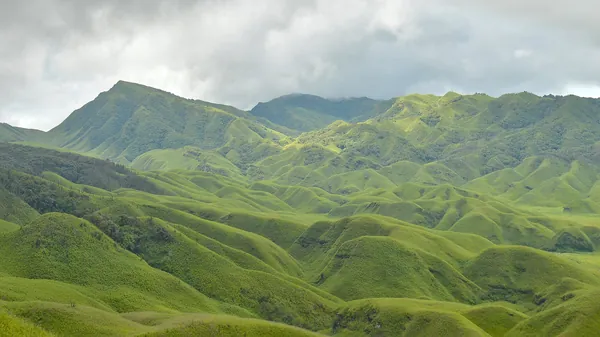 Attraction
Dzukou Valley near Kohima (celebrated globally across trekking as the 'Valley of Celestial…
Explore Dzukou Valley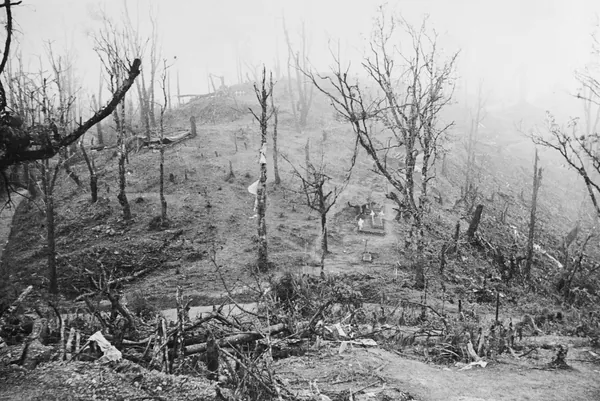 Attraction
Kohima War Cemetery in Kohima (celebrated globally across military history as the memorial…
Explore Kohima War Cemetery Attraction
Japfu Peak near Kohima (celebrated globally across mountaineering, botanical sciences, and…
Explore Japfu Peak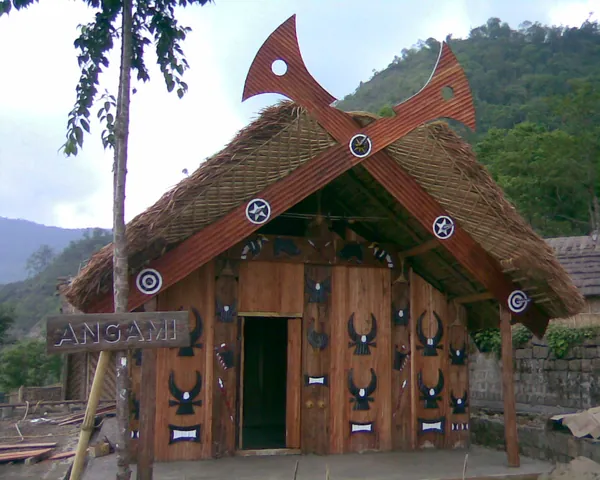 Attraction
Khonoma Green Village near Kohima (celebrated globally across sustainable ecology as 'Asia…
Explore KhonomaExplore high-resolution photographs of iconic landmarks, temples, and scenic spots in Kohima.
Essential visitor information regarding timings, entry tickets, location, nearby attractions, and travel guide in Kohima.
The museum is famous as the premier ethnographic repository showcasing authentic artifacts, warrior shawls, jewellery, and full-scale Morung models of the 16 Naga tribes.
It is located on Upper Bayavu Hill along Secretariat Road in Kohima, approximately 2 km north of the town center (5 to 10 minutes drive).
The museum is open Tuesday to Sunday from 10:00 AM to 4:00 PM and is strictly CLOSED on Mondays and public holidays.
Entry tickets cost Rs 20 for Indian adults, Rs 10 for students/children, and Rs 100 for foreign visitors, with a camera fee of Rs 50.
The courtyard features full-scale authentic models of traditional Morungs (youth dormitories) and giant carved log drums (Kham) used for village alarms.
Get a customized itinerary and the best deals on packages and hotels.
Enquire Now