- .
- info@earthtrip.in
-
INR
-
USD
INR
USD
Kohima is the capital city of Nagaland and lies complacently shrouded at the eastern frontiers of the mighty Himalayas. The modern city of Kohima was built in by the British to enjoy the eastern region. This is the very place where the World War-II battle took place and thousands of soldiers sacrificed their lives. The majority of Nagas and Kukis reside in the region and protect their unique culture and identity. The colourful costumes of the local people, joyous and familiar behaviour makes it a wonderful experience to visit this city. The astounding places of Kohima that attract tourists are the Dzukou valley, Bara Basti and Cathedral of Reconciliation.
Kohima town is the second largest urban area of Nagaland after Dimapur-Chumukedima and 'Kohima Village', known as ‘Bara Basti' or 'large village', is the second largest village in Asia. Go on a drive high up into the Dzukou Valley and trek through its plains, blossoming with lush flowers. Watch the pale and sublime moonlight wash over the valley during your night camp. Visit the hallowed grounds of the memorial at Khonoma and listen to the courageous tales of sacrifice and valour told at Khonoma Gate. These are six days of your life you will never forget.
Day 1 - Arrive in Dimapur - Kohima (80 km / 2 hours 30 mins)
Arrive in Dimapur and drive to Kohima. On arrival, check in at the hotel. If time permits, visit the local market. Later, overnight at the hotel.
Day 2 - Kohima - Dzukou Valley (35 Km/ 6 - 7 hours)
After morning breakfast Drive to 35 km Dzukou Valley, which is 2438 meters above sea level. Go on a trek by foot for about 3 - 4 hours to the Valley Camp. Accommodations will be arranged in cabins, shacks or dormitories, depending on the availability, or cuddle underneath the caves and bond closely with nature. overnight at the hotel.
Day 3 - Dzukou
After morning breakfast On this day, go around the valley and experience the beauty of the valley. Be mesmerised by vibrant blossoms of flowers that cover the entire valley floor. Indulge in some solitary time and meditate amidst nature, to soothe your soul. overnight at the hotel.
Day 4 - Dzukou - Kohima (35 Km/ 6 - 7 hours)
After morning breakfast, drive to Kohima. heck in at the hotel. If time permits, visit the local market. Later Relax overnight at the hotel.
Day 5 - Kohima - Visit Khonoma Village
After morning breakfast, drive to the Khonoma Village via Kohima, a beautiful place famous for its valour and courage. The unique Khonoma Gate tells the story of British infiltration into Naga Hills. After lunch, in the late afternoon, visit the famous war cemetery which is a symbolic memorial. Return to Kohima overnight stay at the hotel.
Day 6 - Kohima - Dimapur (80 km / 3 hours)
After morning breakfast, drive to Dimapur Airport for onward Journey.
Tour End
Payments policy
Tour Cancilation policy
By Train & Air via Dimapur Gateway:
By Road:
Kohima features WWII war cemeteries, heritage festival villages, high floral valleys, and wooden cathedrals:
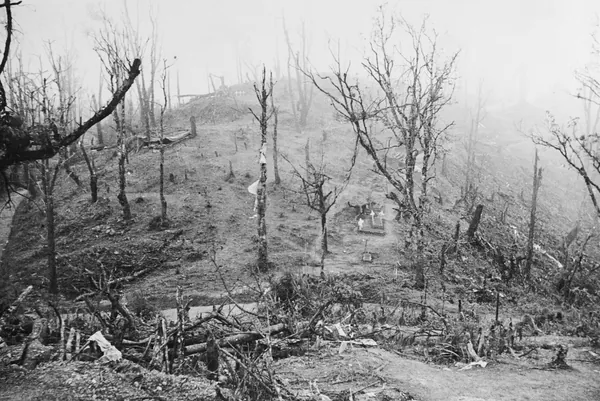
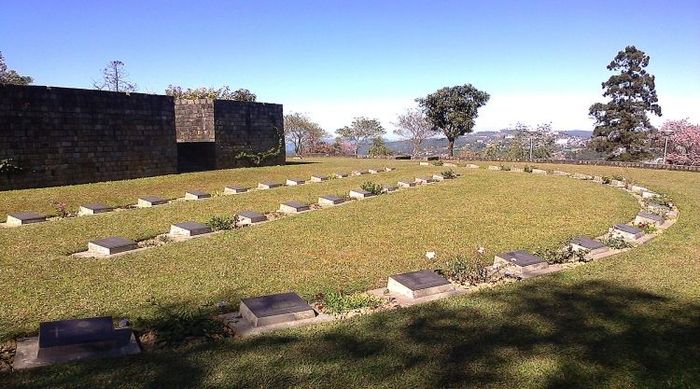
A beautifully manicured Commonwealth war memorial constructed on Garrison Hill, the historic site of the fierce 1944 Battle of Kohima. Features 1,420 bronze headstones terraced across landscaped lawns, the preserved white outline of the famous Deputy Commissioner's tennis court, and the world renowned Kohima Epitaph.
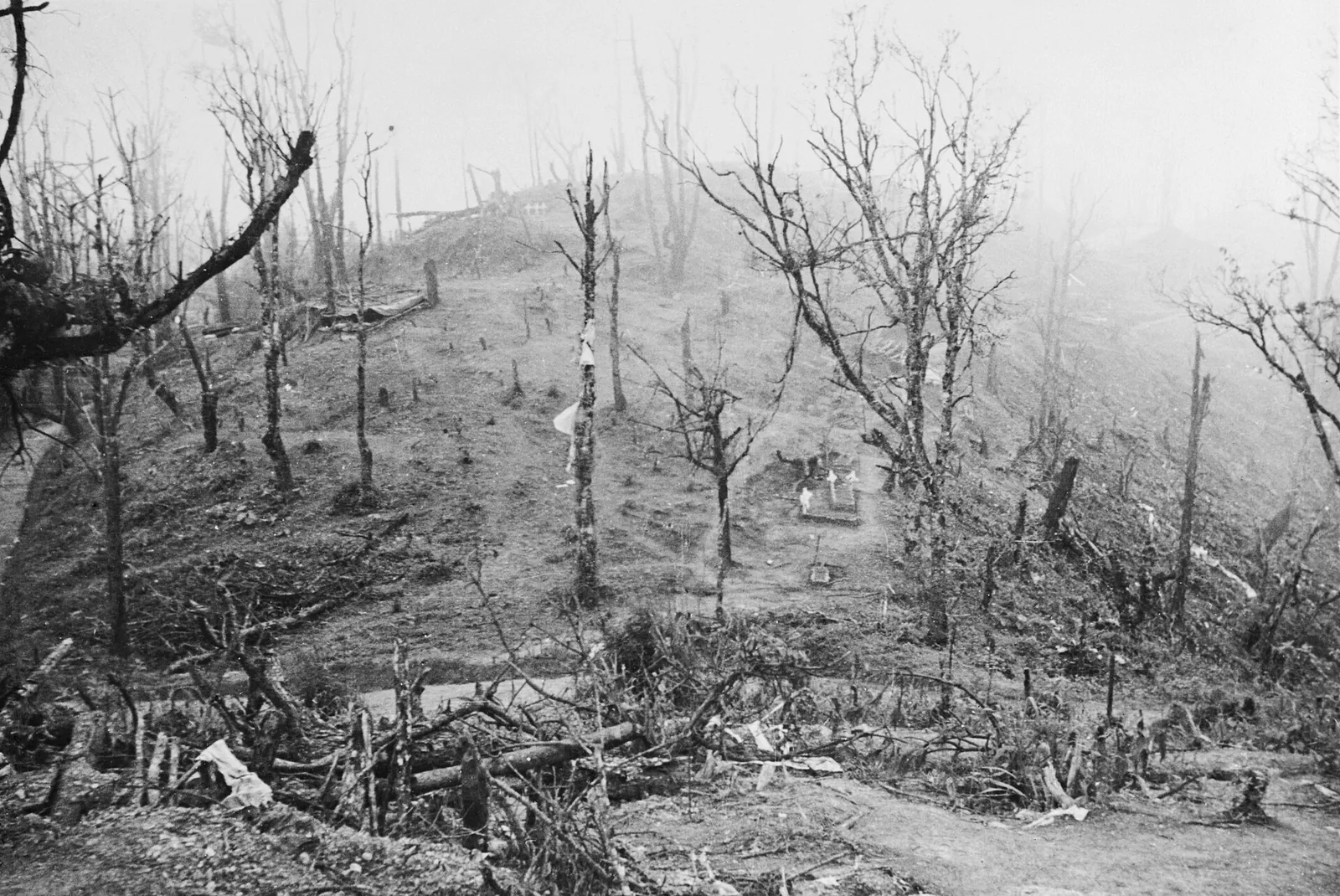 Kohima War Cemetery — World War II Commonwealth Battle Memorial on Garrison Hill
Located 10 km south of Kohima amidst pine covered hills, Kisama is a permanent tribal heritage village. Features full scale authentic Morungs (traditional youth dormitories) built by all 17 Naga indigenous tribes with wood carved pillars and hornbill motifs, hosting the annual Hornbill Festival every December.
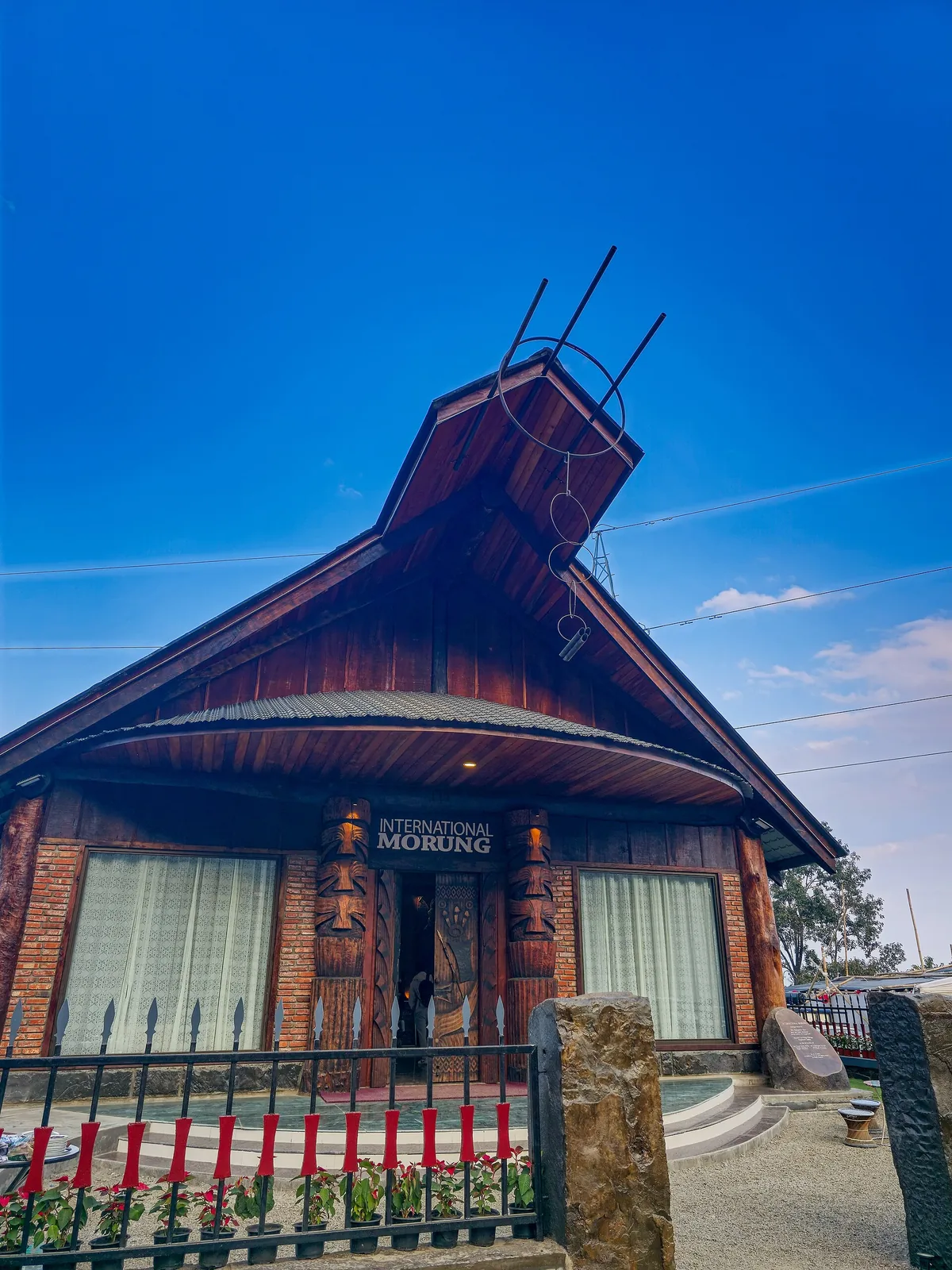 Kisama Heritage Village — Traditional Naga Morungs and Venue of Hornbill Festival near Kohima
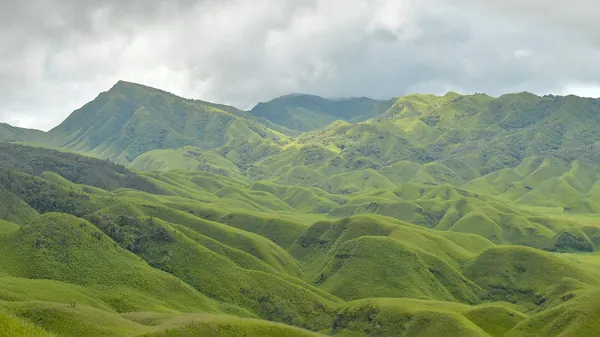
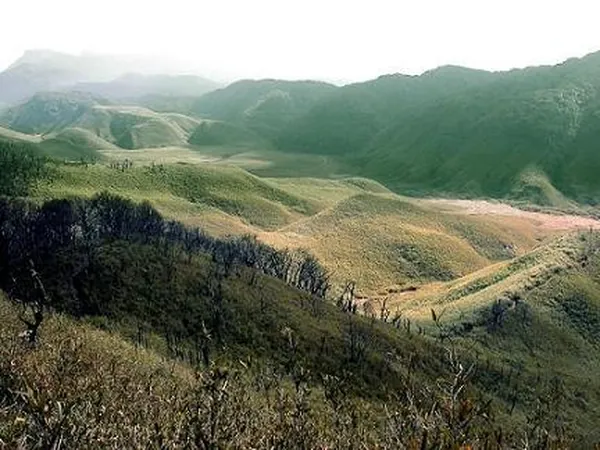
Perched at an elevation of 2,452 meters on the Nagaland Manipur border, Dzukou Valley is famed as the Valley of Flowers of the Northeast. Accessible via treks from Viswema or Jakhama, the valley features undulating dwarf bamboo knolls, meandering crystal streams, and seasonal blooms of the endemic pink Dzukou Lily.
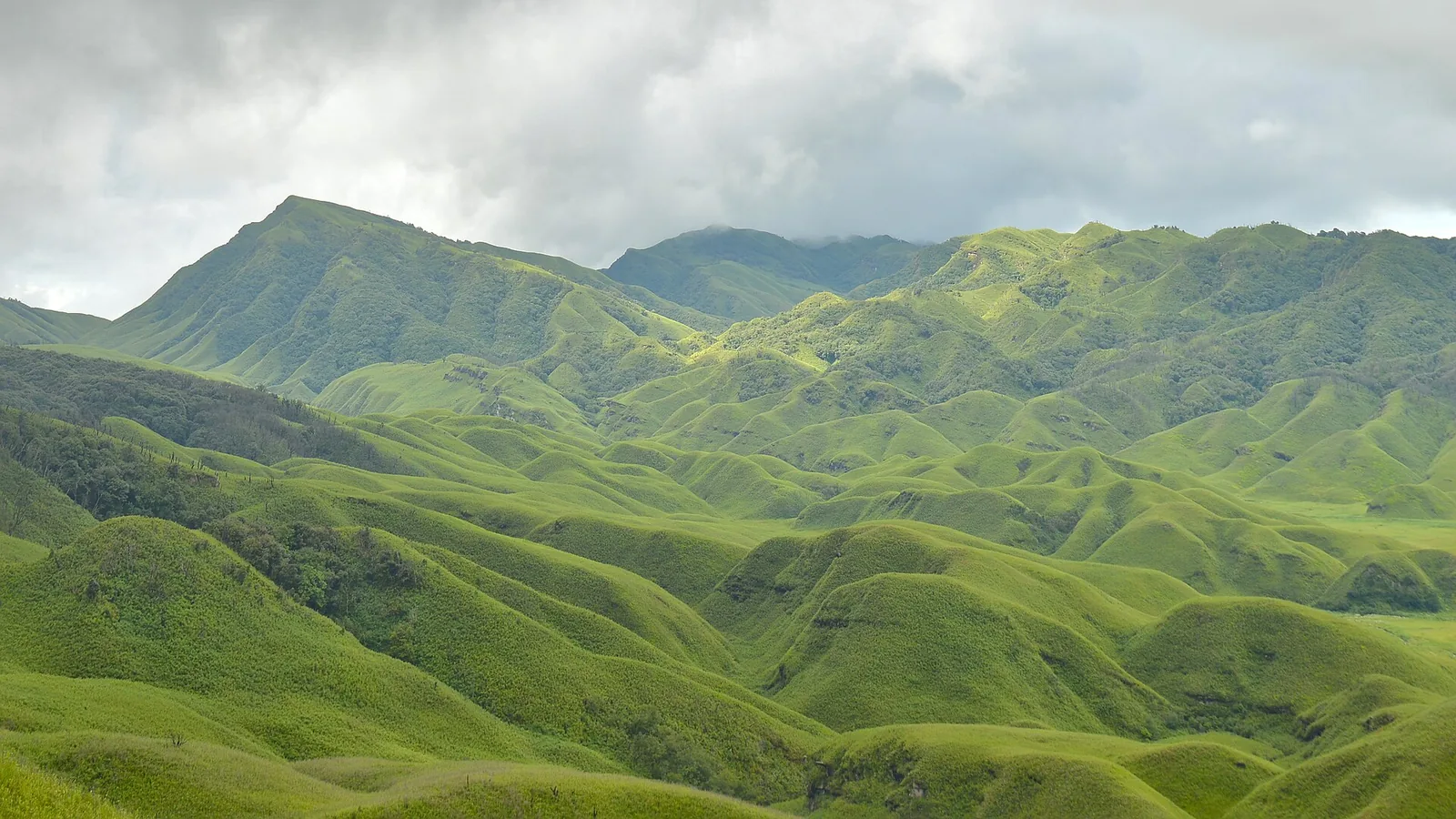 Dzukou Valley — High Altitude Trekking Paradise and Lily Valley at 2,452 Meters
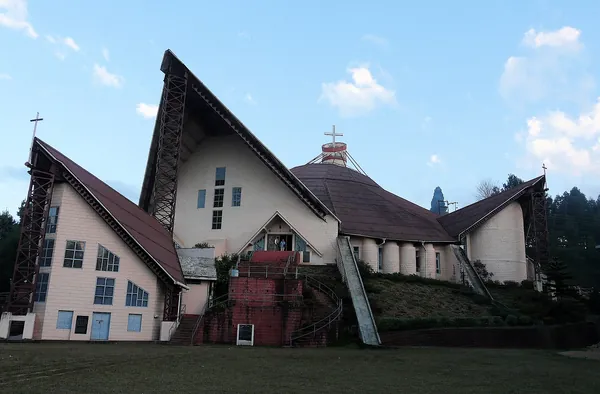
A landmark Roman Catholic cathedral perched atop Aradurah Hill overlooking Kohima town. Built in a distinct semicircular Naga architectural style with high timber arches, it houses one of Asia's largest carved wooden crucifixes (16 feet high) and vibrant biblical stained glass windows.
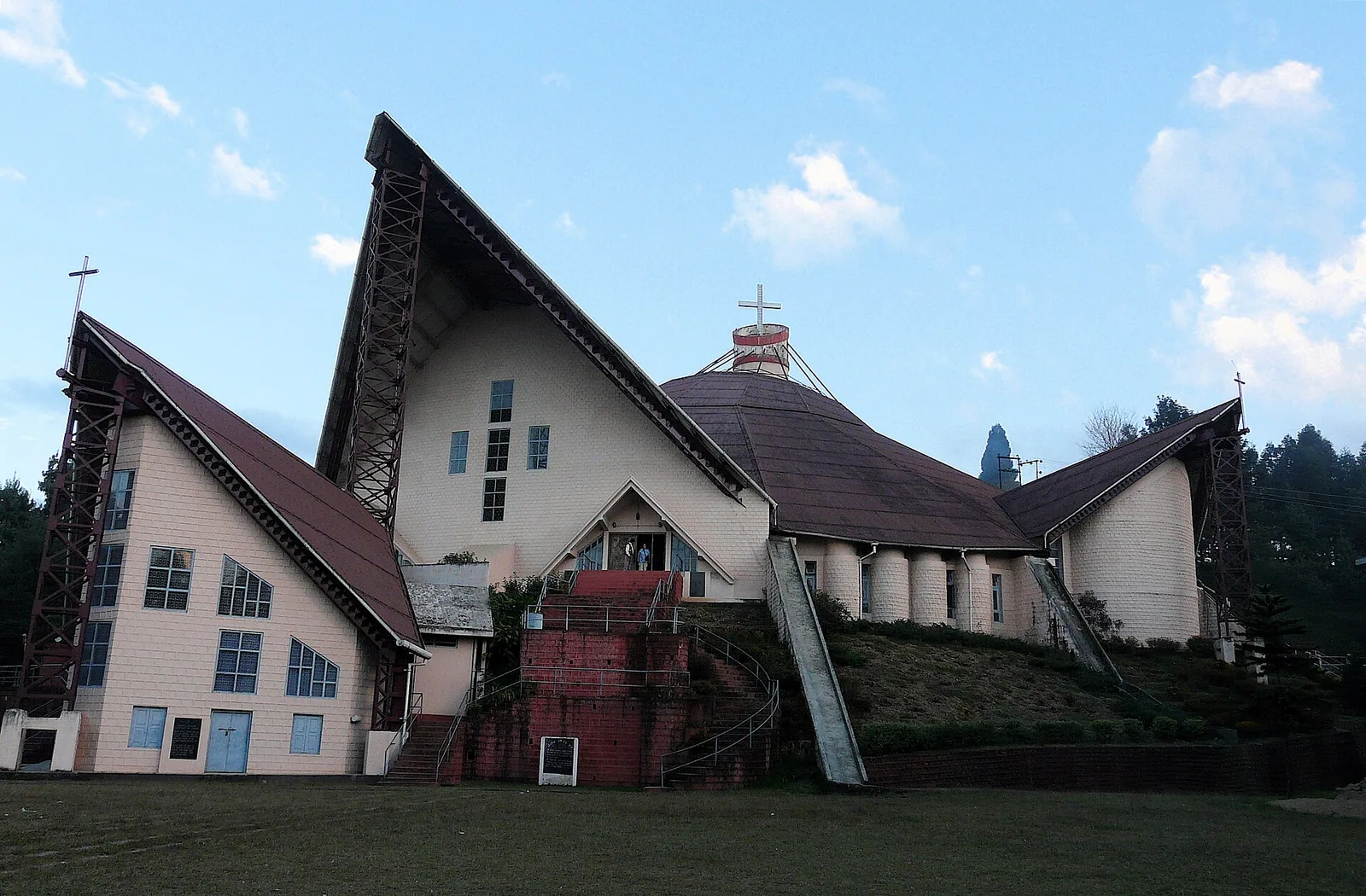 Cathedral of Kohima — Majestic Naga-Gothic Cathedral on Aradurah Hill
A 700 year old Angami tribal village renowned globally as Asia's first green village. Celebrated for banning hunting and commercial logging, creating the Khonoma Nature Conservation and Tragopan Sanctuary, maintaining ancient carved stone fortress gates, and cultivating lush stepped rice terraces.
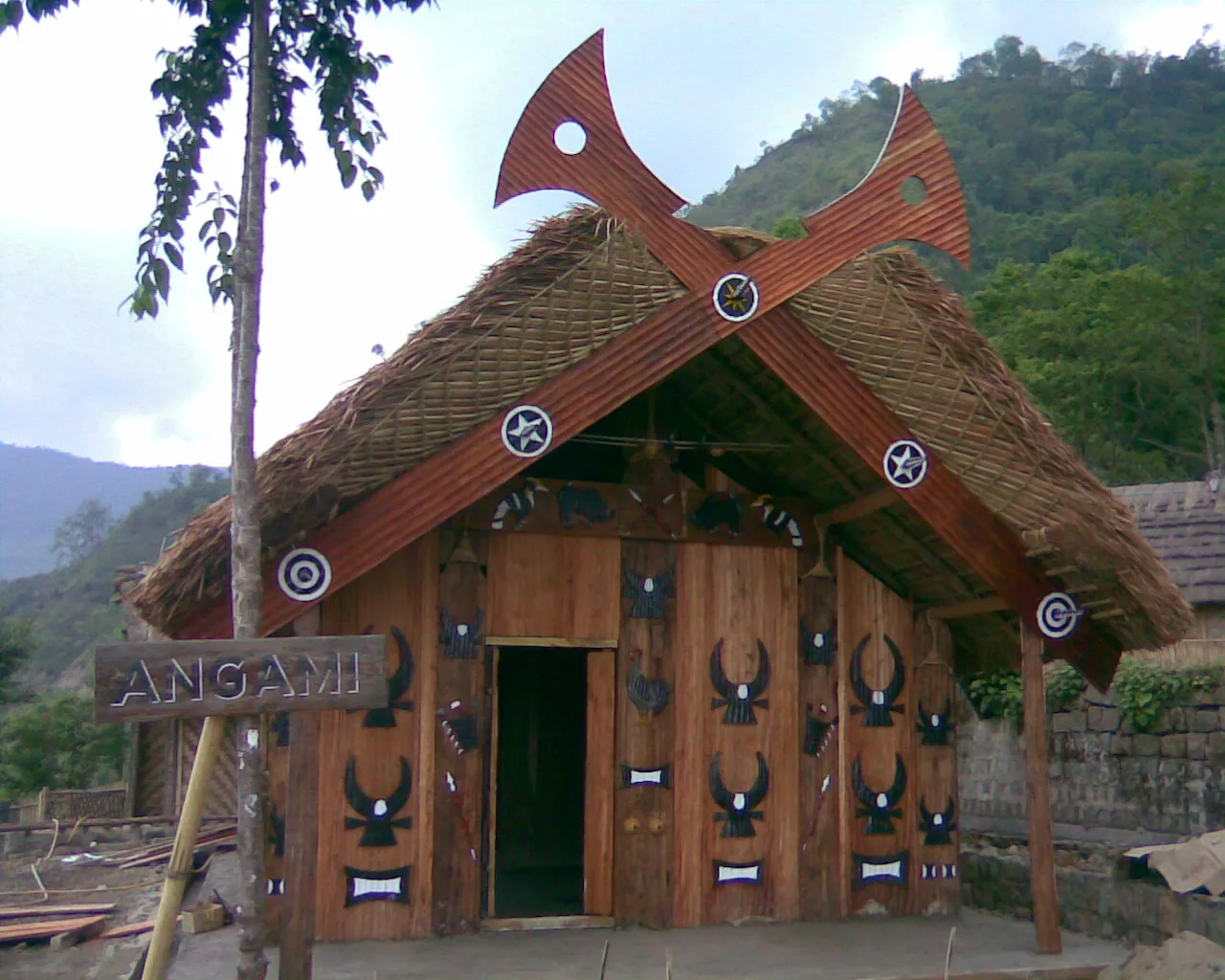 Khonoma Green Village — Asia's First Certified Green Village and Angami Heritage
An ethnographic treasure house exhibiting authentic artifacts from all 16 major Naga tribes, including ancestral warrior headgear adorned with hornbill feathers, ancient brass gongs, traditional handlooms, and life size tribal diorama displays.
The second highest mountain summit in Nagaland standing at 3,048 meters above sea level. Famous for scenic mountain trekking through misty subtropical forests and home to the Guinness World Record certified tallest Rhododendron tree (over 109 feet high).
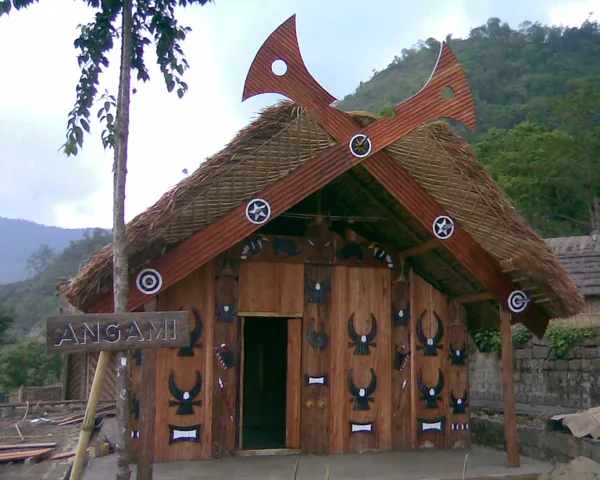
The ancestral Angami settlement from which modern Kohima grew, considered the second largest village in Asia. Features monumental wooden village gates (Kharu) carved with buffalo horns and warrior symbols, sacred ceremonial stone monoliths, and traditional thatch houses.
A bustling market in the town center where local tribal women sell organic wild mountain vegetables, fresh bamboo shoots, dried smoked pork, and legendary Raja Mircha peppers.
Duration: 05 Nights 06 Days
 Best Flights
 Best Prices
 Unique Holidays