Kohima — Travel Guide
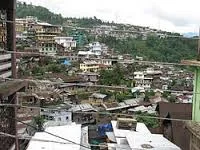
Kohima (universally celebrated as the hilltop state capital of Nagaland, ancestral heartland of the Angami Naga people, and the historic battleground where the eastward expansion of Imperial Japan was halted in World War II, dramatically spread along high mountain ridges at an elevation of 1,444 meters (4,738 ft) above sea level), is an extraordinary highland destination.
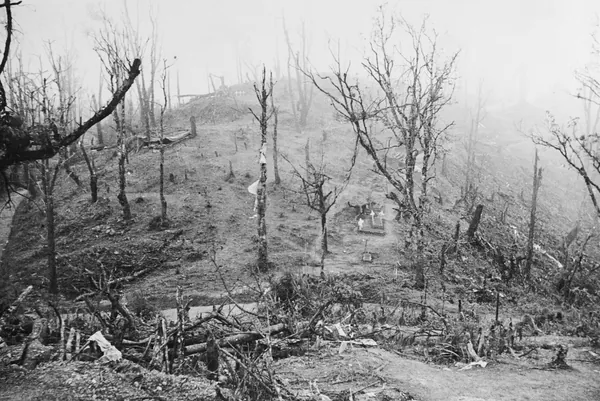
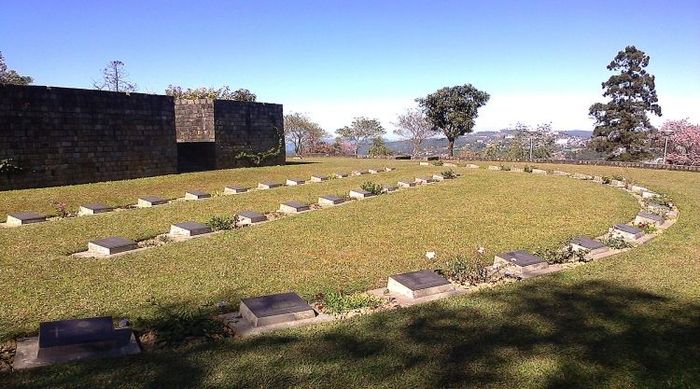
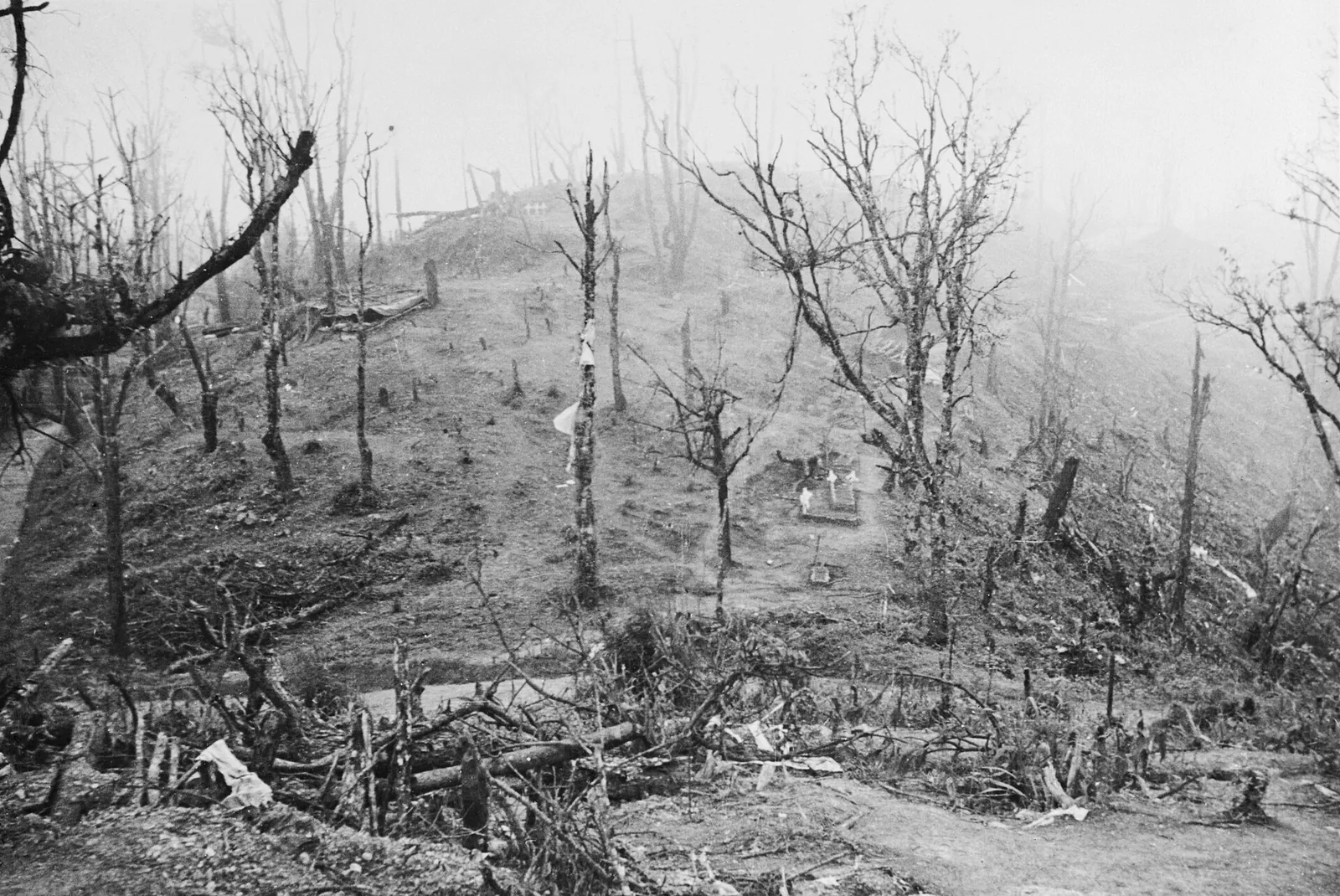 Kohima War Cemetery — World War II Battle of Kohima Memorial on Garrison Hill
Seamlessly uniting solemn global history (the terraced lawns of the WWII Kohima War Cemetery on Garrison Hill and the famous memorial epitaph *"When you go home, tell them of us and say, for your tomorrow, we gave our today"*) with the world famous Hornbill Festival celebrated annually at Kisama Heritage Village, the mesmerizing high altitude floral expanse of Dzukou Valley (the *"Valley of Flowers of the Northeast"*), the rich ethnographic galleries at Kohima State Museum, the dramatic semicircular wooden architecture of Mary Help of Christians Cathedral atop Aradurah Hill, Asia's first certified eco village at Khonoma, and seamless connectivity along NH-29 to Dimapur (74 km) and Imphal (140 km), Kohima provides an unforgettable mountain journey.
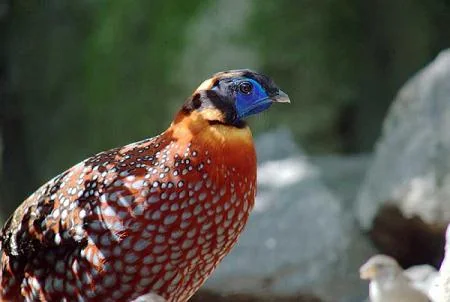
The city is famous globally for its rich tribal folklore, terraced agriculture, and indigenous traditions: the historic WWII memorial Kohima War Cemetery (Garrison Hill) (preserving the legendary tennis court battle site with 1,420 Allied soldier graves overlooking Kohima town), the grand cultural complex Kisama Naga Heritage Village (10 km) (venue of the annual 10 day Hornbill Festival featuring authentic traditional *Morungs* representing all 17 recognized Naga tribes), the world class high altitude trekking paradise Dzukou Valley (2,452 m — 25 km south) (famous for rolling emerald bamboo knolls, crystal clear mountain streams, and the rare seasonal *Lilium chitrangadae* / Dzukou Lily), the prestigious Kohima State Museum (Bayavu Hill) (exhibiting ancestral Naga warrior headgear, hornbill feather headdresses, tribal jewelry, and log drums), the iconic hilltop monument Mary Help of Christians Cathedral (Aradurah Hill) (housing a 16 foot carved wooden crucifix and sweeping panoramic views), the historic eco sanctuary at Khonoma Green Village (20 km — birthplace of Angami warrior resistance and Blyth's Tragopan sanctuary), the highest viewpoint at Japfu Peak (3,048 m — second highest summit in Nagaland home to the world's tallest rhododendron tree), the bustling Kohima Local Ground & Mao Market, and Kohima's seamless connections along NH-29 to Dimapur (74 km) and Imphal (140 km).
Located seamlessly just 74 km southeast of Dimapur Railway Station and Airport, and 140 km north of Imphal, Kohima is the proud cultural fortress of Nagaland.
Best Time to Visit Kohima:
- October to May (Autumn, Winter & Spring / Best Season): Mild, sunny, and delightful weather (6°C to 22°C), ideal for sightseeing, Dzukou valley treks, and village explorations.
- December 1 to 10 (The Hornbill Festival): The premier cultural extravaganza of Northeast India held at Kisama, featuring war dances, rock concerts, traditional games, and culinary feasts.
- February (Sekrenyi Festival): Angami purification and harvest celebration with folk singing and traditional feasts.
- June to September (Monsoon): Dzukou valley bursts into wildflower blooms (especially July Dzukou lilies), though heavy rains occur (averaging 1,800 mm).
- December / January (Winter): Cold, crisp mountain days (4°C to 16°C).
Famous Kohima & Angami Naga Culinary Specialties:
- Smoked Pork with Bamboo Shoots: Tender hardwood smoked pork simmered with fresh bamboo shoots, wild ginger, and fiery King Chillies.
- Axone Pork Curry: Flavorful pork curry cooked in aromatic fermented soybean paste (Axone) and local herbs.
- Angami Galho: Wholesome and comforting Naga soup porridge cooked with rice, seasonal green vegetables, smoked pork, and local salt.
- Chili Chutney (Raja Mircha Chutney): Pounded King Chillies with roasted tomatoes and fermented fish or dry pork bits.
- Zutho & Khevulie: Freshly brewed sweet and foamy Angami fermented rice drink served in hollow bamboo cups.
By Train & Air via Dimapur Gateway:
- Dimapur Railway Station (Station Code: DMV - 74 km northwest): Principal broad gauge railhead connected with express trains across India (Dibrugarh Rajdhani, Brahmaputra Mail). Shared Tata Sumo cabs and NST buses run continuously from Dimapur to Kohima (2 hours via 4 lane NH-29).
- Dimapur Airport (Airport Code: DMU - 74 km northwest): Domestic airport with daily direct flights from Kolkata, Guwahati, and New Delhi. Taxis take 2 hours to Kohima.
By Road:
- From Dimapur (~74 km / 2 hours): Via smooth 4 lane expressway NH-29.
- From Imphal (~140 km / 4.5 hours): Via NH-2 through Maram and Senapati.
- From Guwahati (~350 km / 7.5 hours): Via NH-27 and NH-29 through Doboka and Dimapur.
- NST buses and private deluxe night coaches operate daily services from Kohima NST Bus Stand connecting all district headquarters.
- Note: Indian tourists must carry an Inner Line Permit (ILP), obtainable online or at the DC office in Kohima.
Shopping in Kohima features Angami shawls, woodcrafts, and King Chillies:
- Mao Market, Tibetan Market, Kisama Crafts Stalls & Razhu Point: Authentic **GI-Tagged Handwoven Angami Lohe & Tsungkotepsu Naga Shawls**, handcrafted **Naga Wooden Kharu Gates, Carved Warrior Mugs & Bamboo Stools**, certified **Raja Mircha (King Chilli) & Dried Ghost Pepper Flakes**, traditional **Angami Red Corn & Wild Naga Garlic**, and **Authentic Naga Beaded Necklaces, Brass Pendants & Hornbill Woodcrafts**.
Must-Visit Places in Kohima
Kohima features WWII war cemeteries, heritage festival villages, high floral valleys, and wooden cathedrals:
1. Kohima War Cemetery & Garrison Hill (WWII Battle of Kohima Memorial & Tennis Court Site)
A beautifully manicured Commonwealth war memorial constructed on Garrison Hill, the historic site of the fierce 1944 Battle of Kohima. Features 1,420 bronze headstones terraced across landscaped lawns, the preserved white outline of the famous Deputy Commissioner's tennis court, and the world renowned Kohima Epitaph.
Kohima War Cemetery — World War II Commonwealth Battle Memorial on Garrison Hill
2. Kisama Naga Heritage Village (Venue of the World-Famous Hornbill Festival - 10 km)
Located 10 km south of Kohima amidst pine covered hills, Kisama is a permanent tribal heritage village. Features full scale authentic Morungs (traditional youth dormitories) built by all 17 Naga indigenous tribes with wood carved pillars and hornbill motifs, hosting the annual Hornbill Festival every December.
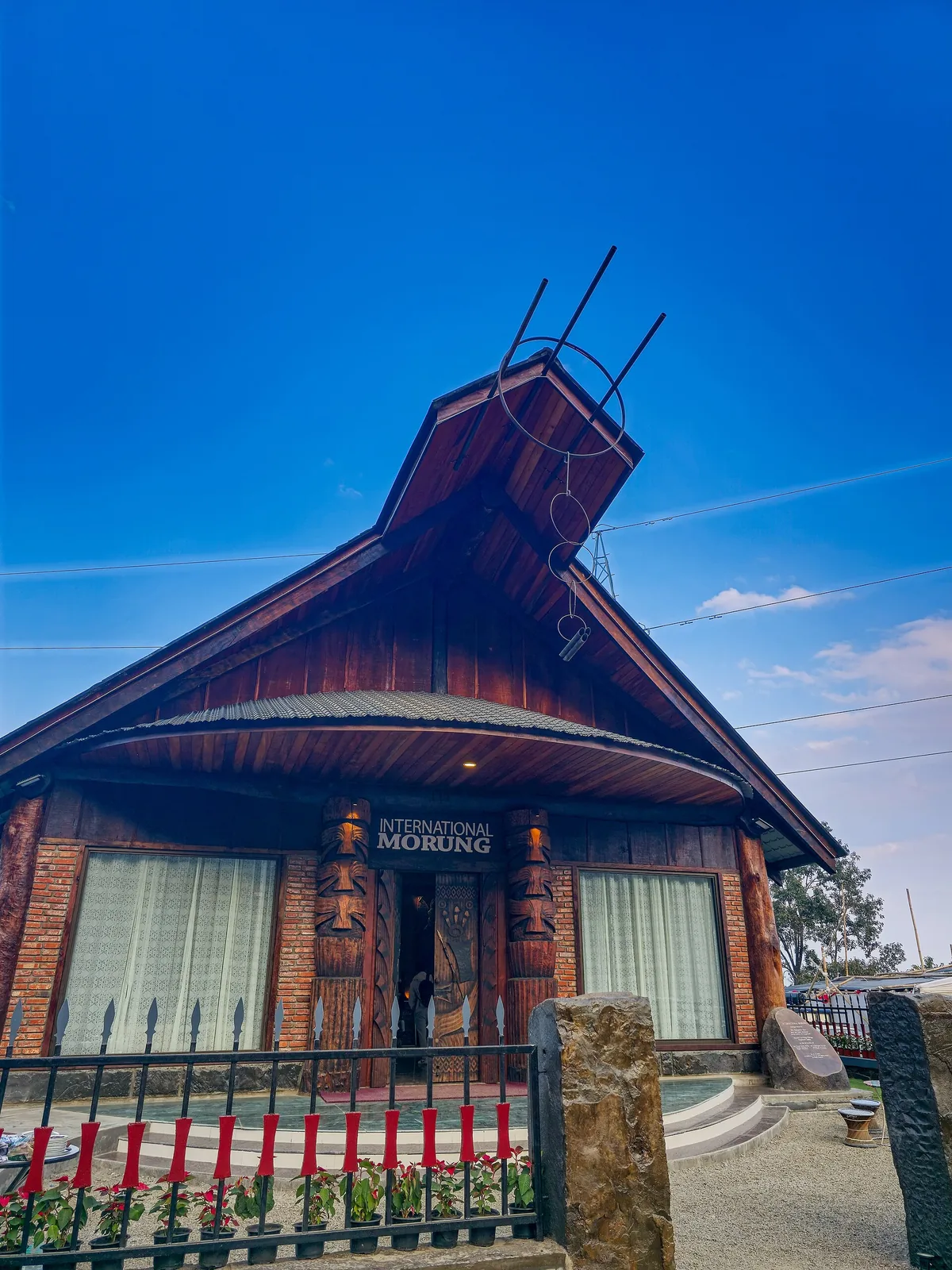 Kisama Heritage Village — Traditional Naga Morungs and Venue of Hornbill Festival near Kohima
3. Dzukou Valley & Trekking Trail (Rolling Emerald Knolls & Rare Dzukou Lilies at 2,452m - 25 km)
Perched at an elevation of 2,452 meters on the Nagaland Manipur border, Dzukou Valley is famed as the Valley of Flowers of the Northeast. Accessible via treks from Viswema or Jakhama, the valley features undulating dwarf bamboo knolls, meandering crystal streams, and seasonal blooms of the endemic pink Dzukou Lily.
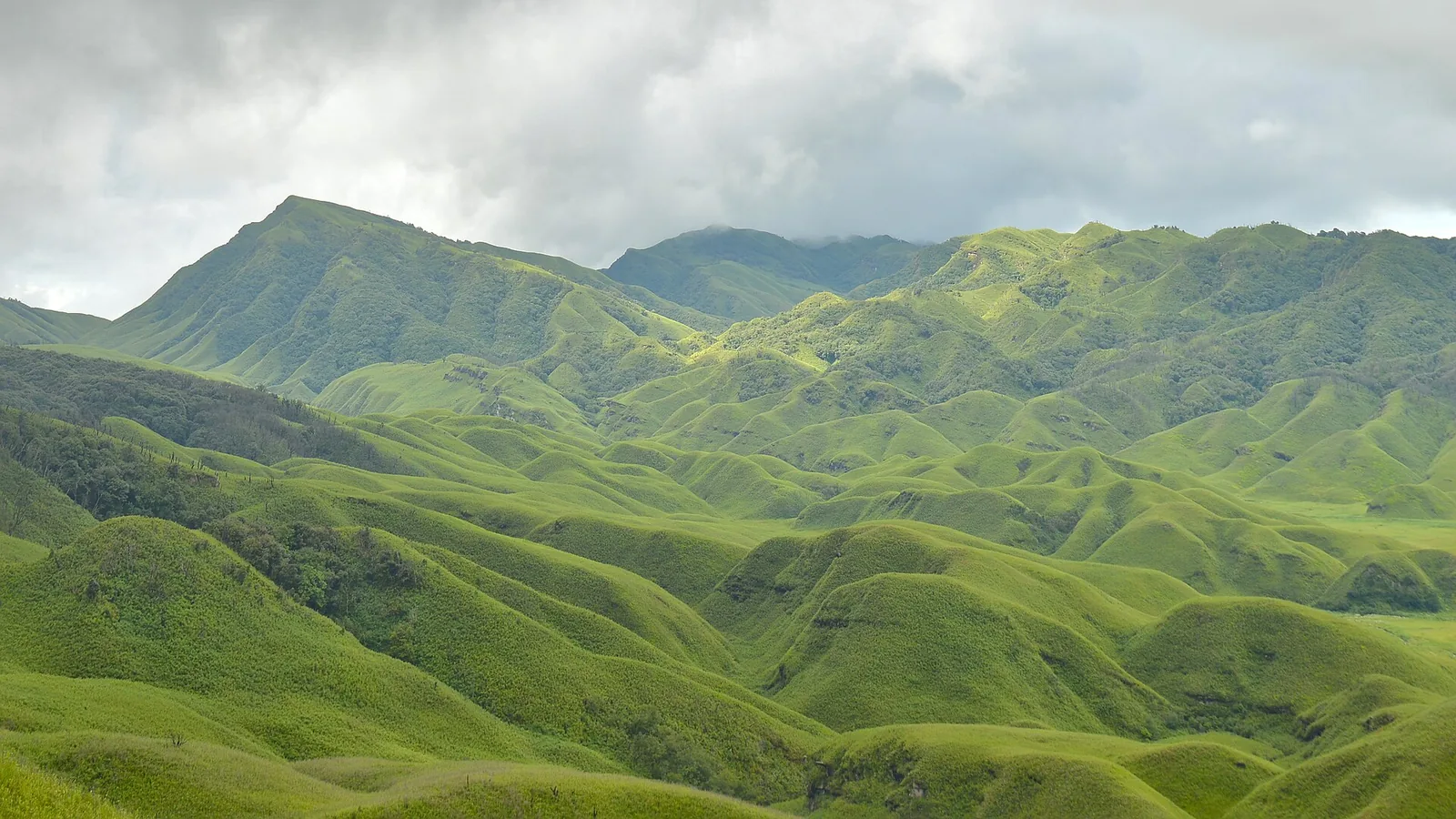 Dzukou Valley — High Altitude Trekking Paradise and Lily Valley at 2,452 Meters
4. Mary Help of Christians Cathedral & Aradurah Hill (Grand Naga-Gothic Church & 16ft Wooden Cross)
A landmark Roman Catholic cathedral perched atop Aradurah Hill overlooking Kohima town. Built in a distinct semicircular Naga architectural style with high timber arches, it houses one of Asia's largest carved wooden crucifixes (16 feet high) and vibrant biblical stained glass windows.
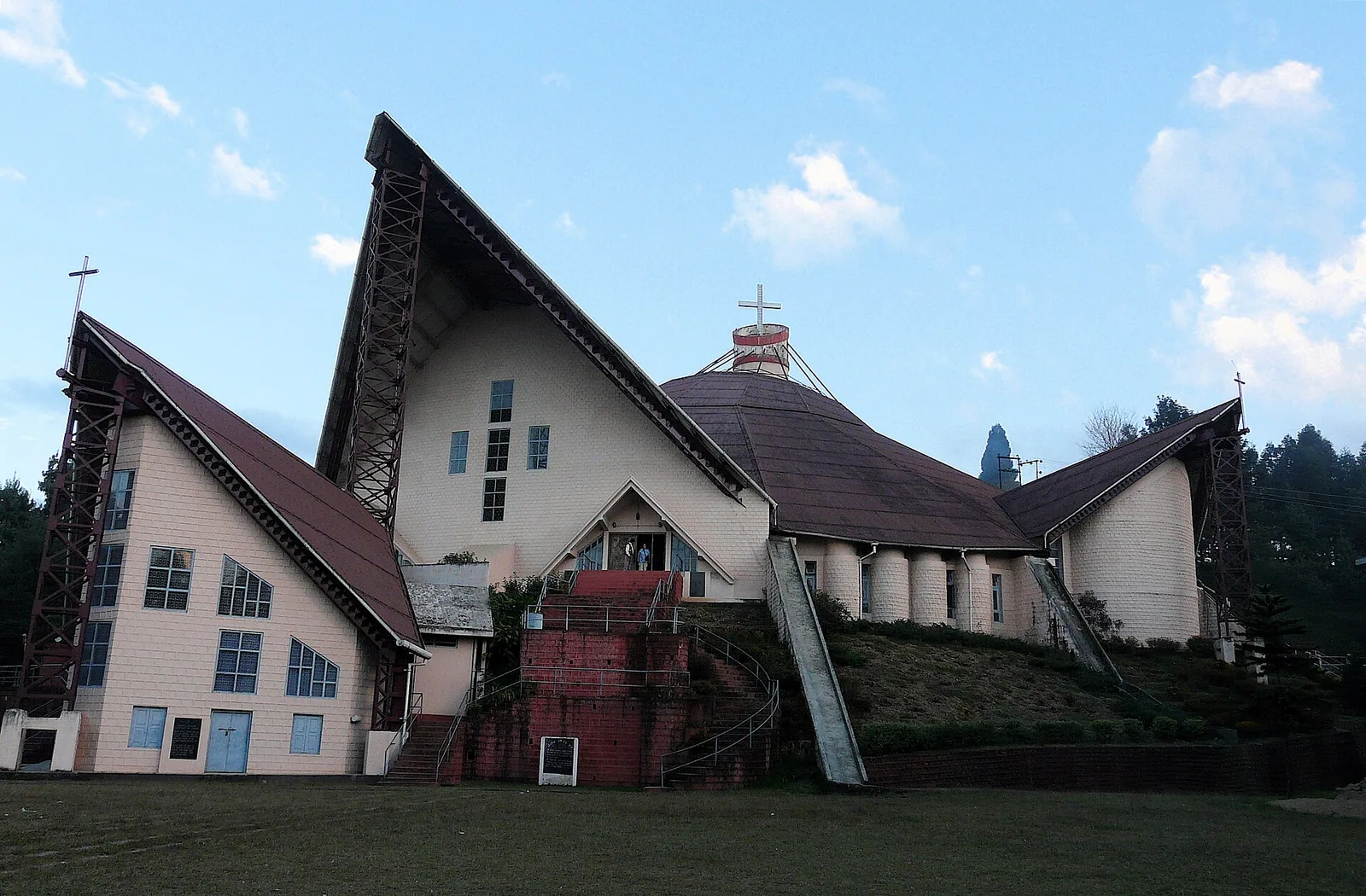 Cathedral of Kohima — Majestic Naga-Gothic Cathedral on Aradurah Hill
5. Khonoma Green Village & Terraced Paddy Valleys (Asia's First Green Eco-Village - 20 km)
A 700 year old Angami tribal village renowned globally as Asia's first green village. Celebrated for banning hunting and commercial logging, creating the Khonoma Nature Conservation and Tragopan Sanctuary, maintaining ancient carved stone fortress gates, and cultivating lush stepped rice terraces.
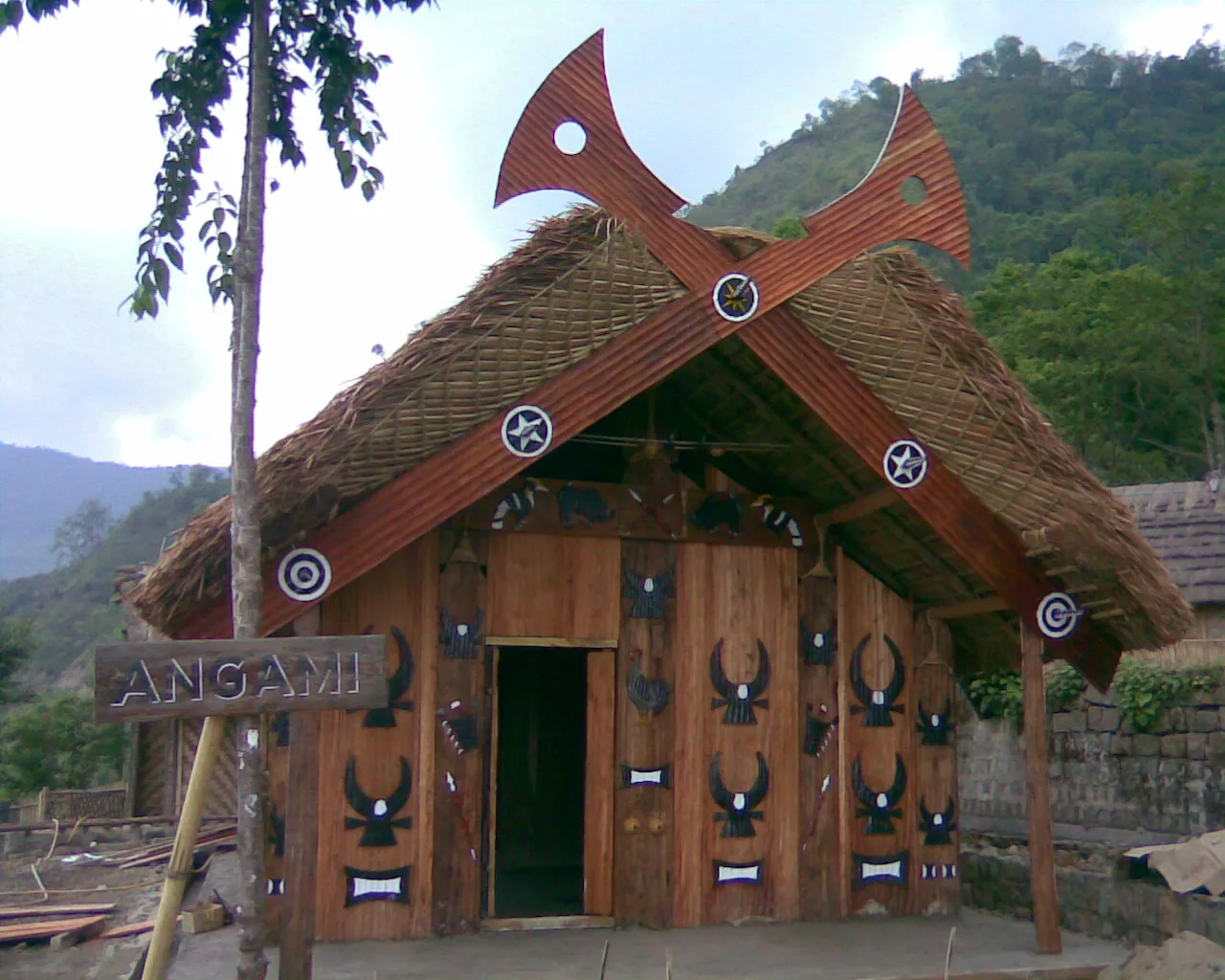 Khonoma Green Village — Asia's First Certified Green Village and Angami Heritage
6. Kohima State Museum & Bayavu Hill (Tribal Morung Dioramas, Log Drums & Warrior Regalia)
An ethnographic treasure house exhibiting authentic artifacts from all 16 major Naga tribes, including ancestral warrior headgear adorned with hornbill feathers, ancient brass gongs, traditional handlooms, and life size tribal diorama displays.
7. Japfu Peak & World's Tallest Rhododendron Tree (3,048m Mountain Summit - 15 km)
The second highest mountain summit in Nagaland standing at 3,048 meters above sea level. Famous for scenic mountain trekking through misty subtropical forests and home to the Guinness World Record certified tallest Rhododendron tree (over 109 feet high).
8. Kohima Village / Bara Basti (Second Largest Village in Asia with Traditional Kharu Gates)
The ancestral Angami settlement from which modern Kohima grew, considered the second largest village in Asia. Features monumental wooden village gates (Kharu) carved with buffalo horns and warrior symbols, sacred ceremonial stone monoliths, and traditional thatch houses.
9. Mao Market & Night Carnival (Organic Highland Vegetables, Smoked Meats & King Chillies)
A bustling market in the town center where local tribal women sell organic wild mountain vegetables, fresh bamboo shoots, dried smoked pork, and legendary Raja Mircha peppers.
Popular Hotels in Kohima
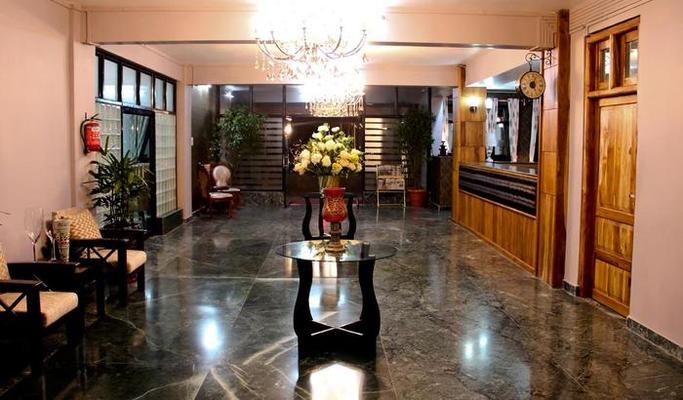 Hotel
Hotel
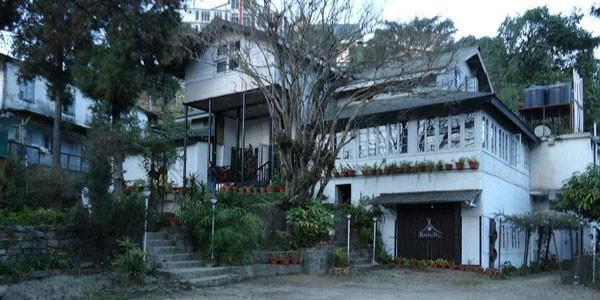 Hotel
Hotel
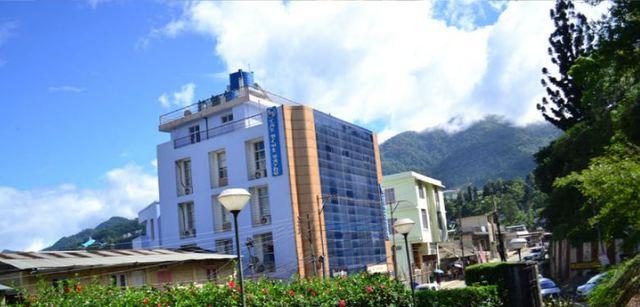 Hotel
Hotel
Top Places to Visit in Kohima
Kohima Photo Gallery & Attractions
Explore high-resolution photographs of iconic temples, historical monuments, and scenic landmarks in Kohima.
Plan Your Kohima Trip Now
Get the best verified hotel deals and customized tour packages. Book directly on EarthTrip and save up to 45%!