Wokha — Travel Guide
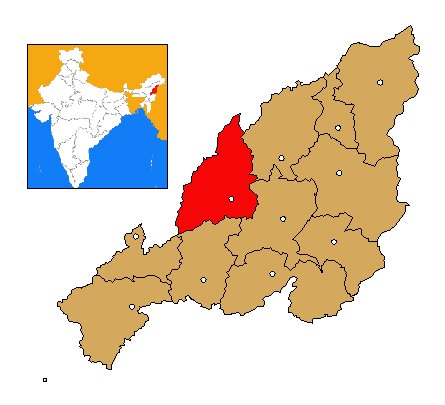
Wokha, globally celebrated as the ancestral homeland of the Lotha Naga tribe, the world renowned Falcon Capital where millions of migratory Amur Falcons roost every autumn, and the home of sacred Mount Tiyi, situated in the central Patkai ranges along National Highway 2, is an engaging mountain district headquarters in Nagaland.
It works as a primary tribal culture and eco tourism destination where misty 1,969 meter mountain peaks rise above rhododendron forests, where the emerald Doyang reservoir winds through green canyons, and where traditional wood carved morungs preserve ancient folklore.
Located at an elevation of 1,313 meters across the Naga hills, it sits 18 km north of Mount Tiyi peak, 28 km south of Pangti falcon roosting village, 35 km from Doyang hydroelectric lake, 58 km south of Mokokchung town, 75 km north of Kohima state capital, and 125 km northeast of Dimapur railway terminal.
Morning mountain breezes drifting over pine covered ridges carry the appetizing aroma of smoked pork cooked with fermented bamboo shoot (bastenga), pungent fermented soya bean stew (axone), boiled mountain bitter greens, spicy king chili (bhut jolokia) chutney, sweet wild Queen pineapples, and hot lemongrass tea, while church bells echo across the hillsides at dawn.
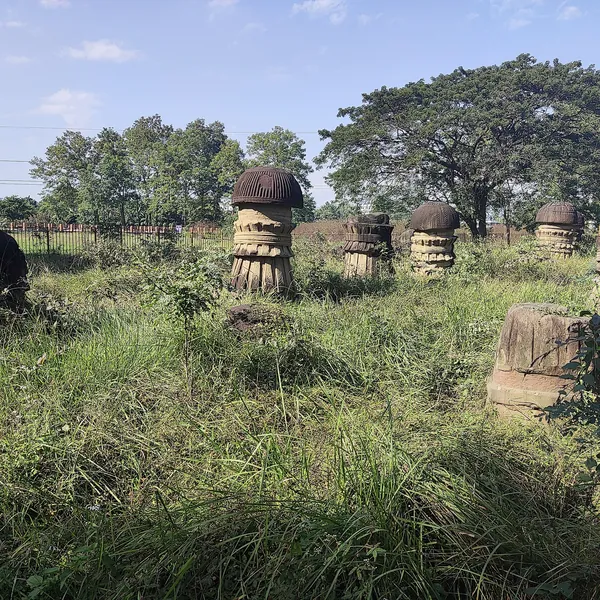
Misty ridge roads, terrace farm slopes, busy community markets, and traditional stone monoliths define the daily rhythm of this central Nagaland hill town.
Wokha is famous for the sacred peak of Mount Tiyi, the global Amur Falcon congregation at Pangti, the dramatic sandstone heights of Totsu Cliff, and the annual Tokhu Emong post harvest festival.
It's a practical base if you want to witness millions of Siberian falcons soaring over Doyang lake, trek through wild orchid and rhododendron groves, experience authentic Lotha tribal hospitality, and taste genuine Naga culinary specialties.

The surrounding Wokha and Naga territory holds deep antiquity shaped by the Lotha warrior clans, British colonial administrators, American Baptist missionaries, and modern conservation leaders. From the community led falcon protection reserves at Pangti to the historical mission compound at Vankhosung, you'll discover rewarding cultural landmarks across the district.
Local life centers around terraced organic farming, orange and pineapple cultivation, handloom weaving, bamboo handicrafts, and eco tourism guiding. You can view the sunrise over the Doyang river valley at dawn, hike the ridge trail of Mount Tiyi by midday, and watch the falcon flocks circle the evening skies by dusk.
Neighboring destinations like Kohima, Dimapur, and Mokokchung offer World War II cemeteries, ancient Kachari ruins, and Ao Naga heritage villages. Adding Wokha to your travel plans works well for birding enthusiasts, wildlife photographers, trekkers, and cultural travelers exploring Northeast India.
You can view the glowing golden sunset reflecting off the waters of Doyang lake and watch the evening mountain mists blanket the valleys by dusk. The journey is worth every rupee. Wokha provides an authentic, peaceful, and culturally rich mountain travel experience.
Planning your trip around the world famous Amur Falcon migration in October and November, the joyous Tokhu Emong harvest festival in early November, or the spring trekking season from February to April will give you the best experience across Nagaland. Here is the seasonal breakdown:
Best Time to Visit by Season
• Autumn Season (October to November): The premier travel window. Clear blue skies, pleasant daytime temperatures between 14°C and 24°C, and the once in-a lifetime sight of over a million Amur Falcons roosting across the Doyang valley.
• Winter Season (December to February): Cool, dry, and sunny with crisp mountain mornings and temperatures between 6°C and 18°C, ideal for trekking Mount Tiyi and village walks.
• Monsoon Season (June to September): Heavy mountain rains turn the forests lush green and bring waterfalls to peak flow, though road landslides require flexible travel itineraries.
Major Annual Cultural & Tribal Celebrations
• Tokhu Emong (November 7): The premier post harvest festival of the Lotha Nagas, celebrated with traditional folk songs, warrior dances, reconciliation feasts, and colorful tribal attire.
• Amur Falcon Eco Festival (October November): Community led conservation festival celebrating migratory falcons with birding workshops, nature walks, and folk music at Pangti.
• Pithü (Spring Seed Sowing Festival): Celebrated with community prayers for bountiful crop harvests across Lotha villages.
• Christmas & New Year Celebrations: The entire town is decorated with glowing lights, choral hymns, and festive community feasts.
What Wokha is Famous For
• Amur Falcon Roosting: Falcon Capital of the World hosting Siberian raptors.
• Mount Tiyi: 1,969 meter sacred peak steeped in tribal folklore.
• Lotha Flavors: Smoked Pork with Bastenga, Axone, and Sweet Organic Pineapples.
Reaching Wokha in Nagaland is simple because National Highway 2, nearby Dimapur Railway Station on the Northeast Frontier Railway mainline, and regional airports provide reliable multi modal transit connectivity. Here is your complete transit guide:
By Air
• Dimapur Airport (DMU): Located 125 km southwest of Wokha (approx 4 hours drive via NH 29 and NH 2 with direct flights to Kolkata, Guwahati, and New Delhi).
• Jorhat Airport (Rowriah, JRH): Located 110 km northwest in Assam (approx 3.5 hours drive via Golaghat and Bhandari).
• Guwahati International Airport (GAU): Located 380 km west for comprehensive national and international flight connections.
• Airport Transfers: Shared sumos, private rental taxis from Dimapur, and NST (Nagaland State Transport) buses operate regular direct services to Wokha.
By Train
• Dimapur Railway Station (Station Code: DMV): Located 125 km southwest, the premier railway hub of Nagaland on the Northeast Frontier Railway broad gauge route.
• Furkating Railway Junction (Station Code: FKG): Located 85 km west in Assam.
• Connecting Express Trains: Dibrugarh Rajdhani Express, Brahmaputra Mail, Kamrup Express, and Donyi Polo Express connect Dimapur directly to New Delhi, Kolkata, Guwahati, and Bengaluru.
By Road
• National Highway 2 (Dimapur Kohima-Wokha Mokokchung Highway): Well maintained mountain highway connecting central Nagaland.
• Merapani Bhandari-Wokha Road: Direct interstate road connection between Assam plains and Wokha hills.
• Bus & Sumo Services: Nagaland State Transport (NST) and private shared Tata Sumo services run frequent direct routes between Dimapur, Kohima, Mokokchung, and Wokha daily (services operate from early morning until mid afternoon).
Local Commuting
• Local Taxis & Shared Sumos: Readily available at Wokha town stand for commuting to Mount Tiyi base, Pangti village, and Doyang reservoir.
• Rental Private 4x4 Cabs: Hiring a private SUV or 4x4 vehicle is the most comfortable way to handle rural hillside roads to Pangti falcon viewpoints and Totsu Cliff.
Exploring tribal handicraft markets and tasting authentic Lotha Naga, hill tribal, and mountain culinary specialties is an enjoyable part of visiting Nagaland. Here are the top items to buy and try:
What to Buy (Lotha Shawls, Cane Crafts & Wild Honey)
• Authentic Handwoven Lotha Shawls: Beautifully woven traditional shawls featuring signature black, white, and red bands (Opvuram and Tokhu shawls) handwoven on backstrap looms.
• Pure Wild Mountain Forest Honey: 100% natural, unpasteurized honey harvested from high altitude beehives across Mount Tiyi forests.
• Handcrafted Cane & Bamboo Baskets: Fine woven conical baskets, bamboo mats, winnowing trays, and decorative homeware made by village craftsmen.
• Organic Naga King Chili (Bhut Jolokia) & Bamboo Shoot: Sun dried fiery king chilies and fermented bamboo shoot pickles packed for home cooking.
• Handmade Naga Tribal Jewelry: Colorful glass bead necklaces, brass earrings, and carved wooden souvenirs.
Famous Local Food Specialties
• Authentic Smoked Pork with Bastenga: Wood smoked pork cooked with fermented bamboo shoot, local garlic, and fresh green herbs, served with steaming sticky rice.
• Aromatic Axone Soya Bean Stew: Fermented soya bean paste simmered with smoked meat, local tomatoes, and fiery king chilies.
• Boiled Mountain Bitter Greens with Local Herbs: Healthy, wholesome side dish of seasonal forest greens boiled with salt and ginger.
• Fiery Naga King Chili Chutney: Freshly pounded Bhut Jolokia chilies mixed with fermented fish or roasted tomatoes and garlic.
• Sweet Organic Queen Pineapples: Juicy, sweet local pineapples harvested fresh from the organic hillside farms of Tehurang valley.
Must-Visit Places in Wokha
Wokha and the surrounding central Nagaland mountains offer sacred folklore peaks, world famous migratory bird sanctuaries, deep river canyons, and traditional tribal villages. Here are the top attractions to visit during your stay.
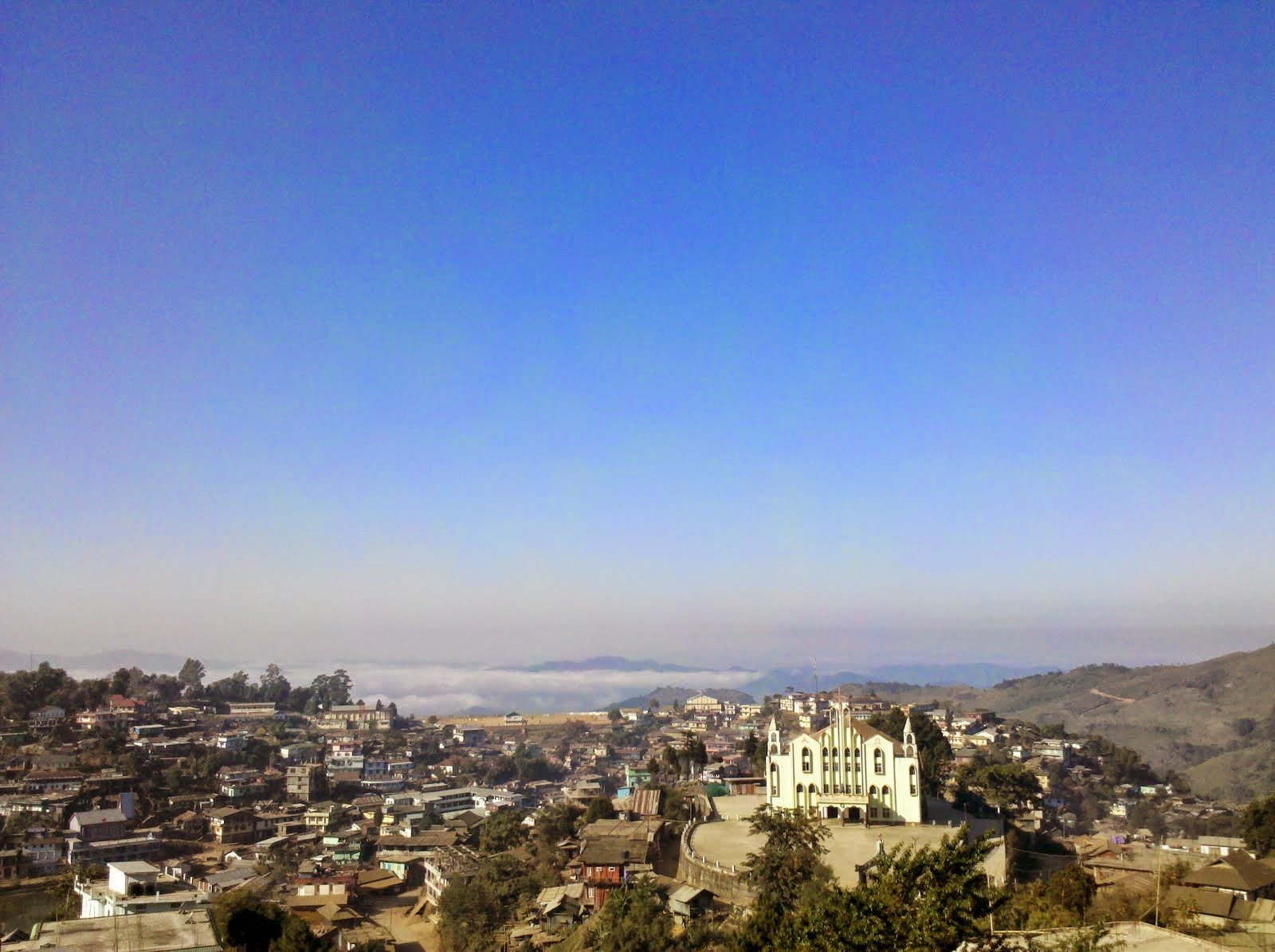
1. Mount Tiyi (1,969 Meter Mountain of Life)
A sacred peak revered in Lotha folklore as the orchard of ancestral spirits, offering hiking trails through wild rhododendrons and panoramic views over Assam and Nagaland valleys.
Timings: Daylight hours (6:00 AM to 5:00 PM)
Fee: Free access (Local guide recommended)
Route: Located 18 km east of Wokha town.
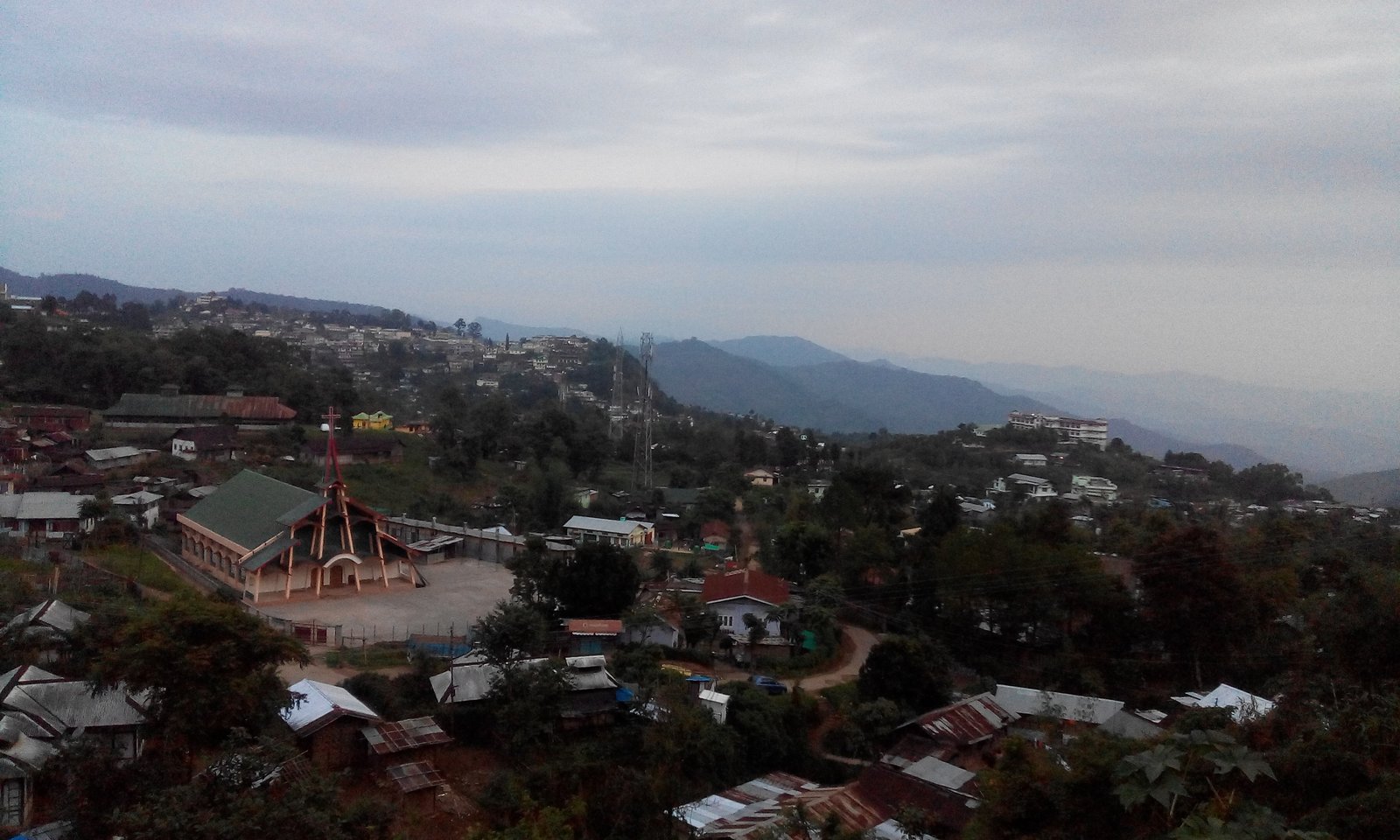
2. Pangti Village & Amur Falcon Roosting Sanctuary (Day Trip)
A world famous community conservation site where over one million migratory Amur Falcons roost every October, November along the Doyang Reservoir.
Timings: 6:00 AM to 5:30 PM (Mid October to November peak)
Fee: Community eco entry fee applies
Route: Located 28 km north of Wokha.
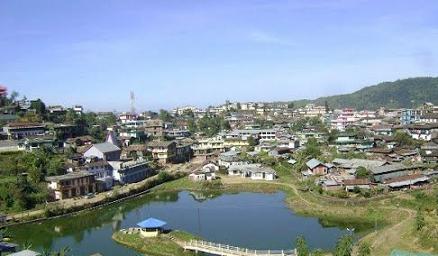
3. Totsu Cliff & Rugged Ridge (Grand Canyon of Nagaland)
A dramatic vertical rock precipice and camping ridge offering sweeping vistas over the Doyang river valley and lush mountain forests.
Timings: Daylight hours
Fee: Free access
Route: Located 22 km south of Wokha near Phiro village.
4. Doyang Hydroelectric Reservoir & Lake Boating
A vast emerald lake formed by the Doyang Hydro Project, perfect for boating, freshwater angling, and scenic waterscape photography.
Timings: 7:00 AM to 5:00 PM daily
Fee: Free access (Boat charges apply)
Route: Located 35 km north of town.
5. Liphanyan Governor's Camp & River Bank Eco Camp
A tranquil eco campsite located on the banks of the Doyang River, popular for riverside camping, river rafting, angling, and forest walks.
Timings: Open all hours for campers
Fee: Campsite booking fees apply
Route: Located 45 km west of Wokha.
6. Vankhosung Baptist Mission Compound & Heritage Center
A historic 1920s Christian mission settlement featuring colonial wooden architecture, heritage churches, and peaceful pine shaded garden walks.
Timings: 8:00 AM to 5:00 PM daily
Fee: Free access
Route: Located 4 km north of Wokha town.
7. Tehurang Valley & Organic Fruit Orchards
A lush agricultural valley renowned for producing sweet organic Queen pineapples, juicy Mandarin oranges, and aromatic passion fruit.
Timings: Daylight hours
Fee: Free entry (Farm produce purchasing)
Route: Located 12 km west of town.
8. Englan Traditional Lotha Naga Village
A traditional tribal village where travelers can observe authentic Lotha woodcarvings, ancient warrior monoliths, and handloom backstrap weaving.
Timings: 8:00 AM to 5:00 PM
Fee: Free village access
Route: Located 15 km northwest of Wokha.
9. Doyang Suspension Footbridge & River Canyon
A long swaying cable suspension bridge stretching across the Doyang River gorge, offering exciting crossing experiences and river views.
Timings: Sunrise to sunset
Fee: Free access
Route: Located near Doyang Hydro project.
10. Kohima World War II & Kisama Heritage Village (Day Trip)
The famous state capital featuring the historic Commonwealth War Cemetery and the permanent venue of the December Hornbill Festival.
Timings: 9:00 AM to 5:00 PM daily
Fee: Nominal heritage entry fee
Route: Located 75 km south via NH 2.
11. Longsa Village Tribal Heritage & Viewpoints
A large Lotha hilltop village situated on a high mountain spur offering 360 degree viewpoints over the Lotha range and Assam plains.
Timings: Daylight hours
Fee: Free access
Route: Located 8 km south of Wokha.
12. Wokha Town Market & Tokhu Shawl Bazaars
A lively hill market where visitors can buy authentic handwoven Lotha shawls (Opvuram and Tokhu shawls), bamboo shoot pickles, and wild herbs.
Timings: 7:00 AM to 6:00 PM daily
Fee: Free entry
Route: Located in central town bazaar.
Wokha Photo Gallery & Attractions
Explore high-resolution photographs of iconic temples, historical monuments, and scenic landmarks in Wokha.
Plan Your Wokha Trip Now
Get the best verified hotel deals and customized tour packages. Book directly on EarthTrip and save up to 45%!