• .
  • info@earthtrip.in
    • INR

    • USD

📍 Manipur, India

Mayang Imphal Travel Guide: Top Places to Visit, Sightseeing & Tour Itinerary
Hotels · Packages · Sightseeing

Imphal (universally celebrated as the jewel in the crown of *"Kangleipak"*, the ancient capital of the Meitei Maharajas, state capital of Manipur, and the ...

TopHotels
BestPackages
Must SeeSightseeing
🏙 About Imphal

Imphal — Travel Guide

Imphal (universally celebrated as the jewel in the crown of *"Kangleipak"*, the ancient capital of the Meitei Maharajas, state capital of Manipur, and the beating cultural heart of Northeast India, situated in the scenic Imphal River valley surrounded by forested hill ranges at an elevation of 786 meters (2,579 ft) above sea level), is an awe inspiring cultural gem.
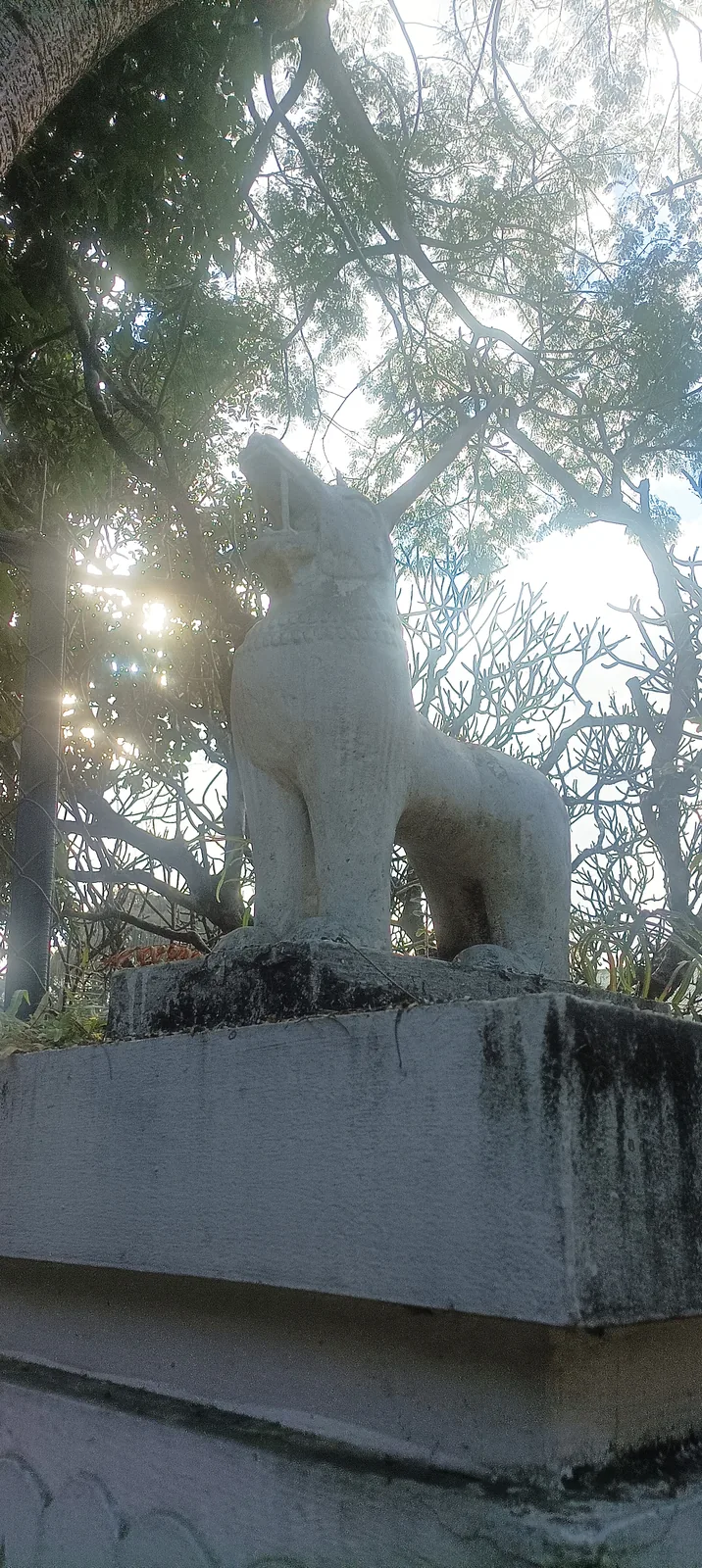
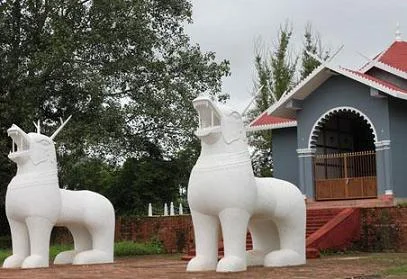
Kangla Fort Citadel Imphal Manipur Kangla Fort — Ancient Royal Citadel and Sacred Kangla Sha Dragon Lions in Imphal

Seamlessly uniting ancient royal history (the sacred Kangla Fort citadel and its mythical dragon lions *Kangla Sha*) with the world's only floating national park at Keibul Lamjao on Loktak Lake (home to the endangered brow antlered dancing deer *Sangai*), Asia's largest all women market at Ima Keithel (Mother's Market, run by 5,000+ matriarchs for over 500 years), dramatic World War II battlefields (the decisive Battle of Imphal 1944 and Commonwealth War Cemetery), the sacred INA Memorial at Moirang (where Netaji Subhas Chandra Bose's Indian National Army first unfurled the Tricolour flag on mainland Indian soil), and the twin golden domes of Shree Govindajee Temple (the epicentre of classical Manipuri Raas Leela dance), Imphal delivers an unforgettable adventure.

The city is famous globally for its rich royal legacy, world unique natural phenomena, and martial arts heritage: the ancient royal citadel Kangla Fort (seat of Meitei kings for two millennia featuring sacred coronation halls, burial vaults, and moats), the breathtaking freshwater expanse of Loktak Lake (45 km) (the largest natural freshwater lake in Northeast India, world renowned for floating circular biomass islands known as *phumdis* and local homestays), the world's only floating wildlife sanctuary Keibul Lamjao National Park (the exclusive natural habitat of the rare and endangered brow antlered dancing deer *Sangai* — Manipur's state animal), the iconic 500 year old Ima Keithel (Mother's Market) (a three building commercial marvel operated exclusively by women traders showcasing traditional handloom textiles, fish, and spices), the sacred Shree Govindajee Temple (revered Vaishnavite shrine famous for grand Janmashtami and Raas Leela performances), the historic INA War Memorial at Moirang (45 km) (where the Indian National Army hoisted the Tricolour on April 14, 1944), the solemn Imphal War Cemetery (WWII Commonwealth burial grounds honoring 1,600+ Allied soldiers), the scenic hill range at Langthabal (Canchipur — ancient royal palace ruins), the traditional martial arts arena Thang Ta Heritage Centers, the birthplace of modern Polo (Sagol Kangjei played at the historic Imphal Polo Ground / Mapal Kangjeibung, the world's oldest functional polo ground), and Imphal's seamless highway connections along NH-2 and NH-37 to Kohima (140 km), Dimapur (215 km), Silchar (250 km), and Aizawl (350 km).

Located seamlessly just 8 km south of Bir Tikendrajit International Airport (IMF), 45 km north of Loktak Lake, and 140 km south of Kohima, Imphal is the soul of Manipur.

🗓 Best Time
🚂 How to Reach
🛍 Shopping

Best Time to Visit Imphal:

  • October to April (Winter / Best Season): Mild, sunny, and delightful weather (6°C to 24°C), ideal for Loktak Lake boating, Sangai deer sightings at Keibul Lamjao, exploring Kangla Fort, and shopping at Ima Keithel.
  • November (Sangai Festival): Manipur's grandest 10 day state cultural carnival celebrating indigenous arts, polo, and boat races.
  • April (Cheiraoba): Manipuri New Year festival celebrated with home feasts and climbing sacred hilltops.
  • May to September (Monsoon): Heavy rains and misty mountain landscapes.
  • April to June (Summer): Pleasant days (20°C to 30°C).

Famous Imphal & Manipuri Meitei Culinary Specialties:

  • Eromba: Fiery signature Manipuri dish made of boiled vegetables, fermented fish (Ngari), and King Chilli (U-Morok) mashed into a rich savory chutney.
  • Singju: Refreshing raw salad made of shredded cabbage, lotus stems, seasonal wild herbs, roasted gram flour, and fermented fish.
  • Chak-hao Kheer: Aromatic, nutty, and vibrant purple sweet pudding made from indigenous Manipuri organic black rice, whole milk, and dry fruits.
  • Kangshoi: Comforting, oil free vegetable broth simmered with fresh local greens, sliced onions, and dried smoked fish.
  • Nga Thongba: Fresh sweet river fish cooked in aromatic mustard oil gravy with crushed ginger, garlic, and fresh Maroi coriander chives.

By Air:

  • Bir Tikendrajit International Airport (Airport Code: IMF - 8 km south): Major airport in Northeast India with direct daily flights to New Delhi, Kolkata, Guwahati, and Bengaluru operated by Indigo, Air India, and Alliance Air. Pre paid taxis reach Kangla in 15 minutes.

By Train:

  • Dimapur Railway Station (Station Code: DMV - 215 km north in Nagaland): Major broad gauge mainline station connected to New Delhi, Kolkata, and Guwahati. Shared cabs and luxury buses connect Dimapur to Imphal via NH-2.
  • Jiribam Railway Station (Station Code: JIRIB - 220 km west on Assam border): Operational railhead in Manipur.

By Road:

  • From Kohima (~140 km / 4 hours): Via scenic mountain highway NH-2 through Senapati.
  • From Dimapur (~215 km / 6 hours): Via NH-29 and NH-2.
  • From Silchar (~250 km / 8 hours): Via NH-37 Jiribam highway.
  • Manipur State Transport (MST) and private AC Volvo buses operate daily services connecting Imphal with Kohima, Dimapur, Guwahati, and Aizawl.

Shopping in Imphal features organic black rice, Kauna reed craft, and Manipuri silk:

  • Ima Keithel (Mother's Market), Paona Bazar & GM Hall: Authentic **GI-Tagged Manipuri Organic Black Rice (Chak-hao)**, certified **Handwoven Manipuri Moirang Phee & Wangkhei Phee Silk Sarees**, handcrafted **Kauna Water Reed Bags, Baskets, Table Mats & Cushion Seats**, traditional **Manipuri Dancing Dolls & Polo Sticks**, and **Fermented Bamboo Shoots (Soibum) & Fiery Morok (King Chilli) Pickles**.
🏛 Tourist Attractions & Sightseeing

Must-Visit Places in Imphal

Imphal features ancient royal forts, floating freshwater lakes, dancing deer sanctuaries, and historic all-women markets:

1. Kangla Fort & Kangla Sha Dragons (Ancient 2,000-Year-Old Meitei Royal Citadel)

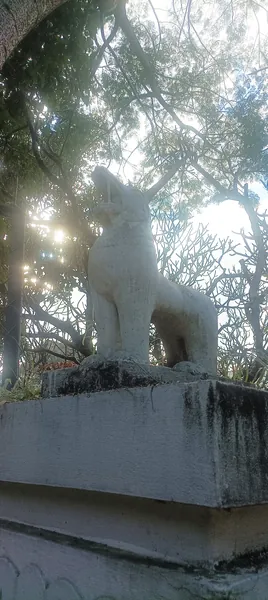
The supreme political and spiritual nerve center of ancient Manipur, located in the heart of Imphal on the banks of the Imphal River. Enclosed by massive moats and brick ramparts, Kangla preserves the sacred coronation hall (Kangla Uttra), royal burial vaults, the ancestral temple of Lord Pakhangba, and the monumental white statues of Kangla Sha (the half lion, half dragon guardian deity).

Kangla Fort Imphal Kangla Fort — Historic Royal Palace and Kangla Sha Deity in Imphal

2. Loktak Lake & Floating Phumdis (World's Only Floating Freshwater Lake - 45 km)

The largest freshwater lake in Northeast India, famous globally for its circular floating islands of vegetation and soil called phumdis. Tourists take wooden canoes to explore the tranquil lake, stay at traditional floating bamboo homestays, and witness dramatic reflections of surrounding hills.
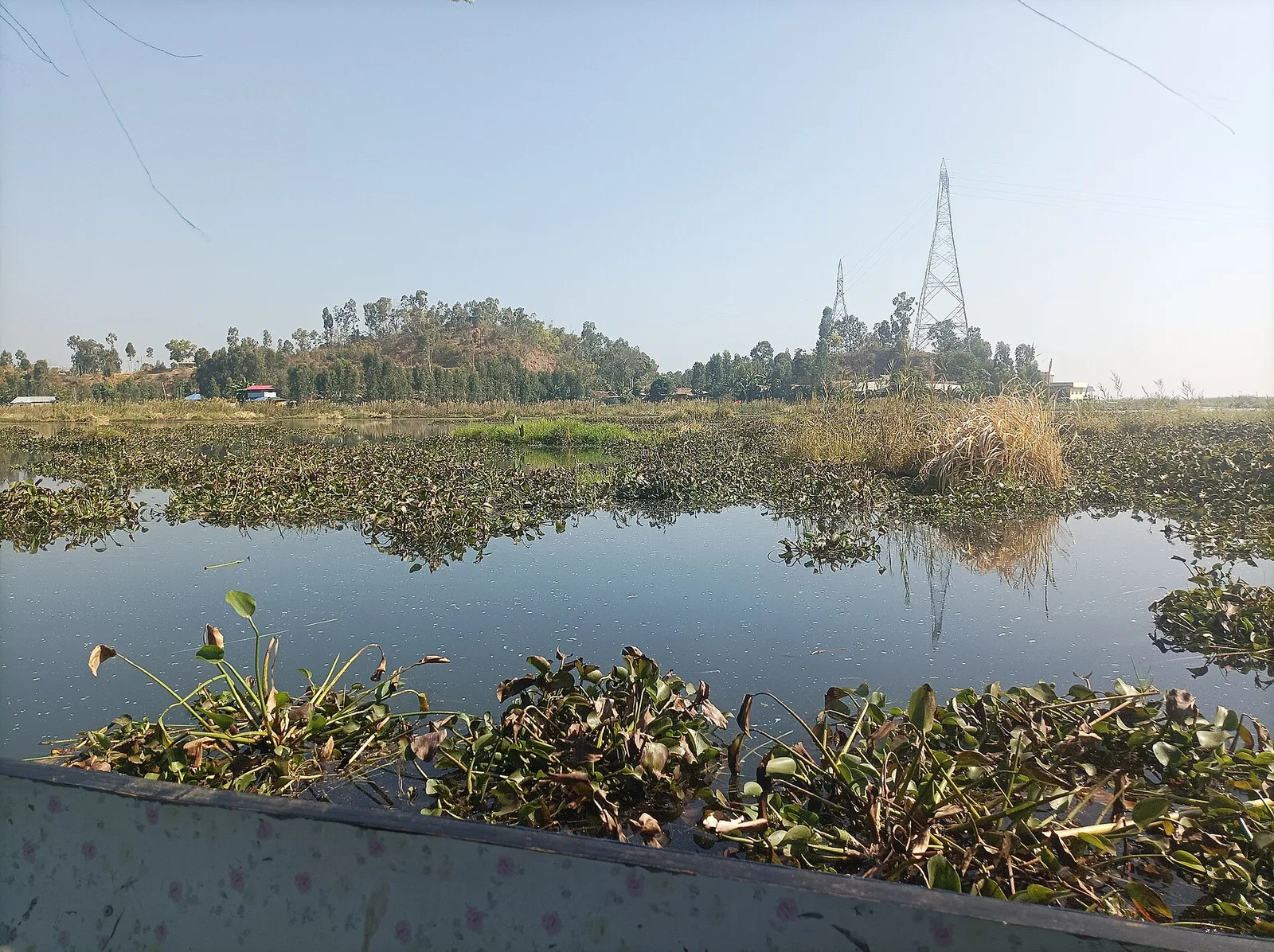
Loktak Lake Manipur Loktak Lake — World's Only Floating Lake with Circular Phumdis near Imphal

3. Keibul Lamjao National Park & Dancing Sangai Deer (World's Only Floating Wildlife Sanctuary)

A 40 square kilometer wildlife sanctuary situated on the southeastern fringe of Loktak Lake. As the world's only floating national park, it serves as the last natural refuge on Earth for the endangered Sangai (brow antlered dancing deer), whose specialized hooves allow it to walk gracefully over floating spongy phumdis.
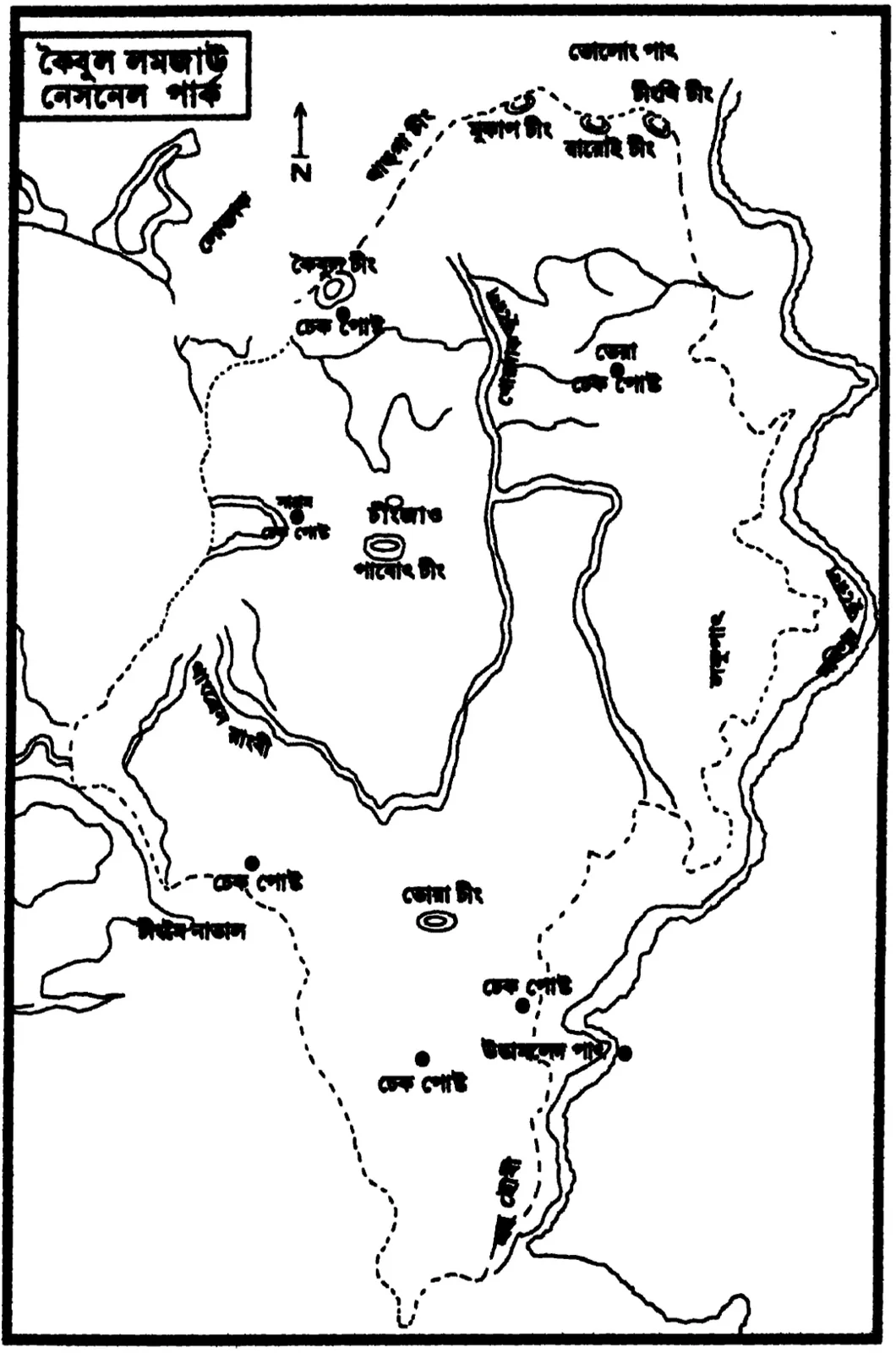
Keibul Lamjao National Park Sangai Deer Keibul Lamjao National Park — Habitat of the Rare Dancing Sangai Deer

4. Ima Keithel / Mother's Market (Asia's Largest All-Women Market Run by 5,000+ Mothers)

A 500 year old commercial institution and the largest market in the world run entirely by women. Over 5,000 married women (Imas) operate stalls across three sprawling multi story buildings, selling handwoven Phanek and Innaphi shawls, fresh organic produce, spices, and brass utensils.
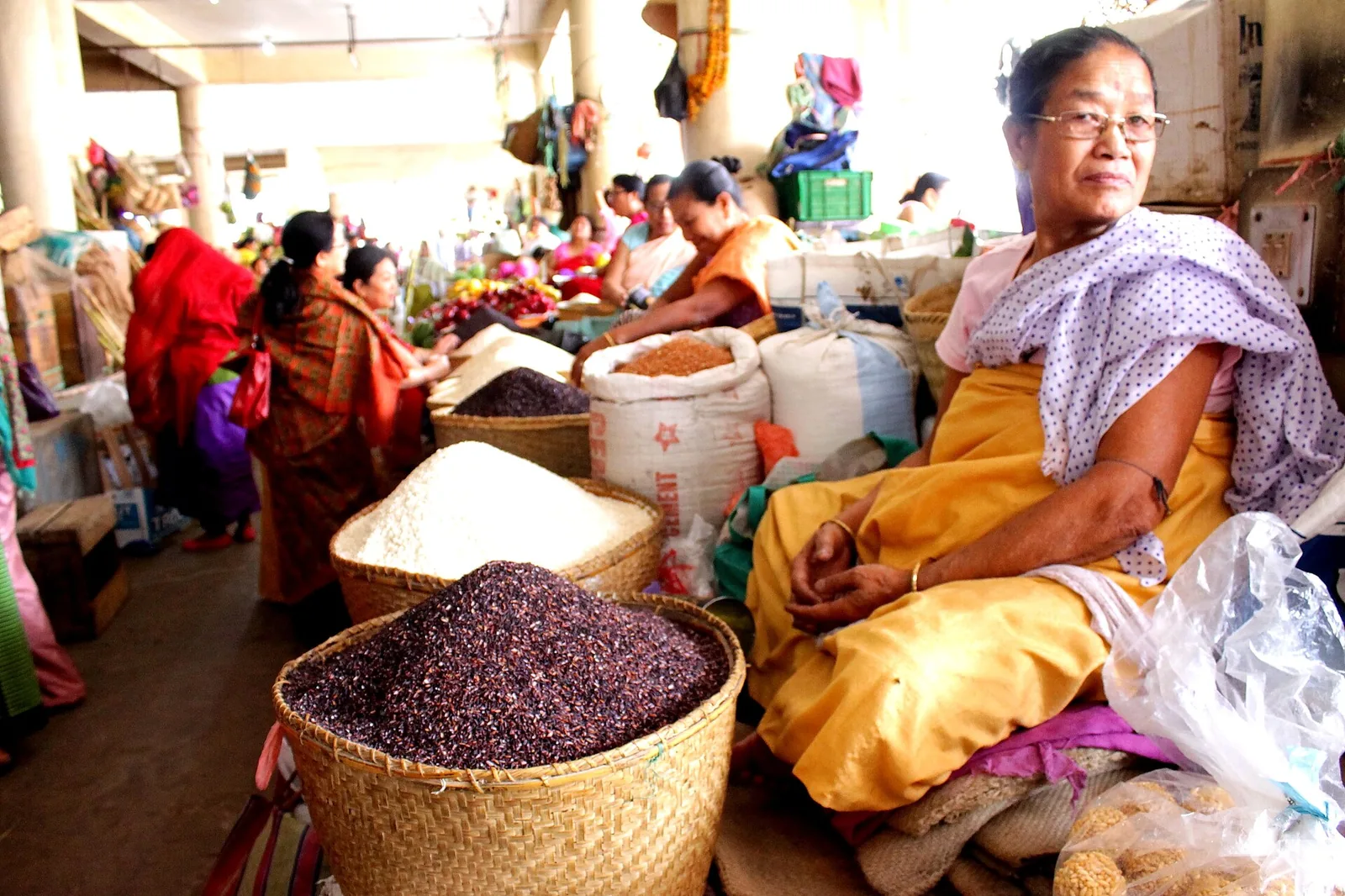
Ima Keithel Mothers Market Imphal Ima Keithel — Asia's Largest All-Women Market in Central Imphal

5. Shree Govindajee Temple & Twin Golden Domes (Manipuri Raas Leela Spiritual Center)

A historic Hindu temple dedicated to Lord Krishna and Radha, originally consecrated by Maharaja Nara Singh in 1846. Built in classical Nagara style with twin gold plated domes, it hosts divine classical Manipuri Raas Leela performances and grand Janmashtami festivals.
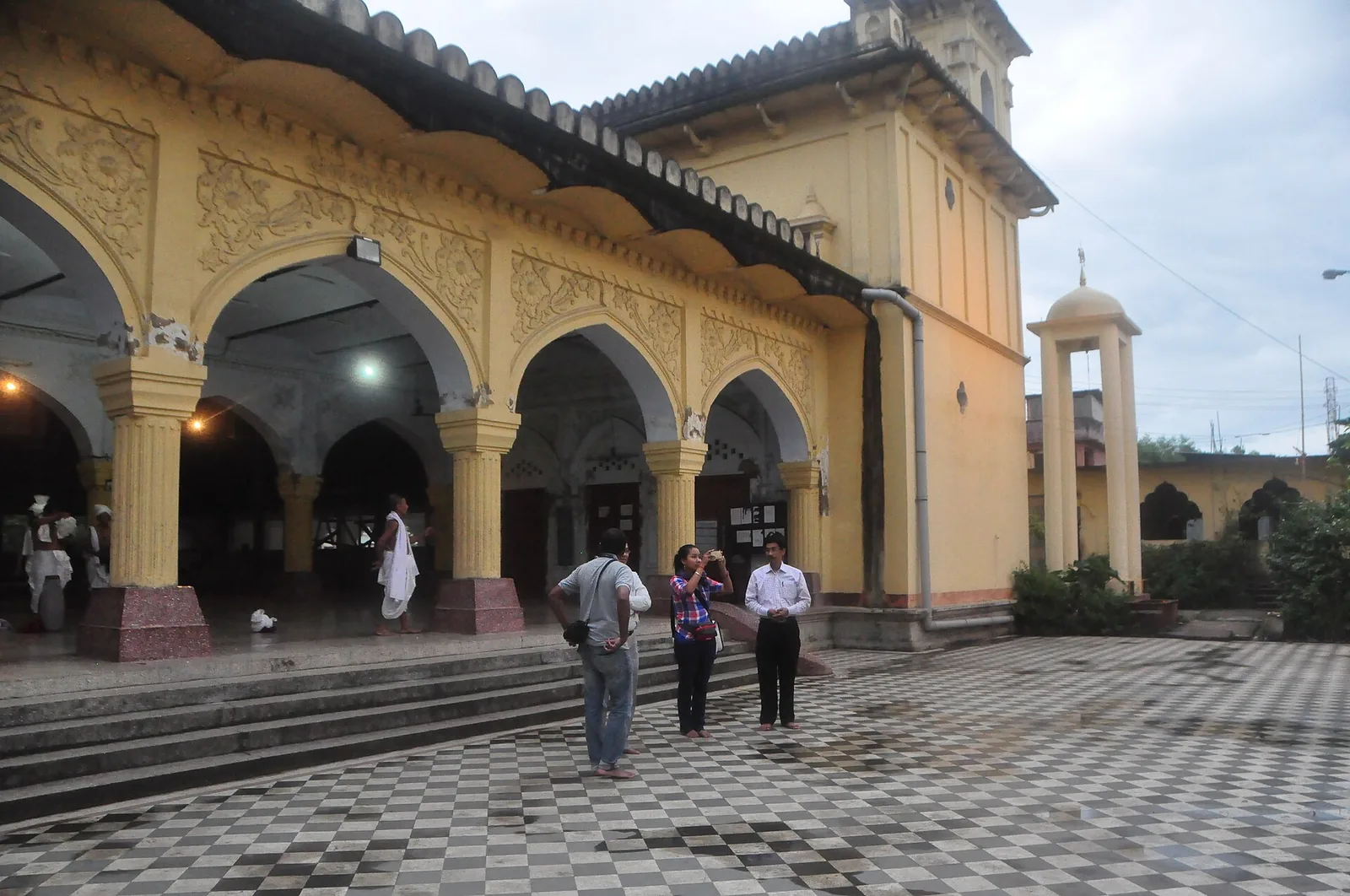
Shree Govindajee Temple Imphal Shree Govindajee Temple — Twin Golden Domes Vaishnavite Shrine in Imphal

6. INA War Memorial & Netaji Subhas Chandra Bose Museum (Moirang - 45 km)

A sacred national memorial at Moirang where Colonel Shaukat Ali Malik of the Indian National Army (INA) first unfurled the Indian national tricolour flag on mainland Indian soil on April 14, 1944, featuring a statue of Netaji and war relics.

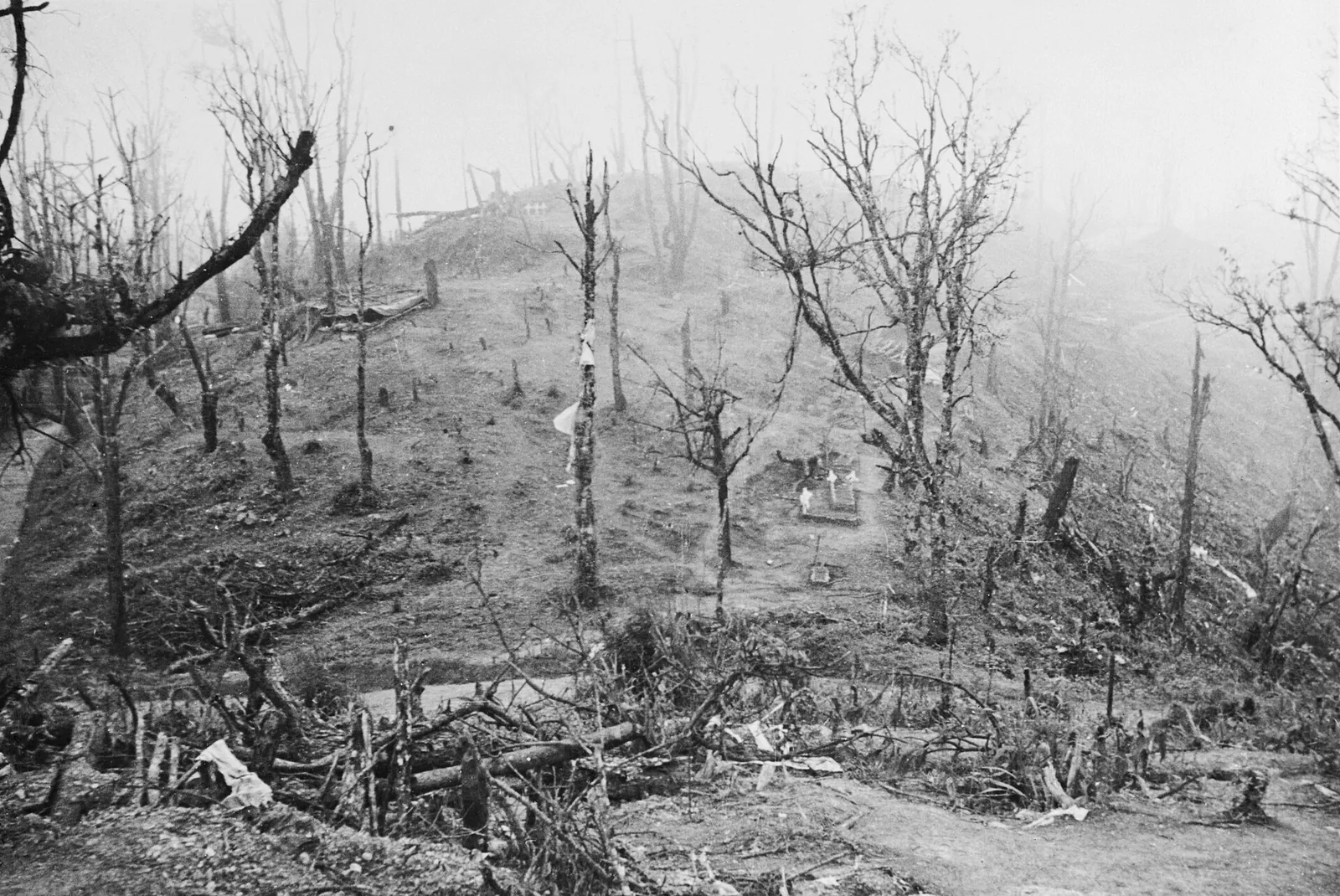
7. Imphal War Cemetery & WWII Battle of Imphal Memorial (Commonwealth Heritage Site)

A tranquil Commonwealth war cemetery maintaining the graves of 1,600 British, Indian, and Allied soldiers who fell in the epic 1944 Battle of Imphal, which halted the Japanese invasion of India.

8. Mapal Kangjeibung / Imphal Polo Ground (The World's Oldest Living Polo Field)

The historical cradle of modern polo where the traditional Manipuri equestrian sport of Sagol Kangjei has been played continuously for centuries using agile Manipuri mountain ponies.

9. Manipur State Museum & Thang-Ta Indigenous Martial Arts Centers

A rich museum showcasing royal 78 foot Meitei longboats (Hiyang Hiren), archaeological relics, tribal costumes of 29 hill tribes, and centers preserving the indigenous sword and spear martial art Thang Ta.

🏨 Hotels

Popular Hotels in Imphal

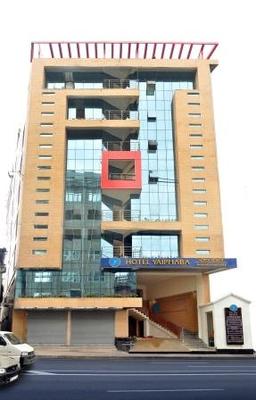
Hotel Yaiphaba Hotel
Hotel Yaiphaba
📍 MG Avenue, Thangal Bazar Imphal
View Details →
The Sangai Hotel Hotel
The Sangai Hotel
📍 Nagamapal, Sangai Lane Imphal
View Details →
Hotel Classic Grande Hotel
Hotel Classic Grande
📍 Chingmeirong Imphal
View Details →
The Classic Hotel Hotel
The Classic Hotel
📍 North A.O.C Imphal
View Details →
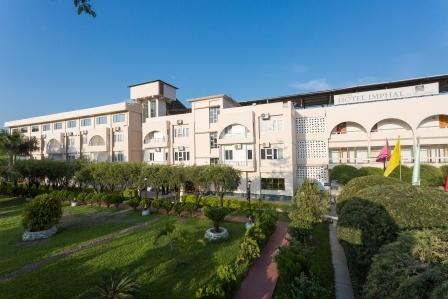
Hotel Imphal Hotel
Hotel Imphal
📍 Dimapur Road Imphal
View Details →
🏛 Sightseeing

Top Places to Visit in Imphal

Kangla Fort Sightseeing
Kangla Fort
📍 Imphal
Explore →
Manipur State Museum Sightseeing
Manipur State Museum
📍 Imphal
Explore →
War Cemetery Sightseeing
War Cemetery
📍 Imphal
Explore →
Manipur Zoological Gardens Sightseeing
Manipur Zoological Gardens
📍 Imphal
Explore →
Shri Govindjee Temple Sightseeing
Shri Govindjee Temple
📍 Imphal
Explore →
📸 Photo Gallery
5 Photos • Click to View

Explore high-resolution photographs of iconic temples, historical monuments, and scenic landmarks in Imphal.

🌟 EXCLUSIVE TRAVEL DEALS & BEST PRICE GUARANTEE

Plan Your Imphal Trip Now

Get the best verified hotel deals and customized tour packages. Book directly on EarthTrip and save up to 45%!
⚡ Instant Confirmation 🛡️ 100% Verified Stays 💰 Best Rate Guarantee 📞 24/7 Travel Support
❓ FAQ

FAQs about Imphal

What is the Sangai deer of Manipur?
The Sangai is an endangered brow-antlered deer species found exclusively in the floating swamps of Keibul Lamjao National Park in Manipur, affectionately called the dancing deer due to its graceful gait over floating vegetation.
What are the food specialties of Imphal and Manipur?
Imphal is famous for Eromba (mashed vegetables with fermented fish and King Chilli), Singju (crunchy herb salad), Kangshoi (oil-free vegetable stew), and sweet Chak-hao kheer made from indigenous black rice.
What is special about Loktak Lake near Imphal?
Loktak Lake (45 km from Imphal) is the largest freshwater lake in Northeast India, famous for its floating circular islands of vegetation called phumdis and the world’s only floating national park, Keibul Lamjao.
What is Imphal famous for?
Imphal is the historic capital of Manipur, famous for the ancient Kangla Fort citadel, Loktak Lake (the world’s only floating lake), Keibul Lamjao National Park (home of the dancing Sangai deer), and Ima Keithel (Asia’s largest all-women market).
What is Ima Keithel in Imphal?
Ima Keithel (Mother’s Market) is a unique 500-year-old market in the heart of Imphal run exclusively by over 5,000 married women, making it the largest women-operated commercial market in Asia.
What are the top must-visit attractions and activities in Mayang Imphal?
The top places to visit in Mayang Imphal include To the southwest of Mayang Imphal is the Loktak Lake, Mayang Imphal Heritage Shrines & Ancient Monuments, Historic Riverside Promenade & Ghats of Mayang Imphal, Mayang Imphal Cultural Center & Town Museum. Popular activities include exploring historic fortifications, visiting ancient shrines, taking scenic boat rides along the river, and sampling authentic local sweets in traditional bazaars.
What is the best time of year to visit Mayang Imphal and how is the weather?
The best time to visit Mayang Imphal is between October and March when the weather is pleasantly cool (9°C to 24°C), making it ideal for sightseeing. Summers (April to June) can be warm, while the monsoon (July to September) brings fresh seasonal showers.
How do I reach Mayang Imphal by air, train, and road?
You can reach Mayang Imphal by train via Mayang Imphal Railway Station (MAY), served by regular express trains. By air, the nearest airport is Nearest Regional Airport in Manipur (IXP, 85 km away). By road, National & State Highway Network in Manipur connects the city directly with major regional centers.
What is the ideal trip duration and recommended itinerary for Mayang Imphal?
A 2 to 3 day itinerary is ideal for exploring Mayang Imphal but day 1 can be spent touring historic forts and landmark temples. Day 2 is great for visiting archaeological sites, river ghats, and local museums. Day 3 can be dedicated to shopping in local bazaars and sampling traditional regional cuisine.
What famous local food, sweets, and handicrafts should I buy in Mayang Imphal?
When in Mayang Imphal, try authentic local specialties like fresh regional sweets, traditional thalis, and savory snacks. For shopping, look for handcrafted brassware, traditional handloom textiles, and locally made souvenirs.
What is Imphal War Cemetery famous for?
Imphal War Cemetery is famous as a solemn Commonwealth War Graves Commission (CWGC) memorial containing 1,603 graves of Allied soldiers who died during the 1944 Battle of Imphal.
Where is Imphal War Cemetery located?
It is located in Dewlahland along the Imphal-Dimapur Road (NH-2), approximately 2 km north of Kangla Fort in central Imphal.
Why is the Battle of Imphal historically significant?
Fought in 1944, the Battle of Imphal was voted Britain's greatest battle, marking the turning point where British-Indian forces defeated the Japanese invasion of India.
What are the visiting hours and entry ticket fees for the cemetery?
Open daily from 9:00 AM to 4:30 PM. Entry is completely free for all visitors and history enthusiasts.
What rules should visitors follow at Imphal War Cemetery?
Visitors must maintain quiet respect, avoid walking over burial plaques, and refrain from loud conversations or picnicking on the lawns.
What is Kangla Fort famous for?
Kangla Fort is famous as the ancient political capital and sacred royal citadel of Manipur's Ningthouja kingdom from 33 AD to 1891, featuring Kangla Sha dragon statues and holy shrines.
Where is Kangla Fort located in Imphal?
It is located in the very center of Imphal along Kanglapat Road, just 1 km east of Ima Keithel and 500 meters north of Manipur State Museum.
What are the Kangla Sha statues at the fort?
The Kangla Sha are giant statues of the mythical half-lion half-dragon creature that serves as the state emblem and divine protector of Manipur royalty.
What are the visiting hours and closing days for Kangla Fort?
Open Thursday to Tuesday from 7:00 AM to 5:00 PM. Kangla Fort is strictly CLOSED on Wednesdays.
Can visitors rent bicycles or golf carts inside Kangla Fort?
Yes, visitors can rent bicycles (Rs 30/hour) or take guided battery-operated golf cart tours (Rs 50/person) to easily explore the 237-acre fort grounds.
What is Loktak Lake famous for?
Loktak Lake is famous as Northeast India's largest freshwater lake and the home of the world's only floating national park (Keibul Lamjao) and dancing Sangai deer.
What are Phumdis on Loktak Lake?
Phumdis are unique floating islands of decomposing soil, vegetation, and organic matter forming living floating mats on which fishermen live in huts.
Where is Loktak Lake located and how far is it from Imphal?
It is located in Bishnupur district near Moirang, approximately 48 km south of Imphal (1 hour 15 minutes drive by taxi along Tiddim Road).
What is the dancing Sangai deer at Keibul Lamjao?
The Sangai (Brow-antlered deer) is an endangered deer species found only in Manipur that walks with a delicate 'dancing' gait across the floating Phumdi grass.
What activities can tourists do at Loktak Lake?
Tourists can take country boat rides across floating Phumdis, stay in floating homestays, visit Sendra Island viewpoint, and tour the historic INA War Memorial.
What is Manipur State Museum famous for?
Manipur State Museum is famous for housing the 78-foot-long Hiyang Hiren royal dugout war boat, ancient Meitei manuscripts, tribal ethnology galleries, and polo history.
Where is Manipur State Museum located in Imphal?
It is located in Kangla Pamei along Kanglapat Road near the historic Mapal Kangjeibung polo ground, just 500 meters south of Kangla Fort.
What is the Hiyang Hiren boat at Manipur State Museum?
It is a massive 78-foot-long royal war canoe carved from a single tree trunk with dragon-head bow carvings, used by Meitei kings for royal boat races.
What are the visiting hours and closing days of the museum?
Open Tuesday to Sunday from 10:00 AM to 4:30 PM. The museum is closed on Mondays and second Saturdays of every month.
What is the connection between Manipur State Museum and Polo?
The museum exhibits historical records and antique mallets demonstrating how modern polo originated from the traditional Manipuri equestrian game of Sagol Kangjei.
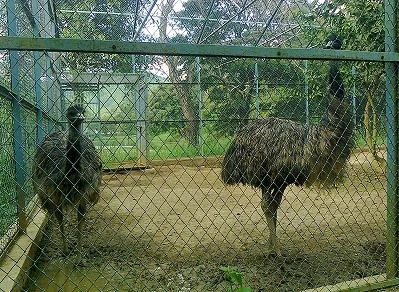
What is Manipur Zoological Gardens famous for?
Manipur Zoological Gardens (called the 'Jewel Box of Manipur') is famous for its captive breeding center for the endangered Sangai deer, clouded leopards, and Himalayan wildlife.
Where is the zoo located in Imphal?
It is located in Iroisemba along Imphal-Kangchup Road, approximately 6 km west of Kangla Fort in central Imphal (15 minutes drive).
What endangered animals can be seen at Manipur Zoological Gardens?
Key species include the rare Sangai (Brow-antlered deer), Clouded Leopard, Slow Loris, Himalayan Black Bear, Hoolock Gibbon, and Oriental Hornbill.
What are the visiting hours and entry ticket fees for the zoo?
Open Tuesday to Sunday from 9:00 AM to 4:30 PM (Closed on Mondays) with an entry fee of Rs 20 per adult and Rs 10 per child.
Is the zoo suitable for family visits and children?
Yes, it offers shaded paved forest walking trails, children's play parks, and educational animal enclosures, making it ideal for family day trips.
What is Shri Govindjee Temple famous for?
Shri Govindjee Temple is famous as Manipur's supreme Gaudiya Vaishnavism shrine, featuring twin golden domes, jackfruit-wood deities of Lord Krishna, and classical Rasleela dances.
Where is Shri Govindjee Temple located in Imphal?
It is located in the royal Palace Compound (Kangla Sanathong) near Wangkhei, approximately 2 km east of Kangla Fort in central Imphal.
Who built Shri Govindjee Temple?
The temple was originally founded in 1846 by Maharaja Nara Singh and rebuilt in 1876 by Maharaja Chandrakriti after an earthquake.
What are the daily darshan and Aarti timings at Shri Govindjee Temple?
Open daily from 5:00 AM to 12:00 PM and 4:30 PM to 8:30 PM. The famous Mangala Aarti occurs at 5:00 AM and Sandhya Aarti at 6:30 PM.
What is the dress code and entry fee for the temple?
Entry is completely free. Devotees must dress modestly covering shoulders and legs; leather items and shoes must be deposited outside.
Share