- .
- info@earthtrip.in
-
INR
-
USD
INR
USD
Khonoma Green Village near Kohima (celebrated globally across sustainable ecology as 'Asia's First Green Village' and a 700 year-old Angami Naga stronghold...
Khonoma Green Village near Kohima (celebrated globally across sustainable ecology as 'Asia's First Green Village' and a 700 year-old Angami Naga stronghold, established in the 14th century across the Barail range at 1,500 meters, world famous for its ban on logging and hunting in 1998, creation of the 20 sq-km Khonoma Nature Conservation and Tragopan Sanctuary (KNCTS) to protect the Blyth's Tragopan, circular stepped paddy terraces irrigated by bamboo aqueducts, Alder tree agroforestry, fortified clan gates (Kharu), traditional dormitories (Morungs), and heroic defense in the 1879 Battle of Khonoma), located 20 km west of Kohima in Nagaland, stands as Nagaland's premier eco cultural destination.
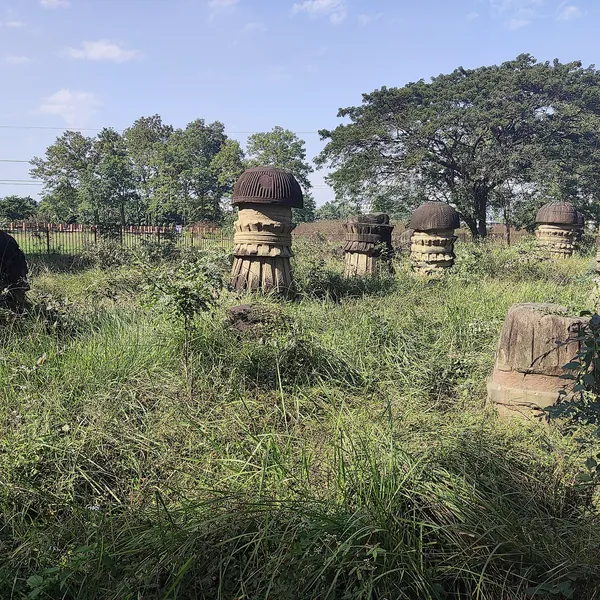
Divided into three clan settlements (Khels) named Merhüma, Semoma, and Thevoma, Khonoma showcases stone masonry pathways, carved house horns, and ancestral granaries reflecting Angami heritage.
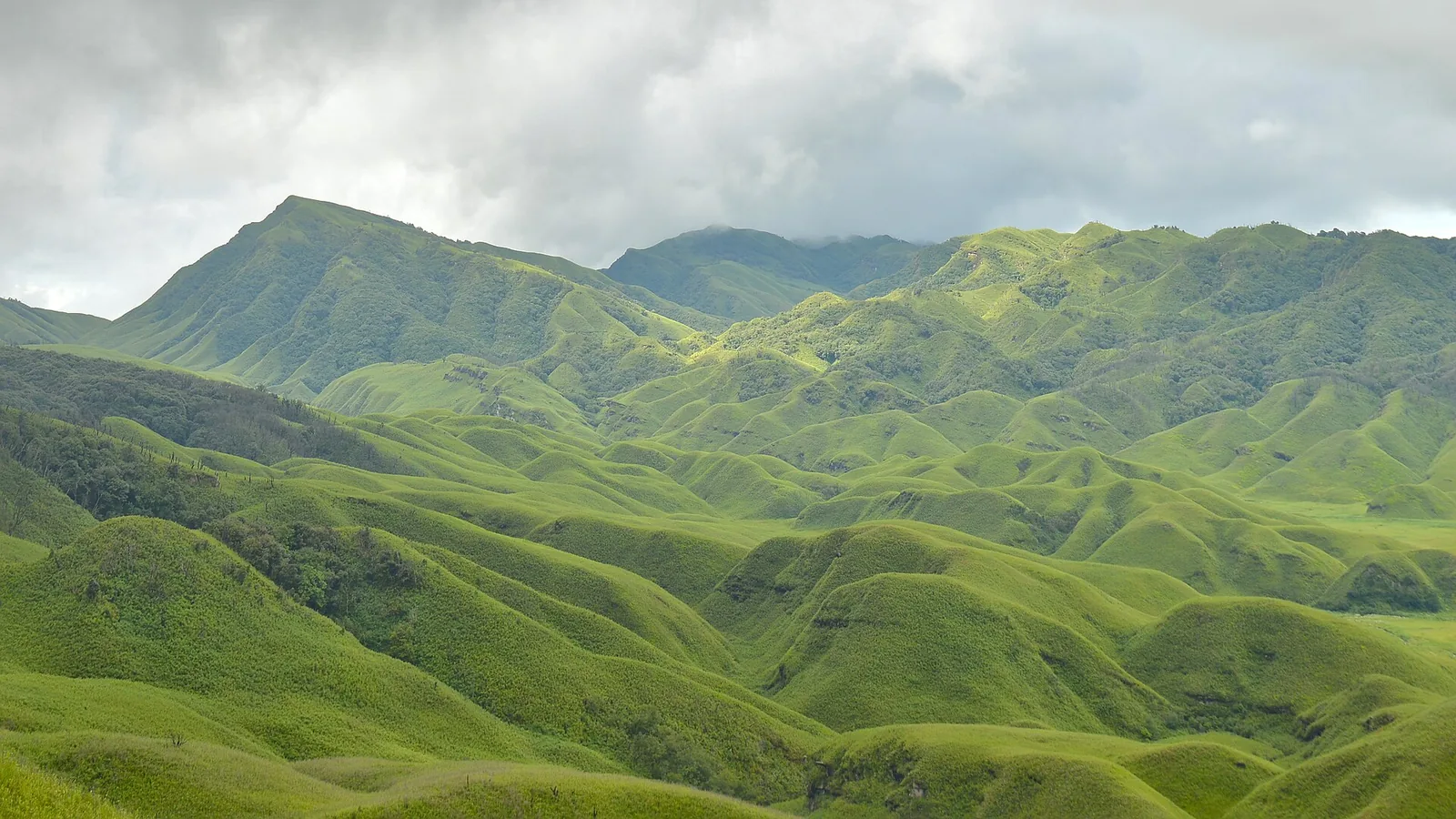
It's the home of Semoma Fort built on the ridge where Angami warriors defended their land against British forces, village elders carving bamboo baskets, homestay hosts serving organic red rice with boiled herbs and bamboo shoot curries, sweeping panoramas of emerald terraced valleys, and an intensely peaceful, deeply rejuvenating tribal village atmosphere filled with pine woodsmoke and mountain breezes.
It represents a rich Nagaland Angami Naga legacy, eco conservation triumphs, and sustainable tribal tourism where green villages, stepped paddy terraces, Tragopan sanctuaries, and Kohima cultural tours unite in Khonoma.
Located 20 km west of Kohima city center via Khonoma Road, it sits 90 km from Dimapur Railway Station (DMV) and Dimapur Airport (DMU), 25 km from Kisama Heritage Village, and 30 km from Dzukou Valley base, easily reached in 45 minutes by private taxi, shared sumo jeep, or hired rental vehicle.
In 1998, after village elders realized that rampant hunting was driving the rare Blyth's Tragopan to extinction, the entire village council democratically passed a permanent ban on hunting and logging across their ancestral forests.
Khonoma farmers practice a 200 year-old Alder tree (Alnus nepalensis) agroforestry technique, where trees are pollarded every few years to fix nitrogen into the soil and prevent hill erosion while yielding high altitude organic crop harvests.
Truth is, walking through the green stepped paddy terraces while listening to village elders recount stories of the 1879 Battle of Khonoma will leave you deeply inspired.
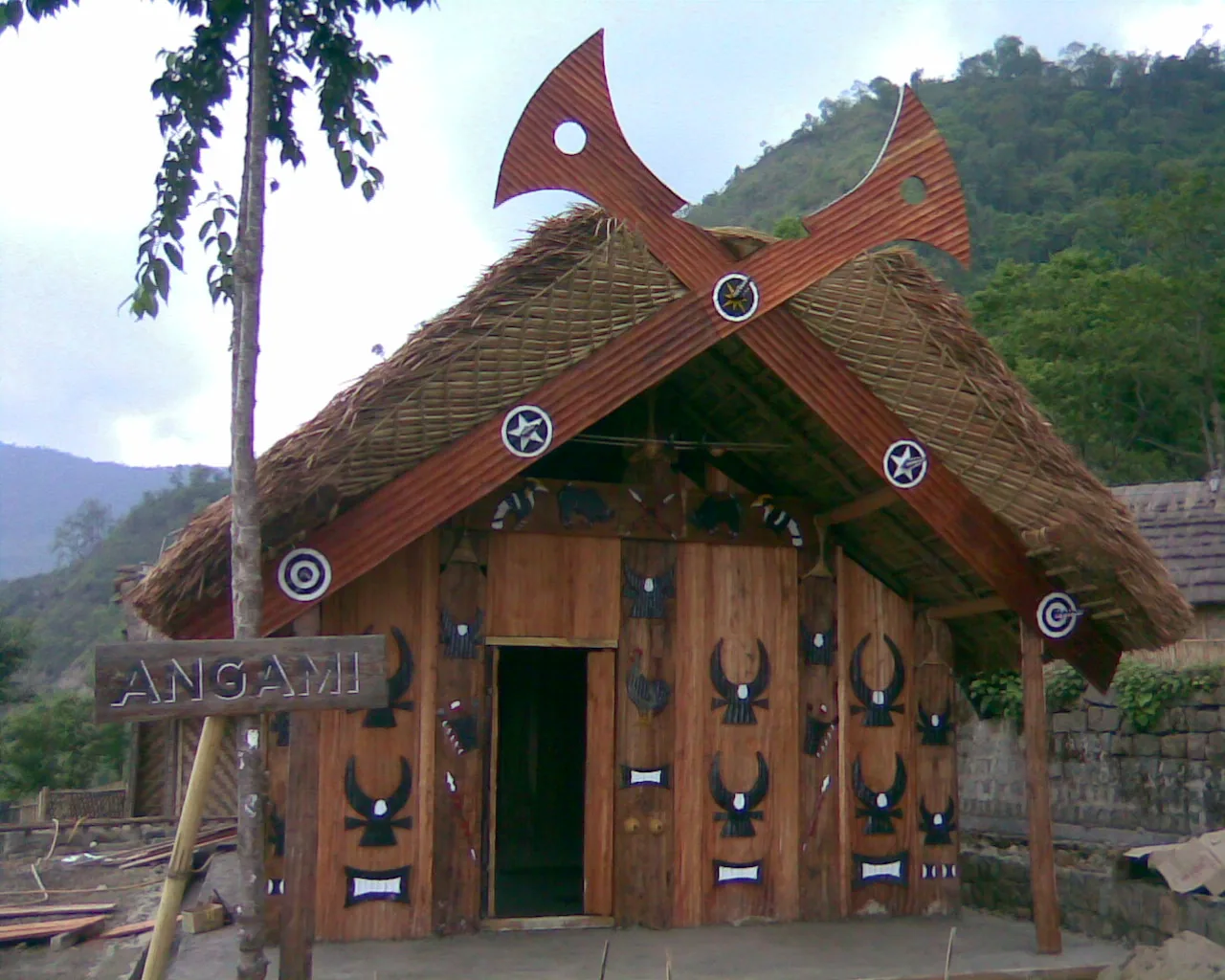
Traditional Morungs & Kharu Gates: Each Khel (clan sector) is entered through an elaborately carved wooden gate (Kharu) decorated with warrior figures, mithun horns, and spear motifs leading to youth dormitories (Morungs).
Authentic Community Homestays: Khonoma offers over 20 welcoming family run homestays where guests enjoy wood fired hearth conversations, home brewed rice beverage (Zutho), and locally guided birdwatching trails.
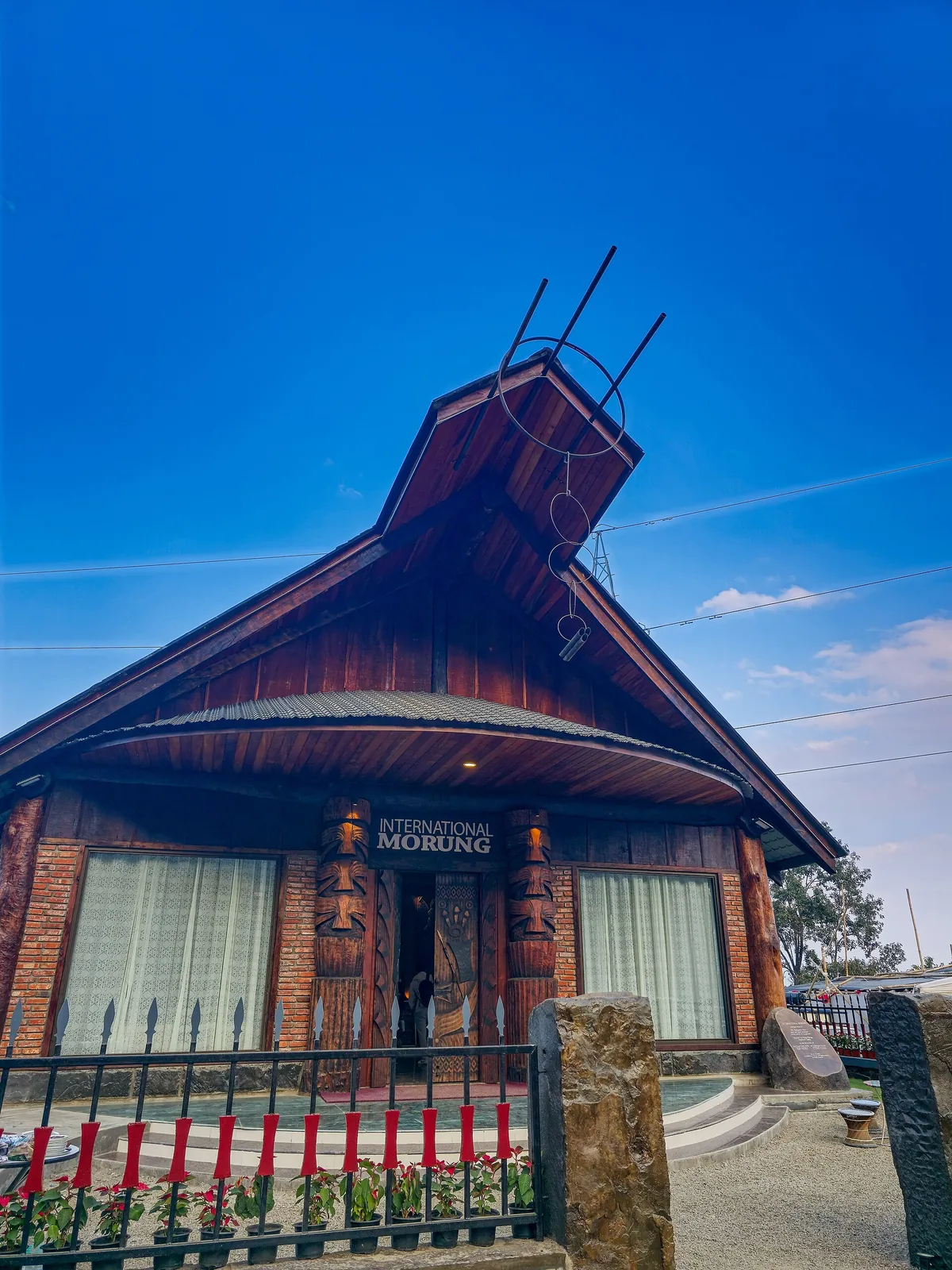
The Eco Cultural Day Tour: Morning departure from Kohima (8:00 AM) -> reach Khonoma village gate & register at tourism reception (8:45 AM) -> guided heritage walk across Merhüma, Semoma & Thevoma Khels (9:00 AM to 11:30 AM: visit fort, morungs, carved kharu gates) -> traditional organic Angami lunch at a local homestay (12:00 PM) -> guided trek along stepped paddy terraces & Alder tree farms (1:30 PM to 3:30 PM) -> birdwatching walk on Tragopan sanctuary trail (3:45 PM to 5:00 PM) -> return to Kohima.
Entry & ILP Information: Indian tourists require an Inner Line Permit (ILP) to enter Nagaland (obtainable online); a nominal village entry conservation fee of Rs 30 is collected at the Khonoma community reception.
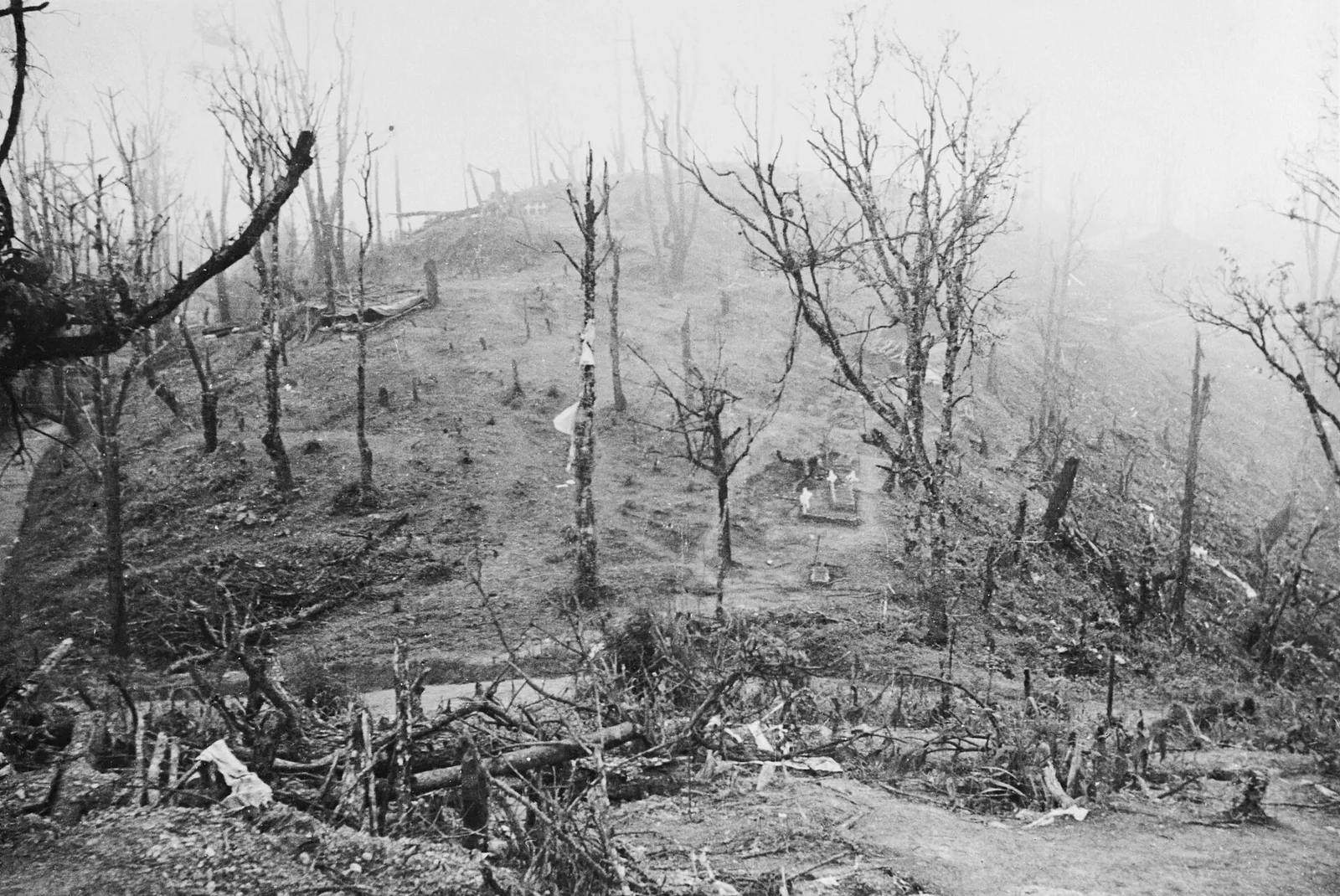
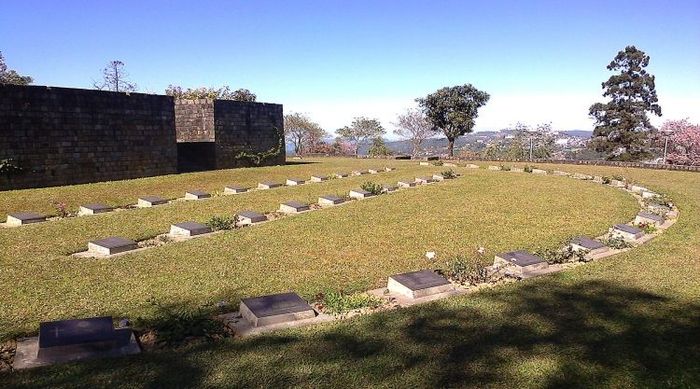
After exploring the green wonder of Khonoma, trek into Dzukou Valley, visit Kisama Heritage Village, or tour Kohima War Cemetery.
Reaching Khonoma Green Village is very simple across Kohima in Nagaland.
Best Time to Visit:
Explore more famous green villages, Angami Naga tribal settlements, and mountain sanctuaries across Nagaland.
 Family
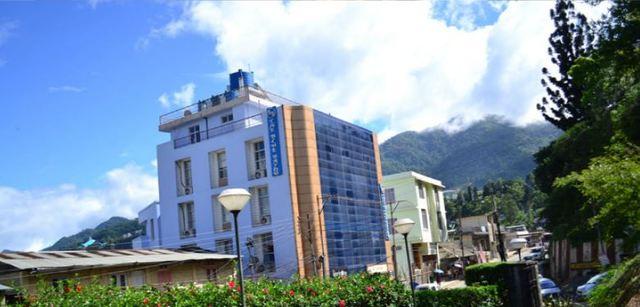 ★★ Hotel
The Blue Bayou has a total of eight (8) AC rooms categorized into Superior/Twin bedrooms, …
View Hotel Details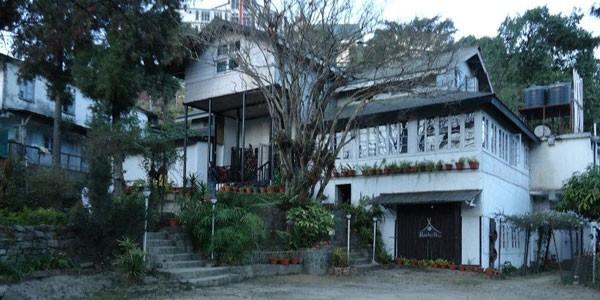 ★★ Hotel
Razhu Pru was a family house built out of wood in the conventional Naga style. In Kohima, …
View Hotel Details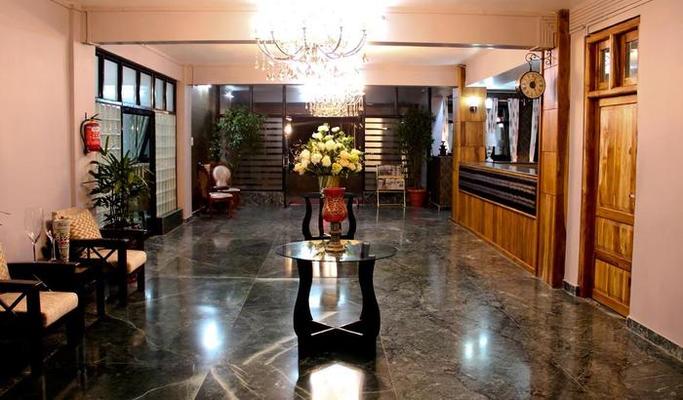 ★★ Hotel
We at de Oriental Grand make it our purpose that the goodwill of our customers, guests and…
View Hotel Details Attraction
Kohima Museum at Upper Bayavu Hill (celebrated globally across tribal anthropology as 'Nag…
Explore Kohima Museum Attraction
Kohima Zoo near Kohima (celebrated globally across Himalayan wildlife zoology as Nagaland'…
Explore Kohima Zoo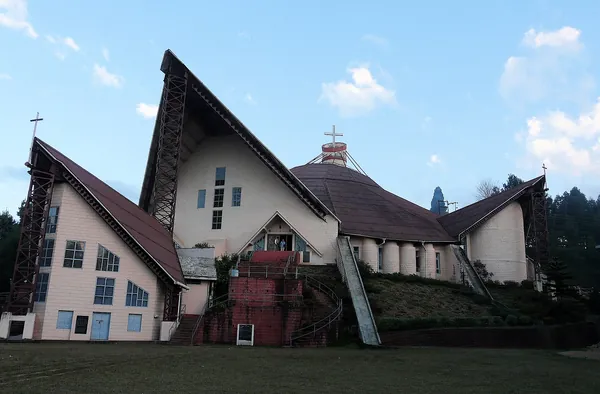 Attraction
Kohima Cathedral on Aradura Hill (celebrated globally across contemporary church architect…
Explore Kohima Cathedral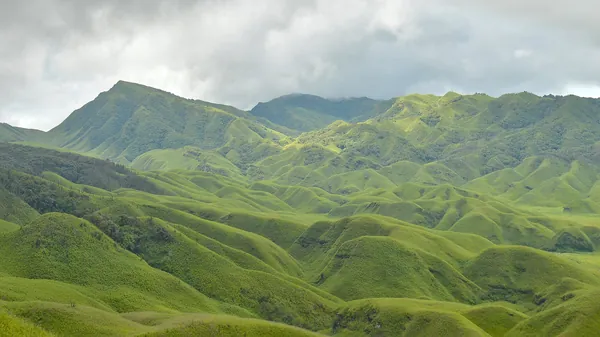 Attraction
Dzukou Valley near Kohima (celebrated globally across trekking as the 'Valley of Celestial…
Explore Dzukou Valley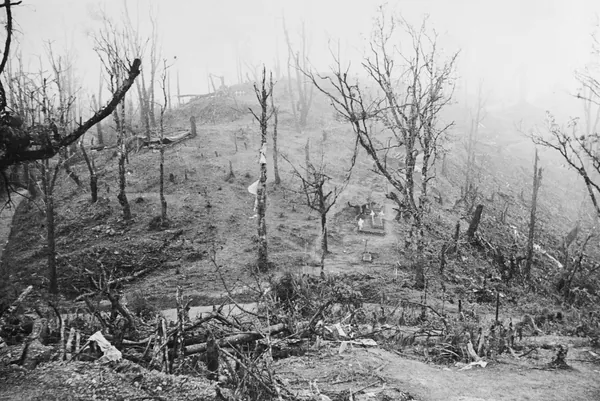 Attraction
Kohima War Cemetery in Kohima (celebrated globally across military history as the memorial…
Explore Kohima War Cemetery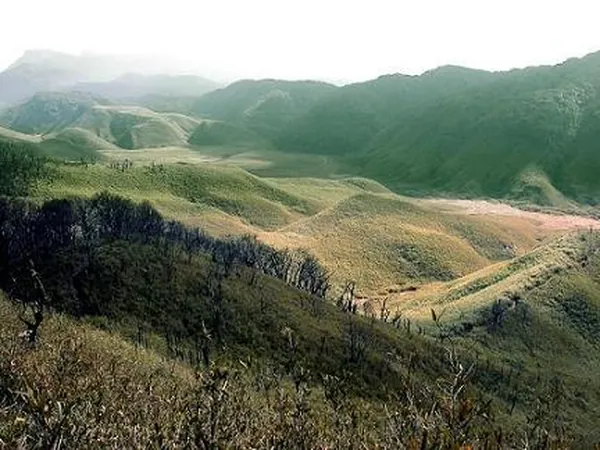 Attraction
Japfu Peak near Kohima (celebrated globally across mountaineering, botanical sciences, and…
Explore Japfu PeakExplore high-resolution photographs of iconic landmarks, temples, and scenic spots in Kohima.
Essential visitor information regarding timings, entry tickets, location, nearby attractions, and travel guide in Kohima.
Khonoma earned the title in 2005 after the entire community democratically banned hunting and logging in 1998 to protect the endangered Blyth's Tragopan pheasant.
Khonoma farmers practice an ancient method of pollarding Alder trees to naturally fertilize hillside soil with nitrogen, preventing erosion without chemical fertilizers.
Khonoma is located 20 km west of Kohima city center, taking about 45 minutes by taxi or shared Sumo jeep.
Yes, Indian domestic tourists require an Inner Line Permit (ILP) to enter Nagaland, easily obtainable online via the Nagaland state portal.
Yes, Khonoma has over 20 welcoming family-run homestays offering organic Naga cuisine, wood-fired hearths, and guided village walks.
Get a customized itinerary and the best deals on packages and hotels.
Enquire Now