- .
- info@earthtrip.in
-
INR
-
USD
INR
USD
The Paradesi Synagogue, tucked at the historic end of Synagogue Lane in Jew Town, Mattancherry, Kochi (Cochin), Kerala, was constructed in 1568 AD and stan...
The Paradesi Synagogue, tucked at the historic end of Synagogue Lane in Jew Town, Mattancherry, Kochi (Cochin), Kerala, was constructed in 1568 AD and stands proudly as the oldest active Jewish synagogue in the Commonwealth of Nations.
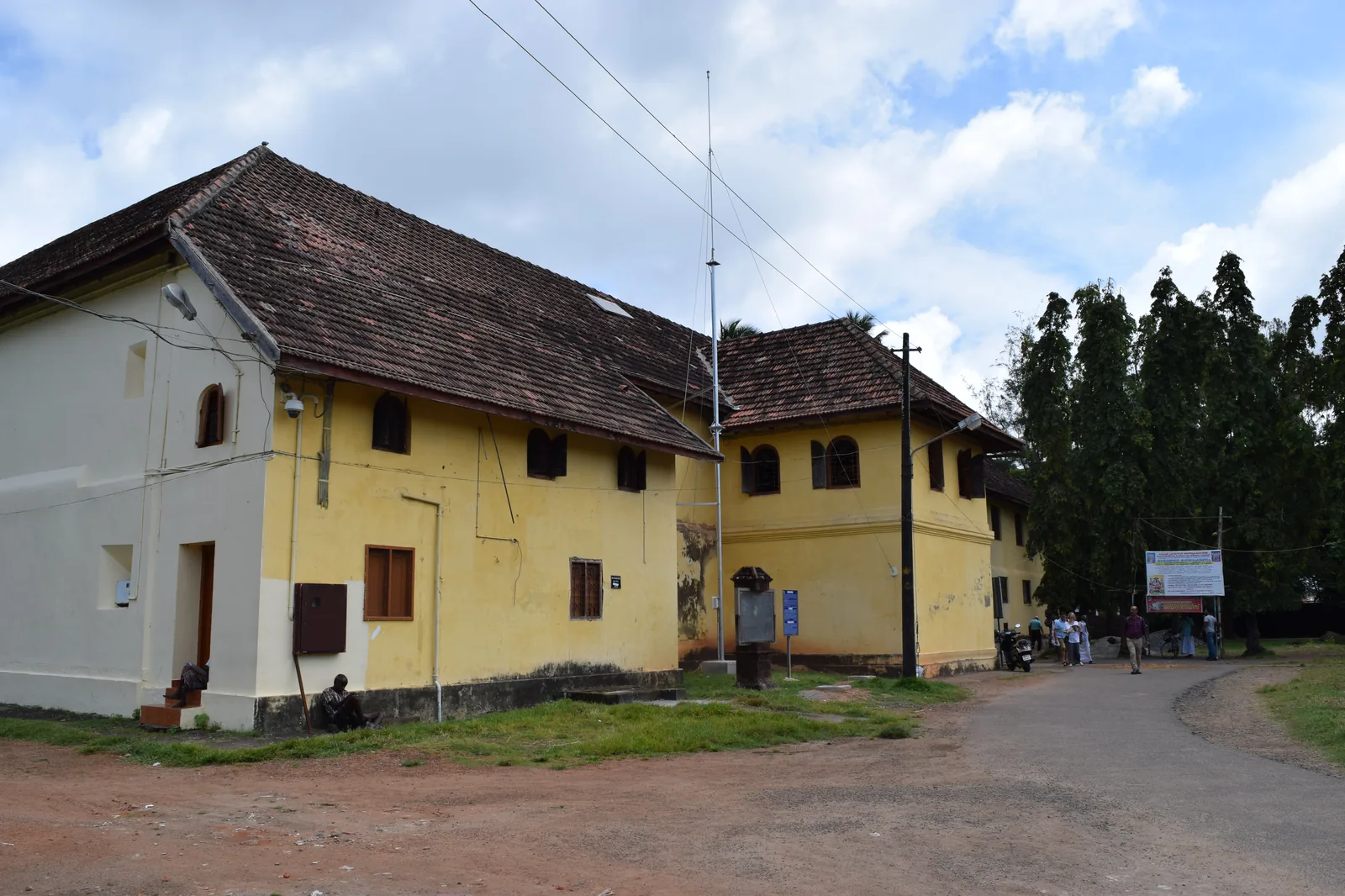
Built by Sephardic Jewish merchants who found refuge on the Malabar Coast following persecution in Spain and the Netherlands, this sacred house of prayer was erected on land gifted by the visionary Hindu ruler Raja Rama Varma of Cochin, sharing a boundary wall with the royal Mattancherry Palace.
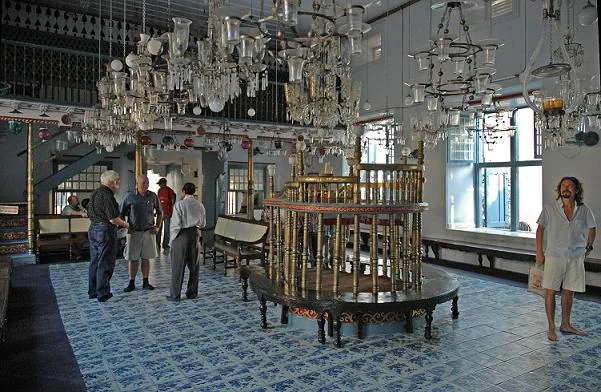
It's the home of over 1,100 hand painted 18th century Chinese blue and-white porcelain willow pattern floor tiles with no two tiles alike, dazzling 19th century Belgian crystal oil chandeliers, ancient Torah scrolls housed in pure silver and solid gold casings, and a 1762 clock tower displaying Roman, Hebrew, Malayalam, and Arabic numerals.
It represents a rich cultural proof of Kerala's historic religious harmony, global maritime spice trade connections, Cochin Jewish heritage, and antique handicraft trading traditions.
Located in the historic quarter of Mattancherry, it sits 4 km south of Fort Kochi, 10 km west of Ernakulam Junction Railway Station, and 40 km from Cochin International Airport, easily accessed by auto rickshaw, ferry, or tourist taxi.
The term "Paradesi" translates to "Foreigners" in Malayalam, distinguishing the Spanish and Middle Eastern Sephardic settlers from the ancient Malabar Yehudan (Black Jews) who had settled in Cranganore (Muziris) centuries earlier.
In 1568, the Jewish elders Samuel Castiel, David Belila, and Joseph Levi completed the synagogue. Though partially damaged by Portuguese bombardment in 1662, it was meticulously restored under Dutch patronage in 1664.
Truth is, the synagogue preserves four ancient copper charter plates (Sasanam) dating to circa 1000 AD, wherein Chera King Bhaskara Ravi Varman I granted perpetual hereditary trade rights and noble honors to Jewish merchant leader Joseph Rabban.
Hand Painted Willow Tiles: In 1762, wealthy Jewish merchant Ezekiel Rahabi imported hundreds of hand painted porcelain tiles from Canton (Guangzhou), China. Each blue and-white tile depicts a delicate Chinese willow pattern scene or mythological motif, and no two tiles across the entire floor are identical.
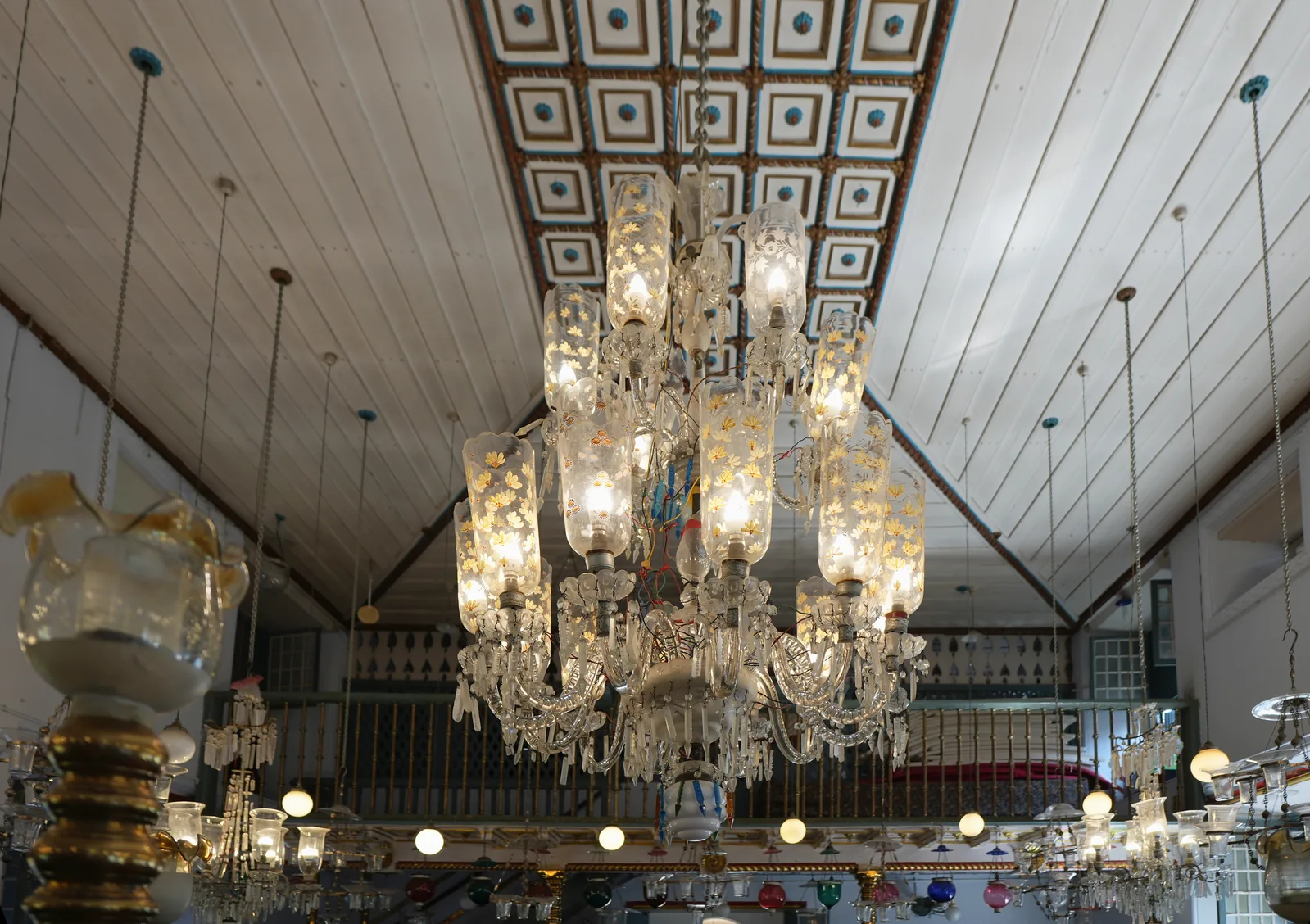
Belgian Crystal Chandeliers: Suspended from the dark teak ceiling are dozens of sparkling 19th century colored glass and crystal chandeliers imported from Belgium, filled with coconut oil during special festival evening prayers.
Sacred Torah Crowns: The Ark enshrines hand written scrolls of the Law (Torah) kept in solid silver cylinders, decorated with pure gold crowns studded with emeralds and rubies presented by the Maharajas of Cochin and Travancore.
The 1762 Clock Tower: Erected on the entrance archway, this landmark tower has four clock faces: one in Roman numerals for Europeans, one in Hebrew for the congregation, one in Malayalam for local citizens, and one in Arabic.

After exploring the synagogue, browse through the charming antique and spice shops along Jew Town Lane, visit the adjacent Mattancherry Dutch Palace, and take a short boat ride across to Fort Kochi to see the Santa Cruz Basilica and Chinese fishing nets.
Reaching the Paradesi Jewish Synagogue in Mattancherry is easy from all parts of Kochi in Kerala.
Best Time to Visit:
Explore more historic synagogues and colonial heritage landmarks across Kerala.
 Honeymoon
 Family
 Family
 ★ Hotel
Motty's Homestay in Alleppey provides massage services, as well as free WiFi. The homestay…
View Hotel Details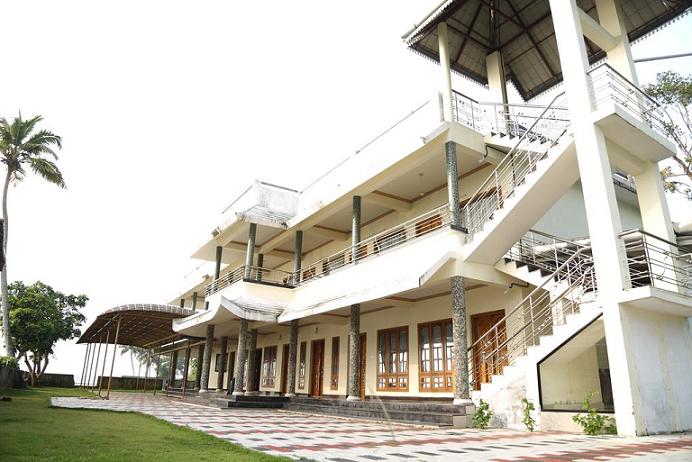 ★★★ Hotel
Situated in the lap of nature, Hotel Cosy Lake Villa, Alappuzha, welcomes guests to the Ve…
View Hotel Details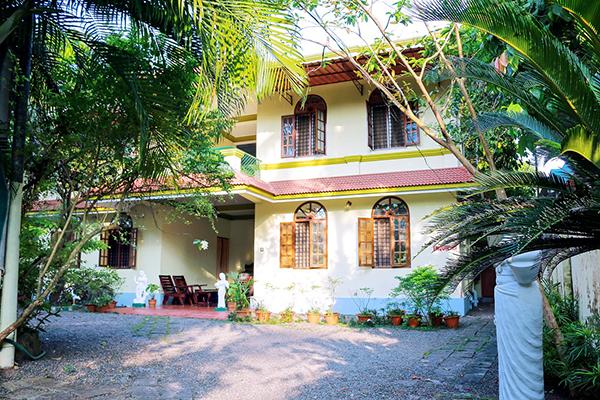 ★ Hotel
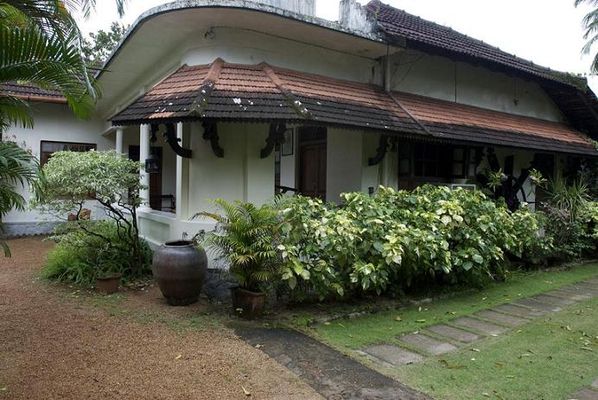
Lotus Homestays provide the travellers- A Home Away from Home, with all the comforts and f…
View Hotel Details ★★★ Hotel
KTDC, "Suvasam" Thanneermukkom is located at Thanneermukkom, Alappuzha. Suvasam means a pl…
View Hotel Details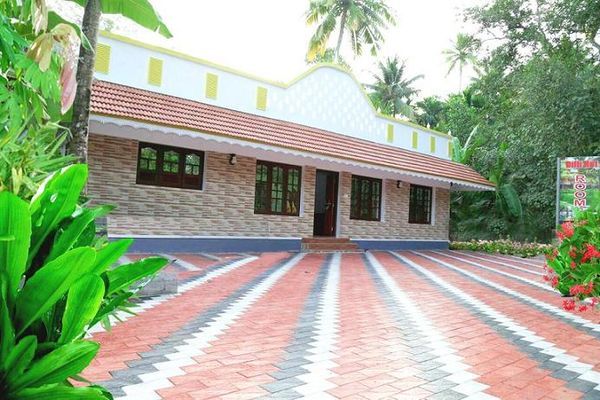 ★ Hotel
Grace Olivia Homestay features air-conditioned rooms with free WiFi. Every room is fitted …
View Hotel Details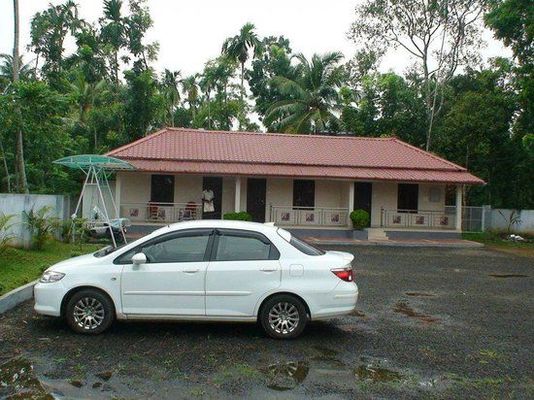 ★ Hotel
The people of Kerala are known for their hospitality and warmth. Visitors to Kerala quite …
View Hotel Details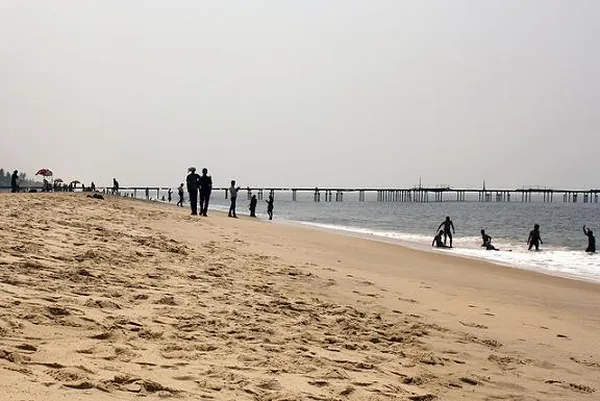 Honeymoon
Stretching along the Arabian Sea coastline just 2 km west of the town center, Alleppey B…
Explore Alleppey Beach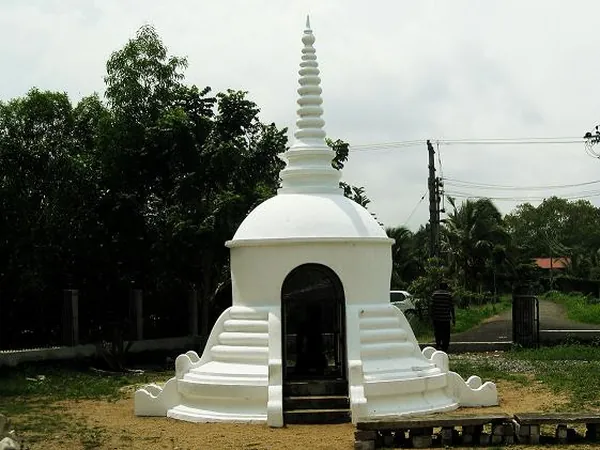 Family
Resting quietly inside a small open pagoda shrine along the Punnamada backwater canal in…
Explore Karumadikuttan Honeymoon
Located in the sleepy coastal fishing village of Mararikulam roughly 14 km north of Alle…
Explore Marari Beach Honeymoon
Weaving an intricate labyrinth of over 900 kilometers of interconnected canals, lagoons,…
Explore Kerala Backwaters Honeymoon
Spanning across three coastal districts with an expansive water surface covering over 2,…
Explore Vembanad Lake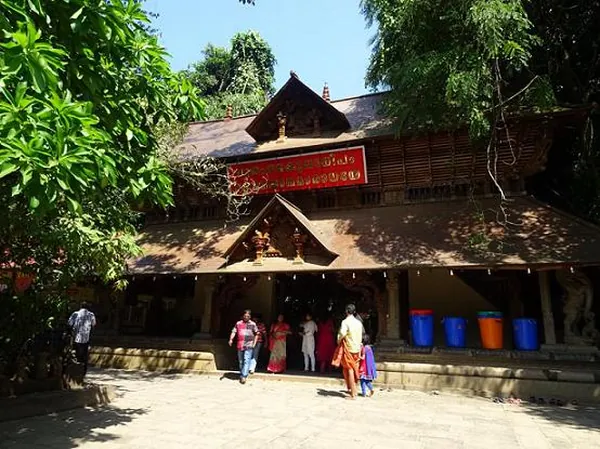 Pilgrimage
Located in the historic destination of Alleppey, the remarkable Mannarasala Temple stand…
Explore Mannarasala Temple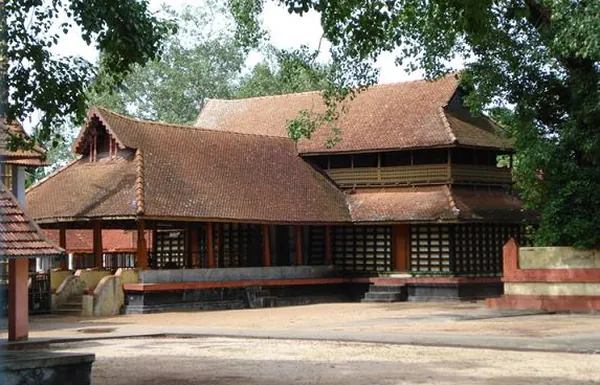 Pilgrimage
Located in the historic destination of Alleppey, the remarkable Mullakkal Bhagavathy Tem…
Explore Mullakkal Bhagavathy Temple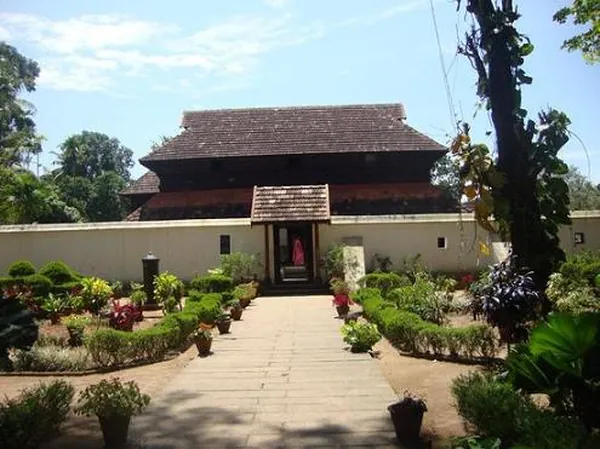 Family
Located in the historic destination of Alleppey, the remarkable Krishnapuram Palace stan…
Explore Krishnapuram Palace Honeymoon
Pallippuram (celebrated across Kerala as the historic white sand island village of Vembana…
Explore PallippuramExplore high-resolution photographs of iconic landmarks, temples, and scenic spots in Alleppey.
Essential visitor information regarding timings, entry tickets, location, nearby attractions, and travel guide in Alleppey.
Built in 1568 AD, it is the oldest active synagogue in the Commonwealth of Nations, famous for hand-painted 18th-century Chinese porcelain floor tiles, Belgian crystal chandeliers, golden Torah crowns, and a 1762 clock tower.
Built in 1568 AD, it is the oldest active synagogue in the Commonwealth of Nations, famous for hand-painted 18th-century Chinese porcelain floor tiles, Belgian crystal chandeliers, golden Torah crowns, and a 1762 clock tower.
The floor is paved with over 1,100 hand-painted blue-and-white porcelain willow-pattern tiles imported from Canton, China in 1762. Each tile is uniquely decorated by hand, with no two tiles identical.
The floor is paved with over 1,100 hand-painted blue-and-white porcelain willow-pattern tiles imported from Canton, China in 1762. Each tile is uniquely decorated by hand, with no two tiles identical.
The synagogue is open daily from 10:00 AM to 1:00 PM and 2:00 PM to 5:00 PM. It is closed on Fridays, Saturdays (Sabbath), and Jewish holidays.
The synagogue is open daily from 10:00 AM to 1:00 PM and 2:00 PM to 5:00 PM. It is closed on Fridays, Saturdays (Sabbath), and Jewish holidays.
Visitors must wear modest clothing covering shoulders and knees. Shoes must be removed outside to preserve the antique porcelain tile floor. Photography inside the prayer hall is restricted.
Visitors must wear modest clothing covering shoulders and knees. Shoes must be removed outside to preserve the antique porcelain tile floor. Photography inside the prayer hall is restricted.
It is located at the end of Synagogue Lane in Jew Town, Mattancherry, just 4 km south of Fort Kochi (approx 10 mins by auto rickshaw or a short ferry ride to Mattancherry Jetty).
It is located at the end of Synagogue Lane in Jew Town, Mattancherry, just 4 km south of Fort Kochi (approx 10 mins by auto rickshaw or a short ferry ride to Mattancherry Jetty).
Get a customized itinerary and the best deals on packages and hotels.
Enquire Now
Honeymoon
Family
Honeymoon
Honeymoon
Honeymoon
Pilgrimage