• .
  • info@earthtrip.in
    • INR

    • USD

📍 Kerala, India

Kumarakom Travel Guide & Tourist Places (Vembanad Backwaters & Bird Paradise, Kerala)
Hotels · Packages · Sightseeing

Kumarakom, a world-famous archipelago of lush islands reclaimed from the eastern shores of the magnificent Vembanad Lake in the Kottayam district of Kerala...

TopHotels
BestPackages
Must SeeSightseeing
🏙 About Kumarakom

Kumarakom — Travel Guide

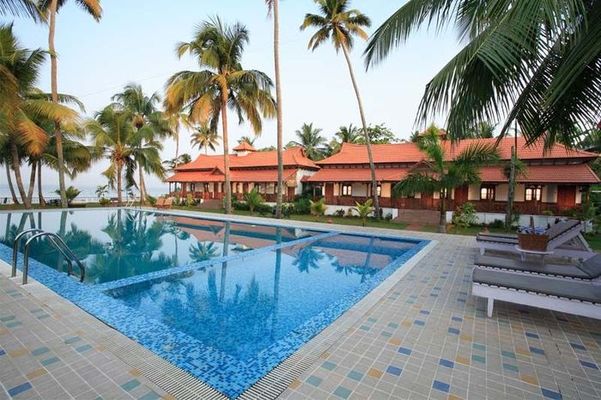
Kumarakom, a world-famous archipelago of lush islands reclaimed from the eastern shores of the magnificent Vembanad Lake in the Kottayam district of Kerala, is an internationally acclaimed eco-tourism and backwater haven renowned for its tranquil backwaters, luxury heritage resorts, and pristine biodiversity. Surrounded by emerald canals, swaying coconut groves, and lotus-dappled lagoons, Kumarakom offers a slower, more intimate alternative to the bustling tourist circuits.

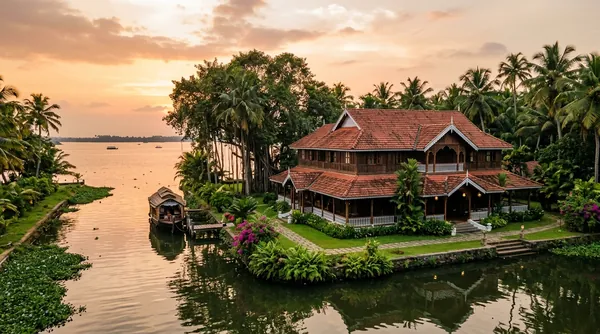
Baker's Historic 1881 Heritage Bungalow Estate on Vembanad Lake Kumarakom Kerala The Picturesque 19th-Century Baker’s Bungalow Estate Perched on the Tranquil Edge of Vembanad Lake in Kumarakom

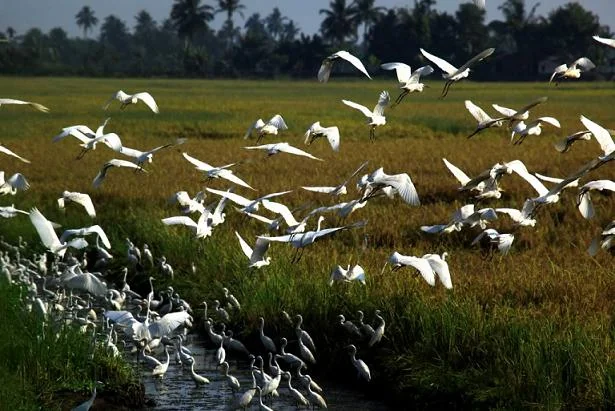
The history of modern Kumarakom began in the 1840s when English missionary and botanist Alfred George Baker reclaimed wetland marshes from Vembanad Lake, constructed the iconic colonial Baker's Bungalow (1881), and planted extensive groves of mangrove trees, giving birth to the 14-acre Kumarakom Bird Sanctuary. Every winter between November and February, the sanctuary becomes a vibrant haven for thousands of migratory birds traveling the Central Asian Flyway, including Siberian storks, herons, egrets, darters, and teals.

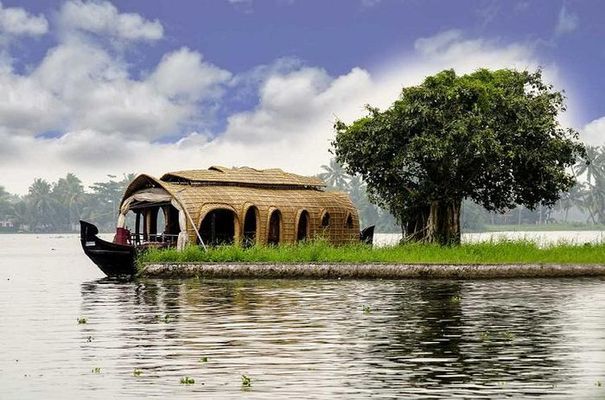
Kumarakom was immortalized globally as the real-life setting for Arundhati Roy's 1997 Booker Prize-winning novel The God of Small Things in adjacent Aymanam Village. Travelers can explore the unique Bay Island Driftwood Museum, cruise on traditional Kettuvallam luxury houseboats across Vembanad Lake, and experience authentic village life through the Kerala Tourism Responsible Tourism Mission.

Located just 15 km from Kottayam Railway Station and 85 km from Cochin International Airport, Kumarakom connects effortlessly with Alleppey, Cochin, Thekkady, and Munnar, making it an essential destination for nature lovers, honeymooners, and birdwatchers.

🗓 Best Time
🚂 How to Reach
🛍 Shopping

Best Time to Visit Kumarakom:

Kumarakom offers distinct seasonal experiences for nature and wellness lovers:

  • September to March (Winter / Peak Birding & Cruising Season): Daytime temperatures range between 22°C and 31°C with pleasant breezes and crystal-clear skies. Ideal for birdwatching at Kumarakom Bird Sanctuary, overnight houseboat cruises on Vembanad Lake, and sunset canoeing in Aymanam.
  • June to August (Monsoon / Romantic Waters & Ayurveda): The South-West monsoon brings refreshing showers, transforming the wetlands into a verdant emerald haven. It is considered the prime time for authentic Ayurvedic Panchakarma rejuvenation treatments.
  • April to May (Summer / Warm Tropical Calm): Temperatures range from 24°C to 34°C. Perfect for travelers seeking peaceful, uncrowded resorts and discounted luxury backwater packages.

Famous Local Specialties:

  • Karimeen Pollichathu: Freshly netted pearl spot fish from Vembanad Lake marinated in shallots, ginger, green chilies, and coconut oil, wrapped in banana leaf and pan-grilled.
  • Kuttanadan Tharavu Roast (Duck Roast): Tender duck meat slow-cooked in a rich, dark gravy of roasted coriander, black pepper, coconut milk, and whole spices.
  • Chemmeen Ularthiyathu: Juicy backwater prawns pan-fried with roasted coconut slivers, curry leaves, and crushed red chilies.

By Air:

The nearest airport is Cochin International Airport (Airport Code: COK), located 85 km northwest of Kumarakom (approximately 2 hours drive via NH-66 and the scenic Vaikom-Kumarakom lake corridor). Cochin Airport operates extensive non-stop flights to New Delhi (IGI), Mumbai, Bengaluru, Hyderabad, Chennai, Kolkata, Dubai, Abu Dhabi, Singapore, and London. Alternatively, Trivandrum International Airport (TRV) is 170 km south (about 4 hours drive).

By Train:

Kottayam Railway Station (Station Code: KTYM) is the primary railhead, situated just 15 km east of Kumarakom (approximately 25 minutes drive). Major superfast and express trains stopping at Kottayam include:

  • Kasaragod – Thiruvananthapuram Vande Bharat Express (Train 20631/20632): Rapid travel connecting all major Kerala hubs to Kottayam.
  • Kerala Express (Train 12625/12626): Daily direct train from New Delhi (NDLS) to Kottayam.
  • Sabari Express & Island Express: Daily direct services from Hyderabad, Chennai, and Bengaluru.
  • Prepaid taxis, app cabs, and auto-rickshaws are available 24/7 outside Kottayam station directly to Kumarakom resorts.

By Road:

Kumarakom is smoothly accessible via state highways and national highways:

  • From Kottayam (~15 km / 25 minutes): Drive west via Kottayam-Kumarakom Road (SH-1).
  • From Alleppey (~32 km across the lake / 48 km by road / 1 hour): Scenic route via Muhamma or Changanassery.
  • From Kochi (~75 km / 2 hours): Drive south via Tripunithura, Vaikom, and Thanneermukkom Bund.
  • From Munnar (~145 km / 4 hours): Mountain highway descending through Pala and Kottayam.

By Water (Public Lake Ferry):

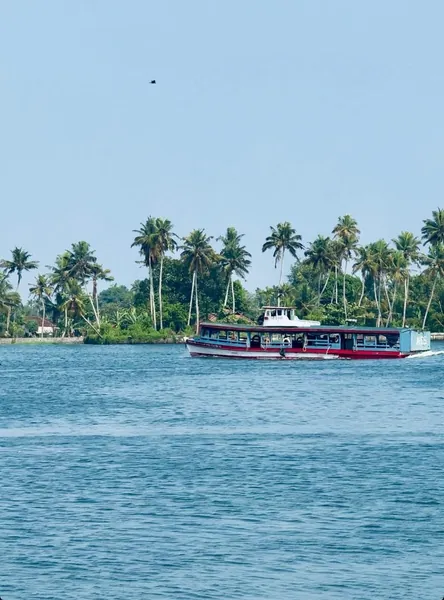
Kerala State Water Transport Department (SWTD) operates regular passenger ferries between Muhamma Jetty (Alleppey side) and Kumarakom Jetty, taking just 40 minutes across Vembanad Lake for an economical and picturesque local experience.

Shopping in Kumarakom is focused on traditional handicrafts, authentic spices, and local artisan village goods:

  • Handmade Coir Handicrafts & Mats: Beautifully woven coir door mats, coconut shell candle holders, eco-friendly table runners, and jute handbags crafted by local women's cooperatives.
  • Export Quality Malabar Spices: Fresh green cardamom pods, Tellicherry black peppercorns, cinnamon quills, whole nutmeg, cloves, and star anise from Kottayam spice plantations.
  • Driftwood Artefacts & Wooden Miniature Boats: Hand-polished driftwood desktop souvenirs and intricate miniature wooden *Snake Boats* (Chundan Vallams).
  • Pure Wild Honey & Homemade Jaggery: Natural unprocessed multi-flora forest honey and traditional palm jaggery (*Karinupetti*).
🏛 Tourist Attractions & Sightseeing

Must-Visit Places in Kumarakom

Kumarakom offers an exceptional array of wildlife bird sanctuaries, expansive backwater lakes, heritage literary villages, unique driftwood art museums, and colonial estates:

1. Kumarakom Bird Sanctuary & Elevated Forest Watchtower (Baker's Estate)

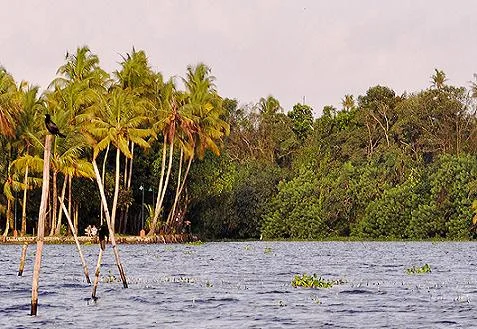
Spanning 14 acres of dense mangrove forests on the banks of Vembanad Lake, the Kumarakom Bird Sanctuary is a premier avian paradise. A 1.5 km stone path and elevated wooden watchtower allow visitors to observe local and migratory species including Siberian storks, night herons, white egrets, purple moorhens, darter birds, cuckoos, and colorful kingfishers in their natural nesting grounds.
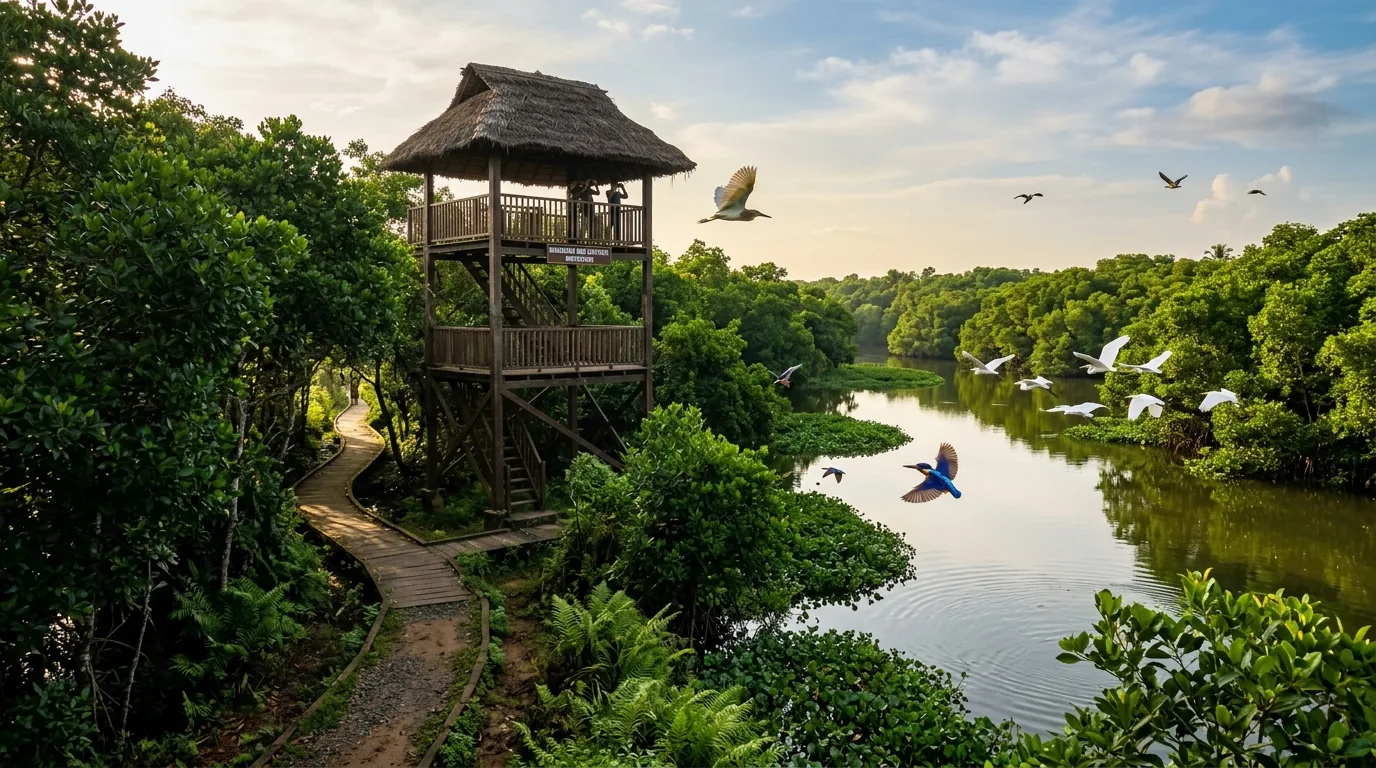
Kumarakom Bird Sanctuary Watchtower Kumarakom Bird Sanctuary — 14-Acre Protected Mangrove Haven and Watchtower for Migratory Birds

2. Vembanad Lake Sunset Cruises & Traditional Kettuvallam Houseboats

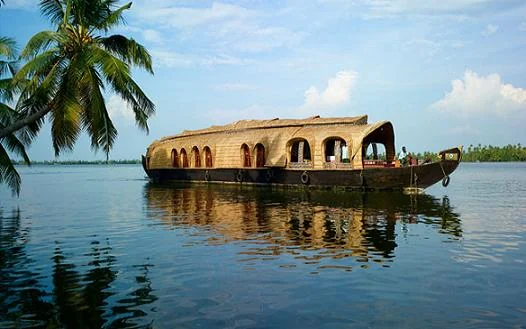
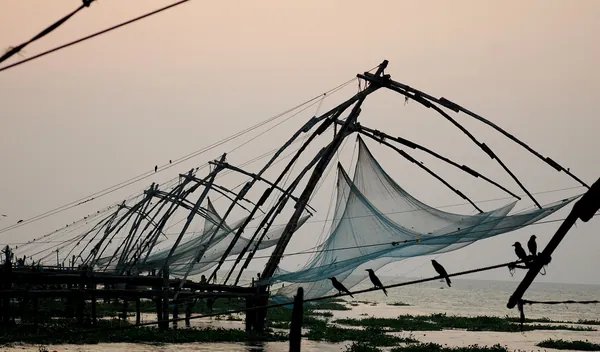
Kumarakom sits right on the eastern expanse of Vembanad Lake, India's longest freshwater lake. Evening motorboat and traditional Kettuvallam houseboat cruises take travelers across shimmering gold waters as the sun sets behind distant palm shores, accompanied by fishermen rowing traditional wooden canoes and casting Chinese fishing nets.
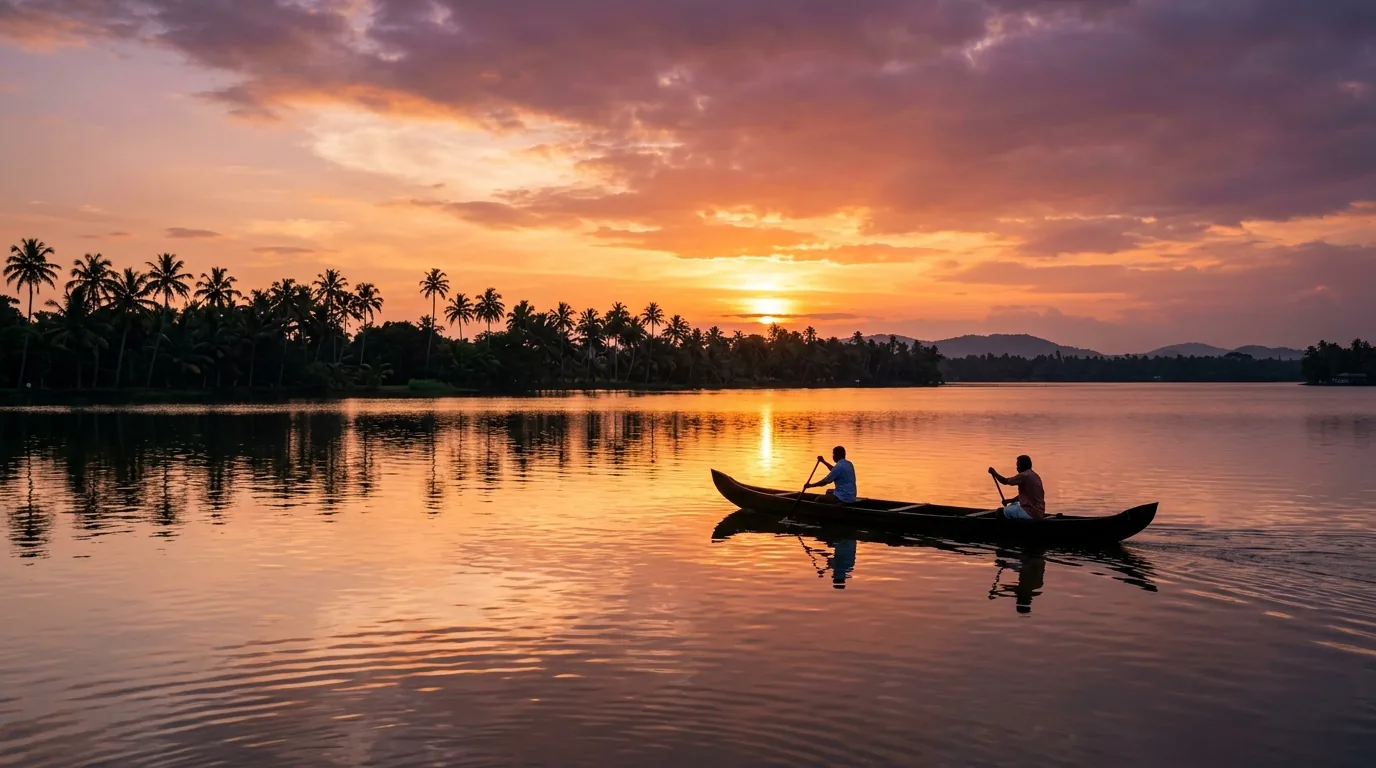
Vembanad Lake Sunset Kumarakom Vembanad Lake — Breathtaking Sunset Boating Across India’s Longest Freshwater Lake in Kumarakom

3. Aymanam Heritage Village (“The God of Small Things” Setting)

Located just 8 km from Kumarakom, the tranquil village of Aymanam achieved global acclaim as the childhood home and backdrop of Arundhati Roy's Booker Prize-winning novel The God of Small Things. A village walking tour reveals peaceful canal waterways, ancient ancestral homesteads (*Tharavads*), and country canoe rides through below-sea-level paddy fields.
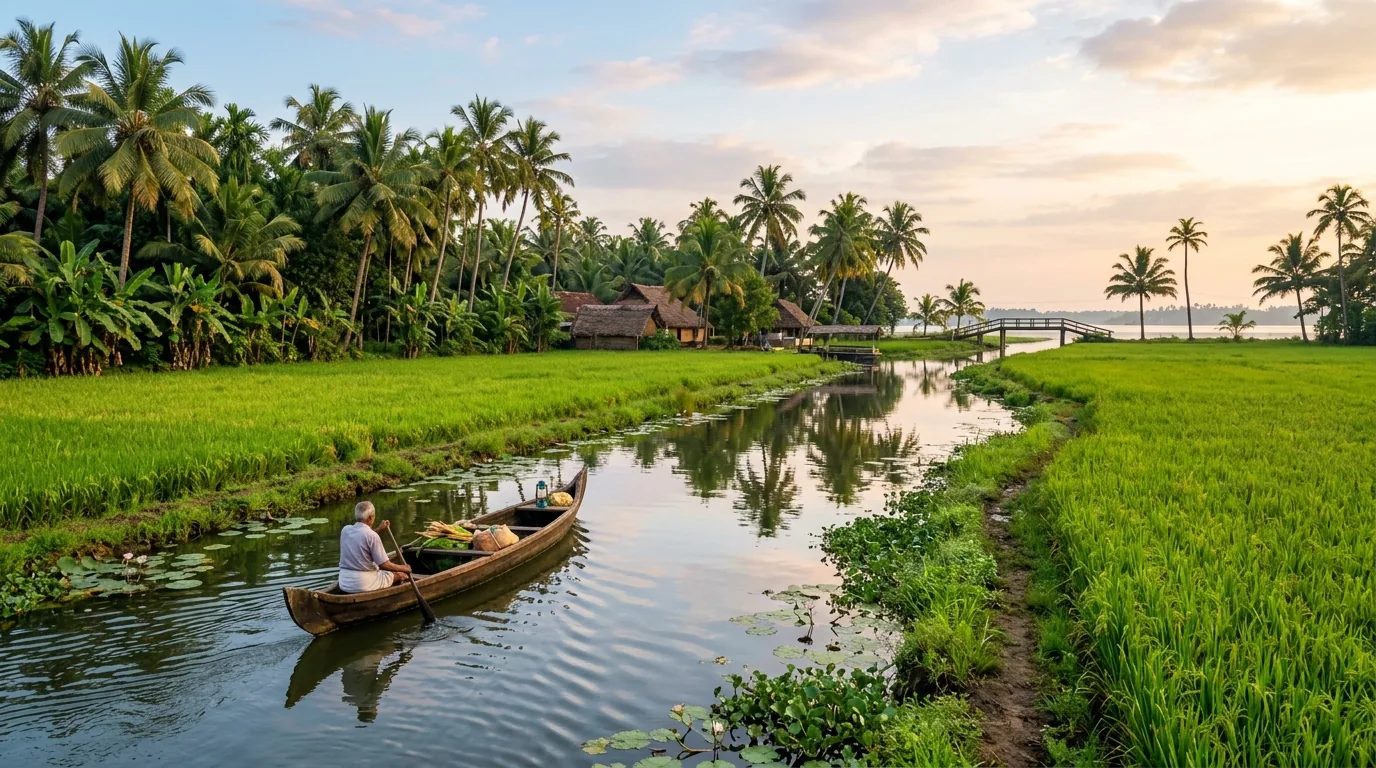
Aymanam Heritage Village Kumarakom Aymanam Village — Scenic Backwater Countryside Immortalized in Literature by Arundhati Roy

4. Bay Island Driftwood Museum (Unique Andaman Sculptures)

Founded by retired school teacher Raji Punnoose, the Bay Island Driftwood Museum in Chakrampadi houses a Guinness-recognized collection of extraordinary sculptures crafted from natural driftwood collected over decades from the beaches of the Andaman & Nicobar Islands. Ocean waves, tides, and marine life shaped the ancient wood roots into remarkable likenesses of animals, birds, and human figures.
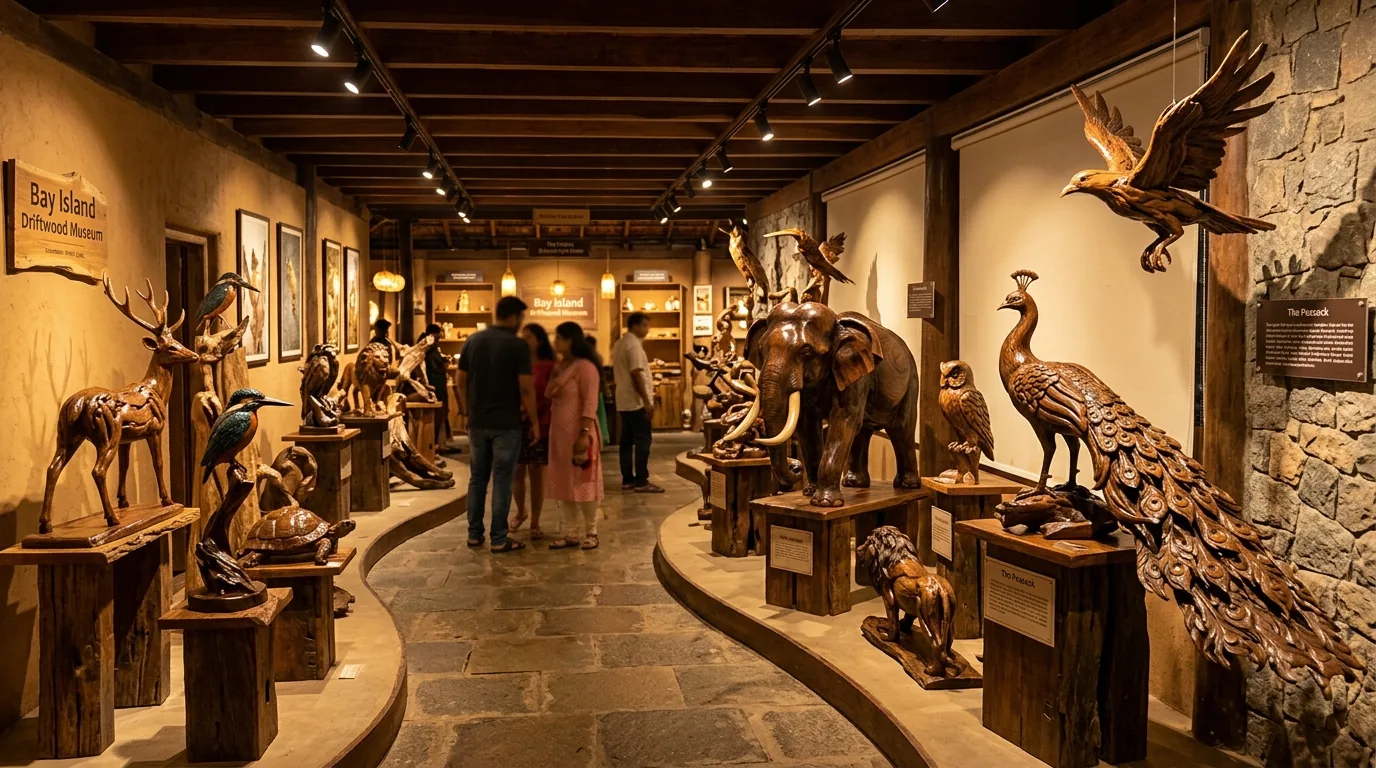
Bay Island Driftwood Museum Kumarakom Bay Island Driftwood Museum — Extraordinary Sculptures Formed by Sea Tides and Nature

5. Baker’s Historic 1881 Heritage Bungalow & Colonial Estate

Built in 1881 by English settler Alfred George Baker on a picturesque 20-acre estate, this stately Victorian-Travancore wooden mansion (now preserved as Taj Kumarakom) features vintage rosewood verandas, gabled tiled roofs, and an inner lagoon shaded by a 200-year-old giant banyan tree.

Baker Bungalow Estate Kumarakom Baker’s Bungalow — 1881 Colonial English Wooden Heritage Manor on the Banks of Vembanad Lake

6. Pathiramanal Island Backwater Birding Eco-Reserve (Boat Ride)

An uninhabited 10-acre island sitting in the middle of Vembanad Lake between Kumarakom and Muhamma, Pathiramanal (meaning *Sands of Midnight*) is an idyllic sanctuary accessible only by boat, sheltering rare orchids, mangrove flora, and dozens of wetland bird colonies.

7. Aruvikkuzhi 100-Foot Cascading Waterfalls & Rubber Plantations (18 km)

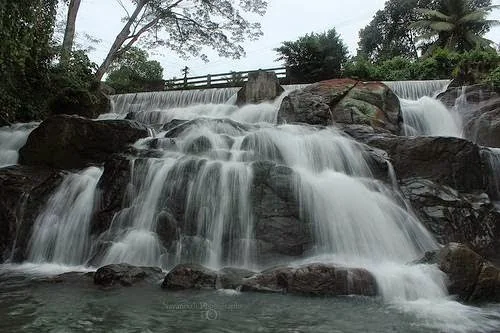
Located 18 km east of Kumarakom near Pampady, Aruvikkuzhi Waterfall is a scenic 100-foot cascade tumbling down rocky tiers amidst dense rubber plantations, offering cool forest trails for nature walks and picnics.

8. Thazhathangady 1,000-Year-Old Juma Masjid & Wooden Architecture

Situated 12 km away on the banks of the Meenachil River, Thazhathangady Juma Masjid is one of the oldest mosques in India, constructed in the 10th century featuring master-crafted teakwood ceilings, latticed wooden balconies, and a traditional inner courtyard.

9. Village Life Experience (Responsible Tourism Mission Waterways)

Kumarakom is the pioneer of Kerala's award-winning *Responsible Tourism* initiative. Visitors can spend half a day with local villagers learning the delicate arts of manual coir yarn spinning, screw-pine mat weaving, traditional net fishing, and tasting freshly tapped coconut palm nectar.

🏨 Hotels

Popular Hotels in Kumarakom

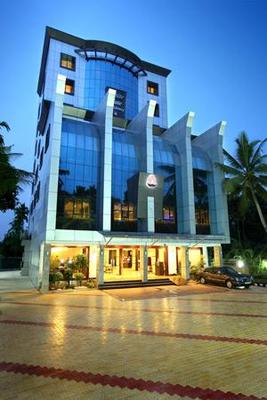
White Gate Residency Hotel
White Gate Residency
📍 Vaikom Kumarakom
View Details →
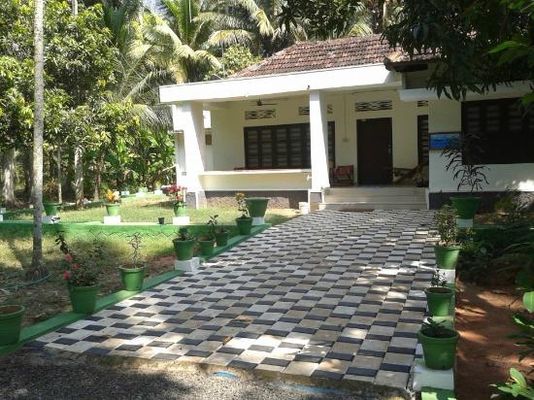
Aqua Lillies Hotel
Aqua Lillies
📍 Vembanad Lake Kumarakom
View Details →
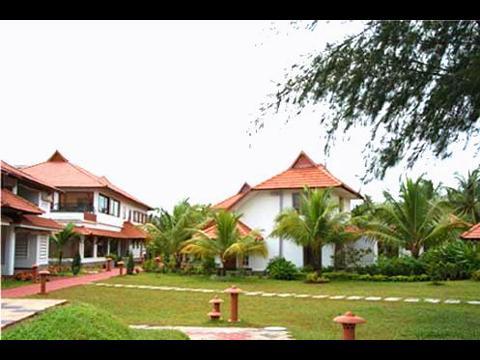
Backwater Ripples Hotel
Backwater Ripples
📍 Vembanad Lake Kumarakom
View Details →
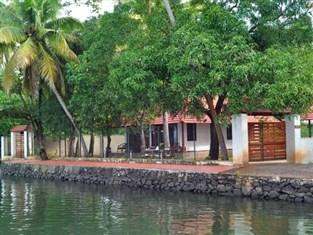
Saro Lake County Hotel
Saro Lake County
📍 1/392, Kumarakom
View Details →
Illikkalam Lake Cottages Hotel
Illikkalam Lake Cottages
📍 New Nazarath Road Kumarakom
View Details →
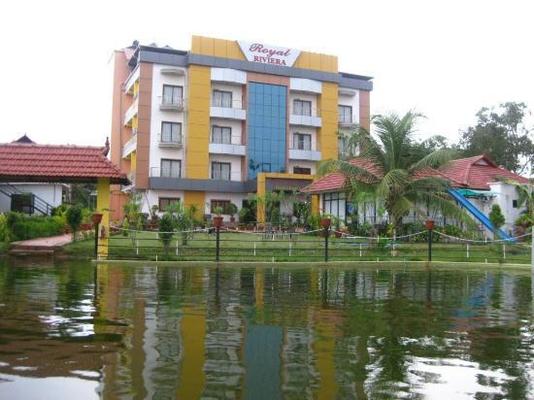
Royal Riviera Hotel
Royal Riviera
📍 Vembanad Lake Kumarakom
View Details →
Lake Residency Hotel
Lake Residency
📍 Near Nava Nazareth Church,Kumarakom Kumarakom
View Details →
Lake Palace Family Resort Hotel
Lake Palace Family Resort
📍 Vembanad Lake Kumarakom
View Details →
Cocobay Resort Hotel
Cocobay Resort
📍 Vembanad Lake Kumarakom
View Details →
Backwater Breeze Hotel
Backwater Breeze
📍 St. Antony's Church road Kumarakom
View Details →
🧳 Packages

Tour Packages from Kumarakom

Kumarakom Honeymoon Packages Package
Kumarakom Honeymoon Packages
📍 Kumarakom
View Package →
Kerala Tour Packages Package
Kerala Tour Packages
📍 Kumarakom
View Package →
🏛 Sightseeing

Top Places to Visit in Kumarakom

Vembanad Lake Sightseeing
Vembanad Lake
📍 Kumarakom
Explore →
Aruvikkuzhi Waterfalls Sightseeing
Aruvikkuzhi Waterfalls
📍 Kumarakom
Explore →
Kumarakom Bird Sanctuary Sightseeing
Kumarakom Bird Sanctuary
📍 Kumarakom
Explore →
Kumarakom Beach Sightseeing
Kumarakom Beach
📍 Kumarakom
Explore →
Kumarakom Backwaters Sightseeing
Kumarakom Backwaters
📍 Kumarakom
Explore →
📸 Photo Gallery
5 Photos • Click to View

Explore high-resolution photographs of iconic temples, historical monuments, and scenic landmarks in Kumarakom.

🌟 EXCLUSIVE TRAVEL DEALS & BEST PRICE GUARANTEE

Plan Your Kumarakom Trip Now

Get the best verified hotel deals and customized tour packages. Book directly on EarthTrip and save up to 45%!
⚡ Instant Confirmation 🛡️ 100% Verified Stays 💰 Best Rate Guarantee 📞 24/7 Travel Support
❓ FAQ

FAQs about Kumarakom

What are the top must-try local delicacies in Kumarakom?
Famous culinary specialties include Karimeen Pollichathu (pearl spot fish grilled in banana leaf), Kuttanadan Duck Roast in black pepper gravy, and Chemmeen Ularthiyathu (pan-fried prawns with roasted coconut).
What is the connection between Kumarakom and the novel The God of Small Things?
Aymanam Village, located just 8 km from Kumarakom, is the real-life setting for Arundhati Roy’s Booker Prize-winning novel The God of Small Things. Visitors can take village walking tours and canoe rides along its historic waterways.
What is the best time for birdwatching in Kumarakom Bird Sanctuary?
The best time for birdwatching is from November to February when thousands of migratory birds, including Siberian storks, egrets, herons, and darters, nest in the mangrove canopies of the sanctuary.
Why is Kumarakom famous as an eco-tourism destination?
Kumarakom is world-renowned for its tranquil backwaters on Vembanad Lake, the 14-acre Kumarakom Bird Sanctuary sheltering thousands of migratory birds, luxury heritage backwater resorts, and pioneering village Responsible Tourism initiatives.
How to reach Kumarakom from Kochi and Kottayam?
Kumarakom is located just 15 km (25 minutes drive) from Kottayam Railway Station (KTYM), which connects to Delhi, Mumbai, and Bangalore via express trains. The nearest airport is Cochin International Airport (COK), 85 km away (2 hours drive via NH-66).
What is Adithyapuram Surya Temple near Kumarakom famous for?
Adithyapuram is celebrated as one of only two dedicated Sun temples in Kerala, dedicated to Lord Surya Narayana in a meditative Padmasana posture.
What is Adithyapuram Surya Temple near Kumarakom famous for?
Adithyapuram is celebrated as one of only two dedicated Sun temples in Kerala, dedicated to Lord Surya Narayana in a meditative Padmasana posture.
What is the special Ada Nivedyam at Adithyapuram Temple?
Ada Nivedyam is a divine offering made of rice flour, jaggery, and coconut steamed in banana leaves, believed to cure eye problems and skin diseases.
What is the special Ada Nivedyam at Adithyapuram Temple?
Ada Nivedyam is a divine offering made of rice flour, jaggery, and coconut steamed in banana leaves, believed to cure eye problems and skin diseases.
What is the solar illumination wonder at Adithyapuram?
On the day of Vishu (Medam 1st in April), the rays of the setting sun pass straight through the western sanctum doors to illuminate the idol of Lord Surya.
What is the solar illumination wonder at Adithyapuram?
On the day of Vishu (Medam 1st in April), the rays of the setting sun pass straight through the western sanctum doors to illuminate the idol of Lord Surya.
What are the temple timings and special days at Adithyapuram?
Open daily from 5:30 AM to 10:30 AM (till 12:30 PM on Sundays) and 5:00 PM to 7:00 PM. Sundays in Vrichikam (Nov-Dec) and Medam (Apr-May) are especially auspicious.
What are the temple timings and special days at Adithyapuram?
Open daily from 5:30 AM to 10:30 AM (till 12:30 PM on Sundays) and 5:00 PM to 7:00 PM. Sundays in Vrichikam (Nov-Dec) and Medam (Apr-May) are especially auspicious.
How far is Adithyapuram Surya Temple from Kumarakom and Kottayam?
The temple is located in Iravimangalam near Kaduthuruthy, 22 km northeast of Kumarakom (approx 30 mins drive) and 24 km north of Kottayam.
How far is Adithyapuram Surya Temple from Kumarakom and Kottayam?
The temple is located in Iravimangalam near Kaduthuruthy, 22 km northeast of Kumarakom (approx 30 mins drive) and 24 km north of Kottayam.
What is Elaveezha Poonchira famous for?
Elaveezha Poonchira is famous for its 3,200ft high treeless mountain valleys, sweeping views across five Kerala districts, and off-road jeep safaris.
What is Elaveezha Poonchira famous for?
Elaveezha Poonchira is famous for its 3,200ft high treeless mountain valleys, sweeping views across five Kerala districts, and off-road jeep safaris.
What is the meaning of the name Elaveezha Poonchira?
The name translates to 'the flowery lake where no leaves fall', referring to the absence of trees in the mountain bowl around the natural pool.
What is the meaning of the name Elaveezha Poonchira?
The name translates to 'the flowery lake where no leaves fall', referring to the absence of trees in the mountain bowl around the natural pool.
Can you see five districts from Elaveezha Poonchira?
Yes, on clear days, the summit offers panoramic visibility across Kottayam, Idukki, Ernakulam, Alappuzha, and Pathanamthitta districts.
Can you see five districts from Elaveezha Poonchira?
Yes, on clear days, the summit offers panoramic visibility across Kottayam, Idukki, Ernakulam, Alappuzha, and Pathanamthitta districts.
How to reach the hilltop of Elaveezha Poonchira?
The final 5 km rough rocky track from Melukavu Mattom or Kanjar requires hiring a local 4x4 off-road jeep or trekking on foot.
How to reach the hilltop of Elaveezha Poonchira?
The final 5 km rough rocky track from Melukavu Mattom or Kanjar requires hiring a local 4x4 off-road jeep or trekking on foot.
How far is Elaveezha Poonchira from Kumarakom and Kottayam?
It is located in Melukavu near Pala, about 55 km northeast of Kumarakom and Kottayam town, reachable in approx 1.5 hours.
How far is Elaveezha Poonchira from Kumarakom and Kottayam?
It is located in Melukavu near Pala, about 55 km northeast of Kumarakom and Kottayam town, reachable in approx 1.5 hours.
What is Mango Meadows Agricultural Theme Park famous for?
Mango Meadows in Ayamkudy is recognized as the World's First Agricultural Theme Park, spanning 30 acres with 4,800+ plant species, boating, and rural craft activities.
What is Mango Meadows Agricultural Theme Park famous for?
Mango Meadows in Ayamkudy is recognized as the World's First Agricultural Theme Park, spanning 30 acres with 4,800+ plant species, boating, and rural craft activities.
Who created Mango Meadows Agricultural Theme Park?
It was created over 15 years by environmentalist N.K. Kurian, earning certifications from the Limca Book of Records and Universal Record Forum.
Who created Mango Meadows Agricultural Theme Park?
It was created over 15 years by environmentalist N.K. Kurian, earning certifications from the Limca Book of Records and Universal Record Forum.
What are the main attractions inside Mango Meadows?
Attractions include the 35-foot Parasurama statue, the 50-foot wooden Eeda watchtower, a 4.5-acre boating lake, a fish feeding canal, and a live pottery and handloom village.
What are the main attractions inside Mango Meadows?
Attractions include the 35-foot Parasurama statue, the 50-foot wooden Eeda watchtower, a 4.5-acre boating lake, a fish feeding canal, and a live pottery and handloom village.
What are the timings and entry fees for Mango Meadows?
Open daily from 9:30 AM to 5:00 PM. Day-pass entry is ?400 for adults and ?300 for children/seniors, with optional packages including organic farm lunch.
What are the timings and entry fees for Mango Meadows?
Open daily from 9:30 AM to 5:00 PM. Day-pass entry is ?400 for adults and ?300 for children/seniors, with optional packages including organic farm lunch.
How far is Mango Meadows from Kumarakom and Kottayam?
Mango Meadows is located in Ayamkudy near Kaduthuruthy, 20 km northeast of Kumarakom (approx 25 mins drive) and 22 km north of Kottayam.
How far is Mango Meadows from Kumarakom and Kottayam?
Mango Meadows is located in Ayamkudy near Kaduthuruthy, 20 km northeast of Kumarakom (approx 25 mins drive) and 22 km north of Kottayam.
What is Mozart Art Gallery in Aymanam famous for?
It is a charming riverfront art gallery in Aymanam curated by artist B. Radhakrishnan (Mozart), showcasing Kerala backwater paintings, Kathakali art, and wood sculptures.
What is Mozart Art Gallery in Aymanam famous for?
It is a charming riverfront art gallery in Aymanam curated by artist B. Radhakrishnan (Mozart), showcasing Kerala backwater paintings, Kathakali art, and wood sculptures.
Where is Mozart Art Gallery located?
It is located in Aymanam village (the setting of Arundhati Roy's 'The God of Small Things') along the Meenachil River, 9 km east of Kumarakom.
Where is Mozart Art Gallery located?
It is located in Aymanam village (the setting of Arundhati Roy's 'The God of Small Things') along the Meenachil River, 9 km east of Kumarakom.
Can tourists participate in art workshops at Mozart Art Gallery?
Yes, the studio offers interactive watercolor and charcoal painting workshops where visitors can learn backwater landscape painting from the artist.
Can tourists participate in art workshops at Mozart Art Gallery?
Yes, the studio offers interactive watercolor and charcoal painting workshops where visitors can learn backwater landscape painting from the artist.
What are the visiting hours and entry fees for Mozart Art Gallery?
The gallery is open daily from 9:00 AM to 6:00 PM with free entry. Original paintings and prints can be purchased directly from the artist.
What are the visiting hours and entry fees for Mozart Art Gallery?
The gallery is open daily from 9:00 AM to 6:00 PM with free entry. Original paintings and prints can be purchased directly from the artist.
How far is Mozart Art Gallery from Kumarakom and Kottayam?
It is located 9 km east of Kumarakom (approx 15 mins drive) and 6 km northwest of Kottayam Railway Station.
How far is Mozart Art Gallery from Kumarakom and Kottayam?
It is located 9 km east of Kumarakom (approx 15 mins drive) and 6 km northwest of Kottayam Railway Station.
What is Sree Kumara Mangalam Temple in Kumarakom famous for?
The temple is famous as a historic shrine dedicated to Lord Subrahmanya (Murugan), consecrated personally by social reformer Sree Narayana Guru in 1903.
What is Sree Kumara Mangalam Temple in Kumarakom famous for?
The temple is famous as a historic shrine dedicated to Lord Subrahmanya (Murugan), consecrated personally by social reformer Sree Narayana Guru in 1903.
What is the historical significance of the temple's 1903 consecration?
Sree Narayana Guru consecrated the temple to provide an open, egalitarian center of worship for all communities, breaking centuries of caste restrictions.
What is the historical significance of the temple's 1903 consecration?
Sree Narayana Guru consecrated the temple to provide an open, egalitarian center of worship for all communities, breaking centuries of caste restrictions.
What major festival is celebrated at Sree Kumara Mangalam Temple?
The grand annual Thaipooyam festival in Makaram (January-February), featuring colorful Kavadi Attam dances, Chenda Melam, and milk offerings.
What major festival is celebrated at Sree Kumara Mangalam Temple?
The grand annual Thaipooyam festival in Makaram (January-February), featuring colorful Kavadi Attam dances, Chenda Melam, and milk offerings.
What are the darshan timings for the temple?
The temple is open daily from 5:30 AM to 11:30 AM in the morning and from 5:00 PM to 8:00 PM in the evening.
What are the darshan timings for the temple?
The temple is open daily from 5:30 AM to 11:30 AM in the morning and from 5:00 PM to 8:00 PM in the evening.
How far is the temple from Kumarakom Bird Sanctuary and Kottayam?
The temple is located in central Kumarakom, just 1 km from Kumarakom Bird Sanctuary and 14 km west of Kottayam Railway Station.
How far is the temple from Kumarakom Bird Sanctuary and Kottayam?
The temple is located in central Kumarakom, just 1 km from Kumarakom Bird Sanctuary and 14 km west of Kottayam Railway Station.
What is St. Mary's Church near Kumarakom famous for?
St. Mary's Forane Church Kuravilangad (founded in 105 AD) is famous as the site of the world's first Marian Apparition, its 48-foot granite cross, and Moonnu Nombu feast.
What is St. Mary's Church near Kumarakom famous for?
St. Mary's Forane Church Kuravilangad (founded in 105 AD) is famous as the site of the world's first Marian Apparition, its 48-foot granite cross, and Moonnu Nombu feast.
What is the historical origin of St. Mary's Church Kuravilangad?
Established in 105 AD by Saint Thomas Christians after Mother Mary appeared to cowherd children, it is one of the oldest functioning Christian churches in the world.
What is the historical origin of St. Mary's Church Kuravilangad?
Established in 105 AD by Saint Thomas Christians after Mother Mary appeared to cowherd children, it is one of the oldest functioning Christian churches in the world.
What is the Kappalottam procession at St. Mary's Church?
Kappalottam is a historic procession during the Moonnu Nombu feast where a 40-foot wooden ship is carried by hundreds of devotees commemorating Jonah and the Whale.
What is the Kappalottam procession at St. Mary's Church?
Kappalottam is a historic procession during the Moonnu Nombu feast where a 40-foot wooden ship is carried by hundreds of devotees commemorating Jonah and the Whale.
What are the church visiting hours and Holy Mass timings?
The church is open daily from 6:00 AM to 7:30 PM. Daily Holy Mass is celebrated at 6:00 AM, 7:00 AM, and 5:30 PM (multiple morning Masses on Sundays).
What are the church visiting hours and Holy Mass timings?
The church is open daily from 6:00 AM to 7:30 PM. Daily Holy Mass is celebrated at 6:00 AM, 7:00 AM, and 5:30 PM (multiple morning Masses on Sundays).
How far is St. Mary's Church from Kumarakom and Kottayam?
The church is located in Kuravilangad, 25 km north of Kumarakom (approx 35 mins drive) and 22 km north of Kottayam along MC Road.
How far is St. Mary's Church from Kumarakom and Kottayam?
The church is located in Kuravilangad, 25 km north of Kumarakom (approx 35 mins drive) and 22 km north of Kottayam along MC Road.
What is Varanad Devi Temple near Kumarakom famous for?
Varanad Devi Temple is a 1,000-year-old temple dedicated to Goddess Bhadrakali (Varanattu Amma), famous for the annual Varanad Bharani festival and Guruthi Pooja.
What is Varanad Devi Temple near Kumarakom famous for?
Varanad Devi Temple is a 1,000-year-old temple dedicated to Goddess Bhadrakali (Varanattu Amma), famous for the annual Varanad Bharani festival and Guruthi Pooja.
What is the significance of the Varanad Bharani Mahotsavam?
Celebrated in February/March (Kumbham), it features ceremonial elephant processions, temple percussion, Velakali martial dances, and midnight Guruthi rituals.
What is the significance of the Varanad Bharani Mahotsavam?
Celebrated in February/March (Kumbham), it features ceremonial elephant processions, temple percussion, Velakali martial dances, and midnight Guruthi rituals.
What is Kalamezhuthu Pattu at Varanad Temple?
It is an ancient ritual art form where master artists draw elaborate portraits of Goddess Kali on the temple floor using natural herbal and mineral powders.
What is Kalamezhuthu Pattu at Varanad Temple?
It is an ancient ritual art form where master artists draw elaborate portraits of Goddess Kali on the temple floor using natural herbal and mineral powders.
What are the darshan timings and dress code for Varanad Temple?
Open daily from 5:00 AM to 11:30 AM and 5:00 PM to 8:00 PM. Traditional Kerala attire (Mundu/Dhoti for men, Saree/Salwar for women) is mandatory.
What are the darshan timings and dress code for Varanad Temple?
Open daily from 5:00 AM to 11:30 AM and 5:00 PM to 8:00 PM. Traditional Kerala attire (Mundu/Dhoti for men, Saree/Salwar for women) is mandatory.
How far is Varanad Devi Temple from Kumarakom and Cherthala?
The temple is located in Varanad, 4 km from Cherthala town and 18 km north of Kumarakom (approx 25 minutes drive along the Muhamma backwater road).
How far is Varanad Devi Temple from Kumarakom and Cherthala?
The temple is located in Varanad, 4 km from Cherthala town and 18 km north of Kumarakom (approx 25 minutes drive along the Muhamma backwater road).
Share