- .
- info@earthtrip.in
-
INR
-
USD
INR
USD
Resting quietly inside a small open pagoda shrine along the Punnamada backwater canal in Karumadi village near Alleppey, Karumadikuttan is an intriguing ...
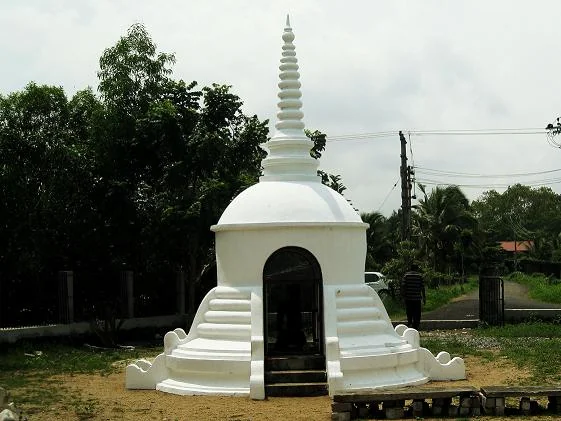
Resting quietly inside a small open pagoda shrine along the Punnamada backwater canal in Karumadi village near Alleppey, Karumadikuttan is an intriguing 10th century black granite Buddha statue. Preserved by the Archaeological Department of Kerala, this ancient three foot tall monolithic sculpture stands as a rare surviving artifact from the lost Buddhist golden age in southern Kerala.
Truth is, the name Karumadikuttan translates colloquially to the Little Boy of Karumadi in Malayalam, reflecting deep affectionate reverence from local villagers who have guarded the relic for centuries. The statue is sculpted from polished dark basalt granite in the classic meditative Dhyana Mudra posture, seated in Padmasana upon a stylized lotus pedestal.
One striking feature of Karumadikuttan is that the entire left half of the sculpture is missing. Historical lore suggests the statue was damaged centuries ago during religious conflicts or regional elephant skirmishes before being abandoned in the mud of a neighboring stream bed, where it was rediscovered in the early twentieth century by British engineer Sir Robert Bristow. Touring this historic site pairs naturally with Kuttanad and Ambalapuzha Temple.
Historians and archaeologists emphasize that between the 8th and 12th centuries, the coastal backwater belt of Kuttanad was a flourishing center of Buddhist philosophy, Pali scholarship, and Ayurvedic medicine. Monasteries and viharas lined the navigable trade waterways connecting western ports with overseas merchant ships.
Karumadikuttan stands among a handful of authentic Buddhist archaeological relics in Kerala, alongside those found at Mavelikkara and Pallikkal. The peaceful presence of the statue against rustling coconut palms provides a contemplative pause on any heritage itinerary before visiting Krishnapuram Palace.
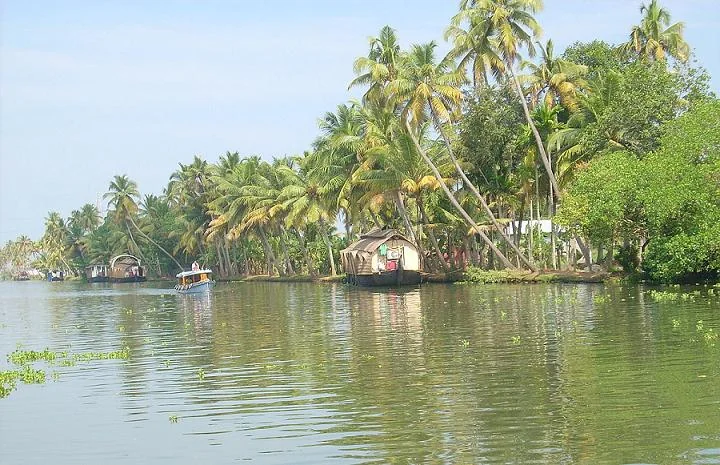
In the 1960s, the Kerala state government erected a traditional pagoda style canopy with terracotta roof tiles to safeguard the weathering basalt stone from coastal humidity and monsoon rains. A small garden courtyard surrounds the shrine, providing a quiet space for visitors and scholars.
Local villagers believe the historic icon possesses protective powers and spiritual healing energies. Small oil lamps and fresh jasmine garlands are occasionally placed near the base by respectful visitors seeking peace of mind before traveling to Vembanad Lake.
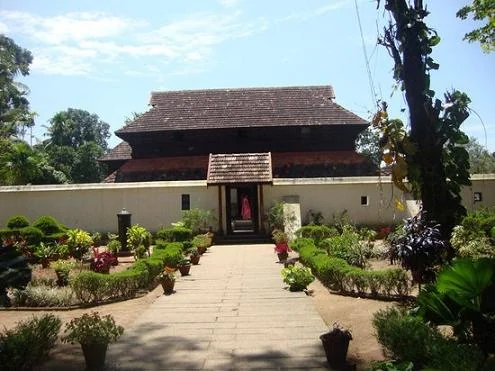
Karumadikuttan is open daily from 6:00 AM to 6:00 PM with zero entry fee. Photography is permitted without restrictions, making it an excellent stop for history buffs, photographers, and curious travelers exploring rural Alleppey.
The site is located about 17 km south of Alleppey town near Ambalapuzha, easily reached by road or via country boat through rural canals. Plan for roughly 30 minutes to view the monument and read the archaeological display boards before heading toward Alleppey Beach.

Reaching Karumadikuttan in Alleppey is straightforward via road, rail, and water routes in Kerala:
Planning your visit to Karumadikuttan in Alleppey depends on seasonal weather in Kerala:
 Honeymoon
 Family
 Family
 ★ Hotel
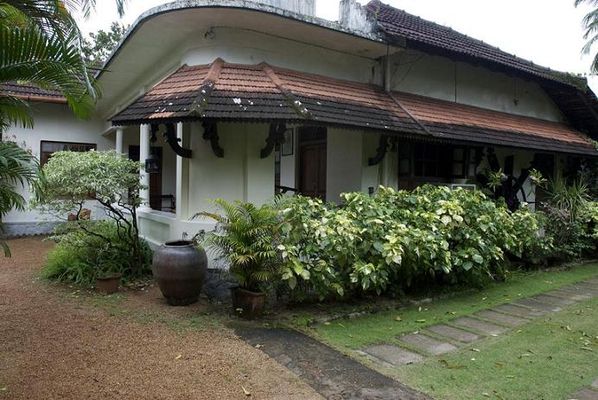
Motty's Homestay in Alleppey provides massage services, as well as free WiFi. The homestay…
View Hotel Details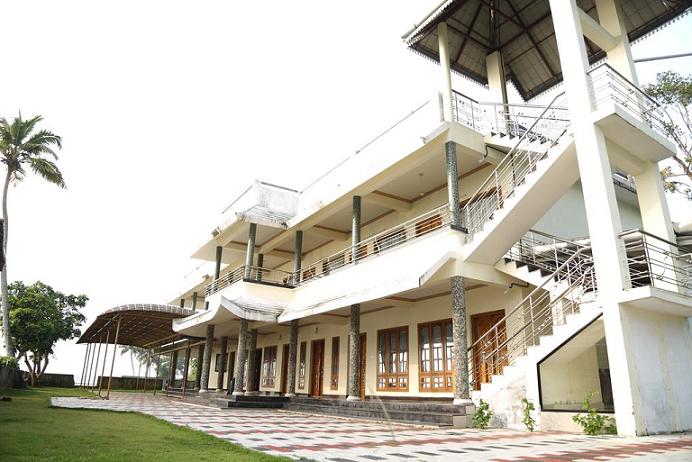 ★★★ Hotel
Situated in the lap of nature, Hotel Cosy Lake Villa, Alappuzha, welcomes guests to the Ve…
View Hotel Details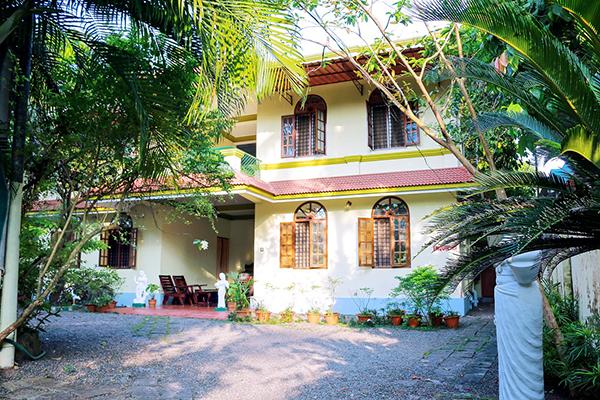 ★ Hotel
Lotus Homestays provide the travellers- A Home Away from Home, with all the comforts and f…
View Hotel Details ★★★ Hotel
KTDC, "Suvasam" Thanneermukkom is located at Thanneermukkom, Alappuzha. Suvasam means a pl…
View Hotel Details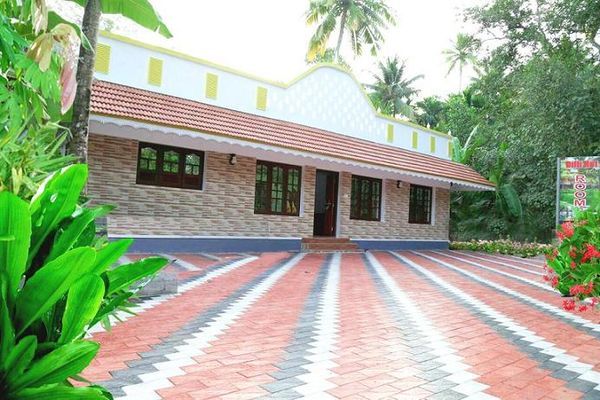 ★ Hotel
Grace Olivia Homestay features air-conditioned rooms with free WiFi. Every room is fitted …
View Hotel Details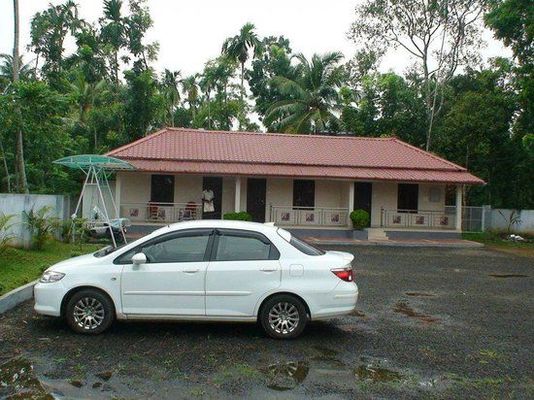 ★ Hotel
The people of Kerala are known for their hospitality and warmth. Visitors to Kerala quite …
View Hotel Details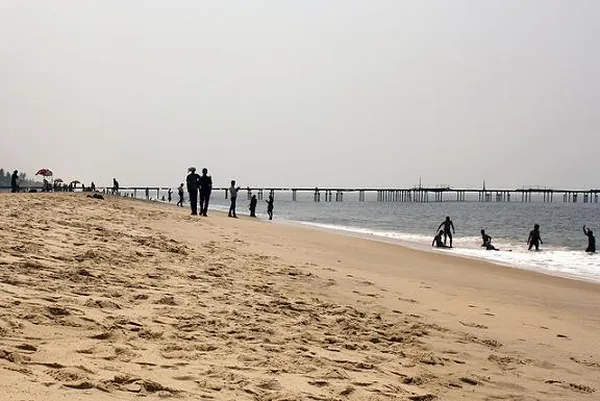 Honeymoon
Stretching along the Arabian Sea coastline just 2 km west of the town center, Alleppey B…
Explore Alleppey Beach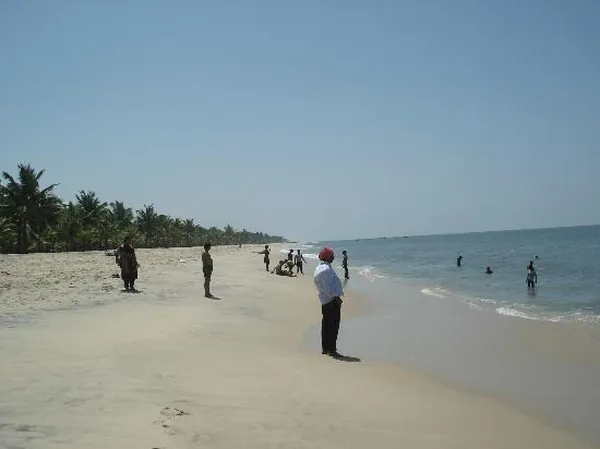 Honeymoon
Located in the sleepy coastal fishing village of Mararikulam roughly 14 km north of Alle…
Explore Marari Beach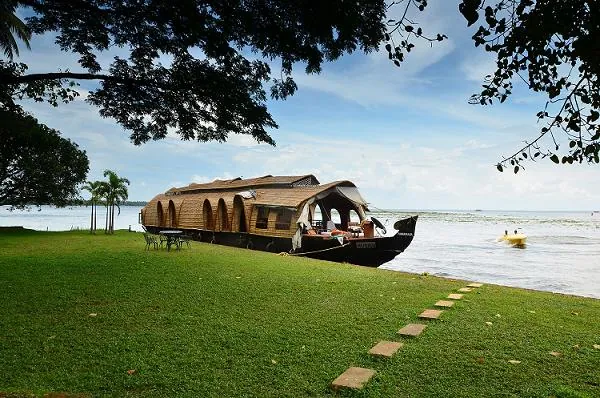 Honeymoon
Weaving an intricate labyrinth of over 900 kilometers of interconnected canals, lagoons,…
Explore Kerala Backwaters Honeymoon
Spanning across three coastal districts with an expansive water surface covering over 2,…
Explore Vembanad Lake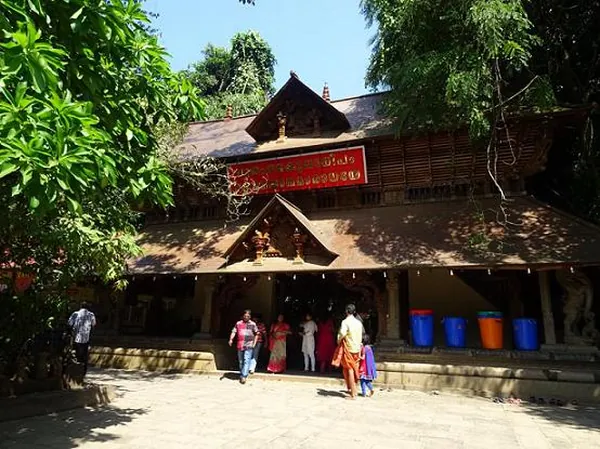 Pilgrimage
Located in the historic destination of Alleppey, the remarkable Mannarasala Temple stand…
Explore Mannarasala Temple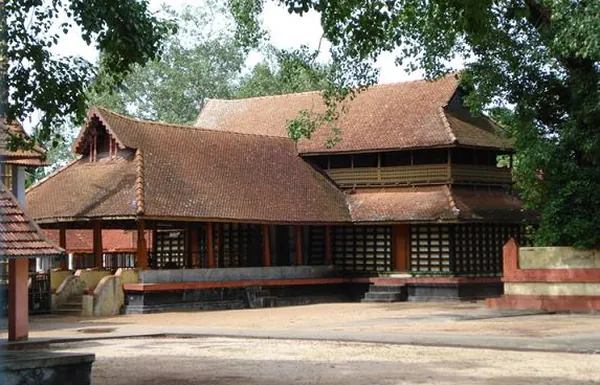 Pilgrimage
Located in the historic destination of Alleppey, the remarkable Mullakkal Bhagavathy Tem…
Explore Mullakkal Bhagavathy Temple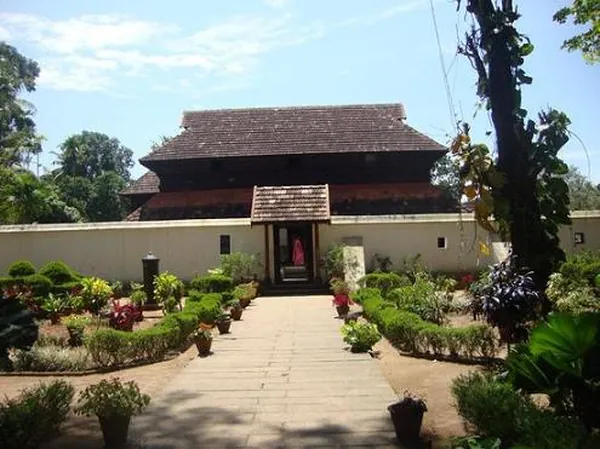 Family
Located in the historic destination of Alleppey, the remarkable Krishnapuram Palace stan…
Explore Krishnapuram Palace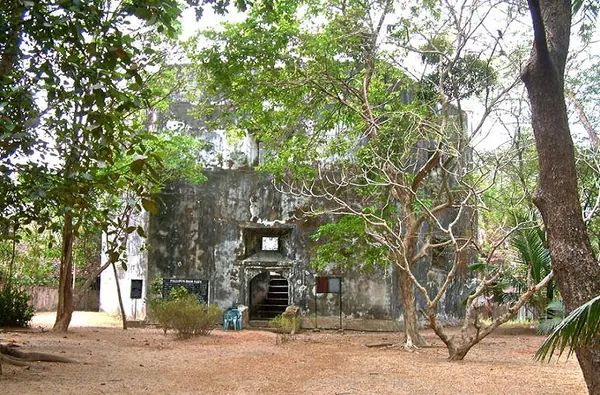 Honeymoon
Pallippuram (celebrated across Kerala as the historic white sand island village of Vembana…
Explore Pallippuram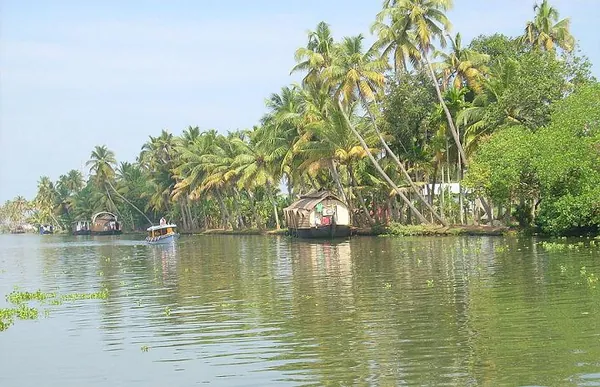 Family
Kuttanad (celebrated internationally as the famous 'Rice Bowl of Kerala' and one of the on…
Explore KuttanadExplore high-resolution photographs of iconic landmarks, temples, and scenic spots in Alleppey.
Essential visitor information regarding timings, entry tickets, location, nearby attractions, and travel guide in Alleppey.
Karumadikuttan is an ancient 10th century black granite Buddha statue located in Karumadi village near Alleppey, representing the historical Buddhist era of southern Kerala.
The left half of the statue was broken centuries ago, likely during historical religious transitions or accidental damage, before being rediscovered in a stream bed by British engineer Sir Robert Bristow.
It is situated in Karumadi village along the canal bank, approximately 5 km from Ambalapuzha and 17 km south of Alleppey town.
Karumadikuttan is open daily from 6:00 AM to 6:00 PM with free public entry.
Nearby attractions include Ambalapuzha Sree Krishna Temple, Kuttanad paddy fields, Krishnapuram Palace, and Alleppey backwater houseboats.
Get a customized itinerary and the best deals on packages and hotels.
Enquire Now
Honeymoon
Honeymoon
Honeymoon
Honeymoon
Pilgrimage
Pilgrimage