- .
- info@earthtrip.in
-
INR
-
USD
INR
USD
Mattancherry Palace, popularly known across the world as the Dutch Palace, stands along Palace Road in historic Mattancherry, Kochi (Cochin), Kerala, stand...
Mattancherry Palace, popularly known across the world as the Dutch Palace, stands along Palace Road in historic Mattancherry, Kochi (Cochin), Kerala, standing as one of India's finest architectural gems celebrating Kerala royal heritage and colonial European history.
Originally constructed around 1555 AD by the Portuguese as a diplomatic gift to Raja Veera Kerala Varma of Cochin, the palace was extensively renovated, expanded, and embellished by the Dutch East India Company (VOC) in 1663, giving it a unique blend of traditional Kerala Nalukettu architecture and European colonial arches.
It's the home of over 300 square meters of masterfully executed 16th to 18th century Hindu temple wall murals depicting the complete epic Ramayana and Krishna Leela, the royal coronation hall of the Cochin Maharajas, an exquisite central temple dedicated to Pazhayannur Bhagavathi, and royal palanquins, ceremonial dresses, and Dutch maritime cartography.
It represents a rich cultural center where traditional Kerala timber craftsmanship, classical Hindu mural art, Portuguese and Dutch colonial legacies, and princely Cochin traditions unite on the backwaters.
Located in the lively Mattancherry heritage enclave, it sits 4 km south of Fort Kochi, 10 km west of Ernakulam Junction Railway Station, and 40 km from Cochin International Airport, easily reached by passenger ferry, auto, or cab.
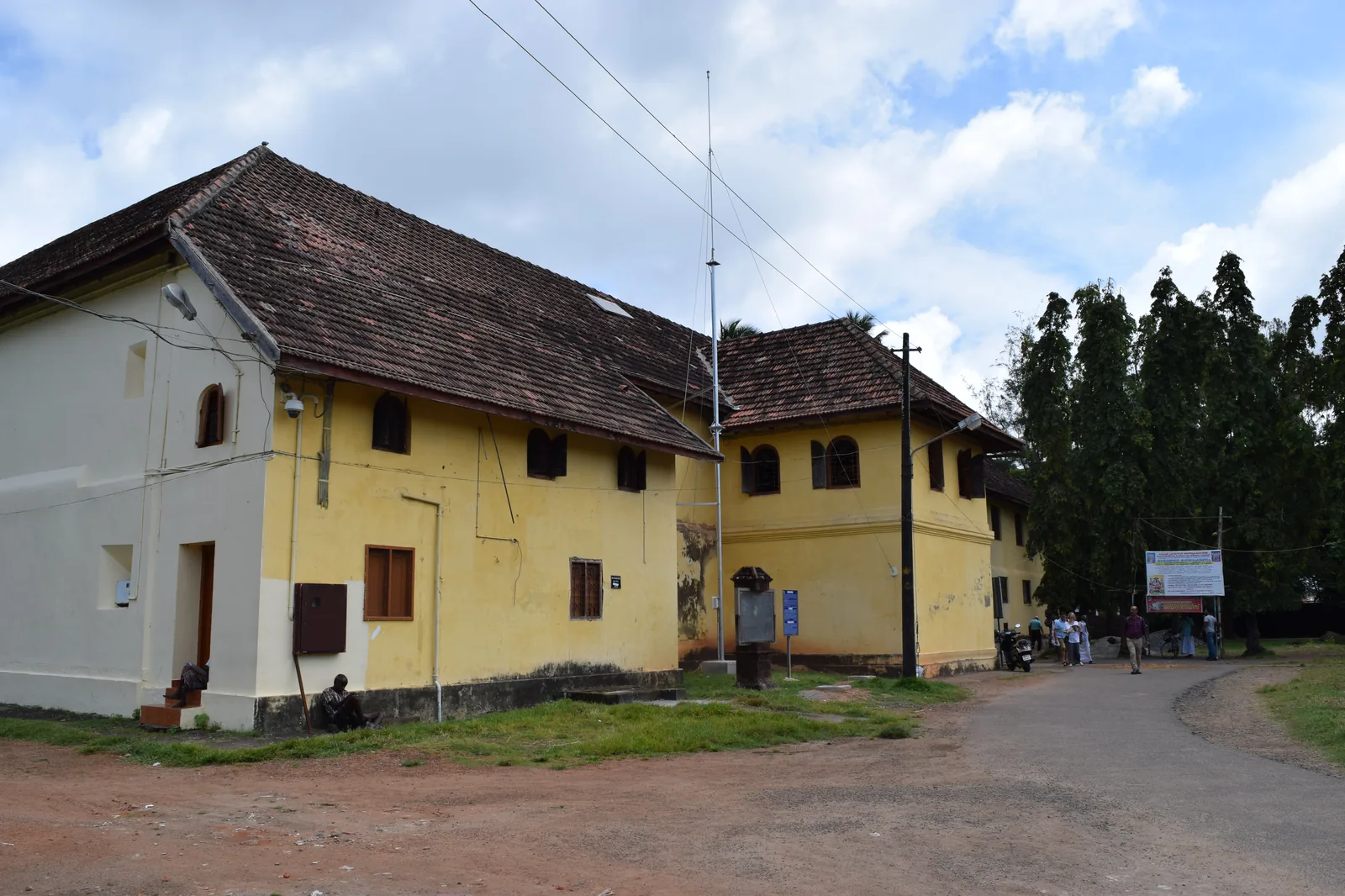
The Portuguese constructed the palace around 1555 AD as an act of goodwill and compensation after their soldiers plundered a nearby temple, gifting it to the reigning Cochin Raja.
In 1663, when the Dutch captured Cochin and expelled Portuguese forces, they carried out extensive repairs, added sweeping verandas, and modernized the defensive compound, leading locals to call it the Dutch Palace.
Truth is, despite its European moniker, the palace structure strictly adheres to traditional Kerala Nalukettu design, centered around an open to-sky inner courtyard (Nadumuttam) that houses the royal family shrine of Goddess Pazhayannur Bhagavathi.
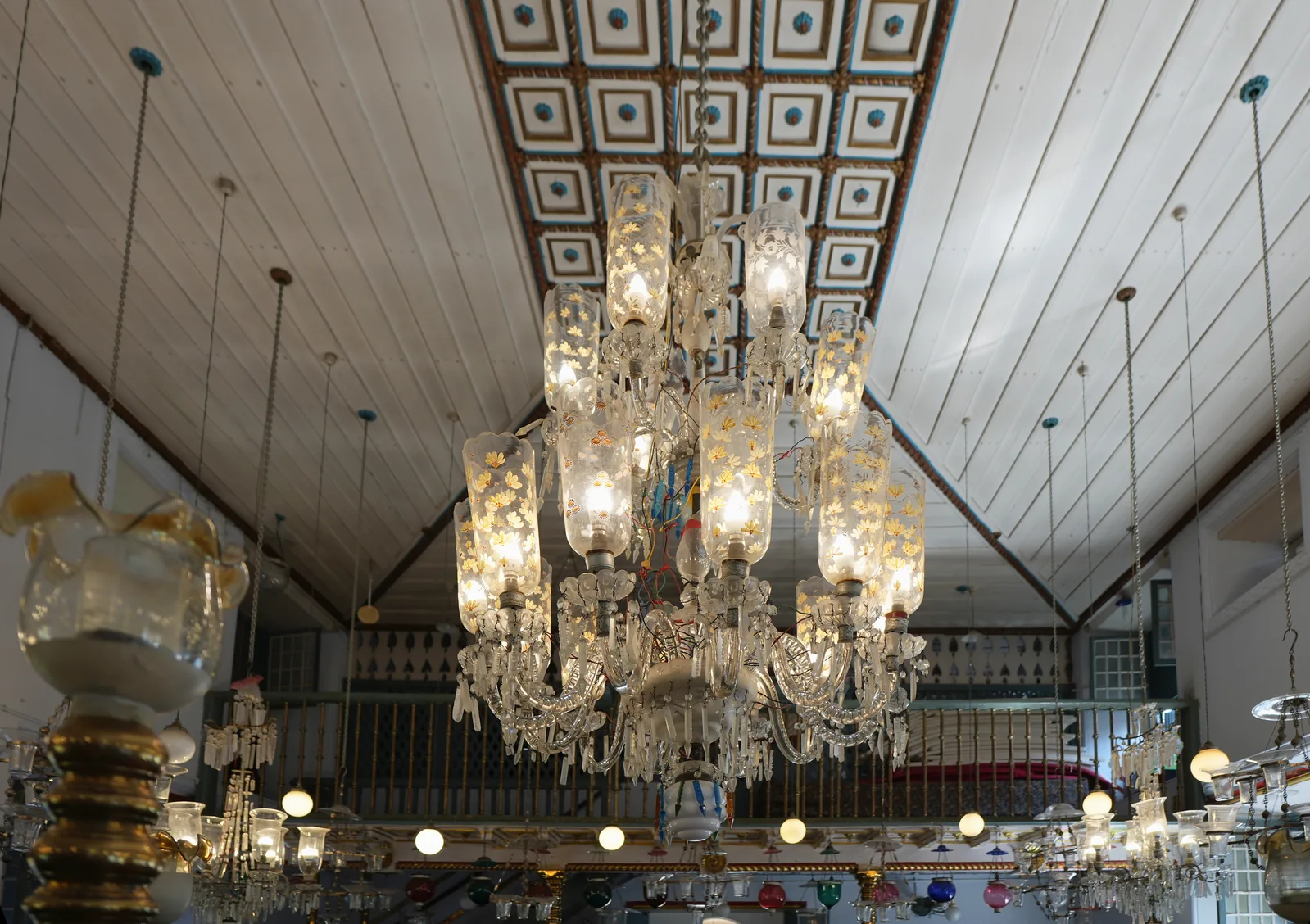
The crown jewel of the palace is its collection of 16th to 18th century tempera wall murals, executed using natural mineral and plant pigments, revered among the best classical murals in Asia.
The Ramayana Suite: Spanning 48 elaborate panels in the royal bedchamber, these murals vividly narrate the entire Valmiki Ramayana, from King Dasaratha's sacrifice to Lord Rama's triumphant return to Ayodhya.
Krishna Leela & Kumarasambhava: Murals in the upper coronation chambers depict Lord Krishna playfully lifting Mount Govardhana, sporting with the gopis, and scenes from Kalidasa's classical Sanskrit poetry, renowned for rhythmic linear beauty and rich earthy ochres.
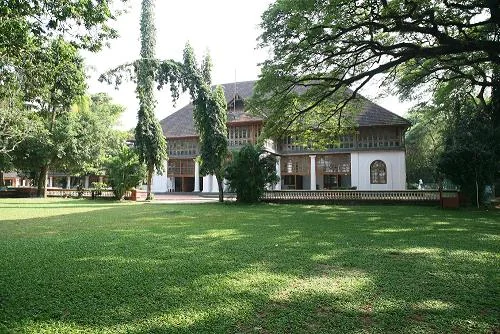
The Unique Kerala Floor: Look closely at the polished dark flooring inside the halls; it looks like black marble but is actually crafted from an ancient Kerala recipe combining burned coconut shells, plant juices, lime, and egg whites that stays cool throughout hot tropical summers.
Royal Museum Exhibits: The palace displays oil portraits of the Cochin Maharajas from 1864, gold embroidered silk ceremonial robes, royal ivory palanquins, brass howdahs, and 17th century Dutch maritime charts of the Malabar coast.
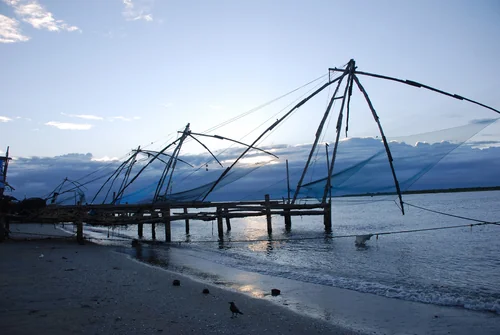
Combine your visit to Mattancherry Palace with the nearby Paradesi Jewish Synagogue in Jew Town, spice shopping along Bazaar Road, and an afternoon exploring Fort Kochi's colonial lanes and seaside promenades.
Reaching Mattancherry Palace is straightforward from all Kochi transport hubs across Kochi in Kerala.
Best Time to Visit:
Explore more royal palaces and colonial heritage sites across Kerala.
 Honeymoon
 Family
 Family
 ★ Hotel
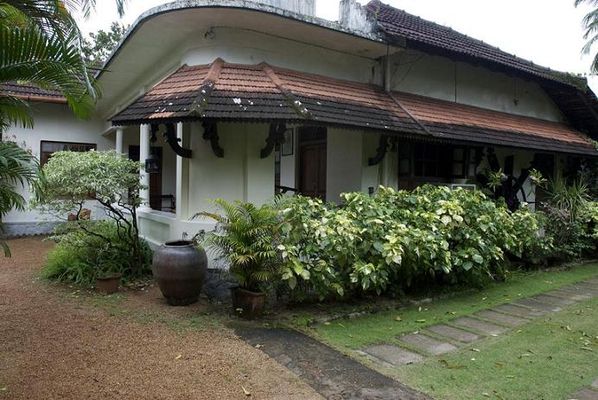
Motty's Homestay in Alleppey provides massage services, as well as free WiFi. The homestay…
View Hotel Details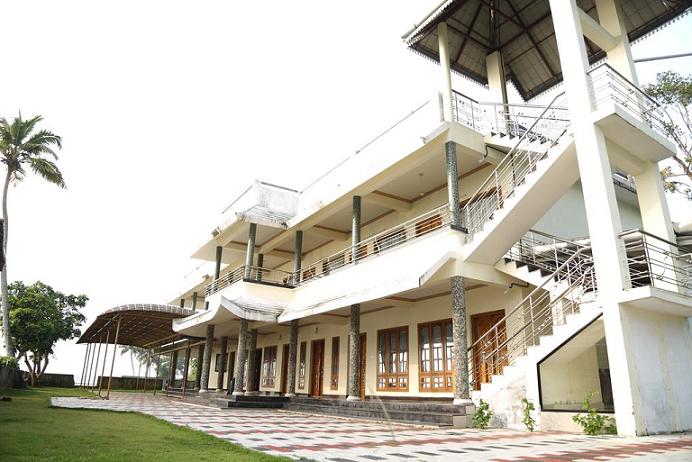 ★★★ Hotel
Situated in the lap of nature, Hotel Cosy Lake Villa, Alappuzha, welcomes guests to the Ve…
View Hotel Details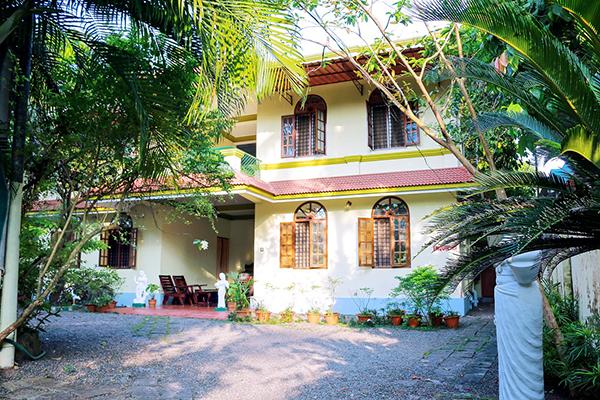 ★ Hotel
Lotus Homestays provide the travellers- A Home Away from Home, with all the comforts and f…
View Hotel Details ★★★ Hotel
KTDC, "Suvasam" Thanneermukkom is located at Thanneermukkom, Alappuzha. Suvasam means a pl…
View Hotel Details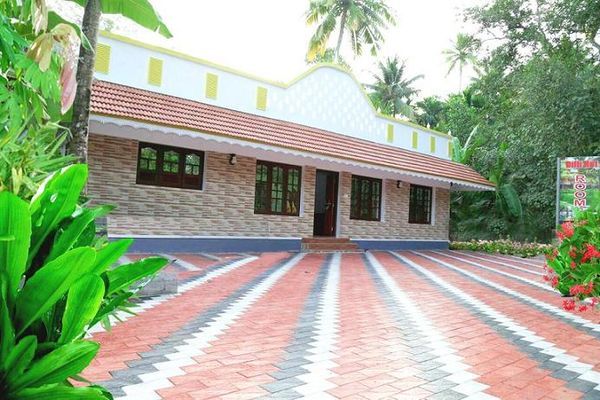 ★ Hotel
Grace Olivia Homestay features air-conditioned rooms with free WiFi. Every room is fitted …
View Hotel Details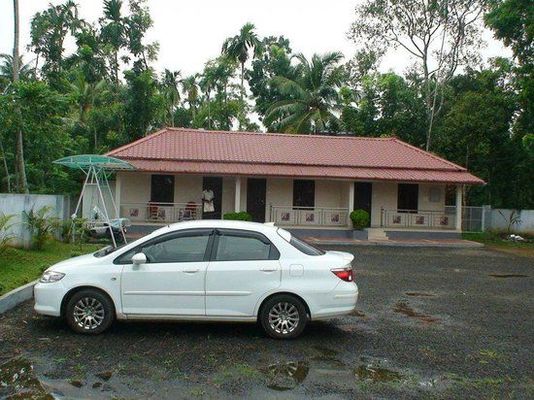 ★ Hotel
The people of Kerala are known for their hospitality and warmth. Visitors to Kerala quite …
View Hotel Details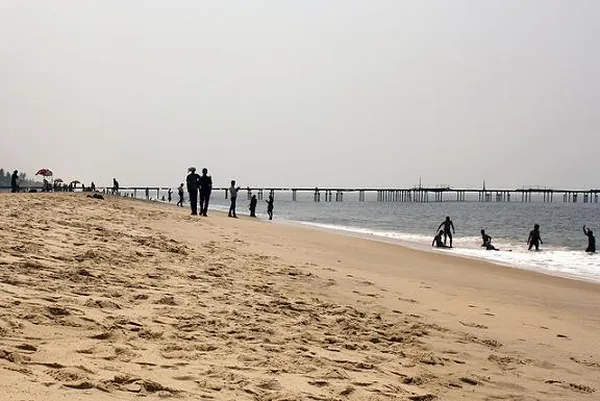 Honeymoon
Stretching along the Arabian Sea coastline just 2 km west of the town center, Alleppey B…
Explore Alleppey Beach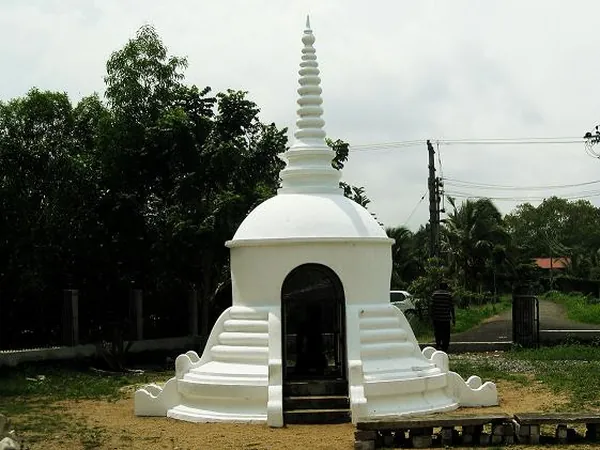 Family
Resting quietly inside a small open pagoda shrine along the Punnamada backwater canal in…
Explore Karumadikuttan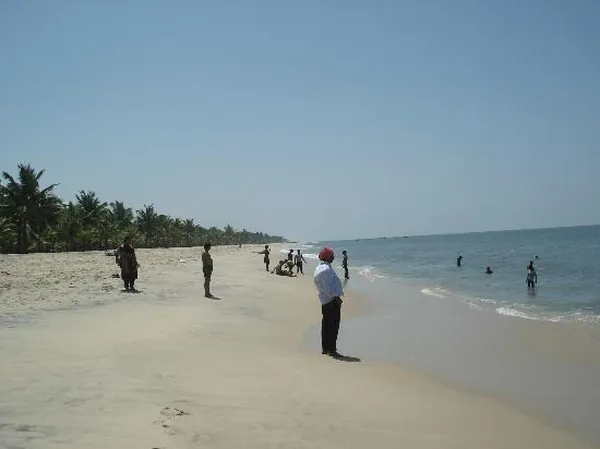 Honeymoon
Located in the sleepy coastal fishing village of Mararikulam roughly 14 km north of Alle…
Explore Marari Beach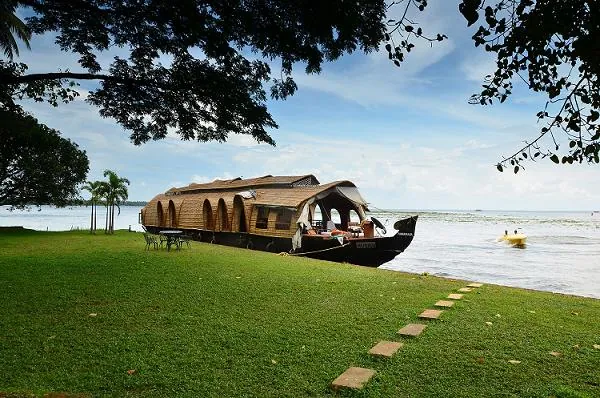 Honeymoon
Weaving an intricate labyrinth of over 900 kilometers of interconnected canals, lagoons,…
Explore Kerala Backwaters Honeymoon
Spanning across three coastal districts with an expansive water surface covering over 2,…
Explore Vembanad Lake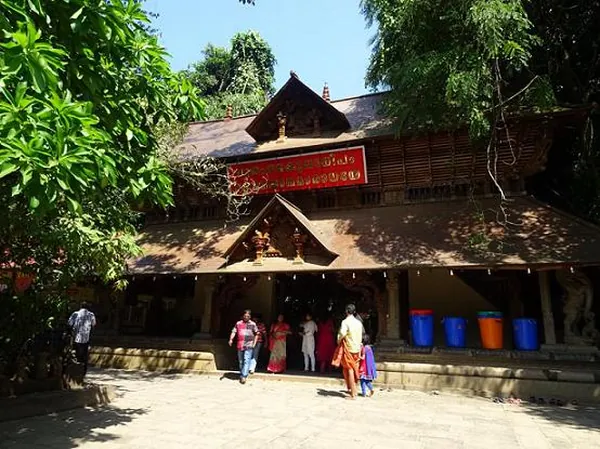 Pilgrimage
Located in the historic destination of Alleppey, the remarkable Mannarasala Temple stand…
Explore Mannarasala Temple Pilgrimage
Located in the historic destination of Alleppey, the remarkable Mullakkal Bhagavathy Tem…
Explore Mullakkal Bhagavathy Temple Family
Located in the historic destination of Alleppey, the remarkable Krishnapuram Palace stan…
Explore Krishnapuram Palace Honeymoon
Pallippuram (celebrated across Kerala as the historic white sand island village of Vembana…
Explore PallippuramExplore high-resolution photographs of iconic landmarks, temples, and scenic spots in Alleppey.
Essential visitor information regarding timings, entry tickets, location, nearby attractions, and travel guide in Alleppey.
Mattancherry Palace is famous for 16th-century classical Kerala temple wall murals depicting the Ramayana, traditional Nalukettu architecture, coronation regalia of Cochin kings, and its unique Portuguese-Dutch history.
Mattancherry Palace is famous for 16th-century classical Kerala temple wall murals depicting the Ramayana, traditional Nalukettu architecture, coronation regalia of Cochin kings, and its unique Portuguese-Dutch history.
Originally built around 1555 AD by the Portuguese for the Raja of Cochin, it was captured, renovated, and expanded by the Dutch East India Company in 1663, after which it became popularly known as the Dutch Palace.
Originally built around 1555 AD by the Portuguese for the Raja of Cochin, it was captured, renovated, and expanded by the Dutch East India Company in 1663, after which it became popularly known as the Dutch Palace.
The palace museum is open daily from 9:45 AM to 1:00 PM and 2:00 PM to 4:45 PM (closed on Fridays). Entry tickets cost ?5 per adult (free for children under 15 years).
The palace museum is open daily from 9:45 AM to 1:00 PM and 2:00 PM to 4:45 PM (closed on Fridays). Entry tickets cost ?5 per adult (free for children under 15 years).
The dark polished floor looks like black marble but is made from an ancient traditional Kerala mix of burned coconut shells, plant juices, lime, and egg whites that stays cool throughout the year.
The dark polished floor looks like black marble but is made from an ancient traditional Kerala mix of burned coconut shells, plant juices, lime, and egg whites that stays cool throughout the year.
Mattancherry Palace is located just 400 meters from the Paradesi Jewish Synagogue in Jew Town and 4 km south of Fort Kochi (approx 10 mins by auto rickshaw or direct ferry).
Mattancherry Palace is located just 400 meters from the Paradesi Jewish Synagogue in Jew Town and 4 km south of Fort Kochi (approx 10 mins by auto rickshaw or direct ferry).
Get a customized itinerary and the best deals on packages and hotels.
Enquire Now
Honeymoon
Family
Honeymoon
Honeymoon
Honeymoon
Pilgrimage