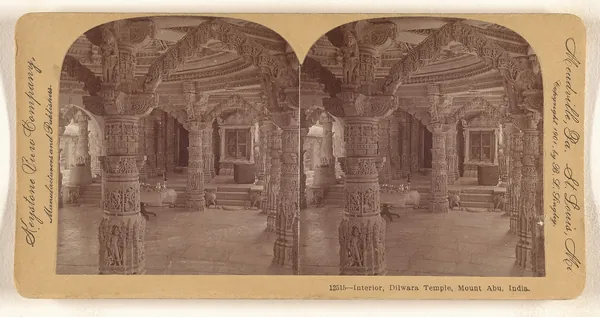
Ranthambore — Travel Guide
Ranthambore (celebrated globally as India's premier tiger reserve and a majestic wildlife wilderness where ancient royal ruins meet untouched nature), spans 1,334 square kilometers across the Sawai Madhopur district of southeastern Rajasthan. Located where the ancient Aravalli hill range meets the Vindhya plateau, Ranthambore is famous for its dry deciduous forests, open grasslands, and historic freshwater lakes.
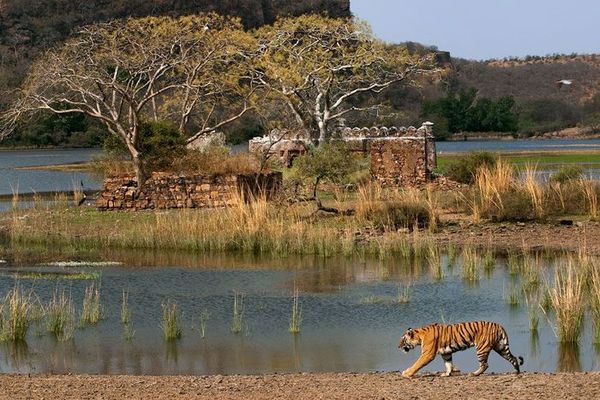
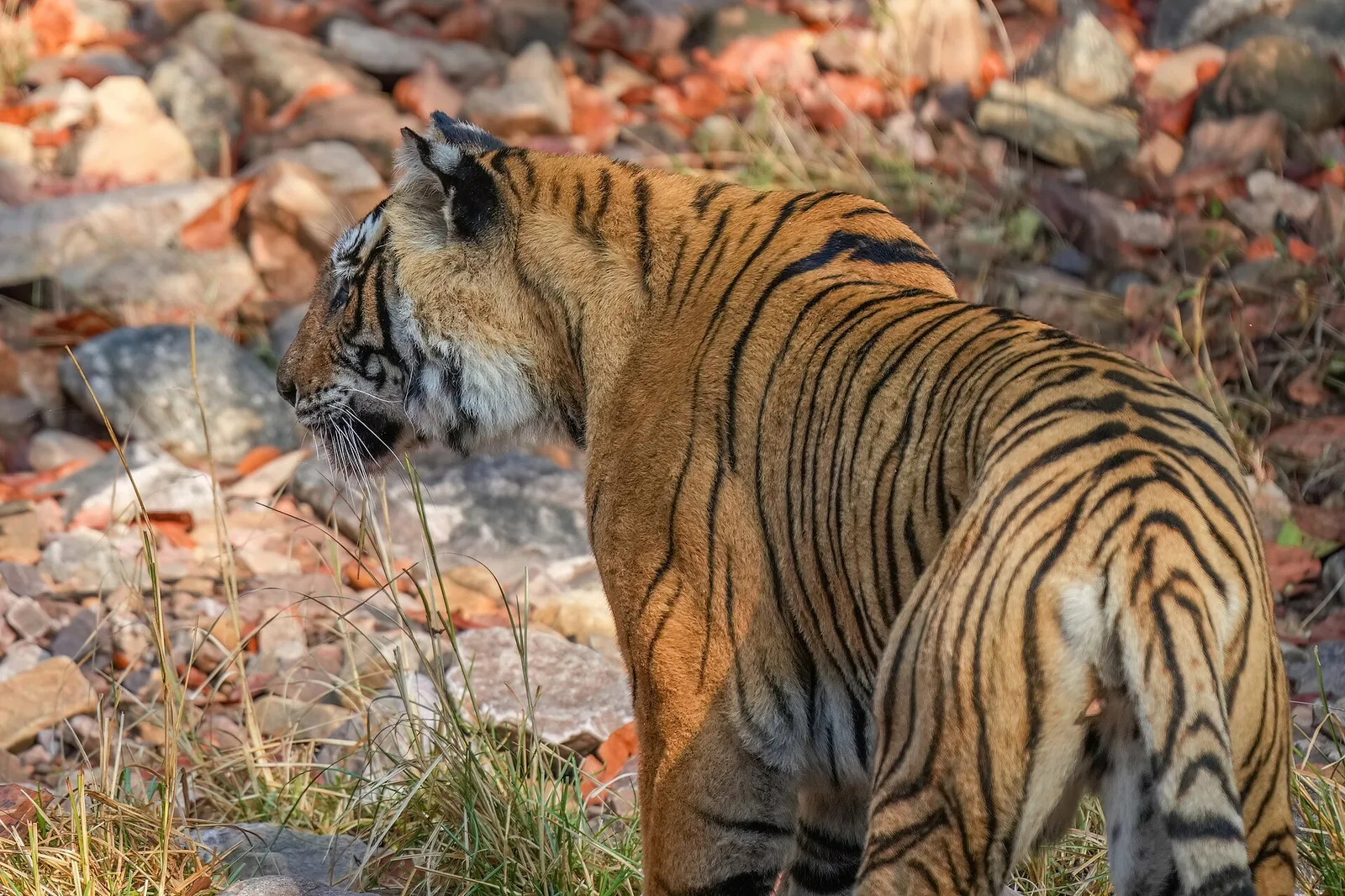 A Royal Bengal Tiger Patrolling the Deciduous Forest Trails of Ranthambore National Park
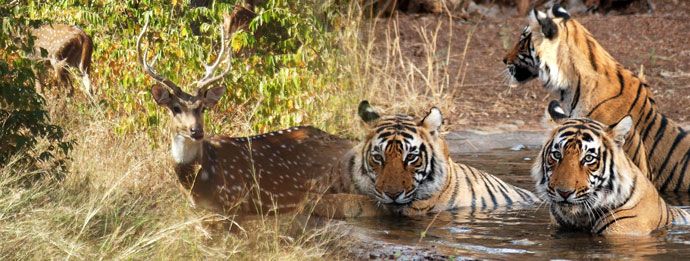
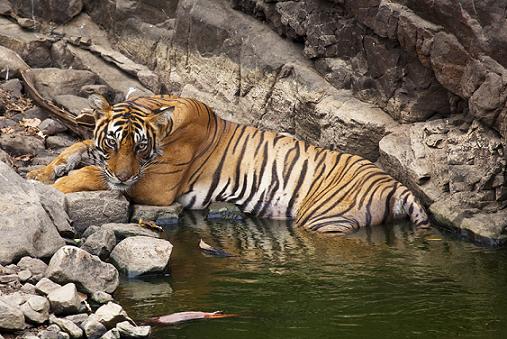
Once the private hunting preserve of the Maharajas of Jaipur, Ranthambore was declared a Project Tiger reserve in 1973. It is world famous for its diurnal Royal Bengal Tigers, offering nature lovers some of the highest chances on earth to observe wild tigers roaming freely in daylight, alongside leopards, sloth bears, sambar deer, and marsh crocodiles.
Looming high above the forest canopy is the 10th century UNESCO World Heritage Site Ranthambore Fort, home to the sacred Trinetra Ganesh Temple. Down in the valley, picturesque watering holes like Padam Talao, the historic stone pavilions of Raj Bagh Ruins, and the royal hunting lodge of Jogi Mahal create unforgettable backdrops for safari adventures.
Located just 160 km from Jaipur and 380 km from Delhi via the Delhi Mumbai Expressway, Ranthambore connects effortlessly with Ajmer and Pushkar, offering wildlife photographers and holidaymakers an exceptional safari experience.
Best Time to Visit Ranthambore:
The park is open for tourism from October 1 to June 30 each year:
- October to March (Winter / Peak Wildlife & Pleasant Weather Season):** Daytime temperatures range pleasantly between 10°C and 25°C with clear sunny skies and crisp chilly morning drives (4°C–9°C). Perfect for morning safaris, birdwatching at Surwal Lake, exploring Ranthambore Fort, and viewing active tigers roaming during cool daytime hours.
- April to June (Summer / Peak Tiger Sightings Season):** Temperatures range from 32°C to 45°C. Natural watering holes dry up, making tiger sightings frequent as predators and prey gather around lakes like Padam Talao, Raj Bagh, and Malik Talao.
- July to September (Monsoon / Core Park Closed):** Core safari zones 1 through 5 are closed for the monsoon breeding season, though buffer zones 6 through 10 and Ranthambore Fort remain open.
Famous Ranthambore Culinary Delicacies:
- Kachauri & Jalebi: Hot crispy spiced urad dal and onion kachoris paired with fresh sweet saffron jalebis at Sawai Madhopur street markets.
- Dal Baati Churma & Gwarpatha ki Sabzi: Traditional Mewari ghee soaked wheat baatis served with spicy lentils and locally harvested desert aloe vera curry.
- Sawai Madhopur Fresh Guavas (*Amrood*): Regionally famous large, sweet pink fleshed organic guavas harvested from local orchard plantations.
By Air:
The closest domestic and international airport is Jaipur International Airport (Airport Code: JAI - 160 km / 3 hours drive via the Delhi Mumbai Expressway NE-4 / NH-552). Jaipur Airport operates frequent daily direct flights to New Delhi, Mumbai, Bengaluru, Hyderabad, Kolkata, Chennai, and Ahmedabad. Taxis and private chauffeured cars operate directly from Jaipur airport to all Ranthambore jungle resorts.
By Train:
Sawai Madhopur Junction Railway Station (Station Code: SWM) is located just 12 km from the park entrance (about 20 minutes drive) and is a premier junction on the main New Delhi to Mumbai western mainline:
- Vande Bharat Express & Mumbai Rajdhani Express (Train 12951/12952):** Connects New Delhi (NDLS/NZM) to Sawai Madhopur in just 3.5 to 4 hours.
- Kota Jan Shatabdi Express & August Kranti Rajdhani:** Daily superfast express connecting New Delhi Hazrat Nizamuddin in under 4 hours.
- Golden Temple Mail & Paschim Express:** Daily direct express services connecting Mumbai Central (MMCT), Gujarat, and Punjab.
- Open safari jeeps, prepaid taxis, and auto rickshaws operate round the clock outside Sawai Madhopur Station.
By Road:
Ranthambore is connected via Delhi Mumbai Expressway (NE-4), NH-552, and State Highway 24:
- From Jaipur (~160 km / 3 hours):** Smooth 4-lane expressway drive via Dausa and Lalsot on NE-4 / NH-552.
- From Delhi / NCR (~380 km / 5.5 hours):** Direct high speed drive via Delhi Mumbai Expressway (NE-4).
- From Agra (~250 km / 5 hours):** Drive via Bharatpur and Gangapur City.
- From Ajmer (~230 km / 4.5 hours):** Drive via Tonk and Sawai Madhopur.
- State Buses:** RSRTC operates daily Super Luxury Volvo and express buses to Sawai Madhopur Central Bus Stand from Jaipur Sindhi Camp, Delhi, and Kota.
Shopping in Ranthambore centers around local wildlife art, village empowerment textiles, natural forest honey, and organic guava products:
- Handpainted Tiger Portraits & Sketches: Realistic charcoal sketches and vibrant oil canvas wildlife paintings crafted by local artists at Ranthambore School of Art.
- Dastkar Ranthambore Village Crafts: Hand block printed cotton kurtas, bedspreads, patchwork quilts, and embroidered bags made by local village artisans.
- Pure Wild Forest Honey: 100% natural raw organic forest honey harvested from the surrounding Aravalli and Vindhya hills.
- Sawai Madhopur Guava Products: Fresh organic pink guavas, homemade guava jellies, and candied guava preserves.
- Handcrafted Wooden Animal Sculptures & Brass Curios: Hand carved tiger and elephant wooden figurines from local market stalls.
Must-Visit Places in Ranthambore
Ranthambore offers an extraordinary mix of jungle tiger safaris, medieval UNESCO hill forts, sacred hilltop shrines, and scenic forest lake ruins:
1. Ranthambore National Park Jungle Safaris & 10 Safari Zones (Royal Bengal Tigers)
Divided into 10 regulated ecotourism safari zones, Ranthambore National Park offers morning and afternoon open top 6-seater Gypsy and 20-seater Canter game drives. Core zones 1 through 5 wind through historic lakes and deep jungle gorges with high tiger density, while zones 6 through 10 feature rugged hills and valley terrain inhabited by leopards, striped hyenas, chital deer, and sloth bears.
Ranthambore National Park — World Famous Royal Bengal Tiger Safari in Rajasthan
2. Ranthambore Fort & UNESCO World Heritage Hilltop Citadel (10th Century)
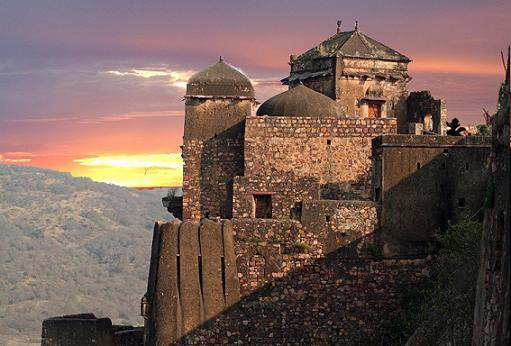
Perched atop a sheer 700-foot rocky cliff inside the national park, the 10th century Ranthambore Fort is a UNESCO World Heritage Site with a 7 km perimeter wall. Built by Chauhan rulers and immortalized by the defense of King Hammir Dev Chauhan in 1301 against Alauddin Khilji, the fort houses ancient stepwells (*baoris*), Jain temples, the 32-pillared cenotaph (*Battis Khamba Chhatri*), and sweeping jungle views.
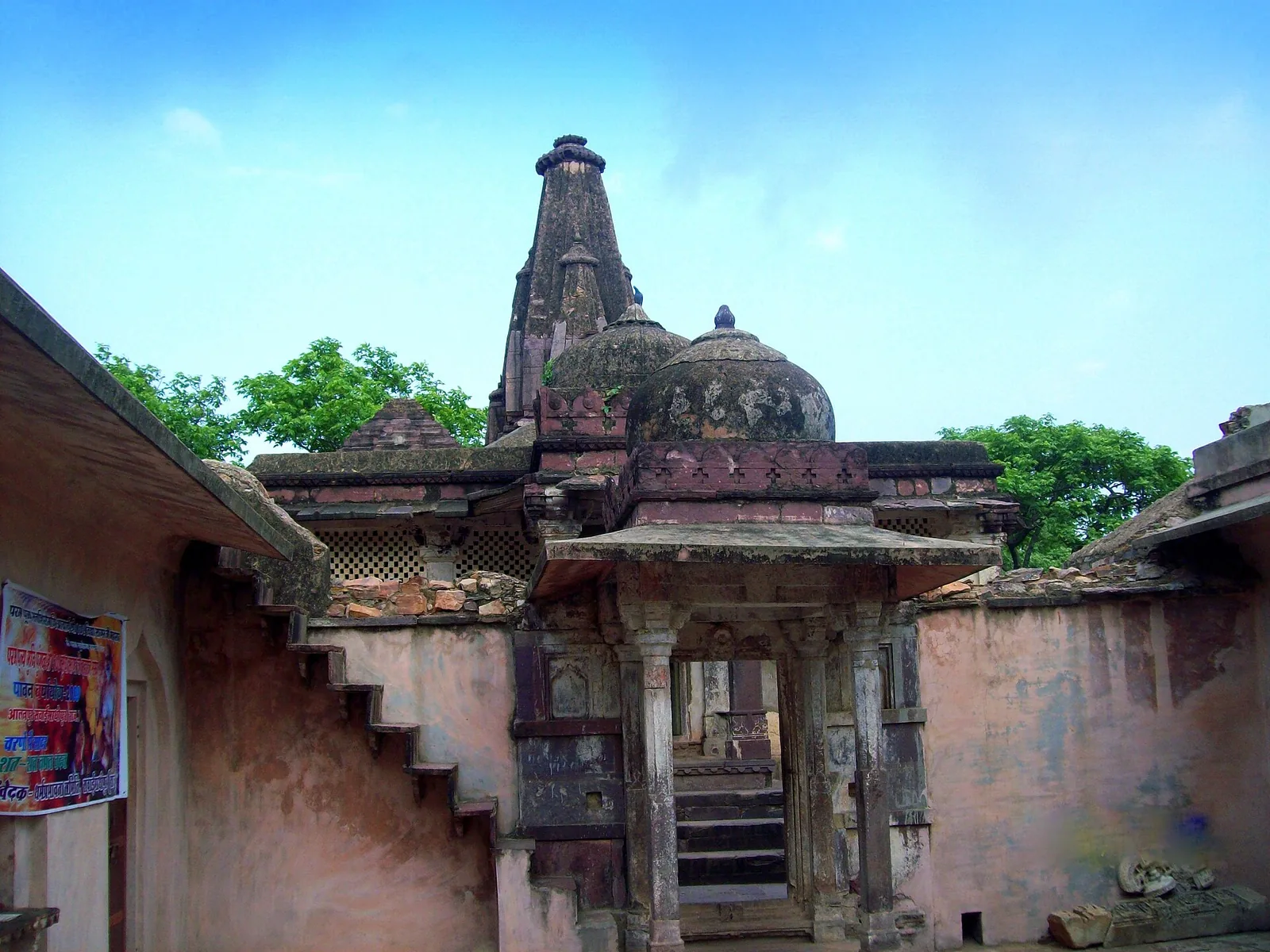 Ranthambore Fort — 10th Century UNESCO World Heritage Hilltop Citadel Overlooking the Jungle
3. Padam Talao Lake & Jogi Mahal Royal Hunting Lodge (Zone 3 Sanctum)
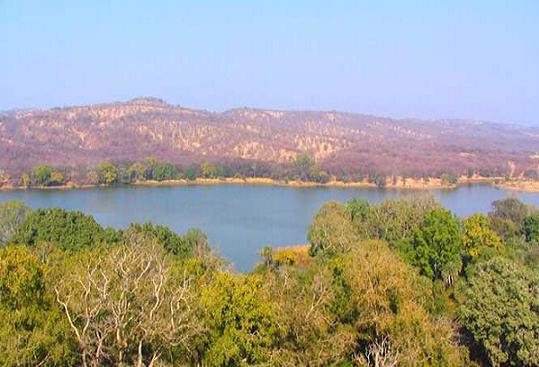
The largest of the park's scenic water bodies, Padam Talao is a picturesque natural lake covered in season with blooming lotus flowers (*padam*). On its bank stands Jogi Mahal, a historic red sandstone hunting lodge built by Jaipur royals, adjacent to India's second largest sacred banyan tree. Tigers frequently visit the lake edges in early morning and late afternoon.
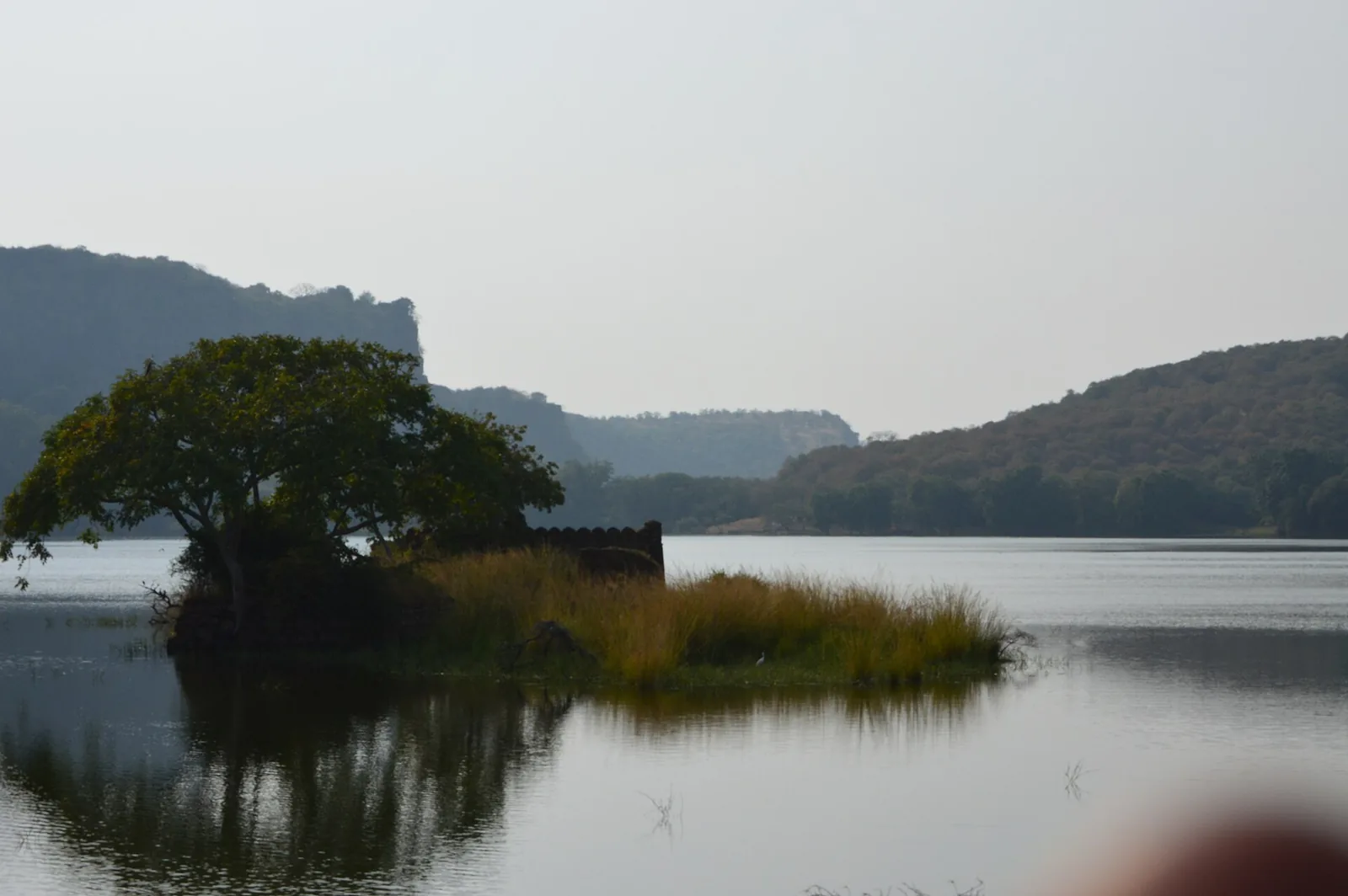 Padam Talao — Largest Forest Lake and Historic Jogi Mahal Royal Hunting Lodge in Ranthambore
4. Raj Bagh Ruins & Ancient Hunting Palace Arches (Zone 3 Waterhole)
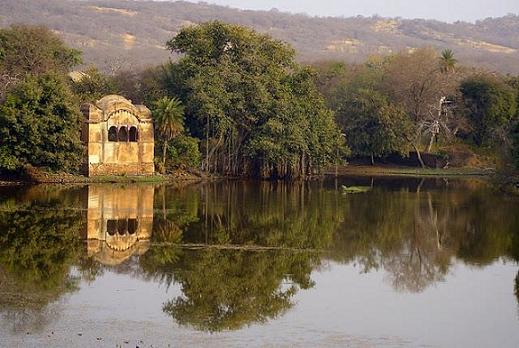
Situated in the heart of safari zone 3 between Padam Talao and Raj Bagh Lake, the Raj Bagh Ruins are the stone remnants of royal arches, domed outhouses, and stone pavilions overgrown by the jungle. This photogenic setting is one of the most famous spots in wildlife history, where tigers often rest amidst ancient stone arches.
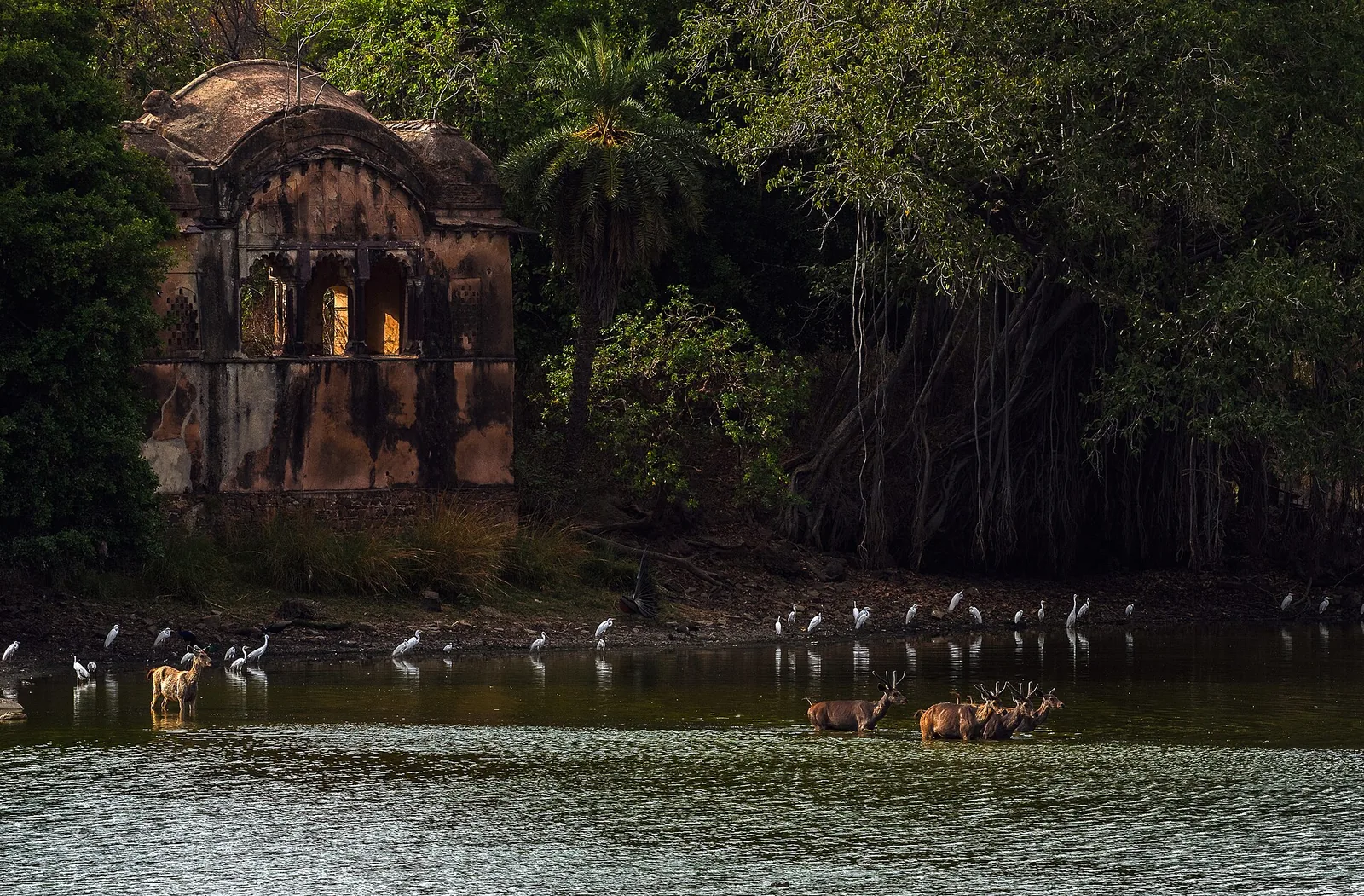 Raj Bagh Ruins — Ancient Royal Stone Arches and Pavilions Overgrown by Jungle Foliage
5. Trinetra Ganesh Temple & Sacred Three Eyed Ganesha Shrine (Fort Summit)
Located inside the highest ramparts of Ranthambore Fort, the Trinetra Ganesh Temple is one of Rajasthan's oldest and most revered Hindu pilgrimage temples. Dedicated to the three eyed Lord Ganesha along with his consorts Riddhi and Siddhi, tradition holds that devotees send their first wedding invitations by post to this temple to seek divine blessings.
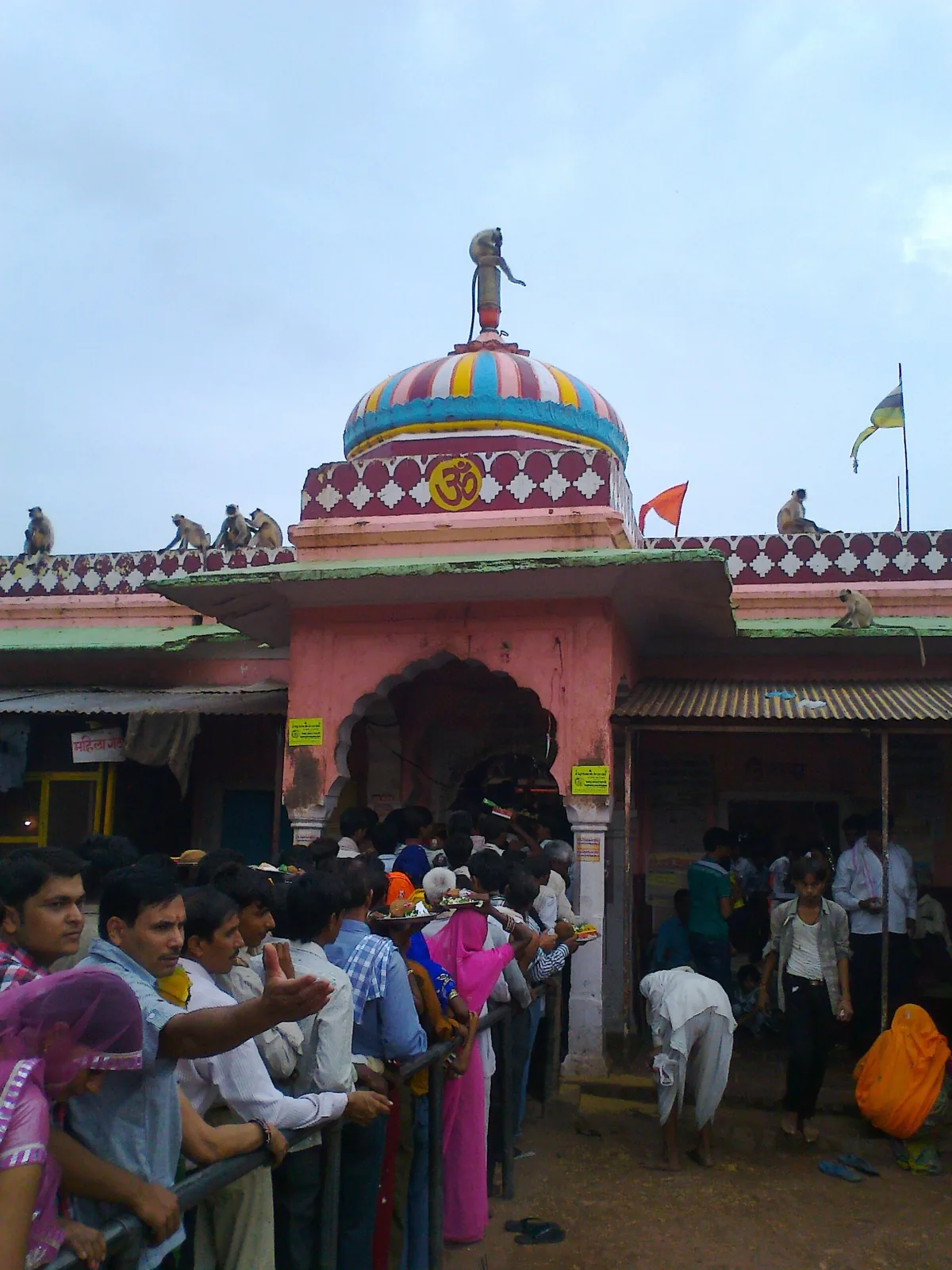 Trinetra Ganesh Temple — Ancient 10th Century Hilltop Shrine Dedicated to Three Eyed Lord Ganesha
6. Malik Talao Lake & Marsh Crocodile Birdwatching Haven (Zone 4)
The smallest and most intimate of the three central lakes, Malik Talao is known for its population of basking marsh crocodiles (*Muggers*), Indian skimmers, kingfishers, and storks foraging along marshy shorelines.
7. Kachida Valley & Panther Sloth Bear Rocky Escarpment (Zone 5)
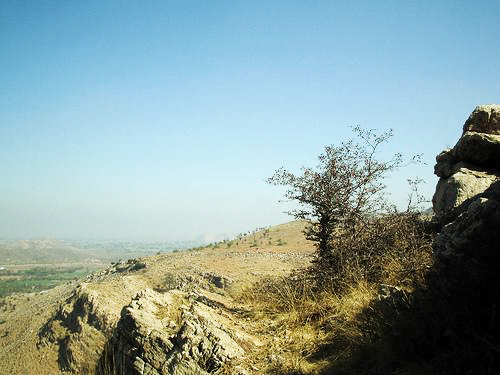
Located on the park periphery in safari zone 5, this rugged valley is dominated by rocky crags and wilderness terrain known for sightings of Indian leopards and sloth bears foraging for wild berries.
8. Surwal Lake & Migratory Waterfowl Winter Haven (Flamingos & Cranes)
Situated 14 km outside the main park, this shallow seasonal lake is a tranquil winter refuge for thousands of migratory birds, including demoiselle cranes, painted storks, flamingos, and pelicans from November to February.
9. Ranthambore School of Art & Dastkar Ranthambore Handicraft Center
Community centers dedicated to wildlife conservation and local empowerment, where local artists craft lifelike tiger charcoal paintings, hand block printed textiles, and rural village handicrafts.
Popular Hotels in Ranthambore
 Hotel
Hotel
 Hotel
Hotel
 Hotel
Hotel
 Hotel
Hotel
 Hotel
Hotel
 Hotel
Hotel
 Hotel
Hotel
 Hotel
Hotel
 Hotel
Hotel
 Hotel
Hotel
Tour Packages from Ranthambore
 Package
 Package
Top Places to Visit in Ranthambore
Ranthambore Photo Gallery & Attractions
Explore high-resolution photographs of iconic temples, historical monuments, and scenic landmarks in Ranthambore.
Plan Your Ranthambore Trip Now
Get the best verified hotel deals and customized tour packages. Book directly on EarthTrip and save up to 45%!