Aurangabad — Travel Guide
Aurangabad (officially known as Chhatrapati Sambhajinagar, universally celebrated as the City of Gates and the Tourism Capital of Maharashtra, located in the historic Marathwada region along the Kham River at an elevation of 568 meters (1,864 ft) above sea level in the Deccan Plateau), is an unmatched historical and cultural destination.
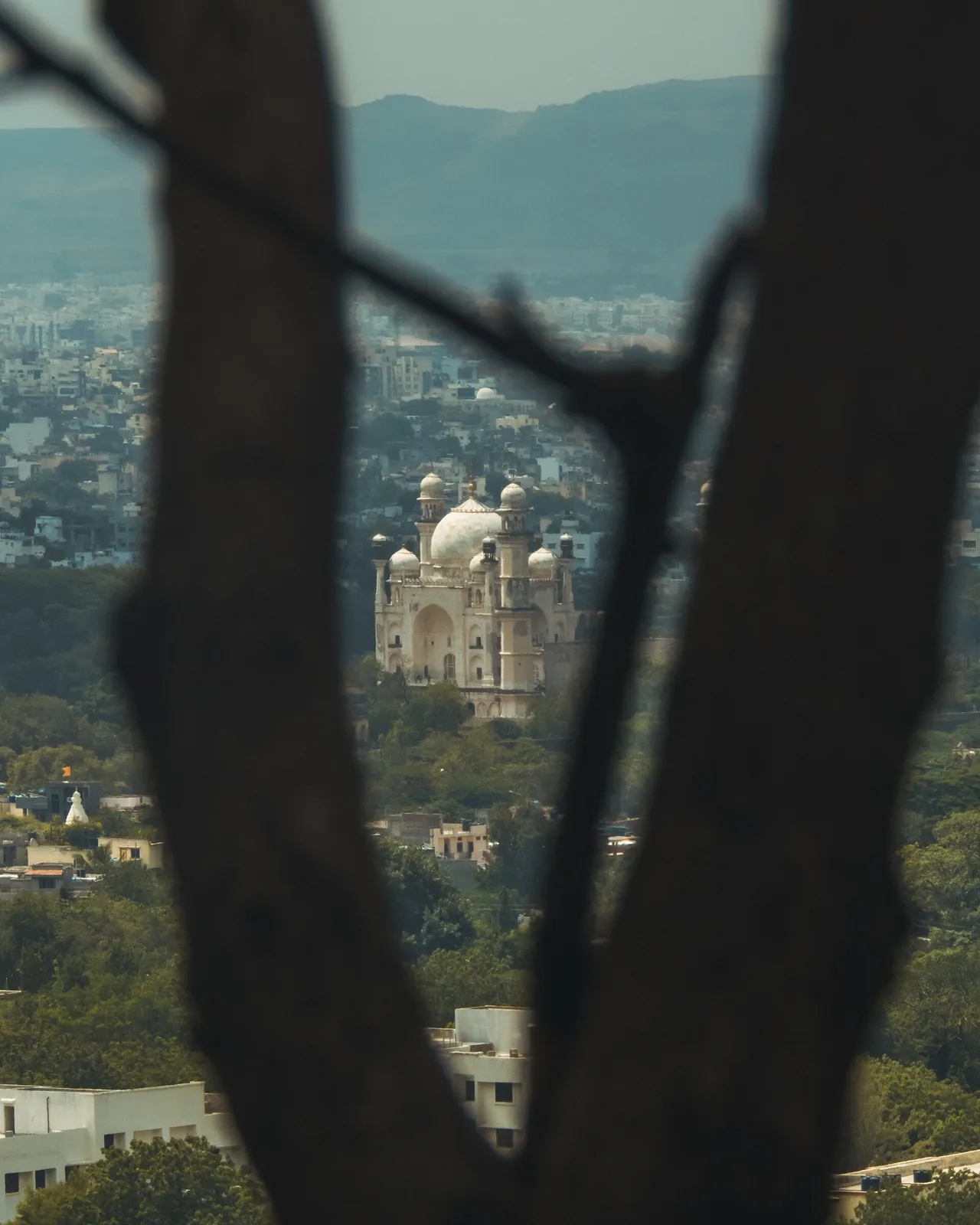 Bibi Ka Maqbara — 17th-Century White Marble Deccan Mughal Mausoleum in Aurangabad
Seamlessly uniting two UNESCO World Heritage landmarks (the 30 world renowned 2nd century BC rock cut Buddhist frescoes and painted murals of Ajanta Caves, and the 34 monumental rock cut shrines of Ellora Caves housing Cave 16 — Kailasa Temple, the largest monolithic rock excavation on Earth carved top down from a single basalt cliff) with the 17th century Mughal architectural marvel at Bibi Ka Maqbara (the *"Taj of the Deccan"* built by Prince Azam Shah), the legendary 12th century Yadava mountain fortress at Daulatabad Fort (Devagiri, featuring the 210 foot pink minaret of Chand Minar and dark subterranean maze traps *Andhari*), the 12th supreme Jyotirlinga of Lord Shiva at Grishneshwar Temple in Verul, the medieval hydraulic engineering wonder at Panchakki (a 17th century water mill and Dargah of Sufi Saint Baba Shah Musafir), the royal Mughal weaving tradition of silk Himroo and Paithani sarees, authentic Naan Qalia culinary heritage, and seamless multi lane connectivity to wine capital Nashik (190 km), IT hub Pune (235 km), and financial metropolis Mumbai (335 km), Aurangabad provides an unmatched historical and cultural odyssey.
The city is famous globally for its UNESCO cave temples, Mughal architecture, Sufi shrines, 52 medieval stone gates, and handloom silks: the marble mausoleum Bibi Ka Maqbara (City Centre) (commissioned in 1668 by Prince Azam Shah as the tomb of Empress Dilras Banu Begum, featuring Persian Charbagh gardens, floral plaster stuccos, and four minarets), the world famous rock cut marvel Ellora Caves & Kailasa Temple (30 km) (34 Buddhist, Hindu, and Jain rock monuments featuring Cave 16 carved out of 200,000 tonnes of solid rock over 100 years by Rashtrakuta king Krishna I), the ancient cliff amphitheater Ajanta Caves (100 km) (30 horseshoe shaped gorge caves preserving 2,000 year old Buddhist murals of the Jataka tales, Bodhisattva Padmapani, and reclining Buddha), the invincible citadel Daulatabad Fort / Devagiri (15 km at 200 m rock pinnacle) (built by Yadava king Bhillama V and renamed Daulatabad by Muhammad bin Tughluq), the sacred pilgrimage temple Grishneshwar Jyotirlinga (32 km) (rebuilt by Queen Ahilyabai Holkar using red sandstone with a 5 tier carved Shikhar), the 17th century hydro engineering wonder Panchakki & Baba Shah Musafir Complex, the ancient Buddhist rock cells at Aurangabad Caves (3 km), the sacred burial grounds of Mughal Emperor Aurangzeb at Khuldabad (22 km), the historic weaving centers of Paithani Silk & Himroo Shawls, and Aurangabad's seamless connections along the Samruddhi Expressway and NH-52 to Nashik (190 km), Pune (235 km), and Mumbai (335 km).
Located seamlessly in Central Maharashtra, just 190 km east of Nashik, 235 km northeast of Pune, and 335 km east of Mumbai, Aurangabad (Chhatrapati Sambhajinagar) is the heritage gateway of India.
Best Time to Visit Aurangabad:
- October to March (Autumn & Winter / Peak Season): Delightful, sunny, and cool weather (12°C to 28°C), perfect for exploring Ajanta and Ellora Caves, climbing Daulatabad Fort, and visiting Bibi Ka Maqbara.
- April to June (Summer): Very hot and dry (32°C to 42°C).
- July to September (Monsoon): Moderate rainfall averaging 725 mm bringing lush greenery to Daulatabad hills and roaring waterfalls at Ellora.
Famous Aurangabad & Marathwada Culinary Specialties:
- Naan Qalia: Signature heritage royal mutton curry slow simmered with yogurt, spices, and mutton marrow, served with freshly baked tandoori naan.
- Aurangabad Mutton Biryani: Aromatic, saffron infused long grain basmati rice layered with tender marinated meat and caramelised onions.
- Sheermal & Bakarkhani: Traditional sweetish, saffron scented leavened breads baked fresh in clay tandoors.
- Garva: Hearty, spiced lentil and grain broth popular in traditional Marathwada kitchens.
- Pathru Peda: Rich, caramelised milk fudge confection famous around the holy shrines of Khuldabad.
- Cold Sugarcane Juice: Refreshing freshly crushed sugarcane juice flavored with ginger, lemon, and mint.
By Air:
- Aurangabad Airport / Chhatrapati Sambhajinagar Airport (Airport Code: IXU - Chikalthana - 10 km east): Modern airport with daily direct commercial flights connecting to Mumbai, Delhi, Hyderabad, and Bengaluru.
By Train:
- Aurangabad Railway Station (Station Code: AWB): Major broad gauge railway station situated on the Secunderabad Manmad line under South Central Railway, connected directly via Mumbai Chhatrapati Sambhajinagar Vande Bharat Express, Devagiri Express, Tapovan Express, Ajanta Express, and Sachkhand Express.
By Road:
- From Mumbai (~335 km / 5.5 to 6 hours): Via Hindu Hrudaysamrat Balasaheb Thackeray Maharashtra Samruddhi Mahamarg (Expressway) or via Nashik on NH-160 and NH-753F.
- From Pune (~235 km / 4.5 to 5 hours): Via NH-753F through Ahmednagar.
- From Nashik (~190 km / 3.5 to 4 hours): Via NH-753F through Yeola.
- MSRTC AC Shivshahi, ordinary buses, and private Volvo luxury coaches connect the city from Central Bus Stand (CBS) 24/7.
Shopping in Aurangabad features GI certified Himroo shawls, Paithani sarees, and Bidri metalwork:
- Shahgunj Market, Connaught Place, Gulmandi, City Chowk & Aurangabad Silk Weavers: Authentic **GI-Certified Handwoven Himroo Shawls, Stoles & Brocades (Woven with Persian Cotton-Silk Jacquard Weaves)**, royal **Pure Silk Paithani Sarees with Zari Pallus from Paithan**, handcrafted **Bidriware Silver Inlaid Metal Vases & Trays**, polished **Semi-Precious Agate & Jasper Stone Jewelry from Ajanta Riverbeds**, and **Traditional Khuldabad Attar Perfumes**.
Must-Visit Places in Aurangabad
Aurangabad features UNESCO World Heritage rock-cut caves, monolithic temples, Mughal mausoleums, and hill citadels:
1. Bibi Ka Maqbara & Mughal Charbagh (The Taj of the Deccan - City Centre)
A 17th century white marble mausoleum built between 1651 and 1661 by Prince Azam Shah in memory of his mother, Empress Dilras Banu Begum (Rabia ud Daurani). Designed by architect Ataullah to resemble the Taj Mahal of Agra, it features four soaring 140 foot minarets, marble lattice screens (*Jalis*), brass inlay doors, and formal Mughal Charbagh fountains.
Bibi Ka Maqbara — 17th-Century Taj of the Deccan Mausoleum in Aurangabad
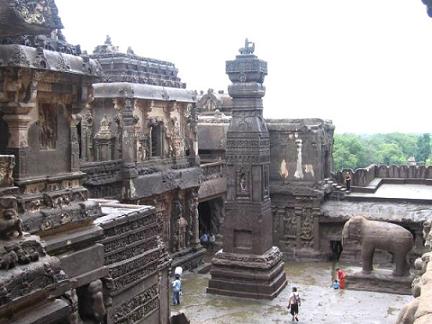
2. Ellora Caves & Kailasa Temple (UNESCO Cave 16 Monolithic Megalith - 30 km)
A UNESCO World Heritage site consisting of 34 rock cut temples carved out of the Charanandri hills between the 6th and 10th centuries, spanning Buddhist, Hindu, and Jain faiths. The crowning glory is Cave 16 (Kailasa Temple), the largest monolithic rock excavation in the world, carved vertically top down from a single basalt cliff without joints or mortar.
 Kailasa Temple (Cave 16) — World's Largest Monolithic Rock Excavation at Ellora Caves
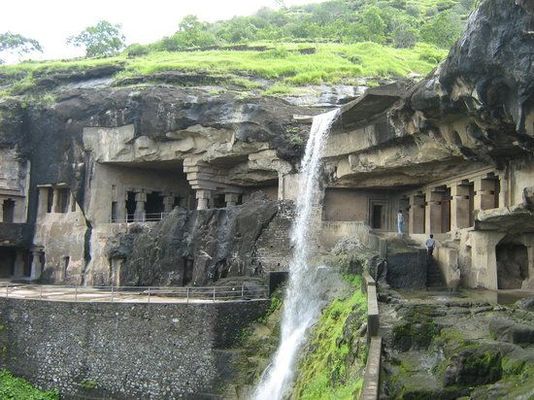
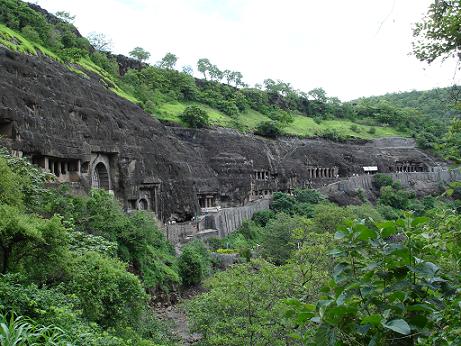
3. Ajanta Caves & Waghur River Gorge (30 UNESCO Buddhist Fresco Caverns - 100 km)
A UNESCO World Heritage complex of 30 rock cut Buddhist cave monuments carved into a dramatic horseshoe shaped cliff along the Waghur River gorge between the 2nd century BC and 6th century AD. World famous for their ancient tempera murals depicting Jataka tales, Bodhisattva Padmapani and Vajrapani, and the 29 foot reclining Nirvana Buddha.
 Ajanta Caves — 30 UNESCO World Heritage Buddhist Rock-Cut Cave Sanctuaries
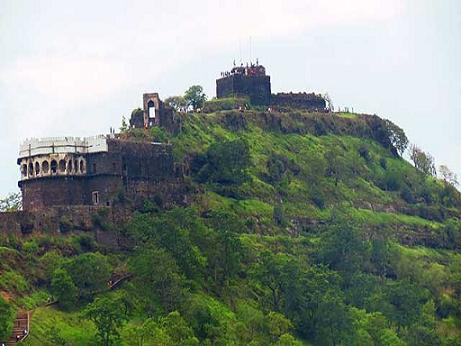
4. Daulatabad Fort & Chand Minar (12th-Century Impenetrable Hill Fortress - 15 km)
A 12th century medieval hill fortress founded by the Yadava kings (originally named Devagiri) perched on a sheer 200 meter high conical rock hill. Renowned as one of the most impregnable fortresses in military history, featuring a 50 foot water moat filled with crocodiles, the 210 foot pink Chand Minar victory tower, and the pitch dark subterranean labyrinth (*Andhari*).
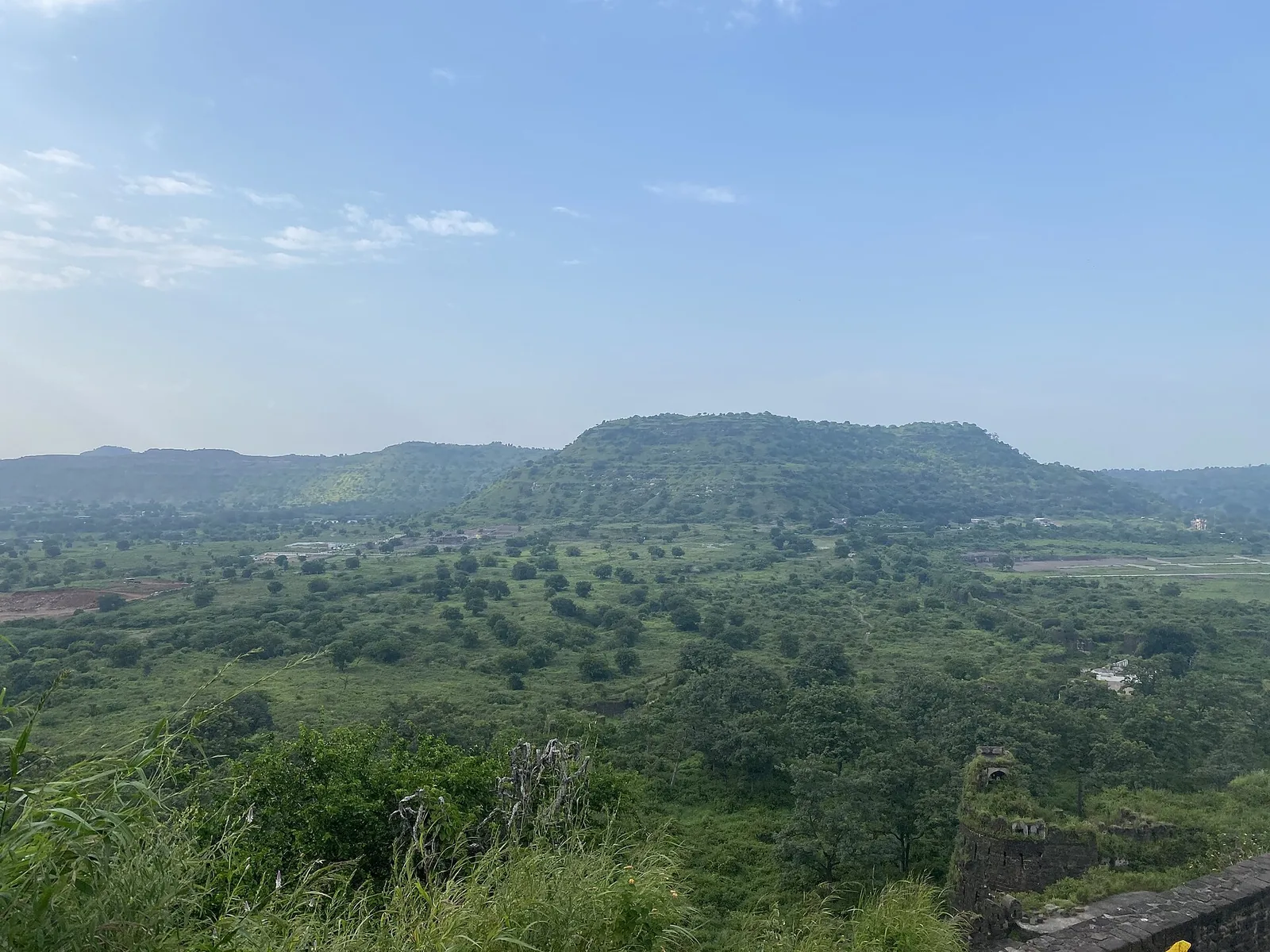 Daulatabad Fort — 12th-Century Impenetrable Hill Citadel and Chand Minar
5. Grishneshwar Jyotirlinga & Panchakki (12th Sacred Shiva Jyotirlinga & Water Mill - 32 km)
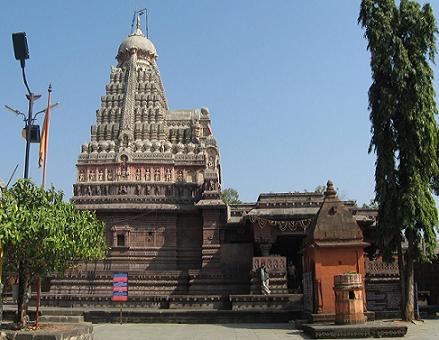
The 12th and southernmost of the sacred Jyotirlinga shrines of Lord Shiva, located in Verul village adjacent to Ellora Caves. Constructed of red stone by Maharani Ahilyabai Holkar in the 18th century, it features exquisite mythological carvings, paired with Panchakki — a 17th century hydro mill in Aurangabad driven by subterranean water channels.
 Grishneshwar Jyotirlinga Temple — 12th Sacred Jyotirlinga of Lord Shiva near Ellora
6. Aurangabad Caves & Tantric Buddhist Rock Sanctuaries (6th-Century Hill Cells - 3 km)
A cluster of 12 rock cut Buddhist shrines carved into the Sihaychal hills overlooking the city, dating from the 6th to 8th century AD, featuring exquisite Tantric Buddhist sculptures of Tara and celestial musicians.
7. Khuldabad Valley of Saints & Aurangzeb Tomb (Historic Sufi Spiritual City - 22 km)
A sacred walled town known as the Abode of Eternity, housing the holy shrines of 1,400 Sufi saints (including Hazrat Zar Zari Zar Baksh) and the humble, austere open air grave of Mughal Emperor Aurangzeb.
8. Pithalkhora Caves & Chandora Gorge (Oldest 3rd-Century BC Hinayana Rock Shrines - 78 km)
An ancient Buddhist rock cut monastery situated deep in the rugged ravine of Chandora hill, recognized as the earliest rock cut sanctuary in Western India, dating back to the 3rd century BC.
9. Jayakwadi Dam Bird Sanctuary & Paithan (Nathsagar Reservoir & Dnyaneshwar Garden - 50 km)
One of the largest earthen dams in Asia constructed on the Godavari River, forming the expansive Nathsagar bird wetland home to flamingos, paired with Sant Eknath Maharaj's birthplace in Paithan.
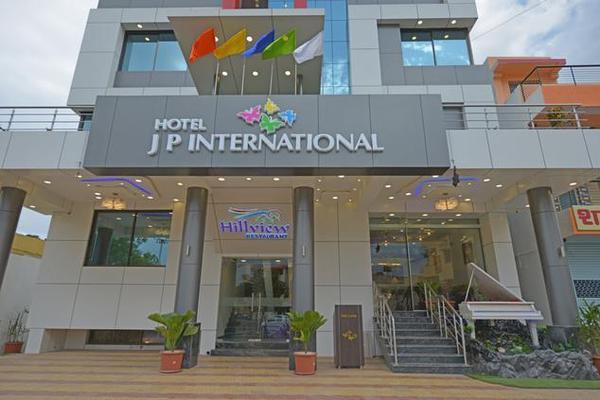
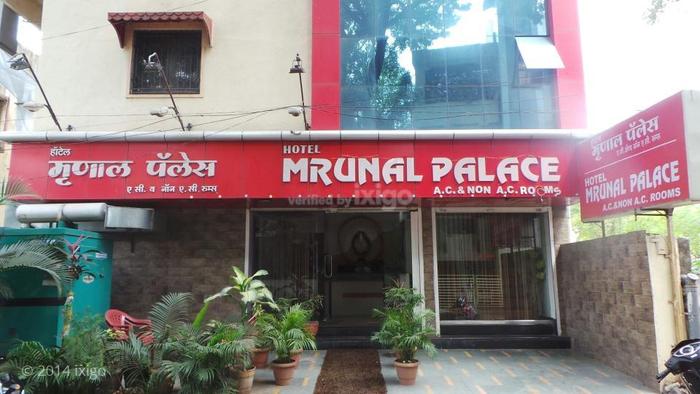
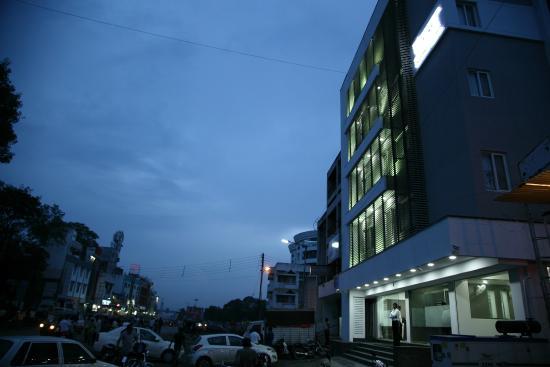
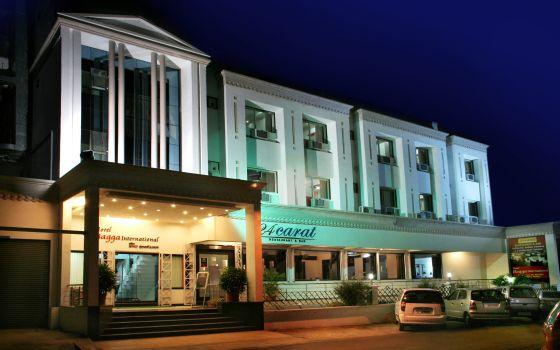
Popular Hotels in Aurangabad
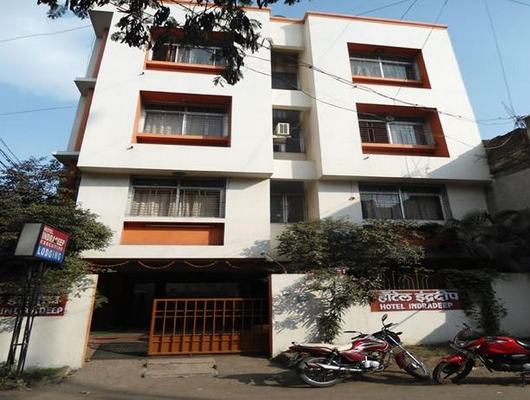 Hotel
Hotel
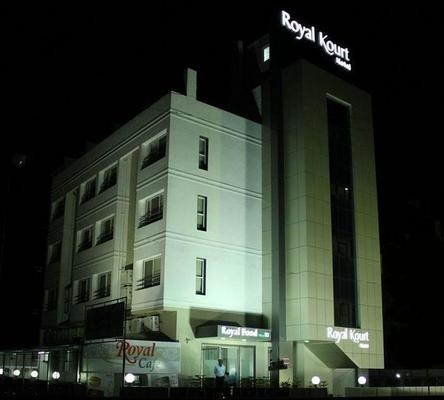 Hotel
Hotel
 Hotel
Hotel
 Hotel
Hotel
 Hotel
Hotel
 Hotel
Hotel
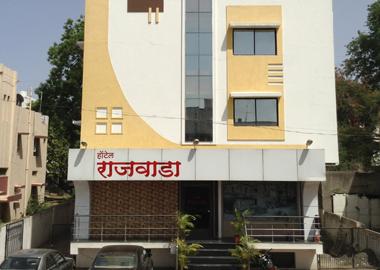 Hotel
Hotel
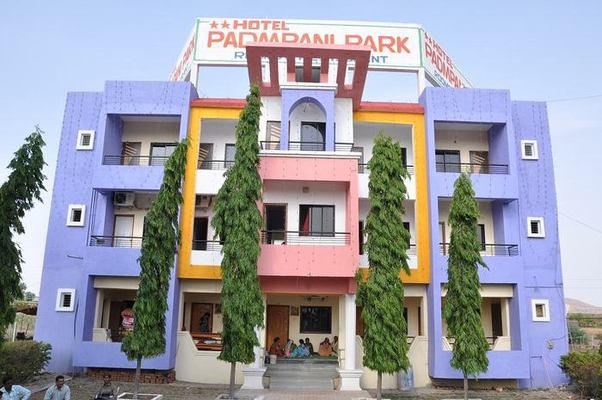 Hotel
Hotel
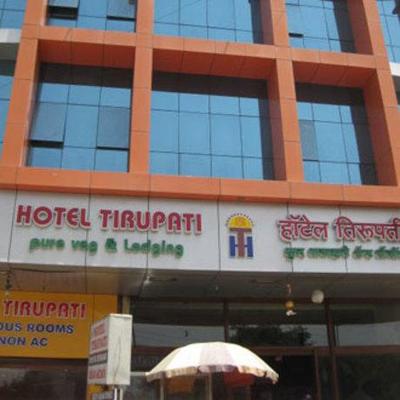 Hotel
Hotel
 Hotel
Hotel
Tour Packages from Aurangabad
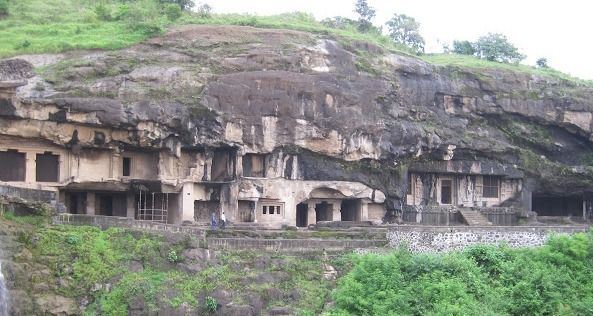 Package
 Package
Top Places to Visit in Aurangabad
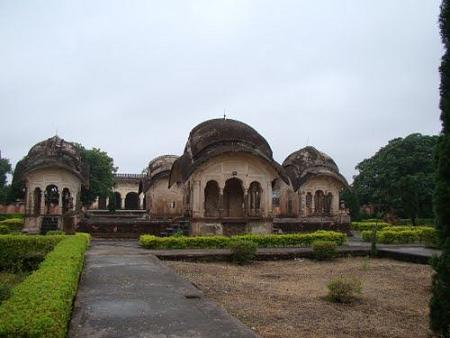
Aurangabad Photo Gallery & Attractions
Explore high-resolution photographs of iconic temples, historical monuments, and scenic landmarks in Aurangabad.
Plan Your Aurangabad Trip Now
Get the best verified hotel deals and customized tour packages. Book directly on EarthTrip and save up to 45%!