- .
- info@earthtrip.in
-
INR
-
USD
INR
USD
Shree Janardhana Swamy Temple in Varkala (celebrated across India as Dakshina Kasi and one of the ancient Vaishnavite pilgrimage shrines of southern India ...
Shree Janardhana Swamy Temple in Varkala (celebrated across India as Dakshina Kasi and one of the ancient Vaishnavite pilgrimage shrines of southern India dating back over 2,000 years, dedicated to Lord Janardhana / a four armed manifestation of Bhagwan Mahavishnu holding the divine Aachamana holy water vessel, Panchajanya conch, Sudarshana chakra, and Kaumodaki mace, world famous for its circular sanctum sanctorum / Vatta Sreekovil, centuries old wooden Ramayana ceiling carvings, the historic Dutch brass ship's bell donated in 1757 AD, and sacred ancestor redemption rituals / Pithru Tharpanam performed along Papanasam Beach), located on a verdant laterite hillock in Varkala in Kerala, stands as the spiritual cornerstone of Varkala.
Situated on a high cliff overlooking the Arabian Sea, the temple holds profound mythological significance; according to regional temple lore, creator god Brahma performed an expansive Yajna at this holy site, and the four armed idol of Lord Vishnu was later consecrated by Sage Narada to redeem mortal souls from physical and spiritual transgressions.
It's the home of the sacred four armed idol of Janardhana Swamy standing facing east whose right hand is raised toward his mouth (with legend holding that when the hand reaches the mouth, the cosmic dissolution / Kaliyuga Pralaya will occur), the ancient circular sanctum (Vatta Sreekovil) roofed in polished copper plates decorated with intricate wooden carvings depicting the Navagrahas and episodes from the Bhagavata Purana, the massive bronze Dutch ship bell presented by a grateful European ship captain whose vessel survived a ferocious Arabian Sea tempest after praying to Janardhana, the sacred Banyan tree decorated with thousands of clay dolls and cradles tied by childless couples praying for progeny (Santhana Gopala blessings), the ancient sacred temple tank (Chakra Theertham) built amidst coconut groves, and an intensely divine, spiritually surcharged atmosphere where Vedic chanting and nadaswaram melodies echo through centuries old stone pillared hallways.
It represents a rich Kerala temple architecture legacy, Vaishnava Bhakti tradition, and sacred Pithru Tharpanam pilgrimage where 2,000 year-old stone shrines, copper clad sreekovils, Dutch brass bells, and Papanasam sea breezes unite in Shree Janardhanaswamy Temple Varkala.
Located atop Temple Hill near the south cliff, it sits just 500 meters from Papanasam Beach, 2.5 km from Varkala Sivagiri Railway Station (VAK), 42 km from Trivandrum International Airport (TRV), and 35 km from Kollam, easily accessible by auto rickshaw, taxi, or walking from the south cliff promenade.
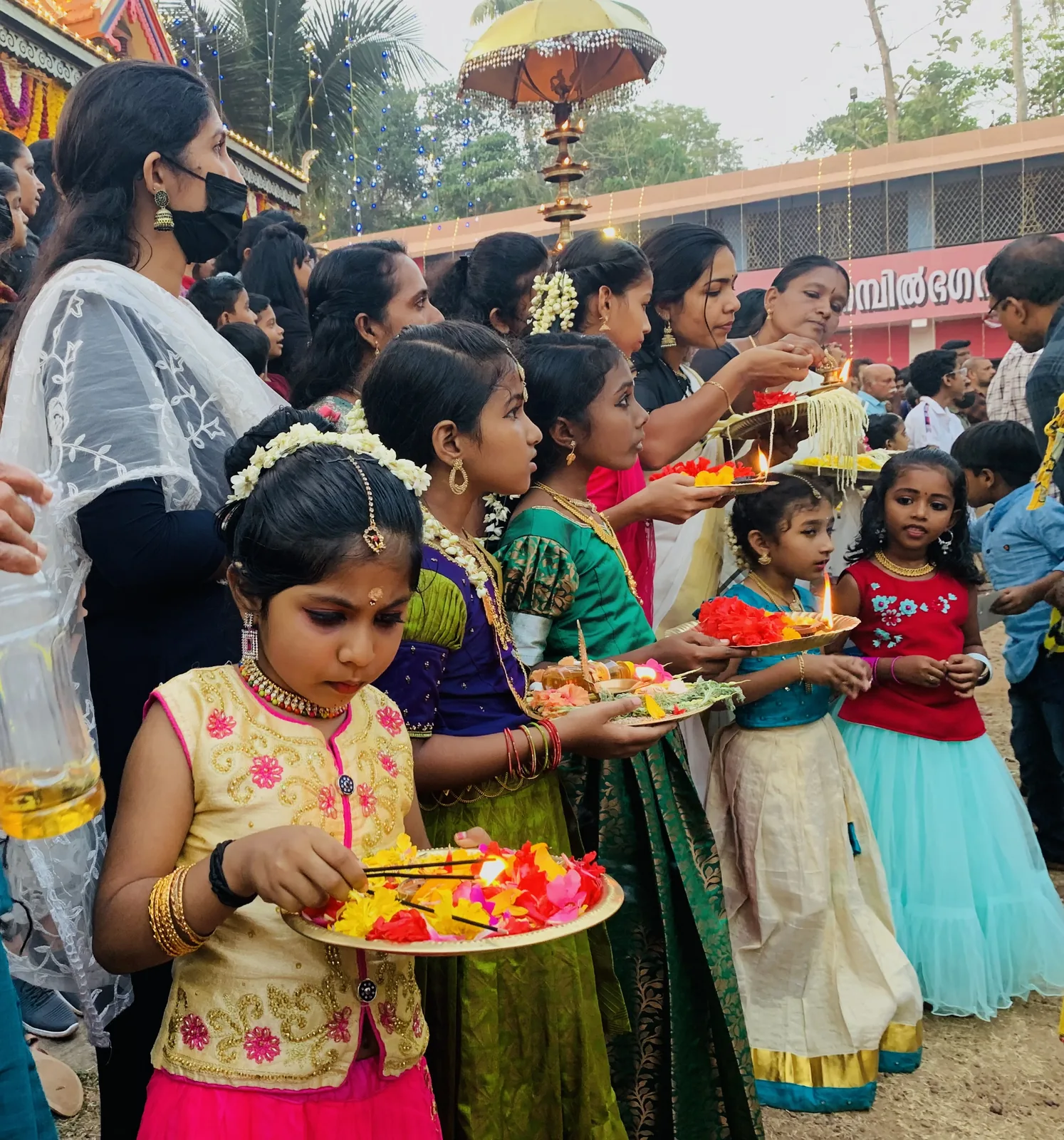
Ancient Sangam texts and temple chronicles record that King Jayasimha of the Pandya dynasty renovated the ancient shrine after Lord Vishnu cured him of a severe affliction.
The temple is the primary spiritual anchor for devotees performing ancestor Tharpanam rituals at Papanasam Beach before offering holy pujas inside the inner shrine.
Truth is, standing beneath the ancient sacred Banyan tree while temple oil lamps illuminate the sanctum is deeply moving.
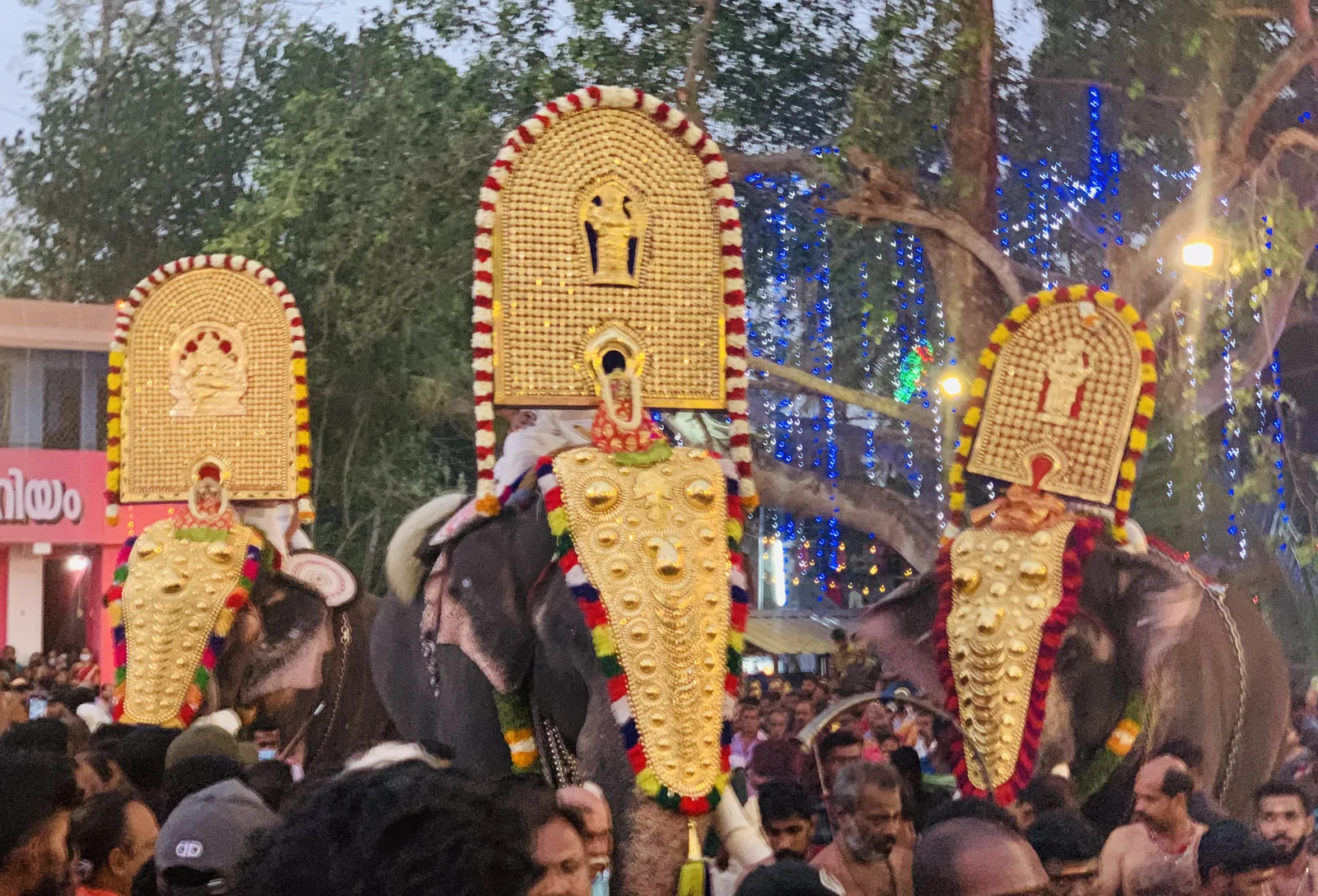
The Dutch Bell: Suspended in the temple corridor, this historic brass bell was donated by a Dutch ship captain who survived an offshore hurricane in 1757.
Vatta Sreekovil Carvings: The copper plated circular sanctum ceiling displays masterwork woodcraft depicting scenes from the Mahabharata and Ramayana.
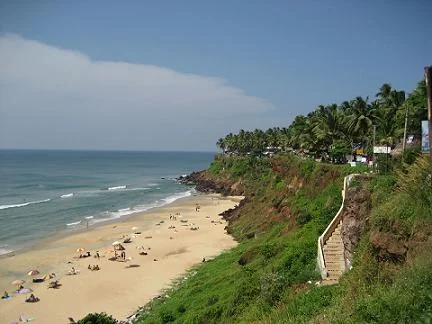
Spiritual Walk: Sits just 500 meters from Papanasam Holy Beach and 2.5 km from Sivagiri Mutt.
Town Day Tour: Connects smoothly with Varkala North Cliff (1.5 km), Varkala Tunnel (2 km), Edava Beach (5 km), and Anjengo Fort (12 km).
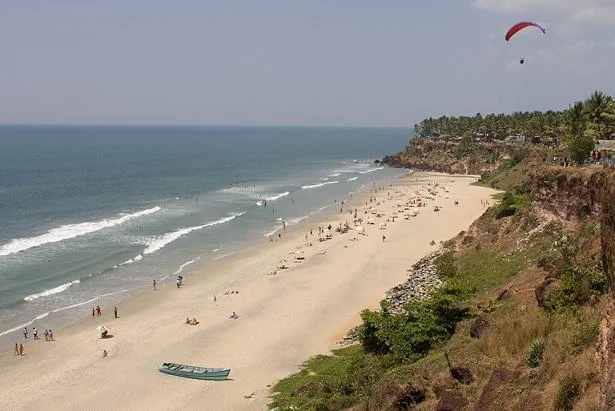
After offering prayers at Shree Janardhanaswamy Temple, take a holy dip at Papanasam Beach, explore Sivagiri Mutt, or tour Varkala.
Reaching Shree Janardhanaswamy Temple is very simple across Varkala in Kerala.
Best Time to Visit:
Explore more famous ancient Hindu temples, Vaishnavite shrines, and coastal pilgrimage landmarks across Kerala.
 Honeymoon
 Honeymoon
 Honeymoon
 Honeymoon
 Honeymoon
 Honeymoon
 ★ Hotel
Basuri Beach Resort is located in the Varkala Beach district in Varkala, Every room comes …
View Hotel Details ★★★ Hotel
The cliff top is an ideal place to watch the spectacular sunset, so as from the balconies …
View Hotel Details ★ Hotel
Featuring free WiFi, a restaurant and a terrace, Kaithakuzhi offers pet-friendly accommoda…
View Hotel Details ★ Hotel
Ela Inn Ayurveda operates a 24-hour front desk. Free Wi-Fi is available in all the areas. …
View Hotel Details ★ Hotel
Maadathil Cottages offers rooms in Varkala. Free Wi-Fi throughout and parking on site are …
View Hotel Details ★★ Hotel
Satta Beach Residence boasts a restaurant and free WiFi throughout the property. Free priv…
View Hotel Details Family
Sivagiri Mutt in Varkala (celebrated worldwide as the supreme spiritual headquarters of Ke…
Explore Sivagiri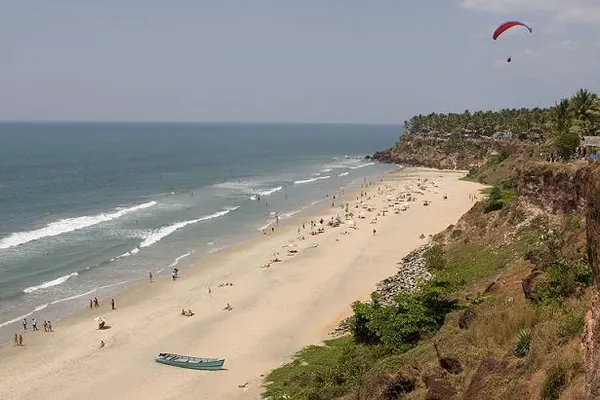 Honeymoon
Papanasam Beach in Varkala (celebrated across India as the sacred spiritual heart of Varka…
Explore Papanasam Beach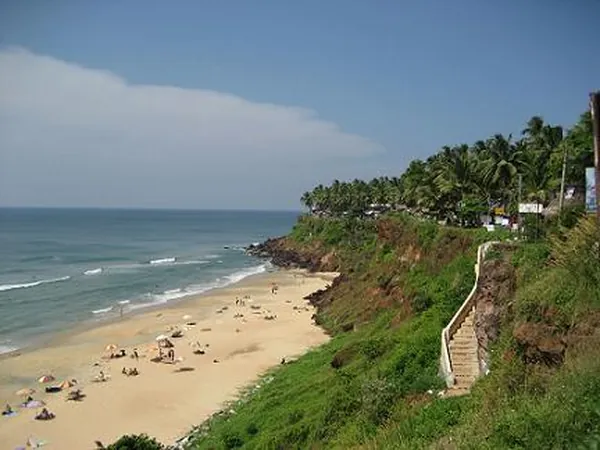 Honeymoon
Edava Beach in Varkala (celebrated across Kerala as one of the state's most secluded coast…
Explore Edava Beach
Family
Varkala Tunnel in Varkala (celebrated across southern India as 'Varkala Thurappu' and a mo…
Explore Varkala Tunnel
Honeymoon
Varkala Beach (globally celebrated as Papanasam Beach and the Red Cliffs of Varkala), maje…
Explore Varkala Beach
Family
Thiruvambadi Beach (popularly known as the Black Sand Beach of Varkala), situated just 1 k…
Explore Thiruvambadi Beach
Family
Anjengo Fort (historically known as Anchuthengu Fort), dramatically situated on a narrow c…
Explore Anjengo Fort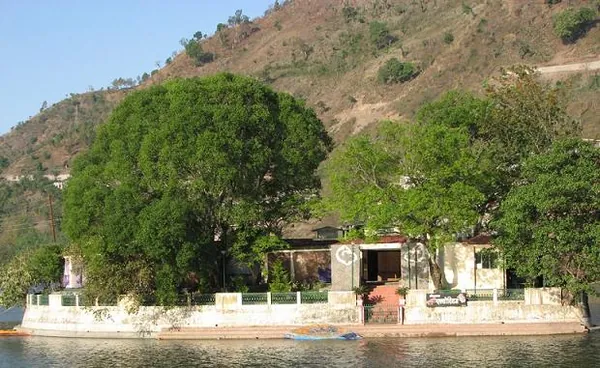 Family
Ponnumthuruthu (translating from Malayalam as Golden Island), situated in the peaceful fre…
Explore Ponnumthuruthu
Pilgrimage
Vishnu Temple (universally revered as Janardhana Swamy Temple or Varkala Temple), majestic…
Explore Vishnu TempleExplore high-resolution photographs of iconic landmarks, temples, and scenic spots in Varkala.
Essential visitor information regarding timings, entry tickets, location, nearby attractions, and travel guide in Varkala.
It is a 2,000-year-old Mahavishnu temple known as Dakshina Kasi, famous for its Vatta Sreekovil, Dutch bell, and ancestor Tharpanam rituals.
A Dutch captain presented the brass bell in 1757 in thanksgiving to Lord Janardhana after surviving a violent storm in the Arabian Sea.
Men must remove shirts and wear a traditional dhoti (mundu); women must wear sarees, set mundus, or traditional modest dresses.
The temple is open for morning darshan from 5:30 AM to 12:00 PM and for evening darshan from 5:00 PM to 8:00 PM daily.
The temple is perched on Temple Hill overlooking the sea, just 500 meters from Papanasam Beach and 2.5 km from the railway station.
Get a customized itinerary and the best deals on packages and hotels.
Enquire Now
Honeymoon
Honeymoon
Family
Honeymoon
Family