- .
- info@earthtrip.in
-
INR
-
USD
INR
USD
The Rock Cut Cave Temple (historically celebrated as Kaviyoor Thrikkakkudi Cave Temple or Kaviyoor Guha Kshethram), chiseled into a colossal natural granit...
The Rock Cut Cave Temple (historically celebrated as Kaviyoor Thrikkakkudi Cave Temple or Kaviyoor Guha Kshethram), chiseled into a colossal natural granite outcrop along the Manimala River valley in Kaviyoor just 10 km north of Chengannur in Kerala, is one of Kerala's oldest, most artistically refined, and archaeologically monumental monolithic cave shrines.
Dating back to the 8th century AD (circa 700 to 800 AD) during the early Chera and Ay dynasties, this centrally protected archaeological treasure represents the earliest surviving monolithic rock cut cave temple in the entire state of Kerala, displaying profound Pallava and early Pandya architectural influences.
It's the home of an authentic monolithic Shivalingam carved directly out of the living bedrock inside the square inner sanctum (Garbhagriha), monumental 5 foot-tall bas relief sculptures of celestial Dvarapala gatekeepers leaning gracefully on clubs in classical Tribhanga posture, an ancient seated Ganapathi relief, a calm meditating sage (Rishi), and an open pillared verandah facing the lush green river plains.
It represents a rich archaeological sanctuary where 8th century Dravidian rock architecture, sacred Shaivite cave traditions, classical Sanskrit iconographic aesthetics, and peaceful tropical rural beauty unite in Central Travancore.
Located in Kaviyoor along the Chengannur Thiruvalla route, it sits 10 km north of Chengannur Railway Station (CNGR), 6 km east of Thiruvalla, and 115 km south of Cochin International Airport (COK), easily accessible by private taxi, auto rickshaw, or local state transport bus.
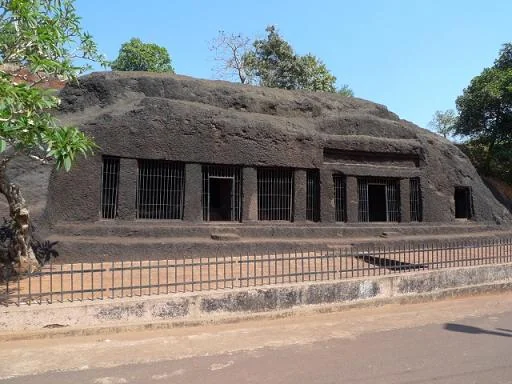
Carved out of a massive free standing granite boulder, the cave temple consists of a rectangular pillared hall (Ardha Mandapa) measuring nearly 20 feet wide that opens into a compact square sanctum sanctorum.
The architectural layout closely mirrors the rock cut cave traditions of Mahabalipuram in Tamil Nadu, proving the active maritime and artistic exchange that existed between the Chera rulers of Kerala and the Pallava dynasty during the early medieval era.
Truth is, the entire temple structure, including the ceiling, entrance pillars, guardian statues, and the central Shivalingam, was sculpted out of a single continuous piece of granite without adding any mortar or joints.

Bedrock Shivalingam: Inside the inner sanctum stands a 3 foot-tall cylindrical Shivalingam rising out of a circular stone Yoni Peetham carved directly from the cave floor, worshipped continuously for over 1,200 years.
The Meditating Rishi Relief: Carved into the western niche of the verandah is a peaceful seated figure of an ancient sage with a trimmed beard and crossed arms, widely considered by art historians as one of the finest portraits of a Vedic ascetic in Indian rock art.

The 5 Foot Dvarapalas: Flanking the sanctum doorway are two colossal gatekeepers wearing tall crown headdresses (Kirita mukuta) and elaborate ear ornaments, standing in relaxed postures that showcase the pinnacle of early South Indian rock sculpting.
Seated Lord Ganapathi: In the eastern alcove lies an exquisite relief of four armed Lord Ganesha with a gentle right curving trunk (Valampuri), holding his sweet modak and lotus bud in ancient classical proportions.
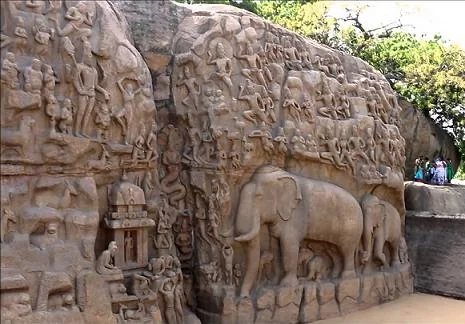
After exploring the Kaviyoor Rock Cut Cave Temple, visit the nearby 1,000 year-old Kaviyoor Mahadevar Temple dedicated to Lord Hanuman, tour the Chengannur Mahadeva Temple, or admire the handcrafted metal mirrors of Aranmula.
Reaching The Rock Cut Cave Temple in Kaviyoor is quick and convenient across Chengannur in Kerala.
Best Time to Visit:
Explore more famous ancient rock cut cave monuments and historic Dravidian temples across Kerala.
 Honeymoon
 Honeymoon
 Honeymoon
 Honeymoon
 Honeymoon
 Honeymoon
 ★★ Hotel
Purnami Hotel is strategically located at one of the beautiful location. This Hotel provid…
View Hotel Details ★★★★ Hotel
Hotel Elite Continental is a luxury hotel situated at the geographic centre of the Thiruva…
View Hotel Details ★★★ Hotel
Uniquely placed on the top three floors of a shopping mall, our fabulous Club 7 Thiruvalla…
View Hotel Details ★ Hotel
 ★★★ Hotel
Venice of the east has a crown on its eastern end as Chengannur, a beautiful land mixed wi…
View Hotel Details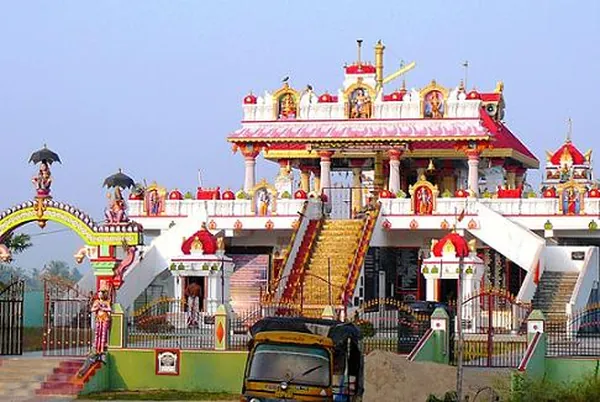 Family
Valiya Koyikkal Palace (celebrated across India as the sacred ancestral residence of the P…
Explore Valiya Koyikkal Palace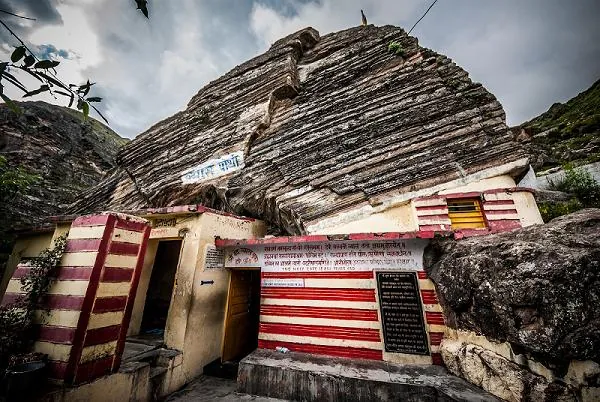 Family
Pandavanpara Temple (celebrated across Central Travancore as the sacred prehistoric rock c…
Explore Pandavanpara Temple Pilgrimage
Chengannur Mahadeva Temple (celebrated across India as the ancient primordial Shaivite sea…
Explore Chengannur Mahadeva Temple Pilgrimage
Chengannur Bhagavathy Temple (celebrated across India as the ancient Mahadeva Bhagavathy K…
Explore Chengannur Bhagavathy Temple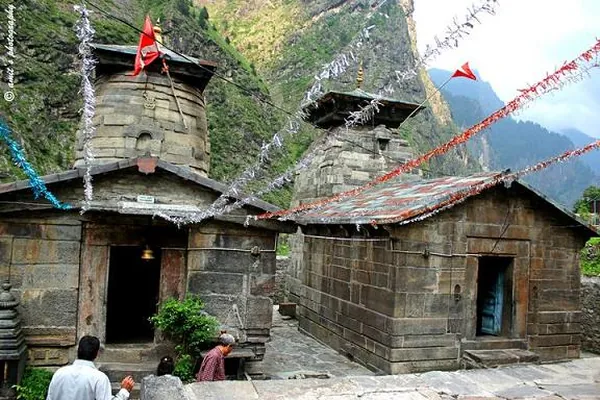 Pilgrimage
Aranmula Parthasarathy Temple (venerated as Thiruvaranmula Parthasarathy Temple), majestic…
Explore Aranmula Parthasarathy Temple
Pilgrimage
Thrichittatt Maha Vishnu Temple (venerated as Thrichittattu Imayavarappan Temple), situate…
Explore Thrichittatt Maha Vishnu Temple
Pilgrimage
Thiruvanvandoor Mahavishnu Temple (revered as Pambanaikkappan Temple), located along the s…
Explore Thiruvanvandoor Mahavishnu Temple
Pilgrimage
Puliyur Mahavishnu Temple (venerated as Thripuliyoor Mahavishnu Temple), located in the pe…
Explore Puliyur Mahavishnu Temple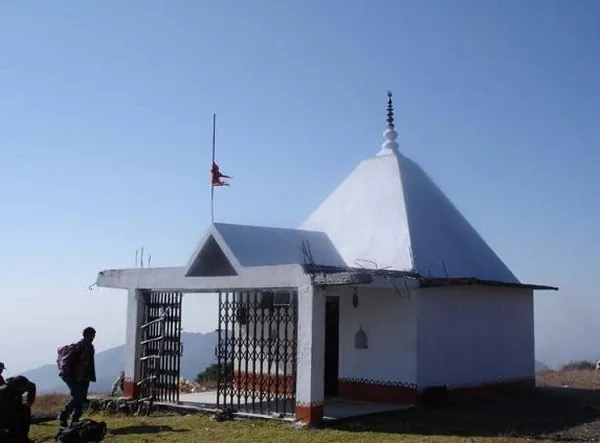 Pilgrimage
Puthukkulangara Devi Temple (revered as Puthukkulangara Sree Bhagavathy Temple), situated …
Explore Puthukkulangara Devi TempleExplore high-resolution photographs of iconic landmarks, temples, and scenic spots in Chengannur.
Essential visitor information regarding timings, entry tickets, location, nearby attractions, and travel guide in Chengannur.
Kaviyoor Rock Cut Cave Temple (8th century AD) is famous as Kerala's earliest surviving rock-cut cave monument, featuring a monolithic Shivalingam and Pallava-style sculptures.
Kaviyoor Rock Cut Cave Temple (8th century AD) is famous as Kerala's earliest surviving rock-cut cave monument, featuring a monolithic Shivalingam and Pallava-style sculptures.
The cave features 5-foot-tall Dvarapala gatekeepers, a seated Lord Ganesha relief, an ancient meditating sage (Rishi), and a monolithic bedrock Shivalingam.
The cave features 5-foot-tall Dvarapala gatekeepers, a seated Lord Ganesha relief, an ancient meditating sage (Rishi), and a monolithic bedrock Shivalingam.
It was carved in the 8th century AD (circa 700–800 AD) during the early Chera period, showcasing remarkable architectural similarities to Pallava cave art.
It was carved in the 8th century AD (circa 700–800 AD) during the early Chera period, showcasing remarkable architectural similarities to Pallava cave art.
The monument is open daily from 6:00 AM to 11:30 AM and 5:00 PM to 7:30 PM with free entry, protected by the State Archaeology Department.
The monument is open daily from 6:00 AM to 11:30 AM and 5:00 PM to 7:30 PM with free entry, protected by the State Archaeology Department.
The temple is located in Kaviyoor village, 6 km east of Thiruvalla and 10 km north of Chengannur Railway Station (approx 15 mins drive).
The temple is located in Kaviyoor village, 6 km east of Thiruvalla and 10 km north of Chengannur Railway Station (approx 15 mins drive).
Get a customized itinerary and the best deals on packages and hotels.
Enquire Now
Family
Family
Pilgrimage
Pilgrimage
Pilgrimage
Pilgrimage