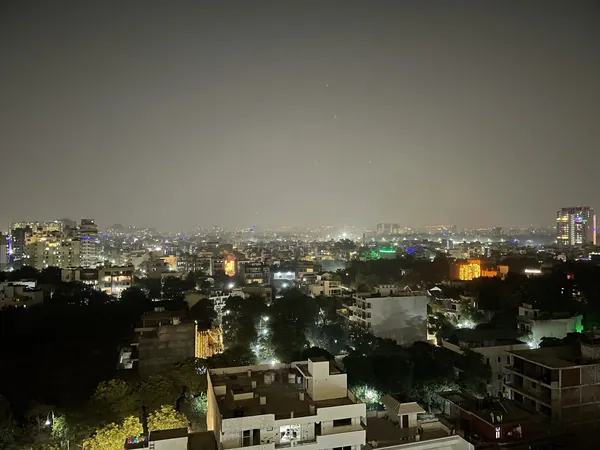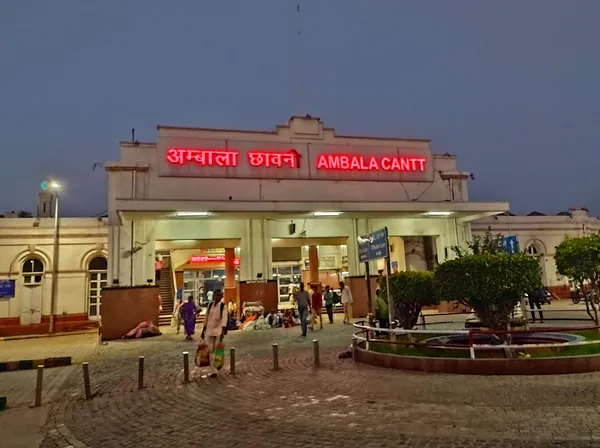
Hisar — Travel Guide
Hisar (historically founded in 1354 CE as 'Hisar-e-Firoza' (*Fort of Firoz*) by Sultan Firoz Shah Tughlaq, the ancient epicenter of the 5,000-year-old Harappan Indus Valley civilization at Rakhigarhi, the sacred seat of the Agrawal clan at Agroha Dham, and the thriving 'Steel City' and agricultural education capital of western Haryana at an elevation of 215 meters (705 ft) above sea level), is an unmatched medieval fort, Harappan archaeology, and Haryanvi cultural haven.
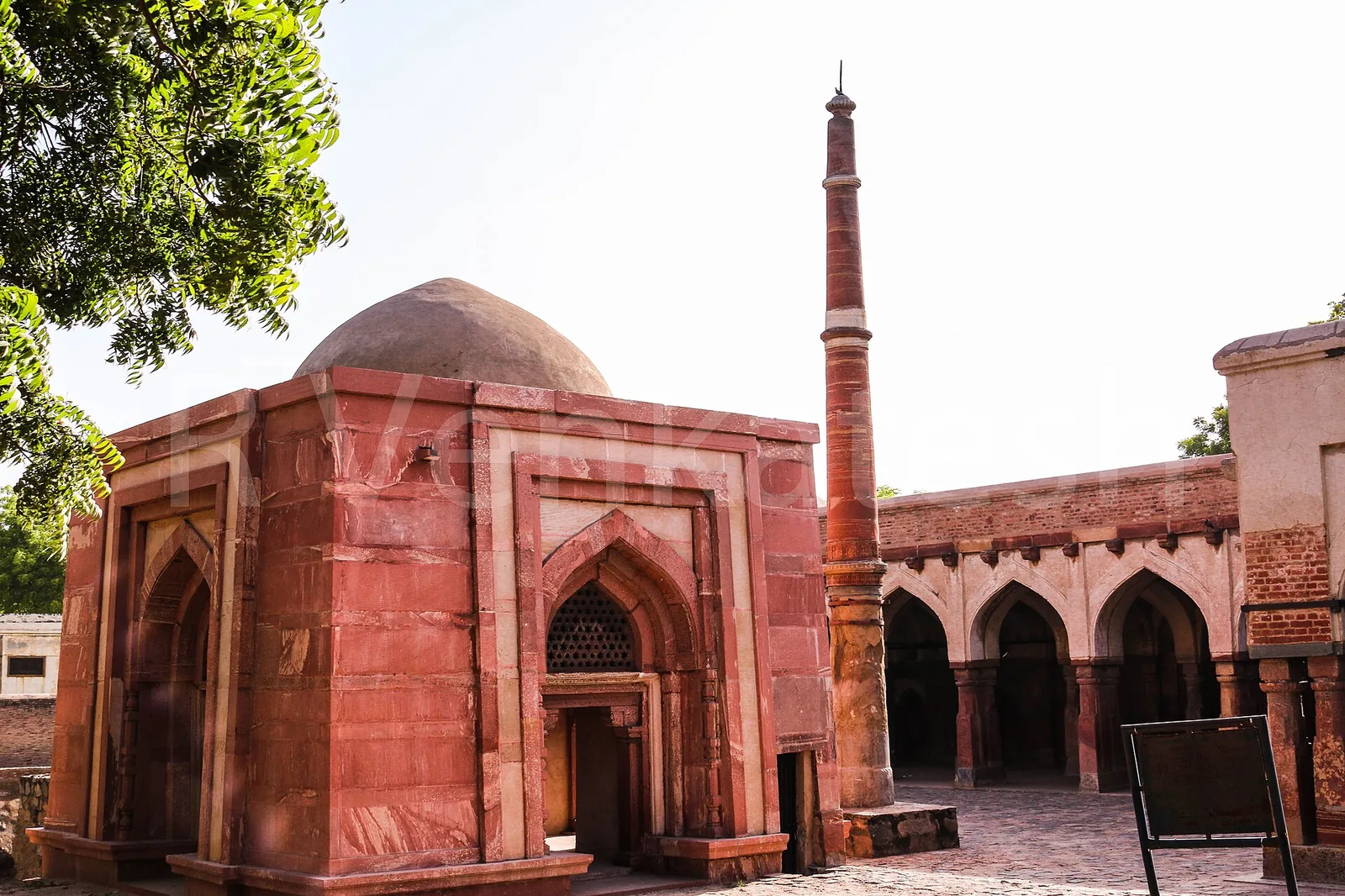 Firoz Shah Palace Complex — 1354 CE Tughlaq Citadel, Lat ki Masjid Ashokan Pillar, and Historic Ramparts in Hisar
Seamlessly uniting the majestic 14th-century rubblestone ramparts, subterranean maze of ventilated tehkhanas (summer cooling basements), Shahi Darwaza, Diwan-e-Aam, and ancient Ashokan iron pillar at Lat ki Masjid within Firoz Shah Palace Complex with the romantic red sandstone pavilions, carved stone jali windows, and underground royal bathing chambers of Gujri Mahal (built in 1356 CE for Firoz Shah's beloved pastoral queen Gujari), the grand white marble towers, Shakti Sarovar lake, and sacred shrines of Agroha Dham (venerating Maharaja Agrasen, Goddess Mahalakshmi, and Goddess Saraswati 22 km west), the awe inspiring archaeological mounds, street planning, bronze artifacts, and ancient drainage systems of Rakhigarhi (the largest Indus Valley Civilization metropolis spanning 350 hectares), the monumental 1304 CE Sultanate stone archway of Barsi Gate in historic Hansi, authentic Haryanvi-Jat culinary feasts featuring wholesome Bajra Khichdi (slow cooked pearl millet with moong dal and copious spoonfuls of fresh white butter Makhan), spicy Kachri ki Chutney (wild melon and red chili chutney), Besan Masala Roti with Aloo Gobi, creamy Bathua Raita, crisp Ghevar, rich Gond Ke Laddu, Doda Barfi, and clay kulhad hot sweet milk, and 4 lane National Highway NH-9 (Delhi-Hisar-Fazilka Highway) and electrified Northern Railway mainline connectivity directly linking national capital Delhi (165 km east via Rohtak expressway), cyber hub Gurgaon (175 km via Jhajjar-Rewari), industrial hub Faridabad (190 km), religious city Ambala (220 km), planned city Chandigarh (230 km via Kaithal), border hub Patiala (175 km), royal desert gateway Bikaner (310 km via Sirsa-Hanumangarh), and textile city Ludhiana (210 km), Hisar provides an extraordinary sanctuary of medieval Islamic forts, Harappan antiquities, Agrahar heritage, and authentic rustic Haryanvi warmth.
The city is famous globally for its Firoz Shah palace, Gujri Mahal, Agroha Dham, Rakhigarhi Harappan site, and Haryanvi culinary culture: the medieval citadel Firoz Shah Palace Complex & Lat ki Masjid (City Centre) (a 1354 CE fortress with Ashokan pillar, mosque, and tehkhanas), the royal monument Gujri Mahal (City Centre) (a 14th-century love pavilion for Queen Gujari), the grand pilgrim complex Agroha Dham (22 km west) (the spiritual headquarters of the Agrawal community), the world heritage archaeological site Rakhigarhi Indus Valley Civilization Site (55 km east) (largest Harappan metropolis on earth), the medieval gateway Barsi Gate & Hansi Fort (25 km east), the scenic urban wetland Blue Bird Lake (3 km), the bustling markets of Nagori Gate, Rajguru Market, Model Town & Auto Market, and Hisar's seamless connectivity along NH-9 to Delhi (165 km) and Gurgaon (175 km).
Serving as the historic powerhouse of Haryana's plains, Hisar is an indispensable destination for ancient history enthusiasts, archaeology students, architecture admirers, and North Indian foodies.
Best Time to Visit Hisar:
- October to March (Autumn & Winter / Best Season): Crisp, cool, and sunny weather (10°C to 24°C), ideal for exploring Firoz Shah Palace, touring Rakhigarhi excavation mounds, visiting Agroha Dham, and boating at Blue Bird Lake.
- April to June (Summer): Hot and dry (30°C to 45°C).
- July to September (Monsoon): Moderate rainfall (450 mm) bringing pleasant breaks to the western plains.
Famous Hisar, Haryana & Agrasen Culinary Specialties:
- Haryanvi Bajra Khichdi: The supreme rustic winter feast — crushed pearl millet and yellow moong dal slow cooked in clay handis, served piping hot with mounds of fresh white butter (makhan), jaggery (gur), and cold curd.
- Spicy Kachri ki Chutney: Tangy and fiery chutney pounded on sil batta using wild dried desert melons (kachri), garlic, and whole red chilies.
- Hisar Doda Barfi: The iconic regional sweet — thick, chewy, caramelized sprouted wheat and milk fudge garnished with pistachios and cashews.
- Besan Masala Roti & Bathua Raita: Spiced chickpea flour flatbreads served with cooling chenopodium leaf yogurt raita.
- Gond ke Laddu & Pinni: Rich winter energy sweets prepared with edible gum resin, dry fruits, desi cow ghee, and whole wheat flour.
- Clay Kulhad Badam Milk: Simmered rich buffalo milk infused with saffron, crushed almonds, and cardamom.
By Road (National Highway NH-9 - Delhi-Hisar Expressway Corridor):
- From Delhi (~165 km / 3 hours): Excellent 4 lane expressway drive via NH-9 passing through Bahadurgarh, Rohtak, Meham, and Hansi.
- From Gurgaon (~175 km / 3.5 hours): Via Jhajjar and Rohtak corridor.
- From Chandigarh (~230 km / 4.5 hours): Via NH-152 / NH-52 through Ambala, Kaithal, and Narwana.
- From Jaipur (~290 km / 5.5 hours): Via Jhunjhunu and Rajgarh.
- From Sirsa (~85 km / 1.5 hours): Direct highway on NH-9.
- Haryana Roadways and private luxury AC Volvo buses operate 24x7 express services connecting Hisar Interstate Bus Stand to Delhi (ISBT Kashmiri Gate), Chandigarh (ISBT Sector 17/43), Jaipur, Gurgaon, Ambala, and Ludhiana.
By Train (Headquarters of Hisar Railway Junction - North Western Railway):
- Hisar Junction Railway Station (Station Code: HSR): Major railway junction connecting Delhi, Punjab, and Rajasthan, halting Vande Bharat Express (Delhi Hisar proposed / Delhi Sarai Rohilla connections), Gorakhdham Express, Kisan Express, Hisar Mumbai Express, and Sirsa Express.
By Air:
- Maharaja Agrasen Airport Hisar (HSR / Integrated Aviation Hub): Expanding domestic airport.
- Indira Gandhi International Airport Delhi (160 km east via NH-9): Full domestic and international flights.
Shopping in Hisar features signature Doda Barfi, Phulkari dupattas, and pure ghee:
- Rajguru Market, Nagori Gate, Cloth Market, Camp Chowk & Model Town: Authentic **Original Boxed Hisar Doda Barfi & Pinni (Kishan Lal Sweets, Bikaner Misthan Bhandar)**, handcrafted **Haryanvi Embroidered Phulkari Dupattas & Shawls**, pure **Desi Cow Ghee & Organic Jaggery (Gur)**, traditional **Hand-Woven Cotton Durries & Khes Blankets**, and **Traditional Brassware & Utensils**.
Must-Visit Places in Hisar
Hisar features 14th-century Tughlaq palace citadels, 5,000-year-old Harappan metropolises, Agrahar temples, and Sultanate gates:
1. Firoz Shah Palace Complex & Lat ki Masjid (1354 CE Tughlaq Citadel - City Centre)
A formidable medieval fortress built in 1354 AD by Sultan Firoz Shah Tughlaq using red stone and dressed rubble. Features the Shahi Darwaza, the Diwan-e-Aam audience hall, three-tiered underground tehkhanas (summer cooling basements), and the Lat ki Masjid mosque housing an ancient Ashokan monolithic pillar.
Firoz Shah Palace Complex — 1354 CE Tughlaq Citadel, Lat ki Masjid Ashokan Pillar, and Royal Tehkhanas
2. Gujri Mahal & Royal Underground Chambers (1356 CE Sultanate Queen Pavilion - City Centre)
An exquisite royal palace pavilion constructed in 1356 AD by Firoz Shah Tughlaq for his beloved local Gurjar queen Gujari. Built with red sandstone pillars taken from ancient Hindu temples, it features ornate latticed jali windows, underground royal hamams (baths), and a scenic terraced roof.
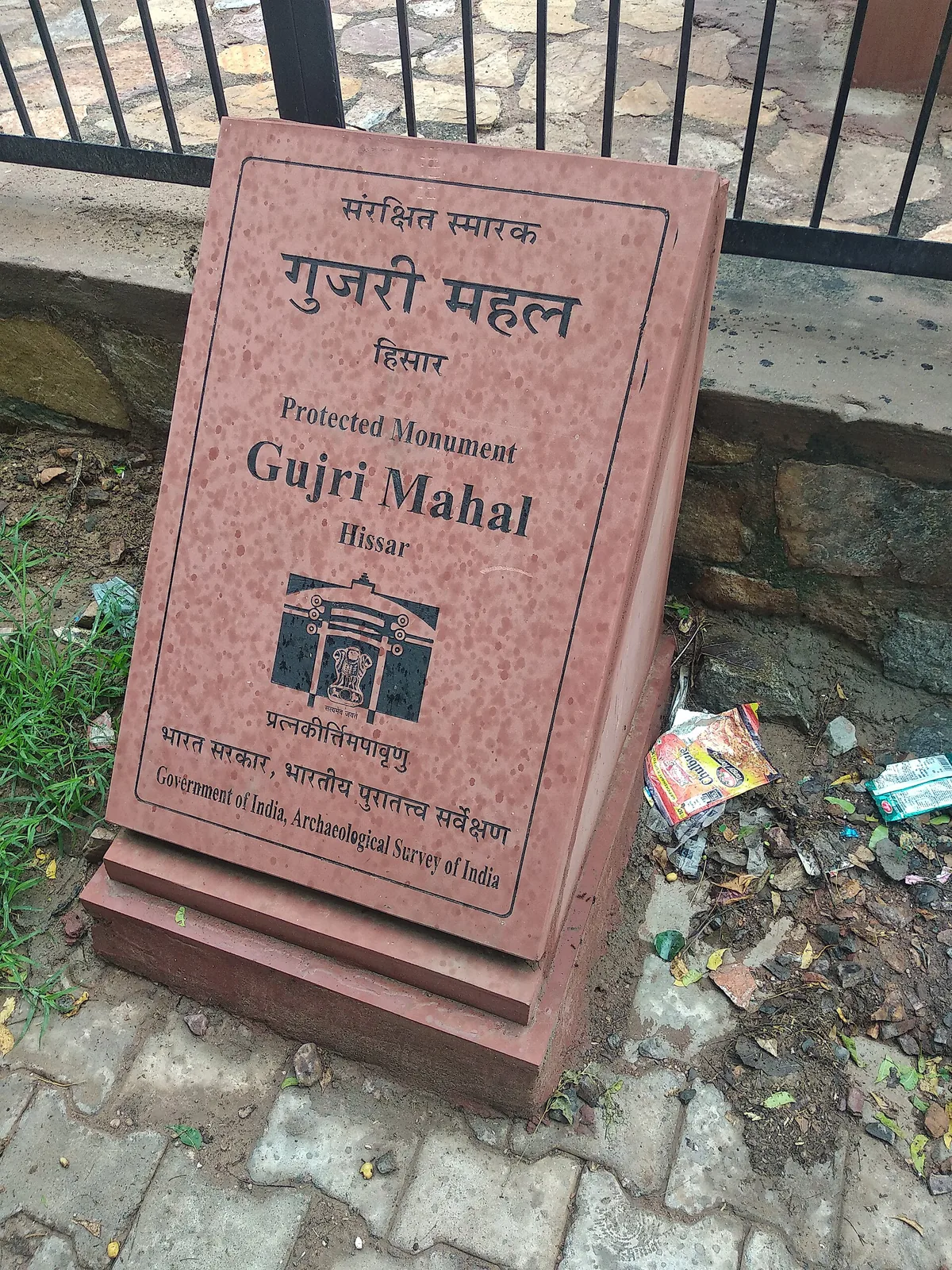 Gujri Mahal — 1356 CE Sultanate Love Pavilion, Red Sandstone Jali Work, and Royal Chambers
3. Agroha Dham Temple Complex & Shakti Sarovar (Grand Maharaja Agrasen Shrine - 22 km)
A grand white marble temple and pilgrimage complex in the historic town of Agroha, the ancient capital of King Agrasen. Features magnificent temple spires dedicated to Goddess Mahalakshmi, Goddess Saraswati, and Maharaja Agrasen, alongside the sacred Shakti Sarovar lake and amusement park.
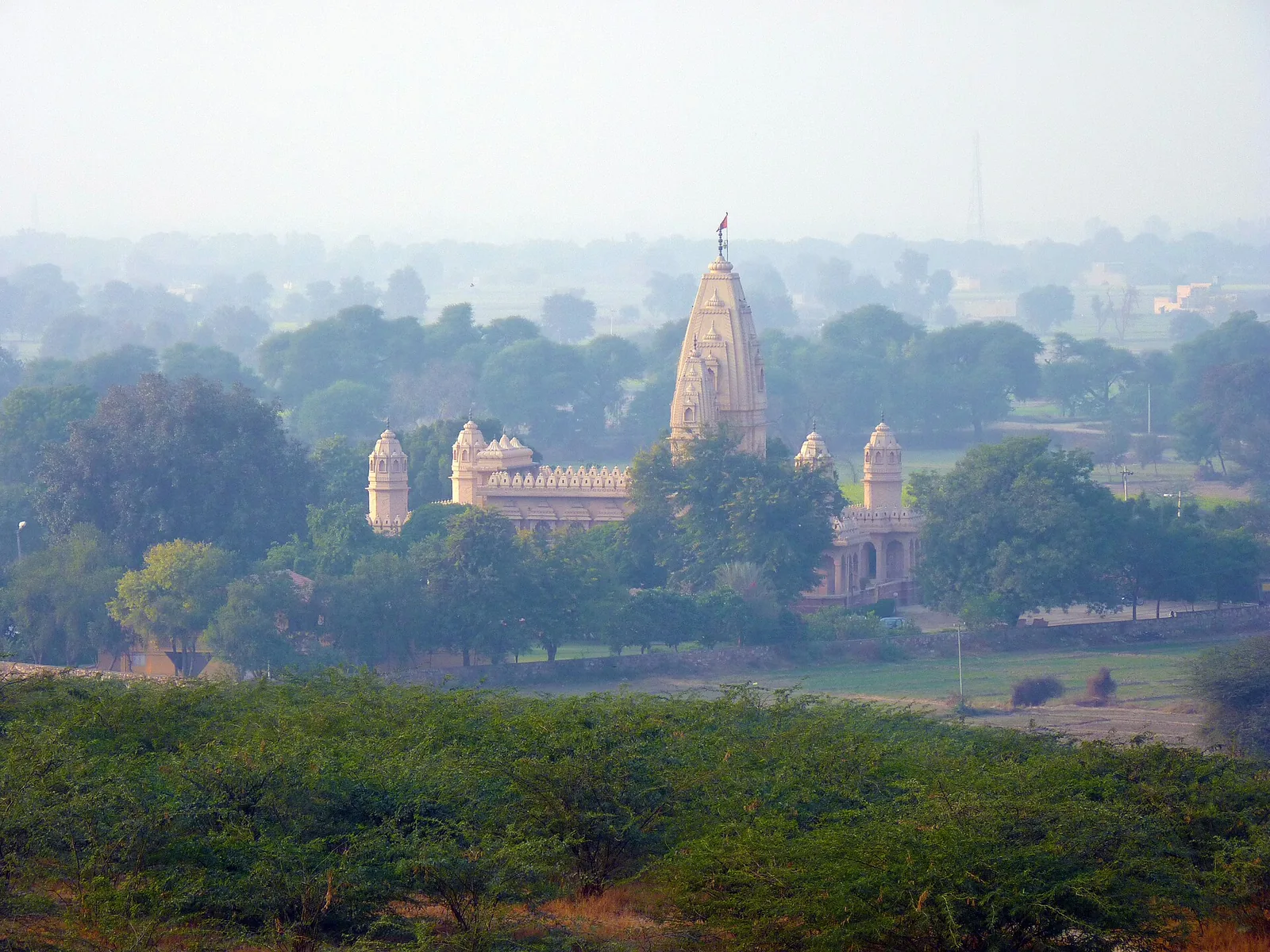 Agroha Dham — Grand White Marble Pilgrimage Complex of Maharaja Agrasen and Shakti Sarovar
4. Rakhigarhi Indus Valley Archaeological Site (Largest Harappan Civilization Metropole - 55 km)
The largest Harappan civilization archaeological metropolis on earth, spanning over 350 hectares across multiple ancient mounds. Dating from 6500 BCE to 1900 BCE, it features excavated mud brick houses, advanced underground drainage systems, granaries, terracotta pottery, seals, and a site museum.
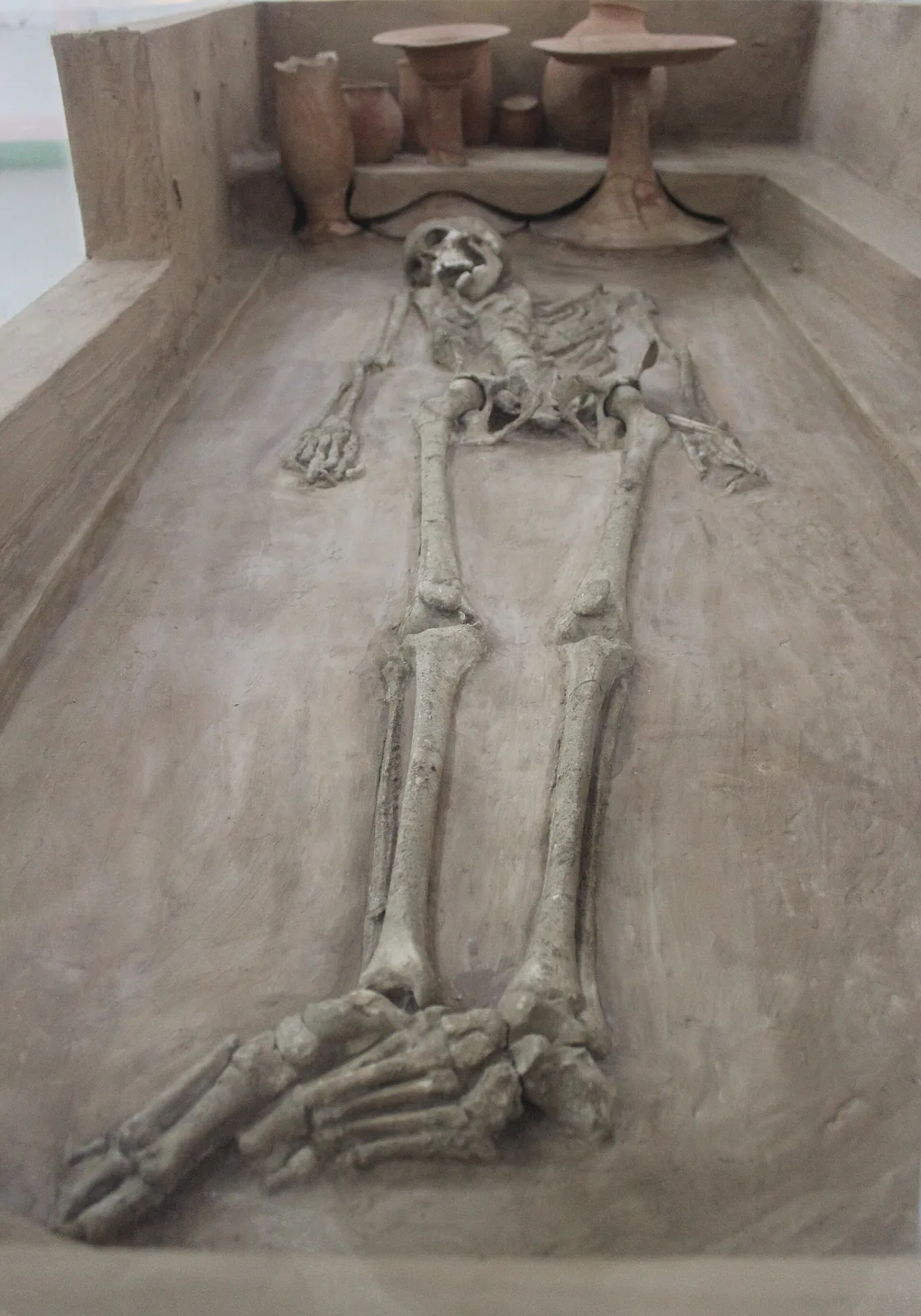 Rakhigarhi Archaeological Site — World's Largest Harappan Metropolis and 5,000-Year-Old Excavation Mounds
5. Barsi Gate & Ancient Hansi Fort (1304 CE Sultanate Stone Gate - 25 km)
A monumental 30-meter high stone gateway built in 1304 AD during Alauddin Khalji's reign, serving as the southern entrance to the walled fortress city of Hansi. Renowned for its intricate pointed Islamic arches, floral medallions, and Hindi-Persian inscriptions.
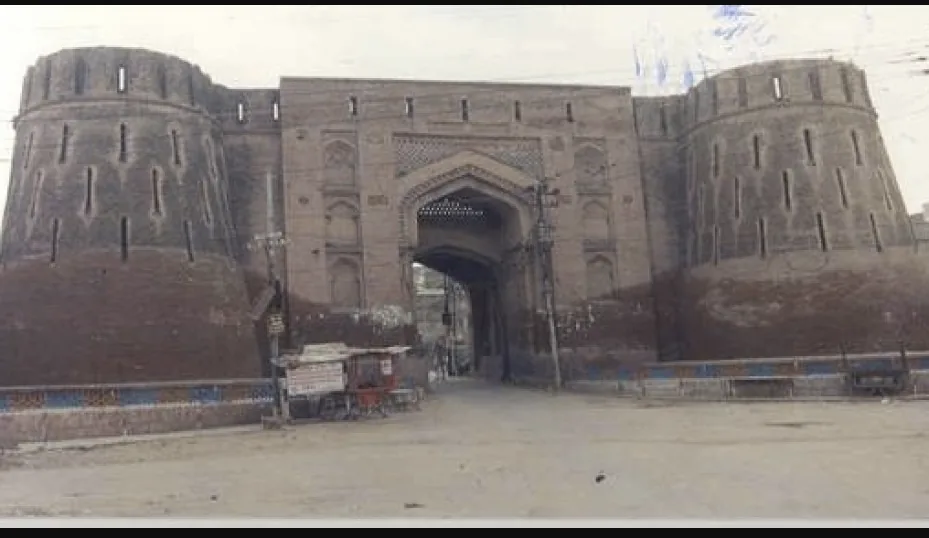 Barsi Gate — 1304 CE Monumental Sultanate Stone Gateway and Historic Hansi Fortifications
6. Blue Bird Lake & Boating Complex (Scenic 52-Acre Urban Wetland & Migratory Birds - 3 km)
A scenic 52-acre freshwater lake and recreation park situated along NH-9, offering paddle boating, lush island gardens, jogging tracks, and winter birdwatching for migratory ducks and pelicans.
7. St. Thomas Church (1864 CE Victorian Gothic Architecture - Near Railway Station)
A historic 1864 Victorian Gothic church constructed of red burnt bricks, featuring antique Belgian stained glass panels and towering belfry spires.
8. Jahaj Kothi Museum & George Thomas Residence (18th-Century Ship-Shaped Manor - City Outskirts)
A curious 18th century ship shaped heritage building built by Irish adventurer George Thomas (who ruled Hansi as an independent king), now housing an archaeology museum.
9. Rajguru Market & Nagori Gate Bazaars (Traditional Haryanvi Sweets, Textiles & Handlooms)
The bustling central shopping heart of Hisar, famed for pure desi ghee Doda Barfi, handmade cotton khes blankets, and traditional brass utensils.
Popular Hotels in Hisar
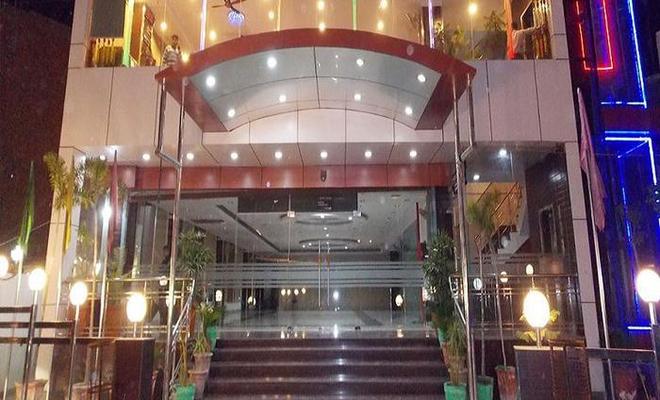 Hotel
Hotel
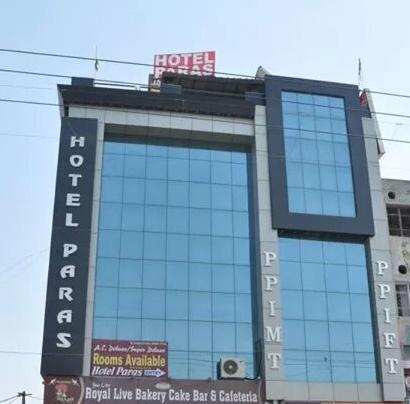 Hotel
Hotel
Top Places to Visit in Hisar


Hisar Photo Gallery & Attractions
Explore high-resolution photographs of iconic temples, historical monuments, and scenic landmarks in Hisar.
Plan Your Hisar Trip Now
Get the best verified hotel deals and customized tour packages. Book directly on EarthTrip and save up to 45%!