- .
- info@earthtrip.in
-
INR
-
USD
INR
USD
Vellore Fort (celebrated globally as one of the most formidable, perfectly preserved, and historically momentous 16th century stone citadels in South Asia,...
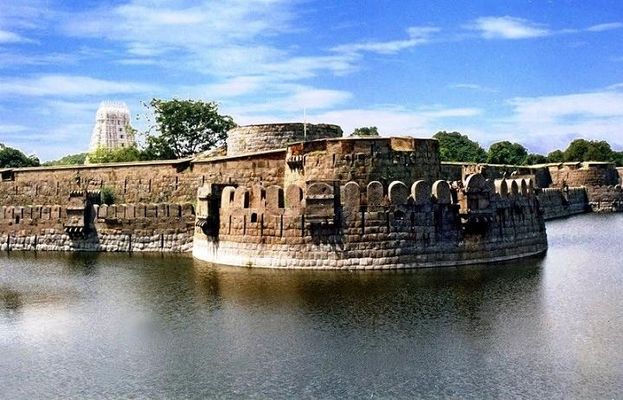
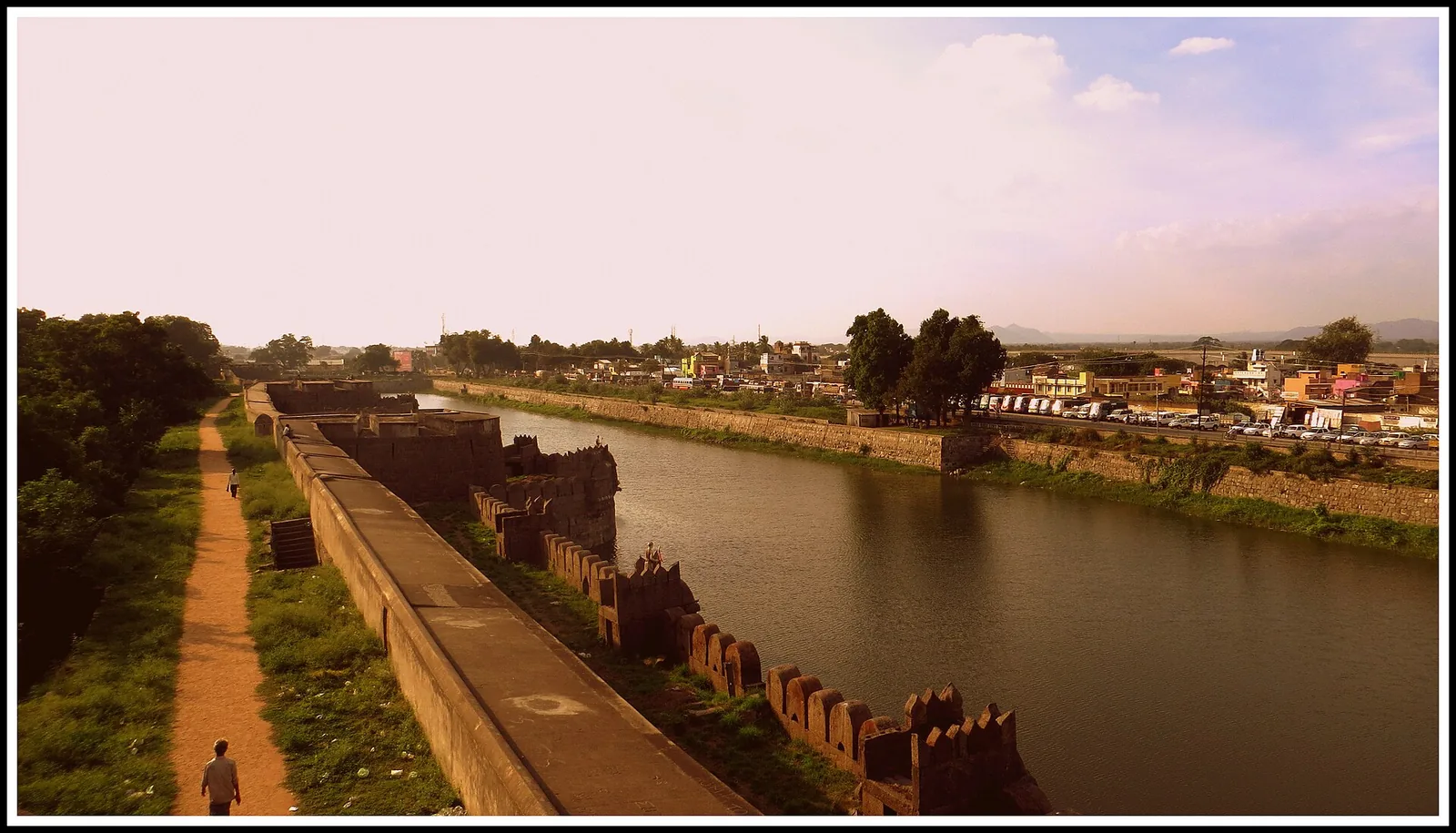
Vellore Fort (celebrated globally as one of the most formidable, perfectly preserved, and historically momentous 16th century stone citadels in South Asia, famed for its massive double walled granite battlements surrounded by a deep 191 foot wide aquatic moat once teeming with thousands of ferocious predatory crocodiles), situated in the very center of Vellore in Tamil Nadu, is one of India's most architecturally astonishing, militarily impregnable, and culturally diverse military strongholds.
Constructed in 1566 AD under Chinna Bommi Nayaka and Thimma Reddy Nayaka (feudatories to the Vijayanagara Empire), this 133 acre granite bastion served successively as the royal capital of the final Vijayanagara Aravidu dynasty, a Maratha military citadel under Chhatrapati Shivaji, a Bijapur Sultanate stronghold, a Carnatic Nawab capital, and a major British East India Company cantonment that witnessed the heroic 1806 Vellore Sepoy Mutiny, India's very first organized military uprising against British rule, occurring 51 years before the 1857 revolt.
It's the home of the massive 30 foot high ashlar granite stone ramparts engineered to withstand heavy cannon fire, the wide encircling moat filled with aquatic birds and blooming water lilies, the 16th century architectural crown jewel Jalakandeswarar Temple with its world renowned Vijayanagara Kalyana Mandapam, the historic Tipu Mahal and Hyder Mahal palaces where the exiled family and children of Tipu Sultan were held captive after the fall of Srirangapatna in 1799, the grand Anglican St. John's Church established in 1846 by the Government of Madras, the 18th century Nawab Chanda Sahib Grand Mosque, the 1806 Sepoy Mutiny Memorial Column, the Government State Archaeological Museum housing rare Pallava, Chola, and Nayaka stone bronzes, cannons, and royal coins, and an impressive historical atmosphere where centuries of dynastic warfare and religious harmony co exist inside a single fortress.
It represents a rich Vijayanagara military architecture, 1806 Indian freedom struggle history, and multi faith heritage sanctuary where granite battlements, crocodile moats, Hindu temples, British churches, and Islamic palaces unite inside Vellore Fort.
Located in the center of Vellore town, it sits just 2 km from Vellore Town Railway Station, 6 km from Katpadi Junction Railway Station (KPD), 135 km from Chennai International Airport (MAA), and 210 km from Bengaluru Kempegowda International Airport (BLR), easily accessible by road, public buses, and local auto rickshaws.
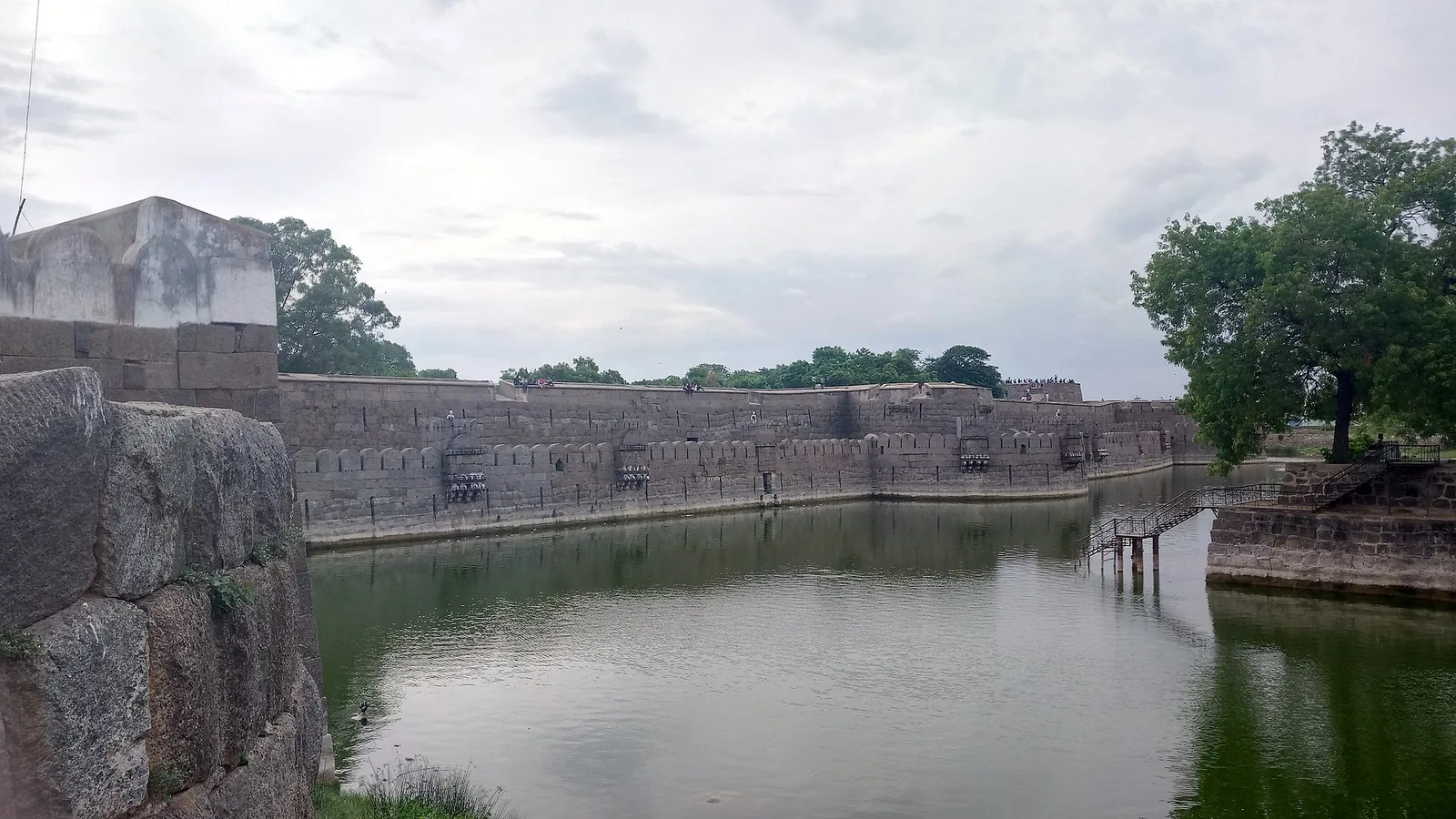
On July 10, 1806, Indian sepoys stationed inside Vellore Fort rose in armed rebellion against British East India Company officers over offensive dress codes.
The mutineers took control of the fort and raised the royal tiger flag of Tipu Sultan over the ramparts before British reinforcements arrived from Arcot.
Truth is, walking through the massive iron fort gates while reflecting on the courageous 1806 rebellion gives goosebumps.
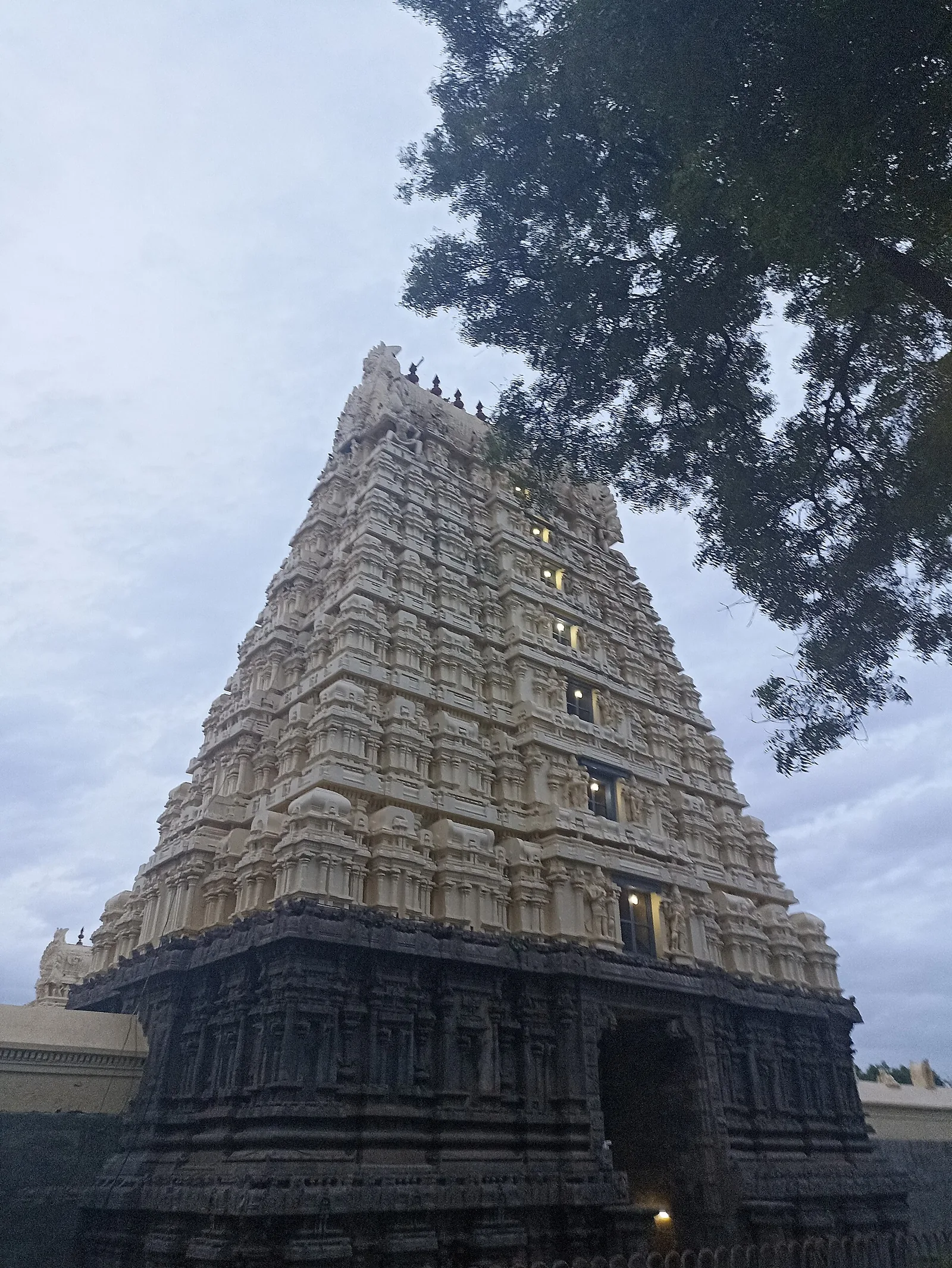
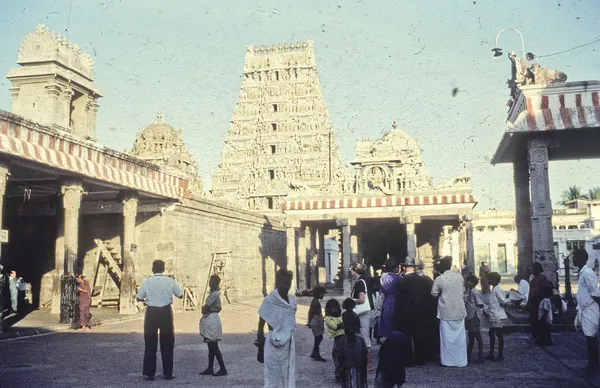
Jalakandeswarar Temple: The fort houses the famous 16th century Vijayanagara Shiva temple with the world famous Kalyana Mandapam stone carvings.
Mosque & St. John's Church: Within the same ramparts stand an active Nawab mosque and the 1846 British St. John's Church, creating a rare symbol of religious unity.
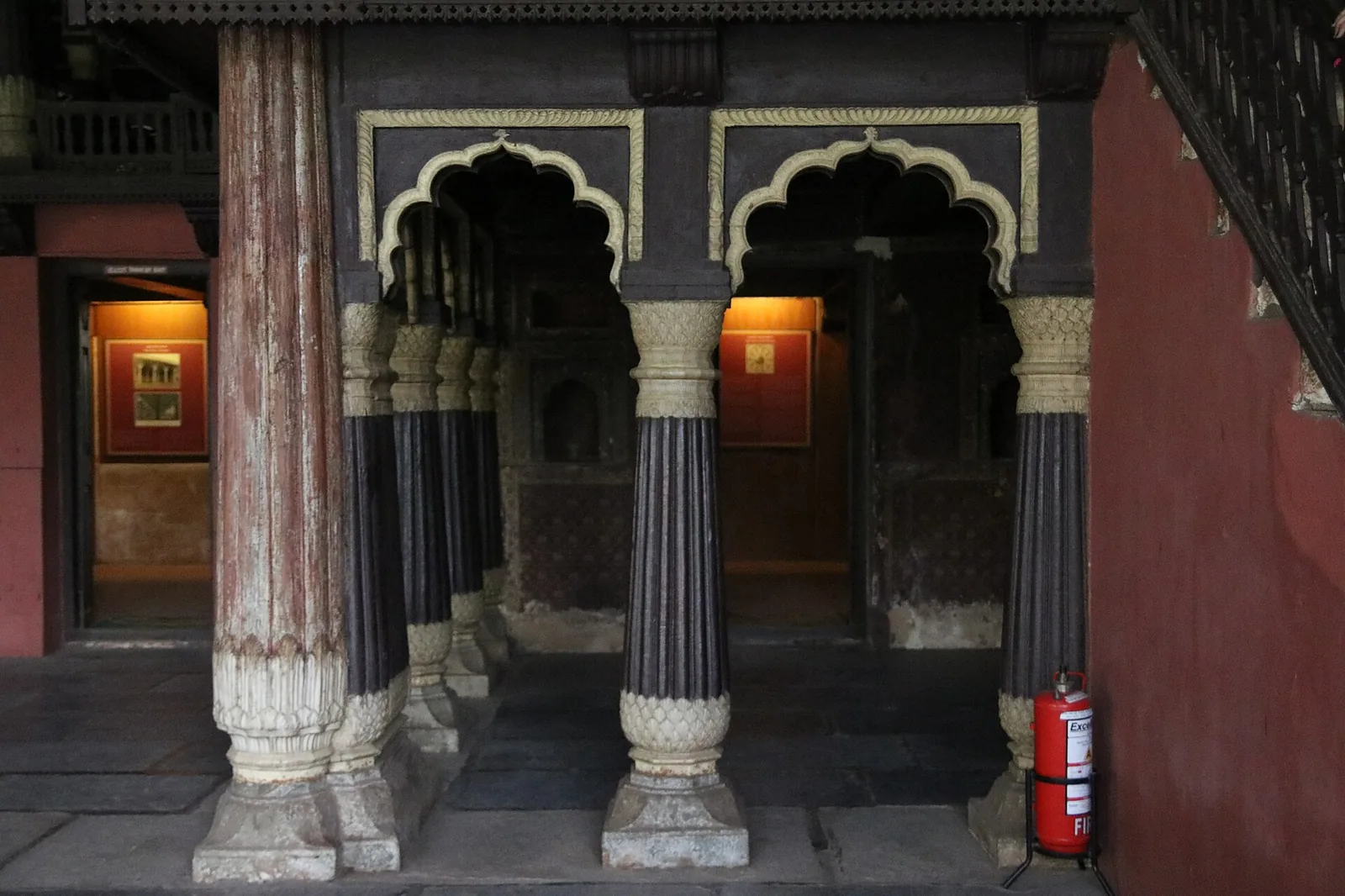
Tipu Sultan's Royal Family: After Tipu Sultan's defeat in 1799, his twelve sons, daughters, and zenana were imprisoned inside the fortified Tipu Mahal palace.
Government Museum: The on site museum displays 400 year-old cannons, Vijayanagara armor, antique coins, and rare stone sculptures excavated across northern Tamil Nadu.
After exploring the sprawling ramparts of Vellore Fort, pray at Sripuram Golden Temple, take a scenic weekend excursion to Yelagiri Hills, or visit Delhi Gate in Arcot.
Reaching Vellore Fort in Tamil Nadu is very simple across Vellore in Tamil Nadu.
Best Time to Visit:
Explore more famous historical forts, Vijayanagara monuments, and heritage citadels across Tamil Nadu.
 Family
 Family
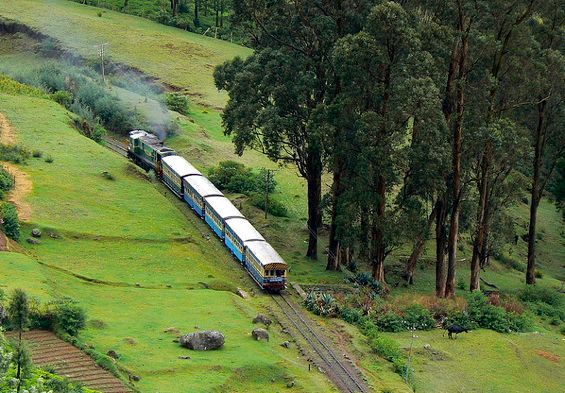 Honeymoon
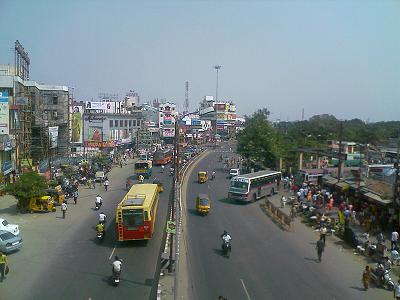 Family
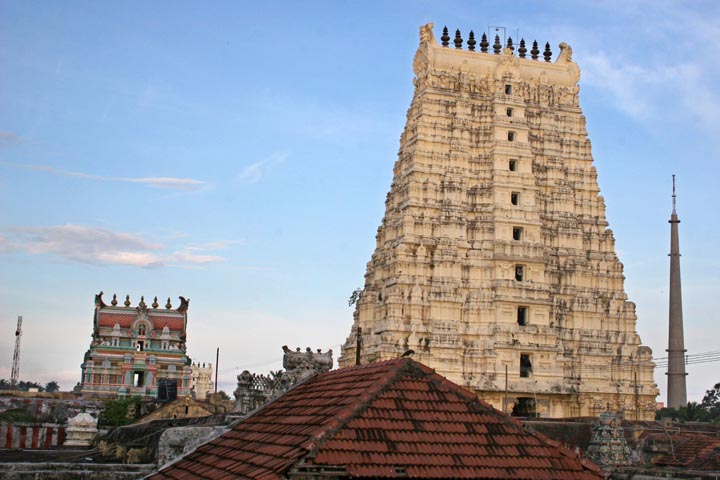 Pilgrimage
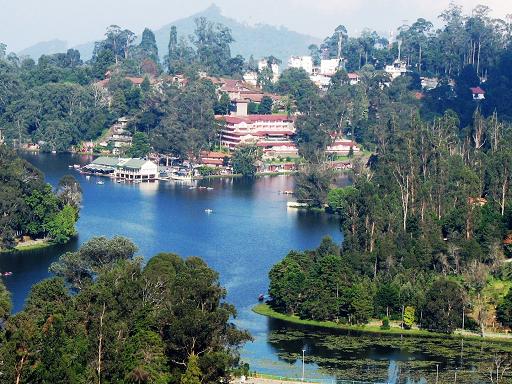 Family
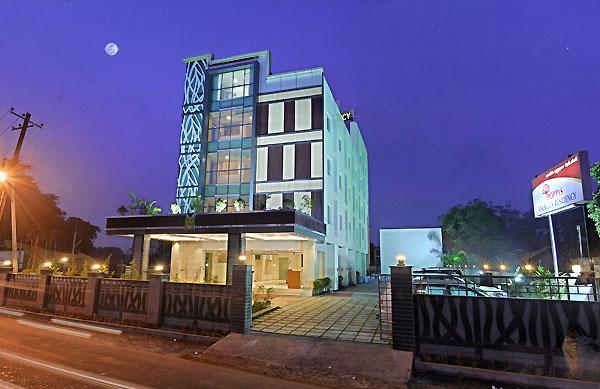 ★★★ Hotel
Offers guests a contemporary selection of accommodation and lifestyle preferences, promisi…
View Hotel Details ★★ Hotel
Sri Srinivasar Residency is a premium hotel less than 3 km from Katpadi Junction. The Hote…
View Hotel Details ★★★ Hotel
Khanna Fiesta is a simple yet modern hotel with innovative interiors and inspiring ambianc…
View Hotel Details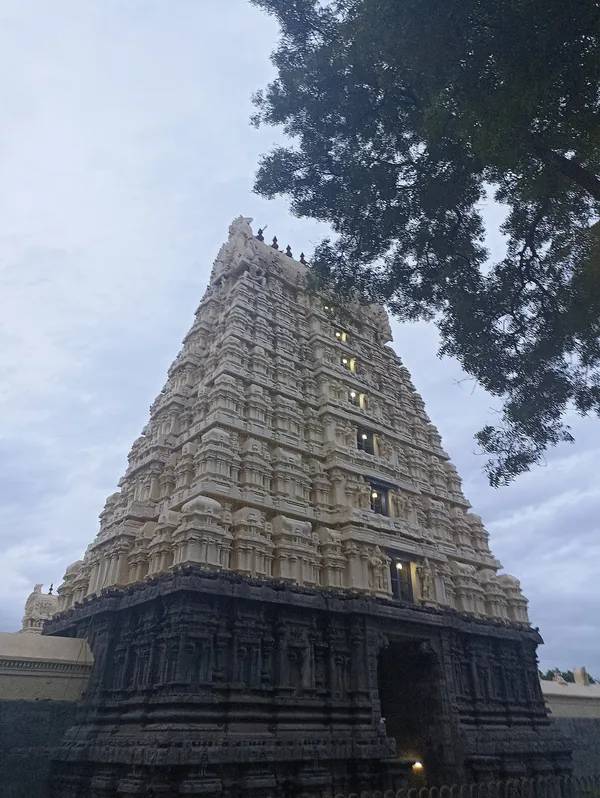 Attraction
Jalakandeswarar Temple inside Vellore Fort (celebrated internationally as the supreme pinn…
Explore Jalakandeswarar Temple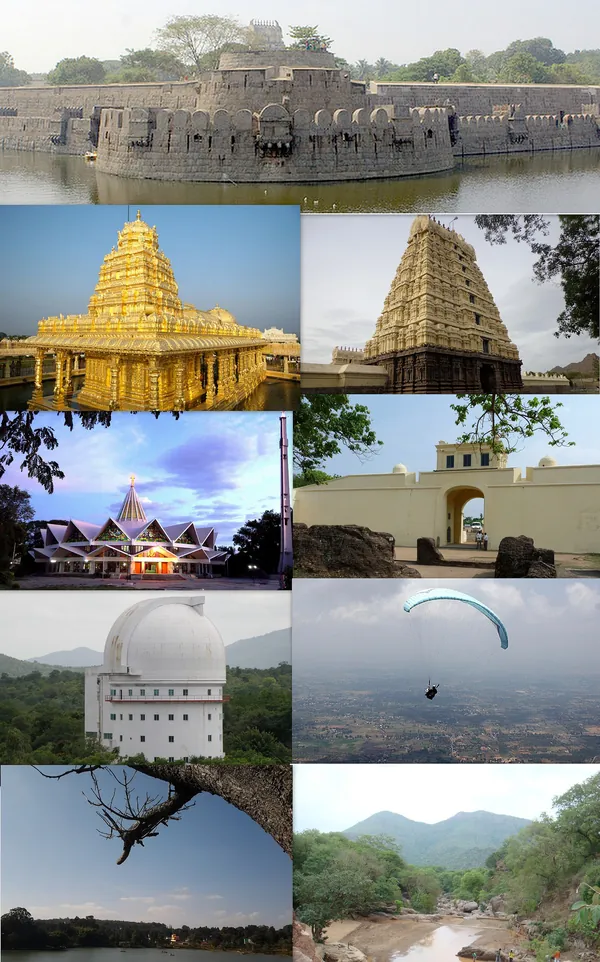 Attraction
Sripuram Sri Lakshmi Narayani Golden Temple in Malaikodi near Vellore (celebrated globally…
Explore Srilakshmi Golden Temple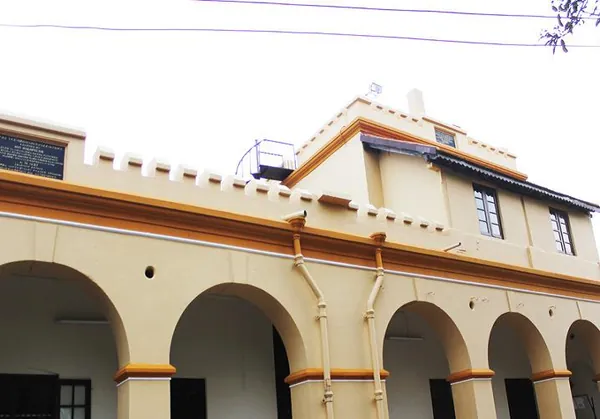 Attraction
Vainu Bappu Observatory in Kavalur near Vellore (celebrated internationally as one of Asia…
Explore Vainu Bappu Observatory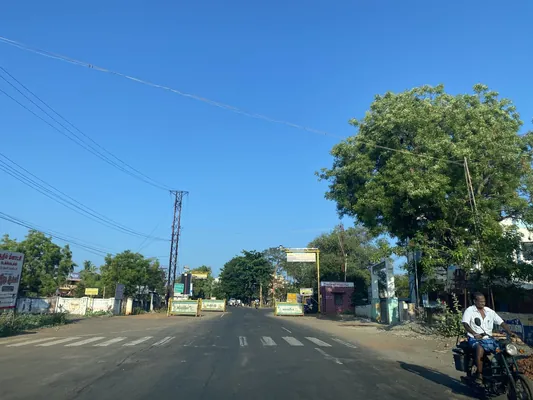 Attraction
Yelagiri Hills near Vellore (celebrated across Tamil Nadu and South India as the 'Poor Man…
Explore Yelagiri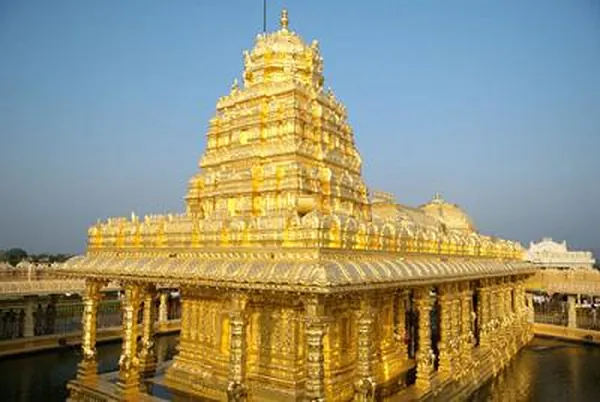 Attraction
Delhi Gate in Arcot near Vellore (celebrated internationally as the historic surviving gat…
Explore Delhi Gate (Vellore)Explore high-resolution photographs of iconic landmarks, temples, and scenic spots in Vellore.
Essential visitor information regarding timings, entry tickets, location, nearby attractions, and travel guide in Vellore.
Vellore Fort is a 16th-century Vijayanagara granite fort famous for its massive double battlements, crocodile moat, and the 1806 Vellore Sepoy Mutiny.
Vellore Fort is a 16th-century Vijayanagara granite fort famous for its massive double battlements, crocodile moat, and the 1806 Vellore Sepoy Mutiny.
The fort was built in 1566 AD by Chinna Bommi Nayaka and Thimma Reddy Nayaka, feudatories of the Vijayanagara Empire.
The fort was built in 1566 AD by Chinna Bommi Nayaka and Thimma Reddy Nayaka, feudatories of the Vijayanagara Empire.
Inside the fort stand the Jalakandeswarar Temple, St. John's Church (1846), a historic mosque, Tipu Mahal, and the Government Archaeological Museum.
Inside the fort stand the Jalakandeswarar Temple, St. John's Church (1846), a historic mosque, Tipu Mahal, and the Government Archaeological Museum.
On July 10, 1806, Indian sepoys launched India's first organized armed rebellion against the British East India Company, 51 years before the 1857 Revolt.
On July 10, 1806, Indian sepoys launched India's first organized armed rebellion against the British East India Company, 51 years before the 1857 Revolt.
The fort complex is open daily from 6:00 AM to 8:00 PM with free admission; the Archaeological Museum operates 9:00 AM to 5:00 PM (closed Mondays).
The fort complex is open daily from 6:00 AM to 8:00 PM with free admission; the Archaeological Museum operates 9:00 AM to 5:00 PM (closed Mondays).
Get a customized itinerary and the best deals on packages and hotels.
Enquire Now
 City Guide
 City Guide
 City Guide
 City Guide