- .
- info@earthtrip.in
-
INR
-
USD
INR
USD
Jalakandeswarar Temple inside Vellore Fort (celebrated internationally as the supreme pinnacle of late Vijayanagara stone architecture, featuring the world...
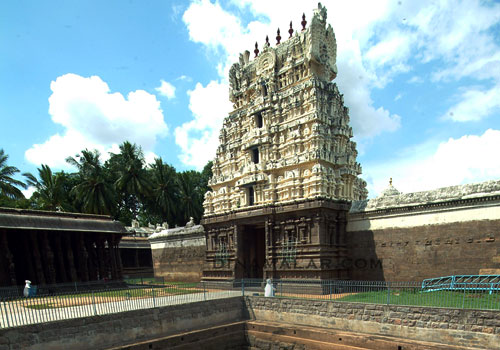
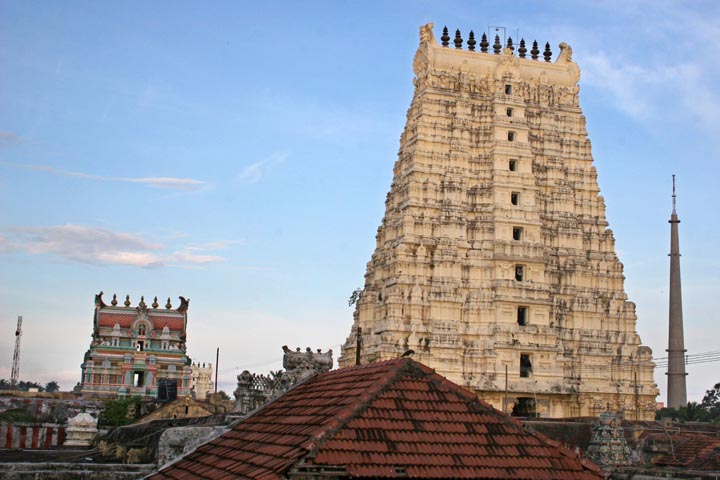
Jalakandeswarar Temple inside Vellore Fort (celebrated internationally as the supreme pinnacle of late Vijayanagara stone architecture, featuring the world renowned Kalyana Mandapam marriage pavilion praised by European art historian James Fergusson as having 'no equal in the world' for its intricate granite carvings of rearing Yali mythical beasts and multi layered monolithic pillars), situated within the massive double walled moated ramparts of Vellore Fort in the heart of Vellore in Tamil Nadu, is one of India's most architecturally astonishing, historically resilient, and spiritually venerated Lord Shiva temples.
Built in the mid 16th century (circa 1550 AD) under Chinna Bommi Nayaka and Thimma Reddy Nayaka (chieftains subordinate to Vijayanagara Emperor Sadasiva Deva Raya), the temple is dedicated to Lord Shiva as 'Jalakandeswarar' (meaning 'Lord Shiva Residing in Water'), named after the sacred perennial subterranean natural water spring located directly beneath the sanctum's ancient self manifested Shiva Lingam.
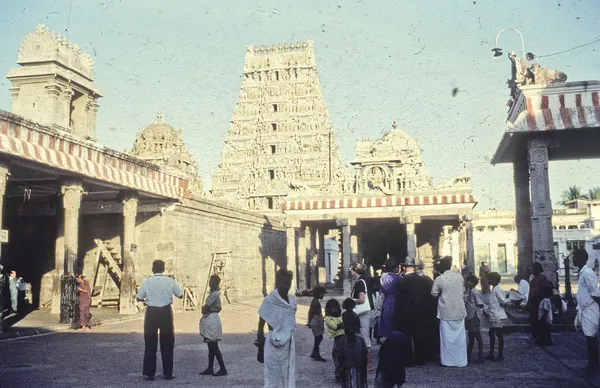
It's the home of the seven tiered 100 foot entrance Rajagopuram soaring gracefully above the fort battlements, the peerless Kalyana Mandapam featuring monolithic stone pillars depicting warrior horsemen, charging Yalis, dancing damsels, intricate lotus ceiling rosettes, and hollow rotating stone rings carved from single granite slabs, the inner sanctum of Lord Jalakandeswarar and his divine consort Goddess Akilandeshwari, the historic Ganga Gauri sacred water tank, the legendary story of its 400 year desecration during foreign occupations and its triumphant peaceful reconsecration (Kumbhabhishekam) by thousands of devotees in 1981, and a spiritually electrifying Dravidian temple atmosphere where the resonance of temple bells merges with the grandeur of stone fort ramparts.
It represents a rich Vijayanagara sculptural heritage, Nayaka granite craftsmanship, and Saivite spiritual sanctuary where monolithic Yali pillars, sacred water lingams, Vijayanagara battlements, and Akilandeshwari grace unite inside Vellore Fort.
Located inside Vellore Fort in the center of Vellore town, it sits just 2 km from Vellore Town Railway Station, 6 km from Katpadi Junction Railway Station (KPD), 135 km from Chennai International Airport (MAA), and 210 km from Bengaluru Kempegowda International Airport (BLR), easily accessible on foot, auto rickshaws, and city buses.
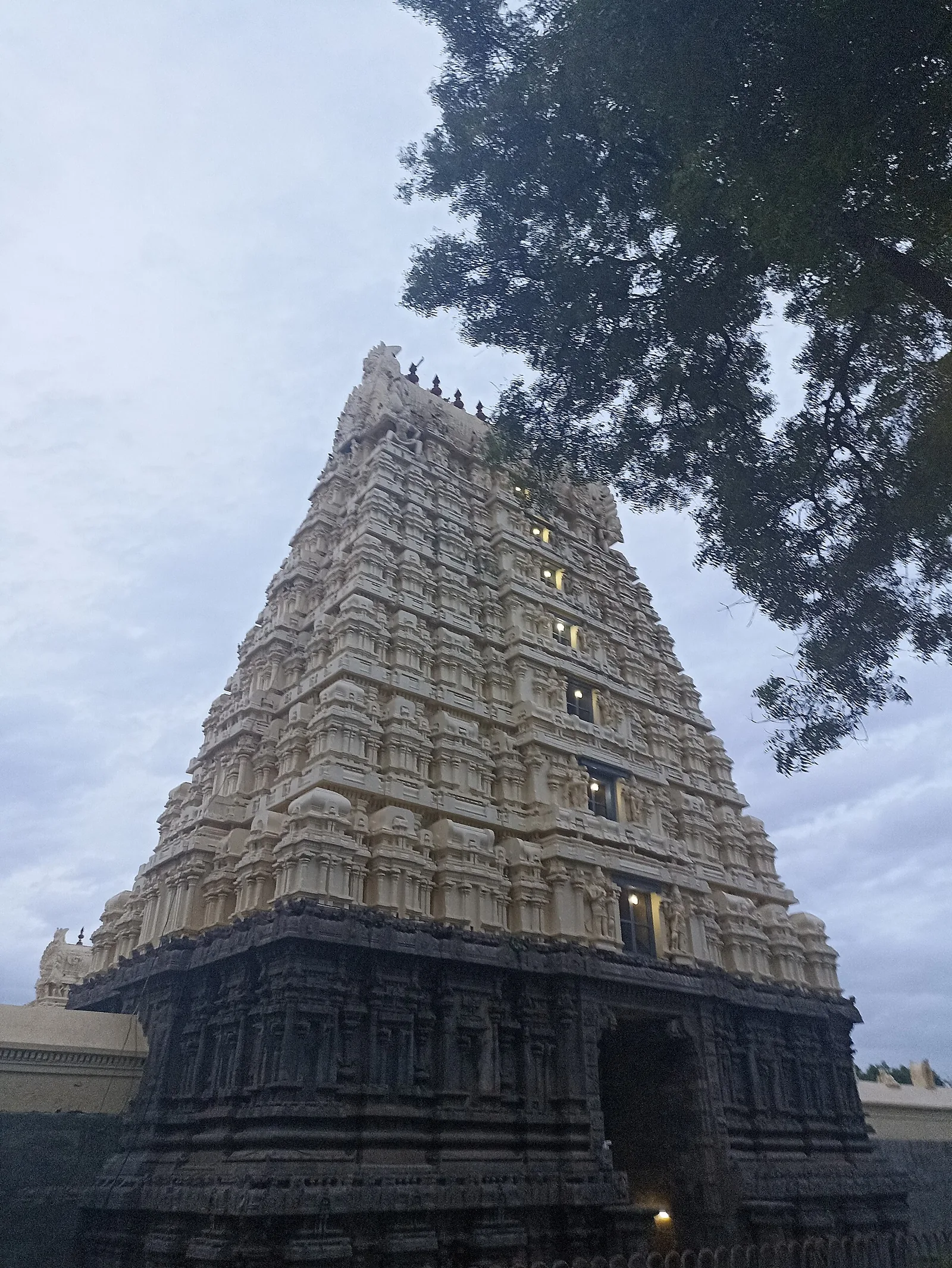
The open air wedding hall (Kalyana Mandapam) in the southwest corner is recognized globally as the crowning masterpiece of late Vijayanagara sculpture.
Each granite column is carved from single stone blocks into life sized rearing Yali beasts, swordsmen, and intricate celestial chains with links that freely rotate.
Truth is, tracing your fingers along the smooth, razor sharp chisel details of the 500 year-old stone pillars leaves you utterly awestruck.
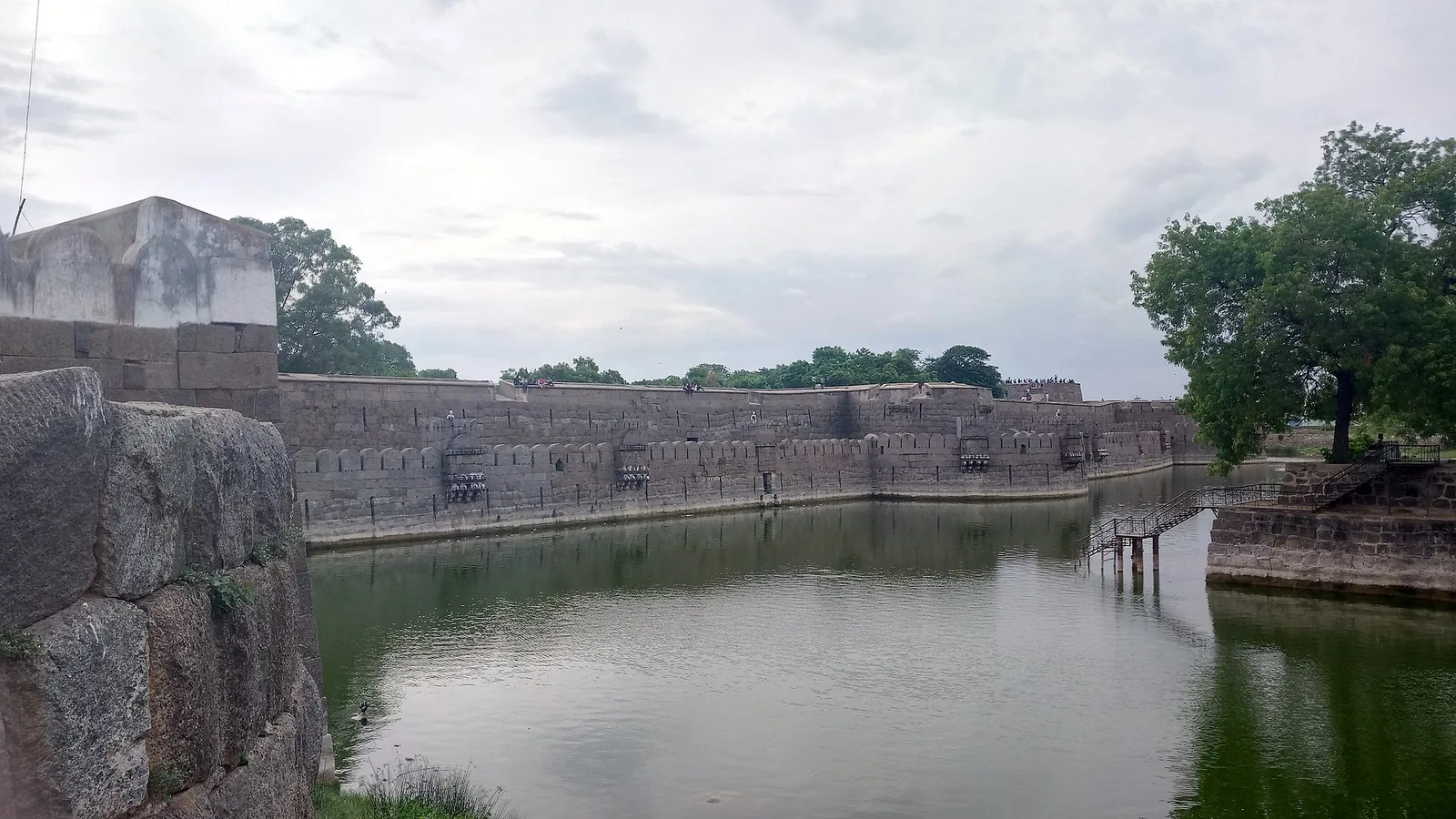
The Water Lingam: The main Shiva Lingam sits over a natural subterranean anthill spring, keeping the sanctum floor naturally cool and blessed with sacred moisture.
Goddess Akilandeshwari: The adjacent shrine of Goddess Akilandeshwari is deeply revered by devotees seeking marital harmony, prosperity, and blessings.

Historical Revival: After lying dormant without worship for nearly 400 years during British rule, the temple was triumphantly reconsecrated in 1981.
Fort Neighbors: Within the fort complex, visitors can also explore the 1806 Sepoy Mutiny Memorial, St. John's Church (1846), and the Government Archaeological Museum.
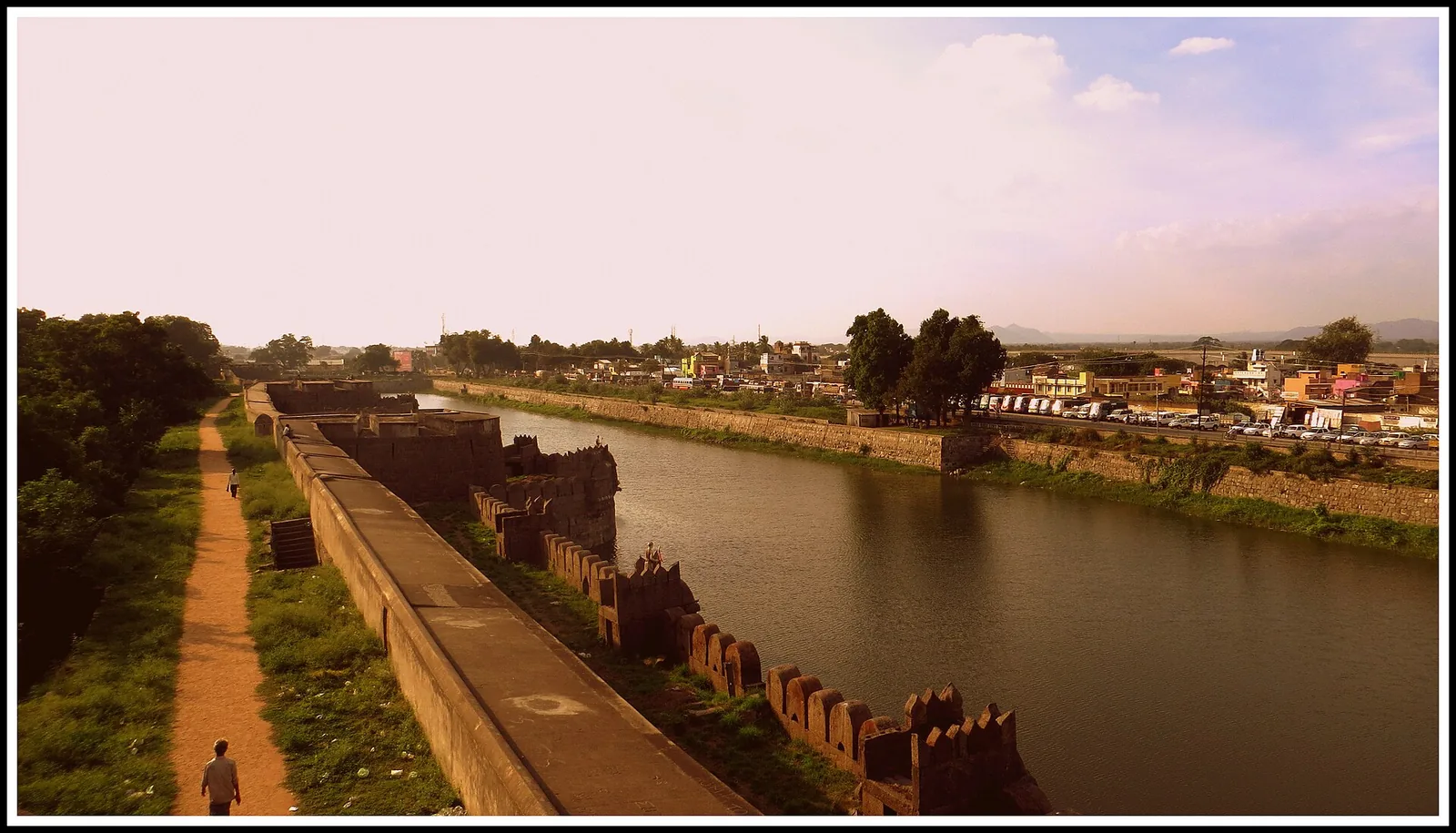
After praying at Jalakandeswarar Temple, explore the moated ramparts of Vellore Fort, visit Sripuram Golden Temple, enjoy a weekend trip to Yelagiri Hills, or visit Delhi Gate in Arcot.
Reaching Jalakandeswarar Temple in Vellore Fort is very simple across Vellore in Tamil Nadu.
Best Time to Visit:
Explore more famous Shiva temples, Vijayanagara monuments, and Dravidian rock heritage across Tamil Nadu.
 Family
 Family
 Honeymoon
 Family
 Pilgrimage
 Family
 ★★★ Hotel
Offers guests a contemporary selection of accommodation and lifestyle preferences, promisi…
View Hotel Details ★★ Hotel
Sri Srinivasar Residency is a premium hotel less than 3 km from Katpadi Junction. The Hote…
View Hotel Details ★★★ Hotel
Khanna Fiesta is a simple yet modern hotel with innovative interiors and inspiring ambianc…
View Hotel Details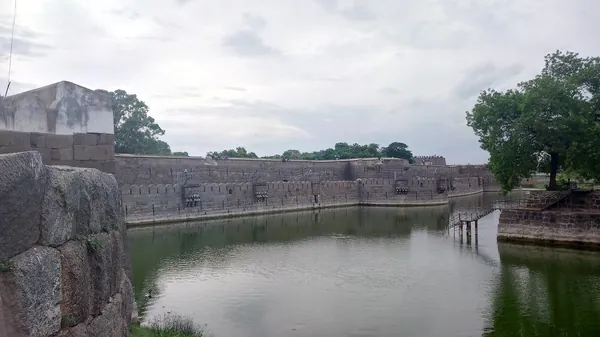 Attraction
Vellore Fort (celebrated globally as one of the most formidable, perfectly preserved, and …
Explore Vellore Fort Attraction
Sripuram Sri Lakshmi Narayani Golden Temple in Malaikodi near Vellore (celebrated globally…
Explore Srilakshmi Golden Temple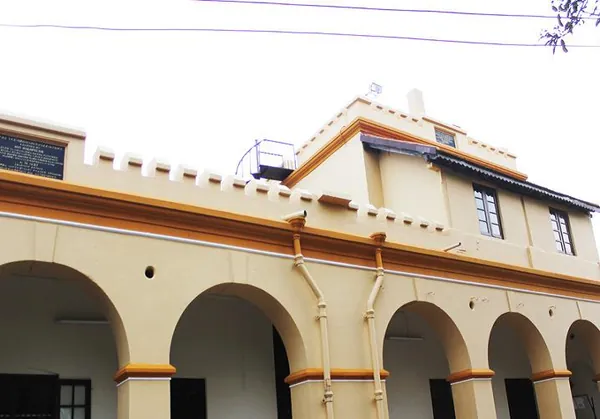 Attraction
Vainu Bappu Observatory in Kavalur near Vellore (celebrated internationally as one of Asia…
Explore Vainu Bappu Observatory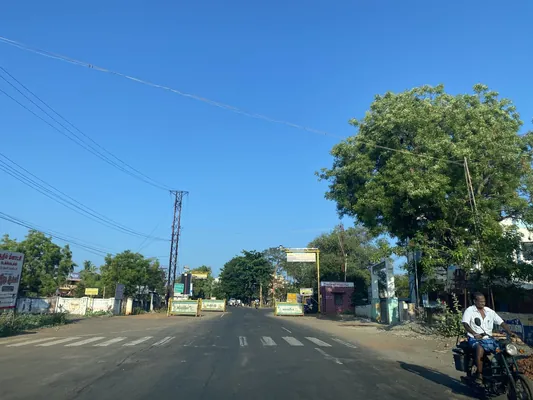 Attraction
Yelagiri Hills near Vellore (celebrated across Tamil Nadu and South India as the 'Poor Man…
Explore Yelagiri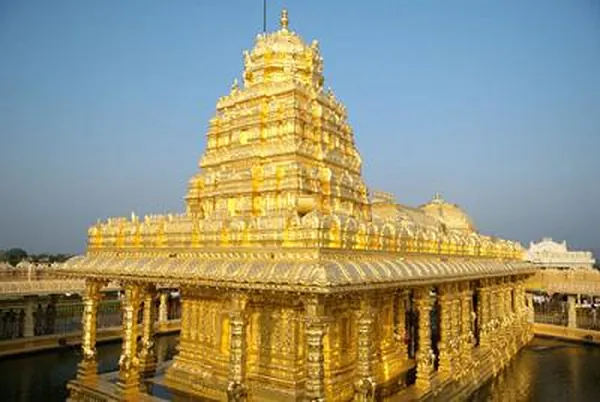 Attraction
Delhi Gate in Arcot near Vellore (celebrated internationally as the historic surviving gat…
Explore Delhi Gate (Vellore)Explore high-resolution photographs of iconic landmarks, temples, and scenic spots in Vellore.
Essential visitor information regarding timings, entry tickets, location, nearby attractions, and travel guide in Vellore.
Jalakandeswarar Temple is a 16th-century Vijayanagara Shiva temple situated inside Vellore Fort, renowned for its Kalyana Mandapam stone carvings.
Jalakandeswarar Temple is a 16th-century Vijayanagara Shiva temple situated inside Vellore Fort, renowned for its Kalyana Mandapam stone carvings.
The name means 'Lord Shiva Residing in Water', referring to the sacred perennial natural water spring situated directly beneath the main Shiva Lingam.
The name means 'Lord Shiva Residing in Water', referring to the sacred perennial natural water spring situated directly beneath the main Shiva Lingam.
The Kalyana Mandapam is celebrated for monolithic granite pillars carved with rearing Yalis, warrior horsemen, and rotating stone rings carved from single blocks.
The Kalyana Mandapam is celebrated for monolithic granite pillars carved with rearing Yalis, warrior horsemen, and rotating stone rings carved from single blocks.
The temple is open daily from 6:30 AM to 1:00 PM and from 5:00 PM to 8:30 PM with free admission.
The temple is open daily from 6:30 AM to 1:00 PM and from 5:00 PM to 8:30 PM with free admission.
After remaining inactive for nearly 400 years under foreign control, regular worship was peacefully restored in 1981 by thousands of local devotees.
After remaining inactive for nearly 400 years under foreign control, regular worship was peacefully restored in 1981 by thousands of local devotees.
Get a customized itinerary and the best deals on packages and hotels.
Enquire Now
 City Guide
 City Guide
 City Guide
 City Guide