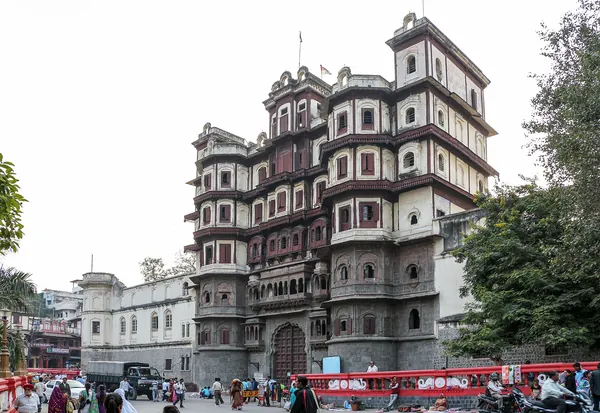
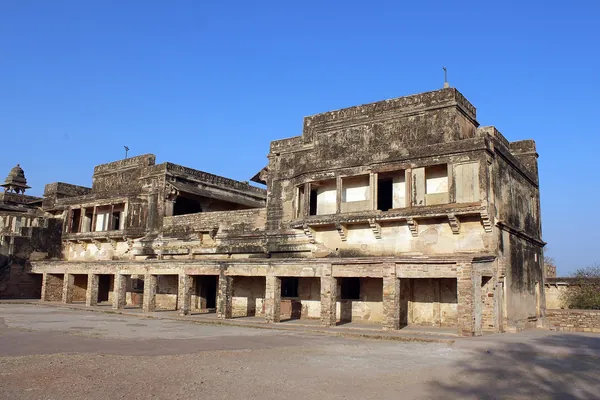
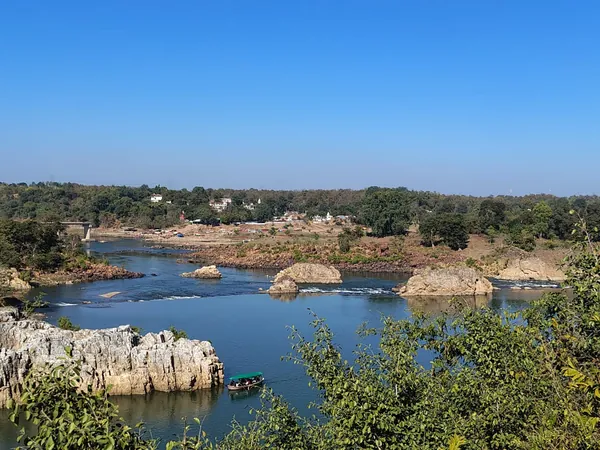
Gwalior — Travel Guide
Gwalior (the legendary royal fortress city celebrated by Mughal Emperor Babur as *"The Pearl in the Necklace of the Forts of Hind"*, crowned by UNESCO as an official "Creative City of Music", historic imperial capital of the Tomars and Scindias, birthplace of the Gwalior Gharana and classical musical maestro Mian Tansen, situated in northern Madhya Pradesh at an elevation of 197 meters above sea level), is one of India's most majestic heritage metropolises.
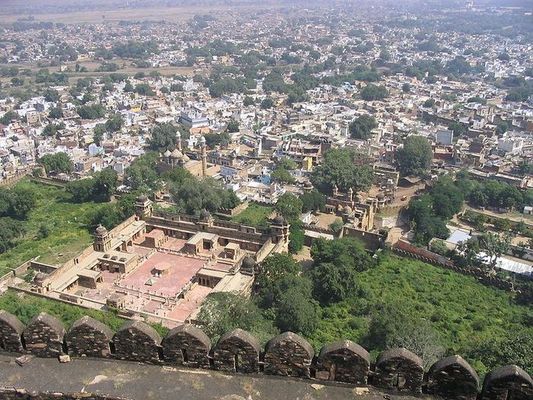
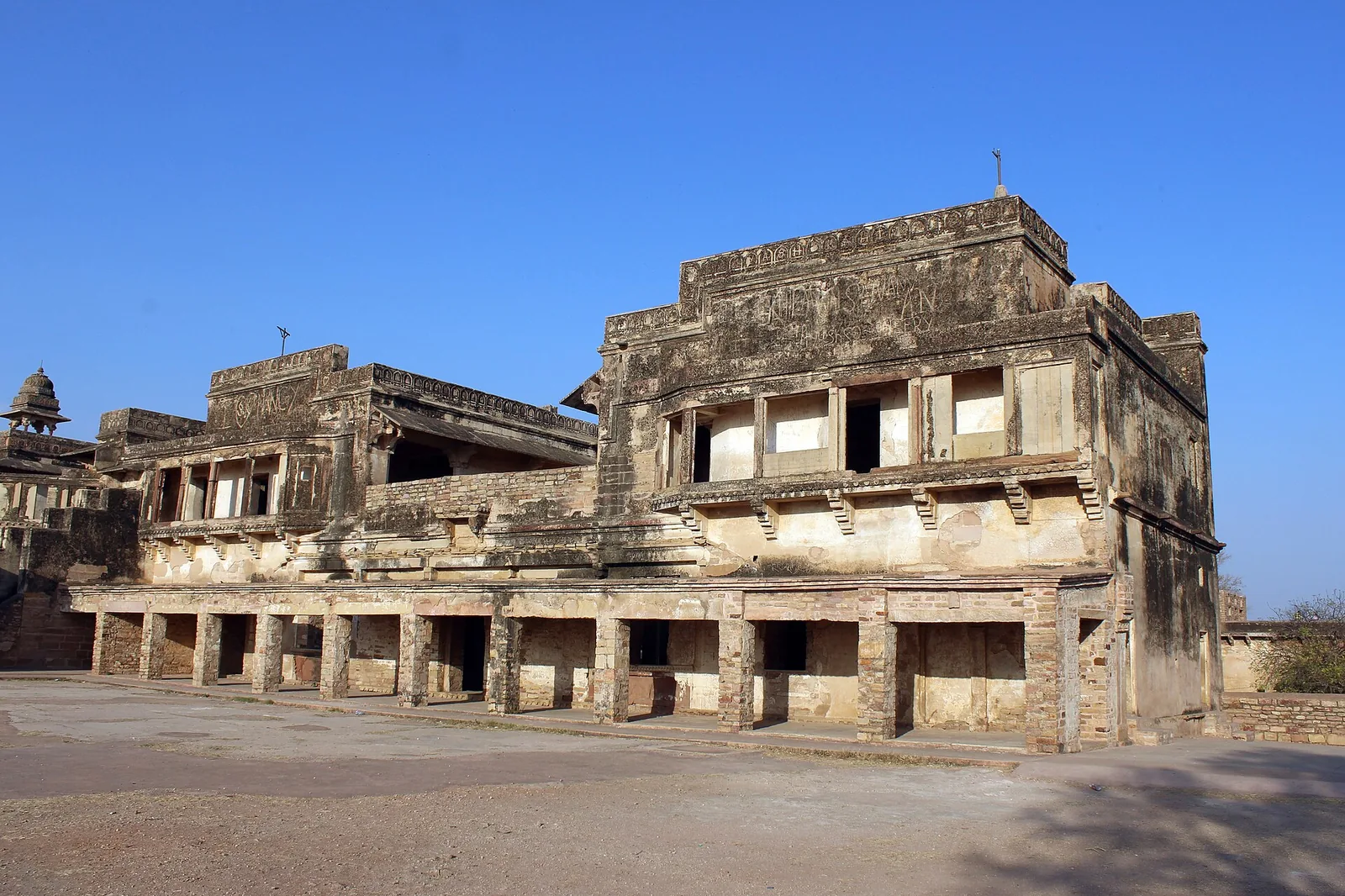 Gwalior Fort — 8th Century Impregnable Hilltop Citadel, Man Singh Palace & Pearl in the Forts of Hind
Perched dramatically around an impregnable 3 km sandstone plateau rising 300 feet above the surrounding plains, Gwalior smoothly merges 8th century Rajput chivalry, monumental Hindu Jain rock sculpture, opulent European neo classical royal palaces, and India's finest classical music legacy.
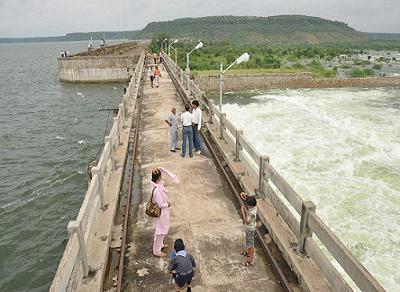
The city is famous globally for its cliff top forts, gilded European palaces, 11th century carved temples, and rock cut Jain colossi: the colossal 8th century Gwalior Fort (Gopachal Durg) (home to the vibrant turquoise blue and yellow tiled Man Singh Palace (Man Mandir) built in 1486 AD, Gujari Mahal Archaeological Museum, and subterranean royal water tanks), the magnificent 1874 AD Jai Vilas Palace & Scindia Museum (designed by Sir Michael Filose in a blend of Italianate, Corinthian, and Tuscan styles, housing the lavish Durbar Hall gilded with 56 kg of gold leaf, the world's two largest Belgian crystal chandeliers weighing 3.5 tonnes each, and the famous solid silver motorized toy train running on crystal tracks to serve post dinner liquors to royal guests), the intricately sculpted 1093 AD Saas Bahu Temples (Sahastrabahu Temple) (dedicated to Lord Vishnu, showcasing three storeyed red sandstone pillared halls and stone ceiling friezes), the monumental 100 foot Teli Ka Mandir (the oldest and tallest 8th century structural temple in Gwalior Fort featuring a rare Dravidian Valabhi barrel vaulted shikhara paired with Nagara ornamentation), the sacred 16th century Tomb of Tansen & Dargah of Sufi Saint Mohammad Ghaus (venue for the annual World Music Festival Tansen Samaroh), the monumental 15th century Gopachal Rock Cut Jain Colossi (a sheer rock face featuring a 57 foot seated monolithic idol of Lord Parshvanatha carved into the fortress cliff), the grand Sun Temple (Surya Mandir) (built by the Birlas modeled after Odisha's Konark temple in red sandstone and white marble), the historic Samadhi of Rani Laxmi Bai of Jhansi, the historic Tighra Dam Reservoir, and the bustling traditional bazaars of Sarafa & Bada (Maharaj Bada).
Connected via 6 lane national highways, North Central Railway trunk routes, and Rajmata Vijaya Raje Scindia Airport just 120 km from Agra, 100 km from Jhansi, 140 km from Khajuraho, 240 km from Jaipur, and 330 km from Delhi, Gwalior is the premier royal tourism gateway to central India.
Best Time to Visit Gwalior:
- October to March (Winter / Best Season): Mild, sunny, and pleasant weather (9°C to 24°C), ideal for exploring Gwalior Fort, touring Jai Vilas Palace, and attending music festivals.
- December (Tansen Samaroh World Music Festival): World renowned 5 day classical Indian music festival near Tansen's tomb.
- April to June (Summer): Warm days (36°C to 45°C).
Famous Gwalior & Chambal/Bundelkhandi Culinary Specialties:
- Gwalior Bedai & Aloo Sabzi: Crispy spiced urad dal stuffed fried puris served with fiery potato curry and sweet fenugreek chutney.
- Morena Gur Gajak: Famous winter sweet made of roasted sesame seeds, crushed peanuts, and pure jaggery.
- Poha Jalebi: Steamed seasoned flattened rice topped with crunchy sev and paired with hot syrup soaked jalebis.
- Mawa Bati from Bahadura: Rich fried mawa dumplings stuffed with nuts and soaked in cardamom infused sugar syrup.
- Chambal Sev & Namkeen: Aromatic spiced gram flour noodles and dry fruit mixture.
By Train:
Gwalior Junction (Station Code: GWL City Center): Major railway junction on the Delhi Chennai and Delhi Mumbai mainlines. Vande Bharat Express (connecting Delhi in 3 hours and Bhopal in 3.5 hours), Bhopal Shatabdi Express, Rajdhani Express, and over 150 superfast trains daily connect Gwalior directly to Delhi, Agra, Bhopal, Mumbai, Indore, Jaipur, Varanasi, and Bengaluru.
By Air:
Rajmata Vijaya Raje Scindia Airport (Airport Code: GWL Maharajpur 10 km northeast): Upgraded modern terminal operating direct daily flights to Delhi, Mumbai, Bengaluru, Hyderabad, and Ahmedabad.
By Road & Expressway:
- From Agra (~120 km / 2 hours): Via 4 lane NH-44.
- From Delhi (~330 km / 4.5 hours): Via Yamuna Expressway and NH-44.
- From Jhansi (~100 km / 1.5 hours): Via 4 lane NH-44.
- From Khajuraho (~275 km / 5 hours): Via NH-39 and NH-44.
- From Jaipur (~330 km / 5.5 hours): Via NH-21 and NH-44.
- MP Tourism and state roadways operate luxury AC buses from Gwalior ISBT (Chendu Pura) and Railway Station Bus Stand.
Local Transport:
MP Tourism hop on hop off Gwalior Darshan buses, auto rickshaws, battery operated e rickshaws, app based cabs, and city buses provide seamless transit across the fortress city.
Shopping in Gwalior features Chanderi sarees, sandstone carvings, leather goods, and Morena Gajak:
- Maharaj Bada, Sarafa & Topi Bazaar: Authentic **Handloom Chanderi & Maheshwari Silk Sarees**, handcrafted **Gwalior Sandstone Sculptures & Artifacts**, genuine **Leather Mojaris & Shoes**, and authentic **Morena Dry Fruit Gajak**.
Must-Visit Places in Gwalior
Gwalior features monumental hill forts, European palaces, rock cut Jain statues, and ancient temples:
1. Gwalior Fort & Man Singh Palace (8th Century Impregnable Hilltop Citadel)
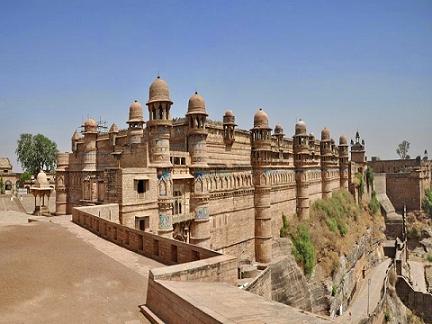
Rising 300 feet atop a sheer sandstone precipice, this massive 8th century fort was praised as the "pearl in the necklace of the forts of Hind". Built by Raja Man Singh Tomar in 1486 AD, Man Mandir Palace features vivid turquoise blue and yellow glazed ceramic tile inlays depicting ducks, elephants, and peacocks.
Gwalior Fort — 8th Century Impregnable Cliff Fortress and Man Singh Palace
2. Jai Vilas Palace & Scindia Museum (1874 AD Gold Gilded Durbar Hall & Silver Train)
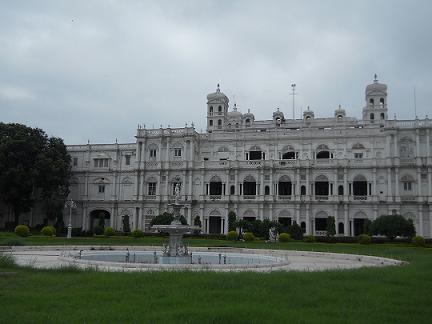
The opulent 1874 residence of the royal Scindia dynasty designed by Sir Michael Filose. The Durbar Hall is gilded with 56 kg of pure gold leaf and holds two of the world's largest 3.5 tonne Belgian crystal chandeliers. The royal banquet hall features a working solid silver model train serving drinks along crystal table rails.
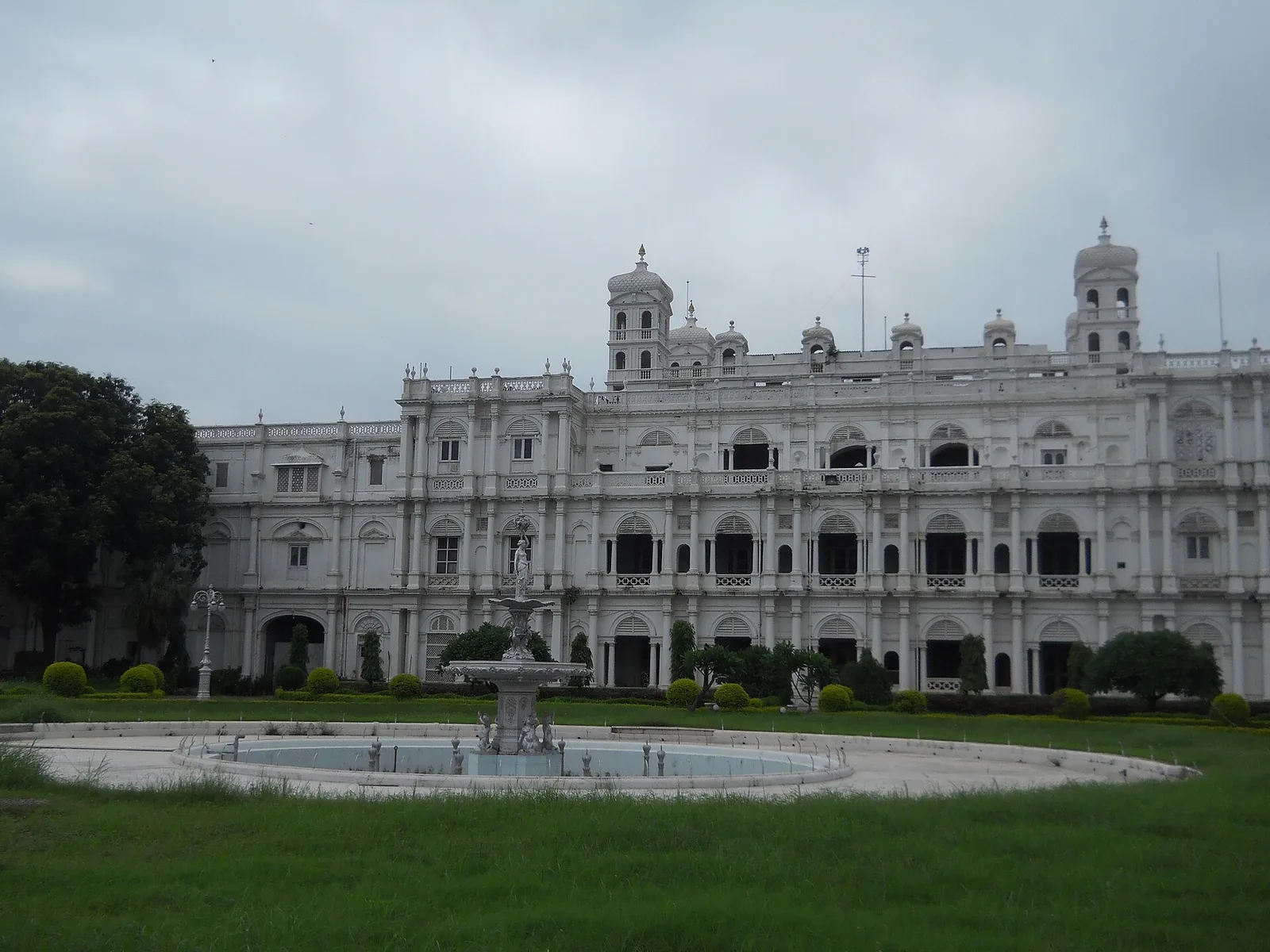 Jai Vilas Palace — 1874 Opulent Scindia Royal Residence and Grand Durbar Hall
3. Saas Bahu Temples (Sahastrabahu 1093 AD Intricate Stone Sculptures)
Constructed in 1093 AD by King Mahipala of the Kachchhapaghata dynasty. Originally named *Sahastrabahu* (the thousand armed Vishnu), this twin temple complex boasts three tiered carved sandstone porticos and exquisite geometric ceiling mandapas.
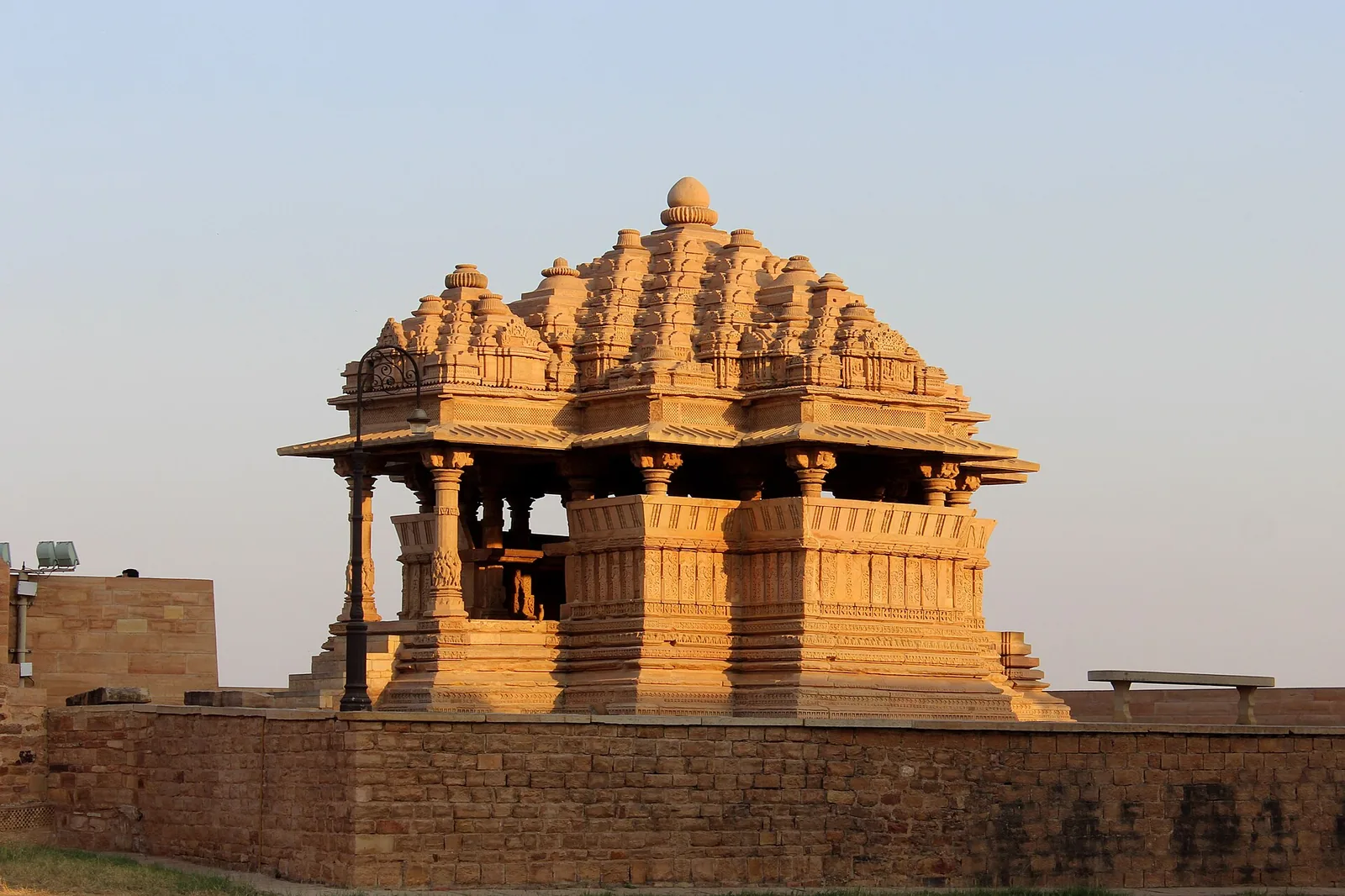 Saas Bahu Temples — 1093 AD Masterpiece of Kachchhapaghata Stone Architecture
4. Teli Ka Mandir (8th Century 100-Foot Dravidian & Nagara Vaulted Temple)
The tallest and oldest surviving structural temple within Gwalior Fort, soaring 100 feet high. Dating back to the 8th century Pratihara era, it features a unique synthesis of a South Indian Dravidian barrel vaulted *Gopuram* roof with North Indian Nagara doorway carvings of Ganga and Yamuna.
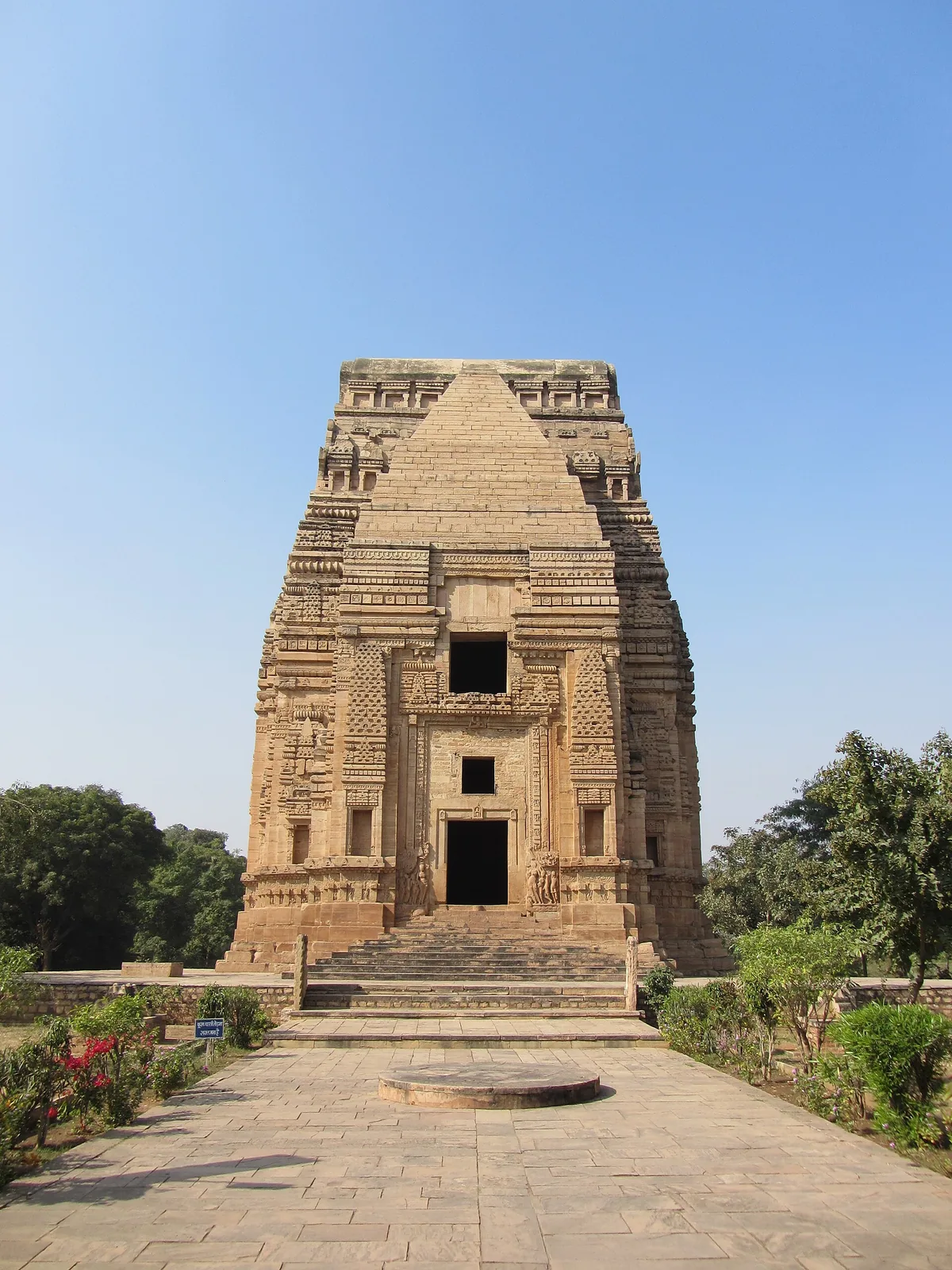 Teli Ka Mandir — 8th Century 100-Foot Dravidian Nagara Architectural Marvel
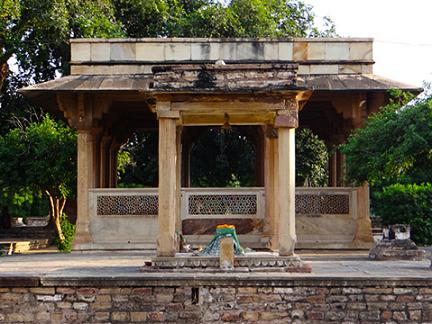
5. Tomb of Tansen & Mohammad Ghaus (16th Century Musical & Sufi Mausoleum)
A serene sandstone tomb honoring Mian Tansen (one of the nine gems / *Navratnas* of Mughal Emperor Akbar's court and father of Hindustani classical music). Adjacent stands the majestic 16th century Mughal tomb of Sufi mystic Mohammad Ghaus adorned with stone lattice jaalis.
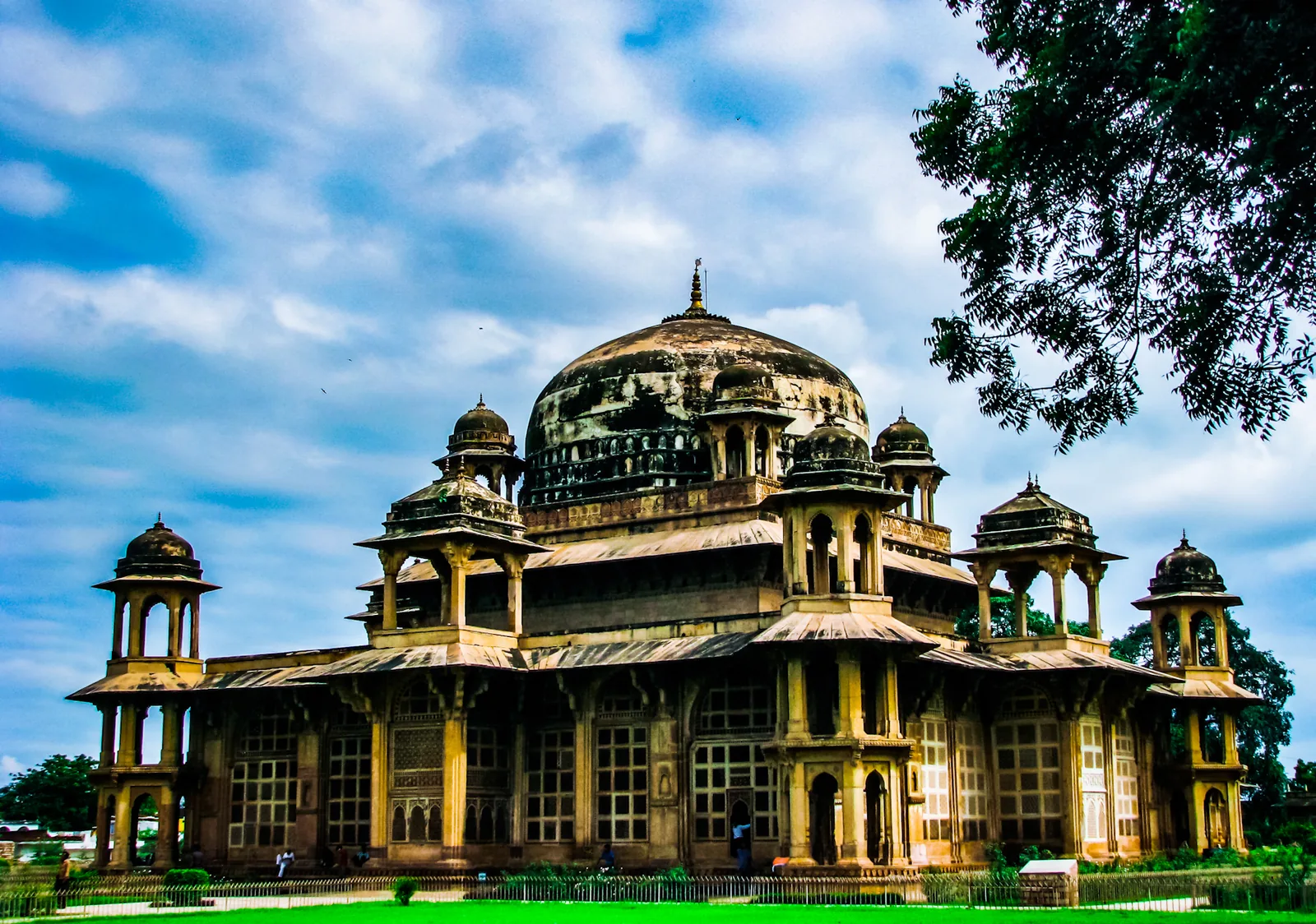 Tomb of Tansen — 16th Century Heritage Shrine and Venue of Tansen Music Samaroh
6. Gopachal Rock Cut Jain Colossi (57-Foot Monolithic Parshvanatha Cliff Carvings)
A staggering series of monolithic rock cut Jain Tirthankara statues carved between the 7th and 15th centuries directly into the vertical cliff faces of Gwalior Fort, including a colossal 57 foot seated idol of Bhagwan Parshvanatha.
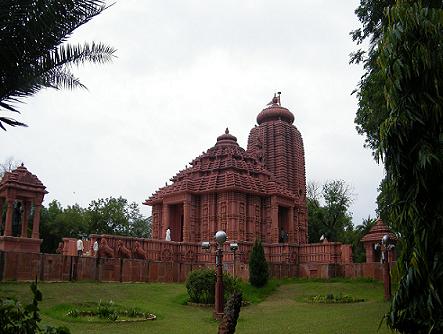
7. Sun Temple (Surya Mandir Modeled on Konark Temple in Red Sandstone)
A modern architectural temple constructed by the industrialist Birla family in 1988, modeled faithfully on the Sun Temple of Konark in Odisha with red sandstone exteriors and white marble interiors.
8. Samadhi of Rani Laxmi Bai & Phool Bagh (Heroic 1858 Martyrdom Memorial)
The solemn memorial and statue marking the exact spot where the legendary Queen of Jhansi, Rani Laxmi Bai, fought bravely and attained martyrdom against British colonial forces in June 1858.
9. Maharaj Bada (Victoria Market & 7 Divergent Architectural Styles Square)
The city's iconic central public square surrounded by seven heritage buildings, each constructed in a different architectural style: Roman, Greek, Mughal, Rajasthani, British Colonial, Maratha, and Italian.
Popular Hotels in Gwalior
 Hotel
Hotel
 Hotel
Hotel
 Hotel
Hotel
 Hotel
Hotel
 Hotel
Hotel
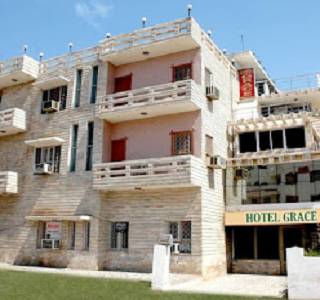 Hotel
Hotel
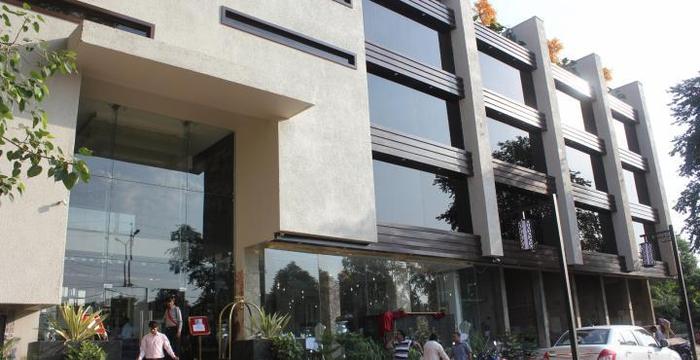 Hotel
Hotel
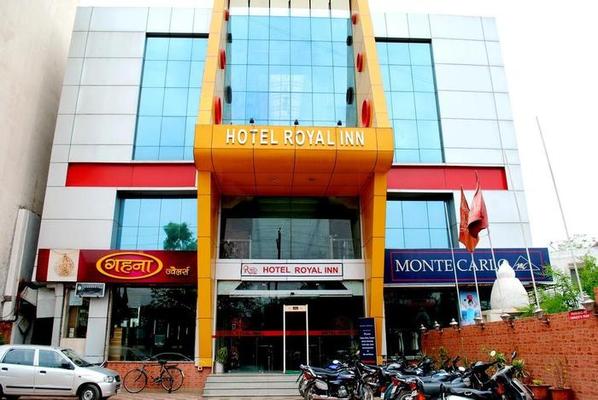 Hotel
Hotel
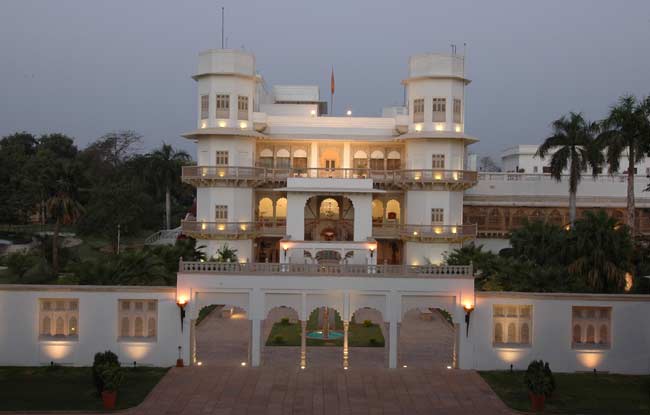 Hotel
Hotel
Top Places to Visit in Gwalior
Gwalior Photo Gallery & Attractions
Explore high-resolution photographs of iconic temples, historical monuments, and scenic landmarks in Gwalior.
Plan Your Gwalior Trip Now
Get the best verified hotel deals and customized tour packages. Book directly on EarthTrip and save up to 45%!