- .
- info@earthtrip.in
-
INR
-
USD
INR
USD
Chhatrapati Shivaji Maharaj Terminus (CSMT), standing as an impressive UNESCO World Heritage monument in the Fort heritage precinct of South Mumbai in Maha...
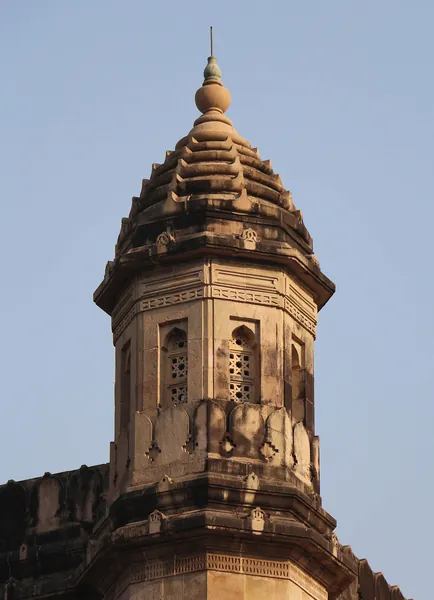
Chhatrapati Shivaji Maharaj Terminus (CSMT), standing as an impressive UNESCO World Heritage monument in the Fort heritage precinct of South Mumbai in Maharashtra, represents the supreme architectural triumph of High Victorian Gothic Revival engineering fused with classical Indian palace stonework.
Designed by visionary British architect Frederick William Stevens and constructed over ten years between 1878 and 1887 to commemorate the Golden Jubilee of Queen Victoria, this monumental railway palace was originally named Victoria Terminus (VT) before being renamed in honor of the revered Maratha ruler Chhatrapati Shivaji Maharaj.
It's the home of a colossal 16.6 foot statue of "Progress" crowning its majestic octagonal stone dome, hand carved stone gargoyles and Indian peacocks sculpted by artisans from the Sir J.J. School of Art, radiant stained glass rose windows, the Central Railway Heritage Gallery, and the bustling railway concourses serving over 3 million daily commuters.
It represents a rich living landmark where 19th century colonial railway romance, exquisite Italianate Gothic craftsmanship, lively urban transit energy, and kaleidoscopic night illuminations unite in Mumbai.
Located at Bori Bunder opposite the Brihanmumbai Municipal Corporation (BMC) headquarters, it sits just 2 km from Gateway of India and Marine Drive, and 20 km south of Chhatrapati Shivaji Maharaj International Airport (BOM), easily accessible by local suburban train, BEST bus, black and-yellow taxi, or app cab.
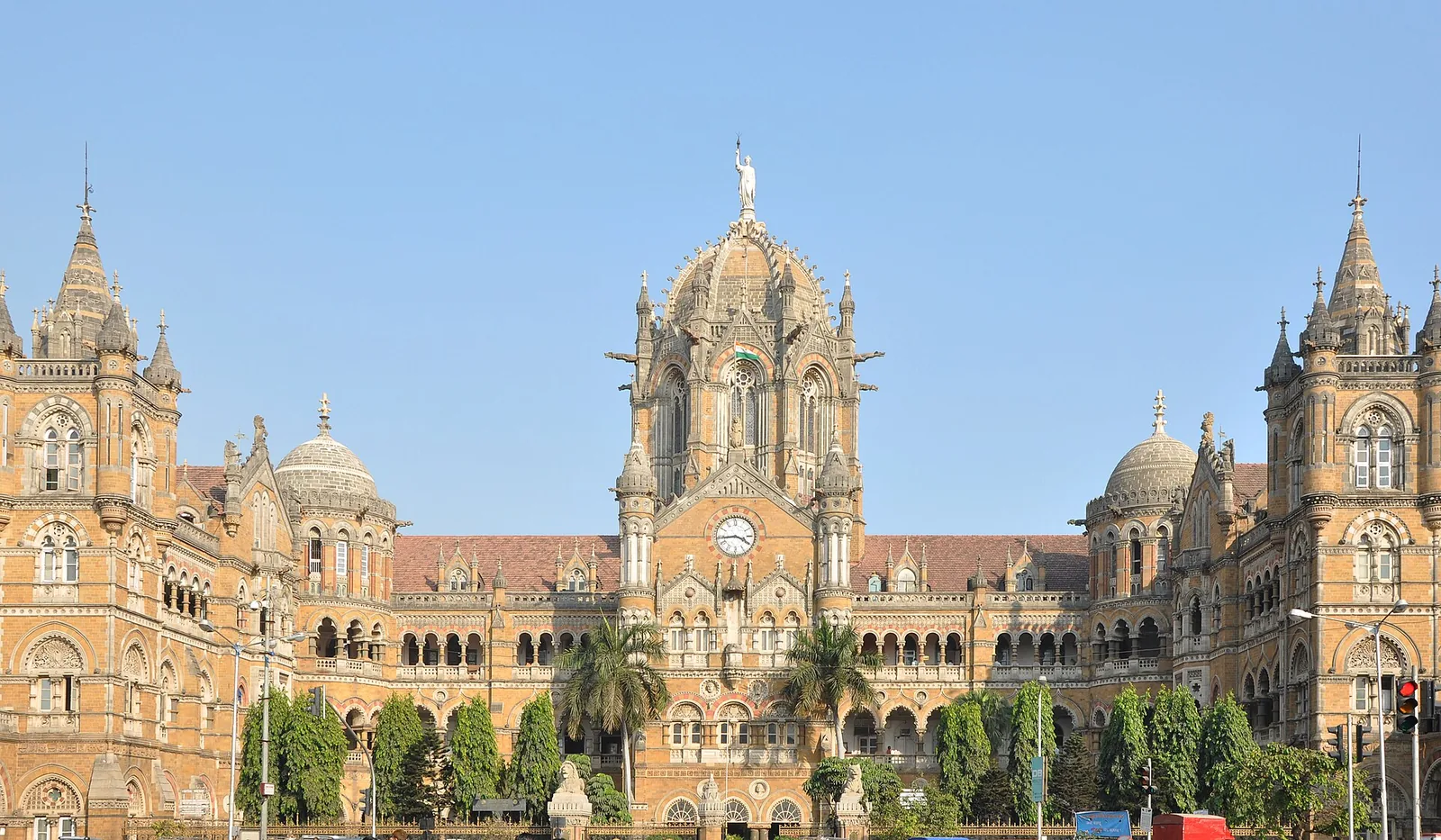
Stevens designed the terminus as a grand Gothic cathedral dedicated to the modern age of steam locomotives, using local yellow sandstone and grey basalt banded with Italian marble inlays.
The central octagonal dome is an engineering marvel supported by delicate ribs, topped by a graceful female figure of Progress holding a torch aloft in her right hand and a locomotive wheel in her left.
Truth is, John Lockwood Kipling (father of author Rudyard Kipling) directed local Indian student stonecutters to incorporate indigenous flora and fauna into the capitals, creating exquisite stone friezes of monkeys, peacocks, lizards, and lions.
The Suburban Rail Lifeline: Serving as the headquarters of Central Railway, CSMT handles over 1,000 suburban local and long distance express trains every day, serving as the relentless transport heartbeat of the metropolis.
Central Railway Heritage Gallery: Located in the administrative wing, this curated museum preserves brass telegraph instruments, vintage locomotive models, 19th century architectural drawings, and antique teakwood furniture.
Nighttime Light Show: Every evening after 7:00 PM, the station facade is illuminated by hundreds of intelligent LED floodlights, bathing the gothic spires, arches, and clock towers in rich jewel tones.
South Mumbai Heritage Precinct: Stepping outside the terminus places you in the heart of Mumbai's historic colonial core, surrounded by the heritage buildings of Mahapalika Marg, Crawford Market, and Horniman Circle.
After exploring CSMT, take a scenic taxi ride along Marine Drive's Queen's Necklace, visit the iconic Gateway of India, or stroll through the historic art galleries of Kala Ghoda.
Reaching Chhatrapati Shivaji Maharaj Terminus (CSMT) is effortless from all parts of Mumbai in Maharashtra.
Best Time to Visit:
Explore more UNESCO World Heritage monuments and historic landmarks across Maharashtra.
 Family
 ★★★ Hotel
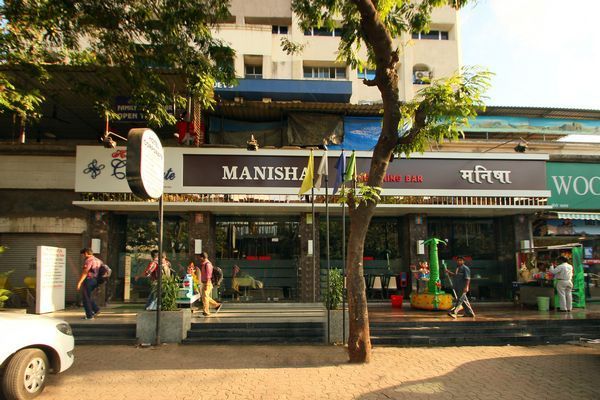
Hotel the Corporate is convenienly located in the upmarket area of CBD Belapur. It has 56 …
View Hotel Details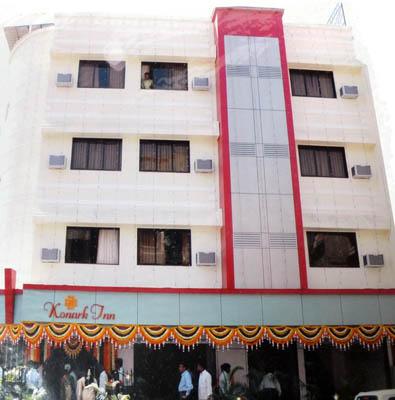 ★★ Hotel
Hotel Konark Inn provides a most conducive spot for you to take a break from your busy d…
View Hotel Details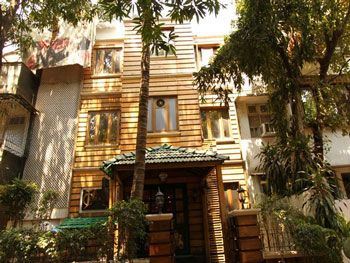 ★★★ Hotel
Nestled in the heart of Juhu Beach, JC Chalet - A Boutique Hotel is an ideal spot from whi…
View Hotel Details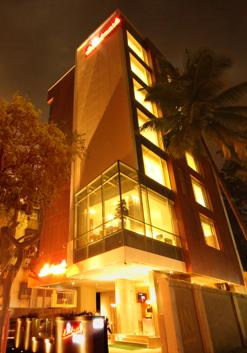 ★★★ Hotel
Hotel Landmark Residency is the perfect choice. The excitement of the city center is onl…
View Hotel Details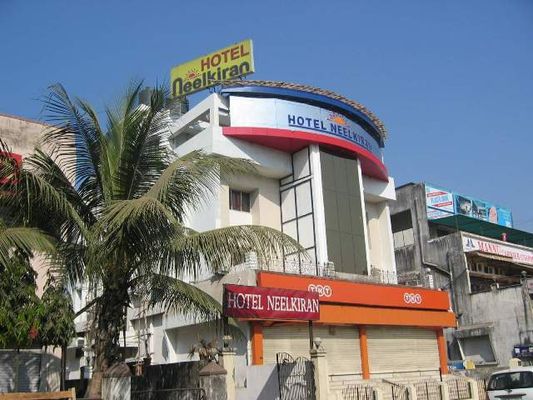 ★★ Hotel
Hotel Neelkiran is a distinct addition to Mumbai and a smart choice for travelers. Only…
View Hotel Details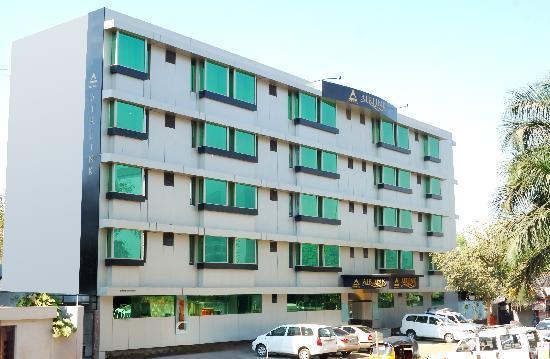 ★★★ Hotel
Nestling in Vile Parle, in the heart of the emerging business district of Mumbai, AirLin…
View Hotel Details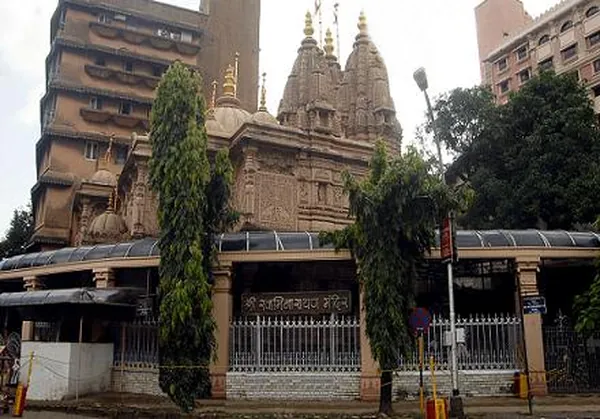 Attraction
Shri Swaminarayan Mandir (the historic 1868 tri spire Vaishnava temple and teakwood histor…
Explore Shri Swaminarayan Mandir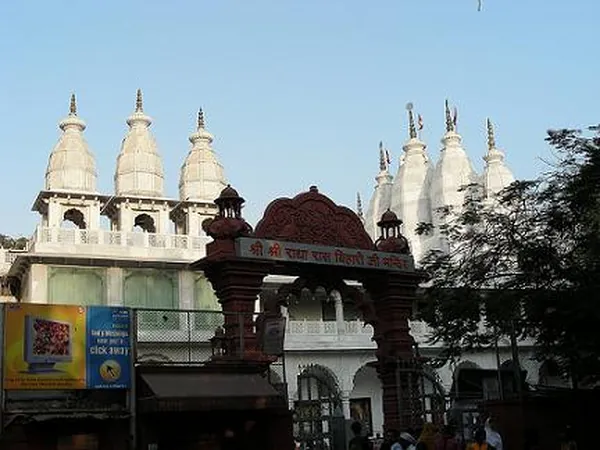 Attraction
Sri Sri Radha Rasabihariji Temple (the historic 1978 white Makrana marble sanctuary on Har…
Explore Radha Ras Bihari Temple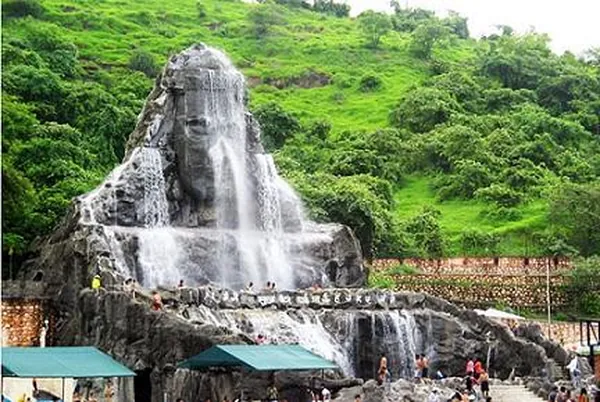 Attraction
Suraj Water Park (the award winning 11 acre mythological water resort and recreation park …
Explore Suraj Water Park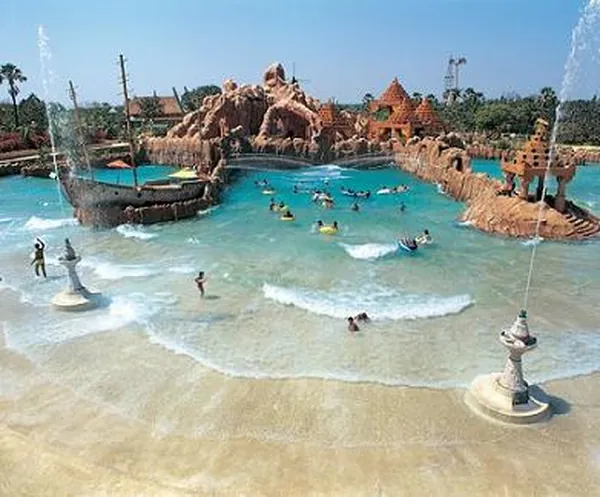 Attraction
Water Kingdom (the premier 64 acre international water theme park and island aquatic playg…
Explore Water Kingdom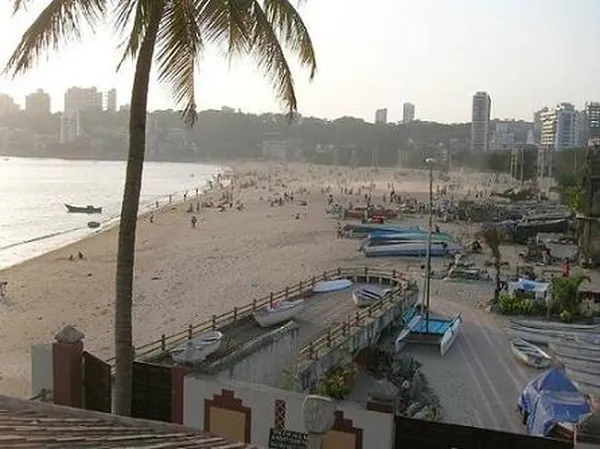 Attraction
Girgaon Chowpatty Beach (the historic crescent shaped sandy beach situated along the north…
Explore Chowpatty Beach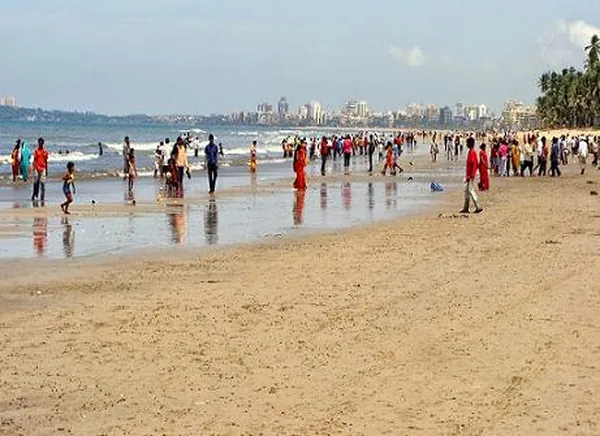 Attraction
Juhu Beach (the famous 6 kilometer golden Arabian Sea coastline stretching across the west…
Explore Juhu Beach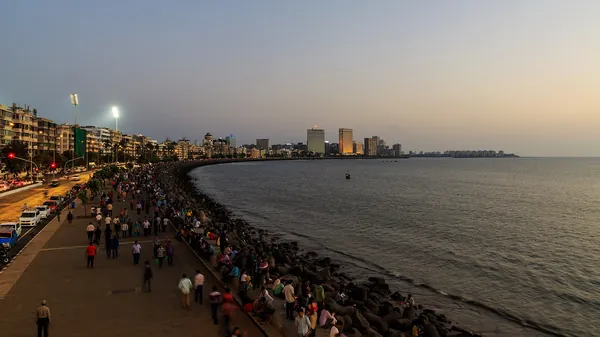 Attraction
Marine Drive (the iconic 3.6 kilometer C shaped coastal boulevard and seaside promenade of…
Explore Marine Drive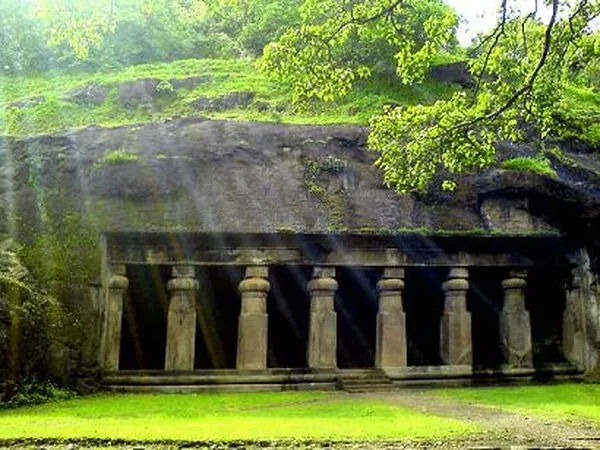 Attraction
Elephanta Caves (the world famous 6th century rock cut Shaivite temple complex and UNESCO …
Explore Elephanta Caves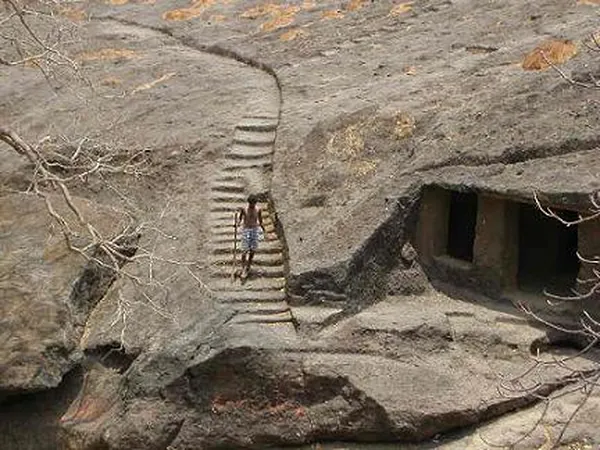 Attraction
Kanheri Caves (the ancient 1st century BCE Buddhist monastic complex comprising 109 rock c…
Explore Kanheri CavesExplore high-resolution photographs of iconic landmarks, temples, and scenic spots in Mumbai.
Essential visitor information regarding timings, entry tickets, location, nearby attractions, and travel guide in Mumbai.
CSMT (formerly Victoria Terminus) is a UNESCO World Heritage Site in Mumbai famous for its 1887 Victorian Gothic Revival architecture, high octagonal dome with the statue of Progress, and stained glass windows.
CSMT (formerly Victoria Terminus) is a UNESCO World Heritage Site in Mumbai famous for its 1887 Victorian Gothic Revival architecture, high octagonal dome with the statue of Progress, and stained glass windows.
The terminus was designed by British architect Frederick William Stevens and built over ten years between 1878 and 1887 to commemorate Queen Victoria's Golden Jubilee.
The terminus was designed by British architect Frederick William Stevens and built over ten years between 1878 and 1887 to commemorate Queen Victoria's Golden Jubilee.
The dome is crowned by a 16.6-foot colossal statue representing 'Progress', depicting a woman holding an upright torch in her right hand and a spoked locomotive wheel in her left.
The dome is crowned by a 16.6-foot colossal statue representing 'Progress', depicting a woman holding an upright torch in her right hand and a spoked locomotive wheel in her left.
The Central Railway Heritage Gallery is open Monday to Friday from 3:00 PM to 5:00 PM (Entry ticket: ?200 for adults, ?100 for students). The station concourse is open 24 hours daily.
The Central Railway Heritage Gallery is open Monday to Friday from 3:00 PM to 5:00 PM (Entry ticket: ?200 for adults, ?100 for students). The station concourse is open 24 hours daily.
The entire Gothic facade of CSMT is illuminated with vibrant multi-colored LED floodlights every evening from around 7:00 PM to 11:00 PM.
The entire Gothic facade of CSMT is illuminated with vibrant multi-colored LED floodlights every evening from around 7:00 PM to 11:00 PM.
Get a customized itinerary and the best deals on packages and hotels.
Enquire Now