- .
- info@earthtrip.in
-
INR
-
USD
INR
USD
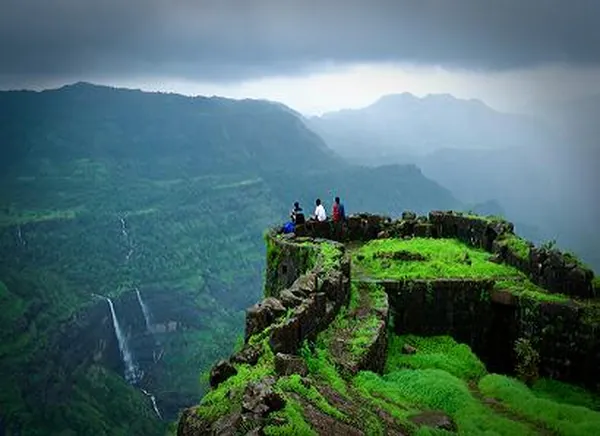
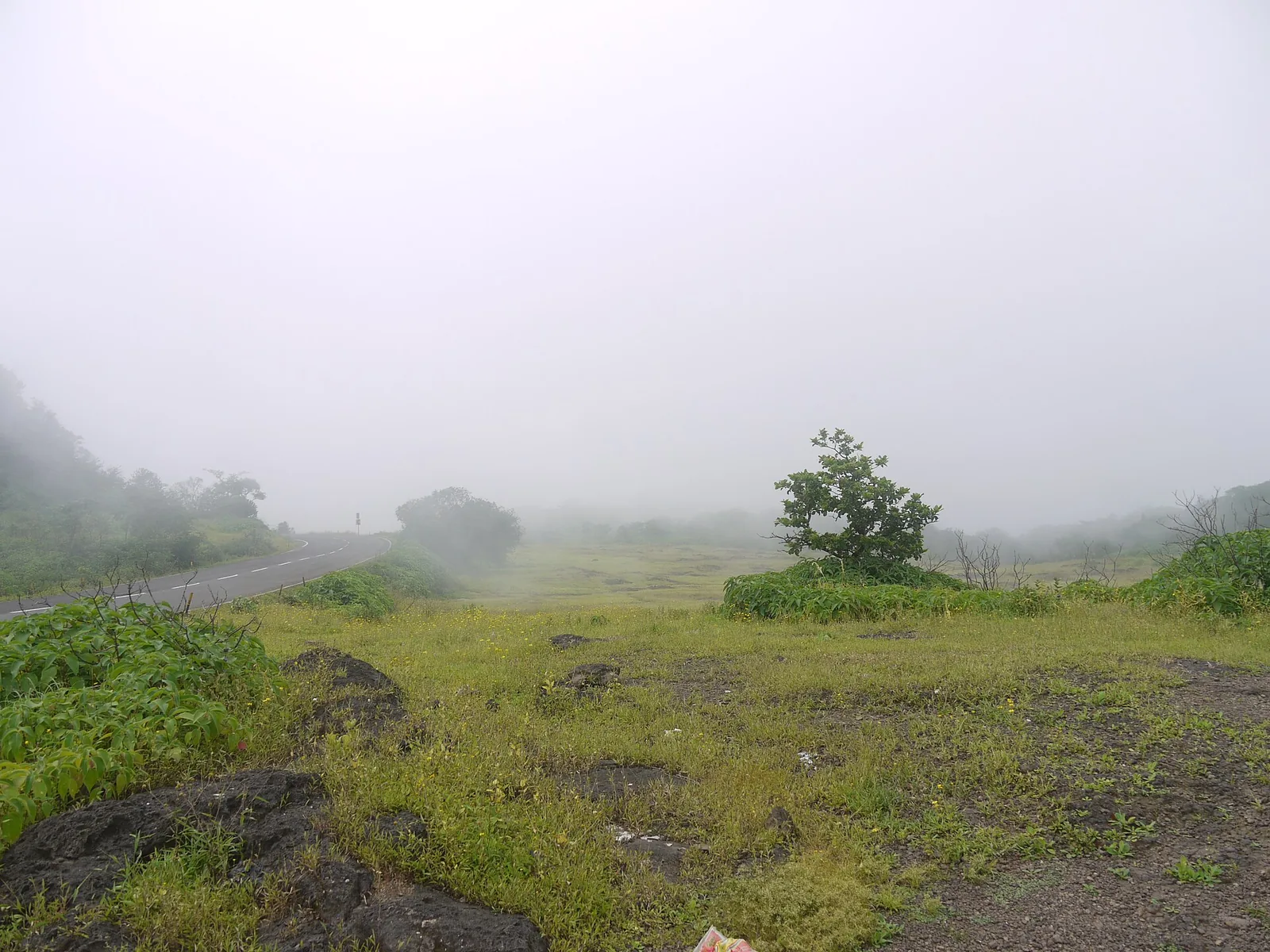
The twin hill stations of Lonavla and Khandala almost a hop, skip and jump away. Perched high on the hill ranges that separate the two metro cities, both these places are known for their salubrious climate and the beautiful green cover they flourish during the monsoon. Lonavla is about 64 kilometers away from Pune and 96 kilometers from Mumbai. Well known for its ‘chikki’ and fudge, Like other hill stations in Maharashtra, here too you will find ‘points’ that offer breathtaking sights of the valley and the hills with tiny villages tucked in the folds. One of the best points, about 6.5 kilometers from Lonavla, is Rajmachi Point which commands a view of Chhatrapati Shivaji’s famous fort, Rajmachi, and the surrounding valley.
Lonavala - Khandala is very popular as health resorts and visited by numerous tourists from all across the world through out the year. There are a number of sanatoria dotting the hills in both towns. Khandala is smaller and the quieter of the two. Both Lonavala & Khandala offers scenic views of the hills surrounding them. The monsoon, with appealing waterfalls is very enchanting at these hill resorts of Maharashtra.
Day 1 Arrival in Khandala
The car will pick you up after you arrive at Khandala. Check in to your hotel upon arrival. Enjoy the afternoon at leisure. Overnight stay at the hotel in Khandala.
Day 2 Khandala
After breakfast enjoy sightseeing Karla Caves, Visapur Fort, Lohagad Fort and Shooting Point. Overnight stay at hotel in Khandala
Day 3 Drive from Khandala to Lonavala (124 km/approx. 4 hours)
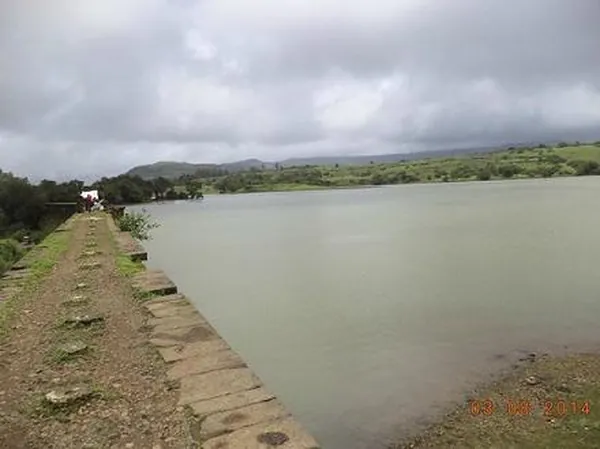
After breakfast, check-out from the hotel and drive to Lonavala. Upon arrival, check-in to the hotel. Visit Tungarli lake and Visapur Fort and rest spend the evening at leisure. Overnight stay at the hotel.
Day 4 Departure From Lonavala (70 km 2 hours)
After breakfast, enjoy your day at leisure. After some time, depart to the Pune airport/railway station.
Payments policy
Tour Cancilation policy
By Road from Mumbai & Pune (Primary Access Corridor):
By Train:
By Air:
Lonavala features 2nd-century BC rock-cut caves, Maratha forts, monsoon dams, and cliff lookouts:
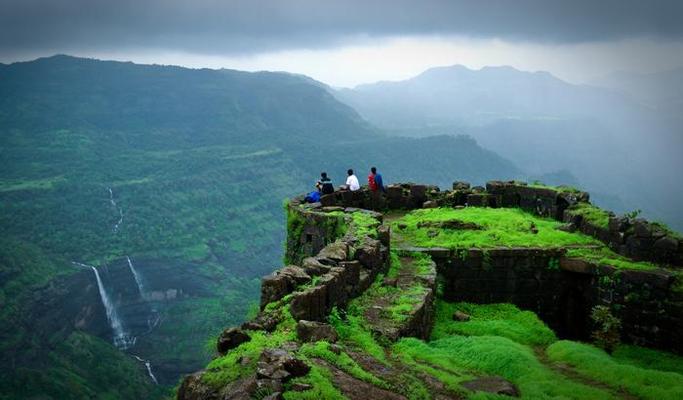
A dramatic clifftop viewpoint perched at an elevation of 650 meters, named for its natural rock outline resembling a leaping tiger into the valley below. Renowned for spectacular echo valley soundscapes, swirling monsoon mists, roasted sweet corn stalls, and sunrise views across the Sahyadris.
 Tiger's Leap — 650m Clifftop Drop and Panoramic Echo Valley in Lonavala
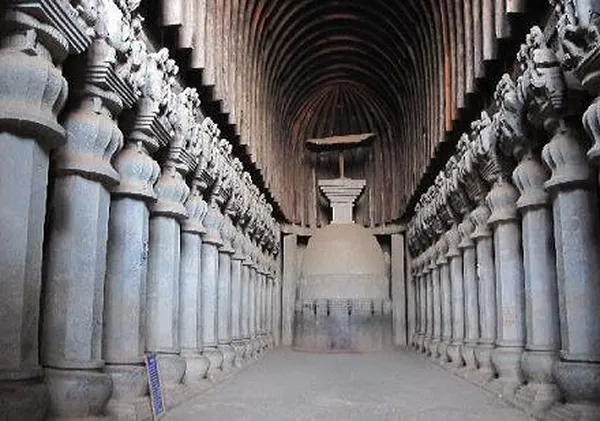
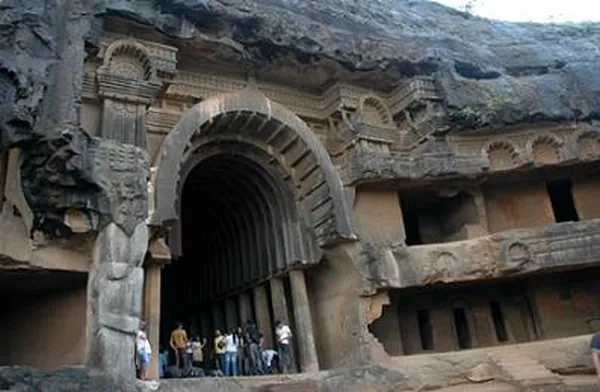
An ancient complex of rock cut Buddhist cave shrines carved into the hills around 160 BC. Houses India's largest and most pristine rock cut Buddhist prayer hall (*Great Chaitya*), featuring 37 massive stone pillars adorned with elephant and rider sculptures, an intact teak wood arched roof, and the revered Hindu pilgrimage shrine of Goddess Ekvira Aai.
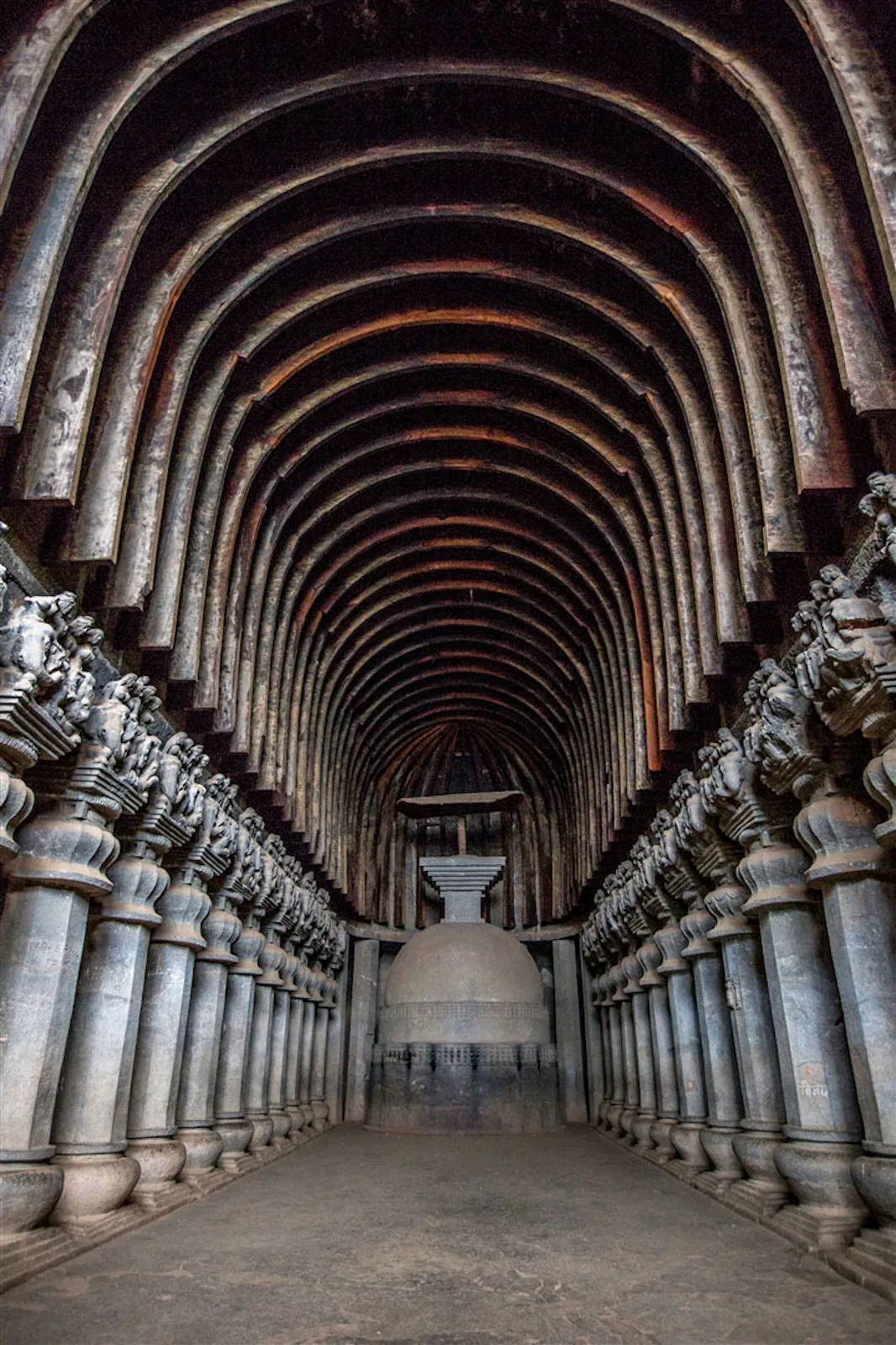 Karla Caves — 2nd-Century BC Rock-Cut Buddhist Chaitya Hall and Ekvira Temple
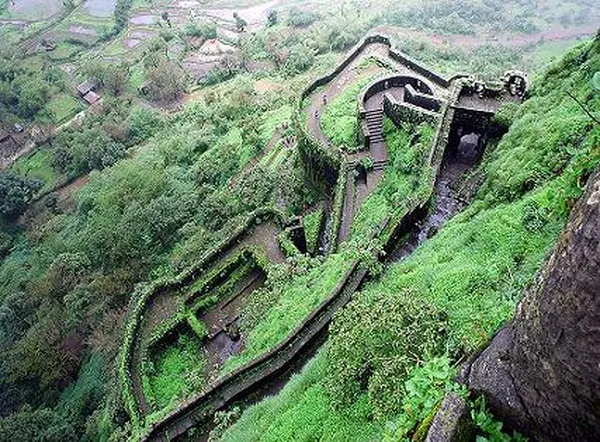
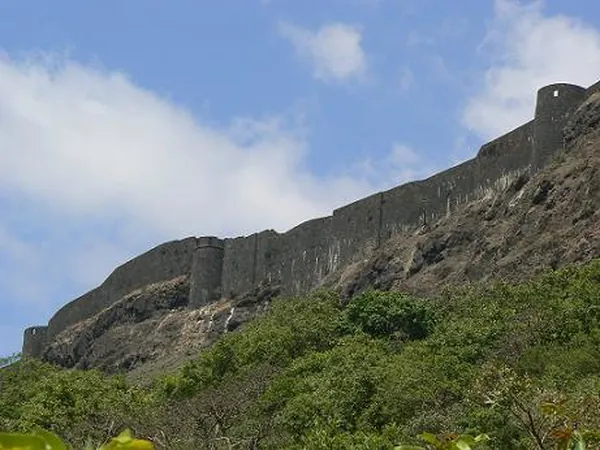
A formidable hilltop fort rising 1,033 meters above sea level, occupied successively by the Chalukyas, Rashtrakutas, Yadavas, Bahmanis, and famously fortified by Chhatrapati Shivaji Maharaj in 1670 to house the royal treasury. Renowned for its four grand defense gates and the famous 1,500 meter long narrow spur called *Vinchu Kata* (Scorpion's Tail).
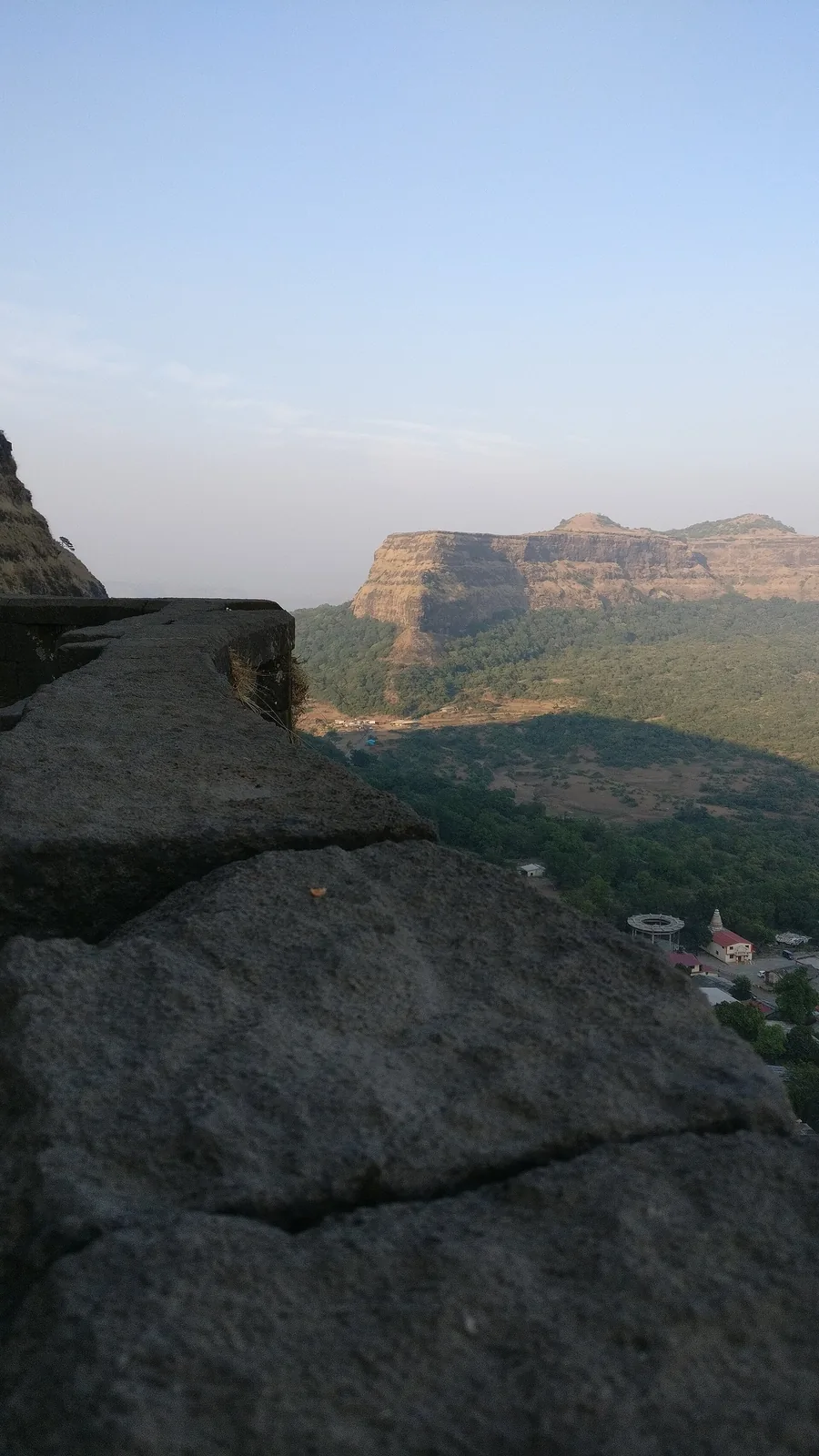 Lohagad Fort — 1,033m Historic Maratha Hill Fortress and Vinchukata Ridge
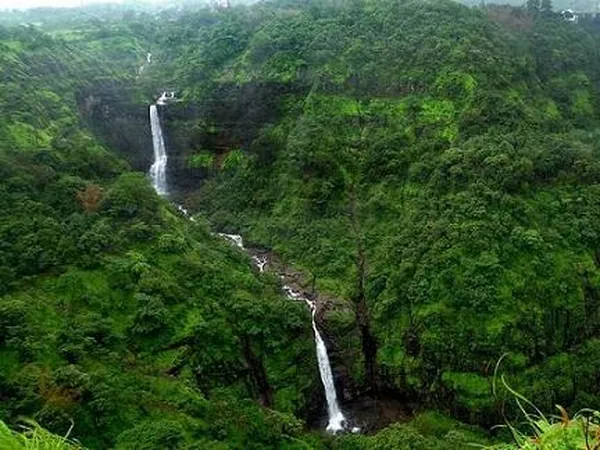
One of the highest waterfalls in Maharashtra, cascading dramatically in three distinct tiers down 200 meters into the verdant valley separating Lonavala and Khandala. Surrounded by dense jungle groves, the waterfall offers an unforgettable monsoon spectacle along the old highway.
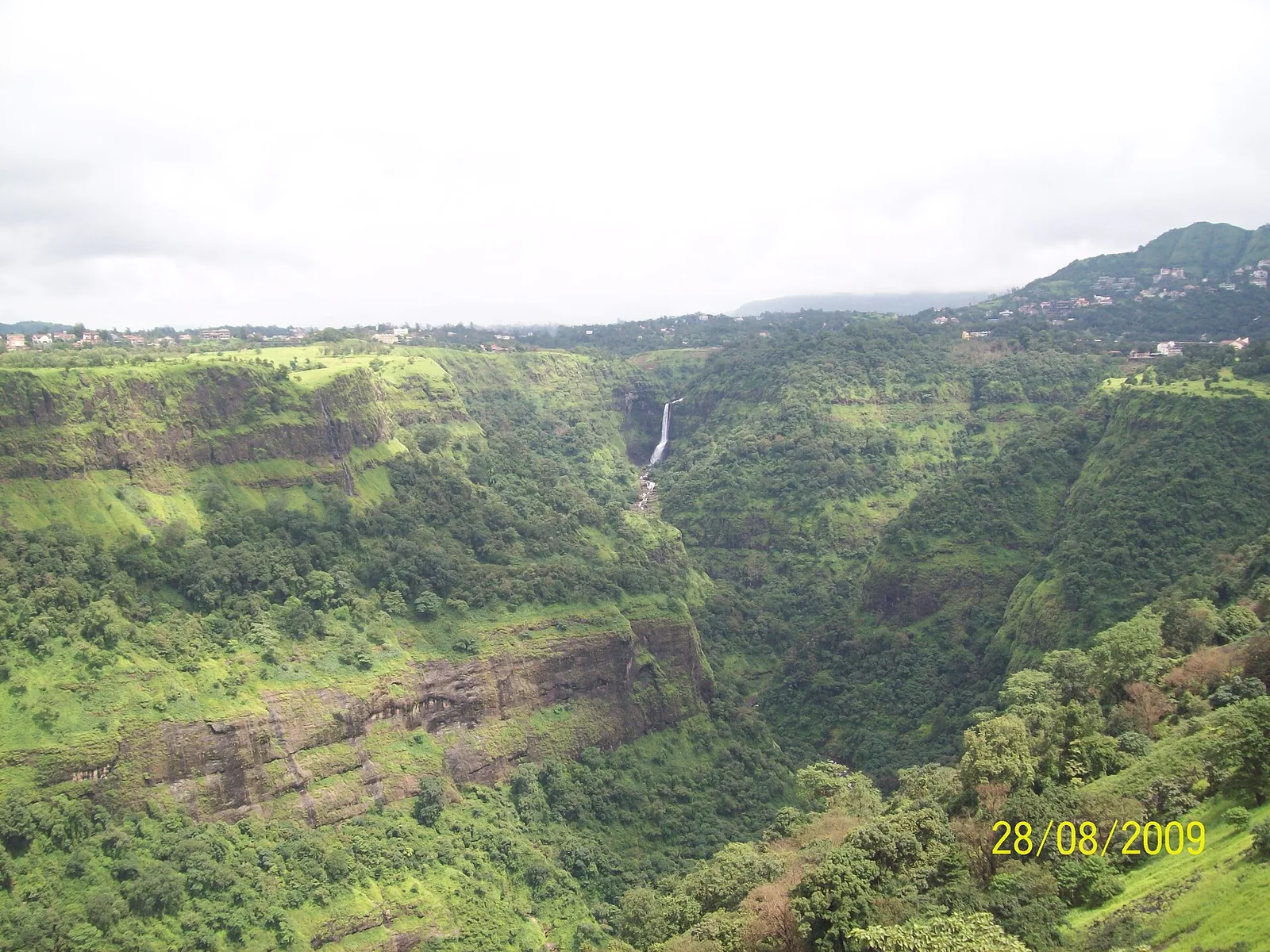 Kune Falls — 3-Tiered 200m Cascading Waterfall in Khandala-Lonavala Valley
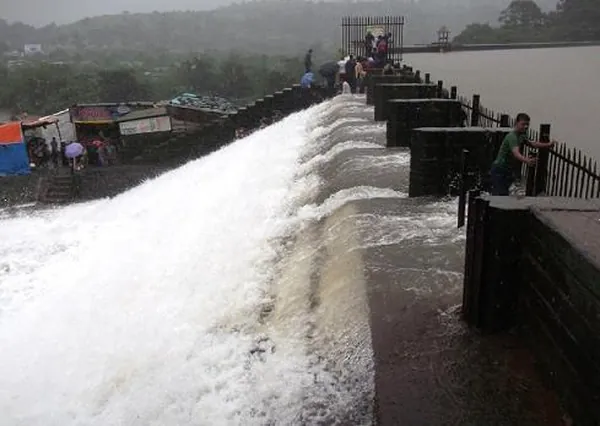
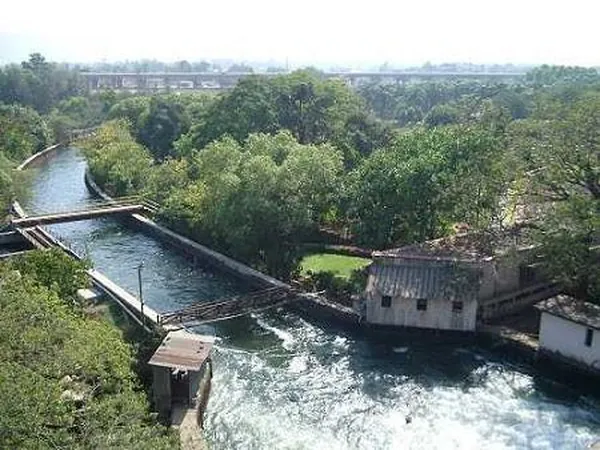
A masonry dam constructed on the Indrayani River by Central Railway in the late 19th century to supply water for steam engines. During the monsoon, the overflowing reservoir rushes down massive stone steps where thousands of visitors bathe and relax under splashing mountain water.
 Bhushi Dam — Overflowing Stepped Waterfall Dam and Monsoon Attraction in Lonavala
An artificial lake formed by the Pawna Dam on the Pawna River, surrounded by the high ramparts of Lohagad, Visapur, and Tikona Forts. Renowned across Western India as the top destination for weekend lakeside camping, bonfire barbecues, kayaking, and stargazing.
A cluster of 22 rock cut caves dating back to the 2nd century BC, featuring ancient Hinayana Buddhist stupas, intricate relief carvings of musicians playing instruments, and a collection of 14 monumental reliquary stupas carved into the cliff.
The larger and higher companion fort to Lohagad, standing at 1,084 meters elevation. Famous for its exhilarating monsoon trek that climbs directly through natural stone waterfall gulleys to reach expansive plateaus with stone water cisterns.
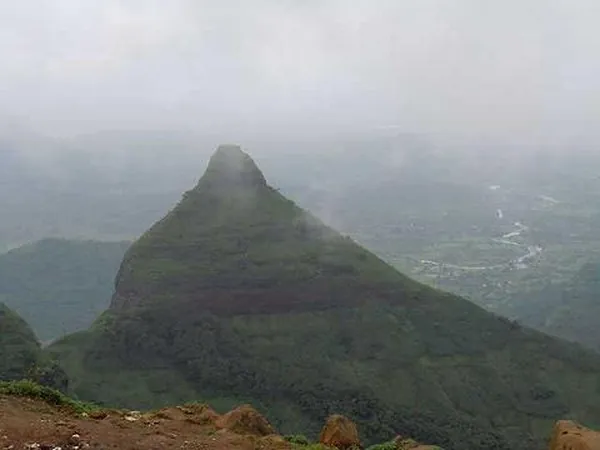
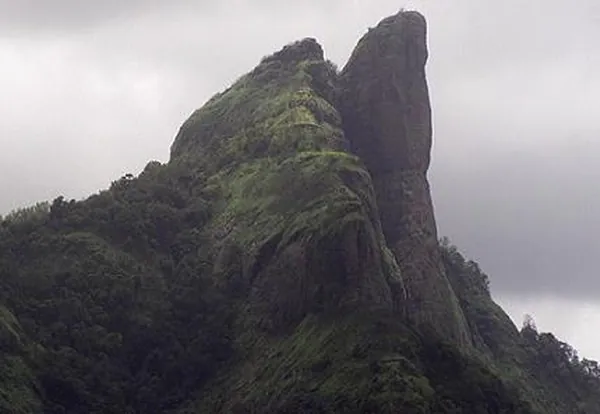
Named after the Duke of Wellington's distinctive pointed nose profile, this dramatic sheer cliff pinnacle resembles a hooded snake's head (*Nagphani*), offering rock climbing, valley crossing, and rappelling adventures.
Duration: 3 Nights / 4 Days
 Best Flights
 Best Prices
 Unique Holidays