- .
- info@earthtrip.in
-
INR
-
USD
INR
USD
Lakshmana Temple (the colossal 10th century sandstone temple built in 954 CE by Chandela king Yashovarman, famed as the most completely preserved Panchayat...
Lakshmana Temple (the colossal 10th century sandstone temple built in 954 CE by Chandela king Yashovarman, famed as the most completely preserved Panchayatana temple in India, enshrining the three headed Vaikuntha Vishnu and decorated with celestial Surasundaris and battle friezes) in Khajuraho in Madhya Pradesh, stands as central India's supreme medieval temple architecture and stone art landmark.
Dominating the western entrance of the UNESCO Western Group complex atop an elevated stone jagati platform, this 26 meter-high nagara style temple is the best preserved of the grand Chandela shrines, featuring all four original corner subsidiary shrines intact.
It's the home of the sacred four armed Vaikuntha Vishnu idol with human, lion, and boar heads, continuous baseline stone friezes depicting royal Chandela armies, exquisite wall carvings of celestial maidens putting on anklets, the monolithic Varaha shrine with 674 miniature deities, and an intensely inspiring, deeply spiritual temple ambiance filled with soft birdsong, cool stone terraces, and golden sandstone glowing under open skies.
It represents a rich Madhya Pradesh Chandela art history heritage apex, Nagara temple engineering, and world heritage tourism where 10th century temples, Kandariya Mahadeva spires, Archaeological Museum galleries, and Eastern Jain shrines unite in Lakshmana Temple.
Located in the Western Group of Temples on Main Temple Road, it sits 600 meters from Khajuraho Bus Stand, 5 km from Khajuraho Railway Station (KURJ), 3 km from Khajuraho Airport (HJR), and 100 meters from Kandariya Mahadeva Temple, easily reached on foot or by auto.
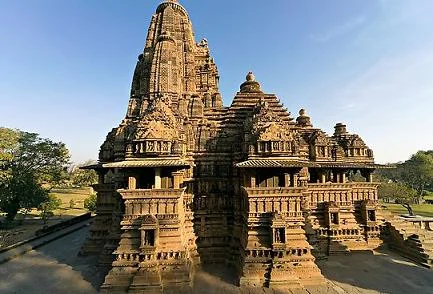
Built by Yashovarman around 954 CE, the sanctum enshrines a three headed image of Vishnu combining the lion face of Narasimha and the boar face of Varaha with a calm central human deity.
Along the high plinth, dynamic relief carvings narrate everyday life in the Chandela kingdom: royal durbars, musicians playing drums, soldiers marching with swords, and intricate mithuna sculptures symbolizing cosmic balance.
Truth is, walking clockwise along the elevated stone pradakshina path while tracing the 1,000 year-old chisel lines of celestial dancers will leave you speechless.
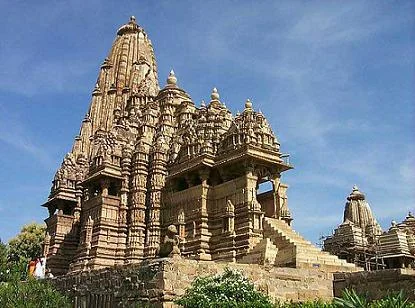
Kandariya Mahadeva: Located 100 meters away inside the same green complex, explore the tallest and most elaborate temple in Khajuraho.
Archaeological Museum & Jain Shrines: Visit the nearby ASI museum housing the Dancing Ganesha and tour the Eastern Group Jain temples.
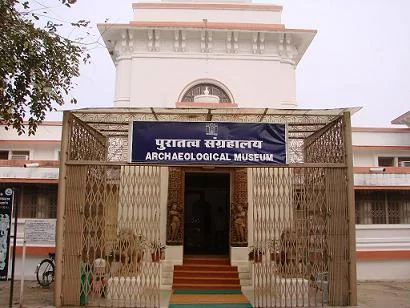
The 10th Century Architecture & World Heritage Circuit: Morning breakfast with hot bedmi puri and chai in Khajuraho town (7:30 AM) -> enter the UNESCO Western Group of Temples at opening time (8:00 AM to 11:30 AM: climb the high plinth of Lakshmana Temple, study the three headed Vaikuntha Vishnu, inspect the monolithic Varaha boar shrine & explore Kandariya Mahadeva and Vishvanatha temples) -> visit the ASI Archaeological Museum (11:45 AM to 1:00 PM) -> authentic Bundeli thali lunch in town (1:15 PM to 2:30 PM) -> afternoon bicycle tour of the Eastern Group of Temples to see Parshvanatha Temple and the Jain Museum (2:45 PM to 4:45 PM) -> return to the Western Group for golden hour photography (5:00 PM to 6:00 PM) -> attend the sound and light show at the temple gardens (6:30 PM to 7:30 PM) -> dinner in Khajuraho.
Visiting Code & Conduct: Footwear must be removed before ascending the sanctum steps; photography is permitted inside the complex (no flash in inner sanctums); hiring an ASI certified guide will reveal the intricate iconography and symbolic meaning behind each stone panel; early morning offers the best directional light for photographing the east facing facade.
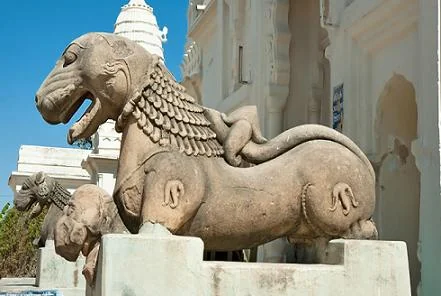
After marveling at the stone carvings of Lakshmana Temple, tour the UNESCO Khajuraho Temples, explore the Archaeological Museum, or visit the Jain Museum.
Reaching Lakshmana Temple is very simple across Khajuraho in Madhya Pradesh.
Best Time to Visit:
Explore more famous 10th century stone temples, UNESCO World Heritage monuments, and Chandela architectural landmarks across Madhya Pradesh.
 Pilgrimage
 ★★★ Hotel
Hammeer Garhi Heritage Resort is located in central India in the northern part of the stat…
View Hotel Details ★★ Hotel
Hotel Nirvana are here in Khajuraho from 2007 but we are in hospitality business from more…
View Hotel Details ★★ Hotel
The Zen an oasis of calm and beauty amidst the splendour of the Khajuraho Temples. Hot…
View Hotel Details ★★★★★ Hotel
Ramada Khajuraho Hotel offers 85 elegantly furnished & ethnically designed guest rooms and…
View Hotel Details ★★★★★ Hotel
The Radisson Jass Hotel Khajuraho guarantees guests a pleasant stay whether in Khajuraho f…
View Hotel Details ★★★★★ Hotel
The Lalit Temple View Khajuraho offers a travel experience unlike any other. With an exclu…
View Hotel Details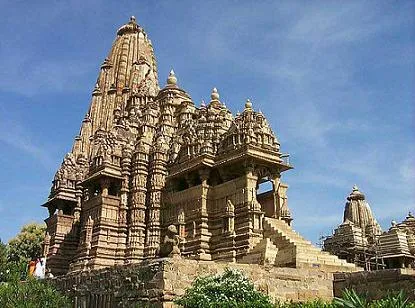 Attraction
Khajuraho Temples (the UNESCO World Heritage complex built between 950 and 1050 CE by the …
Explore Khajuraho Temples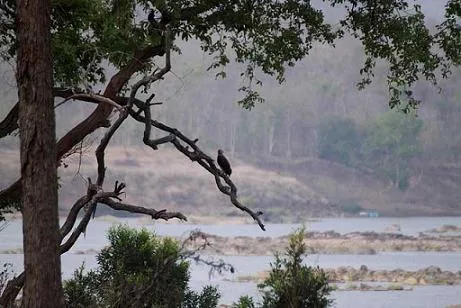 Attraction
Panna National Park and Tiger Reserve (the 542 square-kilometer dry deciduous forest ecosy…
Explore Panna National Park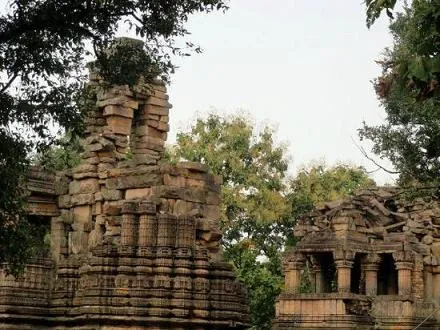 Attraction
Ajaigarh Fort (the formidable 11th century hilltop citadel perched 1,744 feet high upon a …
Explore Ajaigarh Fort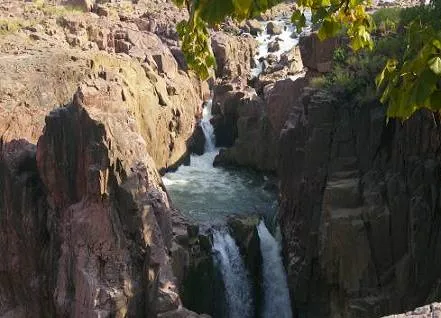 Attraction
Raneh Falls (the dramatic 30 meter deep and 5 kilometer-long crystalline granite canyon ca…
Explore Raneh Falls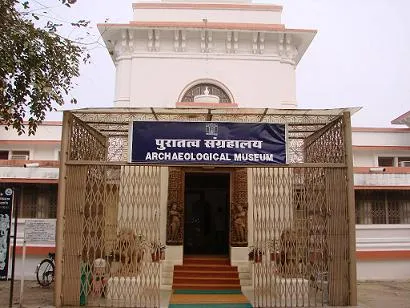 Attraction
Archaeological Museum Khajuraho (the premier ASI site museum established in 1910 and reloc…
Explore Archaeological Museum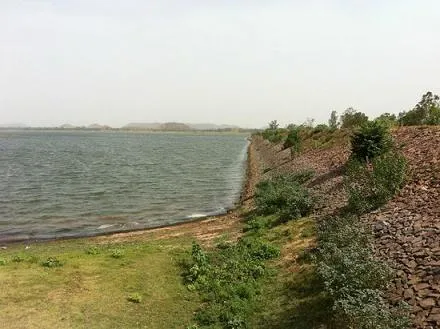 Attraction
Beni Sagar Dam (the scenic freshwater reservoir and earthen embankment built across the Kh…
Explore Beni Sagar Dam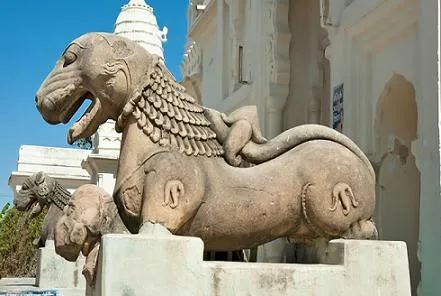 Attraction
Jain Museum or Sahu Shanti Prasad Jain Kala Sangrahalaya (the historic sculpture gallery e…
Explore Jain Museum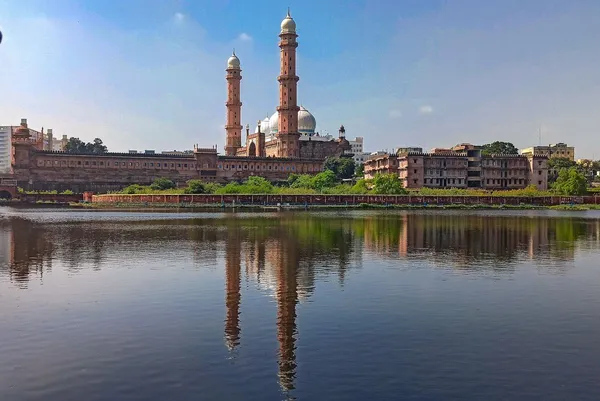 Religious
Few Indian mosques match the scale and calm of Bhopal's Taj ul Masajid. The name translate…
Explore Eastern Group of TemplesExplore high-resolution photographs of iconic landmarks, temples, and scenic spots in Khajuraho.
Essential visitor information regarding timings, entry tickets, location, nearby attractions, and travel guide in Khajuraho.
Built around 954 CE by Chandela king Yashovarman (completed by his son Dhanga) to celebrate independence from the Pratiharas.
It enshrines a rare four-armed Vaikuntha Vishnu idol with three heads: a central human face, a lion (Narasimha), and a boar (Varaha).
It is the earliest and most completely preserved Panchayatana temple in Khajuraho with all four corner subsidiary shrines intact.
Sitting on the same platform, the Varaha shrine features an exquisite monolithic sandstone boar carved with 674 miniature Hindu deities.
Open daily from 6:00 AM to 6:00 PM; ASI composite entry ticket is Rs 40 for Indians and Rs 600 for foreigners.
Get a customized itinerary and the best deals on packages and hotels.
Enquire Now