- .
- info@earthtrip.in
-
INR
-
USD
INR
USD
Kallai River (celebrated globally during the 19th and 20th centuries as the world's second largest timber trading hub after the Saint Lawrence River in Can...
Kallai River (celebrated globally during the 19th and 20th centuries as the world's second largest timber trading hub after the Saint Lawrence River in Canada and the historic timber lifeline of Calicut), gracefully flowing through the southern trading suburbs of Kozhikode city in Kerala, is one of Kerala's most historically legendary, culturally nostalgic, and economically transformative river waterways.
Originating in Cherukulathur village in the Western Ghats foothills and flowing across 22 kilometers before merging with the Arabian Sea near Beypore, this tidal river formed the epicentre of the international teak and rosewood trade, where millions of cubic feet of premium timber felled in the Nilambur and Wayanad rainforests were bound into massive floating rafts and floated down the Chaliyar and connecting canals to the famous sawmills lining Kallai's banks.
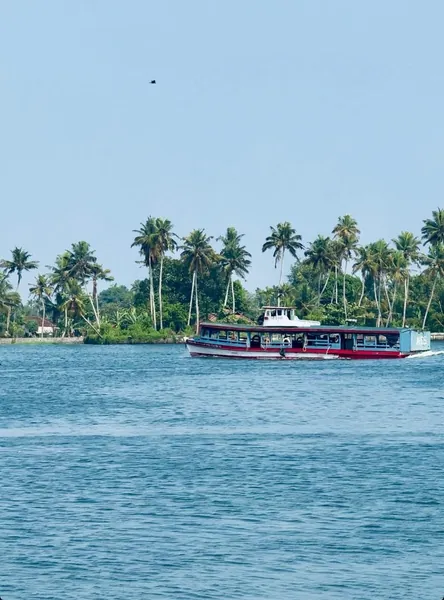
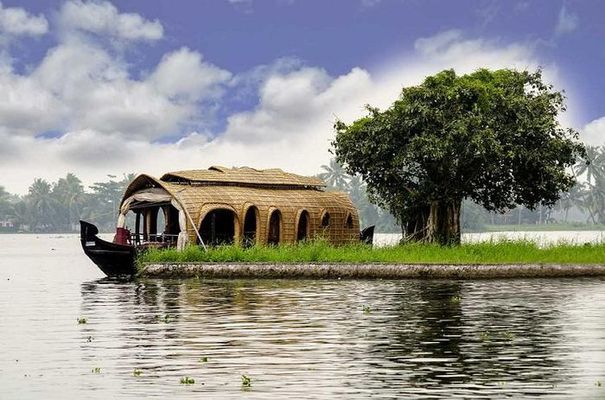
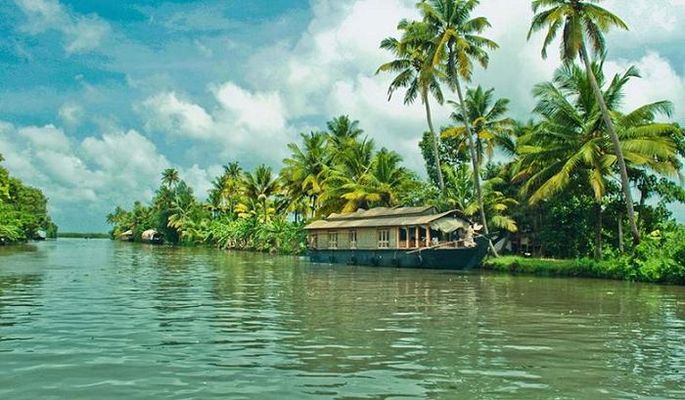
It's the home of historic heritage timber yards and antique wood carving workshops where master craftsmen sculpt traditional Kerala pillars, the iconic 1888 British Kallai Iron Railway Bridge (a monumental colonial lattice girder bridge engineered by the Madras Railway Company that still carries passenger trains across the tidal waters), scenic riverside boat cruises winding toward the Beypore estuary, lush riverbank coconut and mangrove groves, and nostalgic evening sunset views where traditional timber canoes glide across shimmering waters.
It represents a rich commercial and industrial sanctuary where 19th century global timber trade supremacy, British colonial railway engineering, classical Malabar wood craftsmanship, and peaceful riverine life unite in Kozhikode Corporation.
Located in Kallai suburb just 3 km south of Kozhikode city center, it sits 3 km from Kozhikode Railway Station (CLT), 1 km from Kallai Railway Station (KLL), 7 km from Beypore Port, and 26 km from Calicut International Airport (CCJ), easily accessible by city buses, auto rickshaws, and scenic riverside walking routes.
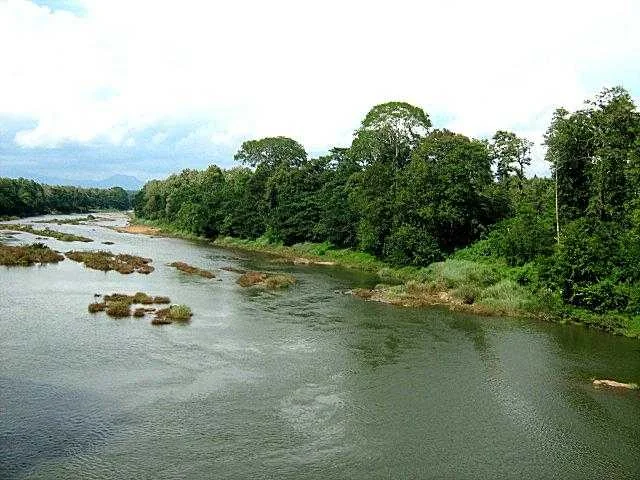
During its 20th century commercial zenith, Kallai handled over 300,000 tons of timber annually, exporting prime Malabar teak and rosewood to London, the Middle East, and royal shipyards worldwide.
Indigenous timber rafters (Vellakkaran) navigated colossal tree trunks downriver for days, anchoring them in the brackish river waters to naturally cure and season the timber.
Truth is, watching the golden evening light reflect on the wide river while traditional wooden boats drift past historic sawmill wharves evokes deep industrial nostalgia.
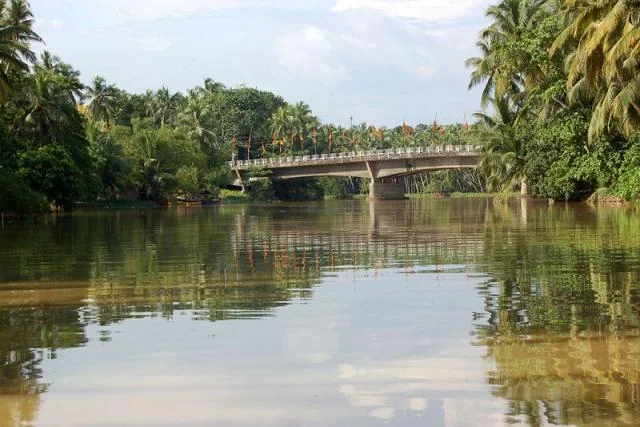
The 1888 Lattice Bridge: Erected by British railway engineers, the historic iron girder bridge remains an iconic architectural landmark of southern Kozhikode.
Train Spotting: Photographers and rail enthusiasts gather on the pedestrian walkway to capture passenger express trains crossing the iron structure against the water horizon.
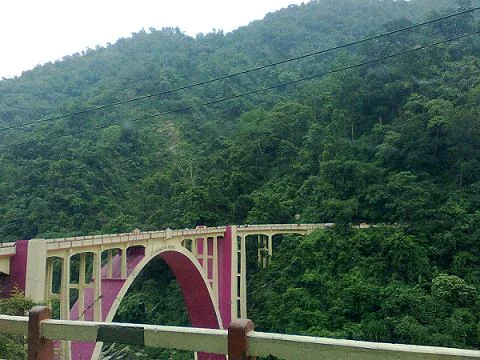
Woodcraft & Carpentry Workshops: Small artisanal sawmills along Kallai still produce bespoke rosewood furniture, temple door carvings, and structural beams for traditional Nalukettu manors.
Connecting to Beypore Estuary: Through the historic Canoli Canal and Chaliyar River network, boaters can cruise from Kallai directly to the ancient shipyards of Beypore.

After exploring the timber heritage of Kallai River, visit the shipbuilding yards at Beypore Port (6 km away), walk along the historic piers at Kozhikode Beach, explore the 13th century Muchundi Palli in Kuttichira, or tour Mananchira Square.
Reaching Kallai River in southern Kozhikode is very simple across Kozhikode in Kerala.
Best Time to Visit:
Explore more famous historic rivers, timber trade hubs, and colonial iron railway bridges across Kerala.
 Honeymoon
 Honeymoon
 Honeymoon
 Honeymoon
 Honeymoon
 Honeymoon
 ★ Hotel
Saravana Hotel, Kozhikode-Calicut offers is a professionally managed hotel in the heart of…
View Hotel Details ★★★ Hotel
The hotel provides the customers with an array of 21 well appointed A/c and Non A/c rooms …
View Hotel Details ★ Hotel
Queens Hotel is located in Kozhikode. It offers basic amenities like front desk, travel as…
View Hotel Details ★★★ Hotel
As refined as it is welcoming, as elegant as it is casual, Le Moshe Inn maintains a unusua…
View Hotel Details ★★★★★ Hotel
Welcome to The Gateway Hotel Calicut. Close to the city’s commercial hub and not too far…
View Hotel Details ★★★ Hotel
HOTEL MALABAR INN KINGTON offers the customers an unparalleled experience in gracious hosp…
View Hotel Details Honeymoon
Kozhikode Beach in Kozhikode (celebrated across India as Calicut Beach and the historic ma…
Explore Kozhikode Beach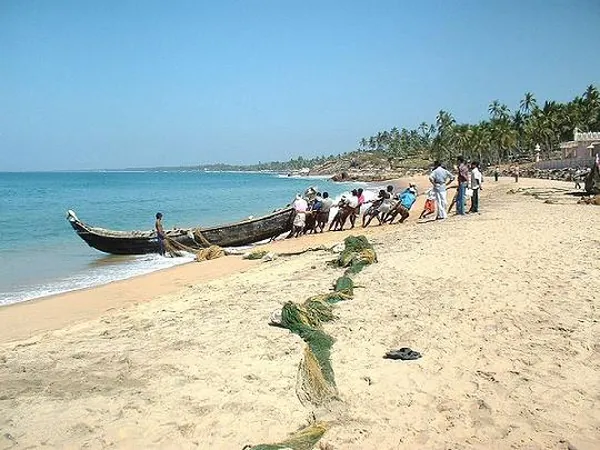 Honeymoon
Beypore Beach in Kozhikode (celebrated worldwide as one of India's most ancient maritime p…
Explore Beypore Beach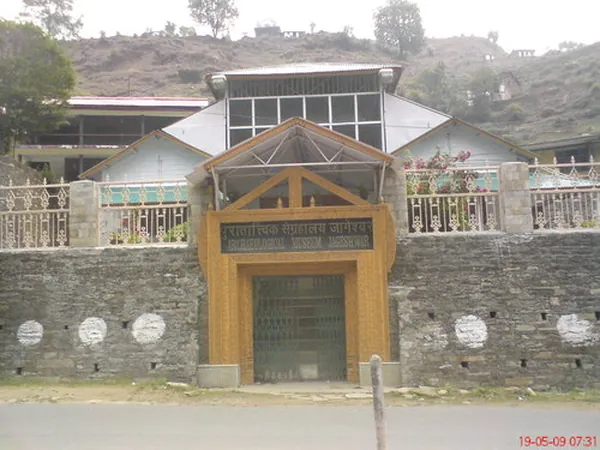 Family
Pazhassiraja Museum in Kozhikode (celebrated across southern India as the premier archaeol…
Explore Pazhassiraja Museum
Family
Lions Park in Kozhikode (celebrated across Malabar as the premier beachfront children amus…
Explore Lions Park
Pilgrimage
Tali Temple in Kozhikode (celebrated across India as Tali Maha Kshethram and the premier r…
Explore Tali Temple
Family
Mishkal Palli Mosque in Kozhikode (celebrated worldwide as one of the oldest and most arch…
Explore Mishkal Palli Mosque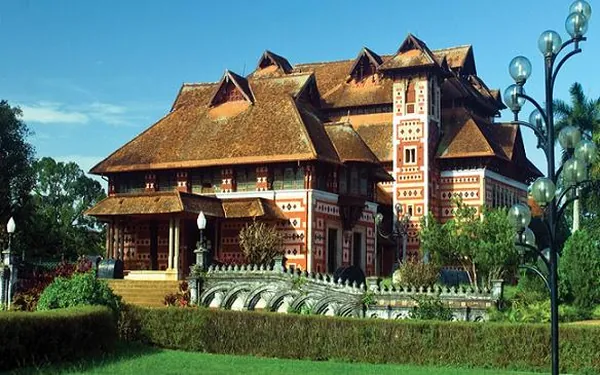 Family
Art Gallery in Kozhikode (celebrated across southern India as the V.K. Krishna Menon Museu…
Explore Art Gallery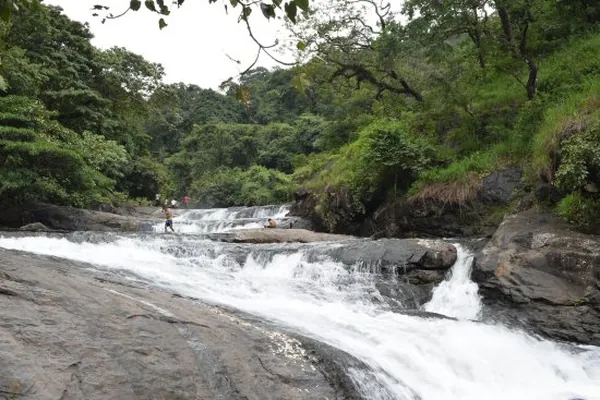 Family
Kozhippara Falls (celebrated across Malabar as the crown jewel cascade of the high altitud…
Explore Kozhippara Falls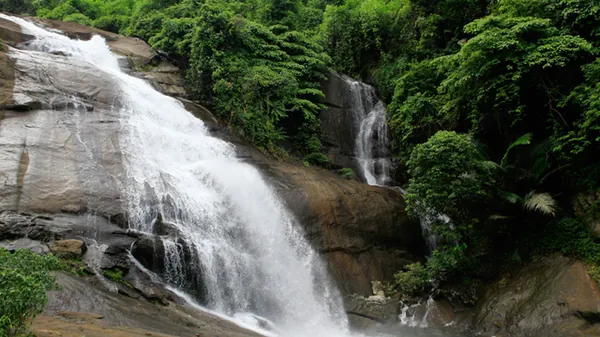 Family
Thusharagiri Waterfall (celebrated poetically across South India as the 'Snow Capped Mount…
Explore Thusharagiri WaterfallExplore high-resolution photographs of iconic landmarks, temples, and scenic spots in Kozhikode.
Essential visitor information regarding timings, entry tickets, location, nearby attractions, and travel guide in Kozhikode.
Kallai River was historically the world's second-largest timber trading hub in the 19th and 20th centuries, famous for teak trade and the 1888 British iron bridge.
Kallai River was historically the world's second-largest timber trading hub in the 19th and 20th centuries, famous for teak trade and the 1888 British iron bridge.
Teak and rosewood logs felled in Nilambur and Wayanad forests were bound into massive floating rafts and navigated down the Chaliyar and Kallai rivers by expert rafters.
Teak and rosewood logs felled in Nilambur and Wayanad forests were bound into massive floating rafts and navigated down the Chaliyar and Kallai rivers by expert rafters.
Erected in 1888 by British railway engineers, the historic iron lattice girder bridge spans the Kallai River and still carries passenger trains today.
Erected in 1888 by British railway engineers, the historic iron lattice girder bridge spans the Kallai River and still carries passenger trains today.
Yes, local country boat and motorboat rides can be arranged along the river and connecting canals toward the Beypore port estuary.
Yes, local country boat and motorboat rides can be arranged along the river and connecting canals toward the Beypore port estuary.
Kallai River is located in the southern suburbs of Kozhikode, just 3 km south of Kozhikode Railway Station (CLT) and Mananchira Square.
Kallai River is located in the southern suburbs of Kozhikode, just 3 km south of Kozhikode Railway Station (CLT) and Mananchira Square.
Get a customized itinerary and the best deals on packages and hotels.
Enquire Now
Honeymoon
Honeymoon
Family
Family
Pilgrimage
Family